Brain Foods for Studying: Boost Focus and Memory for Exams
Study smarter, not harder! 15 brain foods proven to boost focus and memory during studying. DHA builds neural membranes. Blueberries cross blood-brain barrier. Exam-ready guide.
by BiteBrightly
3/6/202630 min read
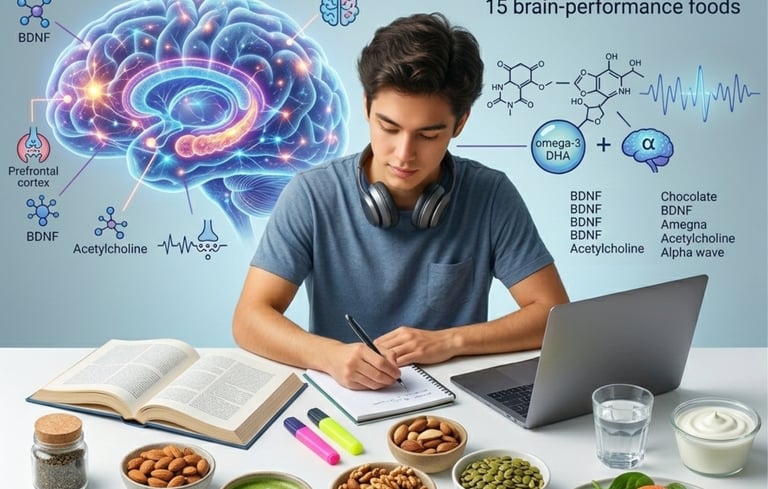

Brain Foods for Studying: Boost Focus and Memory for Exams
By BiteBrightly 6 March 2026: This post might contain affiliate links.
Do you sit down to study and find your mind wandering within fifteen minutes, no matter how hard you try to concentrate? Do you review material for hours, feel like you understand it, and then watch it evaporate under exam pressure? Does the exhaustion that hits mid-afternoon make the second half of any study session feel like pushing through quicksand—when the material simply won't stick no matter how many times you re-read it?
You might be treating your studying as a willpower problem when it is actually, at least in part, a nutrition problem.
Your brain is the most metabolically demanding organ in your body. It represents approximately 2% of your body weight but consumes 20% of your total daily energy. It processes, encodes, consolidates, and retrieves information through networks of neurons firing at extraordinary speed—and every step of this process requires specific nutrients that most students are chronically underconsuming. When the brain doesn't have what it needs, the result is not just fatigue. It is literally slower neural transmission, impaired memory consolidation, reduced ability to sustain focused attention, and heightened stress reactivity that makes the already difficult experience of exam pressure significantly worse.
The difference between a brain that learns efficiently and one that struggles to retain information is not intelligence, motivation, or study technique alone. It is, in meaningful part, neurochemistry—and neurochemistry is shaped daily by what you eat.
This comprehensive guide reveals the fifteen foods most powerfully supported by neuroscience research for cognitive performance, focus, memory encoding, and exam readiness—alongside the precise mechanisms by which each food works, what the research shows about their effects on learning and academic performance specifically, and exactly how to build a studying diet that gives your brain the biological conditions it needs to perform at its best when it matters most.(Brain Foods for Studying)
Key Takeaways
The brain consumes 20% of total body energy despite being only 2% of body weight—nutrition directly determines cognitive capacity
Omega-3 DHA is the primary structural fat in neuronal membranes and is essential for synaptic plasticity—the cellular basis of learning and memory
Glucose regulation (avoiding blood sugar spikes and crashes) is one of the most impactful and immediately actionable cognitive performance factors
Acetylcholine—the neurotransmitter most directly involved in attention, working memory, and learning—requires dietary choline to synthesize
BDNF (brain-derived neurotrophic factor), the brain's primary growth factor for new neural connections, is directly increased by specific dietary compounds
Antioxidant-rich foods protect brain tissue from the oxidative stress that impairs memory formation and accelerates cognitive aging
The gut-brain axis means that gut microbiome health directly influences mood, stress resilience, and cognitive clarity—foods that support gut health support studying
Most cognitive effects of dietary optimization appear within days to weeks—exam-season dietary changes produce measurable benefits in the near term
Understanding the Studying Brain: What Cognitive Performance Actually Requires
Before exploring specific foods, understanding what your brain actually needs during intense study—and what happens neurologically when those needs aren't met—will help you make dietary choices that address the root causes of cognitive performance rather than just reducing fatigue.
Memory Formation: The Neuroscience of Learning
When you study, you're asking your brain to perform a sequence of distinct cognitive operations, each with specific biological requirements. Understanding this sequence explains why certain nutrients matter so profoundly.
Encoding: The first stage of memory formation requires focused attention—the ability to filter irrelevant sensory input and direct cognitive resources to what you're trying to learn. Encoding depends heavily on acetylcholine (the neurotransmitter of attention and memory formation), dopamine (which signals that information is worth encoding), and norepinephrine (which enhances the signal-to-noise ratio in neural circuits, making important information stand out). All three neurotransmitters require specific dietary precursors and cofactors.
Synaptic plasticity: As you learn, synaptic connections between neurons strengthen—a process called long-term potentiation (LTP). LTP is the cellular mechanism of memory storage, and it requires BDNF (brain-derived neurotrophic factor)—a protein that promotes the growth of new dendritic spines and the strengthening of synaptic connections. BDNF production is directly influenced by dietary compounds including flavonoids, omega-3s, and exercise-related signals.
Consolidation: Memory consolidation—the process by which short-term memories are transferred to long-term storage—occurs primarily during sleep and requires the protein synthesis that builds new synaptic structures. The amino acids from dietary protein provide the raw materials for this synthesis. Sleep quality, which is profoundly influenced by dietary patterns, determines consolidation efficiency.
Retrieval: Accessing stored memories under exam conditions requires the prefrontal cortex to inhibit irrelevant associations and focus retrieval cues—a process that is dramatically impaired by acute stress (cortisol impairs prefrontal function and hippocampal retrieval), sleep deprivation, and blood glucose instability. Dietary strategies that stabilize cortisol, support sleep quality, and maintain glucose homeostasis directly support retrieval—the cognitive function that determines exam performance.
Why Blood Sugar Is the Most Immediately Impactful Factor
The brain cannot store glucose. It depends entirely on continuous delivery from the bloodstream—and when blood glucose fluctuates dramatically (as it does after high-glycemic meals and snacks), cognitive performance fluctuates with it.
High-glycemic foods (white bread, sugary drinks, candy, processed snacks) cause rapid blood glucose spikes followed by compensatory insulin release and blood sugar crashes. During these crashes, glucose delivery to the brain temporarily drops, producing the familiar mid-afternoon cognitive fog, difficulty concentrating, irritability, and the sense that new information simply won't stick. This cycle is one of the most common and most easily correctable causes of poor study performance.
Low-glycemic foods—whole grains, legumes, nuts, vegetables—provide sustained glucose delivery that maintains stable neural energy without the crash cycle. The cognitive difference between studying after a high-glycemic snack and a low-glycemic one is measurable and often dramatic.
The Neurotransmitter Landscape of Academic Performance
Academic performance depends on four neurotransmitter systems working in coordination:
Acetylcholine: The neurotransmitter most directly associated with attention, learning, and memory encoding. The hippocampus (primary memory formation structure) and prefrontal cortex (executive function, focus) are particularly dependent on cholinergic signaling. Dietary choline from eggs, fish, and legumes is the precursor for acetylcholine synthesis.
Dopamine: The "learning signal" neurotransmitter—released when you encounter information your brain flags as important or rewarding, motivating further engagement. Dopamine also drives working memory and the motivated persistence required for long study sessions. Dietary tyrosine (from protein) is the amino acid precursor for dopamine synthesis.
GABA and serotonin: These calming and mood-regulating neurotransmitters reduce the exam anxiety that impairs prefrontal function. GABA synthesis requires glutamate; serotonin requires dietary tryptophan. Fermented foods and diverse dietary fiber support the gut serotonin production (approximately 90% of serotonin is produced in the gut) that influences mood and stress resilience.
Norepinephrine: Provides the alertness and cognitive arousal necessary for effective studying. Like dopamine, norepinephrine is synthesized from dietary tyrosine. Optimal—not excessive—norepinephrine signaling supports focused attention; the stress-induced norepinephrine excess of exam pressure impairs rather than enhances fine cognitive performance.
The BDNF Connection: Growing Brain Power Through Food
BDNF (brain-derived neurotrophic factor) is the protein responsible for neuroplasticity—the brain's ability to form new neural connections, strengthen existing ones, and adapt to new learning. Higher BDNF expression correlates with better memory performance, faster learning, and greater resilience to cognitive stress.
Critically, BDNF production is regulated by lifestyle factors including exercise, sleep, and diet. Specific dietary compounds—including curcumin, flavonoids (from berries and dark chocolate), omega-3 DHA, and resveratrol—directly upregulate BDNF expression. Conversely, high-sugar diets, chronic stress, and sleep deprivation suppress BDNF—explaining part of why unhealthy student eating habits undermine the cognitive performance students need most during exam periods.
The Gut-Brain Axis: Why Your Microbiome Affects Your Focus
The gut-brain axis—the bidirectional communication network connecting the gut microbiome to the central nervous system via the vagus nerve, immune signaling, and neurotransmitter production—means that gut health directly influences cognitive function, mood stability, and stress resilience.
Approximately 90% of serotonin is synthesized in the gut, where it regulates intestinal function before being transformed into the form that influences mood and cognition centrally. Short-chain fatty acids (SCFAs) produced by gut bacteria cross the blood-brain barrier and directly influence neuroinflammation, BDNF production, and microglial function (the brain's immune cells). Gut dysbiosis—imbalanced gut bacteria—is associated with increased anxiety, impaired stress resilience, and brain fog. Foods that support gut microbiome health are, through these mechanisms, foods that support cognitive performance.
The 15 Best Brain Foods for Studying and Exam Performance
1. Wild-Caught Fatty Fish (Salmon, Mackerel, Sardines)
Fatty fish is the most neurologically important food category for students—not as a vague "brain health" claim but through a specific and irreplaceable structural mechanism that determines the very architecture of cognitive performance.
How it works: DHA (docosahexaenoic acid) is the primary structural fat in neuronal cell membranes. Approximately 97% of the omega-3 fat in the brain is DHA, concentrated in the phospholipid bilayers of neuronal membranes where it determines membrane fluidity—the physical property that controls how efficiently neurotransmitter receptors function, how rapidly action potentials propagate, and how effectively synaptic vesicles fuse to release neurotransmitters.
When membrane DHA is adequate, neural transmission is rapid, receptor sensitivity is high, and synaptic plasticity—the cellular mechanism of learning and memory—occurs efficiently. When DHA is deficient, membranes become less fluid, transmission slows, and the same neural networks that encode and retrieve memories must work harder to accomplish the same tasks. Research consistently shows that higher blood omega-3 index (percentage of DHA+EPA in cell membranes) is associated with better working memory, faster cognitive processing speed, and improved academic performance.
Beyond structural function, EPA and DHA reduce neuroinflammation—the low-grade brain inflammation that is increasingly recognized as a significant contributor to brain fog, cognitive fatigue, and impaired mood during stressful periods. EPA specifically reduces the production of arachidonic acid–derived neuroinflammatory compounds, while DHA-derived neuroprotectins protect neurons from oxidative damage and promote their survival.
According to research published in PLOS ONE, higher omega-3 blood levels were significantly associated with better academic performance in children and adolescents—a finding consistent with extensive adult cognitive performance research.
How to use it: Consume fatty fish two to three times weekly during exam preparation periods. Wild-caught salmon provides 1,500–2,000mg of EPA+DHA per three-ounce serving—the most DHA-concentrated practical food source available. Canned sardines, mackerel, and wild salmon provide equivalent omega-3 content at dramatically lower cost, making them practical study-period staples. For study-day use specifically, include salmon in a meal two to three hours before a long study session. Avoid frying (which oxidizes omega-3 fatty acids); bake, grill, or steam for maximum neurological benefit.
2. Eggs
Eggs are the most choline-dense commonly available food—and choline is the direct dietary precursor for acetylcholine, the neurotransmitter most fundamentally involved in attention, learning encoding, and memory consolidation.
How it works: One large egg yolk provides approximately 147mg of choline—more than any other single food by weight. Two eggs provide roughly 300mg, covering approximately 55% of the adequate daily intake for choline (550mg for men, 425mg for women). The brain uses choline to synthesize acetylcholine through a direct enzymatic conversion—acetyl-CoA + choline → acetylcholine—making dietary choline intake a direct determinant of cholinergic neurotransmission capacity.
The importance of this mechanism for studying cannot be overstated. Cholinergic neurons in the basal forebrain project throughout the hippocampus and cortex, modulating the attentional states that determine whether information is encoded into memory or passes through without retention. When acetylcholine is abundant, the hippocampus encodes new information efficiently and the prefrontal cortex maintains focused attention. When cholinergic signaling is inadequate, attention drifts, working memory capacity decreases, and new information is encoded less reliably. Drugs that block acetylcholine (anticholinergics) produce exactly the impaired memory and attention that inadequate dietary choline produces through nutritional depletion.
Eggs also provide complete protein for neurotransmitter synthesis (tyrosine for dopamine and norepinephrine, tryptophan for serotonin), B vitamins (B12, riboflavin, folate) for neural methylation reactions, and lutein—a carotenoid that concentrates in the brain and is associated with better processing speed and working memory in research.
How to use it: Eat two whole eggs daily during exam periods—not egg whites alone, as choline is concentrated in the yolk. A two-egg breakfast with vegetables and whole grain toast provides choline, protein, and complex carbohydrates for sustained glucose delivery in a single morning meal. Combine with berries (flavonoids) and black coffee or green tea (caffeine + L-theanine for focused attention) for an optimized pre-study breakfast. Hard-boiled eggs prepared in advance make the most practical study-period protein source—requiring no cooking and providing complete nutrition between study sessions.
3. Blueberries and Dark Berries
Blueberries are the most extensively researched food for cognitive performance and memory specifically—with a body of evidence spanning animal studies, human intervention trials, and epidemiological research that consistently demonstrates meaningful benefits for the exact cognitive functions that exam performance demands.
How it works: Blueberries contain the highest concentration of flavonoids—particularly anthocyanins and pterostilbene—of any commonly available fruit. These polyphenols cross the blood-brain barrier (a selective barrier that most compounds cannot penetrate) and directly accumulate in the hippocampus and prefrontal cortex—the brain regions most critical for memory formation and executive function. Once in the hippocampus, flavonoids upregulate BDNF expression, promote neurogenesis (the growth of new neurons) in the hippocampal dentate gyrus, enhance long-term potentiation (the synaptic strengthening that encodes memories), and reduce neuroinflammation.
In human clinical trials, blueberry supplementation has been shown to improve memory performance in older adults, and research in younger adults and adolescents demonstrates improvements in verbal memory, sustained attention, and executive function. A study from the University of Reading found that consuming a blueberry drink improved memory performance in children, with effects appearing within hours of consumption—relevant for immediate pre-exam nutrition strategy.
Pterostilbene—found in higher concentrations in blueberries than in most other fruits—is of particular interest because it has superior bioavailability compared to resveratrol and has been shown to enhance spatial memory, reduce neuroinflammation, and upregulate BDNF in hippocampal tissue.
How to use them: Include one to two cups of blueberries daily during exam periods. Fresh or frozen blueberries provide equivalent polyphenol content—frozen blueberries are economical and can be kept frozen for months, making them practical for students. Add to morning oatmeal or yogurt, blend into smoothies with spinach and kefir, or eat as a pre-study snack. Combine with walnuts—the BDNF-upregulating effects of blueberry flavonoids and walnut ALA are complementary and likely additive. For pre-exam morning use specifically, a blueberry-rich breakfast two hours before an exam may provide a measurable acute cognitive boost.
4. Dark Chocolate (70%+ Cacao)
Dark chocolate is one of the most evidence-supported acute cognitive enhancers available from food—providing flavanols and methylxanthines (caffeine and theobromine) that produce immediate, measurable improvements in blood flow to the brain, sustained attention, and working memory performance.
How it works: Cocoa flavanols—particularly epicatechin—are among the most vasoactive food compounds known. They stimulate the production of nitric oxide (NO) in blood vessel endothelium, causing vasodilation and increased cerebral blood flow. The brain is exceptionally sensitive to blood flow changes; even modest increases in regional cerebral perfusion improve the nutrient and oxygen delivery that powers neural activity. Studies using neuroimaging confirm that cocoa flavanol consumption increases cerebral blood flow to regions critical for cognitive performance, including the prefrontal cortex.
Theobromine (the predominant methylxanthine in cocoa) provides gentle, sustained stimulation of the central nervous system—longer-lasting and smoother than caffeine's sharper arousal. Combined with the modest caffeine in dark chocolate, theobromine creates a focused alertness state that many students find particularly conducive to sustained studying compared to coffee's more intense caffeine spike.
Beyond acute effects, cocoa flavanols upregulate BDNF, reduce neuroinflammation through NF-kB inhibition, and protect neurons from oxidative damage during periods of intense cognitive work. Research published in Nature Neuroscience demonstrated that cocoa flavanol consumption improved performance on a hippocampus-dependent pattern separation task—a measure of hippocampal function directly relevant to the discriminative memory demands of exam performance.
How to use it: Consume 30–40g (approximately 1–1.5 oz) of dark chocolate with at least 70% cacao content as a daily study snack. Higher cacao percentage means more flavanols and less sugar. Combine with walnuts and blueberries for a synergistic antioxidant and BDNF-upregulating snack. For pre-exam use, consuming dark chocolate one to two hours before a test provides the cerebrovascular benefits of flavanol-induced blood flow at peak study or exam time. Avoid highly Dutch-processed cocoa (alkaline processing destroys flavanols)—choose minimally processed dark chocolate or cacao powder for maximum cognitive benefit.
5. Walnuts
Walnuts are the most comprehensively brain-supportive nut—their combination of ALA omega-3 fatty acids, polyphenols, melatonin, and vitamin E addresses the structural, antioxidant, and sleep-supporting dimensions of cognitive performance simultaneously.
How it works: Walnuts contain the highest ALA (alpha-linolenic acid) content of any tree nut—2.5g per one-ounce serving. ALA is the plant-based precursor omega-3 from which the body produces EPA and ultimately DHA (though conversion efficiency is limited). More importantly for brain health, walnuts contain ellagitannins converted by gut bacteria to urolithins—polyphenols with emerging evidence for neuroprotective activity including reduction of neuroinflammation and oxidative stress in brain tissue.
Research specifically linking walnut consumption to cognitive performance is compelling. A large cross-sectional study published in the Journal of Nutrition, Health and Aging found that adults who consumed walnuts had significantly better cognitive function scores across multiple domains including concentration, information processing speed, and memory—independent of other lifestyle variables. A randomized controlled trial showed that walnut consumption improved inferential verbal reasoning in young adults.
Walnuts are also a meaningful food source of melatonin—relevant for students managing disrupted sleep schedules during exam periods. Melatonin from food does not provide the pharmacological doses of supplements but contributes to the dietary melatonin pool that supports circadian rhythm maintenance. The magnesium in walnuts (approximately 45mg per oz) supports GABA receptor function, contributing to the calm, anxiety-reducing effect that is as cognitively valuable as any direct memory effect during stressful exam periods.
How to use them: Include 1–1.5 oz of walnuts daily. Pair with blueberries and dark chocolate as the core daily brain snack. Add to morning oatmeal, blend into smoothies, or eat with a small piece of dark chocolate before study sessions. Evening walnuts—combining their melatonin, magnesium, and ALA content—may provide sleep-supporting benefits during high-stress exam periods when sleep quality is compromised.
6. Avocados
Avocados are the richest whole food source of monounsaturated fat for brain health—providing the oleic acid that supports myelin formation and neural transmission alongside lutein, folate, and vitamin K in a combination uniquely suited to the sustained cognitive demands of serious studying.
How it works: The brain is approximately 60% fat by dry weight, and myelin—the insulating sheath surrounding axons that dramatically increases neural transmission speed—is composed primarily of lipids including sphingomyelin and monounsaturated fats. Adequate dietary monounsaturated fat, particularly oleic acid from avocados and olive oil, supports the myelin composition that determines how rapidly your neural networks process and transmit information.
Beyond structural support, avocados provide exceptional lutein and zeaxanthin content among fruits—carotenoids that concentrate in both the retina and the brain, particularly in the prefrontal cortex and hippocampus. Lutein in the brain is specifically associated with better processing speed, attention, and episodic memory in multiple research studies. One avocado provides more lutein than almost any other fruit, and regular avocado consumption has been associated with improved cognitive function in intervention trials.
Avocados also provide folate (approximately 60mcg per avocado)—a B vitamin required for the one-carbon methylation reactions that regulate neurotransmitter synthesis, DNA methylation, and the repair of neural tissue. Folate deficiency impairs serotonin and dopamine synthesis, contributing to the mood disturbances and cognitive dulling that accompany nutritional folate insufficiency.
How to use them: Include half to one avocado daily during study periods. Avocado toast on whole grain bread combines the sustained glucose delivery of complex carbohydrates with the monounsaturated fat and lutein of avocado—an excellent pre-study meal. Add sliced avocado to eggs, salads, and grain bowls. Blend into smoothies for creamy texture without disrupting flavor. The combination of avocado with spinach (additional lutein) and eggs (choline for acetylcholine) creates a breakfast providing three distinct cognitive performance mechanisms in a single meal.
7. Oats and Whole Grains
Oats are the most cognitively optimal breakfast grain for students—providing slow-release glucose that sustains neural energy through long study sessions without the blood sugar instability that undermines cognitive performance.
How it works: The brain's exclusive fuel is glucose, but the rate of glucose delivery is as important as its quantity. Steel-cut and rolled oats have a low glycemic index (approximately 55 for steel-cut, slightly higher for rolled)—delivering glucose slowly and steadily over two to three hours. This stable glucose delivery maintains consistent neural energy during sustained study sessions, preventing the mid-session cognitive dip that accompanies the blood glucose crashes following high-glycemic alternatives.
Oats' beta-glucan fiber slows gastric emptying and glucose absorption—the physical mechanism behind their low glycemic index—while also feeding beneficial gut bacteria that produce short-chain fatty acids influencing the gut-brain axis. Whole grain oats also provide B vitamins (thiamine, riboflavin, niacin, B6) required as cofactors in energy metabolism reactions that power neural activity, as well as iron (important for the oxygen-carrying capacity that determines how efficiently the brain receives the oxygen it needs for cognitive work).
Research has specifically examined oat consumption and cognitive performance. Studies show that children who eat oatmeal breakfast demonstrate better attention, episodic memory, and spatial working memory performance compared to those eating ready-to-eat cereals or no breakfast—effects attributed to the difference in glucose release kinetics.
How to use it: Build breakfast around steel-cut or rolled oatmeal (1.5 cups cooked) during exam periods. Top with blueberries, walnuts, ground flaxseed, and a small amount of honey—a single breakfast combining complex carbohydrate glucose delivery, flavonoid BDNF upregulation, omega-3 structural support, and additional fiber in one bowl. Prepare steel-cut oats the night before (overnight oats) for morning convenience during high-pressure exam schedules. Include other whole grains—brown rice, quinoa, whole wheat bread—throughout the day to maintain the low-glycemic carbohydrate foundation that prevents blood sugar–driven cognitive crashes.
8. Leafy Greens (Spinach, Kale, Arugula)
Leafy greens are the most nutrient-dense cognitive performance food by caloric weight—providing folate, vitamin K, lutein, nitrates, and magnesium in a combination that addresses multiple cognitive mechanisms simultaneously.
How it works: Dark leafy greens are among the most lutein-dense foods available—spinach and kale provide exceptional lutein per serving, and dietary lutein specifically accumulates in the brain's prefrontal cortex and hippocampus where it influences processing speed, working memory, and attention. Research from the University of Illinois demonstrated that macular pigment optical density (a biomarker of brain lutein status) significantly predicted cognitive performance in young adults—establishing lutein as a cognitive nutrient relevant across the lifespan, not just for aging populations.
Leafy greens provide dietary nitrates that are converted to nitric oxide in the body—increasing cerebral blood flow through the same vasodilation mechanism as cocoa flavanols. This means that the greens in your lunch salad are directly increasing the blood flow and oxygen delivery to the brain regions you'll be using during afternoon study sessions. Research using MRI has confirmed that dietary nitrate consumption increases cerebral perfusion in regions associated with working memory and executive function.
The magnesium in leafy greens (1 cup cooked spinach provides approximately 157mg, roughly 37% of daily requirements) is critically important for NMDA receptor function—the glutamate receptors at the heart of long-term potentiation and memory encoding. Magnesium deficiency specifically impairs LTP and working memory in research models. For students under stress (which increases magnesium excretion), maintaining dietary magnesium through regular leafy green consumption is both a cognitive and an anti-anxiety nutritional priority.
How to use them: Include two to three cups of dark leafy greens daily. A large study salad at lunch (spinach + arugula base) with avocado, hard-boiled eggs, walnuts, and olive oil and lemon dressing delivers choline, lutein, omega-3s, and monounsaturated fat in one meal—stacking four distinct cognitive performance mechanisms. Blend spinach into morning smoothies (where it is virtually undetectable in flavor among blueberries and banana) for maximum daily intake without taste compromise. Sauté kale or Swiss chard as an evening side dish to round out daily intake.
9. Green Tea and Matcha
Green tea—and particularly matcha, which is whole powdered green tea leaf—provides the most cognitively favorable combination of stimulant compounds available from any beverage: caffeine for arousal and adenosine blockade, L-theanine for calm focus that prevents caffeine anxiety, and EGCG for neuroprotection and BDNF upregulation.
How it works: The caffeine-L-theanine combination in green tea is the most studied dietary combination for cognitive performance. Caffeine blocks adenosine receptors—reducing the sleepiness signal that accumulates during prolonged study—while increasing the release of norepinephrine and dopamine to enhance alertness and motivation. L-theanine is an amino acid found almost exclusively in tea that crosses the blood-brain barrier and increases GABA and alpha wave activity in the brain—producing a state of calm alertness without the anxiety, jitteriness, or concentration impairment that caffeine alone can produce, particularly at higher doses or in anxious individuals.
Multiple randomized studies demonstrate that the caffeine-L-theanine combination produces greater improvements in attention accuracy, sustained attention, and working memory than either compound alone—a synergistic cognitive effect that makes green tea qualitatively different from coffee for studying purposes. The ratio of caffeine to L-theanine in green tea (approximately 1:2) appears particularly effective for focused cognitive work.
EGCG—the primary catechin in green tea—crosses the blood-brain barrier and upregulates BDNF in hippocampal tissue, reduces neuroinflammation through NF-kB inhibition, and has been shown in research to improve object recognition memory and spatial learning in animal models. In human studies, higher green tea consumption is associated with better cognitive function across multiple domains.
Matcha provides four to ten times the EGCG concentration of brewed green tea per serving (because the entire leaf is consumed, not just water-extracted compounds), making it the most potent tea-based cognitive enhancer available.
How to use it: Drink two to three cups of green tea daily during exam preparation, or one cup of matcha for equivalent EGCG alongside less total caffeine than multiple green tea cups would provide. Time caffeine consumption strategically: morning and early afternoon for active study, avoiding caffeine after 2 p.m. to protect the sleep quality that consolidates everything you studied. Prepare matcha as a latte with warm oat milk and a small amount of honey for a studying beverage that combines L-theanine, EGCG, caffeine, and the beta-glucan cognitive benefits of oats. Avoid high-caffeine energy drinks—they provide caffeine without L-theanine's calming modulation, producing anxiety states that impair the prefrontal function needed for complex studying.
10. Pumpkin Seeds
Pumpkin seeds are the most magnesium-dense commonly available food—providing the mineral most directly associated with NMDA receptor function, anxiety reduction, and the calm cognitive state that enables effective learning under pressure.
How it works: One ounce of pumpkin seeds provides approximately 156mg of magnesium—the highest magnesium density of any commonly available snack food. Magnesium is a required cofactor for over 300 enzymatic reactions, but its specific cognitive relevance to studying involves three distinct mechanisms: NMDA receptor modulation (magnesium blocks NMDA receptors at rest, preventing excessive glutamate excitation and modulating the controlled activation that enables LTP), HPA axis regulation (magnesium directly suppresses cortisol production and the sympathetic nervous system overactivation that drives exam anxiety), and GABA receptor support (magnesium enhances GABA's inhibitory calming effects, reducing the neural noise that impairs focused attention).
The anxiety-reducing effect of adequate magnesium is directly relevant to exam performance. Research consistently shows that magnesium status is inversely associated with anxiety—and that students under academic stress have lower magnesium levels than non-stressed controls, because cortisol increases renal magnesium excretion. This creates a nutritional feedback loop where stress depletes magnesium and magnesium depletion worsens stress reactivity—a cycle that dietary magnesium optimization directly interrupts.
Pumpkin seeds also provide zinc (approximately 2.2mg per oz), which is required for neurogenesis and synaptic plasticity in the hippocampus, and tryptophan (the precursor for serotonin synthesis) which contributes to the mood stabilization that supports sustained studying motivation.
How to use them: Keep pumpkin seeds as a daily study snack—1 oz provides one of the highest magnesium concentrations achievable from a single food. Combine with dark chocolate and walnuts for a comprehensive brain snack delivering magnesium (pumpkin seeds), flavanols + BDNF upregulation (dark chocolate), and ALA + ellagitannins (walnuts). Add to oatmeal, salads, and yogurt parfaits. Evening pumpkin seeds are particularly valuable during high-stress exam periods—the tryptophan content supports serotonin and melatonin production for sleep quality, and the magnesium supports HPA axis calming before bed.
11. Greek Yogurt and Kefir
Fermented dairy—particularly kefir—is one of the most underappreciated brain performance foods for students, providing the gut microbiome support, complete protein for neurotransmitter synthesis, and tyrosine that directly fuels dopamine production during demanding cognitive work.
How it works: The gut-brain axis means that the state of your gut microbiome directly influences cognitive clarity, stress resilience, and mood stability. The gut produces approximately 90% of the body's serotonin—not in a form that reaches the brain directly, but in a form that influences the enteric nervous system and produces neurotransmitter precursors and metabolites that influence central nervous system function via the vagus nerve and bloodstream. Kefir and yogurt introduce Lactobacillus and Bifidobacterium species that support gut microbiome diversity and SCFA production—directly supporting the gut-brain communication that influences cognitive mood and focus.
Greek yogurt provides approximately 20g of complete protein per cup—delivering tyrosine (the amino acid precursor for dopamine and norepinephrine) that supports the neurotransmitter synthesis required for sustained motivated studying and working memory function. A breakfast providing adequate tyrosine from protein is specifically associated with better executive function and attention in research on dietary amino acid precursors.
Dairy also provides calcium for neuronal function and iodine for the thyroid hormone production that regulates metabolic rate and cognitive energy—both of which are relevant to the sustained mental performance demands of extended study sessions.
How to use it: Include one cup of plain Greek yogurt or kefir daily—at breakfast with berries and walnuts, as an afternoon study snack with fruit, or as a smoothie base. Choose plain varieties without added sugar to avoid the blood glucose destabilization that undermines the gut health benefits and cognitive performance you're optimizing for. Kefir's more diverse probiotic profile (30–50 species vs. yogurt's 2–7) may provide superior gut-brain axis benefits, making it the preferred option for students with gut microbiome dysbiosis contributing to stress-related brain fog.
12. Turmeric (with Black Pepper)
Turmeric's curcumin provides some of the most specific and well-documented BDNF-upregulating effects of any dietary compound—directly stimulating the growth of new neural connections that are the physical substrate of learning.
How it works: Curcumin crosses the blood-brain barrier and directly increases BDNF expression in the hippocampus—the brain structure most critical for encoding new memories and navigating the spatial and contextual memory demands of learning new course material. BDNF promotes dendritic spine growth (the physical structures that form new synaptic connections) and strengthens existing synaptic connections through TRKB receptor signaling. For a student trying to build new neural networks around new concepts, enhancing BDNF is directly analogous to improving the brain's infrastructure for learning.
Beyond BDNF, curcumin reduces neuroinflammation through NF-kB inhibition—addressing the low-grade brain inflammation that contributes to brain fog and cognitive fatigue during periods of high stress and sleep disruption (both common during exam periods). It also inhibits acetylcholinesterase—the enzyme that breaks down acetylcholine—essentially extending the activity of the acetylcholine signal that drives attention and memory encoding.
Research has shown curcumin supplementation improves memory performance, attention, and mood in adults without dementia—effects attributed to its combined effects on BDNF, neuroinflammation, and cholinergic signaling. For students specifically, the mood-stabilizing effects (curcumin reduces cortisol and increases serotonin through 5-HT signaling) may be as cognitively valuable as its direct memory effects during high-stress exam periods.
How to use it: Add turmeric with black pepper to daily cooking—scrambled eggs, soups, grain dishes, roasted vegetables. Make a pre-study turmeric latte (golden milk: warm milk, turmeric, black pepper, ginger, honey) one to two hours before demanding study sessions. Consider a standardized curcumin supplement with piperine (500mg daily) during exam periods for doses approaching those used in cognitive research—dietary turmeric provides meaningful benefits but rarely matches the doses showing dramatic cognitive effects in controlled trials.
13. Nuts and Seeds Mix (Almonds, Brazil Nuts, Sunflower Seeds)
A daily handful of mixed nuts and seeds covers the specific micronutrient gaps most likely to impair cognitive performance in students: vitamin E for neural antioxidant protection, selenium for brain selenoprotein function, and the sustained-energy macronutrient balance that makes nuts the ideal study snack.
How it works: Almonds provide the highest vitamin E density of any common nut (7.3mg per oz, approximately 49% of daily requirements). Vitamin E—specifically alpha-tocopherol—is the primary fat-soluble antioxidant in neuronal cell membranes, protecting the polyunsaturated fatty acids (including DHA) in brain membranes from oxidative damage. During intense cognitive work, neuronal metabolic activity generates reactive oxygen species that can damage membrane lipids—vitamin E provides the on-board membrane protection that maintains the membrane integrity critical for synaptic function.
Brazil nuts provide selenium—two nuts supply 140–200mcg, covering 255–364% of daily requirements. Selenium is required for selenoprotein P, the primary brain selenium transport protein, and for the glutathione peroxidase enzymes that protect brain tissue from oxidative damage. The brain prioritizes selenium delivery even when selenium is scarce (it maintains brain selenium at the expense of other tissues), reflecting how essential selenium-dependent antioxidant systems are to neural function.
Sunflower seeds provide magnesium, vitamin E, and B vitamins that support sustained cognitive energy and neurotransmitter metabolism throughout study sessions.
How to use them: Keep a pre-mixed daily brain nut snack ready during exam periods: 10 almonds + 2 Brazil nuts (no more) + 1 tablespoon sunflower seeds + 10 walnut halves. This combination provides complete daily selenium from Brazil nuts, substantial vitamin E from almonds, ALA from walnuts, and magnesium from sunflower seeds in a portable, no-preparation snack requiring nothing but a small container. The fat and protein content of nuts provides sustained energy without blood glucose spikes—making them far superior to any processed snack food for maintaining cognitive stamina across multi-hour study sessions.
14. Dark Leafy Herb Teas and Adaptogens (Ashwagandha, Rosemary Tea)
Herbal preparations—particularly ashwagandha and rosemary—provide specific cognitive and stress-regulating benefits for students that complement the food-based foundations above.
How it works: Ashwagandha (Withania somnifera) is one of the most thoroughly studied adaptogens—compounds that improve the body's physiological response to stress without sedation or stimulation. Withanolides and sitoindosides in ashwagandha inhibit the HPA axis hyperactivation that produces cortisol-driven cognitive impairment during exam stress. Cortisol at chronically elevated levels impairs hippocampal memory encoding, reduces prefrontal working memory capacity, and accelerates the kind of anxious rumination that competes with focused studying. Multiple randomized controlled trials confirm that ashwagandha supplementation significantly reduces cortisol levels, self-reported anxiety, and stress-related cognitive impairment.
A 2017 randomized controlled trial published in the Journal of Dietary Supplements found that ashwagandha root extract (300mg twice daily for eight weeks) significantly improved immediate and general memory, executive function, attention, and information processing speed compared to placebo in healthy adults—making it one of very few supplements with human cognitive performance evidence in non-clinical populations.
Rosemary contains 1,8-cineole—a compound that crosses the blood-brain barrier and inhibits acetylcholinesterase (extending acetylcholine activity), increases cerebral blood flow, and directly enhances memory recall. Research has shown that even inhaling rosemary aroma increases 1,8-cineole blood levels and improves prospective memory performance—the ability to remember to do things at future times—directly relevant to exam recall.
How to use them: Ashwagandha: 300–600mg standardized extract daily during exam preparation periods—taken in the evening for its cortisol-reducing and sleep-quality–improving effects. Rosemary: steep fresh or dried rosemary sprigs in hot water for 5–7 minutes as a study tea; include fresh rosemary in cooking; keep a small bunch of fresh rosemary on your study desk (aroma exposure provides measurable cognitive benefit). Combine rosemary tea with lemon and honey for a calming, memory-supportive study beverage as an alternative to caffeine during evening study sessions.
15. Water and Hydration
Water is technically not a food, but its role in cognitive performance is so direct and so dramatically underappreciated—and student dehydration during exam periods is so common—that it belongs in any serious guide to brain nutrition for studying.
How it works: The brain is approximately 75% water. Cognitive performance is measurably impaired by dehydration at levels as mild as 1–2% of body weight—a deficit achievable simply from not drinking enough during a long study session. At 1% dehydration, research consistently shows reductions in short-term memory, attention, psychomotor speed, and visuospatial ability. At 2% dehydration, cognitive impairment becomes substantial—equivalent to mild alcohol intoxication in some research paradigms.
The mechanisms are multiple: dehydration reduces blood volume and cerebral blood flow, impairing the oxygen and glucose delivery that powers neural activity; it increases the concentration of excitatory amino acids in cerebrospinal fluid, increasing neural noise; and it elevates cortisol, impairing the prefrontal function that controls focused attention and executive decision-making.
Students during exam periods are particularly vulnerable to dehydration for several reasons: caffeine consumption (diuretic effect), stress-induced cortisol elevation (increases fluid excretion), and the absorption in tasks that crowds out the awareness of thirst.
How to use it: Keep a 32-oz water bottle at your study space and finish it at least twice daily—targeting approximately 2–2.5 liters of total daily fluid intake during active study periods. Begin each study session with a full glass of water before opening books. Include hydrating foods (cucumber, watermelon, berries) throughout the day. Watch for the early cognitive signs of dehydration—fatigue, difficulty concentrating, mild headache—and treat them as thirst signals requiring immediate fluid intake rather than as signals requiring caffeine.
Building Your Exam-Ready Brain Diet: The Complete Pattern
The Study-Day Eating Structure
Breakfast (2–3 hours before study begins): Steel-cut oatmeal (1.5 cups cooked) + blueberries (1 cup) + walnuts (1 oz) + ground flaxseed (2 tbsp) + plain Greek yogurt or kefir (½ cup) + 2 whole eggs (scrambled or poached alongside). Green tea or matcha.
This single breakfast delivers: beta-glucan for stable glucose (oats), flavonoid BDNF upregulation (blueberries), ALA + ellagitannins (walnuts), choline for acetylcholine (eggs), probiotics for gut-brain axis (kefir), L-theanine + EGCG + caffeine (green tea), and complete protein for neurotransmitter synthesis.
Mid-morning study snack: 1 oz dark chocolate (85%+) + 10 walnut halves + ½ cup blueberries + 1 cup green tea. Flavanol cerebrovascular boost + BDNF upregulation + sustained antioxidant protection.
Lunch (4–5 hours before afternoon study or exam): Large spinach and arugula salad + ½ avocado + 2 hard-boiled eggs + cherry tomatoes + walnuts or almonds + EVOO and lemon dressing + whole grain roll. Lutein (spinach + avocado), choline (eggs), monounsaturated fat (avocado + EVOO), dietary nitrates (arugula), complete protein.
Afternoon study snack: Brain nut mix: 10 almonds + 2 Brazil nuts + 1 tbsp pumpkin seeds + 10 walnut halves. Vitamin E (almonds), selenium (Brazil nuts), magnesium (pumpkin seeds), ALA (walnuts).
Dinner: Wild salmon (3–4 oz) + brown rice or quinoa + sautéed spinach in garlic and olive oil + steamed broccoli. DHA for neural membrane integrity, complex carbohydrate for overnight consolidation energy, lutein and nitrates, sulforaphane neuroprotection.
Evening (1–2 hours before bed): Golden milk (turmeric + black pepper + warm milk/oat milk + honey) + small handful of walnuts. Curcumin BDNF support, magnesium + melatonin (walnuts) for sleep quality that consolidates the day's learning.
Foods to Avoid During Exam Preparation
High-sugar foods and energy drinks: The blood glucose crashes following high-sugar intake directly impair the cognitive performance you're trying to optimize. Energy drinks provide caffeine without L-theanine's calming modulation, producing anxiety states that impair rather than enhance complex cognitive work.
Ultra-processed snack foods: Nutrient-poor and high-glycemic, these occupy caloric space that could be filled by brain-supporting foods while providing nothing of neurological value. The omega-6 fatty acids in processed snack food ingredients promote neuroinflammation.
Alcohol: Even modest alcohol consumption the night before an exam significantly impairs memory consolidation during sleep, reduces next-day cognitive performance, and disrupts the sleep architecture that transfers learning from hippocampal short-term storage to cortical long-term memory. Avoid completely during exam periods.
Skipping meals: Meal skipping causes extended glucose gaps that force the brain into a low-fuel state during study. Breakfast skipping is particularly damaging—research consistently shows that breakfast-skipping students perform worse on memory, attention, and cognitive speed tests than breakfast-eating controls.
Excessive caffeine: More than 3–4 cups of coffee daily paradoxically impairs cognitive performance through increased anxiety, cortisol elevation, and sleep disruption that undermines the consolidation of everything studied. Modulate with L-theanine (green tea) and timing (no caffeine after 2 p.m.).
Supplements That Complement Brain Foods for Studying
Omega-3 fish oil (2–3g EPA+DHA daily): For students who cannot consistently eat fatty fish, fish oil supplementation provides DHA for neuronal membrane fluidity and EPA for neuroinflammation reduction.
Ashwagandha (300–600mg standardized extract daily): Reduces cortisol, improves stress resilience, and demonstrated direct cognitive performance benefits in randomized trials.
Lion's Mane mushroom (1,000–3,000mg daily): Stimulates nerve growth factor (NGF) production and has emerging evidence for improved memory and concentration in healthy adults.
B-complex vitamin: B vitamins (particularly B6, B12, and folate) are cofactors for neurotransmitter synthesis and neural methylation reactions. Students eating inadequate diets frequently have suboptimal B vitamin status that impairs cognitive energy.
Magnesium glycinate (200–400mg in the evening): The glycinate form has superior absorption and the lowest gastrointestinal side effect profile. Evening use supports NMDA receptor modulation, sleep quality, and HPA axis calming during high-stress exam periods.
Frequently Asked Questions
How quickly do brain foods improve cognitive performance?
Some effects are immediate or within hours—blueberry flavanols improve memory performance within hours of consumption; cocoa flavanols increase cerebral blood flow within 90 minutes; green tea's L-theanine produces measurable alpha wave increases within 30–40 minutes. Other benefits accumulate over days to weeks—DHA incorporation into neuronal membranes requires consistent intake over weeks; BDNF upregulation from flavonoids and curcumin accumulates over days to weeks of consistent consumption. For an exam coming in 48 hours, the most impactful acute changes are: optimal hydration, a blueberry-rich pre-exam breakfast, dark chocolate 1–2 hours before the exam, green tea (not excessive caffeine), and avoiding high-glycemic foods that cause mid-exam glucose crashes.
Is breakfast really important for studying?
Research consistently demonstrates that breakfast has a disproportionate impact on cognitive performance for the remainder of the morning. Studies in both children and adults show that breakfast-skipping significantly impairs working memory, sustained attention, and processing speed—effects that persist through mid-morning when most demanding cognitive work occurs. The composition of breakfast matters as much as eating it: a high-protein, low-glycemic breakfast (eggs + whole grain + fruit) produces superior and more sustained cognitive performance than a high-sugar, high-glycemic breakfast. For students, a brain-optimized breakfast is arguably the single most cognitively impactful meal of the day.
Should I drink coffee or green tea while studying?
Both provide caffeine, but green tea's L-theanine makes it a qualitatively different cognitive experience. Caffeine alone (from black coffee) increases arousal but can also increase anxiety, which impairs the prefrontal function required for complex understanding and analytical thinking. The caffeine-L-theanine combination in green tea produces focused alertness without anxiety—specifically increasing the alpha brainwave activity associated with the relaxed-but-alert state optimal for learning. For most students, green tea or matcha is the superior study beverage, particularly for those who experience anxiety, jitteriness, or concentration impairment from coffee. If coffee is preferred, adding L-theanine (100–200mg supplement, available cheaply) replicates the green tea combination.
What should I eat the night before an exam?
The night before an exam, prioritize foods that support sleep quality for memory consolidation—this is when the hippocampus transfers the day's learning into cortical long-term memory. Dinner should be nutritious, moderate in size (avoid heavy meals that disrupt sleep), and include protein for overnight neurotransmitter synthesis. Include salmon, eggs, or poultry (complete protein + choline + tryptophan), complex carbohydrates (brown rice, sweet potato) that support tryptophan transport across the blood-brain barrier and serotonin/melatonin production, and magnesium-rich foods (pumpkin seeds, leafy greens) for sleep quality and anxiety reduction. Avoid alcohol (which devastates memory consolidation during sleep), heavy or spicy food (which disrupts sleep quality), and excessive fluid close to bedtime (which causes disruptive nighttime waking).
Can I improve my focus quickly before studying?
Yes—several food-based interventions have documented acute cognitive effects: hydration (drink a full glass of water before sitting down to study—even mild dehydration impairs focus), dark chocolate with 70%+ cacao (cocoa flavanols increase cerebral blood flow within 1–2 hours), green tea or matcha (L-theanine produces measurable focus improvement within 30–40 minutes), and a small handful of walnuts and blueberries (flavonoids begin crossing the blood-brain barrier within hours). These represent the "quick win" nutritional interventions available when an exam or study session is imminent and dramatic dietary change isn't possible. Over the medium term (weeks of consistent dietary changes), the structural benefits—DHA incorporation, BDNF upregulation, gut microbiome improvement—provide a much more substantial baseline cognitive enhancement.
Does sugar help or hurt studying?
Sugar provides rapid glucose that temporarily relieves acute hypoglycemia—but for students with adequate baseline nutrition, the high-glycemic glucose spike from sugar is followed by insulin-driven blood glucose drop that causes the cognitive crash familiar to anyone who has eaten a candy bar to "power through" studying. The net effect of sugar on sustained studying is negative for most students: the brief energy surge is outweighed by the subsequent glucose instability, reduced ability to sustain attention, and increased cortisol. Replace sugary study snacks with low-glycemic alternatives—nuts, berries, dark chocolate, Greek yogurt—that provide sustained energy without the crash cycle.
How does sleep relate to brain food for studying?
Sleep and nutrition are the two most impactful factors in cognitive performance—and they interact. Sleep is when memory consolidation occurs: the hippocampus replays the day's learning, transferring it to cortical long-term storage during slow-wave sleep. All the brain foods in this guide encode information more effectively during learning, but that encoding is consolidated during sleep. A night of poor sleep eliminates most of the benefit of excellent daytime nutrition for memory retention. Dietary factors that support sleep quality are therefore cognitive performance factors: magnesium (from pumpkin seeds, leafy greens), tryptophan and complex carbohydrates at dinner (support serotonin and melatonin production), omega-3 DHA (associated with better sleep quality in research), and avoiding caffeine, alcohol, and heavy meals in the evening all support the sleep quality that makes daytime brain food effective.
References and Further Reading
For more information on brain nutrition, cognitive performance, and studying, consult these authoritative sources:
Harvard Medical School — Foods linked to better brainpower Evidence-based overview of dietary patterns and specific foods associated with improved cognitive function, memory, and brain health from Harvard Medical School.
Frontiers in Aging Neuroscience — Nutrition and Brain Health Peer-reviewed research on dietary interventions, cognitive performance, and neuroprotection across the lifespan, including studies on flavonoids, omega-3s, and BDNF upregulation from specific food compounds.
British Journal of Nutrition — Dietary patterns and cognitive performance Clinical and epidemiological research on diet and cognitive function, including studies on breakfast composition and academic performance, omega-3 status and cognition, and specific food interventions in healthy populations.
About the Author
Judith Tsanga is an Applied Biosciences & Biotechnology graduate with an Advanced Level qualification in Food Science, and the founder of BiteBrightly. Her passion for food as medicine began with her own experience: after making targeted dietary changes, she noticed a meaningful improvement in her eyesight — a personal transformation that inspired her mission to share evidence-based nutrition insights that help others eat well and heal boldly. Content on BiteBrightly is for educational purposes and isn't a substitute for advice from your doctor or dietitian.
Follow on Pinterest for daily health tips, recipes, and wellness inspiration.
Important Notice: The information in this article is for educational purposes only and is not intended as medical advice. I am not a medical doctor, registered dietitian, or licensed healthcare practitioner. Always consult your healthcare provider before making any dietary changes, starting supplements, or implementing health recommendations, especially if you have medical conditions, take medications, are pregnant, or nursing. Individual results vary based on genetics, health status, and lifestyle factors. These statements have not been evaluated by the FDA, and the approaches discussed are not intended to diagnose, treat, cure, or prevent any disease.
Related posts
Connect
Join our newsletter for fresh health tips
© 2026. All rights reserved.