Foods That Stabilize Blood Sugar: Prevent Diabetes Naturally
Reduce diabetes risk 58% through diet. 25 foods that stabilize blood sugar naturally. Reverse prediabetes without medication. See results in 2-4 weeks.
by BiteBrightly
1/23/202635 min read
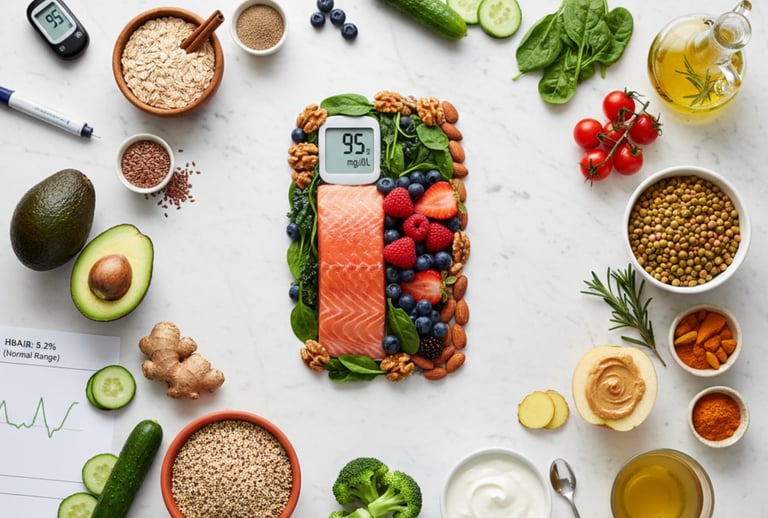
Foods That Stabilize Blood Sugar: Prevent Diabetes Naturally
By BiteBrightly 23 January 2026 : This post might contain affiliate links.
Your doctor just reviewed your blood work. "Your fasting glucose is 112. That's prediabetes. You're on the path to type 2 diabetes."
The word "diabetes" hits like a freight train. You think of insulin injections, constant finger pricks, potential blindness, kidney failure, amputations. A lifetime of medication. Dietary restrictions. Fear.
Your doctor mentions metformin. Maybe a glucose monitor. "Watch your sugar intake," they say vaguely. "Lose some weight." The appointment ends with lab orders for three months out and a sense of dread.
You leave confused and scared. What exactly should you eat? What should you avoid? How did this happen? Can you reverse it?
Here's what most doctors don't have time to explain: Your blood sugar isn't out of control randomly. It's responding directly to what you eat, when you eat it, and how those foods affect your metabolism. Every meal either stabilizes your blood sugar or sends it on a chaotic rollercoaster that damages your cells, accelerates aging, and pushes you toward diabetes.
The standard American diet—built on refined carbohydrates, added sugars, and processed foods—is essentially designed to spike blood sugar repeatedly throughout the day. Your pancreas responds by pumping out more insulin. Eventually, your cells become resistant to insulin's signals. Your pancreas works harder. Blood sugar stays elevated. Diabetes develops.
This isn't inevitable. It's preventable. And if you're already prediabetic, it's often reversible.
Specific foods stabilize blood sugar through multiple mechanisms: slowing glucose absorption, improving insulin sensitivity, providing steady energy without spikes, protecting pancreatic beta cells, and reducing inflammation that contributes to insulin resistance.
The research is extensive. According to the landmark Diabetes Prevention Program study, dietary changes and lifestyle intervention reduced diabetes risk by 58%—more effective than metformin at 31%. For people with prediabetes, intensive lifestyle intervention (primarily diet) reverses the condition in significant percentages without medication.
We're not talking about deprivation diets or eliminating all carbohydrates. We're talking about strategic food choices that keep your blood sugar stable, your energy consistent, and your pancreas functioning optimally.
This comprehensive guide reveals exactly which foods stabilize blood sugar most effectively, which foods spike it dangerously, how to structure meals for optimal glucose control, and the realistic timeline for seeing improvements—whether you're prediabetic, diabetic, or simply want to prevent future problems.
You can continue down the path toward diabetes, accepting medication as inevitable.
Or you can take control now, using food as medicine to stabilize your blood sugar, reverse prediabetes, and potentially avoid diabetes entirely.
Key Takeaways
Blood sugar control isn't about eliminating carbs—it's about choosing the right carbs and combining them strategically with fiber, protein, and healthy fats
The glycemic index and glycemic load predict how foods affect blood sugar, but whole food composition matters more than any single metric
Fiber-rich foods slow glucose absorption dramatically, preventing spikes that damage cells and exhaust your pancreas
Protein and healthy fats stabilize blood sugar by slowing digestion and improving insulin sensitivity
Chromium, magnesium, and other nutrients improve insulin function at the cellular level
Most people see measurable blood sugar improvements within 2-4 weeks of dietary changes
Prediabetes is reversible for many people through diet alone—studies show 58% risk reduction, better than medication
The worst foods for blood sugar aren't just obvious sugars—refined carbs, sugary drinks, and ultra-processed foods cause the most damage
Understanding Blood Sugar and Diabetes
Before diving into specific foods, understanding how blood sugar works helps you make strategic choices.
What Is Blood Sugar?
Blood sugar (blood glucose) is the amount of glucose circulating in your bloodstream. Glucose is your body's primary fuel—your brain alone uses about 120 grams daily. Every cell needs glucose for energy.
When you eat carbohydrates, your digestive system breaks them down into glucose, which enters your bloodstream. Your pancreas releases insulin, a hormone that acts like a key, unlocking cells so glucose can enter and be used for energy or stored for later.
This system works beautifully when blood sugar rises gradually and insulin sensitivity is high. Problems occur when blood sugar spikes repeatedly and cells become resistant to insulin's signals.
Normal vs. Prediabetic vs. Diabetic Blood Sugar
Normal fasting glucose: 70-99 mg/dL
Normal post-meal (2 hours): Under 140 mg/dL
Normal HbA1c: Under 5.7%
Prediabetes:
Fasting glucose: 100-125 mg/dL
Post-meal: 140-199 mg/dL
HbA1c: 5.7-6.4%
Type 2 Diabetes:
Fasting glucose: 126+ mg/dL
Post-meal: 200+ mg/dL
HbA1c: 6.5%+
Prediabetes is a critical warning sign. Without intervention, 15-30% of people with prediabetes develop type 2 diabetes within 5 years. However, it's also an opportunity—prediabetes is often reversible through lifestyle changes.
The Blood Sugar Rollercoaster
When you eat refined carbohydrates or sugar, blood glucose spikes rapidly. Your pancreas releases a large insulin surge to handle it. Glucose drops quickly, often overshooting into low blood sugar. You feel shaky, irritable, hungry—so you eat more carbs. The cycle repeats.
This rollercoaster causes:
Energy crashes and fatigue
Intense cravings and hunger
Brain fog and poor concentration
Mood swings and irritability
Increased fat storage (especially belly fat)
Inflammation and oxidative stress
Progressive insulin resistance
Pancreatic exhaustion
Contrast this with stable blood sugar from low-glycemic foods: glucose rises gradually, insulin response is moderate and sustained, energy stays consistent for hours, no crashes or cravings, cells stay insulin-sensitive, pancreas functions efficiently.
How Diet Causes (and Prevents) Diabetes
Type 2 diabetes develops through insulin resistance. Here's the progression:
Repeated blood sugar spikes from refined carbs and sugar
Chronic insulin elevation as pancreas tries to handle excess glucose
Cells become resistant to insulin signals (protecting themselves from excess glucose)
Pancreas produces more insulin to overcome resistance
Blood sugar stays elevated despite high insulin
Pancreatic beta cells exhaust and eventually fail
Diabetes develops when pancreas can't produce enough insulin
Excess weight, especially visceral fat around organs, accelerates this process. Fat tissue produces inflammatory compounds that worsen insulin resistance.
The good news: This process is reversible at early stages. Dietary changes that stabilize blood sugar allow cells to regain insulin sensitivity, reduce inflammation, support pancreatic function, and often reverse prediabetes completely.
Foods That Stabilize Blood Sugar
Category 1: Non-Starchy Vegetables
Non-starchy vegetables are the foundation of blood sugar control. They provide nutrients and fiber with minimal carbohydrates and very low glycemic impact.
1. Leafy Greens (Spinach, Kale, Lettuce, Arugula, Swiss Chard, Collards)
Leafy greens have almost no impact on blood sugar—their glycemic load is essentially zero. They provide magnesium, which improves insulin sensitivity, fiber for slower glucose absorption, and antioxidants that protect against diabetes complications.
Research published in the British Medical Journal shows higher leafy green intake is associated with significantly reduced diabetes risk—each 1.35 serving increase daily reduced diabetes risk by 14%.
How to use: Aim for 2-3 cups daily. Base salads on greens, add to smoothies, sauté as sides, include in soups and stews. The volume fills you up without affecting blood sugar.
2. Cruciferous Vegetables (Broccoli, Cauliflower, Brussels Sprouts, Cabbage)
Cruciferous vegetables are low in carbs and high in fiber and sulforaphane—a compound that may improve insulin sensitivity and reduce oxidative stress in diabetes.
How to use: 1-2 cups daily. Steam, roast, or eat raw. Cauliflower rice and broccoli are excellent low-carb substitutes for grains.
3. Other Non-Starchy Vegetables (Bell Peppers, Tomatoes, Cucumbers, Zucchini, Mushrooms, Asparagus, Green Beans)
All provide nutrients and fiber with minimal blood sugar impact. Fill half your plate with these at every meal.
How to use: Unlimited quantities. Variety matters for different nutrients. Roast, grill, steam, eat raw in salads.
Category 2: Protein Foods
Protein stabilizes blood sugar by slowing digestion, providing satiety without glucose spikes, preserving muscle mass (which improves insulin sensitivity), and stimulating beneficial gut hormones.
4. Fatty Fish (Salmon, Mackerel, Sardines, Herring)
Fatty fish provide high-quality protein plus omega-3 fatty acids that reduce inflammation and improve insulin sensitivity. According to research from the American Diabetes Association, regular fish consumption is associated with reduced diabetes risk.
How to use: 3-4 ounces, 3-4 times weekly. Grilled, baked, or canned. Prioritize wild-caught for better omega-3 profile.
5. Eggs
Eggs are nearly perfect for blood sugar control—high protein, healthy fats, minimal carbs. Research shows eggs improve insulin sensitivity and increase HDL cholesterol. The cholesterol-heart disease connection has been largely debunked for most people.
How to use: 1-3 eggs daily for most people. Scrambled, boiled, poached, or in omelets loaded with vegetables.
6. Poultry (Chicken, Turkey)
Lean protein without carbohydrates. Choose dark meat with skin for healthy fats that further slow glucose absorption, or skinless breast for extremely lean protein.
How to use: 3-5 ounces per meal. Avoid breading and frying—these add refined carbs and unhealthy fats.
7. Legumes (Lentils, Chickpeas, Black Beans, Kidney Beans)
Legumes contain carbohydrates, but they're complex carbs with high fiber and protein. Their glycemic index is low—beans release glucose slowly. Studies show regular legume consumption improves blood sugar control and reduces diabetes risk.
How to use: 1/2-1 cup cooked per meal. Add to salads, soups, stews. Make bean-based dips like hummus.
8. Greek Yogurt (Plain, Unsweetened)
High protein, low sugar (if unsweetened). Probiotics may improve insulin sensitivity through gut health. Always choose plain—flavored yogurts contain massive amounts of added sugar.
How to use: 3/4-1 cup plain Greek yogurt with berries and nuts for breakfast or snacks.
Category 3: Healthy Fats
Healthy fats slow glucose absorption, improve insulin sensitivity, provide satiety, and support hormone production.
9. Avocados
Avocados provide monounsaturated fats, fiber, and minimal carbohydrates. Studies show avocado consumption improves insulin sensitivity and helps with weight management.
How to use: 1/4-1/2 avocado per meal. In salads, as guacamole, on eggs, or blended in smoothies for creaminess without sugar.
10. Nuts (Almonds, Walnuts, Pistachios, Pecans)
Nuts stabilize blood sugar through healthy fats, protein, fiber, and magnesium. Multiple studies show nut consumption reduces diabetes risk. Research in Metabolism journal found that almonds specifically reduce post-meal blood sugar spikes when eaten with high-carb foods.
How to use: 1-1.5 ounces (about 23 almonds or 14 walnut halves) daily. As snacks, added to salads or yogurt, or as nut butter (no added sugar).
11. Seeds (Chia, Flax, Hemp, Pumpkin)
Seeds provide fiber, healthy fats, protein, and minerals. Chia and flax are particularly high in soluble fiber that forms a gel, dramatically slowing glucose absorption.
How to use: 1-2 tablespoons daily. Chia in yogurt or smoothies (forms pudding), ground flax in oatmeal or baked goods, hemp and pumpkin seeds on salads.
12. Extra Virgin Olive Oil
Olive oil improves insulin sensitivity and reduces inflammation. The Mediterranean diet—rich in olive oil—is consistently associated with lower diabetes risk.
How to use: 2-4 tablespoons daily as primary fat source. In salad dressings, drizzled on vegetables, for cooking at medium heat.
Category 4: Low-Glycemic Fruits
Not all fruits affect blood sugar equally. These have the lowest glycemic impact due to high fiber and lower sugar content.
13. Berries (Blueberries, Strawberries, Raspberries, Blackberries)
Berries have relatively low sugar and very high fiber and antioxidants. According to research in The Journal of Nutrition, blueberry consumption improves insulin sensitivity in insulin-resistant individuals.
How to use: 1/2-1 cup daily. Fresh or frozen. In yogurt, smoothies, or eaten plain. Avoid dried berries (concentrated sugar) and berry juices.
14. Apples (with Skin)
Apples have moderate sugar but high soluble fiber (pectin), especially in the skin. The glycemic index is low-moderate. Studies show apple consumption is associated with reduced diabetes risk.
How to use: 1 medium apple daily, always with skin. Pair with nut butter for additional protein and fat.
15. Pears
Similar to apples—moderate sugar but high fiber. Low glycemic index.
How to use: 1 medium pear daily with skin.
16. Citrus Fruits (Oranges, Grapefruits)
Moderate sugar with good fiber. Grapefruit specifically has been studied for potential blood sugar benefits, though evidence is mixed and it interacts with some medications.
How to use: 1 whole fruit daily. Eat the fruit, not just juice—juice removes fiber and concentrates sugar.
17. Cherries (Tart)
Cherries have a low glycemic index and contain anthocyanins that may improve insulin sensitivity.
How to use: 1/2-1 cup fresh or frozen. Avoid sweetened dried cherries and cherry juice with added sugar.
Category 5: Whole Grains (in Moderation)
Whole grains contain more carbohydrates than vegetables but have fiber and nutrients that refined grains lack. They should be limited portions, not unlimited.
18. Steel-Cut Oats
Steel-cut (or rolled) oats have a lower glycemic index than instant oats because they're less processed. The beta-glucan fiber slows glucose absorption.
How to use: 1/2-3/4 cup dry (makes about 1-1.5 cups cooked). Top with nuts, seeds, cinnamon, and small amounts of berries. Avoid instant oats and flavored packets loaded with sugar.
19. Quinoa
Technically a seed, quinoa provides complete protein, fiber, and minerals. Lower glycemic index than rice or pasta.
How to use: 1/2-3/4 cup cooked per meal as rice substitute.
20. Barley
Very high in soluble fiber (beta-glucan). Studies show barley consumption significantly improves blood sugar control.
How to use: 1/2 cup cooked. In soups, as a grain bowl base, or as a rice substitute.
21. Whole Grain Bread (Sprouted or 100% Whole Grain)
Much better than white bread but still relatively high glycemic load. Choose sprouted grain bread (like Ezekiel) for lower glycemic impact and better nutrient availability.
How to use: 1-2 slices maximum daily, with protein and fat (eggs, avocado, nut butter) to slow glucose absorption.
Category 6: Nutrient-Dense Foods for Insulin Sensitivity
These foods contain specific nutrients that improve how your cells respond to insulin.
22. Cinnamon
Cinnamon contains compounds that may improve insulin sensitivity and lower fasting blood sugar. According to research published in Diabetes Care, studies show 1-6 grams daily (roughly 1/2-3 teaspoons) can reduce fasting glucose, though results vary across studies.
How to use: 1-2 teaspoons daily. Add to oatmeal, yogurt, smoothies, coffee, or roasted vegetables.
23. Apple Cider Vinegar
Acetic acid in vinegar improves insulin sensitivity and reduces blood sugar spikes after meals. Research from Arizona State University shows 2 tablespoons before high-carb meals reduces the glucose spike by 20-30%.
How to use: 1-2 tablespoons in water before meals. Also use in salad dressings.
24. Garlic
Garlic improves insulin sensitivity and has anti-inflammatory properties. Some studies show modest blood sugar improvements with regular consumption.
How to use: 1-2 fresh cloves daily in cooking.
25. Green Tea
Green tea contains EGCG and other catechins that may improve insulin sensitivity and reduce blood sugar levels. Some studies show green tea consumption is associated with lower diabetes risk.
How to use: 3-5 cups daily for potential benefits.
Foods That Spike Blood Sugar (Avoid or Minimize)
Knowing which foods to avoid is as critical as knowing which to include.
Refined Carbohydrates and Added Sugars
These are the worst offenders, causing rapid blood sugar spikes that stress your pancreas and promote insulin resistance.
White bread, white rice, white pasta: Stripped of fiber and nutrients, these refined grains convert to glucose extremely rapidly. Glycemic index is high—similar to pure glucose.
Sugary drinks (soda, juice, sweetened coffee/tea, energy drinks): Liquid sugar enters your bloodstream fastest because there's no fiber or protein to slow absorption. One 12-ounce soda contains 39 grams of sugar—that's 10 teaspoons. Your blood sugar spikes violently. Regular consumption is strongly linked to diabetes development.
Breakfast cereals: Most are refined grain loaded with added sugar. Even "healthy" cereals often contain 10-15 grams of sugar per serving. Check labels carefully—many have more sugar than cookies.
Pastries, cookies, cakes, donuts: Refined flour plus added sugar. The worst combination for blood sugar.
Candy and sweets: Pure sugar. No nutritional value. Massive glucose spike.
Sweetened yogurts and flavored dairy: Plain yogurt is excellent, but flavored versions contain 15-30 grams of added sugar. Read labels.
High-Glycemic Foods
These foods spike blood sugar even without added sugars due to how quickly they convert to glucose.
White potatoes (especially baked, mashed, or fried): Very high glycemic index. Sweet potatoes are better but still high—eat in small portions with protein and fat.
Instant oats: Processing breaks down fiber structure, increasing glycemic index dramatically compared to steel-cut oats.
Rice cakes and puffed rice cereals: Despite seeming "healthy," puffing grain increases surface area and speeds digestion, spiking blood sugar.
Dried fruits: Dehydrating fruit concentrates sugar. A handful of raisins contains as much sugar as candy. Fresh fruit with fiber is much better.
Processed and Ultra-Processed Foods
These often combine refined carbs, added sugars, and unhealthy fats—a trifecta for blood sugar chaos.
Packaged snack foods (chips, crackers, pretzels): Refined grains, often with added sugars and inflammatory oils.
Fast food: Refined bun, sugary condiments, fried in inflammatory oils. Massive blood sugar spike plus inflammation.
Frozen meals: Often loaded with hidden sugars and refined carbs. Check labels.
Condiments and sauces: Ketchup, BBQ sauce, teriyaki sauce, sweet chili sauce—loaded with added sugars.
Creating Your Blood Sugar Stabilizing Diet
Combining blood sugar-stabilizing foods strategically creates powerful synergistic effects.
The Plate Method for Blood Sugar Control
This simple visual approach works for every meal:
50% Non-Starchy Vegetables: Fill half your plate with leafy greens, cruciferous vegetables, bell peppers, tomatoes, cucumbers, mushrooms, asparagus, etc.
25% Protein: Palm-sized portion of fish, poultry, eggs, legumes, or Greek yogurt.
25% Complex Carbohydrates: Small portion of quinoa, barley, sweet potato, or legumes. Or skip this entirely and add more vegetables and healthy fats.
Add Healthy Fat: Avocado, olive oil dressing, nuts, or seeds.
This naturally balances macronutrients to stabilize blood sugar—lots of fiber, adequate protein, moderate healthy fats, controlled portions of complex carbs.
Sample Daily Meal Plan
Breakfast:
2-3 eggs scrambled with spinach, tomatoes, and mushrooms
1/2 avocado
Small handful of berries (1/2 cup)
Green tea
Blood sugar impact: Minimal. High protein and fat with fiber from vegetables. Berries provide antioxidants with low sugar.
Mid-Morning Snack:
Apple slices with 2 tablespoons almond butter
Handful of walnuts (1 oz)
Blood sugar impact: Stable. Fiber from apple, protein and fat from nuts slow glucose absorption.
Lunch:
Large salad: Mixed greens (2-3 cups), grilled salmon (4 oz), chickpeas (1/2 cup), cucumber, bell pepper, cherry tomatoes
Dressing: Olive oil (2 tbsp), lemon juice, apple cider vinegar (1 tbsp), garlic
Side: Small serving of quinoa (1/2 cup)
Blood sugar impact: Very stable. Massive fiber from vegetables and legumes. Protein from salmon and chickpeas. Healthy fats from salmon and olive oil. Small portion of low-glycemic grain.
Afternoon Snack:
Greek yogurt (plain, unsweetened, 3/4 cup) with ground flaxseed (1 tbsp), cinnamon, small handful of blueberries
Blood sugar impact: Minimal. High protein from yogurt, fiber from flax, blood sugar-lowering cinnamon.
Dinner:
Grilled chicken breast (4-5 oz)
Roasted broccoli and cauliflower (2 cups) with olive oil and garlic
Small baked sweet potato (4 oz) or substitute with more non-starchy vegetables
Side salad with olive oil and vinegar
Blood sugar impact: Controlled. High protein from chicken. Massive fiber from cruciferous vegetables. Small portion of sweet potato provides some carbs without spiking.
Evening (if hungry):
Small handful of nuts (1 oz) or celery with almond butter
Daily totals approximate:
Carbohydrates: 100-150 grams (primarily from vegetables, berries, legumes, small amounts of whole grains)
Protein: 100-130 grams
Fat: 70-90 grams (primarily from fish, avocado, nuts, olive oil)
Fiber: 40-50 grams
This provides stable blood sugar throughout the day, consistent energy, no cravings, and adequate nutrition.
Practical Implementation Strategy
Week 1-2: Foundation
Eliminate sugary drinks completely. Drink water, unsweetened tea, or black coffee.
Replace breakfast cereal or pastries with eggs and vegetables or Greek yogurt with berries.
Include non-starchy vegetables at lunch and dinner.
Remove obvious sugars—candy, cookies, desserts.
Week 3-4: Expansion
Switch all white grains to whole grains or eliminate them entirely.
Add protein to every meal and snack.
Include healthy fat at every meal (avocado, nuts, olive oil).
Start using cinnamon and apple cider vinegar.
Week 5-6: Optimization
Fine-tune portions—use smaller amounts of even healthy carbs.
Time carbohydrate intake around activity (eat whole grains after exercise when insulin sensitivity is highest).
Experiment with intermittent fasting if appropriate (consult doctor if diabetic or on medication).
Track blood sugar if possible to see which foods affect you personally.
Week 7-8: Maintenance
Establish your sustainable eating pattern.
Allow occasional controlled exceptions (one meal weekly, not whole days).
Continue monitoring blood sugar improvements.
Get follow-up blood work to measure HbA1c and fasting glucose changes.
Meal Timing and Frequency
Intermittent Fasting: Some studies show intermittent fasting (eating within an 8-10 hour window, fasting 14-16 hours) improves insulin sensitivity and blood sugar control. However, this isn't appropriate for everyone, especially those on diabetes medications. Consult your doctor.
Consistent Meal Times: Eating at regular times helps regulate blood sugar and hunger hormones.
Don't Skip Breakfast: Skipping breakfast is associated with worse blood sugar control and increased diabetes risk in some studies. Eating protein-rich breakfast improves blood sugar throughout the day.
Post-Meal Movement: A 10-15 minute walk after meals helps muscles take up glucose, reducing blood sugar spikes.
Timeline: When to Expect Improvements
Understanding realistic timelines helps you stay motivated and assess progress.
Week 1-2: Initial Adjustments
What's happening: Your body is adapting to stable blood sugar. You're eliminating the constant glucose rollercoaster.
What you might notice:
More stable energy—no mid-afternoon crashes
Reduced cravings for sugar and refined carbs (though some cravings may initially increase before decreasing)
Better mental clarity—less brain fog
Improved mood stability
Blood sugar changes: If monitoring, you might see slightly lower fasting glucose and less dramatic post-meal spikes.
Week 3-4: Measurable Improvements
What's happening: Insulin sensitivity is beginning to improve. Inflammation is decreasing. Your pancreas is under less stress.
Expected results:
Noticeable energy improvement—consistent throughout day
Cravings significantly reduced or gone
Better sleep (stable blood sugar prevents nighttime waking)
Possible weight loss (especially if you had excess weight)
Blood sugar changes: Fasting glucose may drop 5-15 mg/dL. Post-meal spikes should be significantly reduced.
Week 8-12: Significant Changes
What's happening: This is when dietary interventions show maximum effects in most studies. Insulin sensitivity has improved substantially. Weight loss (if needed) is progressing. Inflammation markers are lower.
Expected results:
Energy is stable and good throughout day
Mental clarity excellent
No cravings for unhealthy foods
Better physical endurance
Noticeable weight loss if overweight (average 5-15 pounds)
Improved blood pressure and cholesterol (common co-benefits)
Blood sugar changes:
Fasting glucose: Often drops 20-40+ mg/dL from baseline
Post-meal glucose: Significantly blunted spikes
HbA1c: Often drops 0.5-1.5 percentage points
For someone who started with fasting glucose of 115 (prediabetic), reaching 95-100 (normal range) by 12 weeks is very achievable.
Month 4-6 and Beyond: Sustained Control and Potential Reversal
What's happening: Benefits stabilize at new baseline. Continued weight loss if needed. For prediabetics, many people reverse the condition entirely and restore normal blood sugar regulation.
Expected results:
Normalized blood sugar control maintained
Stable healthy weight
Reduced need for medications (if diabetic—always reduce under medical supervision)
Significantly reduced diabetes risk if you were prediabetic
Overall health improvements (lower inflammation, better lipids, lower blood pressure)
Individual Variation: Response depends on starting blood sugar levels, degree of insulin resistance, weight loss achieved, adherence to diet, physical activity, stress levels, sleep quality, and genetics.
Those with mild prediabetes often see complete reversal. Those with established diabetes may not reverse it completely but can dramatically improve control and reduce medication needs.
Special Considerations
For People with Prediabetes
Prediabetes is a critical intervention point. The Diabetes Prevention Program study showed intensive lifestyle intervention (primarily diet changes and moderate weight loss) reduced diabetes risk by 58%—more effective than metformin at 31%.
Focus on:
Losing 5-7% of body weight if overweight (for 200-pound person, that's just 10-14 pounds)
Following the blood sugar-stabilizing diet outlined in this guide
Adding 150 minutes of moderate physical activity weekly (brisk walking counts)
Getting adequate sleep (7-9 hours)
Many people with prediabetes completely normalize their blood sugar through these changes.
For People with Type 2 Diabetes
If you have diabetes and take medications (especially insulin or sulfonylureas), dietary changes that lower blood sugar can cause dangerous hypoglycemia if medications aren't adjusted. Work closely with your doctor.
The blood sugar-stabilizing diet in this guide helps diabetics by:
Improving blood sugar control
Reducing medication requirements in many cases
Lowering risk of complications
Improving overall health markers
However, never stop or reduce diabetes medications without medical supervision. Your doctor can adjust doses as your blood sugar improves.
Carbohydrate Counting
Some diabetics count carbohydrates to dose insulin or manage blood sugar. The foods in this guide are generally low-moderate carb with emphasis on quality. If counting carbs:
Non-starchy vegetables: Unlimited (minimal carbs)
Berries: 1/2-1 cup = 7-15 grams carbs
Legumes: 1/2 cup = 15-20 grams carbs
Quinoa/barley: 1/2 cup cooked = 15-20 grams carbs
Sweet potato: 1/2 cup = 15 grams carbs
Greek yogurt (plain): 3/4 cup = 6-8 grams carbs
Focus on total carbs from whole food sources, not net carbs calculations which can be misleading.
Supplements vs. Food
Several supplements claim blood sugar benefits:
Chromium: Improves insulin sensitivity. Food sources (broccoli, barley, oats) are better than supplements for most people unless you're deficient.
Magnesium: Crucial for insulin function. Many people are deficient. Food sources (leafy greens, nuts, seeds, legumes) are ideal, but supplements can help if deficient (check with doctor).
Berberine: Herbal compound shown to lower blood sugar comparably to metformin in some studies. However, it can interact with medications. Discuss with doctor.
Alpha-lipoic acid: Antioxidant that may improve insulin sensitivity. Some evidence but whole foods providing antioxidants (berries, vegetables) are safer.
Cinnamon supplements: Concentrated cinnamon. Whole cinnamon added to food is safer and provides similar benefits.
Bottom line: Whole foods provide superior overall benefits through nutrient synergy, satiety, gut health support, and safety. Targeted supplements can help specific deficiencies but shouldn't replace eating blood sugar-stabilizing foods.
Meal Prep and Planning for Blood Sugar Control
How quickly can I lower my blood sugar through diet?
You may notice more stable blood sugar and energy within 1-2 weeks of dietary changes. Measurable improvements in fasting glucose typically occur by week 3-4, with many people seeing 10-20 mg/dL reductions. By 8-12 weeks, fasting glucose often drops 20-40+ mg/dL and HbA1c improves 0.5-1.5 percentage points with consistent adherence. Individual response varies based on starting blood sugar, degree of insulin resistance, weight loss, and overall lifestyle factors. Some people respond faster, others take longer, but the direction is consistent: blood sugar improves with blood sugar-stabilizing foods.
Can I reverse prediabetes without medication?
Yes, many people reverse prediabetes through lifestyle changes alone. The landmark Diabetes Prevention Program study showed intensive lifestyle intervention (primarily diet and modest weight loss of 5-7% body weight) reduced diabetes risk by 58%—significantly more effective than metformin at 31%. For someone with prediabetes (fasting glucose 100-125 mg/dL), following the blood sugar-stabilizing diet in this guide, losing 10-15 pounds if overweight, and adding moderate physical activity often normalizes blood sugar within 3-6 months. However, not everyone reverses completely—genetics, duration of prediabetes, and adherence all matter. Work with your doctor to monitor progress.
Do I need to eliminate all carbohydrates to control blood sugar?
No. Eliminating all carbs is unnecessary and potentially unhealthy for most people. The key is choosing the right carbohydrates and eating them in appropriate portions. Non-starchy vegetables provide carbohydrates with minimal blood sugar impact—eat unlimited quantities. Low-glycemic fruits like berries in moderate amounts (1/2-1 cup daily) are fine. Legumes provide complex carbs with high fiber and protein—1/2-1 cup portions work well. Small portions of whole grains (1/2-3/4 cup cooked quinoa or barley) can fit into blood sugar control for many people. What you must eliminate are refined carbs (white bread, white rice, pasta) and added sugars. The "right carbs" come packaged with fiber, protein, and nutrients that slow glucose absorption.
What's the single most important change I can make for blood sugar?
If forced to choose one change: eliminate sugary drinks completely. Liquid sugar (soda, juice, sweetened coffee/tea, energy drinks) enters your bloodstream fastest because there's no fiber, protein, or fat to slow absorption. One 12-ounce soda spikes blood sugar as much as eating 10 teaspoons of sugar directly. Regular consumption is the single strongest dietary predictor of diabetes development. Replace all sugary drinks with water, unsweetened tea, or black coffee. This single change eliminates hundreds of grams of fast-absorbing sugar weekly, dramatically reducing blood sugar spikes and pancreatic stress. Beyond this, prioritizing non-starchy vegetables at every meal creates the foundation for blood sugar control.
How do I know which foods spike my blood sugar personally?
Individual responses to foods vary based on genetics, gut bacteria, insulin sensitivity, and other factors. The most accurate way to determine your personal responses is continuous glucose monitoring (CGM) or regular finger-stick testing. Test fasting glucose in the morning, then test 1 hour and 2 hours after meals. Your blood sugar shouldn't rise more than 30-40 mg/dL from pre-meal levels. If it spikes higher, that food or combination is problematic for you. Common patterns: some people handle sweet potatoes fine while others spike significantly. Some tolerate small amounts of whole grains while others don't. Testing reveals your personal patterns. Without monitoring, follow the general guidelines in this guide and pay attention to energy levels, cravings, and how you feel after meals—stable energy suggests stable blood sugar.
Can I eat fruit if I have prediabetes or diabetes?
Yes, but type and quantity matter significantly. Low-glycemic fruits like berries (blueberries, strawberries, raspberries), cherries, apples with skin, pears, and citrus fruits can be part of blood sugar control in moderate amounts (1/2-1 cup berries or 1 medium apple daily). These provide fiber, antioxidants, and vitamins without excessive sugar. Avoid or strictly limit high-glycemic fruits like watermelon, pineapple, mango, and dried fruits which spike blood sugar more. Never drink fruit juice—it removes fiber and concentrates sugar, spiking blood sugar as much as soda. Always eat whole fruit with fiber intact. Pair fruit with protein or fat (apple with almond butter, berries with Greek yogurt) to further slow glucose absorption. Monitor your blood sugar response to determine your personal tolerance.
What should I eat for breakfast to stabilize blood sugar all day?
Breakfast sets the tone for blood sugar control throughout the day. The worst choice: refined carbs and sugar (cereal, pastries, muffins, pancakes, toast with jam). These spike blood sugar, trigger insulin surge, cause mid-morning crash and cravings. The best breakfasts are high in protein and healthy fats with fiber from vegetables or low-glycemic fruit. Examples: (1) 2-3 scrambled eggs with spinach, tomatoes, mushrooms, and 1/2 avocado, (2) Greek yogurt (plain, unsweetened) with berries, ground flaxseed, cinnamon, and walnuts, (3) Smoked salmon with cream cheese on cucumber slices or on 1 slice sprouted grain toast, side of berries. These provide 20-30 grams protein, healthy fats, fiber, and minimal blood sugar impact. You'll have stable energy for 3-4 hours without cravings.
Will losing weight help my blood sugar even if I don't change what I eat?
Weight loss helps blood sugar control even without dietary quality improvements, but the combination is most powerful. Excess weight, especially visceral fat around organs, produces inflammatory compounds that worsen insulin resistance. Losing just 5-7% of body weight (10-14 pounds for a 200-pound person) significantly improves insulin sensitivity and blood sugar control. However, losing weight by eating refined carbs and sugar in smaller quantities is less effective than losing weight while eating blood sugar-stabilizing foods. The quality of foods matters for insulin sensitivity independent of weight. The best approach: eat blood sugar-stabilizing foods which naturally promote weight loss through better satiety, stable blood sugar preventing cravings, and improved metabolism. The synergistic effect—quality foods plus weight loss—provides maximum blood sugar improvement.
Should I follow a ketogenic diet for blood sugar control?
Ketogenic diets (very low carb, high fat) can dramatically lower blood sugar and improve insulin sensitivity for many people. However, keto isn't necessary for blood sugar control, isn't appropriate for everyone, and can be difficult to sustain long-term. The blood sugar-stabilizing approach in this guide—emphasizing non-starchy vegetables, quality proteins, healthy fats, and controlled portions of low-glycemic carbs—works excellently for most people and is more sustainable. Some people do better on very low carb approaches; others function better with moderate complex carbs from vegetables, legumes, and small amounts of whole grains. If interested in keto, work with a healthcare provider, especially if diabetic or on medications. For most people, the flexible blood sugar-stabilizing diet in this guide provides excellent results without extreme carb restriction.
How important is exercise for blood sugar control compared to diet?
Both diet and exercise matter, but diet has the larger impact on blood sugar control. You can't out-exercise a poor diet—if you're eating refined carbs and sugar all day, exercise helps but doesn't fix the root problem. However, combining blood sugar-stabilizing diet with regular physical activity creates synergistic effects. Exercise improves insulin sensitivity independently of diet, helps muscles take up glucose (lowering blood sugar), promotes weight loss, reduces inflammation, and improves cardiovascular health. The Diabetes Prevention Program found the combination of diet and 150 minutes weekly moderate exercise (like brisk walking) was most effective for diabetes prevention. Start with diet—it's foundational and has immediate effects. Add exercise for amplified benefits. Even 10-15 minute walks after meals significantly improve post-meal blood sugar.
Meal Prep and Planning for Blood Sugar Control
Understanding blood sugar-stabilizing foods is one thing; consistently eating them requires practical planning.
Weekly Meal Prep Strategy
Sunday Prep Session (2-3 hours):
Cook Proteins: Bake or grill 3-4 pounds chicken breast or thighs. Hard-boil 12 eggs. Portion into containers for easy meals throughout week.
Prep Vegetables: Wash and chop salad ingredients (store separate from dressing). Roast large batches of broccoli, cauliflower, Brussels sprouts, and bell peppers with olive oil—use throughout week as sides or in salads.
Cook Grains (if using): Cook 2-3 cups quinoa or barley. Portion into 1/2-cup servings. Refrigerate for quick additions to meals.
Prepare Snacks: Portion nuts into 1-1.5 oz containers. Wash and portion berries. Make chia pudding for breakfasts.
Make Basics: Prepare large batch of sugar-free salad dressing (olive oil, lemon, garlic, herbs). Make a pot of vegetable soup or chili with beans.
This 2-3 hour investment means:
Breakfast ready in 5 minutes (eggs already boiled, just add vegetables and avocado)
Lunches assembled in 10 minutes (pre-cooked protein, roasted vegetables, greens, dressing)
Dinners simplified (proteins ready, just add fresh or prepared vegetables)
Healthy snacks grab-and-go (no reaching for chips or cookies)
Budget-Friendly Blood Sugar Control
Eating for blood sugar control doesn't require expensive specialty foods.
Most affordable blood sugar-stabilizing foods:
Eggs (~$3-5/dozen = 12 high-protein meals or snacks)
Canned sardines or salmon (~$2-4/can = 2-3 servings omega-3 rich protein)
Dried lentils and beans (~$1-2/lb dry = 6-8 cups cooked)
Frozen vegetables (broccoli, spinach, mixed vegetables) (~$1-2/lb, as nutritious as fresh)
Cabbage and other cruciferous vegetables (~$0.50-1/lb)
Frozen berries (~$3-5/lb, cheaper than fresh year-round)
Bulk oats (~$3 for 2+ weeks of breakfasts)
In-season apples (~$1-2/lb)
Bulk nuts and seeds (buy larger quantities, freeze to maintain freshness, much cheaper per ounce)
Olive oil in larger bottles (~$10-15 for 3-4 weeks)
Money-saving strategies:
Buy frozen vegetables and berries (equal nutrition, lower cost, no waste)
Purchase dried beans instead of canned (1/3 the cost)
Buy whole chicken instead of just breasts (use all parts, make bone broth from carcass)
Choose in-season produce (cheaper and fresher)
Stock up when blood sugar-friendly foods go on sale and freeze
Grow your own leafy greens and herbs (very easy, huge savings)
Budget sample day (under $6):
Breakfast: 2 eggs ($0.50) scrambled with frozen spinach ($0.30) and tomato ($0.40) = $1.20
Lunch: Lentil soup ($0.80) with vegetables ($0.60) and olive oil ($0.25) = $1.65
Dinner: Canned sardines ($2) + roasted cabbage and broccoli ($0.80) + 1/2 cup quinoa ($0.30) = $3.10
Snacks: Apple ($0.30) + small handful nuts ($0.40) = $0.70
Total: ~$6.65 per day
This provides excellent blood sugar control for less than $200/month.
Dining Out with Blood Sugar Control
Restaurant eating doesn't have to sabotage blood sugar.
General principles:
Avoid bread basket or chips before meal
Request dressing/sauces on side (many contain hidden sugars)
Substitute fries or white rice for extra non-starchy vegetables or salad
Choose grilled, baked, or steamed instead of fried
Drink water, unsweetened tea, or sparkling water (no sugary drinks)
Share desserts or skip entirely
By cuisine type:
American: Grilled fish or chicken, double vegetable sides instead of potato and bread, side salad with olive oil and vinegar, skip buns on burgers.
Mexican: Fajitas with grilled protein and vegetables (limit tortillas to 1-2, choose corn over flour), guacamole and salsa, beans instead of rice, skip chips or limit to small portion.
Italian: Grilled fish or chicken marsala, side of sautéed vegetables, side salad, skip pasta or have very small portion with lots of protein and vegetables.
Asian: Stir-fries with vegetables and protein (request less sauce or sauce on side due to sugar), brown rice if available (small portion), steamed vegetables, edamame, miso soup, avoid sweet and sour dishes.
Greek/Mediterranean: Perfect for blood sugar control. Greek salad, grilled fish or chicken, vegetables, hummus, skip pita or have small amount, lemon and olive oil dressing.
Blood Sugar-Friendly Recipes
Morning Options:
Veggie-Loaded Scramble:
2-3 eggs, beaten
Handful spinach
Diced tomatoes
Sliced mushrooms
1/4 avocado
Olive oil for cooking
Sauté vegetables in olive oil, add eggs, scramble. Top with avocado. Serve with berries.
Savory Greek Yogurt Bowl:
3/4 cup plain Greek yogurt
Diced cucumber
Diced tomato
Kalamata olives
1 tbsp olive oil
Pinch of oregano
Small handful walnuts
Mix everything together. Savory breakfast with protein, healthy fats, vegetables.
Lunch Options:
Mason Jar Salads (prep 5 at once for week): Layer in quart mason jar:
Bottom: 2 tbsp olive oil + 1 tbsp lemon juice + minced garlic dressing
Next: Chickpeas or chicken
Then: Cucumber, bell pepper, tomatoes (hardy vegetables)
Top: Greens (stay crisp separated from wet ingredients)
Shake and eat when ready.
Tuna or Chicken Salad (no mayo):
1 can tuna/salmon or 4 oz cooked chicken
Diced celery
Diced red onion
Diced apple (small amount)
2 tbsp olive oil
1 tbsp apple cider vinegar
Dijon mustard
Serve over greens or in lettuce wraps
Dinner Options:
Sheet Pan Dinner (infinite variations):
Protein: Salmon, chicken, or tofu
Non-starchy vegetables: Broccoli, Brussels sprouts, bell peppers, zucchini
Olive oil, garlic, lemon
Bake at 400°F for 20-25 minutes
One pan, minimal cleanup, perfect blood sugar control.
Cauliflower Fried "Rice":
1 head cauliflower, riced (or buy pre-riced)
Scrambled eggs (2-3)
Mixed vegetables (peas, carrots, bell pepper)
Protein (shrimp, chicken, or tofu)
Garlic, ginger, coconut aminos (low-sugar soy sauce alternative)
Sauté everything. Tastes like fried rice, fraction of the carbs.
Snack Options:
Hard-boiled eggs (2) with everything bagel seasoning
Celery or cucumber slices with almond butter
Greek yogurt with cinnamon and walnuts
Small apple with 2 tbsp almond butter
Guacamole with vegetable sticks (bell pepper, cucumber, celery)
Small handful nuts (1-1.5 oz) with berries
Cheese with cucumber slices
Leftover protein (chicken, salmon) with cherry tomatoes
Tracking Progress and Troubleshooting
Monitoring your blood sugar response helps you understand what works for your body.
What to Track
Blood Glucose (if monitoring):
Fasting glucose: Test first thing in morning before eating
Post-meal glucose: Test 1 hour and 2 hours after meals
Target: Less than 30-40 mg/dL rise from pre-meal level
Symptoms and Energy:
Energy levels throughout day (stable vs. crashes)
Hunger and cravings (frequency and intensity)
Mental clarity and focus
Sleep quality
Mood stability
Physical Changes:
Weight (weekly, same time)
Waist circumference (visceral fat indicator)
How clothes fit
Blood pressure (if you have hypertension)
Blood Work (with doctor every 3-6 months):
Fasting glucose
HbA1c (3-month average blood sugar)
Lipid panel (cholesterol, triglycerides often improve with blood sugar control)
Liver function
Kidney function
When Results Are Less Than Expected
If you've followed the blood sugar-stabilizing diet strictly for 8-12 weeks without significant improvement:
Check adherence honestly:
Are you truly eliminating refined carbs and added sugars completely?
Are you eating appropriate portions even of healthy carbs?
Hidden sugars in sauces, dressings, or packaged foods?
Weekend exceptions sabotaging weekly progress?
Consider individual food sensitivities:
Some people spike from foods that are generally considered low-glycemic
Try eliminating suspect foods for 2 weeks and monitor response
Common culprits: Even whole grains, certain fruits, artificial sweeteners
Evaluate other factors:
Sleep deprivation worsens insulin resistance significantly
Chronic stress elevates cortisol, raising blood sugar
Certain medications affect blood sugar (steroids, some blood pressure meds)
Underlying thyroid issues affect metabolism
Lack of physical activity—add even 10-15 minute walks after meals
Consider working with specialists:
Registered dietitian specializing in diabetes
Functional medicine doctor
Endocrinologist if blood sugar remains problematic despite lifestyle changes
Get comprehensive testing:
HOMA-IR (insulin resistance measure)
Fasting insulin levels
C-peptide (measures pancreatic function)
Thyroid panel
Inflammatory markers (CRP)
Most people see clear improvements by 4-8 weeks, but individual variation exists. Persistent problems despite adherence warrant deeper investigation.
Lifestyle Factors That Amplify Diet Benefits
Diet is foundational for blood sugar control, but these factors significantly affect results.
Sleep Quality
Poor sleep worsens insulin resistance and increases blood sugar levels. According to research in the Annals of Internal Medicine :
Even one night of poor sleep reduces insulin sensitivity by 30%
Chronic sleep deprivation is strongly associated with diabetes development
Sleep restriction increases hunger hormones and cravings for sugar and refined carbs
Recommendations:
Aim for 7-9 hours quality sleep nightly
Maintain consistent sleep schedule (same bedtime/wake time)
Dark, cool bedroom
Avoid screens 1-2 hours before bed
Manage stress before bedtime
The blood sugar-stabilizing diet helps sleep by preventing nighttime blood sugar drops that wake you up.
Stress Management
Chronic stress elevates cortisol, which raises blood sugar and worsens insulin resistance. Stress also drives emotional eating, often of sugary comfort foods.
Recommendations:
Daily stress management practice: Meditation, deep breathing, yoga, time in nature
Regular physical activity (stress relief + insulin sensitivity)
Social connection and support
Professional help if stress or anxiety is overwhelming
Even 10 minutes daily meditation or deep breathing measurably reduces cortisol and improves blood sugar control.
Physical Activity
Exercise is synergistic with diet for blood sugar control:
Improves insulin sensitivity for 24-48 hours after exercise
Helps muscles take up glucose without insulin (especially immediately after exercise)
Promotes weight loss (if needed)
Reduces visceral fat (the most inflammatory type)
Lowers stress and improves sleep
Recommendations:
150 minutes weekly moderate activity (brisk walking, swimming, cycling)
Resistance training 2-3 times weekly (builds muscle, which improves insulin sensitivity)
Post-meal walks: 10-15 minutes after meals significantly blunt blood sugar spikes
You don't need intense exercise. Walking 30 minutes daily provides substantial blood sugar benefits.
Hydration
Dehydration concentrates blood sugar (less fluid diluting glucose). Adequate hydration supports kidney function (kidneys eliminate excess glucose through urine).
Recommendations:
8-10 glasses water daily
More if exercising or in hot weather
Unsweetened tea and coffee count toward hydration
Monitor urine color (pale yellow indicates adequate hydration)
Gut Health
Emerging research shows gut bacteria influence blood sugar and insulin sensitivity. Dysbiosis (bacterial imbalance) is common in diabetes and prediabetes.
Recommendations:
High-fiber diet (vegetables, legumes, nuts, seeds) feeds beneficial bacteria
Fermented foods (yogurt, kefir, sauerkraut, kimchi) provide probiotics
Prebiotics (garlic, onions, asparagus, Jerusalem artichokes) feed good bacteria
Avoid unnecessary antibiotics (disrupt gut bacteria)
Consider probiotic supplements (discuss with doctor)
The blood sugar-stabilizing diet naturally supports gut health through abundant fiber and diverse plant foods.
Working with Healthcare Providers
When to See a Doctor
Seek medical evaluation if:
Fasting glucose consistently above 100 mg/dL
Symptoms of high blood sugar (excessive thirst, frequent urination, blurred vision, slow-healing wounds)
Symptoms of low blood sugar if diabetic (shakiness, sweating, confusion, rapid heartbeat)
Family history of diabetes and you have risk factors
Unexplained weight loss
You're pregnant (gestational diabetes screening)
How to Discuss Diet with Your Doctor
Many conventional doctors receive minimal nutrition training and may be skeptical of diet-first approaches or simply default to prescribing medications.
What to say: "I want to improve my blood sugar through diet before starting medication (or in addition to current medications). Research shows intensive lifestyle intervention reduces diabetes risk by 58%. I'd like to try this approach for 3 months and track my progress. Can we monitor my blood sugar closely and adjust medications if needed?"
What to bring:
Food diary showing your blood sugar-stabilizing eating plan
This guide or relevant research studies
Baseline blood sugar readings if you're monitoring at home
List of questions
What to request:
Baseline blood work: Fasting glucose, HbA1c, fasting insulin, lipid panel
Follow-up testing in 3 months to objectively measure improvements
Guidance on medication adjustments as blood sugar improves (if currently on diabetes medications)
Referral to registered dietitian or diabetes educator if available
What to avoid:
Stopping diabetes medications without approval (can be dangerous)
Being defensive if doctor is skeptical (let results speak)
Claiming diet will "cure" diabetes (say "improve control" or "reverse prediabetes")
Finding Supportive Providers
Consider seeking:
Registered Dietitian: Specializing in diabetes or prediabetes, provides personalized meal planning
Certified Diabetes Educator: Offers comprehensive diabetes education and support
Functional Medicine Doctor: Focuses on root causes and nutrition-based interventions
Endocrinologist: Specialist in hormones and metabolism, helpful for complex cases
Long-Term Sustainability
Making Blood Sugar Control a Lifestyle
After achieving blood sugar improvements, maintaining them requires sustainable habits.
Keys to sustainability:
1. Find foods you genuinely enjoy: If you hate kale, eat spinach or arugula. If salmon isn't appealing, try sardines or eggs. There are always alternatives within each blood sugar-stabilizing category.
2. Develop go-to easy meals: Have 10-15 simple meals you can make without thinking. Repeat them regularly with variations.
3. Prepare for challenges: Holidays, travel, stressful periods happen. Plan strategies rather than abandoning the diet during difficult times.
4. Build community: Connect with others managing blood sugar through diet (online groups, local support groups). Social support dramatically increases long-term success.
5. Focus on how you feel: As blood sugar stabilizes and energy improves, that becomes motivation to continue. Connect food choices to quality of life.
6. Allow flexibility strategically: After 3-6 months of strict adherence with good results, many people successfully maintain benefits with 80-90% adherence. Occasional controlled exceptions (one meal weekly, not entire days) don't derail progress. The key: exceptions don't become habits.
7. Reframe as normal eating: This isn't a temporary diet; it's how you eat now to maintain healthy blood sugar. As it becomes habitual (typically 6+ months), it requires less conscious effort.
Seasonal Variations and Food Rotation
Rotate blood sugar-friendly foods seasonally for variety and cost:
Spring: Asparagus, snap peas, strawberries, fresh herbs Summer: Zucchini, bell peppers, cucumbers, tomatoes, berries Fall: Brussels sprouts, cauliflower, apples, pears Winter: Cabbage, broccoli, citrus fruits, frozen berries
Eggs, nuts, seeds, legumes, and quality proteins are available year-round.
Celebrating Without Derailing
Special occasions don't have to mean blood sugar chaos:
Strategies:
Eat blood sugar-stabilizing meal before events (arrive less hungry)
Bring blood sugar-friendly dish to share (ensures at least one good option)
Focus on proteins and vegetables at parties
Limit alcohol to 1-2 drinks maximum (alcohol impairs blood sugar regulation)
If having dessert, have a small portion and pair with protein/fat to slow absorption
Return to strict blood sugar-stabilizing eating the next day (don't let one meal become a week)
Holiday planning:
Offer to bring vegetables, salad, protein dish
Eat protein and vegetables first, smaller portions of higher-carb sides
Stay hydrated
Take a walk after large meals
Don't arrive starving (leads to overeating high-carb foods)
Beyond Blood Sugar: Other Health Benefits
Following the blood sugar-stabilizing diet in this guide provides benefits beyond glucose control:
Weight Management: Natural weight loss through better satiety, stable blood sugar preventing cravings, and improved metabolism. Most people lose 10-20+ pounds if overweight without calorie counting.
Heart Health: Lower triglycerides, improved cholesterol ratios (higher HDL, lower small dense LDL), reduced blood pressure, decreased inflammation—all reducing cardiovascular disease risk.
Reduced Inflammation: The diet naturally reduces chronic inflammation implicated in arthritis, autoimmune conditions, Alzheimer's, cancer, and aging.
Better Energy: Stable blood sugar means consistent energy throughout the day without crashes, improved mental clarity, better physical endurance.
Improved Mood: Stable blood sugar supports neurotransmitter balance, reducing anxiety and depression symptoms for many people.
Gut Health: High fiber and diverse plant foods support beneficial gut bacteria, improving digestion, immunity, and mental health (gut-brain axis).
Longevity: The foods emphasized—vegetables, quality proteins, healthy fats, nuts, berries—are consistently associated with longevity in population studies.
Blood sugar control is the primary goal, but the comprehensive health improvements are equally valuable.
Conclusion
Prediabetes and type 2 diabetes aren't inevitable. They're preventable, and often reversible, conditions driven largely by diet.
Every meal either stabilizes your blood sugar or sends it on a destructive rollercoaster that damages cells, exhausts your pancreas, and accelerates diabetes development.
The standard American diet—refined carbohydrates, added sugars, ultra-processed foods—guarantees blood sugar chaos and insulin resistance.
The foods in this guide—non-starchy vegetables, quality proteins, healthy fats, low-glycemic fruits, controlled portions of whole grains, and foods that improve insulin sensitivity—provide a different path.
This isn't deprivation. It's strategic choices that keep blood sugar stable, energy consistent, cells insulin-sensitive, and pancreas functioning optimally.
The research is overwhelming: Dietary intervention reduces diabetes risk by 58%—more effective than medication. For prediabetics, many completely reverse the condition through food and modest weight loss. For diabetics, blood sugar control improves dramatically.
Most people notice stable energy and reduced cravings within 2 weeks. Measurable blood sugar improvements occur by week 3-4. By 12 weeks, many see fasting glucose drop 20-40+ mg/dL and HbA1c improve 0.5-1.5 percentage points.
You can continue down the path toward diabetes, accepting medication and complications as inevitable.
Or you can take control now, using food to stabilize blood sugar, reverse prediabetes, and potentially avoid diabetes entirely.
The choice is yours. Your pancreas is waiting for the support it needs. The glucose rollercoaster can stop. The path to stable blood sugar is on your plate.
Start tomorrow morning with blood sugar-stabilizing breakfast. Include vegetables at every meal. Choose quality proteins and healthy fats. Eliminate refined carbs and added sugars.
Your blood sugar will respond. Your energy will stabilize. Your future will change.
References and Further Reading
For more information on blood sugar management and diabetes prevention through diet, consult these authoritative sources:
National Institute of Diabetes and Digestive and Kidney Diseases (NIDDK) - Diabetes Prevention Program (DPP)
Comprehensive information on the landmark study showing lifestyle intervention reduces diabetes risk by 58%.American Diabetes Association - Food and Blood Sugar
Evidence-based nutrition guidelines for blood sugar management and diabetes prevention.Centers for Disease Control and Prevention (CDC) - Prediabetes: Your Chance to Prevent Type 2 Diabetes .
Information on prediabetes, risk factors, and prevention strategies including dietary approaches.
Frequently Asked Questions
How quickly can I lower my blood sugar through diet?
You may notice more stable blood sugar and energy within 1-2 weeks of dietary changes. Measurable improvements in fasting glucose typically occur by week 3-4, with many people seeing 10-20 mg/dL reductions. By 8-12 weeks, fasting glucose often drops 20-40+ mg/dL and HbA1c improves 0.5-1.5 percentage points with consistent adherence. Individual response varies based on starting blood sugar, degree of insulin resistance, weight loss, and overall lifestyle factors. Some people respond faster, others take longer, but the direction is consistent: blood sugar improves with blood sugar-stabilizing foods.
Can I reverse prediabetes without medication?
Yes, many people reverse prediabetes through lifestyle changes alone. The landmark Diabetes Prevention Program study showed intensive lifestyle intervention (primarily diet and modest weight loss of 5-7% body weight) reduced diabetes risk by 58%—significantly more effective than metformin at 31%. For someone with prediabetes (fasting glucose 100-125 mg/dL), following the blood sugar-stabilizing diet in this guide, losing 10-15 pounds if overweight, and adding moderate physical activity often normalizes blood sugar within 3-6 months. However, not everyone reverses completely—genetics, duration of prediabetes, and adherence all matter. Work with your doctor to monitor progress.
Do I need to eliminate all carbohydrates to control blood sugar?
No. Eliminating all carbs is unnecessary and potentially unhealthy for most people. The key is choosing the right carbohydrates and eating them in appropriate portions. Non-starchy vegetables provide carbohydrates with minimal blood sugar impact—eat unlimited quantities. Low-glycemic fruits like berries in moderate amounts (1/2-1 cup daily) are fine. Legumes provide complex carbs with high fiber and protein—1/2-1 cup portions work well. Small portions of whole grains (1/2-3/4 cup cooked quinoa or barley) can fit into blood sugar control for many people. What you must eliminate are refined carbs (white bread, white rice, pasta) and added sugars. The "right carbs" come packaged with fiber, protein, and nutrients that slow glucose absorption.
What's the single most important change I can make for blood sugar?
If forced to choose one change: eliminate sugary drinks completely. Liquid sugar (soda, juice, sweetened coffee/tea, energy drinks) enters your bloodstream fastest because there's no fiber, protein, or fat to slow absorption. One 12-ounce soda spikes blood sugar as much as eating 10 teaspoons of sugar directly. Regular consumption is the single strongest dietary predictor of diabetes development. Replace all sugary drinks with water, unsweetened tea, or black coffee. This single change eliminates hundreds of grams of fast-absorbing sugar weekly, dramatically reducing blood sugar spikes and pancreatic stress. Beyond this, prioritizing non-starchy vegetables at every meal creates the foundation for blood sugar control.
How do I know which foods spike my blood sugar personally?
Individual responses to foods vary based on genetics, gut bacteria, insulin sensitivity, and other factors. The most accurate way to determine your personal responses is continuous glucose monitoring (CGM) or regular finger-stick testing. Test fasting glucose in the morning, then test 1 hour and 2 hours after meals. Your blood sugar shouldn't rise more than 30-40 mg/dL from pre-meal levels. If it spikes higher, that food or combination is problematic for you. Common patterns: some people handle sweet potatoes fine while others spike significantly. Some tolerate small amounts of whole grains while others don't. Testing reveals your personal patterns. Without monitoring, follow the general guidelines in this guide and pay attention to energy levels, cravings, and how you feel after meals—stable energy suggests stable blood sugar.
Can I eat fruit if I have prediabetes or diabetes?
Yes, but type and quantity matter significantly. Low-glycemic fruits like berries (blueberries, strawberries, raspberries), cherries, apples with skin, pears, and citrus fruits can be part of blood sugar control in moderate amounts (1/2-1 cup berries or 1 medium apple daily). These provide fiber, antioxidants, and vitamins without excessive sugar. Avoid or strictly limit high-glycemic fruits like watermelon, pineapple, mango, and dried fruits which spike blood sugar more. Never drink fruit juice—it removes fiber and concentrates sugar, spiking blood sugar as much as soda. Always eat whole fruit with fiber intact. Pair fruit with protein or fat (apple with almond butter, berries with Greek yogurt) to further slow glucose absorption. Monitor your blood sugar response to determine your personal tolerance.
What should I eat for breakfast to stabilize blood sugar all day?
Breakfast sets the tone for blood sugar control throughout the day. The worst choice: refined carbs and sugar (cereal, pastries, muffins, pancakes, toast with jam). These spike blood sugar, trigger insulin surge, cause mid-morning crash and cravings. The best breakfasts are high in protein and healthy fats with fiber from vegetables or low-glycemic fruit. Examples: (1) 2-3 scrambled eggs with spinach, tomatoes, mushrooms, and 1/2 avocado, (2) Greek yogurt (plain, unsweetened) with berries, ground flaxseed, cinnamon, and walnuts, (3) Smoked salmon with cream cheese on cucumber slices or on 1 slice sprouted grain toast, side of berries. These provide 20-30 grams protein, healthy fats, fiber, and minimal blood sugar impact. You'll have stable energy for 3-4 hours without cravings.
Will losing weight help my blood sugar even if I don't change what I eat?
Weight loss helps blood sugar control even without dietary quality improvements, but the combination is most powerful. Excess weight, especially visceral fat around organs, produces inflammatory compounds that worsen insulin resistance. Losing just 5-7% of body weight (10-14 pounds for a 200-pound person) significantly improves insulin sensitivity and blood sugar control. However, losing weight by eating refined carbs and sugar in smaller quantities is less effective than losing weight while eating blood sugar-stabilizing foods. The quality of foods matters for insulin sensitivity independent of weight. The best approach: eat blood sugar-stabilizing foods which naturally promote weight loss through better satiety, stable blood sugar preventing cravings, and improved metabolism. The synergistic effect—quality foods plus weight loss—provides maximum blood sugar improvement.
Should I follow a ketogenic diet for blood sugar control?
Ketogenic diets (very low carb, high fat) can dramatically lower blood sugar and improve insulin sensitivity for many people. However, keto isn't necessary for blood sugar control, isn't appropriate for everyone, and can be difficult to sustain long-term. The blood sugar-stabilizing approach in this guide—emphasizing non-starchy vegetables, quality proteins, healthy fats, and controlled portions of low-glycemic carbs—works excellently for most people and is more sustainable. Some people do better on very low carb approaches; others function better with moderate complex carbs from vegetables, legumes, and small amounts of whole grains. If interested in keto, work with a healthcare provider, especially if diabetic or on medications. For most people, the flexible blood sugar-stabilizing diet in this guide provides excellent results without extreme carb restriction.
How important is exercise for blood sugar control compared to diet?
Both diet and exercise matter, but diet has the larger impact on blood sugar control. You can't out-exercise a poor diet—if you're eating refined carbs and sugar all day, exercise helps but doesn't fix the root problem. However, combining blood sugar-stabilizing diet with regular physical activity creates synergistic effects. Exercise improves insulin sensitivity independently of diet, helps muscles take up glucose (lowering blood sugar), promotes weight loss, reduces inflammation, and improves cardiovascular health. The Diabetes Prevention Program found the combination of diet and 150 minutes weekly moderate exercise (like brisk walking) was most effective for diabetes prevention. Start with diet—it's foundational and has immediate effects. Add exercise for amplified benefits. Even 10-15 minute walks after meals significantly improve post-meal blood sugar.
About Author
I'm Judith, a wellness enthusiast and Applied Bio Sciences and Biotechnology graduate behind Bite Brightly. With a deep-rooted belief in the healing power of food, my nutrition journey began with a personal transformation—I improved my eyesight through targeted dietary changes. This life-changing experience sparked my mission to empower others by sharing evidence-based insights into food as medicine.
Drawing on my scientific background, personal experience, and ongoing research into nutrition and health, I focus on breaking down complex health topics into clear, practical, and actionable guidance. My approach combines scientific credibility with real-world application, making evidence-based nutrition accessible to everyone.
Follow on Pinterest for daily health tips, recipes, and wellness inspiration.
Important Notice: The information in this article is for educational purposes only and is not intended as medical advice or to replace professional medical treatment. Always consult your healthcare provider before making any dietary changes, starting supplements, or implementing health recommendations, especially if you have medical conditions, take medications, are pregnant, or nursing. This information is not intended to replace your prescribed medications or treatment plans. Individual results vary based on genetics, health status, and lifestyle factors.
Related posts
Connect
Join our newsletter for fresh health tips
© 2026. All rights reserved.