20 Anti-Inflammatory Foods That Heal Your Body Naturally: The Complete Science-Backed Guide
Discover 20 science-backed anti-inflammatory foods that reduce chronic inflammation naturally. Learn which foods fight disease, reduce pain, and heal your body.
by BiteBrightly
1/11/202619 min read
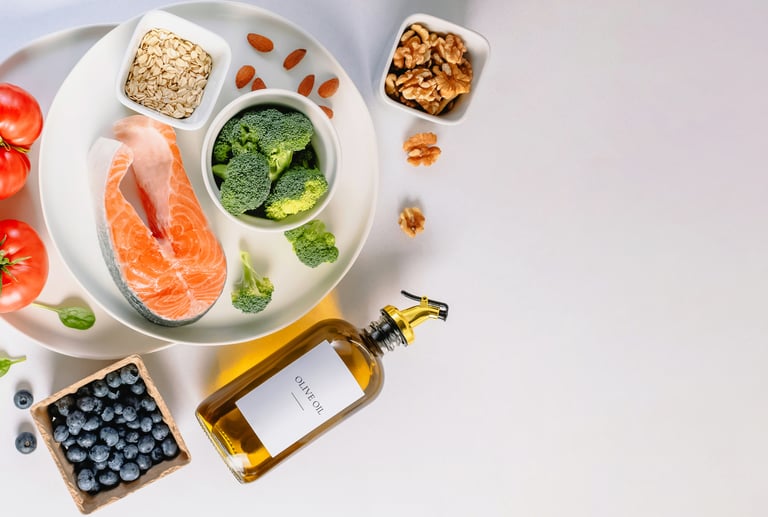

20 Anti-Inflammatory Foods That Heal Your Body Naturally: The Complete Science-Backed Guide
By BiteBrightly 11 January 2026: This post might contain affiliate links.
Do you wake up with stiff, achy joints? Struggle with stubborn weight that won't budge despite your best efforts? Experience frequent digestive issues, skin problems, or brain fog? You might be dealing with chronic inflammation—the silent culprit behind most modern health problems.
Chronic inflammation isn't just about occasional aches and pains. It's the underlying driver of virtually every major disease affecting millions today: heart disease, diabetes, cancer, Alzheimer's, arthritis, autoimmune conditions, and depression. When inflammation persists for months or years, it damages your cells, tissues, and organs, accelerating aging and increasing disease risk dramatically.
Most people don't realize they're living with chronic inflammation until serious health problems emerge. Unlike acute inflammation—the redness, heat, and swelling you see with a cut or injury—chronic inflammation operates silently beneath the surface, wreaking havoc on your health without obvious symptoms. You might feel "fine" while inflammation progressively damages your cardiovascular system, disrupts your hormones, impairs your brain function, and promotes disease.
The conventional approach relies on anti-inflammatory medications like NSAIDs (ibuprofen, naproxen) and prescription drugs that provide temporary relief while causing significant side effects with long-term use. These medications don't address the root causes of inflammation and can actually create new health problems, particularly digestive issues and cardiovascular risks.
Your diet provides one of the most powerful tools for controlling inflammation naturally. Specific foods contain compounds that directly reduce inflammatory markers, protect cells from damage, and support your body's natural anti-inflammatory processes. According to research published in the Journal of the American College of Cardiology, dietary patterns rich in anti-inflammatory foods significantly reduce markers of systemic inflammation and lower cardiovascular disease risk.
Unlike medications that simply block inflammatory pathways, anti-inflammatory foods work with your body's innate healing mechanisms. This comprehensive guide reveals twenty science-backed foods that naturally reduce inflammation and protect against chronic disease. From omega-3-rich fatty fish to antioxidant-packed berries, these foods work through multiple mechanisms to extinguish the inflammatory fire damaging your health.
Key Takeaways
Chronic inflammation is the root cause of most modern diseases including heart disease, diabetes, and Alzheimer's
Certain foods contain powerful anti-inflammatory compounds that reduce inflammation at the cellular level
Omega-3 fatty acids, antioxidants, and polyphenols are key inflammation-fighting nutrients
Inflammatory foods (sugar, refined oils, processed foods) must be reduced for maximum benefit
Most people notice reduced pain, improved energy, and better health within 2-4 weeks
Anti-inflammatory eating naturally supports weight loss, better sleep, and slower aging
Understanding Inflammation: When Your Immune System Goes Wrong
Before you can effectively reduce inflammation through diet, you need to understand what inflammation is, why it becomes chronic, and how it damages virtually every system in your body.
Inflammation is your immune system's natural response to injury, infection, or perceived threats. When functioning properly, inflammation is protective—it isolates damaged tissue, brings healing resources to the area, and initiates repair. This acute inflammation is beneficial and necessary for healing.
The Two Types of Inflammation
Acute Inflammation: This is the inflammation you can see and feel—redness, heat, swelling, and pain at an injury site. When you cut your finger, twist your ankle, or catch a cold, acute inflammation springs into action. White blood cells flood the area, blood vessels dilate to deliver nutrients, and your body initiates healing. This process typically resolves within days to weeks as healing completes.
Acute inflammation serves crucial protective functions: it prevents infection from spreading, removes damaged tissue, and rebuilds healthy tissue. Without acute inflammation, minor injuries would become life-threatening and healing would be impossible.
Chronic Inflammation: This is the dangerous type—persistent, low-level inflammation that continues for months or years without resolution. Unlike acute inflammation's obvious symptoms, chronic inflammation often operates silently, causing damage throughout your body without your awareness.
According to research in Nature Reviews Immunology, chronic inflammation occurs when inflammatory signals never shut off. Your immune system remains in constant activation mode, releasing inflammatory compounds continuously. These inflammatory molecules—cytokines, prostaglandins, and free radicals—damage healthy cells, tissues, and organs over time.
What Causes Chronic Inflammation
Multiple factors trigger and perpetuate chronic inflammation, often working together to create a perfect storm of inflammatory stress.
Poor diet: The Standard American Diet (SAD) creates chronic inflammation through multiple mechanisms. Refined sugars spike blood glucose and insulin, triggering inflammatory responses. Excessive omega-6 fatty acids (from vegetable oils) without balancing omega-3s create inflammatory compounds. Trans fats directly promote inflammation. Processed foods contain additives and chemicals that activate immune responses. Lack of fiber-rich plants means missing crucial anti-inflammatory compounds.
Chronic stress: Prolonged psychological stress elevates cortisol, which paradoxically increases inflammation when chronically elevated. Research in Psychosomatic Medicine shows that stress also disrupts sleep, promotes unhealthy eating, and activates inflammatory pathways throughout the body.
Excess body fat: Fat tissue isn't inert—it's metabolically active, producing inflammatory compounds. Visceral fat (around organs) is particularly inflammatory, releasing cytokines that promote insulin resistance, cardiovascular disease, and metabolic dysfunction. Obesity creates a state of chronic low-grade inflammation throughout the body.
Sleep deprivation: Poor sleep quality or insufficient sleep duration increases inflammatory markers significantly. During deep sleep, your body performs anti-inflammatory maintenance and repair. Without adequate sleep, inflammatory processes outpace anti-inflammatory mechanisms, and inflammation accumulates over time.
Sedentary lifestyle: Lack of physical activity promotes inflammation through multiple pathways. Exercise has natural anti-inflammatory effects, so inactivity means missing these benefits. Sitting excessively also impairs circulation, allowing inflammatory compounds to accumulate rather than being cleared efficiently.
Gut dysbiosis: An unhealthy balance of gut bacteria promotes inflammation systemically through the gut-brain axis. When harmful bacteria outnumber beneficial ones, they produce inflammatory compounds that enter circulation, triggering widespread inflammation. Leaky gut (increased intestinal permeability) allows food particles and bacteria into the bloodstream, activating immune responses.
How Chronic Inflammation Damages Your Health
Chronic inflammation doesn't just cause one problem—it creates cascading damage throughout your body, contributing to virtually every chronic disease.
Cardiovascular disease: According to research in Circulation, inflammation damages arterial walls, promoting plaque formation and atherosclerosis. Inflammatory compounds make plaques unstable, increasing heart attack and stroke risk. Chronic inflammation also elevates blood pressure and impairs heart function.
Metabolic dysfunction and diabetes: Inflammation interferes with insulin signaling, creating insulin resistance—the foundation of type 2 diabetes. Inflammatory cytokines prevent cells from responding to insulin, causing blood sugar dysregulation. This creates a vicious cycle: high blood sugar triggers more inflammation, which worsens insulin resistance.
Brain degeneration: Neuroinflammation—inflammation in the brain—is central to Alzheimer's disease, Parkinson's disease, and cognitive decline. Research in Neurology shows that inflammatory compounds damage neurons, impair memory formation, and accelerate brain aging. Depression and anxiety are also linked to inflammation.
Autoimmune diseases: Chronic inflammation can cause the immune system to attack the body's own tissues. Rheumatoid arthritis, lupus, inflammatory bowel disease, psoriasis, and multiple sclerosis all involve inflammatory attacks on healthy tissue.
Cancer: Inflammation creates conditions that promote cancer development and progression. Inflammatory compounds damage DNA, impair cellular repair mechanisms, and support tumor growth. Many cancers arise in areas of chronic inflammation.
Accelerated aging: Inflammation speeds cellular aging by shortening telomeres—the protective caps on chromosomes. Shorter telomeres mean older biological age regardless of chronological years.
How Food Influences Inflammation
Your dietary choices profoundly influence inflammation through multiple powerful mechanisms. Understanding these pathways helps you make strategic food selections that actively reduce inflammatory burden.
Direct Anti-Inflammatory Compounds
Certain foods contain specific compounds that directly interfere with inflammatory pathways in your body.
Omega-3 fatty acids (EPA and DHA): These essential fats are precursors to resolvins and protectins—compounds that actively resolve inflammation and promote healing. According to research in Prostaglandins, Leukotrienes and Essential Fatty Acids, omega-3s reduce production of inflammatory cytokines while increasing anti-inflammatory compounds.
Polyphenols: These plant compounds—found abundantly in colorful fruits, vegetables, tea, and dark chocolate—have remarkable anti-inflammatory properties. They neutralize free radicals, inhibit inflammatory enzymes, and activate genes that support anti-inflammatory processes.
Curcumin: The active compound in turmeric is one of nature's most powerful anti-inflammatory agents. It blocks NF-kB, a master regulator of inflammation, preventing inflammatory gene expression.
Anthocyanins: These compounds give berries their deep colors while providing potent anti-inflammatory effects. They reduce inflammatory markers, protect against oxidative stress, and support cardiovascular health.
Oleocanthal: Found in extra virgin olive oil, this compound works similarly to ibuprofen, inhibiting inflammatory enzymes.
The 20 Anti-Inflammatory Foods
1. Fatty Fish (Salmon, Mackerel, Sardines, Anchovies)
Fatty fish are perhaps the most powerful anti-inflammatory foods available, providing abundant omega-3 fatty acids EPA and DHA that directly reduce inflammation throughout your body.
Why it works: EPA and DHA are incorporated into cell membranes throughout your body, making cells more fluid and responsive. More importantly, they're precursors to specialized pro-resolving mediators (SPMs)—compounds like resolvins and protectins that actively resolve inflammation and promote tissue healing.
According to research in the Journal of the American College of Cardiology, regular fatty fish consumption reduces inflammatory markers (C-reactive protein, interleukin-6, tumor necrosis factor) significantly. People who eat fatty fish regularly have lower rates of heart disease, rheumatoid arthritis, cognitive decline, and depression—all inflammatory conditions.
How to use: Consume fatty fish 2-4 times weekly, with each serving providing 3-4 ounces. Wild-caught Alaskan salmon, Atlantic mackerel, Pacific sardines, and anchovies provide the highest omega-3 content with low mercury levels. Grill, bake, or pan-sear with minimal added fat to preserve omega-3s.
2. Berries (Blueberries, Strawberries, Raspberries, Blackberries)
Berries pack extraordinary antioxidant and anti-inflammatory power into small, delicious packages. They consistently rank among the highest antioxidant foods tested.
Why it works: Berries contain anthocyanins—the pigments creating their deep colors—which have remarkable anti-inflammatory properties. Research in the American Journal of Clinical Nutrition shows regular berry consumption reduces C-reactive protein, improves arterial function, reduces blood pressure, and may slow cognitive decline.
Berries also provide fiber that feeds beneficial gut bacteria, supporting anti-inflammatory microbiome balance. Their relatively low sugar content means minimal blood sugar impact—you get anti-inflammatory benefits without glucose spikes.
How to use: Eat 1-2 cups of mixed berries daily. Fresh and frozen berries provide equivalent antioxidant content. Add berries to morning oatmeal or yogurt, blend into smoothies, eat as snacks, or use in salads.
3. Turmeric
This golden spice contains curcumin, one of nature's most powerful anti-inflammatory compounds. Turmeric has been used in traditional medicine for thousands of years—modern science now validates these ancient applications.
Why it works: Curcumin blocks NF-kB, a protein complex that acts as a master switch for inflammatory gene expression. According to research in Foods, curcumin reduces inflammatory markers as effectively as some anti-inflammatory drugs in certain conditions. It's particularly beneficial for arthritis, with research demonstrating reduced joint pain and improved mobility.
The challenge with turmeric is bioavailability—curcumin is poorly absorbed on its own. However, combining turmeric with black pepper (which contains piperine) increases absorption by 2000%.
How to use: Use 1-2 teaspoons of turmeric powder daily in cooking. Add to curries, soups, scrambled eggs, roasted vegetables, or golden milk. Always combine with black pepper and some fat for maximum absorption.
4. Extra Virgin Olive Oil
This Mediterranean diet staple provides remarkable anti-inflammatory benefits through multiple compounds, particularly oleocanthal and other polyphenols.
Why it works: Oleocanthal, found abundantly in quality extra virgin olive oil, works similarly to ibuprofen—it inhibits COX enzymes responsible for producing inflammatory compounds. Research in Current Pharmaceutical Design shows that regular consumption provides gentle, sustained anti-inflammatory effects without side effects.
The Mediterranean diet's cardiovascular benefits are largely attributed to liberal olive oil consumption. People who regularly consume extra virgin olive oil have lower rates of heart disease, stroke, type 2 diabetes, and inflammatory conditions.
How to use: Use 2-3 tablespoons of extra virgin olive oil daily as your primary fat source. Drizzle over salads, vegetables, and cooked dishes. Quality matters—choose extra virgin olive oil that's fresh, stored in dark glass, and has a peppery, slightly bitter taste indicating high polyphenol content.
5. Leafy Greens (Spinach, Kale, Swiss Chard, Collard Greens)
Dark leafy greens provide concentrated anti-inflammatory nutrition with minimal calories. They're among the most nutrient-dense foods available.
Why it works: Leafy greens contain numerous anti-inflammatory compounds: vitamin K (crucial for regulating inflammatory responses), folate (reduces inflammatory homocysteine), magnesium (regulates inflammatory pathways), and diverse antioxidants including carotenoids and vitamin C.
Studies show regular consumption of leafy greens reduces inflammatory markers and correlates with lower rates of heart disease, cognitive decline, and type 2 diabetes.
How to use: Consume 2-3 cups raw or 1-2 cups cooked leafy greens daily. Raw greens in salads retain all nutrients and enzymes. Cooking increases bioavailability of certain nutrients. Add spinach or kale to smoothies, sauté as side dishes, add to soups and stews, or use as salad bases.
6. Walnuts
These brain-shaped nuts appropriately support brain health while providing powerful anti-inflammatory benefits throughout the body.
Why it works: Walnuts are the richest nut source of omega-3 fatty acids (in the form of ALA—alpha-linolenic acid). According to research in Nutrients, walnuts also contain polyphenols, particularly ellagitannins, that have significant anti-inflammatory effects. Regular walnut consumption reduces inflammatory markers, improves cholesterol profiles, and may improve cognitive function.
How to use: Eat 1/4 cup (about 1 ounce or 14 walnut halves) daily. Raw or lightly toasted walnuts both provide benefits. Add to salads, oatmeal, or yogurt, use in homemade trail mix, or eat as snacks. Store in the refrigerator to prevent omega-3 fats from oxidizing.
7. Green Tea
This ancient beverage provides remarkable anti-inflammatory and health-promoting benefits backed by extensive research.
Why it works: Green tea contains EGCG (epigallocatechin gallate), a catechin with powerful anti-inflammatory and antioxidant properties. Research in the Journal of Nutritional Biochemistry shows that EGCG reduces inflammatory cytokine production, protects cells from oxidative damage, and may inhibit inflammatory enzymes.
The polyphenols in green tea also support healthy gut bacteria, providing additional anti-inflammatory benefits through the microbiome.
How to use: Drink 3-5 cups of green tea daily for maximum anti-inflammatory benefits. Brew with water around 170-180°F for 2-3 minutes. Avoid adding sugar or milk. Matcha provides even higher catechin concentrations since you consume the entire leaf.
8. Dark Chocolate (85% Cacao or Higher)
Yes, chocolate can be anti-inflammatory—when it's the right kind. Dark chocolate with high cacao content provides impressive benefits.
Why it works: Dark chocolate contains flavanols, particularly epicatechin and catechin, with significant anti-inflammatory and antioxidant properties. According to research in Nutrients, consuming high-cacao dark chocolate regularly reduces C-reactive protein and other inflammatory markers.
The key is choosing chocolate with at least 85% cacao—this ensures high flavanol content and minimal sugar.
How to use: Enjoy 1-2 ounces (about 1-2 squares) of 85-90% dark chocolate daily. Choose quality dark chocolate with minimal ingredients: cacao, cocoa butter, and minimal sweetener.
9. Tomatoes
These versatile fruits provide lycopene and other anti-inflammatory compounds while being incredibly easy to incorporate into meals.
Why it works: Tomatoes are the richest dietary source of lycopene, a carotenoid with powerful antioxidant and anti-inflammatory properties. Studies show higher lycopene intake correlates with lower inflammatory markers, particularly in people with existing inflammation.
Interestingly, cooked tomatoes provide more bioavailable lycopene than raw—the heating process breaks down cell walls, releasing lycopene. Lycopene is also fat-soluble, so consuming tomatoes with olive oil significantly increases absorption.
How to use: Include tomatoes daily in various forms. Fresh tomatoes in salads, cooked tomatoes in sauces and soups, sun-dried tomatoes as condiments, or tomato paste as a concentrated source. Cook tomatoes with olive oil to maximize lycopene absorption.
10. Ginger
This pungent root has been used medicinally for thousands of years. Modern research confirms its remarkable anti-inflammatory properties.
Why it works: Ginger contains gingerol and related compounds with significant anti-inflammatory effects. Research in the Journal of Medicinal Food shows that ginger effectively reduces muscle pain and soreness, helps manage arthritis symptoms, and reduces inflammatory markers.
How to use: Use 1-2 grams of fresh ginger daily (about a 1-inch piece) or 1/4-1/2 teaspoon ground ginger. Grate fresh ginger into stir-fries, soups, smoothies, or dressings. Brew ginger tea by steeping sliced fresh ginger in hot water for 10 minutes.
11. Avocados
These creamy fruits provide unique anti-inflammatory benefits through their fat profile and diverse nutrients.
Why it works: Avocados are rich in monounsaturated fats that reduce inflammation and improve the omega-6 to omega-3 ratio. They also contain carotenoids, vitamin E, and other antioxidants. Research shows avocado consumption reduces inflammatory markers and improves cholesterol profiles.
Avocados provide abundant fiber (about 10 grams per whole avocado), which feeds beneficial gut bacteria that produce anti-inflammatory compounds.
How to use: Consume 1/2 to 1 whole avocado daily. Add to salads, use as spread instead of butter or mayo, blend into smoothies, top whole grain toast, or simply eat with sea salt.
12. Bell Peppers (Especially Red)
These crunchy vegetables provide exceptional antioxidant and anti-inflammatory nutrition, particularly when red.
Why it works: Bell peppers are among the highest-vitamin-C foods available (red bell peppers provide more vitamin C than oranges). They also contain quercetin and other flavonoids with anti-inflammatory properties. Red bell peppers are particularly beneficial because they've ripened fully, concentrating antioxidants including beta-carotene, lycopene, and lutein.
How to use: Include bell peppers daily in various colors. Red provides the most antioxidants. Eat raw in salads or as snacks with hummus, roast for deeper flavor, add to stir-fries, or blend into soups.
13. Broccoli and Other Cruciferous Vegetables
Broccoli, cauliflower, Brussels sprouts, cabbage, and kale belong to the cruciferous family—vegetables with exceptional anti-inflammatory and disease-protective properties.
Why it works: Cruciferous vegetables contain sulforaphane, a powerful anti-inflammatory compound that activates Nrf2—a master regulator of antioxidant and anti-inflammatory gene expression. Research shows regular cruciferous vegetable consumption reduces inflammatory markers and may reduce cancer risk.
The fiber content supports healthy gut bacteria that produce anti-inflammatory short-chain fatty acids.
How to use: Consume cruciferous vegetables daily, aiming for 2-3 cups weekly minimum. Eat some raw and some lightly cooked. Broccoli sprouts are exceptionally high in sulforaphane precursors.
14. Mushrooms (Shiitake, Maitake, Oyster, Portobello)
Edible mushrooms provide unique anti-inflammatory compounds not found in plants or animals.
Why it works: Mushrooms contain beta-glucans and other polysaccharides that modulate immune function, reducing excessive inflammation while supporting appropriate immune responses. They also provide ergothioneine and selenium—powerful antioxidants that reduce oxidative stress.
Studies show regular mushroom consumption is associated with lower inflammatory markers and reduced disease risk, particularly cardiovascular disease.
How to use: Include various mushrooms regularly, aiming for several servings weekly. Sauté mushrooms as side dishes, add to omelets and stir-fries, use in soups and stews, or grill portobello as meat alternative.
15. Grapes (Especially Red and Purple)
Grapes provide resveratrol and other polyphenols with significant anti-inflammatory benefits.
Why it works: Red and purple grapes contain resveratrol—a polyphenol compound with remarkable anti-inflammatory, antioxidant, and potentially lifespan-extending properties. Studies show regular grape consumption reduces inflammatory markers, improves endothelial function, and supports healthy blood pressure.
How to use: Eat 1-2 cups of red or purple grapes several times weekly. Choose organic when possible. Fresh grapes as snacks, frozen grapes as treats, or grapes in fruit salads all provide benefits.
16. Chia Seeds
These tiny seeds pack impressive anti-inflammatory nutrition, particularly omega-3 fatty acids.
Why it works: Chia seeds are exceptionally rich in ALA (alpha-linolenic acid), an omega-3 fatty acid with anti-inflammatory properties. They also provide abundant fiber, antioxidants, calcium, magnesium, and protein. Studies show chia seed consumption reduces inflammatory markers and improves cardiovascular risk factors.
How to use: Consume 1-2 tablespoons of chia seeds daily. Add to smoothies, stir into oatmeal or yogurt, make chia pudding, or use as egg substitute in baking.
17. Beets
These vibrant root vegetables provide unique anti-inflammatory compounds along with nitrates that improve circulation.
Why it works: Beets contain betalains—pigments responsible for their deep red-purple color—with potent anti-inflammatory and antioxidant properties. Beets also provide dietary nitrates that convert to nitric oxide, improving blood flow. Studies show beet juice consumption reduces inflammatory markers and supports cardiovascular health.
How to use: Include beets regularly, either fresh cooked or as beet juice. Roast or steam fresh beets, add to salads, blend into smoothies, or drink beet juice (4-8 ounces).
18. Garlic
This pungent bulb has been valued medicinally across cultures for thousands of years, with good reason.
Why it works: Garlic contains allicin and other sulfur compounds with significant anti-inflammatory, antimicrobial, and antioxidant properties. Studies show regular garlic consumption reduces inflammatory markers, lowers blood pressure, improves cholesterol profiles, and may reduce cancer risk.
How to use: Include garlic daily in cooking. Crush or chop garlic and let it sit 10 minutes before cooking to allow allicin formation. Add to sautéed vegetables, stir-fries, roasted dishes, soups, and sauces.
19. Bone Broth
This traditional food provides collagen, amino acids, and minerals that support gut health and reduce inflammation.
Why it works: Bone broth contains collagen and gelatin that support intestinal integrity, potentially healing leaky gut—a major source of inflammation. It provides glycine and other amino acids that support anti-inflammatory processes. Studies on collagen supplementation show reduced inflammatory markers and improved joint health.
How to use: Drink 8-16 ounces of bone broth daily, or use as cooking liquid for soups, stews, and grains. Make homemade bone broth by simmering bones with vegetables and apple cider vinegar for 12-24 hours.
20. Cherries (Especially Tart Cherries)
Cherries, particularly tart varieties, provide exceptional anti-inflammatory benefits that have been extensively studied for arthritis and gout.
Why it works: Tart cherries contain exceptionally high levels of anthocyanins and other anti-inflammatory compounds. According to research in Nutrients, tart cherry consumption significantly reduces inflammatory markers, decreases muscle soreness after exercise, reduces arthritis symptoms, and may lower gout attack frequency.
How to use: Consume 1-2 cups of tart cherries or 8-12 ounces of tart cherry juice daily, particularly if dealing with inflammatory conditions. Choose unsweetened tart cherry juice.
Creating an Anti-Inflammatory Eating Pattern
While individual foods provide specific benefits, your overall eating pattern matters even more for long-term inflammation control.
The Mediterranean Diet as a Model
The Mediterranean eating pattern—rich in vegetables, fruits, whole grains, legumes, olive oil, fish, and moderate wine—is perhaps the most studied anti-inflammatory diet. Research consistently shows Mediterranean diet adherence reduces inflammatory markers and chronic disease risk dramatically.
Key principles to adopt:
Make vegetables and fruits the foundation (7-10 servings daily)
Use olive oil as primary fat source
Include fatty fish 2-3 times weekly
Eat legumes regularly (several times weekly)
Choose whole grains over refined
Use herbs and spices liberally
Limit red meat to occasional consumption
Balancing Omega-6 to Omega-3 Ratios
Modern diets contain far too much omega-6 (from vegetable oils and processed foods) relative to omega-3, creating inflammatory imbalance.
Increase omega-3 intake:
Eat fatty fish 2-4 times weekly
Include walnuts, chia seeds, and flaxseeds daily
Use algae-based omega-3 supplements if vegetarian
Reduce excessive omega-6:
Minimize vegetable oils (soybean, corn, cottonseed, safflower)
Avoid fried foods from restaurants
Reduce processed and packaged foods
Use olive oil, avocado oil, or coconut oil instead
Support Your Gut Microbiome
Healthy gut bacteria produce anti-inflammatory compounds while unhealthy bacteria produce inflammatory toxins.
Prebiotic foods (feed good bacteria):
Onions, garlic, leeks
Asparagus, artichokes
Bananas, apples
Oats, barley
Probiotic foods (provide good bacteria):
Yogurt, kefir
Sauerkraut, kimchi
Kombucha
Miso, tempeh
Foods That Increase Inflammation
Knowing what to avoid is equally important as knowing what to eat.
Refined Sugars and Carbohydrates
Sugar and refined carbohydrates spike blood glucose and insulin, triggering inflammatory responses. They also promote production of advanced glycation end products (AGEs)—inflammatory compounds.
Avoid:
Sodas and sweetened beverages
Candy, cookies, cakes, pastries
White bread, white rice, white pasta
Sweetened cereals
Trans Fats and Excessive Omega-6 Oils
Trans fats directly promote inflammation, damage blood vessels, and increase disease risk. Excessive omega-6 oils create inflammatory imbalance.
Avoid:
Margarine and shortening
Products listing "partially hydrogenated oils"
Fried foods from restaurants
Excessive vegetable oils (soybean, corn, cottonseed)
Processed Meats
Processed meats contain nitrates, high sodium, and often inflammatory preservatives.
Limit:
Bacon and sausage
Hot dogs
Deli/lunch meats
Lifestyle Factors That Complement Anti-Inflammatory Eating
Diet provides powerful anti-inflammatory benefits, but combining dietary changes with key lifestyle modifications produces the most dramatic results.
Sleep Optimization
Poor sleep increases inflammatory markers significantly. Prioritize 7-9 hours of quality sleep nightly.
Stress Management
Chronic stress elevates cortisol, which increases inflammation. Effective practices: meditation, deep breathing, time in nature, social connection.
Regular Exercise
Moderate-intensity exercise provides the best anti-inflammatory benefits. Aim for 150 minutes weekly of moderate activity plus 2-3 strength training sessions.
Maintain Healthy Weight
Excess body fat actively produces inflammatory compounds. Weight loss significantly reduces inflammatory markers.
Putting It All Together: Your Anti-Inflammatory Action Plan
Week 1-2: Foundation Foods
Begin with the most impactful, accessible changes:
Start each day with berries
Use olive oil as your primary cooking fat
Add leafy greens to one meal daily
Replace afternoon coffee with green tea
Snack on walnuts
Week 3-4: Expanding Variety
Add more anti-inflammatory foods:
Include fatty fish twice weekly
Add turmeric to one dish daily (with black pepper)
Eat tomatoes regularly
Include garlic and ginger in cooking
Week 5-6: Optimization
Round out your approach:
Try new mushroom varieties weekly
Add chia seeds to breakfasts
Include bell peppers and cruciferous vegetables daily
Try tart cherry juice if dealing with joint pain
Enjoy dark chocolate (85%+) for dessert
Conclusion
Chronic inflammation silently damages your health, contributing to virtually every modern disease. While genetics and environmental factors play roles, your dietary choices profoundly influence inflammation levels and disease risk.
The twenty anti-inflammatory foods in this guide aren't exotic superfoods requiring specialty stores or enormous budgets. They're whole foods available in any grocery store: fatty fish, berries, leafy greens, olive oil, nuts, colorful vegetables, herbs, and spices.
These foods work through multiple mechanisms: providing omega-3s that resolve inflammation, delivering antioxidants that neutralize free radicals, supplying polyphenols that inhibit inflammatory pathways, supporting gut health through fiber, and replacing pro-inflammatory foods in your diet.
The key is consistency. Eating anti-inflammatory foods occasionally won't produce lasting results, but making them dietary staples creates compound benefits that build over weeks and months. Combined with anti-inflammatory lifestyle practices—quality sleep, stress management, regular exercise—these dietary strategies can dramatically reduce inflammation and transform your health.
Start where you are. Begin with adding 3-5 anti-inflammatory foods to your regular rotation, gradually expand your repertoire, and allow time for benefits to accumulate. Even modest changes, maintained consistently, create meaningful inflammation reduction within weeks.
Your body possesses remarkable healing capacity when given the right support. These anti-inflammatory foods provide the nutrients and conditions your body needs to reduce inflammation, repair damage, and function optimally.
References and Further Reading
For more information on inflammation and anti-inflammatory nutrition, consult these authoritative sources:
Harvard Health Publishing - Foods That Fight Inflammation
Evidence-based guidance on anti-inflammatory eating patterns and specific foods that reduce chronic inflammation.National Center for Complementary and Integrative Health (NCCIH) - Anti-Inflammatory Diets
Research-backed information on how diet influences inflammation and immune function.American Heart Association - Inflammation and Heart Disease
Information on the role of inflammation in cardiovascular disease and dietary strategies for reduction.
FAQ
How long does it take to reduce inflammation through diet?
Some inflammatory markers improve within days to weeks of adopting anti-inflammatory eating, though significant changes typically appear within 4-8 weeks of consistent dietary changes. Acute inflammatory symptoms (joint pain, digestive issues) often improve within 2-3 weeks, while chronic inflammatory conditions may take 2-3 months for noticeable improvement. The timeline depends on your starting inflammation level, consistency with anti-inflammatory eating, and whether you also address lifestyle factors like sleep and stress.
Can food really reduce inflammation as effectively as medication?
For many people with mild to moderate inflammation, anti-inflammatory foods can be as effective as NSAIDs without the side effects. Research shows compounds like curcumin (turmeric), omega-3 fatty acids, and EGCG (green tea) have anti-inflammatory effects comparable to common medications in some studies. However, food works more slowly and gently than medications—don't stop prescribed anti-inflammatory medications without consulting your healthcare provider. Food-based approaches work best for prevention and managing chronic low-grade inflammation.
What blood tests measure inflammation?
The most common inflammation marker is C-reactive protein (CRP), with high-sensitivity CRP (hs-CRP) detecting lower levels. Other markers include erythrocyte sedimentation rate (ESR), interleukin-6 (IL-6), and tumor necrosis factor-alpha (TNF-α). Most people can track inflammation subjectively through symptoms—reduced pain, better energy, improved digestion, and enhanced wellbeing indicate decreasing inflammation.
Are anti-inflammatory supplements as effective as whole foods?
Whole foods provide multiple anti-inflammatory compounds working synergistically, plus fiber and nutrients supplements lack. Supplements can provide concentrated doses of specific compounds (like omega-3s or curcumin) when dietary intake is insufficient, but they shouldn't replace anti-inflammatory foods. Use supplements strategically to complement diet, not substitute for it.
Can I eat anti-inflammatory foods if I'm on blood thinners?
Some anti-inflammatory foods and supplements (particularly omega-3s, turmeric, and ginger in large amounts) have mild blood-thinning effects. If you take blood-thinning medications, consult your healthcare provider before dramatically increasing anti-inflammatory foods or taking supplements. Moderate dietary amounts are typically fine, but large quantities or concentrated supplements may interact with medications.
Will anti-inflammatory eating help me lose weight?
Yes, often significantly. Chronic inflammation interferes with hormones regulating appetite and metabolism (leptin, insulin), making weight loss difficult. Reducing inflammation often makes weight loss much easier. Anti-inflammatory foods tend to be whole foods rich in fiber and protein, naturally promoting satiety and healthy weight. The weight loss also further reduces inflammation since excess fat tissue produces inflammatory compounds.
Can children eat an anti-inflammatory diet?
Absolutely—anti-inflammatory eating is simply wholesome, nutritious food appropriate for all ages. Children benefit enormously from whole foods, fruits, vegetables, fatty fish, nuts, and minimal processed foods. This eating pattern supports healthy development, reduces risk of childhood obesity, and establishes lifelong healthy habits.
Do I need to eat organic to get anti-inflammatory benefits?
Organic is ideal for reducing pesticide exposure (which can trigger inflammation), but conventional produce still provides significant anti-inflammatory benefits. If budget is limited, prioritize organic for the "Dirty Dozen" and choose conventional for "Clean Fifteen." Eating conventional anti-inflammatory foods is far better than avoiding them due to organic cost.
Can I drink coffee on an anti-inflammatory diet?
Coffee contains antioxidants and polyphenols with anti-inflammatory properties, so moderate consumption (2-3 cups daily) can be part of an anti-inflammatory diet. However, excessive coffee may increase cortisol, which can promote inflammation. Consider replacing one or two daily coffees with green tea for optimal anti-inflammatory benefits.
Will anti-inflammatory eating help autoimmune conditions?
Many people with autoimmune conditions experience significant improvement with anti-inflammatory eating, though responses vary. The gut health, reduced systemic inflammation, and improved nutrient status from anti-inflammatory foods often help manage autoimmune symptoms. Work with your healthcare provider when modifying diet with autoimmune conditions—never stop prescribed medications without medical supervision.
About Author
Judith Tsanga is an Applied Biosciences & Biotechnology graduate with an Advanced Level qualification in Food Science, and the founder of BiteBrightly. Her passion for food as medicine began with her own experience: after making targeted dietary changes, she noticed a meaningful improvement in her eyesight — a personal transformation that inspired her mission to share evidence-based nutrition insights that help others eat well and heal boldly. Content on BiteBrightly is for educational purposes and isn't a substitute for advice from your doctor or dietitian.
Follow on Pinterest for daily health tips, recipes, and wellness inspiration.
Important Notice: The information in this article is for educational purposes only and is not intended as medical advice or to replace professional medical treatment. Always consult your healthcare provider before making any dietary changes, starting supplements, or implementing health recommendations, especially if you have medical conditions, take medications, are pregnant, or nursing. This information is not intended to replace your prescribed medications or treatment plans. Individual results vary based on genetics, health status, and lifestyle factors.
Related posts
Connect
Join our newsletter for fresh health tips
© 2026. All rights reserved.