Foods for Gut Health: Heal Your Digestive System and Boost Immunity Naturally
Discover 25 foods for gut health that heal leaky gut, restore microbiome, and boost immunity. Science-backed solutions for digestive issues. Results in weeks.
by BiteBrightly
1/29/202619 min read
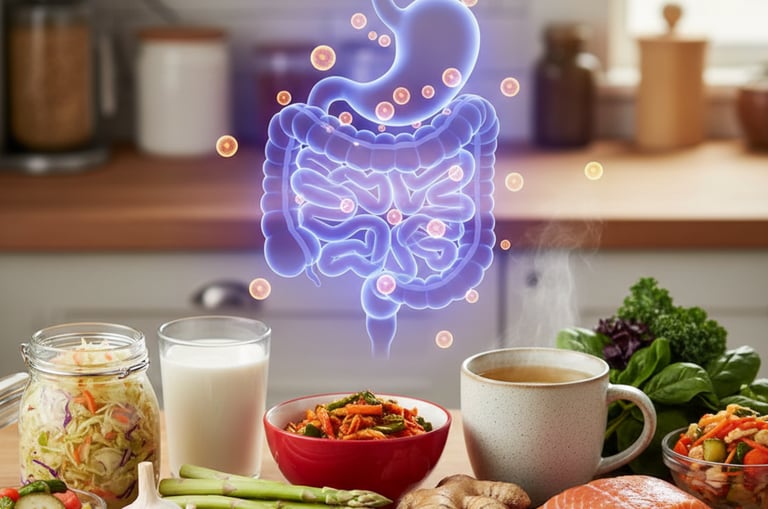
Foods for Gut Health: Heal Your Digestive System and Boost Immunity Naturally
By BiteBrightly 29 January 2026 : This post might contain affiliate links.
Bloating after every meal. Constant stomach pain. Diarrhea alternating with constipation. Brain fog you can't explain. Skin breakouts despite perfect skincare. Anxiety that seems to come from nowhere. Exhaustion no amount of sleep fixes. Food sensitivities multiplying by the month. If you're searching for foods for gut health that actually work, you're not alone—and you're about to discover the science-backed nutrition strategies that can transform your digestive system and overall wellbeing.
You've tried everything—probiotics that don't work, elimination diets that leave you hungry and confused, medications that mask symptoms without fixing the problem. Your doctor runs tests that come back "normal" while you feel progressively worse. You're told it's "just IBS" or "stress" as if that explains the daily suffering.
Meanwhile, your quality of life deteriorates. Social events revolve around bathroom access. You can't eat out without anxiety. Your wardrobe centers on hiding bloating. Work suffers because brain fog prevents focus. Relationships strain because you're always canceling plans or feeling miserable.
Here's what most doctors won't tell you: your gut is the foundation of total body health. Called the "second brain," your gut contains 70% of your immune system, produces 90% of your serotonin (mood regulator), houses trillions of bacteria that influence everything from weight to mental health, and acts as the gatekeeper deciding what enters your bloodstream.
According to research in Nature Reviews Gastroenterology & Hepatology, gut dysbiosis (bacterial imbalance) and intestinal permeability ("leaky gut") are implicated in inflammatory bowel disease, autoimmune conditions, obesity, diabetes, depression, anxiety, skin disorders, and even neurodegenerative diseases. Your digestive issues aren't just about digestion—they're systemic inflammation affecting your entire body.
The standard medical approach offers limited solutions. Medications suppress acid or slow motility without addressing why your gut is malfunctioning. Generic probiotics provide random bacteria strains your gut might not need. Restrictive diets eliminate foods without rebuilding gut health, leaving you nutritionally deficient and still symptomatic.
The food-based approach is fundamentally different. Strategic nutrition provides the raw materials to repair damaged gut lining, feed beneficial bacteria while starving harmful ones, reduce inflammation that drives symptoms, restore digestive enzyme production, rebalance the microbiome, and rebuild the gut-immune-brain connection.
Research in Frontiers in Microbiology shows that specific dietary interventions can dramatically improve gut health markers, reduce inflammatory bowel disease symptoms, restore microbiome diversity, heal intestinal permeability, and create sustained improvements in digestion, immunity, mood, and overall health.
This comprehensive guide reveals the most powerful gut-healing foods backed by gastroenterology research, the specific mechanisms by which they restore digestive health, optimal amounts and timing for maximum benefit, what to avoid (many "healthy" foods damage gut lining), and how to create an eating pattern that rebuilds gut health from the foundation up.
Key Takeaways
Gut health affects immunity, mood, skin, weight, brain function, and chronic disease risk through the gut-brain-immune axis
70% of your immune system resides in your gut—healing digestion strengthens total body immunity
Leaky gut (intestinal permeability) allows toxins into bloodstream, triggering inflammation and autoimmune responses
Microbiome diversity is key to health—Western diets reduce diversity while traditional diets maintain it
Specific foods provide prebiotics (feed good bacteria), probiotics (add good bacteria), and compounds that heal gut lining
The 4Rs protocol (Remove, Replace, Reinoculate, Repair) provides systematic gut healing framework
Most people notice digestive improvements within 1-2 weeks, with maximum benefits at 3-6 months
Gut healing requires removing inflammatory foods while adding therapeutic ones—both aspects matter equally
Understanding Your Gut and Why It Matters
Before diving into specific foods, understanding gut function and dysfunction helps you make strategic choices.
Your Gut's Multiple Critical Functions
Digestion and absorption: Breaking down food into nutrients and absorbing them into bloodstream. When gut lining is damaged, you can eat perfectly but remain malnourished.
Immune system headquarters: 70-80% of immune cells reside in gut tissue. Your gut distinguishes between food, friendly bacteria, and pathogens—making decisions that affect whole-body immunity. According to research in Cell, gut bacteria train immune system, preventing both infections and autoimmune reactions.
Neurotransmitter production: Your gut produces 90% of serotonin (mood), substantial GABA (calming), dopamine (motivation), and other neurotransmitters. This is why gut health profoundly affects mental health—the "gut-brain axis" is bidirectional communication.
Barrier function: Healthy gut lining is "selectively permeable"—allowing nutrients through while blocking toxins, undigested food particles, and bacteria. When this barrier breaks down (leaky gut), inflammation skyrockets.
Detoxification: Gut bacteria break down toxins, produce beneficial metabolites, and support liver detoxification. Dysbiosis impairs this function.
Hormone regulation: Gut bacteria influence estrogen metabolism, thyroid hormones, and insulin sensitivity. Poor gut health contributes to hormonal imbalances.
The Microbiome: Your Internal Ecosystem
You contain approximately 39 trillion bacteria—more bacterial cells than human cells. These microorganisms:
Ferment fiber into short-chain fatty acids (SCFAs) that fuel gut cells and reduce inflammation
Produce vitamins (K, B12, biotin, folate)
Protect against pathogens through competitive exclusion
Regulate immune function and inflammation
Influence mood, behavior, and brain health
Affect metabolism and body weight
Modulate genetic expression
Research shows microbiome diversity (variety of bacterial species) correlates strongly with health, while low diversity associates with obesity, inflammatory diseases, mental health disorders, and autoimmune conditions.
Leaky Gut: The Root of Systemic Inflammation
Healthy intestinal lining features tight junctions between cells, creating selective barrier. Leaky gut occurs when these junctions loosen, allowing:
Undigested food particles into bloodstream (triggering food sensitivities)
Bacterial endotoxins (lipopolysaccharides/LPS) causing systemic inflammation
Immune system activation and antibody production
Chronic inflammation affecting distant organs
According to research in Gut Microbes, intestinal permeability contributes to autoimmune diseases, allergies, inflammatory bowel disease, metabolic syndrome, mental health disorders, and chronic fatigue.
Common causes of leaky gut:
Standard Western diet (high sugar, processed foods, inflammatory oils)
Chronic stress (increases cortisol, damages gut lining)
Medications (NSAIDs, antibiotics, proton pump inhibitors)
Alcohol (directly damages intestinal cells)
Gut dysbiosis (imbalanced bacteria)
Chronic infections
Environmental toxins (glyphosate, pesticides)
How Poor Gut Health Manifests Throughout Your Body
Gut dysfunction doesn't stay localized—it affects every system:
Digestive symptoms: Bloating, gas, diarrhea, constipation, reflux, abdominal pain, irregular bowel movements.
Immune dysfunction: Frequent infections, autoimmune conditions, allergies, chronic inflammation, slow wound healing.
Mental health: Depression, anxiety, brain fog, poor concentration, mood swings, irritability. Research shows strong links between gut dysbiosis and mental health disorders.
Skin issues: Acne, eczema, psoriasis, rosacea, premature aging. Skin often reflects gut health.
Weight problems: Difficulty losing weight despite diet/exercise, or unexplained weight loss. Gut bacteria influence metabolism and fat storage.
Hormonal imbalances: PMS, irregular cycles, thyroid dysfunction, insulin resistance. Gut affects hormone metabolism.
Energy and sleep: Chronic fatigue, insomnia, poor sleep quality. Gut produces neurotransmitters affecting energy and sleep.
Food sensitivities: Developing reactions to foods previously tolerated. Leaky gut drives this phenomenon.
Foods That Heal and Support Gut Health
Category 1: Probiotic-Rich Fermented Foods (Add Good Bacteria)
Fermented foods provide live beneficial bacteria that colonize your gut and support microbiome health.
1. Sauerkraut (Unpasteurized)
One of the most powerful probiotic foods.
Why it works: Raw, unpasteurized sauerkraut contains billions of Lactobacillus bacteria per serving. These beneficial bacteria improve digestion, strengthen immune function, reduce inflammation, and support gut barrier integrity. The fermentation process also increases nutrient bioavailability and produces beneficial compounds. Research shows regular sauerkraut consumption improves microbiome diversity.
How to use: Start with 1-2 tablespoons daily, gradually increasing to 1/4-1/2 cup. Must be refrigerated, unpasteurized sauerkraut (pasteurization kills beneficial bacteria). Add to meals as condiment. Brands like Bubbies, Farmhouse Culture, or make your own.
Pro tip: The juice contains concentrated probiotics—drink 1-2 tablespoons daily.
2. Kimchi
Korean fermented vegetables with unique bacterial strains.
Why it works: Kimchi provides diverse Lactobacillus strains different from other fermented foods, plus compounds from garlic, ginger, and peppers that support gut health. According to research in the Journal of Medicinal Food, kimchi consumption improves gut microbiome composition, reduces inflammation, and may prevent obesity and metabolic syndrome.
How to use: 1/4-1/2 cup daily. Start small if new to fermented foods. Choose unpasteurized varieties. Can be eaten alone or added to meals.
3. Kefir
Fermented milk with exceptional bacterial diversity.
Why it works: Kefir contains 30-40 different probiotic strains (compared to 2-10 in most yogurts) plus beneficial yeasts. It's more effective than yogurt for colonizing gut and provides lactase enzyme (helpful for lactose-intolerant individuals). Kefir bacteria survive stomach acid better than many probiotic supplements.
How to use: 1 cup daily. Choose whole-milk kefir (full-fat) with no added sugar. Plain kefir is best—add your own fruit/honey if needed. Can drink straight, add to smoothies, or use in recipes. Coconut kefir available for dairy-free option.
4. Yogurt (Full-Fat, Plain, with Live Cultures)
Classic probiotic food when chosen correctly.
Why it works: Quality yogurt provides Lactobacillus and Bifidobacterium strains that support digestion and immunity. The fermentation process partially breaks down lactose and increases nutrient availability.
How to use: 1 cup daily. Choose full-fat, plain, with "live and active cultures" on label. Greek yogurt provides more protein. Avoid flavored yogurts with added sugar (feeds harmful bacteria). Add own berries, nuts, honey.
5. Kombucha
Fermented tea with probiotics and beneficial acids.
Why it works: Kombucha provides probiotics, organic acids that support digestion, and antioxidants from tea. The fermentation creates beneficial compounds including glucuronic acid (supports liver detoxification).
How to use: 4-8 oz daily. Choose low-sugar varieties (under 5g per serving). Start small as it can cause detox symptoms in some. Best consumed with or after meals, not on empty stomach.
6. Miso
Fermented soybean paste with unique benefits.
Why it works: Miso provides probiotics plus compounds from fermented soy that support gut health. The long fermentation (months to years) creates beneficial enzymes and metabolites.
How to use: 1-2 tablespoons daily. Add to soups (after removing from heat to preserve probiotics), dressings, marinades. Choose unpasteurized, organic miso. Different varieties (white, yellow, red) offer different benefits.
7. Tempeh
Fermented whole soybeans.
Why it works: Tempeh provides probiotics plus easily digestible plant protein and fiber. The fermentation breaks down anti-nutrients in soy and creates vitamin B12.
How to use: 3-4 oz serving 2-3 times weekly. Steam or sauté and add to meals. Refrigerated section of grocery stores. Organic preferred to avoid GMO soy.
Category 2: Prebiotic Foods (Feed Good Bacteria)
Prebiotics are non-digestible fibers that feed beneficial gut bacteria. They're essential for microbiome health.
8. Garlic (Raw or Lightly Cooked)
One of the richest prebiotic sources.
Why it works: Garlic contains inulin and fructooligosaccharides (FOS) that selectively feed Bifidobacteria and Lactobacilli. It also provides allicin and other compounds with antimicrobial effects against harmful bacteria while sparing beneficial ones. Research shows garlic supports gut barrier function and reduces inflammation.
How to use: 1-2 raw cloves daily or 2-3 lightly cooked cloves. Crush and let sit 10 minutes before cooking to activate allicin. Add to meals, salad dressings, or hummus. Raw provides more prebiotics but cooked still beneficial.
9. Onions
Versatile prebiotic vegetable.
Why it works: Onions provide inulin, FOS, and quercetin (anti-inflammatory antioxidant). They selectively promote growth of beneficial bacteria while supporting gut barrier integrity.
How to use: 1/2 to 1 onion daily, raw or cooked. Raw onions provide more prebiotics. Add to salads, salsas, or cook into meals. All varieties (yellow, red, white, green onions) provide benefits.
10. Asparagus
Excellent prebiotic fiber source.
Why it works: Asparagus is rich in inulin that feeds beneficial bacteria. It also provides antioxidants and compounds that support liver detoxification (important as gut and liver work together).
How to use: 1 cup cooked asparagus several times weekly. Lightly steam, roast, or sauté. Overcooking reduces prebiotic content.
11. Jerusalem Artichokes (Sunchokes)
One of nature's highest inulin sources.
Why they work: Jerusalem artichokes contain 16-20% inulin by weight—exceptional for feeding Bifidobacteria. However, high inulin can cause gas/bloating in those unaccustomed.
How to use: Start with small amounts (1/4 cup) and increase gradually. Roast, sauté, or add to soups. Some people tolerate better when cooked thoroughly.
12. Leeks
Mild prebiotic vegetable.
Why they work: Leeks provide inulin and FOS in more digestible form than some other prebiotics. They support beneficial bacteria growth while being gentler on sensitive digestive systems.
How to use: 1 cup cooked leeks several times weekly. Use in soups, sautés, or as vegetable side. Both white and green parts provide benefits.
13. Bananas (Slightly Green/Underripe)
Provide resistant starch—a unique prebiotic.
Why they work: Slightly green bananas contain resistant starch that resists digestion in small intestine, reaching colon where bacteria ferment it into beneficial short-chain fatty acids. These SCFAs (especially butyrate) fuel colon cells and reduce inflammation.
How to use: Eat slightly green bananas (some yellow but not fully ripe). As bananas ripen, resistant starch converts to regular starch. 1 medium banana daily.
14. Oats
Provide beta-glucan fiber for gut bacteria.
Why they work: Oats contain beta-glucan, a soluble fiber that feeds beneficial bacteria and produces SCFAs. Beta-glucan also supports immune function and reduces inflammation. Steel-cut or rolled oats are best.
How to use: 1/2 to 1 cup cooked oatmeal daily. Steel-cut oats provide more resistant starch. Avoid instant oats (processed). Can prepare overnight oats (soaking increases digestibility).
Category 3: Fiber-Rich Foods (Support Microbiome and Elimination)
Diverse fiber types feed different bacterial strains and support healthy elimination.
15. Chia Seeds and Flax Seeds
Provide soluble and insoluble fiber plus omega-3s.
Why they work: These seeds provide fiber that feeds gut bacteria, produces SCFAs, and supports healthy elimination. They also provide anti-inflammatory omega-3 fats. The gel-like consistency when soaked helps soothe digestive tract.
How to use: 1-2 tablespoons daily. Grind flax seeds for better nutrient absorption. Soak chia seeds to create gel. Add to smoothies, oatmeal, yogurt, or make chia pudding.
16. Leafy Greens and Cruciferous Vegetables
Provide diverse fibers and beneficial compounds.
Why they work: Greens provide fiber, antioxidants, and compounds that support detoxification. Cruciferous vegetables (broccoli, cauliflower, Brussels sprouts, cabbage) contain glucosinolates that beneficial bacteria convert to protective compounds. According to research in Nature Microbiology, specific leafy greens feed bacteria that produce protective gut barrier proteins.
How to use: 2-3 cups daily of varied greens and cruciferous vegetables. Rotate varieties for diverse fiber types. Lightly cook cruciferous vegetables for better tolerance.
17. Legumes (Beans, Lentils, Chickpeas)
Rich in prebiotic fiber and resistant starch.
Why they work: Legumes provide diverse fibers that feed multiple beneficial bacterial strains. They're also rich in resistant starch and plant protein. The fermentation of legume fibers produces SCFAs that support gut health.
How to use: 1/2 to 1 cup cooked legumes daily. Soak dried beans overnight and discard soaking water to reduce gas-producing compounds. Start with smaller amounts if not accustomed. Lentils are often most digestible.
Category 4: Gut-Healing and Anti-Inflammatory Foods
These foods directly support gut lining repair and reduce inflammation.
18. Bone Broth
Rich in gut-healing amino acids.
Why it works: Bone broth provides collagen, gelatin, glutamine, glycine, and proline—amino acids that directly repair and seal gut lining. Glutamine is the primary fuel for intestinal cells. According to research in the Journal of Clinical Gastroenterology, glutamine supplementation helps heal leaky gut. Gelatin soothes and coats digestive tract.
How to use: 1-2 cups daily. Make from bones simmered 12-24 hours or buy quality brands. Drink as warm beverage or use as soup/cooking base. Consistent daily use for 4-6 weeks shows best results.
19. Wild-Caught Fatty Fish
Provide anti-inflammatory omega-3s.
Why they work: Omega-3 fatty acids (EPA and DHA) reduce intestinal inflammation, support gut barrier function, and promote growth of beneficial bacteria. Research shows omega-3s reduce inflammatory bowel disease symptoms and improve gut microbiome diversity.
How to use: 3-4 oz serving of wild salmon, mackerel, or sardines 2-3 times weekly. The anti-inflammatory effects benefit entire digestive system.
20. Ginger
Powerful digestive aid and anti-inflammatory.
Why it works: Ginger stimulates digestive enzyme production, reduces inflammation, eases nausea, speeds gastric emptying (helpful for bloating), and has antimicrobial effects against harmful gut bacteria while supporting beneficial ones.
How to use: Fresh ginger: 1-inch piece grated into meals, smoothies, or tea daily. Ginger tea: Steep 1 tablespoon fresh grated ginger in hot water 10 minutes. Can also use powdered ginger (1/2 to 1 teaspoon daily).
21. Turmeric/Curcumin
Potent anti-inflammatory for gut healing.
Why it works: Curcumin reduces intestinal inflammation, supports gut barrier integrity, modulates gut bacteria composition, and may help with inflammatory bowel disease. Requires black pepper (piperine) for absorption.
How to use: 1/2 to 1 teaspoon turmeric daily with black pepper and fat. Add to curries, smoothies, golden milk, eggs. For therapeutic effects, curcumin supplements (500-2,000mg daily with piperine) may be helpful.
22. Slippery Elm and Marshmallow Root
Demulcent herbs that coat and soothe gut lining.
Why they work: These herbs create mucilaginous coating that protects and soothes irritated digestive tract. They reduce inflammation and support healing while symptoms improve.
How to use: Slippery elm powder: 1-2 teaspoons mixed in water 1-3 times daily. Marshmallow root tea: Steep 1-2 teaspoons in cold water overnight, strain, drink. Especially helpful for active inflammation or irritation.
23. Aloe Vera (Inner Gel)
Soothing and healing for digestive tract.
Why it works: Aloe contains polysaccharides and compounds that reduce inflammation, promote healing, soothe irritation, and support beneficial bacteria. Research shows benefits for inflammatory bowel conditions.
How to use: 2-4 oz pure aloe vera juice (inner gel only, not whole leaf which contains laxative compounds) daily. Start small as it can have laxative effects. Choose brands with no added aloin.
Category 5: Polyphenol-Rich Foods (Feed Good Bacteria and Reduce Inflammation)
Polyphenols from colorful plant foods feed beneficial bacteria and provide anti-inflammatory benefits.
24. Berries
Rich in polyphenols and fiber.
Why they work: Berries provide polyphenols that beneficial bacteria metabolize into protective compounds. They also supply fiber and antioxidants. Research shows berry consumption improves gut microbiome diversity and reduces inflammation.
How to use: 1 cup mixed berries daily. Blueberries, strawberries, raspberries, blackberries all beneficial. Frozen work as well as fresh.
25. Extra Virgin Olive Oil
Provides polyphenols and healthy fats.
Why it works: High-quality EVOO provides polyphenols that reduce gut inflammation, support beneficial bacteria, and protect gut lining. The monounsaturated fats also support nutrient absorption and reduce inflammation.
How to use: 2-4 tablespoons daily. Use in dressings, drizzle on vegetables, or use for light cooking. Choose high-quality EVOO in dark bottles.
Foods That Damage Gut Health (What to Avoid)
Processed Foods and Artificial Additives
Why they're harmful: Emulsifiers (carboxymethylcellulose, polysorbate 80) damage gut barrier and reduce beneficial bacteria. Artificial sweeteners alter microbiome composition. Processed foods lack fiber that feeds good bacteria.
What to avoid: Packaged snacks, fast food, foods with long ingredient lists of chemicals.
Sugar and Refined Carbohydrates
Why they're harmful: Excess sugar feeds harmful bacteria (like Candida), promotes dysbiosis, increases intestinal permeability, and drives inflammation. Refined carbs lack fiber and spike blood sugar.
What to avoid: Sodas, candy, pastries, white bread, sugary cereals.
Industrial Seed Oils
Why they're harmful: Vegetable oils (soybean, corn, cottonseed, canola) high in omega-6 promote inflammation, damage gut lining, and feed harmful bacteria.
What to avoid: Fried foods, processed snacks, restaurant foods. Replace with olive oil, avocado oil, coconut oil.
Gluten (For Sensitive Individuals)
Why it's problematic: Gluten increases zonulin production—a protein that opens tight junctions, increasing intestinal permeability. Modern wheat contains more gluten than historical varieties. Many people with gut issues improve dramatically removing gluten.
Recommendation: Trial 30-60 day gluten elimination to assess. Even without celiac disease, gluten sensitivity can drive gut inflammation.
Conventional Dairy (For Some People)
Why it's problematic: The A1 casein in conventional dairy triggers inflammation in many people. Lactose intolerance is common. Dairy can promote mucus production and inflammation in sensitive individuals.
Recommendation: Trial elimination or switch to fermented dairy (kefir, yogurt) which is better tolerated. Goat/sheep dairy may be better tolerated than cow.
Alcohol
Why it's harmful: Alcohol directly damages intestinal cells, increases permeability (leaky gut), disrupts microbiome, impairs nutrient absorption, and drives inflammation.
Recommendation: Minimize or eliminate, especially during gut healing. If drinking, limit to 1-2 drinks occasionally, never on empty stomach.
NSAIDs and Certain Medications
Why they're harmful: NSAIDs (ibuprofen, aspirin) damage gut lining and increase permeability. Antibiotics kill beneficial bacteria along with harmful ones. Proton pump inhibitors alter stomach acid (needed for digestion and microbiome balance).
Recommendation: Use only when necessary, protect gut with probiotics and bone broth during antibiotic use.
The 4Rs Protocol for Gut Healing
This systematic framework guides gut restoration:
1. REMOVE
Eliminate foods and factors damaging gut:
Inflammatory foods (processed foods, sugar, bad oils)
Food sensitivities (common: gluten, dairy, soy, corn, eggs)
Infections (bacterial overgrowth, parasites, yeast)
Medications if possible (work with doctor)
Chronic stress (implement stress management)
Duration: 2-4 weeks minimum, often 8-12 weeks for complete healing.
2. REPLACE
Add digestive support:
Digestive enzymes (if low stomach acid or enzyme production)
Stomach acid support (betaine HCl for low acid)
Bile acids (if gallbladder issues)
Chew food thoroughly (mechanical digestion)
Duration: Throughout healing process, often 2-6 months.
3. REINOCULATE
Restore beneficial bacteria:
Probiotic foods (fermented vegetables, kefir, yogurt)
Prebiotic foods (feed good bacteria)
High-quality probiotic supplements (if needed)
Diverse fiber from plants
Duration: Ongoing—this becomes lifestyle, not temporary intervention.
4. REPAIR
Provide gut-healing nutrients:
Bone broth (glutamine, glycine, collagen)
Omega-3 fatty acids (reduce inflammation)
Zinc (supports gut lining)
Vitamin A (epithelial cell health)
Vitamin D (immune modulation)
Polyphenols (antioxidant protection)
Slippery elm, marshmallow root, aloe (soothing)
Duration: Intensive healing 3-6 months, then maintenance doses.
Sample Gut-Healing Day
Morning (Upon Waking):
8 oz warm water with juice of 1/2 lemon
Probiotic supplement (if using)
Breakfast:
Full-fat plain kefir or yogurt (1 cup)
Blueberries (1/2 cup)
Ground flax seeds (1 tablespoon)
Walnuts (handful)
Raw honey (1 teaspoon)
Mid-Morning:
Bone broth (1 cup warm)
Lunch:
Large salad: Mixed greens, sauerkraut (1/4 cup), avocado, pumpkin seeds
Grilled wild salmon (4 oz)
Extra virgin olive oil + lemon dressing
Steamed asparagus
Afternoon Snack:
Sliced apple with almond butter
Ginger tea
Dinner:
Chicken soup made with bone broth
Roasted vegetables (broccoli, Brussels sprouts) with olive oil
Quinoa or lentils
Kimchi (1/4 cup)
Fresh turmeric/ginger
Evening:
Herbal tea (chamomile or peppermint)
Optional: Another cup bone broth
This provides: probiotics (kefir, sauerkraut, kimchi), prebiotics (vegetables, seeds, greens), gut-healing amino acids (bone broth), anti-inflammatory fats (salmon, olive oil), diverse fiber, polyphenols (berries, greens), and digestive support (ginger, lemon).
Timeline: When to Expect Results
Week 1:
Initial bloating may increase (beneficial bacteria fermenting fiber—this normalizes)
Some experience "die-off" symptoms (harmful bacteria dying)
Energy may fluctuate as body adjusts
Weeks 2-4:
Digestive improvements become noticeable
Less bloating and gas
More regular bowel movements
Reduced digestive discomfort
Clearer thinking (reduced brain fog)
Months 2-3:
Significant digestive improvement
Food sensitivities may reduce
Skin improvements
Better mood and energy
Stronger immunity (fewer colds)
Months 4-6:
Maximum gut healing achieved
Microbiome diversity restored
Sustained digestive health
Systemic improvements (skin, mood, immunity, weight)
Can tolerate wider variety of foods
Individual results vary based on severity of initial damage, consistency with protocol, addressing all factors (diet, stress, sleep, medications), and underlying conditions.
Conclusion
Your gut is the foundation of total body health. When digestion functions optimally, nutrients fuel every cell, immunity protects against threats, neurotransmitters support stable mood, inflammation stays controlled, and chronic disease risk plummets.
The foods in this guide aren't exotic or expensive. Sauerkraut, kefir, garlic, onions, leafy greens, bone broth, fatty fish, berries, olive oil—these are accessible foods that provide precisely what your gut needs to heal and thrive.
Most people focus only on probiotics, but gut healing requires comprehensive approach: removing inflammatory foods, adding probiotics AND prebiotics, providing gut-healing nutrients, supporting digestion, and giving your system time to repair.
The improvements extend far beyond digestion. People healing their gut report clearer skin, better mood, improved sleep, weight normalization, reduced allergies, fewer autoimmune flares, enhanced energy, and sharper cognition. This makes sense—when the foundation (gut) is strong, everything built on it (total health) improves.
Start today with one fermented food, one prebiotic vegetable, and one cup of bone broth. Add more gut-supporting foods each week. Remove inflammatory foods systematically. Give your body the 4-6 months it needs to fully heal.
Your gut—and every system that depends on it—will transform.
To your gut health and vibrant wellbeing,
References and Further Reading
For more information on gut health and nutrition, consult these authoritative sources:
National Institute of Diabetes and Digestive and Kidney Diseases - Your Digestive System & How It Works
Comprehensive information on digestive system function and gut health from the NIH.Harvard Health Publishing - The Gut-Brain Connection
Evidence-based guidance from Harvard Medical School on the gut-brain axis and microbiome health.American Gastroenterological Association - Understanding the Gut Microbiome
Professional gastroenterology resources on microbiome science and gut health.
Frequently Asked Questions
How long does it take to heal a damaged gut?
Gut healing timeline varies by severity of damage and consistency with protocol. Most people notice digestive improvements within 2-4 weeks of dietary changes. Significant healing typically occurs over 3-6 months. Complete restoration of intestinal lining can take 6-12 months for severe damage. However, improvements compound over time—the longer you maintain gut-supporting habits, the better results become. Consistency matters more than perfection.
Can I heal leaky gut with diet alone or do I need supplements?
Diet is foundational and most important for gut healing. Many people achieve complete healing through strategic nutrition alone—removing inflammatory foods while adding fermented foods, bone broth, prebiotics, and anti-inflammatory fats. However, certain supplements can accelerate healing: L-glutamine (5-10g daily) directly repairs gut lining, high-quality probiotics restore beneficial bacteria faster, digestive enzymes support digestion during healing, and omega-3 supplements reduce inflammation. Start with diet, add targeted supplements if needed.
Why do probiotics and fermented foods make me feel worse initially?
This is common and usually indicates beneficial changes occurring. Two main reasons: (1) Die-off reaction—as good bacteria proliferate, they kill harmful bacteria which release toxins, causing temporary symptoms like bloating, fatigue, headaches. This typically resolves within 1-2 weeks. (2) Beneficial bacteria fermenting fiber—increased fermentation produces gas until gut adjusts. Solutions: Start with very small amounts (1 tablespoon sauerkraut, 1/4 cup kefir), increase gradually over weeks, ensure adequate water intake, consider digestive enzymes, and persist through initial discomfort—it usually indicates healing is happening.
What's the difference between prebiotics and probiotics, and which is more important?
Probiotics are live beneficial bacteria (from fermented foods or supplements) that you consume. Prebiotics are fibers that feed the good bacteria already in your gut. Both are essential and work synergistically. Think of probiotics as planting seeds in a garden, prebiotics as fertilizer. Without prebiotics, added probiotics can't thrive and colonize. Without probiotics, you lack the beneficial bacteria to feed. For optimal gut health, you need both—eat fermented foods (probiotics) AND fiber-rich vegetables, garlic, onions (prebiotics) daily.
Should I avoid all grains and legumes for gut health?
No—this is overcorrection. While some people with severe gut damage temporarily benefit from eliminating all grains/legumes, most people thrive including properly prepared varieties. Legumes and whole grains provide prebiotic fiber essential for microbiome health. The key is preparation: soak grains/legumes overnight (reduces anti-nutrients and phytic acid), cook thoroughly, start with small amounts if sensitive, and choose varieties you tolerate (many tolerate white rice, quinoa, lentils even if sensitive to wheat). Complete elimination removes important fiber sources that feed beneficial bacteria.
Can gut healing reduce food sensitivities and allergies?
Yes, often dramatically. Many food sensitivities result from leaky gut—when intestinal barrier is compromised, undigested food particles enter bloodstream, triggering immune reactions. As gut lining heals and permeability reduces, the immune system stops reacting to these foods. Many people find they can reintroduce foods (dairy, eggs, nuts) after 4-6 months of gut healing. However, true allergies (IgE-mediated) don't resolve with gut healing. And some sensitivities (like celiac disease to gluten) require permanent avoidance.
How important is microbiome diversity, and how do I increase it?
Microbiome diversity (variety of bacterial species) is one of the strongest predictors of health. Low diversity associates with obesity, inflammatory disease, autoimmune conditions, and mental health issues. High diversity correlates with robust immunity, healthy weight, good digestion, and disease resistance. Increase diversity by: eating 30+ different plant foods weekly (vegetables, fruits, nuts, seeds, legumes, herbs—variety matters most), including fermented foods with different bacterial strains (rotate sauerkraut, kimchi, kefir, miso), spending time in nature and with animals (exposes you to beneficial environmental bacteria), and avoiding unnecessary antibiotics.
What role does stress play in gut health?
Enormous. The gut-brain axis is bidirectional—stress affects gut, gut affects brain. Chronic stress: increases cortisol which damages gut lining, reduces blood flow to digestive system, alters microbiome composition toward harmful bacteria, increases intestinal permeability, reduces digestive enzyme and stomach acid production, and worsens inflammatory bowel conditions. Stress management is essential for gut healing: meditation, deep breathing, adequate sleep, exercise, time in nature, therapy if needed. Many people see digestive improvements from stress reduction alone.
Can I drink coffee and alcohol during gut healing?
Coffee: Depends on individual tolerance. Some people tolerate coffee well, others find it irritates gut lining. If you have active gut issues, try eliminating coffee for 30 days and assess. If reintroducing, drink with food, choose low-acid varieties, and limit to 1-2 cups. Quality matters—organic, mold-free coffee is better tolerated.
Alcohol: Best avoided during active gut healing. Alcohol directly damages intestinal cells, increases permeability, disrupts microbiome, and impairs nutrient absorption. If drinking, wait until gut has significantly healed (3-4 months into protocol), limit to 1-2 drinks occasionally, never on empty stomach, and choose lower-inflammatory options (organic wine over beer/cocktails). Many people choose to eliminate alcohol permanently after experiencing gut healing benefits.
How do I know if my gut is healed?
Signs of gut healing include: consistent, comfortable digestion (minimal bloating, gas, pain), regular bowel movements (1-2 daily, well-formed), can eat variety of foods without reactions, clear skin (gut health reflects in skin), stable energy throughout day, good mood and mental clarity, strong immunity (rarely sick), food sensitivities reduced, laboratory markers improved (if tested: reduced inflammatory markers, improved nutrient levels, stool testing showing balanced bacteria). Functional medicine practitioners can order comprehensive stool analysis showing microbiome composition, inflammatory markers, and digestive function—useful for tracking healing objectively.
About Author
Judith Tsanga is an Applied Biosciences & Biotechnology graduate with an Advanced Level qualification in Food Science, and the founder of BiteBrightly. Her passion for food as medicine began with her own experience: after making targeted dietary changes, she noticed a meaningful improvement in her eyesight — a personal transformation that inspired her mission to share evidence-based nutrition insights that help others eat well and heal boldly. Content on BiteBrightly is for educational purposes and isn't a substitute for advice from your doctor or dietitian.
Follow on Pinterest for daily health tips, recipes, and wellness inspiration.
Important Notice: The information in this article is for educational purposes only and is not intended as medical advice or to replace professional medical treatment. Always consult your healthcare provider before making any dietary changes, starting supplements, or implementing health recommendations, especially if you have medical conditions, take medications, are pregnant, or nursing. This information is not intended to replace your prescribed medications or treatment plans. Individual results vary based on genetics, health status, and lifestyle factors.
Related posts
Connect
Join our newsletter for fresh health tips
© 2026. All rights reserved.