Foods for Brain Health: Boost Memory, Focus, and Cognitive Function Naturally
Discover 17 science-backed brain foods that improve memory, enhance focus & reduce Alzheimer's risk by 53%. Complete MIND diet guide with meal plans.
by BiteBrightly
1/25/202619 min read
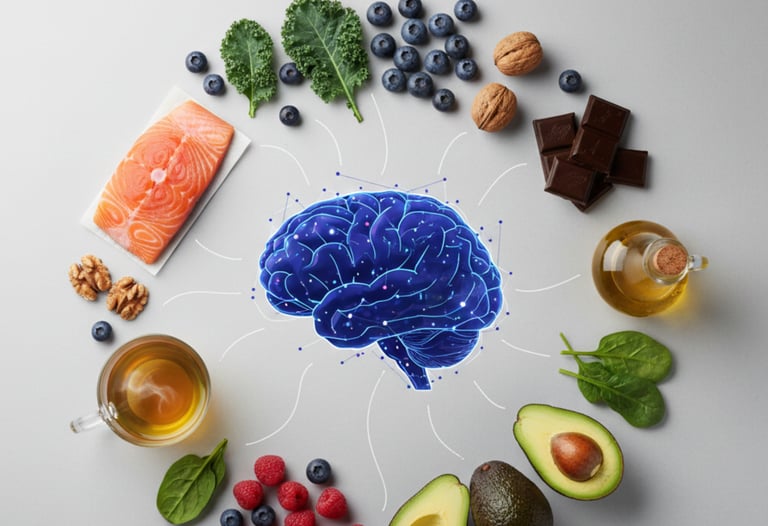
Foods for Brain Health: Boost Memory, Focus, and Cognitive Function Naturally
By BiteBrightly 25 January 2026: This post might contain affiliate links.
Forgetting where you put your keys—again. Losing your train of thought mid-sentence. Struggling to concentrate on tasks that used to come easily. Reading the same paragraph three times without absorbing a word. You're only in your 40s or 50s, but your brain feels like it's aged decades.
The fear creeps in: Is this normal aging, or something worse? Will this get progressively worse until you can't remember your grandchildren's names? You've watched loved ones decline cognitively, and you're terrified of following the same path.
Meanwhile, the standard advice feels useless: "Do crossword puzzles. Stay socially active. Exercise." These things might help, but they don't address what's happening inside your brain right now—the inflammation, oxidative stress, declining neurotransmitter production, and deteriorating brain cell membranes that drive cognitive decline.
Here's what most people don't understand about brain health: your brain is the most metabolically active organ in your body, consuming 20% of your total energy despite being only 2% of your body weight. It's also about 60% fat, making the quality of fats you consume critical. According to research published in Nature Reviews Neuroscience, every nutrient you eat—or fail to eat—directly impacts your cognitive function, memory formation, mood regulation, and long-term brain health.
Your brain requires specific nutrients to produce neurotransmitters (chemical messengers), build and repair cell membranes, protect against oxidative damage, maintain energy production, and prevent inflammation. When these nutrients are deficient, cognitive function suffers immediately and degenerative processes accelerate.
The pharmaceutical industry offers limited solutions. Medications for dementia provide modest symptom relief at best, with significant side effects and no disease modification. "Brain training" apps and supplements make bold claims with minimal evidence. Meanwhile, the most powerful intervention—strategic nutrition—remains largely ignored despite extensive research showing specific foods can improve memory, enhance focus, protect against cognitive decline, and even reverse early impairment.
This isn't about eating more "brain foods" in general. It's about understanding which specific compounds in which foods cross the blood-brain barrier, how they function in neural tissue, what dosages produce measurable effects, and how to combine them for maximum cognitive benefit.
Research in Frontiers in Aging Neuroscience shows that comprehensive dietary approaches can improve memory scores by 20-30%, enhance processing speed, reduce brain inflammation markers, increase brain-derived neurotrophic factor (BDNF—essentially fertilizer for brain cells), and significantly reduce dementia risk over time.
This comprehensive guide reveals the most powerful brain-boosting foods backed by neuroscience research, the specific mechanisms by which they enhance cognitive function, optimal amounts and timing for maximum benefit, and how to create an eating pattern that supports peak mental performance today while protecting your brain for decades to come.
Key Takeaways
Your brain requires specific nutrients (omega-3 DHA, B vitamins, antioxidants, polyphenols) that directly impact cognitive function
Dietary interventions can improve memory and focus within weeks while providing long-term neuroprotection
Brain inflammation and oxidative stress—both diet-dependent—are primary drivers of cognitive decline
The Mediterranean-MIND diet approach reduces Alzheimer's risk by 35-53% compared to standard Western diets
Specific foods contain compounds that cross the blood-brain barrier and directly enhance neurotransmitter production
Blood sugar regulation is critical for brain health—glucose fluctuations impair memory and accelerate brain aging
Gut health profoundly affects brain function through the gut-brain axis—improving digestion improves cognition
Protective dietary patterns show measurable cognitive benefits within 4-12 weeks and compound over years
Understanding Your Brain's Nutritional Needs
Before diving into specific foods, understanding what your brain requires and how diet affects cognitive function helps you make strategic choices.
Your Brain's Unique Nutritional Demands
High Energy Requirements: Your brain uses 20-25% of your total glucose and oxygen despite being only 2% of body weight. This massive energy demand makes your brain extremely vulnerable to blood sugar fluctuations and nutrient deficiencies.
High Fat Composition: Brain tissue is approximately 60% fat. The types of fats you consume literally become part of your brain cell membranes, affecting their fluidity, function, and communication. According to research in Lipids in Health and Disease, membrane composition directly impacts neurotransmitter receptor function, ion channel activity, and cellular signaling.
Constant Turnover: Your brain continuously repairs and rebuilds itself. Neurons form new connections (neuroplasticity), produce neurotransmitters, and maintain myelin sheaths (insulation around nerve fibers). All these processes require specific nutrients.
High Oxidative Stress: The brain's high metabolic rate generates enormous amounts of free radicals—unstable molecules that damage cells. Without adequate antioxidant protection from diet, this oxidative damage accelerates aging and contributes to neurodegenerative diseases.
Blood-Brain Barrier: This selective barrier protects your brain but also limits which nutrients can enter. Understanding which compounds cross this barrier helps you choose foods that directly benefit brain tissue.
How Nutritional Deficiencies Manifest Cognitively
Different nutrient deficiencies create specific cognitive symptoms:
Omega-3 DHA deficiency: Poor memory, difficulty concentrating, mood instability, increased depression and anxiety risk, accelerated cognitive decline. DHA comprises 40% of brain polyunsaturated fats and is essential for neuronal membrane function.
B vitamin deficiencies: Memory problems, mental fog, fatigue, depression, elevated homocysteine (neurotoxic compound), increased dementia risk. B6, B12, and folate are essential for neurotransmitter synthesis and brain energy metabolism.
Vitamin D deficiency: Depression, cognitive impairment, increased dementia risk, mood disorders. Vitamin D receptors are found throughout brain tissue and this nutrient acts more like a hormone than a vitamin in neural function.
Iron deficiency: Fatigue, difficulty concentrating, impaired memory, reduced cognitive performance. Iron is essential for oxygen transport and neurotransmitter synthesis.
Magnesium deficiency: Anxiety, poor sleep, memory problems, difficulty concentrating. Magnesium regulates neurotransmitter function and protects against excitotoxicity (neuronal overactivation).
Antioxidant deficiency: Accelerated brain aging, increased oxidative damage, inflammation, higher neurodegenerative disease risk. Vitamins C and E, polyphenols, and carotenoids provide critical antioxidant protection.
The Brain-Inflammation Connection
Chronic inflammation is now recognized as a primary driver of cognitive decline and neurodegenerative disease. Research in Nature Medicine shows that inflammatory processes in the brain contribute to:
Impaired neuroplasticity (ability to form new connections)
Reduced neurogenesis (birth of new neurons)
Accelerated protein misfolding (seen in Alzheimer's)
Damaged blood-brain barrier integrity
Decreased neurotrophic factor production
Enhanced oxidative stress
Your diet is either inflammatory or anti-inflammatory. Standard Western diets high in refined carbohydrates, inflammatory oils, and processed foods promote neuroinflammation. Anti-inflammatory Mediterranean-style eating reduces brain inflammation markers within weeks.
Blood Sugar and Brain Function
Your brain runs primarily on glucose, but the relationship is complex. According to research in Diabetes Care, both high and low blood sugar impair cognitive function:
Acute effects: Blood sugar spikes and crashes create immediate cognitive impairment—difficulty concentrating, mental fog, irritability, poor decision-making.
Chronic effects: Chronic hyperglycemia (high blood sugar) causes glycation—glucose molecules binding to proteins, creating advanced glycation end products (AGEs) that damage brain tissue. Insulin resistance in the brain (some researchers call Alzheimer's "type 3 diabetes") impairs glucose utilization and energy production in neurons.
Stable blood sugar through whole foods, adequate protein, healthy fats, and fiber protects cognitive function short-term and long-term.
The Gut-Brain Axis
Your gut and brain communicate constantly through the vagus nerve, immune system, and neurotransmitter production. Research shows:
90% of serotonin (mood/memory neurotransmitter) is produced in the gut
Gut bacteria produce GABA, dopamine, and other neurotransmitters
Gut dysbiosis (bacterial imbalance) increases systemic inflammation affecting the brain
Leaky gut allows inflammatory compounds to reach brain tissue
Gut bacteria metabolize dietary compounds into neuroprotective metabolites
Improving gut health through probiotics, prebiotics, fiber, and anti-inflammatory foods often produces rapid cognitive improvements—better mood, clearer thinking, improved memory.
Foods That Boost Brain Health, Memory, and Focus
Category 1: Omega-3 Rich Foods (DHA for Brain Structure)
Omega-3 fatty acids, particularly DHA (docosahexaenoic acid), are the most critical fats for brain health. DHA comprises 40% of polyunsaturated fats in the brain and 60% in the retina.
1. Fatty Fish (Salmon, Mackerel, Sardines, Herring)
The single most important food category for brain health.
Why they work: According to research in Neurology, regular fatty fish consumption is associated with larger brain volume (less shrinkage), better memory scores, reduced dementia risk by 30-40%, and slower cognitive decline. DHA from fish directly incorporates into brain cell membranes, improving membrane fluidity, receptor function, and cellular communication. Omega-3s also reduce brain inflammation, increase BDNF production, improve cerebral blood flow, and protect against oxidative damage.
The omega-3s in fish (EPA and DHA) are far more bioavailable and effective than plant-based omega-3s (ALA from flax/walnuts), which convert poorly to DHA.
How to use: Eat fatty fish 2-4 times weekly, with each serving providing 3-4 ounces. Wild-caught salmon, mackerel, sardines, herring, and anchovies provide the highest omega-3 content. Canned wild salmon and sardines are affordable, convenient options with equivalent benefits.
For maximum brain benefits, prioritize fish over omega-3 supplements—whole fish provides vitamin D, selenium, protein, and other compounds that work synergistically.
2. Fish Oil / Algae Oil Supplements
For those who don't eat fish regularly.
Why they work: Supplements providing 1,000-2,000mg combined EPA+DHA daily can improve memory, processing speed, and brain volume in people with low baseline intake. Algae-based DHA supplements (vegetarian) work similarly to fish oil.
How to use: If not eating fish 2-4 times weekly, take 1,000-2,000mg EPA+DHA daily with meals. Choose quality brands tested for purity. However, whole fish provides superior benefits in research compared to isolated supplements.
Category 2: Antioxidant-Rich Berries (Neuroprotection)
Berries provide polyphenols that cross the blood-brain barrier and directly protect brain tissue.
3. Blueberries
Called "brain berries" with good reason.
Why they work: Blueberries contain anthocyanins and flavonoids that cross the blood-brain barrier and accumulate in brain regions critical for memory. Research in the Journal of Agricultural and Food Chemistry shows blueberry consumption improves memory performance, delays cognitive aging, enhances neuroplasticity, protects neurons from oxidative damage, and reduces brain inflammation. Human studies show memory improvements within 12 weeks of daily blueberry consumption.
The effects are dose-dependent—more blueberries provide more benefit up to about 1-2 cups daily.
How to use: Eat 1/2 to 1 cup blueberries daily. Fresh or frozen both work (freezing doesn't reduce anthocyanin content). Add to breakfast (oatmeal, yogurt, smoothies), eat as snacks, or blend into sauces. Wild blueberries contain even higher polyphenol concentrations than cultivated varieties.
4. Strawberries, Blackberries, and Raspberries
All berries provide brain-protective compounds, though blueberries are most studied.
Why they work: Mixed berry consumption provides diverse polyphenols with complementary neuroprotective effects. Berries reduce oxidative stress in brain tissue, improve memory, enhance learning, and may reduce Alzheimer's pathology.
How to use: Eat 1-2 cups mixed berries daily. Variety matters—different berries provide different polyphenol profiles. Frozen berry blends are economical and nutritious.
Category 3: Leafy Greens and Cruciferous Vegetables (Vitamin K, Folate, Neuroprotection)
Dark leafy greens provide nutrients specifically protective against cognitive decline.
5. Kale, Spinach, Collards, Swiss Chard
Why they work: According to research in Neurology, eating one serving daily of leafy greens is associated with cognitive abilities of someone 11 years younger. Greens provide vitamin K (critical for myelin synthesis and protecting neurons), folate (reduces homocysteine and supports neurotransmitter production), lutein (antioxidant that accumulates in brain tissue), and nitrates (improve cerebral blood flow).
How to use: Eat 1-2 servings daily (1 cup raw or 1/2 cup cooked). Add to smoothies, sauté as side dishes, use as salad bases, or blend into soups. Rotate varieties for diverse nutrient profiles.
6. Broccoli and Cruciferous Vegetables
Why they work: Broccoli is rich in vitamin K, sulforaphane (activates antioxidant pathways), and compounds that reduce inflammation and protect brain cells. Cruciferous vegetables also support liver detoxification, reducing toxic load that affects brain function.
How to use: Eat cruciferous vegetables (broccoli, cauliflower, Brussels sprouts, cabbage) 3-5 times weekly. Light cooking increases nutrient availability while retaining benefits.
Category 4: Nuts and Seeds (Vitamin E, Healthy Fats, Minerals)
Nuts provide vitamin E, healthy fats, and minerals critical for brain health.
7. Walnuts
Uniquely shaped like a brain for good reason.
Why they work: Walnuts are the richest nut source of omega-3 ALA, which provides some brain benefits despite poor conversion to DHA. They also provide vitamin E, polyphenols, and melatonin. Research shows walnut consumption improves memory, processing speed, and may reduce Alzheimer's risk.
How to use: Eat 1/4 cup (14 walnut halves) daily. Add to oatmeal, salads, or eat as snacks. Store in refrigerator to prevent omega-3 oxidation.
8. Almonds, Hazelnuts, and Other Nuts
Why they work: Nuts provide vitamin E—a fat-soluble antioxidant that protects brain cell membranes from oxidative damage. Vitamin E deficiency accelerates cognitive decline, while adequate intake protects against age-related memory loss.
How to use: Eat 1-1.5 ounces mixed nuts daily. Raw or dry-roasted preferred.
9. Pumpkin Seeds and Sunflower Seeds
Why they work: Seeds provide zinc (essential for memory and cognition), magnesium (regulates neurotransmitters), iron (oxygen transport), and vitamin E. Pumpkin seeds are particularly rich in zinc.
How to use: Add 2-3 tablespoons seeds to meals daily. Sprinkle on salads, oatmeal, or yogurt.
Category 5: Whole Grains (B Vitamins, Stable Energy)
Whole grains provide B vitamins essential for brain energy metabolism and neurotransmitter production.
10. Oats, Quinoa, Brown Rice
Why they work: Whole grains provide sustained glucose release (preventing blood sugar spikes/crashes), B vitamins (B6, folate, thiamin) essential for neurotransmitter synthesis and homocysteine metabolism, and fiber that supports gut health. The brain requires steady glucose—whole grains provide this without the damaging effects of refined carbohydrates.
How to use: Include 1-2 servings whole grains daily. Steel-cut oats for breakfast, quinoa or brown rice with meals. Avoid refined grains (white bread, white rice) that spike blood sugar.
Category 6: Eggs (Choline, B Vitamins)
One of the most nutrient-dense brain foods.
11. Whole Eggs (Especially Yolks)
Why they work: Egg yolks are the richest dietary source of choline—essential for producing acetylcholine, the primary neurotransmitter for memory and learning. According to research in the American Journal of Clinical Nutrition, higher choline intake is associated with better memory and cognitive performance. Eggs also provide vitamin B12, folate, and vitamin D.
How to use: Eat 2-3 whole eggs daily (don't discard yolks—that's where choline concentrates). From pasture-raised chickens if possible for higher nutrient density.
Category 7: Dark Chocolate and Cacao (Flavonoids, Mood, Blood Flow)
One of the most enjoyable brain foods.
12. Dark Chocolate (70%+ Cacao)
Why it works: Cacao provides flavonoids that improve cerebral blood flow, enhance neuroplasticity, improve memory and processing speed, boost mood through endorphin release, and provide antioxidant neuroprotection. Research shows dark chocolate consumption improves cognitive function within hours (acute effects) and provides long-term benefits with regular intake.
How to use: Eat 1-2 ounces (30-60 grams) of 70-85% cacao dark chocolate daily. Higher cacao percentages provide more flavonoids. Choose quality chocolate with minimal ingredients. Cacao powder in smoothies provides flavonoids without all the calories.
Category 8: Green Tea (L-Theanine, EGCG, Focused Alertness)
The ultimate beverage for cognitive performance.
13. Green Tea and Matcha
Why they work: Green tea provides L-theanine (amino acid that promotes relaxed focus) and EGCG (catechin with neuroprotective properties). According to research in Psychopharmacology, the L-theanine and caffeine combination creates optimal cognitive state—alert but calm, focused but relaxed. Green tea also reduces amyloid plaque formation (seen in Alzheimer's), protects against oxidative damage, and enhances memory formation.
How to use: Drink 2-5 cups green tea daily for maximum benefits. Matcha (powdered whole tea leaves) provides higher concentrations of L-theanine and EGCG—1 cup matcha equals 10 cups regular green tea. Brew green tea at 170-180°F for 2-3 minutes.
Category 9: Avocados (Healthy Fats, Vitamin E, Blood Flow)
Why they work: Avocados provide monounsaturated fats that support healthy brain cell membranes, vitamin E (antioxidant), folate, and compounds that improve blood flow to the brain. Better circulation means more oxygen and nutrients reaching brain tissue.
How to use: Eat 1/2 to 1 whole avocado daily. Add to salads, smoothies, or eat plain.
Category 10: Extra Virgin Olive Oil (Polyphenols, Anti-Inflammatory)
The cornerstone of the brain-protective Mediterranean diet.
14. Extra Virgin Olive Oil
Why it works: High-quality EVOO provides oleocanthal and other polyphenols that reduce brain inflammation, protect against Alzheimer's pathology, improve memory, and enhance learning. Research shows EVOO consumption is associated with better cognitive function and reduced dementia risk.
How to use: Use 2-4 tablespoons daily as primary fat source. Choose high-quality EVOO in dark bottles. Use in dressings, drizzle on vegetables, or use for light cooking.
Category 11: Turmeric (Curcumin, Anti-Inflammatory, Neuroprotective)
15. Turmeric / Curcumin
Why it works: Curcumin, turmeric's active compound, crosses the blood-brain barrier and provides powerful anti-inflammatory and antioxidant effects. According to research in the Journal of Psychopharmacology, curcumin improves memory, reduces amyloid and tau pathology (Alzheimer's hallmarks), enhances BDNF production, and improves mood. India, where turmeric is consumed daily, has dramatically lower Alzheimer's rates than Western countries.
How to use: Add 1/2 to 1 teaspoon turmeric to foods daily. Combine with black pepper (increases absorption 2,000%) and fat (curcumin is fat-soluble). Use in curries, smoothies, golden milk, or eggs. Curcumin supplements (500-2,000mg daily) provide higher doses.
Category 12: Beets (Nitrates, Blood Flow)
Why they work: Beets provide dietary nitrates that convert to nitric oxide, dilating blood vessels and improving cerebral blood flow. Better blood flow means more oxygen and nutrients reaching brain tissue. Research shows beetroot juice improves cognitive performance, particularly in frontal lobe function.
How to use: Drink 8 oz beetroot juice, eat 1-2 whole beets, or use beet powder in smoothies several times weekly.
Category 13: Fermented Foods (Gut-Brain Axis, Probiotics)
16. Yogurt, Kefir, Sauerkraut, Kimchi, Kombucha
Why they work: Fermented foods provide probiotics that improve gut health, reduce systemic inflammation, produce neurotransmitters, and enhance nutrient absorption. Research shows probiotic consumption improves mood, reduces anxiety, enhances memory, and may protect against cognitive decline through the gut-brain axis.
How to use: Include 1-2 servings fermented foods daily. Plain yogurt or kefir (1 cup), sauerkraut or kimchi (1/4-1/2 cup), or kombucha (8 oz). Choose products with live cultures and minimal additives.
Category 14: Coffee (Caffeine, Antioxidants, Neuroprotection)
17. Coffee (Moderate Consumption)
Why it works: Moderate coffee consumption (2-4 cups daily) is associated with reduced dementia risk, improved memory consolidation, enhanced focus and alertness, and neuroprotection from antioxidants. Caffeine blocks adenosine receptors, improving alertness, while coffee polyphenols provide antioxidant benefits.
How to use: Drink 2-4 cups daily (morning to early afternoon). Avoid excessive consumption (anxiety, sleep disruption) or late-day caffeine (impairs sleep, which is critical for brain health). Black coffee or with minimal additions preferred.
Category 15: Water (Hydration Critical for Cognition)
Often overlooked but essential.
Why it works: Even mild dehydration (1-2% body water loss) impairs cognitive function—reduced attention, memory problems, slower processing, mood changes. Brain tissue is 75% water, and all cellular processes require adequate hydration.
How to use: Drink adequate water throughout the day (half your body weight in ounces as a baseline). More if exercising, in hot weather, or consuming caffeine. Monitor urine color (pale yellow indicates good hydration).
Foods That Harm Brain Health
Knowing what to avoid is as important as knowing what to eat.
Refined Sugar and High-Glycemic Carbohydrates
Why they're harmful: Chronic high sugar intake impairs memory formation, reduces BDNF, promotes inflammation, accelerates brain aging through glycation, and increases dementia risk. Blood sugar spikes and crashes impair immediate cognitive function while chronic hyperglycemia damages brain tissue long-term.
What to avoid: Sodas, candy, pastries, white bread, sugary cereals, fruit juices (concentrated sugar without fiber).
Better alternatives: Whole fruits (fiber slows sugar absorption), whole grains, stable blood sugar through protein + fat + fiber combinations.
Trans Fats and Oxidized Oils
Why they're harmful: Trans fats impair brain cell membrane function, increase inflammation, reduce cognitive performance, and accelerate brain aging. Oxidized omega-6 oils (from processed foods) promote neuroinflammation.
What to avoid: Partially hydrogenated oils, fried fast foods, commercial baked goods, inflammatory vegetable oils (soybean, corn, cottonseed).
Better alternatives: Olive oil, avocado oil, coconut oil, grass-fed butter.
Excessive Alcohol
Why it's harmful: Heavy alcohol consumption damages brain tissue, impairs memory formation, disrupts sleep (critical for memory consolidation), depletes B vitamins, and accelerates cognitive decline. Even moderate drinking may harm brain health according to recent research.
Guidelines: Minimize or eliminate alcohol. If drinking, limit to 1 drink occasionally. Red wine in moderation may have some benefits from resveratrol, but risks likely outweigh benefits.
Processed Foods and Artificial Additives
Why they're harmful: Ultra-processed foods promote inflammation, disrupt gut microbiome (affecting gut-brain axis), provide empty calories without brain-supporting nutrients, and often contain neurotoxic additives.
What to avoid: Packaged snacks, fast food, anything with long ingredient lists full of additives.
Better alternatives: Whole foods prepared at home.
The MIND Diet: The Ultimate Brain-Protective Eating Pattern
The MIND diet (Mediterranean-DASH Intervention for Neurodegenerative Delay) specifically targets brain health by combining Mediterranean and DASH diet principles.
Research in Alzheimer's & Dementia shows the MIND diet reduces Alzheimer's risk by:
53% for those following it strictly
35% for those following it moderately
Slows cognitive decline equivalent to 7.5 years of aging
MIND Diet Core Components:
Eat Daily:
Leafy greens (1+ servings)
Other vegetables (1+ servings)
Nuts (1 serving)
Berries (especially blueberries)
Whole grains (3+ servings)
Olive oil as primary fat
Eat Regularly:
Beans/legumes (4+ times weekly)
Poultry (2+ times weekly)
Fish (1+ times weekly)
Wine (1 glass daily, optional)
Limit:
Red meat (less than 4 servings weekly)
Butter/margarine (less than 1 tablespoon daily)
Cheese (less than 1 serving weekly)
Pastries/sweets (less than 5 servings weekly)
Fried/fast food (less than 1 serving weekly)
Sample MIND Diet Day:
Breakfast:
Steel-cut oats with blueberries, walnuts, cinnamon
Green tea
Snack:
Handful of almonds
Apple
Lunch:
Large spinach salad with chickpeas, avocado, olive oil dressing
Whole grain bread
Berries
Snack:
Carrot sticks with hummus
Dark chocolate (1 square)
Dinner:
Grilled salmon
Roasted broccoli with olive oil
Quinoa
Side salad
Evening:
Chamomile tea
Small handful walnuts
This provides: omega-3s, antioxidants, B vitamins, vitamin E, polyphenols, stable blood sugar, anti-inflammatory compounds, and gut-supporting fiber.
Lifestyle Factors That Amplify Food Benefits
Diet is foundational, but these lifestyle factors significantly impact how well nutrition supports your brain.
Sleep (Critical for Memory Consolidation)
Sleep is when your brain consolidates memories, clears metabolic waste (including amyloid proteins), and repairs damage. Poor sleep impairs memory formation, accelerates cognitive decline, and increases dementia risk.
Recommendations: 7-9 hours quality sleep nightly, consistent sleep schedule, dark cool bedroom, avoid screens before bed, limit caffeine after 2 PM.
Exercise (Increases BDNF, Improves Blood Flow)
Exercise is one of the most powerful brain health interventions—it increases BDNF, improves cerebral blood flow, enhances neuroplasticity, reduces inflammation, and protects against cognitive decline.
Recommendations: 150 minutes moderate aerobic exercise weekly, include strength training 2-3 times weekly, even walking provides significant cognitive benefits.
Stress Management (Reduces Cortisol Damage)
Chronic stress elevates cortisol, which damages the hippocampus (memory center), impairs neuroplasticity, and accelerates brain aging.
Recommendations: Daily meditation, deep breathing, time in nature, social connection, engaging hobbies.
Cognitive Engagement (Use It or Lose It)
Mental stimulation builds cognitive reserve—extra neural connections that buffer against decline.
Recommendations: Learn new skills, read challenging material, social engagement, varied mental activities (not just crossword puzzles).
Social Connection (Reduces Dementia Risk)
Strong social connections reduce dementia risk by 50-70% compared to social isolation. Social interaction provides cognitive stimulation, stress reduction, and sense of purpose.
Recommendations: Prioritize meaningful relationships, regular social activities, community involvement.
Timeline: When to Expect Results
Week 1-2: Immediate Effects
Better focus and concentration (from stable blood sugar, adequate hydration)
Improved mood (from omega-3s, B vitamins)
More stable energy (avoiding sugar crashes)
Better sleep quality (if improving diet quality)
Week 4-8: Noticeable Improvements
Enhanced memory performance
Quicker mental processing
Reduced brain fog
More consistent focus
Improved mood stability
Month 3-6: Significant Changes
Measurable memory improvements on testing
Enhanced learning capacity
Better stress resilience
Reduced inflammation markers
Increased BDNF levels (if measured)
Year 1+: Long-Term Protection
Reduced rate of cognitive decline
Better brain volume preservation
Lower dementia risk
Sustained cognitive performance
Accumulated neuroprotection
Individual results vary based on starting point, adherence, age, genetics, and other lifestyle factors.
Conclusion
Cognitive decline isn't inevitable. While genetics play a role, diet and lifestyle factors are far more influential than most people realize. Every meal either supports optimal brain function or contributes to cognitive decline.
The foods in this guide aren't expensive superfoods requiring specialty stores. Fatty fish, leafy greens, berries, nuts, olive oil, eggs, whole grains—these are accessible foods available anywhere. The MIND diet isn't restrictive or complicated—it's enjoyable eating that happens to be the most brain-protective pattern identified by research.
Start tomorrow with a brain-healthy breakfast: oatmeal with blueberries and walnuts, eggs with spinach, or a smoothie with berries and greens. Include fatty fish twice weekly. Snack on nuts instead of processed foods. Cook with olive oil. Drink green tea.
These simple changes, maintained consistently, provide measurable cognitive improvements within weeks while building long-term protection against decline. Your memory, focus, mood, and long-term brain health all improve through strategic nutrition.
The research is clear. The mechanisms are understood. The foods are available. All that's missing is your action.
Your brain—and your future self—will thank you.
References and Further Reading
For more information on nutrition and brain health, consult these authoritative sources:
National Institute on Aging - Cognitive Health and Older Adults
Comprehensive information on maintaining brain health through nutrition and lifestyle interventions.Harvard Health Publishing - Foods Linked to Better Brainpower
Evidence-based guidance from Harvard Medical School on foods that support cognitive function.Alzheimer's Association - Brain-Healthy Diet
Research-backed dietary recommendations for reducing Alzheimer's risk and supporting brain health.
Frequently Asked Questions
How quickly can I expect to see improvements in memory and focus?
Most people notice improvements in focus and mental clarity within 1-2 weeks of dietary changes as blood sugar stabilizes and inflammation begins reducing. More significant memory improvements typically appear at 4-8 weeks as omega-3 levels increase and beneficial compounds accumulate in brain tissue. Maximum benefits develop over 3-6 months of consistent dietary patterns. However, even acute effects occur—studies show blueberry consumption improves memory within hours, and green tea enhances focus within 30-60 minutes.
Can diet really prevent or reverse cognitive decline?
Research shows comprehensive dietary approaches can significantly slow and in some cases reverse early cognitive decline. The MIND diet reduces Alzheimer's risk by 35-53%. People with mild cognitive impairment who adopt Mediterranean-style eating show improved memory scores and slowed progression. However, expectations should be realistic—diet is most effective when started before severe decline occurs. Advanced dementia may not fully reverse with diet alone, but quality of life and progression rate can still improve.
Is fish oil as effective as eating fish for brain health?
Whole fish provides superior benefits in research compared to isolated fish oil supplements. Fish provides omega-3s plus vitamin D, selenium, protein, and other compounds that work synergistically. However, if you don't eat fish regularly, quality fish oil supplements (1,000-2,000mg EPA+DHA daily) can provide brain benefits. Vegetarians should use algae-based DHA supplements. Always choose supplements tested for purity (heavy metals, oxidation).
How much omega-3 do I need for brain health?
Research suggests 1,000-2,000mg combined EPA+DHA daily for brain health benefits. This typically requires eating fatty fish 2-4 times weekly (each 3-4 oz serving provides approximately 1,000-2,000mg). If relying on supplements, 1,000-2,000mg daily is the therapeutic range. Plant-based omega-3 (ALA from walnuts/flax) provides some benefits but converts poorly to DHA—vegetarians should supplement with algae-based DHA.
What about caffeine and brain health?
Moderate caffeine consumption (2-4 cups coffee or 3-5 cups tea daily) is associated with better cognitive performance and reduced dementia risk. Caffeine enhances alertness, improves memory consolidation, and provides neuroprotection through its antioxidant content. However, excessive caffeine causes anxiety and disrupts sleep (which is critical for brain health). Individual tolerance varies—some people do better with less. Avoid caffeine after early afternoon to prevent sleep interference.
Can children benefit from these brain-healthy foods?
Absolutely. Children's developing brains are particularly dependent on proper nutrition. Omega-3 DHA is critical for brain development. The same brain-healthy foods benefit all ages—fatty fish, berries, leafy greens, nuts, whole grains, eggs. Children eating these foods show better attention, memory, and academic performance compared to those eating processed foods. Establishing brain-healthy eating early creates lifelong benefits and reduces future dementia risk.
Will these foods help with anxiety and depression?
Yes—many brain-healthy foods also support mood. Omega-3s reduce depression and anxiety symptoms. B vitamins support neurotransmitter production affecting mood. Fermented foods improve gut health, which influences brain chemistry through the gut-brain axis. Stable blood sugar prevents mood swings. Research shows Mediterranean-style eating reduces depression risk by 30-40%. While diet alone may not treat clinical depression, it's a powerful complementary intervention.
How important is organic for brain health?
While organic is ideal (fewer pesticide residues that may harm brain health), it's not essential. The benefits of eating conventional produce far outweigh risks of pesticide exposure for most people. Prioritize organic for the "Dirty Dozen" (foods with highest pesticide residues) if budget allows, but don't avoid fruits and vegetables due to inability to buy organic. Thoroughly washing produce reduces pesticide exposure significantly.
What if I don't like fish—are there alternatives?
If you truly cannot eat fish, algae-based DHA supplements (1,000mg daily) provide the most important omega-3 for brain health. Additionally, emphasize other brain-healthy foods: walnuts (best plant omega-3 source), berries, leafy greens, eggs, nuts, olive oil, turmeric. While fish is uniquely beneficial, a comprehensive plant-based brain-healthy diet plus DHA supplementation can still provide significant cognitive benefits.
How does intermittent fasting affect brain health?
Research on intermittent fasting and brain health is promising but still emerging. Some studies show IF increases BDNF, enhances neuroplasticity, reduces inflammation, and may protect against neurodegenerative disease. However, individual responses vary. Some people experience better mental clarity while fasting; others experience brain fog. If trying IF, ensure adequate nutrition during eating windows—don't combine calorie restriction with nutrient restriction. The quality of foods eaten matters more than timing for most people.
About Author
Judith Tsanga is an Applied Biosciences & Biotechnology graduate with an Advanced Level qualification in Food Science, and the founder of BiteBrightly. Her passion for food as medicine began with her own experience: after making targeted dietary changes, she noticed a meaningful improvement in her eyesight — a personal transformation that inspired her mission to share evidence-based nutrition insights that help others eat well and heal boldly. Content on BiteBrightly is for educational purposes and isn't a substitute for advice from your doctor or dietitian.
Follow on Pinterest for daily health tips, recipes, and wellness inspiration.
Important Notice: The information in this article is for educational purposes only and is not intended as medical advice or to replace professional medical treatment. Always consult your healthcare provider before making any dietary changes, starting supplements, or implementing health recommendations, especially if you have medical conditions, take medications, are pregnant, or nursing. This information is not intended to replace your prescribed medications or treatment plans. Individual results vary based on genetics, health status, and lifestyle factors.
Related posts
Connect
Join our newsletter for fresh health tips
© 2026. All rights reserved.