15 Foods That Lower Cortisol Naturally: Science-Backed Nutrition for Stress Relief
Discover 15 science-backed foods that naturally lower cortisol and reduce stress. Learn how diet can regulate your stress hormones and improve your health starting today.
by BiteBrightly
1/15/202615 min read
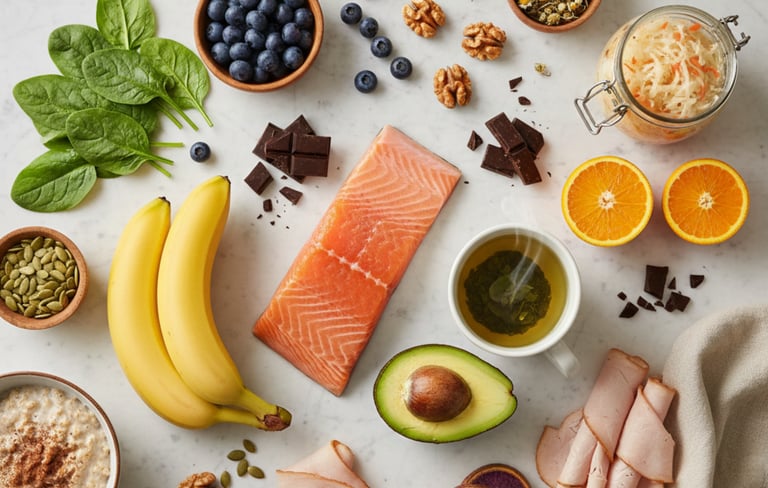
15 Foods That Lower Cortisol Naturally: Science-Backed Nutrition for Stress Relief
By BiteBrightly 15 January 2026: This post might contain affiliate links.
Do you feel constantly stressed, anxious, and on edge? Can't seem to lose that stubborn belly fat no matter what you try? Struggle with sleep despite feeling exhausted? You might be dealing with chronically elevated cortisol—your body's primary stress hormone.
High cortisol isn't just about feeling stressed. Chronic cortisol elevation contributes to weight gain (especially around the midsection), disrupted sleep, impaired immune function, accelerated aging, increased blood pressure, blood sugar imbalances, anxiety, depression, and cognitive decline. When cortisol remains elevated day after day, every system in your body suffers.
The modern lifestyle creates perfect conditions for cortisol dysregulation: chronic work stress, poor sleep, inflammatory diets, constant digital stimulation, and minimal time in nature. Your body's stress response system, designed for acute threats, becomes chronically activated, flooding your system with cortisol around the clock.
Most people turn to medications or expensive supplements to manage stress and its effects. But your diet provides one of the most powerful and accessible tools for naturally regulating cortisol levels. Specific foods contain compounds that directly reduce cortisol production, support your body's stress response system, and provide the nutrients essential for healthy hormonal balance.
According to research published in Psychoneuroendocrinology, dietary interventions can significantly reduce cortisol levels and improve stress resilience. The foods you eat directly influence your body's hormonal response to stress, offering a natural pathway to better stress management without pharmaceutical intervention.
This comprehensive guide reveals fifteen science-backed foods that naturally lower cortisol levels. From nutrient-dense whole foods to specific herbs and teas, these dietary additions work through multiple mechanisms to restore healthy cortisol patterns and protect your body from the damaging effects of chronic stress.
Key Takeaways
Cortisol follows a natural daily rhythm that becomes disrupted under chronic stress
Certain foods contain compounds that directly reduce cortisol production and support stress resilience
Nutrient deficiencies impair your body's ability to regulate cortisol effectively
Anti-inflammatory foods reduce the inflammatory stress that drives cortisol elevation
Regular consumption of cortisol-lowering foods creates lasting improvements in stress response
Combining dietary changes with lifestyle factors produces the most dramatic cortisol reduction
Understanding Cortisol: The Stress Hormone You Need to Control
Before you can effectively lower cortisol through diet, you need to understand what cortisol does, why it becomes elevated, and how chronic elevation damages your health.
Cortisol is your body's primary stress hormone, produced by your adrenal glands in response to any perceived threat or challenge. In acute situations, cortisol serves crucial protective functions—it increases blood sugar for quick energy, sharpens focus, boosts cardiovascular function, and temporarily suppresses non-essential systems like digestion and reproduction.
The Natural Cortisol Rhythm
In a healthy state, cortisol follows a predictable daily pattern called the diurnal rhythm. According to research in the Journal of Clinical Endocrinology & Metabolism, levels peak within 30-45 minutes of waking (the cortisol awakening response), providing the energy and alertness to start your day. Throughout the day, cortisol gradually declines, reaching its lowest point in the evening and during sleep.
This pattern ensures you have energy when you need it while allowing your body to rest, repair, and restore during nighttime hours. Deep sleep depends on low cortisol—when cortisol remains elevated at night, sleep quality suffers dramatically.
What Disrupts Cortisol Balance
Modern life bombards your stress response system with constant activation signals, disrupting this natural rhythm and causing chronically elevated cortisol levels.
Chronic psychological stress: Unlike our ancestors who faced acute, short-term threats, modern stress is continuous—work pressure, financial concerns, relationship issues, and information overload activate your stress response all day, every day. Research in Stress shows that your body can't distinguish between a genuine threat and a stressful email, releasing cortisol regardless.
Poor sleep: Sleep deprivation and poor sleep quality are both causes and consequences of high cortisol. Inadequate sleep elevates cortisol the following day, while elevated nighttime cortisol prevents deep, restorative sleep.
Blood sugar imbalance: Large blood sugar swings from high-carbohydrate, high-sugar diets trigger cortisol release. When blood sugar drops rapidly, your body releases cortisol to raise it back up, creating repeated stress responses throughout the day.
Inflammatory diet: Diets high in processed foods, refined oils, sugar, and artificial ingredients create systemic inflammation. Your body perceives inflammation as a threat, triggering cortisol release as part of the stress response.
The Consequences of Chronic Cortisol Elevation
When cortisol remains elevated for weeks, months, or years, it causes widespread damage throughout your body.
Weight gain and metabolic dysfunction: Elevated cortisol increases appetite, particularly for high-calorie comfort foods. According to research in Obesity, it promotes fat storage, especially visceral fat around your organs. Cortisol also increases insulin resistance, making weight loss extremely difficult and raising diabetes risk.
Immune suppression: While short-term cortisol boosts certain immune functions, chronic elevation suppresses your immune system, making you more susceptible to infections and slowing wound healing.
Cognitive impairment: High cortisol damages the hippocampus—the brain region crucial for memory and learning. Research in Nature Neuroscience shows this manifests as difficulty concentrating, memory problems, and reduced cognitive performance.
Mood and mental health issues: Chronic cortisol elevation is strongly linked to anxiety and depression. It depletes neurotransmitters like serotonin and dopamine while promoting persistent feelings of worry and irritability.
Accelerated aging: Cortisol accelerates cellular aging by shortening telomeres—the protective caps on your chromosomes.
How Food Influences Cortisol Levels
Your diet influences cortisol through multiple powerful mechanisms. Understanding how food affects cortisol helps you make strategic choices that support healthy stress hormone balance.
Direct Cortisol Reduction
Certain foods contain specific compounds that directly interfere with cortisol production or accelerate cortisol breakdown. Vitamin C, for instance, reduces cortisol synthesis in your adrenal glands. Omega-3 fatty acids blunt cortisol response to stress. Adaptogens help your body adapt to stress and normalize cortisol production.
Blood Sugar Stabilization
Foods that maintain stable blood sugar prevent the cortisol spikes triggered by blood sugar crashes. Protein, healthy fats, and fiber slow glucose absorption, preventing the dramatic swings that necessitate cortisol release.
Anti-Inflammatory Effects
Since inflammation triggers cortisol release, anti-inflammatory foods reduce this stress signal. Foods rich in omega-3s, antioxidants, and polyphenols combat inflammation at the cellular level.
Nutrient Repletion
Producing and regulating hormones requires specific nutrients. B vitamins, magnesium, zinc, and vitamin C are essential for healthy cortisol patterns. When these nutrients are deficient, your body can't properly regulate cortisol production.
The 15 Cortisol-Lowering Foods
1. Dark Chocolate (85%+ Cacao)
Dark chocolate isn't just a delicious treat—it's a powerful cortisol-lowering food backed by solid research.
How it works: Dark chocolate contains flavonoids—particularly epicatechin and catechin—that reduce cortisol production and blunt the cortisol response to stress. According to research in the Journal of Proteome Research, consuming dark chocolate reduces cortisol levels while improving mood. It also provides magnesium, which supports healthy stress response, and increases serotonin and endorphins that improve mood.
The higher the cacao percentage, the more beneficial compounds and the less sugar. Choose chocolate with at least 85% cacao for maximum cortisol-lowering benefits.
How to use: Enjoy 1-2 ounces (about 1-2 squares) of 85-90% dark chocolate daily, preferably in the afternoon when cortisol should naturally decline. Let it melt slowly in your mouth to fully experience the flavor and maximize absorption.
2. Fatty Fish (Salmon, Mackerel, Sardines)
Fatty fish consistently ranks among the most powerful foods for cortisol regulation.
How it works: Fatty fish provides abundant omega-3 fatty acids—EPA and DHA—that directly reduce cortisol production and blunt the cortisol response to psychological stress. Research in Diabetes & Metabolism shows that omega-3s also combat inflammation throughout your body, removing one major trigger for cortisol elevation.
How to use: Consume fatty fish 2-3 times weekly, with each serving providing 3-4 ounces. Wild-caught Alaskan salmon, Atlantic mackerel, and Pacific sardines are excellent choices. Grill, bake, or pan-sear with minimal oil to preserve the omega-3s.
3. Green Tea
Green tea serves as both a beverage and medicine, with substantial research supporting its cortisol-regulating effects.
How it works: Green tea contains L-theanine—an amino acid that promotes relaxation without sedation while directly reducing cortisol production. According to research in Biological Psychology, L-theanine increases calming brain chemicals like GABA and serotonin while reducing excitatory neurotransmitters.
The combination of L-theanine with green tea's modest caffeine creates a state of calm alertness that's ideal for stress management.
How to use: Drink 2-3 cups of green tea daily, spacing consumption throughout the day. Brew with water around 170-180°F for 2-3 minutes. Matcha provides even higher L-theanine concentrations since you consume the entire leaf.
4. Blueberries
These small berries pack an outsized punch for cortisol regulation.
How it works: Blueberries contain some of the highest levels of antioxidants among all fruits, particularly anthocyanins. These compounds combat oxidative stress and inflammation—two major triggers of cortisol elevation. Research in the Journal of Nutrition shows that blueberries also provide vitamin C, which directly reduces cortisol synthesis in your adrenal glands.
How to use: Eat 1/2 to 1 cup of fresh or frozen blueberries daily. Add blueberries to morning smoothies, yogurt, oatmeal, or eat them as a convenient snack. Wild blueberries contain even higher antioxidant levels than cultivated varieties.
5. Probiotic-Rich Fermented Foods
Your gut microbiome profoundly influences stress hormone production through the gut-brain axis.
How it works: Beneficial bacteria in your gut produce neurotransmitters and communicate directly with your brain. According to research in Psychiatry Research, these bacteria influence cortisol production and help regulate your stress response. Consuming probiotic foods reduces cortisol levels, decreases anxiety, and improves mood.
How to use: Include 1-2 servings of fermented foods daily. Excellent options include plain yogurt with live active cultures, kefir, raw sauerkraut, kimchi, and kombucha (choose varieties with minimal added sugar).
6. Bananas
This convenient, affordable fruit provides specific nutrients that support healthy cortisol regulation.
How it works: Bananas contain tryptophan—the amino acid precursor to serotonin—which helps counteract cortisol's effects on mood. They also provide vitamin B6, essential for neurotransmitter production and cortisol regulation, plus potassium, which helps buffer cortisol's effects on blood pressure.
The natural sugars in bananas come packaged with fiber that slows absorption, preventing blood sugar spikes that would trigger cortisol release.
How to use: Eat 1-2 bananas daily as a snack, preferably paired with protein or healthy fat for better blood sugar stability. Excellent combinations include banana with nut butter or banana in a protein smoothie.
7. Avocados
These nutrient-dense fruits provide healthy fats and numerous compounds that support optimal cortisol balance.
How it works: Avocados provide abundant monounsaturated fats that support healthy hormone production and reduce inflammation. They're exceptionally rich in B vitamins—particularly B5 (pantothenic acid) and B6—which are essential for adrenal function and cortisol regulation. Research shows they also provide magnesium, potassium, and vitamin E, all supporting healthy stress response.
How to use: Consume 1/2 to 1 whole avocado daily. Add to salads, use as a spread, blend into smoothies for creaminess, or simply eat with sea salt.
8. Pumpkin Seeds
These small seeds pack extraordinary nutritional density specifically supporting cortisol regulation.
How it works: Pumpkin seeds provide exceptionally high magnesium content—one of the most important minerals for cortisol regulation. According to research in Nutrients, magnesium deficiency increases cortisol production and sensitivity to stress, while adequate magnesium helps normalize cortisol patterns.
They also provide zinc, tryptophan, and healthy fats that stabilize blood sugar.
How to use: Eat 1/4 cup (about 1 ounce) of raw or lightly roasted pumpkin seeds daily. Add to salads, oatmeal, or yogurt, or eat as a convenient snack.
9. Oranges and Citrus Fruits
Citrus fruits provide one of the most direct pathways to lower cortisol through their exceptional vitamin C content.
How it works: Vitamin C directly reduces cortisol production in your adrenal glands while blunting the cortisol response to stress. Research in Psychopharmacology shows that vitamin C supplementation reduces cortisol levels, particularly during and after stressful events.
How to use: Consume 1-2 citrus fruits daily, or about 1 cup of fresh-squeezed juice. Oranges, grapefruits, tangerines, and clementines all provide excellent vitamin C.
10. Chamomile Tea
This traditional calming tea offers more than just pleasant flavor—it provides scientifically-validated cortisol-lowering effects.
How it works: Chamomile contains apigenin—a flavonoid that binds to brain receptors producing calming effects while reducing cortisol production. Studies show that regular chamomile consumption significantly reduces cortisol levels and improves symptoms of anxiety.
How to use: Drink 1-2 cups of chamomile tea daily, particularly in the evening as part of a wind-down routine. Steep 1-2 teaspoons of dried chamomile in just-boiled water for 5 minutes, covered.
11. Walnuts
These brain-shaped nuts appropriately provide numerous compounds supporting brain health and stress hormone regulation.
How it works: Walnuts are the richest nut source of omega-3 fatty acids (as ALA), which reduce cortisol production and inflammation. Research in the Journal of the American College of Nutrition shows that regular walnut consumption reduces cortisol reactivity to stress.
How to use: Eat 1/4 cup (about 1 ounce or 14 walnut halves) daily. Add to salads, oatmeal, yogurt, or eat as snacks. Store in the refrigerator to prevent omega-3 fats from going rancid.
12. Spinach and Leafy Greens
Dark leafy greens provide concentrated nutrition specifically supporting healthy cortisol balance.
How it works: Spinach and other leafy greens provide exceptional magnesium content—critical for cortisol regulation. They also offer folate (vitamin B9), which supports neurotransmitter production and reduces cortisol levels. The antioxidants and anti-inflammatory compounds reduce inflammation-driven cortisol elevation.
How to use: Consume 2-3 cups of raw or 1-2 cups of cooked leafy greens daily. Add to smoothies, use as salad base, sauté as side dishes, or add to soups.
13. Oatmeal
This breakfast staple provides more than just sustained energy—it offers specific benefits for cortisol regulation.
How it works: Oatmeal triggers serotonin production—a calming brain chemical that counteracts cortisol's effects. The complex carbohydrates in oats provide steady glucose release without blood sugar spikes, preventing stress-induced cortisol release. Research shows that consuming complex carbohydrates like oatmeal reduces cortisol response to stress.
How to use: Start your day with 1/2 to 1 cup (dry measure) of oatmeal. Steel-cut oats and rolled oats provide the most benefits. Top with blueberries, walnuts, and pumpkin seeds for enhanced cortisol-lowering effects.
14. Sweet Potatoes
These vibrant root vegetables provide nutrition specifically supporting healthy cortisol patterns.
How it works: Sweet potatoes offer complex carbohydrates that support serotonin production and provide steady energy without blood sugar spikes. They're exceptionally rich in vitamin C, which directly reduces cortisol synthesis, and provide significant potassium. The fiber content slows digestion and glucose release.
How to use: Include sweet potatoes 3-4 times weekly as part of meals. Bake, roast, or steam them—avoid frying. The skin contains significant fiber and nutrients.
15. Turkey
This lean protein provides specific amino acids and nutrients that support healthy cortisol balance.
How it works: Turkey is famously rich in tryptophan—the amino acid precursor to serotonin. Adequate tryptophan intake ensures your body can produce sufficient serotonin to counteract cortisol's effects. Turkey also provides high-quality protein that stabilizes blood sugar, preventing glucose swings that trigger cortisol release.
How to use: Include 3-4 ounces of turkey 2-3 times weekly as part of balanced meals. Ground turkey works for versatile preparations. Combine turkey with complex carbohydrates to enhance tryptophan's effects.
Creating a Cortisol-Lowering Eating Pattern
While individual foods provide specific cortisol-lowering benefits, the overall pattern of your eating matters even more.
Prioritize Blood Sugar Stability
Blood sugar swings are among the most common triggers of unnecessary cortisol elevation. Build meals and snacks around these principles:
Combine macronutrients: Every eating occasion should include protein, healthy fats, and fiber
Choose complex over refined: Swap refined grains and sugars for whole grains and starchy vegetables
Time strategically: Eating at consistent times supports your circadian cortisol rhythm
Don't skip meals: Going too long without eating triggers stress response and cortisol release
Emphasize Anti-Inflammatory Foods
Since inflammation triggers cortisol release, build your diet around anti-inflammatory foods:
Focus on whole foods
Prioritize omega-3s from fatty fish, walnuts, flaxseeds, and chia seeds
Eat the rainbow of colorful fruits and vegetables
Use anti-inflammatory spices: turmeric, ginger, cinnamon
Eliminate inflammatory foods: refined oils, trans fats, refined sugars
Ensure Adequate Nutrient Intake
Your body requires specific nutrients to regulate cortisol:
Vitamin C: 200-500mg daily through citrus fruits, berries, bell peppers
B vitamins: Through varied whole foods including proteins, eggs, leafy greens
Magnesium: 400-500mg daily from leafy greens, pumpkin seeds, almonds, avocados
Omega-3 fatty acids: Fatty fish 2-3 times weekly
Zinc: Include zinc-rich foods like oysters, beef, pumpkin seeds, lentils
Foods and Substances That Raise Cortisol
Refined Sugar and High-Glycemic Carbohydrates
Sugar and refined carbohydrates cause rapid blood glucose spikes followed by crashes. When blood sugar drops, your body releases cortisol.
Avoid or strictly limit: candy, soda, fruit juice, white bread, pastries, sweetened cereals, desserts.
Excessive Caffeine
While moderate caffeine intake (1-2 cups of coffee daily) typically doesn't cause problems, excessive caffeine significantly elevates cortisol.
Reduce caffeine if you consume more than 2 cups daily, struggle with anxiety, or have sleep problems. Eliminate caffeine after noon.
Alcohol
While alcohol initially makes you feel relaxed, it significantly disrupts cortisol regulation. Alcohol causes cortisol elevation several hours after consumption, often during sleep.
Limit to occasional moderate use (no more than 3-4 drinks weekly).
Trans Fats and Highly Processed Oils
Trans fats and refined vegetable oils high in omega-6 fatty acids promote inflammation throughout your body, triggering chronic cortisol elevation.
Avoid products listing "partially hydrogenated oils." Choose olive oil, avocado oil, or coconut oil instead.
Lifestyle Factors That Enhance Diet's Cortisol-Lowering Effects
Sleep Optimization
Prioritize 7-9 hours nightly, maintain consistent sleep-wake times, create a completely dark sleep environment, and avoid screens for 1-2 hours before bed.
Stress Management Practices
Effective approaches include meditation, deep breathing exercises, time in nature, enjoyable physical activity, meaningful social connection, and engaging hobbies.
Strategic Exercise
Moderate-intensity aerobic exercise for 30-45 minutes most days provides the best cortisol benefits. Include 2-3 strength training sessions weekly. Avoid excessive high-intensity exercise if you're already stressed.
Light Exposure Optimization
Get bright light exposure within 30-60 minutes of waking. Spend time outdoors during the day. Dim lights 2-3 hours before bed and minimize screen exposure in the evening.
Putting It All Together: Your Cortisol-Lowering Action Plan
Week 1-2: Foundation Building
Begin with the most accessible changes:
Add 1-2 cups of green tea daily
Include fatty fish twice weekly
Start each day with oatmeal topped with blueberries and walnuts
Keep dark chocolate (85%+) available for afternoon stress relief
Week 3-4: Expanding Variety
Add more cortisol-lowering foods:
Include leafy greens daily
Snack on pumpkin seeds or walnuts mid-afternoon
Add 1-2 servings of fermented foods daily
Reduce refined sugars and processed carbohydrates
Week 5-6: Optimization
Round out your approach:
Include citrus fruits or other vitamin C-rich foods daily
Use avocados regularly
Add chamomile tea to evening wind-down routine
Include sweet potatoes or bananas for healthy comfort foods
Use turkey in meal rotations
Conclusion
Chronic stress and elevated cortisol have become modern epidemics, contributing to widespread health problems from weight gain and poor sleep to accelerated aging and mood disorders. While you can't eliminate stress entirely, you possess powerful tools for managing your body's response to stress—and your diet ranks among the most potent.
The fifteen foods in this guide work through multiple mechanisms to reduce cortisol production, support healthy stress response, combat inflammation, and provide nutrients essential for hormonal balance. From the direct cortisol reduction of vitamin C-rich citrus fruits to the stress-buffering effects of omega-3s in fatty fish, each food offers specific benefits.
These aren't exotic superfoods requiring expensive specialty stores. They're accessible, affordable whole foods you can find in any grocery store: dark chocolate, oatmeal, blueberries, leafy greens, sweet potatoes, turkey—familiar foods that become powerful medicine when consumed regularly and strategically.
Start where you are. Begin with 3-4 of these foods, focus on consistency, and gradually expand. Even modest dietary changes, maintained over time, create meaningful improvements in cortisol patterns and stress resilience.
Remember that diet works synergistically with other factors—sleep, exercise, stress management, and social connection all influence cortisol. Address multiple aspects simultaneously for the most dramatic improvements.
Your body wants to maintain healthy cortisol patterns—it's biologically programmed to do so. These foods simply provide the support, nutrients, and compounds your body needs to regulate cortisol effectively despite modern stressors. With patience and consistency, chronic stress can transform into resilient, healthy stress response that supports your wellbeing.
References and Further Reading
For more information on cortisol regulation and stress management through nutrition, consult these authoritative sources:
National Institute of Mental Health (NIMH) - Stress
Comprehensive information on stress, cortisol, and evidence-based stress management strategies including dietary approaches.American Psychological Association - Stress Effects on the Body
Research-backed information on how chronic stress and cortisol affect physical health and evidence-based coping strategies.Harvard Health Publishing - Understanding the Stress Response
Evidence-based guidance on stress physiology, cortisol function, and lifestyle interventions for stress management.
Frequently Asked Questions
How long does it take to lower cortisol through diet?
Most people notice some improvement in stress levels, energy, and sleep within 1-2 weeks of consistently eating cortisol-lowering foods. Measurable reductions in cortisol levels typically appear within 2-4 weeks, with maximum benefits emerging after 2-3 months of sustained dietary changes. Individual response varies based on your starting cortisol levels, overall stress load, and consistency with dietary changes.
Can I eat too much of these cortisol-lowering foods?
While these foods are generally healthy, balance still matters. Excessive amounts of any food can cause problems. Include these foods as part of a varied, whole-foods diet. The quantities suggested for each food represent beneficial amounts that shouldn't cause problems for most people.
Will these foods work if I'm extremely stressed?
Diet provides powerful support for cortisol regulation, but extreme stress may require a multi-faceted approach. If you're experiencing severe chronic stress, implement these dietary changes while also addressing other factors like sleep, exercise, and stress management practices. Consider working with a healthcare provider for additional support.
Should I eat these foods at specific times of day?
Some strategic timing can enhance benefits. Foods that promote relaxation (chamomile tea, dark chocolate, bananas) work well in the evening. Foods providing sustained energy (oatmeal, sweet potatoes) suit morning or midday meals. Consistency matters more than perfect timing.
Can supplements replace eating these foods?
Supplements provide some benefits but can't replicate the comprehensive advantages of whole foods. Foods provide combinations of compounds, fiber, and nutrients that work synergistically. Use supplements to enhance dietary approaches, not replace them.
What if I have food allergies or restrictions?
Every category of cortisol-lowering foods offers multiple options. If you can't eat fish, emphasize walnuts, flaxseeds, and consider algae-based omega-3 supplements. For dairy issues, use sauerkraut, kimchi, or kombucha. Work within your restrictions to include as many beneficial foods as possible.
Will losing weight lower my cortisol or does lowering cortisol help me lose weight?
The relationship works both directions—elevated cortisol promotes weight gain, while excess weight can elevate cortisol. Lowering cortisol through diet makes weight loss significantly easier by reducing stress-driven cravings, improving insulin sensitivity, and normalizing fat storage patterns.
How can I tell if my cortisol levels are actually high?
Common signs include difficulty losing weight despite diet and exercise, storing fat around the midsection, sleep problems, feeling tired but wired, frequent illness, mood issues, and sugar cravings. Healthcare providers can test cortisol levels through blood, saliva, or urine tests.
Do I need to avoid all carbohydrates to lower cortisol?
No—quality carbohydrates actually support healthy cortisol regulation by promoting serotonin production. The key is choosing complex carbohydrates (whole grains, legumes, starchy vegetables) and pairing them with protein and fat rather than eating refined carbohydrates alone.
Can stress and high cortisol be completely eliminated?
Some stress and cortisol elevation is normal and beneficial. The goal isn't eliminating cortisol but rather normalizing its patterns and preventing chronic elevation. These foods support appropriate cortisol responses rather than blunting all cortisol activity.
About Author
Judith Tsanga is an Applied Biosciences & Biotechnology graduate with an Advanced Level qualification in Food Science, and the founder of BiteBrightly. Her passion for food as medicine began with her own experience: after making targeted dietary changes, she noticed a meaningful improvement in her eyesight — a personal transformation that inspired her mission to share evidence-based nutrition insights that help others eat well and heal boldly. Content on BiteBrightly is for educational purposes and isn't a substitute for advice from your doctor or dietitian.
Follow on Pinterest for daily health tips, recipes, and wellness inspiration.
Important Notice: The information in this article is for educational purposes only and is not intended as medical advice or to replace professional medical treatment. Always consult your healthcare provider before making any dietary changes, starting supplements, or implementing health recommendations, especially if you have medical conditions, take medications, are pregnant, or nursing. This information is not intended to replace your prescribed medications or treatment plans. Individual results vary based on genetics, health status, and lifestyle factors.
Related posts
Connect
Join our newsletter for fresh health tips
© 2026. All rights reserved.