The Complete Guide to Foods That Boost Your Metabolism: Eat to Burn More Calories
Discover 16 science-backed foods that boost metabolism and increase calorie burn. Learn how to eat strategically to burn more calories 24/7, naturally.
by BiteBrightly
1/9/202627 min read
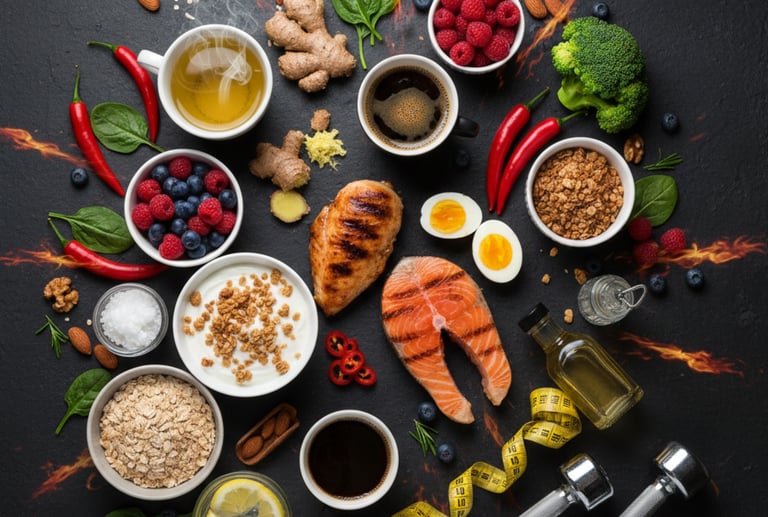
The Complete Guide to Foods That Boost Your Metabolism: Eat to Burn More Calories
By BiteBrightly 9 January 2026: This post might contain affiliate links.
Do you feel like you're doing everything right—eating less, exercising more—yet the scale refuses to budge? Do you watch others eat whatever they want while you meticulously count every calorie, only to see minimal results? You might be overlooking one of the most powerful factors in weight management: your metabolic rate.
Your metabolism determines how many calories your body burns at rest and during activity. A faster metabolism means you burn more calories throughout the day, making weight loss easier and weight maintenance effortless. A sluggish metabolism, on the other hand, makes every pound feel like a battle, turning even modest calorie intake into stored fat.
Most people believe metabolism is purely genetic—you're either born with a fast metabolism or you're not. While genetics play a role, this belief is fundamentally wrong. Your dietary choices profoundly influence metabolic rate through multiple mechanisms: thermogenesis (heat production during digestion), hormone regulation, muscle preservation, cellular energy production, and inflammation reduction.
The diet industry promotes restrictive eating and severe calorie reduction as the path to weight loss. Yet these approaches often backfire, slowing metabolism and making long-term weight management increasingly difficult. Your body interprets severe restriction as starvation, downregulating metabolic rate to conserve energy—exactly the opposite of what you want.
According to research published in Obesity Reviews, severe calorie restriction can reduce metabolic rate by 20-30%, making sustained weight loss extremely difficult. The key to lasting results isn't eating less—it's eating strategically to support your body's natural fat-burning processes.
This comprehensive guide reveals the foods and eating strategies that naturally boost metabolism, helping you burn more calories around the clock. From protein's powerful thermic effect to specific compounds that directly increase calorie burning, these science-backed approaches work with your body's natural metabolic processes rather than against them.
Key Takeaways
Metabolism encompasses all the chemical processes that convert food into energy in your body
Certain foods significantly increase calorie burning through various metabolic pathways
Protein has the highest thermic effect, burning 20-30% of its calories during digestion
Muscle tissue burns significantly more calories than fat, even at rest
Strategic eating patterns can boost metabolic rate by 10-30% temporarily after meals
Severe calorie restriction paradoxically slows metabolism, while adequate nutrition maintains it
Combining metabolism-boosting foods with strength training produces the most dramatic results
Even mild dehydration can slow metabolism by 2-3%
Understanding Metabolism: More Than Just Calories In vs. Calories Out
Before you can effectively boost your metabolism, you need to understand what metabolism actually is and the factors that influence how many calories your body burns daily.
Metabolism refers to all the chemical processes your body uses to convert food into energy and maintain life. Every function—from breathing and circulating blood to repairing cells and digesting food—requires energy, measured in calories. Your total daily energy expenditure (TDEE) consists of several components, each contributing to your overall metabolic rate.
The Components of Metabolism
Basal Metabolic Rate (BMR): This represents the calories your body burns at complete rest to maintain essential functions like breathing, circulation, cell production, and nutrient processing. BMR accounts for 60-75% of your total daily calorie burn. Even if you stayed in bed all day without moving, your body would burn these calories simply keeping you alive.
Your BMR is influenced by several factors: body composition (muscle burns more than fat), age (metabolism slows about 2% per decade after age 30), sex (men typically have higher BMR due to more muscle mass), genetics, and hormones (particularly thyroid hormones).
Thermic Effect of Food (TEF): Your body burns calories digesting, absorbing, and processing nutrients from food. According to research in the American Journal of Clinical Nutrition, TEF accounts for about 10-15% of total calories burned daily. Different macronutrients require different amounts of energy to process—protein burns the most calories during digestion, while fat burns the least.
This is where food choices dramatically impact metabolism. Eating foods with high thermic effects means you automatically burn more calories processing what you eat, increasing net calorie burn without additional effort.
Exercise Activity Thermogenesis (EAT): Calories burned during intentional exercise—gym workouts, running, sports, and other planned physical activity. For most people, this accounts for 5-10% of daily calorie burn, though it can reach 15-30% for very active individuals.
Non-Exercise Activity Thermogenesis (NEAT): Calories burned through all movement that isn't formal exercise—fidgeting, maintaining posture, walking to your car, cooking, cleaning, and other daily activities. Research in Science shows that NEAT varies dramatically between individuals and can account for 15-30% of daily calorie burn. People with naturally "fast metabolisms" often have high NEAT, burning hundreds of extra calories through unconscious movement throughout the day.
What Slows Metabolism
Understanding what slows metabolism helps you avoid common mistakes that sabotage weight loss efforts.
Severe calorie restriction: When you drastically reduce calories, your body interprets this as starvation. It responds by downregulating thyroid hormone production, decreasing NEAT (you move less without realizing it), and becoming more efficient at extracting energy from limited food. According to studies in Metabolism, your metabolism can slow by 20-30% during severe restriction, making weight loss progressively harder.
Muscle loss: Muscle tissue is metabolically active, burning calories even at rest. Fat tissue, conversely, is relatively metabolically inert. When you lose weight through diet alone without resistance training, you lose muscle along with fat. Since muscle burns significantly more calories than fat (about 6 calories per pound of muscle vs. 2 calories per pound of fat daily), losing muscle decreases your metabolic rate.
Inadequate protein: Protein provides amino acids essential for maintaining muscle mass. Without adequate protein, your body breaks down muscle tissue for amino acids, reducing metabolic rate. Protein also has the highest thermic effect of all macronutrients, so insufficient protein means you miss out on this metabolic boost.
Chronic stress and poor sleep: Elevated cortisol from chronic stress promotes muscle breakdown and fat storage while slowing metabolism. Research in the Journal of Clinical Endocrinology & Metabolism shows that poor sleep disrupts hormones that regulate metabolism—decreasing leptin (which signals fullness and maintains metabolic rate) while increasing ghrelin (which increases hunger and slows metabolism).
Sitting too much: Extended periods of sitting downregulate genes involved in fat burning and metabolism. People who sit most of the day burn significantly fewer calories than those who regularly stand and move, even if both do the same formal exercise.
Yo-yo dieting: Repeated cycles of weight loss and regain progressively slow metabolism. Each restriction phase reduces metabolic rate, and even after weight regain, metabolism often remains suppressed. This makes each subsequent weight loss attempt increasingly difficult.
Dehydration: Even mild dehydration slows metabolism by 2-3%. Water is essential for virtually every metabolic process. When dehydrated, your body can't efficiently burn calories.
How Food Influences Metabolic Rate
Your dietary choices influence metabolism through multiple powerful mechanisms. Understanding these pathways helps you make strategic food selections that maximize calorie burning.
The Thermic Effect of Food
As mentioned, your body burns calories digesting and processing nutrients. However, the thermic effect varies dramatically by macronutrient:
Protein: 20-30% of calories consumed are burned during digestion. If you eat 100 calories of protein, 20-30 calories are burned just processing it, leaving only 70-80 net calories.
Carbohydrates: 5-10% of calories are burned during digestion.
Fat: 0-3% of calories are burned during digestion.
This means that simply increasing protein intake automatically boosts daily calorie burn. Someone consuming 30% of calories from protein burns significantly more calories daily than someone eating 10% protein, even with identical total calorie intake.
Metabolic Compounds in Foods
Certain foods contain specific compounds that directly increase metabolic rate or calorie burning:
Caffeine: Stimulates the central nervous system, increasing metabolic rate by 3-11% and promoting fat burning. Research in the American Journal of Clinical Nutrition shows the effect is more pronounced in lean individuals and decreases with habitual use as tolerance develops.
Capsaicin: The compound that makes peppers spicy activates thermogenesis, temporarily increasing calorie burn by 5-10%. It also reduces appetite and increases fat oxidation.
EGCG (Epigallocatechin gallate): This catechin in green tea increases metabolic rate and fat burning, particularly when combined with caffeine. The combination can increase calorie burn by 4-8% over several hours.
Medium-chain triglycerides (MCTs): Unlike other fats, MCTs are rapidly absorbed and immediately used for energy rather than stored. They increase calorie burn by 5% and may help preserve muscle mass during calorie restriction.
Gingerol and related compounds: Found in ginger, these compounds increase thermogenesis and fat oxidation while reducing feelings of hunger.
The Complete List of Metabolism-Boosting Foods
1. Lean Protein Sources
Protein provides the most powerful metabolic boost of any macronutrient due to its high thermic effect. Your body burns 20-30% of protein calories during digestion—far more than carbohydrates or fats. Additionally, adequate protein intake preserves muscle mass, which burns more calories than fat tissue even at rest.
Best sources: Chicken breast, turkey, lean beef, fish (especially white fish like cod and tilapia), egg whites, Greek yogurt, cottage cheese, and plant-based options like lentils, chickpeas, and tofu.
How to use: Aim for 0.7-1 gram of protein per pound of body weight daily, distributed across 3-4 meals. This ensures consistent muscle protein synthesis throughout the day while maximizing the thermic effect. Include a protein source at every meal and most snacks.
Why it works: Beyond the immediate thermic effect, protein increases satiety more than other macronutrients, helping you naturally eat fewer calories without feeling deprived. Protein also supports muscle maintenance and growth, directly increasing resting metabolic rate. According to studies in the Journal of the American College of Nutrition, high-protein diets increase daily calorie burn by 80-100 calories compared to lower-protein diets.
2. Green Tea
Green tea contains caffeine and EGCG (epigallocatechin gallate), a powerful catechin that works synergistically with caffeine to boost metabolism. Research consistently shows that green tea extract increases calorie burn and fat oxidation.
How to use: Drink 3-5 cups of green tea daily, spacing consumption throughout the day for sustained metabolic benefits. Brew with water around 170-180°F for 2-3 minutes to extract beneficial compounds without excessive bitterness. Avoid adding sugar or milk, which may interfere with catechin absorption.
Why it works: According to research in the International Journal of Obesity, the caffeine-EGCG combination increases metabolic rate by 4-8% over several hours, translating to an additional 60-80 calories burned daily. EGCG also appears to specifically increase fat burning during exercise and at rest. The effects accumulate with regular consumption, making green tea a powerful long-term metabolism booster. Matcha (powdered green tea) provides even higher EGCG concentrations since you consume the entire leaf.
3. Chili Peppers and Hot Spices
Capsaicin—the compound that gives peppers their heat—directly activates thermogenesis, increasing calorie burn. Studies show that consuming capsaicin can increase metabolic rate by 5-10% for several hours after eating.
Best sources: Cayenne pepper, jalapeños, habaneros, serrano peppers, red pepper flakes, and hot sauce. The hotter the pepper (higher Scoville rating), the more capsaicin it contains.
How to use: Add hot peppers or cayenne to meals daily. Start with small amounts if you're not accustomed to spicy foods and gradually increase. Add cayenne to morning eggs, include jalapeños in lunch, or season dinner with chili flakes. Even small amounts provide metabolic benefits.
Why it works: Research in Appetite journal shows that capsaicin activates TRPV1 receptors, triggering thermogenesis and increasing both metabolic rate and fat oxidation. It also reduces appetite and may increase the thermic effect of other foods eaten with it. Regular consumption appears to provide sustained benefits rather than developing tolerance.
4. Coffee
Coffee's caffeine content makes it one of the most effective metabolism boosters. Caffeine stimulates the central nervous system, increasing metabolic rate, promoting fat breakdown, and enhancing exercise performance.
How to use: Consume 1-3 cups of coffee daily, preferably before morning or afternoon. Black coffee provides maximum benefits—avoid adding excessive sugar or cream that adds calories and may blunt metabolic effects. Time your last coffee at least 6 hours before bed to prevent sleep disruption, which would counteract metabolic benefits.
Why it works: Caffeine increases metabolic rate by 3-11%, with larger effects in lean individuals. It also increases fat oxidation, making your body preferentially burn fat for fuel. The metabolic boost lasts several hours, and consuming coffee before exercise enhances fat burning during workouts. However, regular consumers develop tolerance, reducing effects over time. Cycling coffee intake or taking periodic breaks may help maintain benefits.
5. Whole Eggs
Eggs provide high-quality protein with all essential amino acids, supporting muscle maintenance and providing significant thermic effect. They also contain nutrients that directly support metabolic function.
How to use: Eat 2-4 whole eggs daily as part of balanced meals. Contrary to outdated advice, the yolk contains most of the nutrients—don't discard it. Prepare eggs any way you enjoy: scrambled, hard-boiled, poached, or in omelets with vegetables.
Why it works: Eggs provide about 6 grams of protein per egg with exceptional amino acid balance, maximizing muscle protein synthesis. The protein's high thermic effect means significant calorie burn during digestion. Eggs also contain B vitamins essential for energy metabolism, particularly B12, riboflavin, and folate. The combination of protein and nutrients supports optimal metabolic function while promoting satiety that helps control overall calorie intake.
6. Coconut Oil and MCT Oil
Unlike other fats, coconut oil and MCT (medium-chain triglyceride) oil are rapidly absorbed and immediately used for energy rather than stored as fat. They have unique metabolic effects compared to long-chain fatty acids in other oils.
How to use: Replace some of your regular cooking oils with coconut oil, or add 1-2 tablespoons of MCT oil to morning coffee or smoothies. Start with small amounts (1 teaspoon) and gradually increase, as MCT oil can cause digestive upset when introduced suddenly.
Why it works: According to research in the European Journal of Clinical Nutrition, MCTs increase calorie burn by up to 5% compared to long-chain fatty acids. They're rapidly converted to ketones that your body uses for immediate energy, increasing thermogenesis. MCTs may also help preserve muscle mass during calorie restriction, supporting long-term metabolic rate. Studies show that replacing other fats with MCTs leads to greater fat loss and improved body composition over time.
7. Ginger
This pungent root contains gingerol and related compounds that increase thermogenesis and reduce feelings of hunger. Research shows ginger consumption increases calorie burn and promotes fat oxidation.
How to use: Add fresh grated ginger to stir-fries, soups, and smoothies, or brew ginger tea by steeping sliced fresh ginger in hot water for 10 minutes. Aim for 1-2 grams of fresh ginger daily (about a 1-inch piece). Ground ginger provides similar benefits—add to meals or mix into warm water with lemon.
Why it works: Research in Metabolism journal shows that ginger increases thermogenesis by 5-10% for several hours after consumption. It also improves digestion, reduces inflammation, and may improve insulin sensitivity—all supporting healthy metabolism. The combination of metabolic boost and appetite suppression makes ginger particularly valuable for weight management.
8. Apple Cider Vinegar
Apple cider vinegar (ACV) improves insulin sensitivity, slows gastric emptying (keeping you full longer), and may directly influence fat metabolism. Studies show ACV consumption supports weight loss and metabolic health.
How to use: Mix 1-2 tablespoons of apple cider vinegar in a large glass of water and drink before meals, particularly higher-carbohydrate meals. Always dilute ACV—drinking it straight can damage tooth enamel and irritate the throat. Start with 1 teaspoon and gradually increase to 1-2 tablespoons.
Why it works: According to research in the Journal of Functional Foods, ACV improves insulin sensitivity by 19-34%, helping your body more efficiently use carbohydrates for energy rather than storing them as fat. It slows the rate at which food leaves your stomach, extending feelings of fullness and reducing total calorie intake. ACV may also increase the expression of genes involved in fat burning while decreasing genes involved in fat storage.
9. Legumes (Beans, Lentils, Chickpeas)
Legumes provide plant-based protein, fiber, and resistant starch—all supporting metabolic health. Their unique nutrient profile creates multiple metabolic benefits simultaneously.
How to use: Include 1-2 servings of legumes daily. Add black beans to salads, use chickpeas in curries, make lentil soup, or enjoy hummus as a snack. Canned legumes provide convenience—just rinse to reduce sodium.
Why it works: Legumes combine protein (15-20 grams per cup cooked) with fiber (10-15 grams per cup), creating a high thermic effect and extended satiety. The resistant starch in legumes acts like fiber, feeding beneficial gut bacteria that produce compounds supporting metabolic health. Legumes also have low glycemic index, stabilizing blood sugar and improving insulin sensitivity. Regular legume consumption is associated with improved body composition and easier weight management.
10. Fatty Fish (Salmon, Mackerel, Sardines)
Fatty fish provide high-quality protein plus omega-3 fatty acids (EPA and DHA) that support metabolic health through multiple mechanisms. They're among the most nutrient-dense metabolism-boosting foods.
How to use: Consume fatty fish 2-3 times weekly, with each serving providing 3-4 ounces. Wild-caught salmon, mackerel, sardines, and herring provide the highest omega-3 content. Grill, bake, or pan-sear with minimal added fat to preserve nutrients.
Why it works: The protein provides significant thermic effect and supports muscle maintenance. According to research in the International Journal of Obesity, omega-3 fatty acids reduce inflammation, improve insulin sensitivity, and may directly increase metabolic rate. They also influence genes involved in fat burning, shifting metabolism toward fat oxidation rather than storage. Studies show that regular fatty fish consumption is associated with improved body composition and easier weight management. The vitamin D in fatty fish also supports metabolic health—vitamin D deficiency is linked to slower metabolism.
11. Cruciferous Vegetables (Broccoli, Cauliflower, Brussels Sprouts)
These vegetables are exceptionally low in calories while being high in fiber and nutrients that support metabolic function. Their nutrient density means you can eat large volumes, staying full while maintaining a calorie deficit.
How to use: Aim for 2-3 cups of cruciferous vegetables daily. Steam, roast, or sauté broccoli and cauliflower. Shred Brussels sprouts for salads or roast until crispy. These vegetables work well as meal foundations—you can eat generous portions without excessive calories.
Why it works: Cruciferous vegetables provide extensive fiber (4-5 grams per cup) with minimal calories (20-30 calories per cup), creating volume and fullness that prevents overeating. They contain compounds that support detoxification pathways in the liver, where fat metabolism occurs. The high vitamin C content supports carnitine production—essential for transporting fat into mitochondria for burning. Their low glycemic impact stabilizes blood sugar, preventing metabolic disruption from glucose spikes.
12. Berries
Berries provide antioxidants and fiber while being relatively low in sugar compared to other fruits. Their nutrient profile supports metabolic health and inflammation reduction.
Best options: Blueberries, raspberries, strawberries, and blackberries all provide metabolic benefits. Raspberries and blackberries have particularly high fiber content.
How to use: Eat 1-2 cups of berries daily. Add to morning oatmeal or yogurt, blend into smoothies, or eat as snacks. Fresh and frozen berries provide equivalent nutrients—frozen berries are often more affordable and convenient.
Why it works: Berries' fiber slows digestion and stabilizes blood sugar, preventing insulin spikes that promote fat storage. They provide abundant antioxidants that reduce inflammation and oxidative stress—both of which interfere with metabolic hormones. Research in the Journal of Nutrition shows that berries contain anthocyanins that may improve insulin sensitivity and support fat oxidation. Their sweetness satisfies cravings while providing only 50-80 calories per cup.
13. Nuts and Seeds
Nuts and seeds provide protein, healthy fats, and fiber in a portable package. Despite being calorie-dense, research shows that people who regularly eat nuts maintain healthier weight than those who avoid them.
Best options: Almonds, walnuts, pistachios, pumpkin seeds, chia seeds, and flaxseeds all provide metabolic benefits. Walnuts and flaxseeds offer omega-3s, while pumpkin seeds provide zinc and magnesium essential for metabolic function.
How to use: Eat 1/4 cup (about 1 ounce) of raw or lightly roasted nuts or seeds daily. Add to salads, oatmeal, or yogurt, or eat as snacks. Nut and seed butters provide similar benefits—use as spreads or add to smoothies.
Why it works: Despite being calorie-dense, studies show that not all calories from nuts are absorbed—their cell walls resist digestion, and significant amounts pass through undigested. The combination of protein, fiber, and healthy fats creates extended satiety, naturally reducing total calorie intake. Nuts also provide magnesium, which is essential for hundreds of metabolic reactions. Regular nut consumption is associated with improved insulin sensitivity and reduced inflammation.
14. Greek Yogurt
Greek yogurt provides concentrated protein (about double that of regular yogurt) along with probiotics that support gut health and metabolism. Choose plain, unsweetened versions to avoid added sugars that would counteract metabolic benefits.
How to use: Eat 1-2 servings (6-8 ounces each) of plain Greek yogurt daily. Use as breakfast base topped with berries and nuts, as a snack, or as a substitute for sour cream in recipes. Choose full-fat or 2% versions over non-fat, as the fat supports nutrient absorption and satiety.
Why it works: Greek yogurt provides 15-20 grams of protein per serving with significant thermic effect. The probiotics support healthy gut bacteria that influence metabolism through the gut-brain axis. Beneficial bacteria produce compounds that may increase fat burning and improve insulin sensitivity. The calcium in yogurt also supports metabolic health—adequate calcium intake is associated with better body composition and easier weight management.
15. Water (Yes, Water!)
While not technically a food, water is essential for optimal metabolism. Even mild dehydration slows metabolic rate by 2-3%. Every metabolic process requires adequate hydration.
How to use: Drink at least half your body weight in ounces daily (a 150-pound person needs 75 ounces). Start your day with 16-20 ounces of water upon waking to rehydrate after sleep. Drink 16 ounces of cold water before meals—this both hydrates and slightly boosts metabolism as your body warms the water to body temperature.
Why it works: Water is essential for every metabolic process. Dehydration reduces the efficiency of nutrient transport, waste removal, and energy production—all slowing metabolism. According to research in the Journal of Clinical Endocrinology & Metabolism, cold water provides a small additional metabolic boost (about 25-30 calories per liter) as your body expends energy warming it to body temperature. Drinking water before meals also increases fullness, naturally reducing calorie intake by 75-90 calories per meal.
16. Whole Grains (in Moderation)
Intact whole grains—particularly oats, quinoa, and brown rice—provide fiber and resistant starch that support metabolic health. While often vilified in low-carb diets, moderate whole grain consumption actually supports metabolism when chosen appropriately.
How to use: Include 1-2 servings of intact whole grains daily, particularly around workouts when carbohydrates support exercise performance and muscle recovery. Choose steel-cut oats over instant, quinoa over white rice, and truly whole grain bread over refined versions.
Why it works: The fiber in whole grains slows digestion, stabilizing blood sugar and improving insulin sensitivity. Whole grains require more energy to digest than refined grains, increasing thermic effect. They also feed beneficial gut bacteria that support metabolic health. The key is choosing intact whole grains in moderate amounts rather than flour-based products, even if labeled "whole wheat."
Creating a Metabolism-Boosting Eating Pattern
While individual foods provide specific benefits, your overall eating pattern matters even more for long-term metabolic health. These principles help you create an approach that maximizes metabolic rate.
Prioritize Protein at Every Meal
Given protein's exceptional thermic effect (burning 20-30% of its calories during digestion), making protein the foundation of each meal provides consistent metabolic boost throughout the day. This also preserves muscle mass, which burns more calories than fat even at rest.
Practical application: Build meals around a palm-sized portion of protein (4-6 ounces for most people). Add protein to breakfast—eggs, Greek yogurt, or protein smoothies. Include chicken, fish, or legumes at lunch. Make lean meat, fish, or plant proteins central to dinner. Keep high-protein snacks like Greek yogurt, cottage cheese, or nuts available.
Eat Adequate Calories
Severe calorie restriction triggers metabolic adaptation, slowing your metabolism to conserve energy. Your body interprets dramatic restriction as starvation, reducing thyroid hormone production and NEAT while becoming more efficient at extracting energy from limited food.
Practical application: Never reduce calories more than 20-25% below maintenance levels. For most people, this means eating 1,800-2,400 calories daily for weight loss, depending on body size and activity level. Eating too little—particularly under 1,200 calories—virtually guarantees metabolic slowdown. It's better to create modest calorie deficits through slightly reduced intake combined with increased activity.
Time Your Carbohydrates Strategically
While low-carb diets are popular, strategic carbohydrate intake actually supports metabolism by maintaining thyroid hormone production, supporting intense exercise, and preserving muscle mass. The key is timing and type.
Practical application: Consume most carbohydrates around workouts—before exercise for fuel and after exercise for recovery. This supports training intensity that builds metabolism-boosting muscle while improving insulin sensitivity. Keep carbohydrate intake lower during sedentary periods. Choose complex carbohydrates from whole grains, legumes, and starchy vegetables rather than refined sources.
Include Regular "Refeeds"
After periods of calorie restriction, periodic higher-calorie days (particularly with increased carbohydrates) prevent metabolic adaptation by restoring leptin levels and boosting thyroid hormone production.
Practical application: If you're in a calorie deficit for weight loss, include one day every 7-14 days where you increase calories to maintenance level, primarily through added carbohydrates. This "refeed" signals your body that starvation isn't occurring, helping maintain metabolic rate. The frequency depends on your body fat level—leaner individuals benefit from more frequent refeeds (every 5-7 days) while those with more body fat can space them further apart (every 10-14 days).
Never Skip Breakfast
Morning food intake jumpstarts metabolism for the day. While intermittent fasting has benefits for some people, eating breakfast—particularly protein-rich breakfast—increases daily calorie burn for many individuals.
Practical application: Eat within 1-2 hours of waking, focusing on protein and healthy fats. Eggs with vegetables, Greek yogurt with berries and nuts, or a protein smoothie all work well. This breakfast boosts metabolism through thermic effect, provides sustained energy, and prevents extreme hunger that leads to poor food choices later.
Stay Hydrated Throughout the Day
Consistent hydration maintains optimal metabolic function. Waiting until you're thirsty means you're already slightly dehydrated, which has slowed your metabolism.
Practical application: Drink water consistently throughout the day rather than chugging large amounts occasionally. Keep water accessible at your desk, in your car, and at home. Start your day with 16-20 ounces upon waking. Drink 8-12 ounces every 1-2 hours. Consume 16 ounces before meals.
Foods and Habits That Slow Metabolism
Knowing what to avoid is equally important as knowing what to eat. These foods and habits actively slow metabolic rate.
Refined Sugars and Processed Carbohydrates
Refined sugars and processed carbohydrates cause dramatic blood sugar and insulin spikes that promote fat storage and insulin resistance. Over time, this impairs metabolism and makes weight gain increasingly easy.
Avoid: Candy, soda, fruit juice, white bread, pastries, most crackers and chips, sweetened cereals, and desserts. Even seemingly "healthy" options like low-fat muffins or fruit-flavored yogurt often contain excessive added sugar.
Why they're problematic: Refined carbohydrates require minimal digestion, causing rapid glucose absorption and insulin spikes. This promotes fat storage, particularly visceral fat that further impairs metabolic health. Regular consumption leads to insulin resistance, where cells become less responsive to insulin, requiring more insulin to process glucose. Elevated insulin prevents fat burning—you literally cannot burn fat when insulin is high. The glucose crashes that follow spikes trigger hunger and cravings, leading to overconsumption.
Trans Fats and Excessive Omega-6 Oils
Trans fats (in margarine, shortening, and many processed foods) and refined vegetable oils high in omega-6 fatty acids promote inflammation that interferes with metabolic hormones.
Avoid: Products listing "partially hydrogenated oils," fried foods from restaurants, and excessive consumption of refined oils (soybean, corn, cottonseed, safflower oils). Use olive oil, avocado oil, or coconut oil instead.
Why they're problematic: Trans fats directly promote insulin resistance and inflammation. Excessive omega-6 fatty acids (without balancing omega-3s) create inflammatory compounds that interfere with leptin and insulin signaling. This combination slows metabolism and promotes fat storage, particularly around organs.
Alcohol
While moderate alcohol consumption doesn't necessarily destroy metabolism, regular or excessive drinking significantly impairs metabolic function. Alcohol provides empty calories while actively slowing fat burning.
Limit: Keep alcohol consumption to occasional, moderate use (no more than 3-4 drinks weekly). When you do drink, choose lower-calorie options and always consume with food to minimize metabolic impact.
Why it's problematic: Your body prioritizes metabolizing alcohol over other nutrients. While processing alcohol, fat burning essentially stops—all ingested fat goes directly to storage. Alcohol provides 7 calories per gram (nearly as much as fat's 9 calories) with no nutritional value. It also disrupts sleep quality, which impairs metabolic hormones the following day. Regular drinking is associated with increased visceral fat and insulin resistance.
Inadequate Sleep
While not a food, poor sleep deserves mention because it profoundly impacts food choices and metabolic rate. Sleep deprivation slows metabolism by 2-8% while increasing hunger hormones that drive overconsumption.
Prioritize: Aim for 7-9 hours of quality sleep nightly. Maintain consistent sleep-wake times, create a completely dark sleep environment, and avoid screens for 1-2 hours before bed.
Why it matters: Sleep deprivation decreases leptin (which signals fullness and maintains metabolic rate) while increasing ghrelin (which increases hunger). This hormonal shift makes you hungrier while slowing your metabolism—a terrible combination for weight management. Poor sleep also impairs insulin sensitivity and increases cortisol, both slowing metabolism. Studies show that sleep-deprived individuals eat 300-400 more calories daily while burning fewer calories than well-rested counterparts.
Exercise Strategies That Complement Metabolism-Boosting Foods
While diet provides powerful metabolic benefits, combining nutrition with strategic exercise creates synergistic effects that dramatically boost metabolic rate.
Strength Training: The Metabolism Game-Changer
Resistance training builds muscle tissue, which burns significantly more calories than fat even at rest. Every pound of muscle gained increases your resting metabolic rate by approximately 6 calories daily—this might seem small, but 10 pounds of muscle burns an extra 60 calories daily, or 21,900 calories yearly (about 6 pounds of fat).
How to implement: Perform full-body strength training 2-4 times weekly, focusing on compound movements like squats, deadlifts, presses, rows, and pullups. These exercises build the most muscle efficiently. Progressive overload—gradually increasing weight or repetitions—ensures continued muscle growth and metabolic benefits.
High-Intensity Interval Training (HIIT)
HIIT alternates short bursts of intense effort with recovery periods. This training style burns significant calories during workouts while creating "afterburn" (excess post-exercise oxygen consumption, or EPOC) that keeps metabolism elevated for 12-48 hours after exercise.
How to implement: Perform HIIT 1-2 times weekly, alternating with strength training. A simple protocol: Sprint or perform intense exercise for 20-30 seconds, recover for 60-90 seconds, repeat 8-10 times. This workout takes just 15-20 minutes but provides exceptional metabolic benefits.
Increase Daily Movement (NEAT)
Beyond formal exercise, increasing non-exercise activity thermogenesis significantly impacts daily calorie burn. People with high NEAT burn 300-500 more calories daily than sedentary individuals.
How to implement: Take walking breaks every hour if you have a desk job. Use stairs instead of elevators. Park farther away. Stand or walk while on phone calls. Do household chores vigorously. Fidget more. These small activities compound throughout the day, dramatically increasing total calorie burn.
Strategic Cardio
While cardio burns calories during exercise, excessive cardio without strength training can lead to muscle loss, actually slowing metabolism. Use cardio strategically to enhance rather than replace metabolic adaptations from strength training.
How to implement: Include 2-3 moderate-intensity cardio sessions weekly (walking, cycling, swimming) for 30-45 minutes. This burns calories and supports cardiovascular health without the muscle-wasting effects of excessive endurance training. Schedule cardio on non-strength-training days or at least 6 hours after strength sessions.
Supplements That Support Metabolism
While whole foods should form your foundation, certain supplements provide additional metabolic support when diet and exercise are optimized.
Caffeine
Beyond coffee and tea, caffeine supplements provide concentrated metabolic boost. Caffeine increases metabolic rate by 3-11% and enhances fat burning, particularly during exercise.
Dosage: 100-200mg taken 30-60 minutes before morning or afternoon. This roughly equals 1-2 cups of coffee but provides more precise dosing. Avoid after 2pm to prevent sleep disruption.
Green Tea Extract
Provides concentrated EGCG and caffeine for enhanced metabolic effects compared to tea alone. Studies show green tea extract increases calorie burn and fat oxidation.
Dosage: 400-500mg daily (providing 200-300mg EGCG and 100-200mg caffeine), divided into 2 doses. Take with meals to minimize potential nausea.
Protein Powder
High-quality protein powder makes meeting protein needs convenient, especially for busy schedules or immediately post-workout when whole food may not be practical.
Options: Whey protein provides complete amino acids and rapid absorption, ideal post-workout. Casein protein digests slowly, supporting overnight muscle protein synthesis. Plant proteins (pea, rice, hemp blends) work well for those avoiding dairy.
Dosage: 20-40 grams per serving, used strategically to meet daily protein goals (0.7-1 gram per pound of body weight).
Omega-3 Fish Oil
If you don't regularly consume fatty fish, fish oil supplements provide EPA and DHA omega-3s that support metabolic health through inflammation reduction and improved insulin sensitivity.
Dosage: 1,000-2,000mg combined EPA+DHA daily. Choose high-quality supplements with third-party testing for purity.
Vitamin D
Vitamin D deficiency (affecting nearly 50% of people) is associated with slower metabolism and difficulty losing weight. While sunlight provides natural vitamin D, many people require supplementation.
Dosage: 2,000-5,000 IU daily, or as directed by healthcare provider based on blood testing. Take with fat-containing meals for better absorption.
Putting It All Together: Your Metabolism-Boosting Action Plan
Implementing all strategies simultaneously might feel overwhelming. Use this progressive approach to build metabolism-boosting habits sustainably.
Week 1-2: Protein Priority
Begin with the most impactful change—increasing protein intake. This single modification provides immediate metabolic boost through thermic effect while supporting muscle maintenance.
Include protein at every meal—eggs or Greek yogurt at breakfast, chicken or fish at lunch, lean meat or legumes at dinner
Add protein to snacks—cottage cheese, nuts, or protein smoothies
Aim for 0.7-1 gram per pound of body weight daily
Track protein intake for a few days to ensure you're meeting targets
This foundation provides immediate metabolic benefits while preparing you for additional changes.
Week 3-4: Strategic Additions
Add metabolism-boosting beverages and foods while beginning basic exercise:
Replace one coffee with green tea (or add green tea alongside coffee)
Start each day with 16-20 ounces of cold water
Add hot peppers or cayenne to one meal daily
Include berries and cruciferous vegetables daily
Begin strength training 2 times weekly with basic movements (squats, pushups, rows)
These additions compound your initial protein focus while introducing exercise that builds metabolic muscle.
Week 5-6: Optimization and Refinement
Round out your approach with remaining beneficial foods and exercise progression:
Include fatty fish 2-3 times weekly
Use coconut or MCT oil for some cooking
Add apple cider vinegar before higher-carb meals
Increase daily movement—walk 10 minutes every 2 hours if desk-bound
Add HIIT session 1 time weekly
Ensure adequate sleep (7-9 hours) and hydration (half your body weight in ounces)
Ongoing: Consistency and Progressive Challenge
Continue these practices while ensuring progressive challenge in your exercise. Gradually increase weights, repetitions, or intensity to continuously build muscle and avoid plateaus.
Monitor your progress through multiple metrics—not just scale weight, but also measurements, how clothes fit, energy levels, and strength improvements. Metabolic improvements often manifest as increased energy and better body composition before significant scale changes appear.
Conclusion
Your metabolism isn't fixed—it responds dynamically to your dietary choices, exercise habits, and lifestyle patterns. While genetics influence your starting point, your daily decisions determine whether your metabolism thrives or slows to a crawl.
The metabolism-boosting foods in this guide work through multiple mechanisms: protein's exceptional thermic effect burns significant calories during digestion; specific compounds in foods like green tea, coffee, and peppers directly increase calorie burning; nutrient-dense whole foods support optimal hormone function; adequate protein preserves muscle mass that burns calories even at rest.
These aren't exotic superfoods requiring specialty stores or astronomical budgets. They're accessible, affordable foods you can find in any grocery store: eggs, Greek yogurt, chicken, fish, legumes, vegetables, berries, nuts, whole grains, and simple beverages like water, coffee, and tea.
The key is consistency. Eating metabolism-boosting foods occasionally won't produce lasting results, but making them dietary staples creates compound benefits that build over weeks and months. Combined with strength training that builds metabolic muscle, these dietary strategies can increase your resting metabolic rate by 10-20%—meaning you burn 150-300 more calories daily doing absolutely nothing.
This isn't about deprivation or extreme restriction. In fact, severe calorie reduction is counterproductive, slowing the metabolism you're trying to boost. Instead, focus on eating adequate calories from the right foods, supporting your body's natural metabolic processes rather than fighting against them.
Start where you are. You don't need to implement everything immediately or eat perfectly. Begin with prioritizing protein at meals, add a few metabolism-boosting foods daily, and start basic strength training. Build progressively from this foundation. Even modest changes, maintained consistently, create meaningful metabolic improvements within weeks.
Your body wants to maintain healthy metabolism—it's designed to efficiently convert food into energy. These strategies simply provide the support, nutrients, and conditions your body needs to function optimally. With patience and consistency, the sluggish metabolism that makes weight management feel impossible can transform into efficient calorie burning that makes maintaining a healthy weight effortless.
References and Further Reading
For more information on metabolism and evidence-based weight management strategies, consult these authoritative sources:
National Institute of Diabetes and Digestive and Kidney Diseases (NIDDK) - Weight Management
Comprehensive, science-based information on metabolism, energy balance, and sustainable weight management strategies.American College of Sports Medicine - Nutrition and Athletic Performance
Evidence-based guidelines on protein intake, nutrient timing, and exercise nutrition for optimizing body composition and metabolic health.Harvard T.H. Chan School of Public Health - The Nutrition Source
Research-backed nutrition guidance on metabolism-supporting foods, macronutrient balance, and evidence-based eating patterns.
Frequently Asked Questions
How much can I realistically increase my metabolism?
Through comprehensive dietary and exercise strategies, most people can increase resting metabolic rate by 10-20% over 3-6 months. This translates to burning an additional 150-300 calories daily without changing activity levels. Building 10 pounds of muscle while optimizing diet can increase daily calorie burn by 200-400 calories. However, expecting dramatic overnight changes is unrealistic—sustainable metabolic improvements build progressively through consistent effort. Individual factors including age, starting body composition, hormonal health, and adherence to the strategies all influence results.
Will eating more protein make me bulky?
No. Building substantial muscle mass requires dedicated strength training with progressive overload, adequate calories (usually surplus), and often years of consistent effort. Simply eating more protein while in a calorie deficit will preserve existing muscle while you lose fat, improving body composition without adding bulk. Even with strength training, women in particular have hormonal profiles that make building significant muscle difficult without specific training protocols. Most people who strength train and eat adequate protein become leaner and more defined, not bulky.
Can I boost metabolism without exercise?
Diet alone provides meaningful metabolic benefits through protein's thermic effect, metabolism-boosting compounds in foods, and improved insulin sensitivity. However, strength training adds a powerful component by building muscle tissue that increases resting metabolic rate permanently. Combining diet with exercise produces dramatically better results than either alone—studies show the combination creates synergistic effects. If you truly cannot exercise due to medical limitations, focus on maximizing dietary strategies while increasing daily movement (NEAT) as much as your condition allows.
How long does it take to see results?
Some effects are immediate—protein's thermic effect increases calorie burn within hours of eating. However, noticeable results like easier weight management or increased energy typically appear within 2-4 weeks of consistent implementation. Significant metabolic improvements (measured changes in resting metabolic rate) usually take 6-12 weeks as muscle mass increases and hormonal adaptations occur. Body composition improvements often precede scale weight changes—you may look and feel better, with clothes fitting looser, before weight drops significantly. Be patient and track multiple metrics beyond just scale weight.
Will these foods work if I have hypothyroidism?
Yes, though metabolic improvements may be more modest if thyroid function is severely impaired. These strategies support optimal metabolic function regardless of thyroid status. However, untreated or undertreated hypothyroidism significantly limits metabolic potential. Work with your healthcare provider to optimize thyroid medication while implementing these dietary strategies. Many people find that optimizing nutrition, building muscle through strength training, and improving insulin sensitivity allows better thyroid function and may reduce medication needs over time—but never adjust thyroid medication without medical supervision.
Can metabolism-boosting foods overcome a slow metabolism from years of yo-yo dieting?
Yes, though recovery takes time and patience. Repeated restriction-regain cycles create metabolic adaptation that persists even after weight regain—this is sometimes called "metabolic damage" though the metabolism isn't actually broken. However, eating adequate protein, building muscle through strength training, and avoiding severe restriction can progressively restore metabolic rate over 6-12 months. The key is patience and avoiding the temptation to severely restrict again—this only deepens metabolic suppression. Focus on eating at maintenance or slight deficit with high protein, strength training consistently, and being patient with gradual improvements.
Should I avoid carbohydrates to boost metabolism?
No. While low-carb diets are popular, moderate carbohydrate intake actually supports metabolism by maintaining thyroid hormone production, supporting intense exercise that builds muscle, and providing sufficient energy for activity. Very low-carb diets can slow metabolism in some people by reducing thyroid hormone production. The key is choosing complex carbohydrates (whole grains, legumes, starchy vegetables) in moderate amounts rather than refined carbohydrates in excess. Time carbohydrates around workouts for best results—eating carbs when your muscles need them for exercise performance and recovery maximizes benefits while minimizing fat storage.
How much water do I actually need to drink?
Aim for at least half your body weight in ounces daily as a baseline (150-pound person needs 75 ounces minimum). Increase this amount if you're very active, live in hot climates, or consume significant caffeine or alcohol. Cold water provides small additional metabolic boost as your body expends energy warming it to body temperature—about 25-30 calories per liter. Drinking 16 ounces before meals supports metabolism while increasing fullness that naturally reduces calorie intake by 75-90 calories per meal. Hydration needs are individual; monitor urine color (pale yellow indicates adequate hydration) and adjust intake accordingly.
Will caffeine lose its effectiveness over time?
Yes, regular caffeine consumers develop tolerance, reducing metabolic effects by 30-50% over several weeks of consistent use. However, caffeine still provides benefits even with tolerance—just less dramatic than initial effects. The stimulant effects (energy, focus) diminish more with tolerance than the metabolic effects. To maintain maximum benefits, consider cycling caffeine intake with periodic 1-2 week breaks, varying intake day-to-day rather than consuming the same amount daily, or using strategically (before workouts when you need the performance boost) rather than consuming constantly throughout the day.
Can I boost metabolism if I'm over 50?
Absolutely. While metabolism naturally slows with age (about 2% per decade after 30), much of this decline comes from muscle loss and decreased activity rather than aging itself. People who maintain muscle mass through strength training and stay active experience minimal metabolic decline with age. In fact, the strategies in this guide—particularly strength training and high protein intake—are even more critical after 50 to counteract age-related muscle loss (sarcopenia). Many people in their 50s, 60s, and beyond successfully build muscle and boost metabolism through consistent strength training combined with adequate protein intake. It may take slightly longer than for younger individuals, but metabolic improvements are absolutely achievable at any age.
About Author
Judith Tsanga is an Applied Biosciences & Biotechnology graduate with an Advanced Level qualification in Food Science, and the founder of BiteBrightly. Her passion for food as medicine began with her own experience: after making targeted dietary changes, she noticed a meaningful improvement in her eyesight — a personal transformation that inspired her mission to share evidence-based nutrition insights that help others eat well and heal boldly. Content on BiteBrightly is for educational purposes and isn't a substitute for advice from your doctor or dietitian.
Follow on Pinterest for daily health tips, recipes, and wellness inspiration.
Important Notice: The information in this article is for educational purposes only and is not intended as medical advice or to replace professional medical treatment. Always consult your healthcare provider before making any dietary changes, starting supplements, or implementing health recommendations, especially if you have medical conditions, take medications, are pregnant, or nursing. This information is not intended to replace your prescribed medications or treatment plans. Individual results vary based on genetics, health status, and lifestyle factors.
Related Posts
Connect
Join our newsletter for fresh health tips
© 2026. All rights reserved.