Hydrating Foods: Eating Your Water for Better Health
Discover how incorporating water-rich foods into your diet can enhance hydration, support overall health, and promote optimal body function. Learn smart ways to eat your water and reap the benefits of natural hydration all day long.
by BiteBrightly
1/13/202612 min read
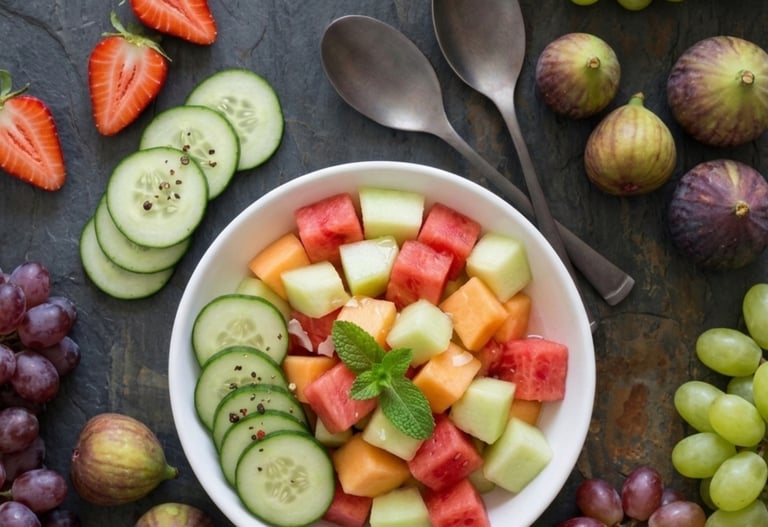

Hydrating Foods: Eating Your Water for Better Health
By BiteBrightly 13 January 2026: This post might contain affiliate links.
Struggling to drink eight glasses of water daily? You don't have to rely solely on your water bottle. Water-rich foods can significantly contribute to your daily hydration needs while providing essential nutrients your body craves.
Imagine meeting your hydration goals through delicious fruits, crisp vegetables, and refreshing meals. Your body doesn't distinguish between water from a glass and water from food. This guide reveals the most hydrating foods that keep you refreshed, energized, and properly hydrated.
Your hydration status affects everything from energy levels and mental clarity to skin health and physical performance. According to research published in Nutrients, water intake from both beverages and foods contributes significantly to total daily fluid intake and overall health outcomes.
By incorporating water-rich foods into your diet, you'll stay hydrated more effortlessly while enjoying nutritious meals. These foods deliver vitamins, minerals, and antioxidants alongside their impressive water content.
Key Takeaways
Many foods contain 85-95% water and significantly boost hydration
Eating water-rich foods provides nutrients beyond plain water
Hydrating foods support digestion, skin health, and energy levels
Fruits and vegetables are nature's most powerful hydration sources
Combining drinking water with hydrating foods optimizes hydration
Smart food choices can prevent dehydration without constant water drinking
Understanding Hydration Beyond the Water Bottle
Your body is approximately 60% water, making hydration essential for virtually every bodily function. While drinking plain water is important, many people don't realize that food contributes about 20% of total daily fluid intake for most individuals.
Water in your body regulates temperature, transports nutrients, removes waste, cushions joints, and protects organs. According to research in the Journal of the American College of Nutrition, when you're dehydrated, even mildly, you may experience fatigue, headaches, difficulty concentrating, and reduced physical performance. Proper hydration keeps all your systems running smoothly.
The traditional advice to drink eight glasses of water daily is a general guideline, not a rigid rule. Your actual hydration needs depend on your activity level, climate, body size, and overall health. Hot weather, exercise, illness, and certain medications increase your fluid requirements.
Here's where hydrating foods become powerful. Foods with high water content don't just contribute to your fluid intake. They also provide electrolytes like sodium, potassium, and magnesium that help your body retain and utilize water effectively. This makes food-based hydration sometimes more effective than plain water alone.
Think of hydration as a combination strategy. Drinking water throughout the day provides a baseline, while water-rich foods supplement and enhance your hydration status. Research in the European Journal of Clinical Nutrition shows that the foods also slow water absorption, providing more sustained hydration compared to quickly drinking a large glass of water.
Your body gives clear signals when it needs more fluids. Thirst is obvious, but other signs include dark yellow urine, dry mouth, decreased urination, dizziness, and fatigue. By the time you feel thirsty, you're already mildly dehydrated. Eating hydrating foods throughout the day helps prevent reaching that point.
Watermelon: The Hydration Champion
Watermelon lives up to its name with an impressive 92% water content. This summer fruit is nature's perfect hydration snack, refreshing and delicious while delivering serious fluid replenishment.
Why it works: Beyond water, watermelon provides lycopene, a powerful antioxidant that gives it the red color. According to research in the Journal of Agricultural and Food Chemistry, lycopene supports heart health and may protect against certain cancers. The fruit also contains vitamin C for immune function and vitamin A for eye health.
A two-cup serving of watermelon provides about one cup of water along with only 80 calories. This makes it an excellent choice for staying hydrated while managing weight. The natural sugars provide quick energy without causing dramatic blood sugar spikes.
How to use: Enjoy watermelon cubed as a snack, blended into smoothies, or frozen into hydrating popsicles. Add it to salads for a sweet contrast to savory greens. Grill watermelon slices for a unique, slightly caramelized treat.
Choose watermelon that feels heavy for its size, indicating high water content. The underside should have a creamy yellow spot where it rested on the ground while ripening.
Cucumbers: Crisp Hydration with Every Bite
Cucumbers boast 95% water content, making them one of the most hydrating foods available. Their mild flavor and satisfying crunch make them perfect for snacking and adding to countless dishes.
Why it works: These vegetables are incredibly low in calories while providing vitamin K for bone health, potassium for blood pressure regulation, and antioxidants that fight inflammation. The peel contains most of the nutrients and fiber, so eat cucumbers unpeeled when possible.
Cucumbers contain compounds called cucurbitacins that have anti-inflammatory properties. They also provide silica, a trace mineral that supports healthy skin, hair, and nails. Regular cucumber consumption may contribute to clearer, more hydrated skin from the inside out.
How to use: Slice cucumbers for a refreshing snack with hummus or Greek yogurt dip. Add them to salads for crunch and hydration. Make cucumber water by adding slices to your water bottle for subtle flavor. Blend cucumbers into green smoothies where their mild taste won't overpower other ingredients.
Try making cucumber noodles using a spiralizer as a hydrating, low-carb pasta alternative.
Strawberries: Sweet Hydration Packed with Nutrients
Strawberries contain 91% water while delivering exceptional vitamin C, antioxidants, and fiber. These berries make hydration delicious and nutritious.
Why it works: One cup of strawberries provides more vitamin C than an orange, supporting immune function, collagen production, and iron absorption. According to research in Critical Reviews in Food Science and Nutrition, the antioxidants in strawberries, particularly anthocyanins, protect cells from damage and may reduce inflammation throughout the body.
Strawberries have a low glycemic index despite their sweetness, meaning they won't spike blood sugar dramatically. The fiber content slows sugar absorption.
How to use: Enjoy strawberries fresh as a snack, sliced over yogurt or oatmeal, or blended into smoothies. Freeze strawberries for a cool treat on hot days. Make strawberry-infused water by muddling a few berries and adding them to your water bottle.
Lettuce and Leafy Greens: The Hydration Base
Lettuce, particularly iceberg and romaine varieties, contains 95-96% water. These crispy greens provide the perfect hydrating base for salads while contributing essential nutrients.
Why it works: Romaine lettuce offers more nutritional value than iceberg, providing vitamin A, vitamin K, folate, and fiber. Leafy greens like spinach, which contains 91% water, provide iron, calcium, magnesium, and antioxidants alongside hydration. The combination of water and minerals makes greens particularly effective at supporting hydration at the cellular level.
How to use: Build large salads using lettuce as the base, then add other hydrating vegetables like cucumbers, tomatoes, and bell peppers. Make lettuce wraps instead of using tortillas or bread. Blend mild greens like spinach into smoothies where they add nutrients and hydration without affecting flavor significantly.
Celery: Crunchy Hydration Stick
Celery is 95% water and provides satisfying crunch with minimal calories. This humble vegetable deserves recognition as a hydration powerhouse.
Why it works: Beyond water, celery contains vitamin K, potassium, and folate. It provides fiber that supports digestive health and feeds beneficial gut bacteria. Research shows celery has been studied for its potential blood pressure-lowering effects due to compounds called phthalides.
The natural sodium in celery makes it useful for replacing electrolytes lost through sweat during exercise. Paired with nut butter, it becomes a balanced snack with protein, healthy fats, and hydration.
How to use: Enjoy celery sticks with hummus, guacamole, or peanut butter for satisfying snacks. Add chopped celery to soups, stews, and stir-fries. Blend celery into green juices or smoothies.
Tomatoes: Juicy Hydration with Powerful Antioxidants
Tomatoes contain 94% water while providing lycopene, vitamin C, potassium, and vitamin K. These versatile fruits hydrate while delivering impressive nutritional benefits.
Why it works: Lycopene, the antioxidant that gives tomatoes their red color, has been extensively studied for its potential to support heart health and protect against certain cancers. According to research in the Annual Review of Food Science and Technology, cooking tomatoes actually increases lycopene availability.
The potassium in tomatoes supports heart health and helps balance sodium levels. Combined with their high water content, tomatoes are excellent for maintaining hydration status.
How to use: Cherry tomatoes make perfect portable snacks that hydrate and satisfy. Add sliced tomatoes to sandwiches and wraps. Build caprese salads with fresh mozzarella, basil, and balsamic vinegar. Make gazpacho, a cold Spanish soup featuring raw tomatoes, cucumbers, and peppers.
Bell Peppers: Colorful Hydration Crunch
Bell peppers contain 92% water and provide exceptional vitamin C, with red peppers containing nearly three times the daily requirement in just one cup. These colorful vegetables hydrate while delivering powerful antioxidants.
Why it works: Red, yellow, and orange peppers contain more nutrients than green peppers because they're allowed to fully ripen. The longer ripening time increases vitamin C, vitamin A, and antioxidant content.
The vitamin C in bell peppers supports immune function, skin health through collagen production, and enhances iron absorption from plant foods. Combined with vitamin A and antioxidants, peppers support eye health.
How to use: Slice bell peppers for crunchy snacks with hummus or guacamole. Add diced peppers to salads for color, crunch, and hydration. Stuff bell peppers with quinoa, beans, vegetables, and cheese for a complete meal. Roast or grill bell peppers to bring out natural sweetness.
Cantaloupe: Sweet Melon Hydration
Cantaloupe contains 90% water and provides exceptional vitamin A and vitamin C. This orange-fleshed melon offers sweet hydration with impressive nutritional benefits.
Why it works: One cup of cantaloupe provides over 100% of the daily vitamin A requirement, supporting eye health, immune function, and skin health. The beta-carotene that gives cantaloupe its orange color acts as a powerful antioxidant.
Cantaloupe also delivers vitamin C, B vitamins including folate, and potassium. The combination of water and electrolytes makes it particularly effective for rehydration, especially after exercise.
How to use: Enjoy cantaloupe cubed as a refreshing snack. Wrap melon slices with prosciutto for a sweet and salty combination. Freeze cantaloupe cubes for a cooling treat. Make cantaloupe agua fresca by blending the fruit with water, lime juice, and a touch of honey.
Zucchini: Versatile Vegetable Hydration
Zucchini contains 94% water while providing vitamin C, potassium, and antioxidants. This summer squash is incredibly versatile and easy to incorporate into countless dishes.
Why it works: The nutrients in zucchini support eye health, immune function, and healthy digestion. The fiber content promotes gut health and regular bowel movements. Zucchini is naturally low in calories, making it perfect for adding volume and hydration to meals.
Zucchini contains lutein and zeaxanthin, antioxidants that specifically support eye health and may reduce risk of age-related vision problems.
How to use: Spiralize zucchini into noodles for a low-carb, hydrating pasta alternative. Grate zucchini into baked goods like muffins and breads for moisture. Sauté sliced zucchini with garlic and olive oil for a simple side dish. Add diced zucchini to soups, stews, and stir-fries.
Oranges: Citrus Hydration with Immune Support
Oranges contain 87% water while providing exceptional vitamin C and fiber. These citrus fruits offer sweet-tart hydration with powerful immune-supporting benefits.
Why it works: One medium orange provides over 100% of the daily vitamin C requirement. According to research in Nutrients, this essential nutrient supports immune function, acts as an antioxidant, promotes collagen production for healthy skin, and enhances iron absorption from plant foods.
The fiber in oranges supports digestive health and helps regulate blood sugar. The combination of fiber and water creates satisfying fullness.
How to use: Peel and segment oranges for an easy, portable snack. Add orange segments to salads for bright, juicy bursts of flavor. Create orange-infused water by adding orange slices to your water bottle.
Broths and Soups: Warm Hydration Comfort
Broths and soup bases are primarily water, making them exceptional vehicles for hydration. They provide comfort and warmth while delivering fluids.
Why it works: Bone broth provides not just water but also electrolytes, minerals, and compounds like collagen and gelatin that support gut health, joint health, and skin health. The minerals in broth help your body retain and use the water effectively.
Clear soups like miso soup, chicken soup, or vegetable soup provide substantial hydration while being easy to digest. Adding vegetables to soup multiplies the hydration benefits.
How to use: Make large batches of vegetable soup to have on hand for easy, hydrating meals. Drink bone broth as a warm beverage between meals. Add vegetables like tomatoes, celery, carrots, and zucchini to soups for additional water content.
Greek Yogurt: Creamy Protein-Rich Hydration
Greek yogurt contains approximately 85% water while providing exceptional protein, calcium, and probiotics. This creamy food hydrates while supporting muscle maintenance and gut health.
Why it works: The protein in Greek yogurt helps you feel satisfied longer while supporting muscle repair. Probiotics in yogurt support digestive health by maintaining beneficial gut bacteria populations. The calcium supports bone health, muscle function, and nerve signaling.
How to use: Enjoy plain Greek yogurt topped with fresh berries, nuts, and honey. Use Greek yogurt as a base for smoothies instead of milk or juice. Substitute Greek yogurt for sour cream in recipes. Mix yogurt with cucumber, garlic, and dill for a hydrating tzatziki sauce.
Coconut Water: Nature's Sports Drink
Coconut water contains 95% water and provides natural electrolytes including potassium, sodium, and magnesium. This clear liquid from young coconuts offers exceptional hydration, especially after exercise.
Why it works: The electrolyte profile in coconut water closely resembles your body's natural fluid composition, making it highly effective for rehydration. According to research in Medicine & Science in Sports & Exercise, coconut water can be as effective as commercial sports drinks for rehydration after moderate exercise.
How to use: Drink coconut water after workouts to replenish fluids and electrolytes. Use coconut water as a smoothie base instead of juice or milk. Freeze coconut water into ice cubes and add to regular water for subtle flavor and extra electrolytes.
Building a Hydration-Focused Diet
Creating a diet rich in hydrating foods doesn't require complicated meal planning. Simple strategies can dramatically increase your water intake through food while improving your overall nutrition.
Start each day with hydrating fruits: Add berries to oatmeal or yogurt, blend fruit into smoothies, or enjoy a bowl of melon chunks. Morning is an important time for hydration after the overnight fast.
Build salads with water-rich vegetables: Use lettuce, cucumbers, tomatoes, and peppers as your base, then add proteins and healthy fats. Large salads provide substantial hydration while creating satisfying meals.
Include soup or broth-based dishes: These warm, comforting options hydrate while providing nutrients. Choose vegetable-heavy soups that combine multiple hydrating ingredients.
Snack on raw vegetables: Keep cut vegetables readily available in your refrigerator for easy access. Preparation makes healthy, hydrating choices convenient.
Blend hydrating smoothies: Combine multiple water-rich fruits and vegetables. Add Greek yogurt for protein and creaminess.
Monitor your hydration status: Observe urine color. Pale yellow indicates good hydration while dark yellow suggests you need more fluids.
Conclusion
Hydration doesn't require constant water drinking alone. By incorporating water-rich foods into your daily diet, you'll meet your fluid needs more easily while enjoying delicious, nutritious meals.
Your body benefits from the combination of water from foods and beverages. The nutrients, electrolytes, and fiber in hydrating foods enhance how your body uses and retains water. This makes food-based hydration particularly effective for sustained wellness.
Start today by adding one or two hydrating foods to each meal. Choose a piece of fruit for breakfast, build a big salad for lunch, snack on vegetables with dip, and include soup or water-rich vegetables at dinner. These simple additions dramatically improve your hydration status.
Your energy, focus, skin health, and physical performance all benefit from proper hydration. Make it easier on yourself by eating your water through nature's most hydrating foods.
References and Further Reading
For more information on hydration and water-rich foods, consult these authoritative sources:
Mayo Clinic - Water: How Much Should You Drink Every Day?
Evidence-based guidance on hydration needs and sources including food and beverages.Academy of Nutrition and Dietetics - How Much Water Do You Need?
Professional recommendations on hydration from food and fluid sources.Harvard T.H. Chan School of Public Health - The Nutrition Source: Water
Comprehensive information on hydration, including the role of water-rich foods in meeting daily fluid needs.
Frequently Asked Questions
How much of my daily water intake can come from food?
Typically, about 20% of your daily fluid intake comes from food, though this can increase significantly when you intentionally choose water-rich foods. By focusing on hydrating fruits, vegetables, and soups, you might obtain 30-40% of your fluids from food sources. This complements but doesn't replace drinking water.
Are cooked vegetables still hydrating?
Yes, though cooking can reduce water content slightly depending on the method. Steaming and microwaving preserve more water than boiling or roasting. However, even cooked vegetables provide valuable hydration along with easier-to-digest nutrients. Include both raw and cooked hydrating vegetables in your diet.
Can I rely on hydrating foods instead of drinking water?
While hydrating foods contribute significantly to your fluid intake, you should still drink water regularly. The combination of water-rich foods and beverages provides optimal hydration. Foods slow water absorption, providing sustained hydration, while drinking water gives more immediate effects.
Which foods are most hydrating after exercise?
Watermelon, oranges, and coconut water are excellent post-exercise choices. They provide water, natural sugars for energy replenishment, and electrolytes lost through sweat. Pair with protein for complete recovery nutrition that rehydrates and supports muscle repair.
Do frozen fruits and vegetables have the same water content?
Yes, freezing preserves water content. Frozen produce is often frozen at peak ripeness, locking in water and nutrients. Thawed frozen fruits and vegetables provide similar hydration benefits to fresh, making them excellent year-round options when certain produce is out of season.
Can water-rich foods help with weight management?
Absolutely. Foods high in water content are typically low in calories while providing volume and satisfaction. The water adds weight and bulk without adding calories, helping you feel full on fewer calories. Combined with fiber, hydrating foods support healthy weight management.
How do I know if I'm properly hydrated?
Check your urine color, which should be pale yellow. Other signs of good hydration include regular urination, moist skin, normal energy levels, and absence of thirst. Dark urine, fatigue, dizziness, and intense thirst signal dehydration requiring increased fluid intake.
Are all fruits equally hydrating?
No, water content varies significantly. Melons, berries, and citrus fruits typically contain more water (85-95%) than bananas, avocados, and dried fruits (less than 80%). All fruits contribute to hydration, but some are notably more water-rich than others.
Does caffeine in foods affect hydration?
Mild caffeine consumption doesn't significantly impact hydration in regular caffeine consumers. Your body adapts to regular caffeine intake. However, excessive caffeine can have a mild diuretic effect. Balance caffeinated beverages with water-rich foods and plain water for optimal hydration.
Can children meet hydration needs through food?
Yes, children can obtain significant fluid intake from water-rich foods, which is especially helpful for picky drinkers. Offer hydrating fruits, vegetables, soups, and yogurt regularly. However, children still need plain water throughout the day, particularly during activity and hot weather.
About Author
Judith Tsanga is an Applied Biosciences & Biotechnology graduate with an Advanced Level qualification in Food Science, and the founder of BiteBrightly. Her passion for food as medicine began with her own experience: after making targeted dietary changes, she noticed a meaningful improvement in her eyesight — a personal transformation that inspired her mission to share evidence-based nutrition insights that help others eat well and heal boldly. Content on BiteBrightly is for educational purposes and isn't a substitute for advice from your doctor or dietitian.
Follow on Pinterest for daily health tips, recipes, and wellness inspiration.
Important Notice: The information in this article is for educational purposes only and is not intended as medical advice or to replace professional medical treatment. Always consult your healthcare provider before making any dietary changes, starting supplements, or implementing health recommendations, especially if you have medical conditions, take medications, are pregnant, or nursing. This information is not intended to replace your prescribed medications or treatment plans. Individual results vary based on genetics, health status, and lifestyle factors.
Related posts
Connect
Join our newsletter for fresh health tips
© 2026. All rights reserved.