Magnesium for Muscle Cramps: Foods That Stop Spasms Fast
Stop muscle cramps naturally with magnesium-rich foods. Pumpkin seeds, spinach, almonds & more. Learn why magnesium stops spasms. Relief in 2-4 weeks.
by BiteBrightly
2/12/202622 min read
Magnesium for Muscle Cramps: Foods That Stop Spasms Fast
By BiteBrightly 12 February 2026: This post might contain affiliate links.
You wake at 3 AM with searing pain shooting through your calf. The muscle is rock-hard, twisted into a painful knot that won't release. You stumble out of bed, trying to stretch, massage, walk it off—anything to stop the excruciating spasm. This is the third night this week. During the day, your eyelid twitches constantly. Your hands cramp while typing. Your feet seize up during workouts. You mention it to your doctor, who says "drink more water and eat a banana for potassium"—advice that hasn't helped at all. You're desperate for relief, but no one seems to know why your muscles won't stop cramping. What if the problem isn't dehydration or low potassium, but a mineral deficiency so common that nearly half the population doesn't get enough? What if the relentless muscle cramps, spasms, twitches, and tension that plague your days and nights could be resolved through strategic dietary changes targeting the one mineral most critical for muscle relaxation? If you're searching for magnesium-rich foods that can actually stop muscle cramps, backed by science and proven effective, you're about to discover that chronic muscle spasms aren't something you just have to live with—they're often your body screaming for magnesium.
Magnesium deficiency is remarkably common, affecting approximately 48% of Americans who don't meet the estimated average requirement (EAR). According to research in Advances in Nutrition, inadequate magnesium intake is associated with numerous health problems, including muscle cramps, spasms, and neuromuscular dysfunction. Magnesium is the fourth most abundant mineral in the human body and is required for more than 300 enzymatic reactions, including those controlling muscle contraction and relaxation.
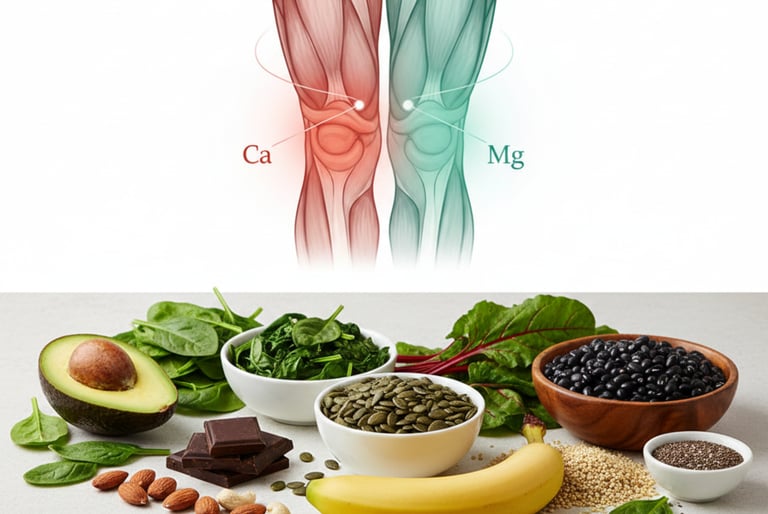
The connection between magnesium and muscle cramps is well-established. Magnesium acts as a natural calcium blocker, helping muscles relax after contracting. When magnesium levels are low, calcium can overstimulate muscle cells, causing them to contract excessively and cramp. This is why muscle cramps—particularly nocturnal leg cramps, exercise-associated muscle cramps, and muscle twitches—are classic symptoms of magnesium deficiency.
Here's what most people don't understand about muscle cramps: while dehydration and electrolyte imbalance (including low potassium and sodium) can contribute, magnesium deficiency is often the primary or contributing factor that conventional advice (drink water, eat bananas) fails to address. You can be perfectly hydrated with adequate sodium and potassium and still experience relentless cramping if your magnesium is low. And because magnesium deficiency symptoms are vague and often dismissed (fatigue, muscle twitches, cramps, anxiety), many people suffer for years without proper diagnosis or treatment.
According to research in the Journal of the American College of Nutrition, magnesium supplementation has been shown to reduce muscle cramp frequency and intensity in both nocturnal leg cramps and pregnancy-related cramps. While supplements can be effective, food sources provide magnesium alongside other nutrients (fiber, protein, healthy fats, antioxidants) that support overall health without the risk of supplement-related side effects like diarrhea from excessive magnesium.
The mechanisms are straightforward. Magnesium regulates neuromuscular signals and muscle contractions. It competes with calcium at nerve endings and muscle cells—calcium triggers contraction, while magnesium promotes relaxation. When magnesium is adequate, this balance is maintained and muscles contract and relax normally. When magnesium is deficient, calcium dominates, causing hyperexcitability, excessive contraction, and cramping. Magnesium also regulates electrolyte balance (including potassium and sodium transport), energy production in muscle cells, and nerve signal transmission—all critical for preventing cramps.
This comprehensive guide reveals the richest magnesium food sources, how much magnesium each provides, why magnesium stops muscle cramps at the cellular level, factors that deplete magnesium or block absorption, realistic daily magnesium targets for cramp prevention, sample high-magnesium days that can eliminate cramps within days to weeks, and when supplements may be necessary for severe deficiency.
Key Takeaways
Approximately 48% of Americans don't meet magnesium requirements; deficiency causes muscle cramps, spasms, and twitches
Magnesium acts as a natural calcium blocker, allowing muscles to relax after contracting
RDA for magnesium: 400-420 mg for men, 310-320 mg for women (varies by age)
Richest food sources: pumpkin seeds, spinach, Swiss chard, dark chocolate, almonds, avocados, black beans
Magnesium-rich foods can reduce cramp frequency within 2-4 weeks of consistent intake
Factors that deplete magnesium: stress, alcohol, high-sugar diets, certain medications, intense exercise
Magnesium absorption enhanced by vitamin D and adequate protein; inhibited by phytates and excessive calcium
Most people can meet needs through food, but severe deficiency may require supplementation
Magnesium glycinate and magnesium malate are best-absorbed forms for muscle cramps
Combine magnesium-rich foods with hydration and balanced electrolytes for optimal cramp prevention
Understanding Magnesium and Muscle Cramps
Before diving into specific foods, understanding magnesium's role in muscle function explains why deficiency causes cramps.
What Magnesium Does
Magnesium is involved in over 300 enzymatic reactions in the body. For muscle function specifically:
Muscle relaxation: Magnesium is essential for muscle relaxation. After a muscle contracts (triggered by calcium entering muscle cells), magnesium is required to pump calcium back out, allowing the muscle to relax. Without adequate magnesium, calcium remains in muscle cells, causing sustained contraction (cramp or spasm).
Neuromuscular transmission: Magnesium regulates the release of neurotransmitters at neuromuscular junctions. It stabilizes nerve cells and prevents excessive excitability. Low magnesium causes hyperexcitable nerves that send excessive signals to muscles, causing twitches and cramps.
Energy production: Magnesium is required for ATP (adenosine triphosphate) production—the energy currency of cells. Muscle contraction requires ATP. When magnesium is low, ATP production is impaired, and muscles can't function properly, leading to fatigue and cramping.
Electrolyte balance: Magnesium regulates the movement of potassium and sodium across cell membranes. These electrolytes are critical for nerve signaling and muscle function. Magnesium deficiency disrupts this balance, contributing to cramping even when potassium and sodium intake is adequate.
Calcium regulation: Magnesium acts as a natural calcium channel blocker. It prevents excessive calcium from entering cells. This is crucial because while calcium triggers muscle contraction, too much calcium causes hypercontraction (cramps). Magnesium keeps calcium in check.
Types of Muscle Cramps Related to Magnesium Deficiency
Nocturnal leg cramps: Sudden, painful cramps in calves, feet, or thighs during sleep. Extremely common in older adults and pregnant women. Often responsive to magnesium supplementation.
Exercise-associated muscle cramps (EAMC): Cramps during or after intense physical activity. While dehydration and electrolyte loss contribute, magnesium deficiency is often a key factor, especially in endurance athletes.
Muscle twitches (fasciculations): Involuntary small muscle twitches, often in eyelids, calves, or fingers. Classic sign of magnesium deficiency and neuromuscular hyperexcitability.
Muscle tension and stiffness: Chronic tightness, difficulty fully relaxing muscles. Magnesium deficiency prevents muscles from releasing tension properly.
Menstrual cramps (dysmenorrhea): Uterine muscle cramping during menstruation. Research shows magnesium can reduce menstrual cramp severity.
Magnesium Requirements
Recommended Dietary Allowances (RDAs):
Men (19-30): 400 mg
Men (31+): 420 mg
Women (19-30): 310 mg
Women (31+): 320 mg
Pregnant women: 350-360 mg
Lactating women: 310-320 mg
Upper tolerable limit (from supplements): 350 mg (food sources don't cause toxicity; excess is excreted)
Note: Many experts believe these RDAs are minimum requirements and that optimal intake for many people is 400-600 mg daily, especially for athletes, older adults, and those with chronic stress.
Signs of Magnesium Deficiency
Muscle-related symptoms:
Muscle cramps (especially nocturnal leg cramps)
Muscle spasms and twitches
Muscle weakness
Muscle tension that won't release
Restless leg syndrome
Other symptoms:
Fatigue and low energy
Irregular heartbeat or palpitations
Numbness and tingling
Anxiety and irritability
Difficulty sleeping (insomnia)
Migraines and headaches
High blood pressure
Osteoporosis (magnesium needed for bone health)
Who's at highest risk:
Older adults (absorption decreases with age)
People with GI disorders (Crohn's, celiac, chronic diarrhea)
Type 2 diabetics (increased urinary magnesium loss)
Alcoholics (alcohol increases magnesium excretion)
Athletes (increased losses through sweat)
People taking certain medications (PPIs, diuretics, antibiotics)
Those with chronic stress (stress depletes magnesium)
Magnesium-Rich Foods That Stop Cramps
Category 1: Seeds (Extremely Concentrated Magnesium)
Seeds are the most magnesium-dense foods available.
1. Pumpkin Seeds (Pepitas)
The single most magnesium-rich common food.
Why they're supreme: 1 oz (about 2 tablespoons or 28g) pumpkin seeds provides 156 mg magnesium (37-39% RDA for men, 49-50% RDA for women). Also provide zinc, iron, protein, and healthy fats.
How to use: 1-2 oz daily. Add to salads, oatmeal, yogurt, smoothies, or eat as snack. Can buy raw or roasted (raw has slightly more nutrients). Organic and sprouted versions available for easier digestion.
Pro tip: Soaking pumpkin seeds overnight (then dehydrating or roasting) reduces phytates and improves magnesium absorption.
2. Chia Seeds
Tiny seeds with impressive magnesium content.
Why they work: 1 oz (2 tablespoons) chia seeds provides 95 mg magnesium (23% RDA for men, 30% RDA for women). Also provide omega-3s, fiber, calcium, and protein.
How to use: 1-2 tablespoons daily. Add to smoothies, make chia pudding, sprinkle on oatmeal or yogurt. Chia seeds absorb liquid and form gel—great for hydration.
Chia pudding recipe: Mix 3 tablespoons chia seeds with 1 cup milk (dairy or plant), let sit overnight, add berries and nuts.
3. Flaxseeds
Omega-3 rich seeds with good magnesium.
Why they work: 1 oz (2 tablespoons ground) flaxseeds provides 110 mg magnesium (26% RDA for men, 35% RDA for women). Also provide omega-3s, fiber, and lignans.
How to use: 1-2 tablespoons daily, GROUND (whole flaxseeds pass through undigested). Add to smoothies, oatmeal, baked goods, or yogurt.
Category 2: Nuts (Magnesium + Healthy Fats)
Nuts provide magnesium along with protein and heart-healthy fats.
4. Almonds
Popular nut with excellent magnesium.
Why they work: 1 oz (about 23 almonds) provides 76 mg magnesium (18% RDA for men, 24% RDA for women). Also provide vitamin E, fiber, protein, and healthy fats.
How to use: 1-2 oz daily. Eat as snack, make almond butter, add to salads, or use almond flour in baking.
Almond butter: 2 tablespoons provides 90 mg magnesium.
5. Cashews
Creamy nut with solid magnesium content.
Why they work: 1 oz (about 18 cashews) provides 83 mg magnesium (20% RDA for men, 27% RDA for women). Also provide copper, zinc, and iron.
How to use: 1 oz daily. Eat as snack, make cashew butter or cashew cream, use in stir-fries.
6. Brazil Nuts
Known for selenium but also provide magnesium.
Why they work: 1 oz (6-8 nuts) provides 107 mg magnesium (25% RDA for men, 34% RDA for women). Exceptionally high in selenium (1-2 nuts provide 100%+ daily needs).
How to use: 1-2 nuts daily (selenium is toxic in high doses, so limit intake). Provides magnesium plus selenium for thyroid health.
Category 3: Dark Leafy Greens (Magnesium + Vitamins)
Leafy greens are excellent magnesium sources and provide numerous other nutrients.
7. Spinach (Cooked)
Classic magnesium-rich green.
Why it works: 1 cup cooked spinach provides 157 mg magnesium (37% RDA for men, 50% RDA for women)—comparable to pumpkin seeds! Also provides iron, calcium, vitamins A, C, K, and folate.
How to use: 1-2 cups cooked spinach 4-5 times weekly. Sauté with garlic and olive oil, add to pasta, soups, or omelets. Cooking concentrates nutrients (1 cup cooked = 6-7 cups raw).
Note: Spinach contains oxalates which can bind some minerals, but cooking reduces oxalates and the magnesium content is so high that plenty remains bioavailable.
8. Swiss Chard
Nutrient-dense green with excellent magnesium.
Why it works: 1 cup cooked Swiss chard provides 150 mg magnesium (36% RDA for men, 48% RDA for women). Also provides vitamins A, C, K, iron, and potassium.
How to use: 1-2 cups cooked 3-4 times weekly. Sauté with garlic, add to soups, or use in wraps.
9. Kale (Cooked)
Trendy superfood with good magnesium.
Why it works: 1 cup cooked kale provides 23 mg magnesium (6% RDA)—lower than spinach or chard but still contributes meaningfully. Rich in vitamins A, C, K, and antioxidants.
How to use: 1-2 cups cooked 3-4 times weekly. Massage raw kale with olive oil and lemon for salads, or sauté/roast.
Category 4: Legumes (Protein + Magnesium)
Legumes provide magnesium along with protein and fiber.
10. Black Beans
Hearty legume with solid magnesium.
Why they work: 1 cup cooked black beans provides 120 mg magnesium (29% RDA for men, 39% RDA for women). Also provide 15g protein, 15g fiber, iron, and folate.
How to use: 1 cup 4-5 times weekly. Use in burritos, black bean soup, salads, or as side dish.
11. Edamame
Young soybeans with good magnesium and complete protein.
Why they work: 1 cup shelled edamame provides 99 mg magnesium (24% RDA for men, 32% RDA for women). Also provides 17g complete protein, fiber, and iron.
How to use: 1 cup 2-3 times weekly. Steam and eat as snack, add to salads, or blend into dips.
12. Chickpeas
Versatile legume with magnesium.
Why they work: 1 cup cooked chickpeas provides 79 mg magnesium (19% RDA for men, 25% RDA for women). Also provide protein, fiber, and iron.
How to use: 1 cup 3-4 times weekly. Make hummus, roast for snacks, add to salads or curries.
Category 5: Whole Grains (Magnesium + Fiber)
Whole grains provide magnesium along with B vitamins and fiber.
13. Quinoa
Pseudo-grain with complete protein and magnesium.
Why it works: 1 cup cooked quinoa provides 118 mg magnesium (28% RDA for men, 38% RDA for women). Also provides 8g complete protein, fiber, and iron.
How to use: 1 cup 4-5 times weekly. Use as rice substitute, add to salads, make quinoa bowls.
14. Brown Rice
Whole grain staple with decent magnesium.
Why it works: 1 cup cooked brown rice provides 86 mg magnesium (20% RDA for men, 27% RDA for women). Also provides B vitamins, fiber, and selenium.
How to use: 1 cup 3-4 times weekly. Use as base for meals, in stir-fries, or as side dish.
15. Oats
Breakfast staple with magnesium.
Why they work: 1 cup cooked oats (from 1/2 cup dry) provides 63 mg magnesium (15% RDA for men, 20% RDA for women). Also provides beta-glucan fiber, protein, and iron.
How to use: 1/2 cup dry oats daily for breakfast. Make oatmeal, overnight oats, or add to smoothies.
Category 6: Avocado (Healthy Fats + Magnesium)
Avocados are unique—high in healthy fats and magnesium.
16. Avocado
Creamy fruit with impressive magnesium content.
Why it works: 1 medium avocado (200g) provides 58 mg magnesium (14% RDA for men, 19% RDA for women). Also provides healthy monounsaturated fats, fiber, potassium, and vitamins C, E, K, B vitamins.
How to use: 1/2 to 1 avocado daily. Add to toast, salads, smoothies, or eat plain with salt and lemon.
Bonus: Avocados are also high in potassium (more than bananas!), which works synergistically with magnesium for muscle function.
Category 7: Dark Chocolate (Treat That Provides Magnesium)
Dark chocolate is one of the most enjoyable magnesium sources.
17. Dark Chocolate (70-85% cocoa)
Delicious way to get magnesium.
Why it works: 1 oz (28g) dark chocolate (70-85% cocoa) provides 64 mg magnesium (15% RDA for men, 21% RDA for women). Also provides iron, copper, manganese, and antioxidants (flavonoids).
How to use: 1-2 oz daily as dessert or snack. Choose 70%+ cocoa for maximum magnesium and minimum sugar.
Note: While dark chocolate provides magnesium, it also contains calories and some sugar, so enjoy in moderation. But it's a legitimate magnesium source—not just an excuse to eat chocolate!
Category 8: Fish (Magnesium + Omega-3s)
Some fish provide magnesium along with protein and healthy fats.
18. Mackerel
Oily fish with good magnesium.
Why it works: 3 oz cooked mackerel provides 82 mg magnesium (20% RDA for men, 26% RDA for women). Also provides omega-3 fatty acids, vitamin D, selenium, and B vitamins.
How to use: 3-4 oz serving 2-3 times weekly. Grill, bake, or buy canned.
19. Salmon
Popular fish with decent magnesium.
Why it works: 3 oz cooked salmon provides 26 mg magnesium (6% RDA for men, 8% RDA for women)—lower than mackerel but still contributes. Excellent source of omega-3s, vitamin D, and protein.
How to use: 4-6 oz serving 2-3 times weekly. Wild-caught preferred.
Category 9: Tofu (Plant Protein + Magnesium)
Tofu provides magnesium along with complete protein.
20. Tofu
Versatile soy product with magnesium.
Why it works: 1/2 cup (4 oz) firm tofu provides 37 mg magnesium (9% RDA for men, 12% RDA for women). If prepared with magnesium chloride (nigari), can provide up to 118 mg per serving—check labels! Also provides complete protein and calcium.
How to use: 4-6 oz serving 3-4 times weekly. Press to remove water, then stir-fry, bake, scramble, or add to soups.
Category 10: Bananas (Potassium + Magnesium)
While bananas are famous for potassium, they also provide some magnesium.
21. Bananas
Common fruit with modest magnesium.
Why they contribute: 1 medium banana provides 32 mg magnesium (8% RDA for men, 10% RDA for women). Better known for potassium (422 mg), which works with magnesium for muscle function.
How to use: 1-2 bananas daily. Eat plain, add to smoothies, oatmeal, or with nut butter.
Note: While bananas provide some magnesium, they're not the best source (despite popular belief that bananas cure cramps—the potassium helps, but magnesium is often more important).
How Magnesium Stops Muscle Cramps
Understanding the cellular mechanisms explains why magnesium is so effective.
Calcium-Magnesium Balance
Muscle contraction: Triggered by calcium entering muscle cells. Calcium binds to proteins (troponin) that allow actin and myosin filaments to slide past each other, contracting the muscle.
Muscle relaxation: After contraction, calcium must be pumped OUT of muscle cells back into storage (sarcoplasmic reticulum). This requires magnesium-dependent pumps (calcium-ATPase pumps). Magnesium also binds to calcium binding sites, blocking excessive calcium from entering.
When magnesium is low: Calcium can't be pumped out efficiently, and excess calcium keeps entering. Result: sustained contraction (cramp).
When magnesium is adequate: Calcium is properly regulated, muscles contract and relax normally.
Neuromuscular Transmission Regulation
Magnesium stabilizes nerve cell membranes and regulates neurotransmitter release at neuromuscular junctions.
Low magnesium: Nerves become hyperexcitable, sending excessive signals to muscles, causing spontaneous contractions (twitches, cramps).
Adequate magnesium: Nerves function normally, muscles receive appropriate signals.
Electrolyte Balance
Magnesium regulates potassium and sodium channels.
Low magnesium: Disrupts potassium and sodium balance, even if intake of these minerals is adequate. This contributes to neuromuscular dysfunction and cramping.
Adequate magnesium: Maintains proper electrolyte balance across cell membranes.
ATP Production
Magnesium is required for ATP synthesis. Muscles need ATP for both contraction AND relaxation.
Low magnesium: Impaired ATP production, muscles can't relax properly, more susceptible to cramping.
Adequate magnesium: Normal ATP production, muscles have energy to function properly.
Factors That Deplete Magnesium or Block Absorption
Even if you consume adequate magnesium, certain factors can cause deficiency.
Factors That Increase Magnesium Loss
Chronic stress: Stress hormones (cortisol, adrenaline) increase urinary magnesium excretion. Chronic stress is a major cause of magnesium depletion.
Alcohol consumption: Alcohol increases urinary magnesium loss and impairs absorption. Heavy drinkers are often severely magnesium deficient.
High sugar intake: High blood sugar increases urinary magnesium loss. Type 2 diabetics often have low magnesium.
Intense exercise: Sweating causes magnesium loss. Endurance athletes and those who sweat heavily need more magnesium.
Medications:
Proton pump inhibitors (PPIs) for acid reflux: Impair magnesium absorption
Diuretics: Increase urinary magnesium loss
Some antibiotics: Interfere with magnesium absorption
Bisphosphonates (for osteoporosis): May reduce magnesium levels
GI disorders: Crohn's disease, celiac disease, chronic diarrhea all impair magnesium absorption.
Factors That Inhibit Magnesium Absorption
Phytic acid (phytates): Found in whole grains, legumes, nuts, seeds. Binds magnesium and reduces absorption. Solution: soak, sprout, or ferment these foods.
Excessive calcium: Very high calcium intake (especially from supplements) can interfere with magnesium absorption. Balance is key—don't mega-dose calcium supplements without adequate magnesium.
Excessive phosphate: High phosphate intake (from processed foods, soda) can reduce magnesium absorption.
Low vitamin D: Vitamin D enhances magnesium absorption. Deficiency in vitamin D can worsen magnesium status.
Low protein: Adequate protein enhances magnesium absorption. Very low protein diets may impair magnesium status.
Aging: Magnesium absorption decreases with age. Older adults need to be more intentional about magnesium intake.
Enhancing Magnesium Absorption from Foods
Soak, Sprout, or Ferment Phytate-Containing Foods
Soaking grains, legumes, nuts, and seeds reduces phytates, improving magnesium (and other mineral) absorption.
Process: Soak overnight in water with lemon juice or vinegar, drain, rinse, cook. This reduces phytates by 30-50%.
Sprouting (2-5 days) reduces phytates even more (50-70%).
Maintain Adequate Vitamin D
Vitamin D enhances magnesium absorption in the intestines. Get vitamin D from sun exposure (15-30 minutes several times weekly), fatty fish, egg yolks, or supplements if needed.
Balance Calcium and Magnesium
Optimal calcium:magnesium ratio is approximately 2:1. Don't take high-dose calcium supplements without ensuring adequate magnesium. Get calcium from food sources (dairy, leafy greens, fortified foods) and balance with magnesium-rich foods.
Ensure Adequate Protein
Protein enhances magnesium absorption. Include protein sources (legumes, nuts, seeds, fish, tofu, eggs, dairy) in meals containing magnesium.
Spread Magnesium Intake Throughout Day
Absorption is more efficient when magnesium is consumed in smaller amounts throughout the day rather than all at once. Include magnesium-rich foods at multiple meals.
Sample High-Magnesium Days for Cramp Prevention
Sample Day 1: Omnivore (420 mg magnesium target)
Steel-cut oats (1/2 cup dry): 63 mg
Ground flaxseed (2 tbsp): 55 mg
Banana (1 medium): 32 mg
Almond butter (2 tbsp): 90 mg Breakfast total: 240 mg
Mid-Morning Snack:
Pumpkin seeds (1 oz): 156 mg
Lunch:
Spinach salad (2 cups cooked spinach): 314 mg
Quinoa (1 cup): 118 mg
Avocado (1/2): 29 mg
Olive oil dressing Lunch total: 461 mg
Afternoon Snack:
Dark chocolate (1 oz): 64 mg
Mackerel (3 oz): 82 mg
Brown rice (1 cup): 86 mg
Roasted Brussels sprouts with almonds (1/4 cup almonds): 19 mg Dinner total: 187 mg
Evening:
Herbal tea with magnesium-rich foods
Daily total: 1,108 mg magnesium (well above 420 mg target!)
Note: This is an unusually high-magnesium day showcasing what's possible. Consistent intake of 400-600 mg is sufficient for most people.
Sample Day 2: Vegetarian/Vegan (320 mg magnesium target)
Breakfast:
Oatmeal (1/2 cup dry): 63 mg
Chia seeds (2 tbsp): 95 mg
Banana: 32 mg
Almond milk (fortified) Breakfast total: 190 mg
Snack:
Almonds (1 oz): 76 mg
Lunch:
Black bean bowl (1 cup beans): 120 mg
Avocado (1/2): 29 mg
Spinach (1 cup cooked): 157 mg Lunch total: 306 mg
Snack:
Dark chocolate (1 oz): 64 mg
Dinner:
Tofu stir-fry (1/2 cup): 37 mg
Swiss chard (1 cup cooked): 150 mg
Quinoa (1 cup): 118 mg Dinner total: 305 mg
Daily total: 941 mg magnesium (exceeds 320 mg target!)
Both days provide adequate magnesium for cramp prevention. Within 2-4 weeks of consistent intake, most people notice significant reduction in muscle cramps.
Magnesium Supplements for Severe Deficiency or Cramps
While this guide emphasizes food sources, some people need supplements.
When to Consider Supplements
Diagnosed magnesium deficiency (blood test)
Severe, persistent muscle cramps despite dietary optimization
Conditions causing malabsorption (Crohn's, celiac)
Taking medications that deplete magnesium (PPIs, diuretics)
Athletes with high sweat losses
Chronic stress that depletes magnesium faster than diet can replenish
Pregnancy (increased needs)
Best Magnesium Forms for Muscle Cramps
Magnesium glycinate:
Chelated to amino acid glycine
Excellent absorption
Gentle on stomach (doesn't cause diarrhea)
Glycine itself promotes relaxation
Best for muscle cramps, sleep, anxiety
Magnesium malate:
Chelated to malic acid
Good absorption
Malic acid supports energy production
Good for muscle cramps and fatigue
Magnesium citrate:
Chelated to citric acid
Good absorption
Can have laxative effect at higher doses
Good for constipation + cramps
Avoid:
Magnesium oxide: Very poor absorption (4%), often causes diarrhea, cheap but ineffective
Magnesium hydroxide (milk of magnesia): Laxative, not for nutritional supplementation
Dosing
Typical dose for cramp prevention: 200-400 mg elemental magnesium daily (in divided doses, with meals)
Start low: Begin with 100-200 mg and increase gradually to avoid digestive upset
Timing: Take with meals for better absorption and less GI upset. Some people take before bed for nocturnal cramp prevention and sleep support.
Important: Don't exceed 350 mg from supplements (upper tolerable limit set to avoid diarrhea). Total intake (food + supplements) can be higher—food sources don't cause toxicity.
Topical Magnesium
Magnesium oil (magnesium chloride spray): Applied to skin. Some people report cramp relief, though research on absorption through skin is limited. May be worth trying for localized muscle cramps.
Epsom salt baths (magnesium sulfate): Soaking in Epsom salt bath may help relax muscles. Some magnesium may be absorbed through skin, though evidence is mixed. Regardless, warm baths relax muscles mechanically.
Cautions
Don't supplement magnesium if you have:
Severe kidney disease (can't excrete excess magnesium—toxic levels can accumulate)
Heart block or certain heart conditions (consult doctor)
Drug interactions:
Magnesium can interfere with certain antibiotics, osteoporosis medications, and blood pressure medications. Take magnesium 2-4 hours apart from these medications.
Side effects:
High doses: Diarrhea (most common), nausea, cramping
Solution: Reduce dose or switch to better-absorbed form (glycinate)
Timeline: When Will Magnesium Help Cramps?
Week 1-2: If severely deficient, some people notice improvement in first week. Others may not notice changes yet as body replenishes depleted stores.
Week 2-4: Most people experience significant reduction in cramp frequency and severity by this point with consistent high-magnesium intake.
Month 2-3: Continued improvement. Muscle cramps become rare or resolve completely for many people.
Long-term: Maintain magnesium-rich diet and address factors that deplete magnesium (stress, alcohol, high-sugar diet) for sustained cramp prevention.
Note: If cramps don't improve after 4-6 weeks of optimized magnesium intake, other causes should be investigated (neurological conditions, medication side effects, other nutritional deficiencies, vascular issues). Consult healthcare provider.
Special Considerations
Athletes and Exercisers
Athletes have higher magnesium needs due to increased losses in sweat and increased utilization for energy production and muscle function.
Recommendations:
Target 400-600 mg daily from food
Consider 200-300 mg supplement on training days
Replenish electrolytes (including magnesium) after intense workouts
Magnesium glycinate or malate preferred
Pregnant Women
Magnesium needs increase during pregnancy (350-360 mg RDA). Leg cramps are extremely common in pregnancy, often responsive to magnesium.
Recommendations:
Emphasize magnesium-rich foods (spinach, pumpkin seeds, black beans, quinoa)
Prenatal vitamins typically include magnesium, but often insufficient amounts
Consider additional 200 mg magnesium glycinate supplement (consult healthcare provider)
Many pregnant women find magnesium dramatically reduces leg cramps
Older Adults
Magnesium absorption decreases with age, and many older adults take medications that deplete magnesium (diuretics, PPIs).
Recommendations:
Prioritize magnesium-rich foods daily
Consider 200-400 mg supplement (magnesium glycinate)
Monitor for medication interactions
Regular blood tests to check magnesium status
People with Type 2 Diabetes
Diabetes increases urinary magnesium loss. Low magnesium worsens insulin resistance and blood sugar control—a vicious cycle.
Recommendations:
Emphasize magnesium-rich whole foods (nuts, seeds, leafy greens, legumes, whole grains)
Consider 300-400 mg supplement
Monitor blood sugar and magnesium status
Improving magnesium status may improve glycemic control
Conclusion
Muscle cramps—whether nocturnal leg cramps that jolt you awake, exercise-induced spasms that sideline workouts, or persistent twitches that won't stop—are often your body's desperate signal that it needs magnesium. Nearly half of Americans don't meet magnesium requirements, and deficiency directly causes the hyperexcitable nerves and excessive muscle contraction that manifest as cramping.
The conventional advice (drink water, eat bananas) addresses part of the problem but misses the primary factor for many people: inadequate magnesium. While hydration and electrolyte balance (sodium, potassium) matter, magnesium is the master mineral that regulates muscle relaxation, controls calcium's effects, stabilizes nerve cells, supports ATP production, and maintains electrolyte balance. Without adequate magnesium, muscles simply cannot relax properly.
The solution isn't complicated: consume 400-600 mg magnesium daily from magnesium-rich foods. Emphasize the richest sources: pumpkin seeds (156 mg per oz), spinach (157 mg per cup cooked), Swiss chard (150 mg per cup cooked), black beans (120 mg per cup), quinoa (118 mg per cup), almonds, cashews, chia seeds, flaxseeds, dark chocolate, avocado. Include magnesium-rich foods at multiple meals throughout the day. Reduce factors that deplete magnesium (chronic stress, excessive alcohol, high-sugar diets). Enhance absorption by soaking grains/legumes, maintaining adequate vitamin D and protein, and balancing calcium intake.
For most people, consistent dietary optimization resolves muscle cramps within 2-4 weeks. The cramps that plagued your nights, interrupted your workouts, and caused constant muscle tension simply stop. Your muscles finally have the mineral they need to relax after contracting.
If severe deficiency exists or dietary changes aren't sufficient (malabsorption conditions, medications that deplete magnesium, very high athletic demands), magnesium supplements can help. Magnesium glycinate and magnesium malate are best absorbed and most effective for muscle cramps. Start with 200-300 mg daily, taken with food. Avoid magnesium oxide (poorly absorbed). For severe nocturnal cramps, many people find taking magnesium before bed particularly helpful.
Monitor your response. Keep track of cramp frequency and severity. Most people notice dramatic improvement within a few weeks. If cramps persist despite optimized magnesium intake for 6-8 weeks, consult a healthcare provider to rule out other causes (neurological issues, vascular problems, medication side effects, other nutritional deficiencies).
Get tested if possible. Serum magnesium tests aren't perfect (only 1% of body's magnesium is in blood; most is in bones and cells), but persistently low serum magnesium indicates severe deficiency. Red blood cell magnesium is a better indicator but less commonly available.
The muscle cramps aren't just something you have to live with. They're not inevitable. They're not "just how your body is." They're a correctible problem caused by a common nutritional deficiency. Address the magnesium deficiency, and in most cases, the cramps resolve.
To relaxed muscles, peaceful sleep, and pain-free movement!
References and Further Reading
For more information on magnesium and muscle cramps, consult these authoritative sources:
National Institutes of Health Office of Dietary Supplements - Magnesium Fact Sheet
Comprehensive information on magnesium, deficiency, sources, and supplementation.National Institutes of Health - Magnesium and Health
Scientific review of magnesium's role in health and disease prevention.American Family Physician - Nocturnal Leg Cramps
Clinical guidance on muscle cramps including magnesium's role.
Frequently Asked Questions
Can magnesium really stop muscle cramps?
Yes, for many people magnesium significantly reduces or eliminates muscle cramps. Magnesium is essential for muscle relaxation—it acts as a natural calcium blocker, allowing muscles to relax after contracting. When magnesium is low, calcium overstimulates muscles causing excessive contraction (cramps). Research shows magnesium supplementation reduces cramp frequency and severity, particularly for nocturnal leg cramps and pregnancy-related cramps. However, not all cramps are magnesium-related (neurological conditions, medications, vascular issues can also cause cramps), so if magnesium doesn't help after 4-6 weeks, investigate other causes.
How much magnesium do I need daily to prevent cramps?
The RDA is 400-420 mg for men, 310-320 mg for women. However, many experts recommend 400-600 mg daily for optimal muscle function, especially for athletes, older adults, and those with chronic stress. Most people can achieve this through food (pumpkin seeds, spinach, almonds, black beans, quinoa, dark chocolate). If supplementing, 200-400 mg daily (in divided doses) is typical for cramp prevention. Start with food sources first; add supplements if needed. Don't exceed 350 mg from supplements (upper limit to avoid diarrhea), but total intake including food can be higher.
How long before magnesium helps my cramps?
Timeline varies based on severity of deficiency. Some people notice improvement within a few days, especially if severely deficient. Most people experience significant reduction in cramp frequency within 2-4 weeks of consistent high-magnesium intake. By 6-8 weeks, cramps often resolve completely or become rare. If no improvement after 6-8 weeks of optimized magnesium (400-600 mg daily from food and/or supplements), other causes should be investigated. Consistency is key—occasional magnesium won't resolve chronic deficiency and cramping.
What's the best form of magnesium for muscle cramps?
For supplements, magnesium glycinate and magnesium malate are best for muscle cramps. Both are well-absorbed and don't cause digestive upset. Magnesium glycinate is chelated to glycine (amino acid that promotes relaxation)—excellent for cramps, sleep, and anxiety. Magnesium malate is chelated to malic acid (supports energy production)—good for cramps and fatigue. Avoid magnesium oxide (only 4% absorbed, causes diarrhea). Food sources provide various forms naturally and are ideal. Topical magnesium oil may help localized cramps, though evidence for skin absorption is limited.
Can I get enough magnesium from food alone or do I need supplements?
Most healthy people can meet magnesium needs through food. Emphasize richest sources: pumpkin seeds (156 mg/oz), spinach (157 mg/cup cooked), Swiss chard (150 mg/cup), black beans (120 mg/cup), quinoa (118 mg/cup), almonds, dark chocolate. However, some people need supplements: those with malabsorption conditions, taking magnesium-depleting medications (PPIs, diuretics), athletes with high losses, severe chronic stress, diagnosed deficiency, or persistent cramps despite dietary optimization. Try food first for 4-6 weeks; add supplements if needed.
Why do I get leg cramps at night even though I drink water and eat bananas?
Nocturnal leg cramps are often caused by magnesium deficiency, not dehydration or low potassium (despite popular belief about bananas). While hydration and potassium matter, magnesium is the master regulator of muscle relaxation. Low magnesium prevents muscles from relaxing after contracting, causing cramping. Bananas provide some magnesium (32 mg) but are not the best source—pumpkin seeds provide 156 mg per oz, spinach 157 mg per cup cooked. Focus on magnesium-rich foods throughout the day and consider magnesium glycinate supplement (200-400 mg) before bed for nocturnal cramp prevention.
Can stress cause magnesium deficiency and muscle cramps?
Yes! Chronic stress is a major cause of magnesium depletion. Stress hormones (cortisol, adrenaline) increase urinary magnesium excretion. This creates a vicious cycle: stress depletes magnesium, low magnesium impairs stress response and causes muscle tension/cramps, which creates more stress. Managing stress (meditation, yoga, adequate sleep, stress reduction techniques) helps preserve magnesium. During high-stress periods, increase magnesium-rich foods and consider supplementation (magnesium glycinate 200-400 mg supports both magnesium status and stress response/relaxation).
Will magnesium help with muscle twitches (eyelid twitching, fasciculations)?
Yes, muscle twitches (fasciculations) are a classic sign of magnesium deficiency and neuromuscular hyperexcitability. Magnesium stabilizes nerve cell membranes and prevents excessive nerve firing. Low magnesium causes hyperexcitable nerves that send spontaneous signals to muscles, resulting in twitches. Most people find that optimizing magnesium intake (400-600 mg daily from food and/or supplements) resolves persistent twitching within 2-4 weeks. If twitching persists despite adequate magnesium, consult healthcare provider to rule out neurological conditions.
Can I take too much magnesium from food?
No, excess magnesium from food sources is excreted in urine and doesn't cause toxicity. The upper tolerable limit (350 mg) applies only to SUPPLEMENTS to avoid diarrhea. Total magnesium intake including food can be 600-800 mg or higher without problems. However, people with severe kidney disease cannot excrete excess magnesium properly and should limit intake—consult healthcare provider. For healthy individuals, eating multiple servings of magnesium-rich foods daily is safe and beneficial.
Should I take calcium and magnesium together or separately?
Calcium and magnesium work together for bone health and muscle function. Optimal ratio is approximately 2:1 calcium:magnesium (though some experts suggest closer to 1:1). Very high calcium intake (especially from supplements) can interfere with magnesium absorption, so don't mega-dose calcium without adequate magnesium. Many people get sufficient calcium from food (dairy, leafy greens, fortified foods) and need to focus on increasing magnesium. If supplementing both, taking them together in balanced ratio (2:1) is fine. Or take separately (calcium morning, magnesium evening) if preferred. Most important: ensure adequate intake of BOTH minerals.
About Author
Judith Tsanga is an Applied Biosciences & Biotechnology graduate with an Advanced Level qualification in Food Science, and the founder of BiteBrightly. Her passion for food as medicine began with her own experience: after making targeted dietary changes, she noticed a meaningful improvement in her eyesight — a personal transformation that inspired her mission to share evidence-based nutrition insights that help others eat well and heal boldly. Content on BiteBrightly is for educational purposes and isn't a substitute for advice from your doctor or dietitian.
Follow on Pinterest for daily health tips, recipes, and wellness inspiration.
Important Notice: The information in this article is for educational purposes only and is not intended as medical advice or to replace professional medical treatment. Always consult your healthcare provider before making any dietary changes, starting supplements, or implementing health recommendations, especially if you have medical conditions, take medications, are pregnant, or nursing. Magnesium supplementation should be undertaken with medical supervision, particularly for those with kidney disease or heart conditions. Persistent muscle cramps may indicate serious underlying conditions requiring medical evaluation. Get appropriate blood tests before assuming muscle cramps are solely due to magnesium deficiency.
Related posts
Connect
Join our newsletter for fresh health tips
© 2026. All rights reserved.