Best Magnesium Foods for Sleep: End Insomnia Naturally
Can't sleep? 50–80% of adults are magnesium deficient! Pumpkin seeds: 156mg per oz. Magnesium activates GABA—same as sleep meds. End insomnia naturally.
by BiteBrightly
2/26/202636 min read

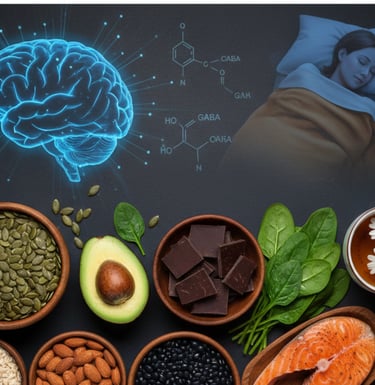
Best Magnesium Foods for Sleep: End Insomnia Naturally
By BiteBrightly 26 February 2026: This post might contain affiliate links.
Do you lie awake for an hour after getting into bed, mind racing despite feeling exhausted? Do you fall asleep only to wake at 2 or 3 a.m., staring at the ceiling until your alarm goes off? Do you wake up every morning feeling like you barely slept, no matter how many hours you logged?
You've tried everything. No screens before bed. Chamomile tea. Melatonin. Sleep podcasts. Blackout curtains. And yet the insomnia persists—grinding, relentless, affecting your mood, your focus, your relationships, and your health in ways you're only beginning to understand.
Here's what most people searching for sleep solutions never consider: your insomnia may be rooted in a nutritional deficiency affecting more than half the population. Magnesium deficiency is one of the most widespread nutritional shortfalls in the modern world—and one of the most underrecognized drivers of poor sleep, nighttime anxiety, restless legs, and early morning waking.
Most people reach for sleep medications or supplements without ever addressing the dietary foundation that makes quality sleep possible in the first place. Prescription sleep aids and even over-the-counter melatonin work around the problem rather than solving it. They don't restore the neurological and biochemical conditions your body needs to fall asleep naturally, stay asleep deeply, and wake genuinely restored.
Magnesium is different. This essential mineral is involved in over 300 enzymatic reactions in your body—and several of those reactions sit at the direct center of sleep regulation. Magnesium activates the parasympathetic nervous system, regulates GABA (the brain's primary calming neurotransmitter), controls cortisol, and governs the cellular mechanisms that allow your body to transition from wakefulness into deep, restorative sleep.
This comprehensive guide reveals the best magnesium-rich foods for sleep, the precise science of how magnesium regulates your sleep-wake cycle, why magnesium deficiency has become so common, and exactly how to build a magnesium-optimized diet that addresses the nutritional root of chronic insomnia.
Key Takeaways
Magnesium deficiency affects an estimated 50–80% of adults in developed countries and is directly linked to poor sleep quality
Magnesium activates GABA receptors—the same receptors targeted by prescription sleep medications—promoting natural relaxation and sleep onset
Magnesium regulates cortisol, preventing the nighttime stress hormone spikes that cause middle-of-the-night waking
The RDA for magnesium is 310–420mg daily, but most people consume only 250mg or less
Specific foods—pumpkin seeds, dark leafy greens, dark chocolate, legumes, whole grains, avocados, and nuts—provide highly bioavailable magnesium
Combining magnesium-rich foods with sleep-supportive nutrients (tryptophan, vitamin B6, calcium) amplifies sleep benefits
Food processing, soil depletion, alcohol, caffeine, and certain medications dramatically reduce magnesium status
Most people notice measurable sleep improvement within 2–4 weeks of consistently optimizing dietary magnesium
Understanding Insomnia: The Magnesium Connection
Before exploring specific foods, understanding what insomnia actually is, why it has become so prevalent, and how magnesium deficiency drives it will help you make strategic dietary choices that address the root cause rather than just masking symptoms.
Insomnia is not simply an inability to sleep. It encompasses difficulty falling asleep, difficulty staying asleep, early morning waking with inability to return to sleep, and non-restorative sleep that leaves you exhausted despite adequate hours in bed. Any combination of these patterns, occurring three or more nights per week for three or more months, constitutes chronic insomnia—a condition affecting an estimated 10–15% of adults severely and another 25–35% intermittently.
Your Brain's Sleep Architecture
Quality sleep is not a passive state. It is an extraordinarily active, orchestrated neurological process requiring precise biochemical conditions. Your brain cycles through distinct stages throughout the night: light sleep (NREM stages 1 and 2), deep slow-wave sleep (NREM stage 3), and REM sleep. Each stage serves specific restorative functions.
Deep slow-wave sleep is when your body performs the most critical physical repair—releasing growth hormone, consolidating immune function, restoring cellular energy, and clearing metabolic waste from the brain through the glymphatic system. REM sleep is when emotional processing, memory consolidation, and cognitive restoration occur. When magnesium is deficient, your brain cannot properly orchestrate these cycles—leading to more time in light sleep, less time in deep and REM stages, and the subjective experience of "sleeping but not feeling rested."
The Neurochemistry of Sleep: Where Magnesium Acts
Sleep is governed by two primary neurological systems that must work in balance: the arousal system (driven by glutamate, norepinephrine, cortisol, and histamine) and the inhibitory system (driven primarily by GABA and adenosine). Magnesium plays direct, essential roles in both.
GABA regulation: GABA (gamma-aminobutyric acid) is your brain's primary inhibitory neurotransmitter—the neurochemical brake that quiets neural activity and allows your brain to transition from wakefulness to sleep. Magnesium binds to and activates GABA-A receptors, enhancing GABA's calming effect throughout your nervous system. This is not a minor role—benzodiazepine sleep medications and alcohol work by the same GABA-A receptor mechanism. Magnesium does it naturally, without dependency or side effects.
NMDA receptor blockade: Magnesium also blocks NMDA (N-methyl-D-aspartate) receptors—the primary receptors for glutamate, your brain's main excitatory neurotransmitter. At night, magnesium acts as a natural "plug" in NMDA receptors, preventing glutamate from overstimulating your neurons and keeping your brain in a calm, sleep-receptive state. When magnesium is deficient, this blockade is incomplete—neurons remain more easily excited, contributing to the racing thoughts, hyperarousal, and difficulty "switching off" that characterize insomnia.
Cortisol regulation: Magnesium directly suppresses the HPA (hypothalamic-pituitary-adrenal) axis—the system governing cortisol production. Cortisol follows a daily rhythm, peaking in the morning to promote wakefulness and declining throughout the day to allow sleep. In magnesium-deficient individuals, cortisol rhythms become dysregulated—remaining elevated into the evening or spiking in the middle of the night, causing the characteristic 3 a.m. awakening that plagues so many insomnia sufferers.
Melatonin synthesis: Magnesium is a required cofactor for the enzyme that converts serotonin into melatonin—your primary sleep hormone. Without adequate magnesium, melatonin production is impaired regardless of how dark your bedroom is or how early you dim your lights. Taking supplemental melatonin while remaining magnesium-deficient is addressing the downstream symptom while ignoring the upstream deficiency.
Why Magnesium Deficiency Is So Widespread
Magnesium deficiency has become alarmingly common despite magnesium being widely present in plant foods. Multiple interconnected factors explain this modern epidemic.
Soil depletion: Industrial agriculture has dramatically reduced the magnesium content of soil over the past century. Synthetic fertilizers prioritize nitrogen, phosphorus, and potassium—not magnesium. Studies comparing historical and contemporary food composition data show that vegetables and grains contain 20–40% less magnesium today than they did 50 years ago. You would need to eat substantially more food to obtain the same magnesium your grandparents got.
Processed food dominance: Food processing removes magnesium at nearly every stage. Refining wheat into white flour removes 80% of its magnesium. Milling rice removes the bran layer where magnesium concentrates. Processed breakfast cereals, even those fortified with certain nutrients, rarely restore magnesium adequately. A diet centered on packaged and processed foods is almost guaranteed to be magnesium-insufficient.
Magnesium-depleting lifestyle factors: Several ubiquitous modern habits dramatically accelerate magnesium loss. Caffeine is a significant magnesium antagonist—it increases urinary magnesium excretion, and regular coffee drinkers consistently show lower magnesium status. Alcohol causes magnesium wasting through increased urinary excretion and reduced intestinal absorption. Chronic stress elevates cortisol, which in turn increases magnesium excretion from the kidneys—creating a vicious cycle where stress depletes magnesium and magnesium deficiency worsens stress reactivity.
Medications: Many common medications deplete magnesium. Proton pump inhibitors (PPIs) used for acid reflux impair magnesium absorption. Diuretics and blood pressure medications increase magnesium excretion. Antibiotics can interfere with magnesium status. Oral contraceptives are associated with lower magnesium levels. If you take any of these medications, your magnesium requirements are likely higher than standard recommendations suggest.
Digestive issues: Magnesium absorption occurs primarily in the small intestine, and anything that impairs gut function reduces magnesium absorption. Inflammatory bowel conditions, celiac disease, leaky gut, and even age-related reductions in stomach acid all reduce magnesium uptake from food and supplements.
The Consequences of Chronic Magnesium Deficiency Beyond Poor Sleep
While sleep is our focus, understanding the full scope of magnesium deficiency helps explain why so many people feel unwell in ways that seem unconnected but share a common nutritional root.
Anxiety and nervous system hyperreactivity: Without adequate magnesium to activate GABA receptors and block NMDA receptors, your nervous system operates in a state of low-grade hyperexcitability—manifesting as anxiety, irritability, difficulty relaxing, heightened startle response, and a persistent sense of being "on edge" that makes sleep initiation extremely difficult.
Muscle cramping and restless legs: Magnesium is essential for muscle relaxation. Calcium triggers muscle contraction; magnesium enables the release of that contraction. Without adequate magnesium, muscles tend toward cramping and spasm—including the leg cramps and restless legs syndrome that disturb sleep for millions of people. Nocturnal leg cramps and restless legs syndrome are both strongly associated with low magnesium status.
Cardiovascular effects: Magnesium regulates heart rhythm through its role in cardiac ion channels. Deficiency contributes to palpitations—irregular or racing heartbeat sensations that can be particularly alarming and sleep-disrupting when they occur at night.
Elevated blood pressure: Magnesium acts as a natural calcium channel blocker in blood vessels—promoting vasodilation and lower blood pressure. Deficiency contributes to hypertension, which is itself associated with poor sleep quality.
Insulin resistance and blood sugar instability: Magnesium is a required cofactor for insulin signaling. Deficiency impairs glucose metabolism, contributing to blood sugar fluctuations that—particularly at night—cause cortisol release and sleep disruption.
How Magnesium Improves Sleep: The Mechanisms
Understanding exactly how magnesium works at the neurological and biochemical level helps explain both why deficiency causes insomnia and why restoring magnesium through diet can produce profound sleep improvements.
Activating Your Parasympathetic Nervous System
Your nervous system has two primary modes: the sympathetic "fight or flight" response and the parasympathetic "rest and digest" state. Sleep is only possible when your parasympathetic nervous system is dominant. Magnesium is one of the most important minerals for parasympathetic activation—it reduces sympathetic nervous system tone, lowers heart rate and blood pressure, relaxes muscles, and creates the physiological conditions your body needs to enter sleep.
People who lie awake with racing hearts, tense muscles, and a sense of physical alertness despite mental exhaustion are often experiencing sympathetic dominance caused partly by inadequate magnesium. Restoring magnesium shifts the balance toward parasympathetic dominance—that relaxed, heavy, drowsy feeling that precedes natural sleep onset.
Enhancing Deep Slow-Wave Sleep
Magnesium's role goes beyond helping you fall asleep—it critically influences sleep quality once you're asleep. According to research published in the Journal of Research in Medical Sciences, magnesium supplementation significantly increases the percentage of time spent in slow-wave deep sleep, reduces nighttime awakenings, and improves subjective sleep quality scores in older adults with insomnia. Deep slow-wave sleep is where the most critical physical restoration occurs—and magnesium appears to be a gatekeeper for this restorative stage.
Regulating the Stress Response
One of the most clinically important aspects of magnesium's sleep role is its regulation of the HPA axis and cortisol production. Cortisol and magnesium exist in a bidirectional relationship: elevated cortisol depletes magnesium, and low magnesium causes elevated cortisol reactivity. This creates a vicious cycle that is particularly relevant to stress-driven insomnia.
By suppressing HPA axis overactivity, adequate magnesium prevents the cortisol spikes that cause middle-of-the-night awakening. People who consistently wake between 2–4 a.m. with a sense of alertness or anxiety—despite feeling exhausted—often have both high nocturnal cortisol and low magnesium. Addressing the magnesium deficiency breaks this cycle.
Supporting Serotonin and Melatonin Production
The pathway from dietary tryptophan to serotonin to melatonin requires multiple cofactors—vitamin B6, zinc, and magnesium among them. Magnesium is specifically required for the enzyme HIOMT (hydroxyindole-O-methyltransferase), which performs the final conversion of serotonin's intermediate compound into melatonin. Without adequate magnesium, this conversion is impaired.
This explains why many people who take melatonin supplements experience only modest benefits—they are supplementing the end product while remaining deficient in the cofactor needed to produce it endogenously. Restoring dietary magnesium supports your body's own melatonin production, creating a more natural and sustainable sleep rhythm.
Reducing Inflammation That Disrupts Sleep
Emerging research highlights a significant bidirectional relationship between inflammation and sleep disruption. Elevated inflammatory markers—particularly IL-6 and TNF-alpha—impair sleep quality, while poor sleep further elevates inflammation. Magnesium is a powerful anti-inflammatory mineral that reduces CRP, IL-6, and other inflammatory markers. By reducing systemic inflammation, magnesium removes another major driver of sleep disruption.
The 15 Best Magnesium Foods for Sleep
1. Pumpkin Seeds
Pumpkin seeds are the single richest commonly available dietary source of magnesium and deserve a central place in any magnesium-optimized sleep diet.
How it works: A single one-ounce serving of pumpkin seeds (about 28g or 2 tablespoons) provides approximately 156mg of magnesium—nearly 40% of the adult daily recommended intake from a single small snack. This extraordinary magnesium density makes pumpkin seeds uniquely efficient for addressing deficiency.
Beyond magnesium, pumpkin seeds provide tryptophan—the amino acid precursor to serotonin and melatonin. The combination of magnesium and tryptophan in a single food creates a powerful synergistic effect: magnesium activates GABA receptors and regulates the HPA axis while tryptophan feeds the serotonin-melatonin pathway. This is why an evening snack of pumpkin seeds can meaningfully support both sleep onset and sleep depth.
Pumpkin seeds also provide zinc—another essential cofactor for melatonin synthesis—and healthy unsaturated fats that support the fat-soluble vitamin absorption needed for cortisol regulation.
How to use them: Eat 1 ounce (about 2 tablespoons) of raw or lightly roasted pumpkin seeds as an evening snack, 1–2 hours before bed. Combine with a small amount of complex carbohydrate—a few whole grain crackers, a piece of fruit, or a small banana—to enhance tryptophan's transport across the blood-brain barrier. Add to yogurt, oatmeal, or salads throughout the day for additional magnesium benefit. Pumpkin seed butter provides similar benefits and works well spread on whole grain toast as a pre-bed snack.
2. Dark Leafy Greens (Spinach, Swiss Chard, Kale)
Dark leafy greens provide highly bioavailable magnesium alongside sleep-supporting B vitamins and calcium—making them among the most nutritionally complete foods for addressing magnesium-deficiency insomnia.
How it works: One cup of cooked spinach provides approximately 157mg of magnesium—matching pumpkin seeds and providing about 37% of daily requirements. Swiss chard delivers around 150mg per cooked cup, while cooked kale provides approximately 92mg. The magnesium in leafy greens exists alongside folate, vitamin B6, and calcium—all nutrients that work with magnesium in sleep regulation pathways.
Vitamin B6 from leafy greens is particularly relevant—it is a required cofactor for converting tryptophan into serotonin. Without adequate B6, even generous tryptophan intake cannot efficiently produce the serotonin that becomes melatonin. Leafy greens also provide nitrates that convert to nitric oxide in the body, supporting healthy circulation—including cerebral blood flow that supports healthy sleep architecture.
How to use them: Include 2 cups of raw or 1 cup of cooked leafy greens daily, with particular benefit from including them in your evening meal. Sauté spinach or Swiss chard with garlic and olive oil as a side dish. Add spinach to smoothies, soups, pasta, and egg dishes. The magnesium in cooked spinach is more concentrated and better absorbed than raw—cooking reduces the volume and partially breaks down oxalates that can inhibit magnesium absorption. Rotate between spinach, Swiss chard, and kale for diverse nutrient profiles.
3. Black Beans and Other Legumes
Legumes—black beans, kidney beans, chickpeas, edamame, and lentils—are underappreciated magnesium sources that also provide protein, fiber, and complex carbohydrates that support stable overnight blood sugar and sustained sleep.
How it works: One cup of cooked black beans provides approximately 120mg of magnesium (about 29% of daily requirements). Chickpeas provide around 79mg per cup, kidney beans about 74mg, and lentils approximately 71mg. Beyond raw magnesium content, legumes provide a slow-releasing carbohydrate that supports the overnight tryptophan-to-melatonin conversion pathway.
The protein and fiber in legumes create a blood sugar stabilizing effect that is particularly important for sleep. Blood sugar crashes during the night trigger cortisol release—a primary mechanism of middle-of-the-night awakening. Eating legumes at dinner provides slow-digesting carbohydrates that maintain stable blood glucose throughout the night, preventing the cortisol spikes that wake you at 3 a.m.
Legumes also provide B vitamins, particularly folate and B6, that support the neurotransmitter synthesis essential for sleep. Their iron content supports oxygen transport throughout the night, and their prebiotic fiber feeds gut bacteria that produce GABA—the calming neurotransmitter that magnesium also activates.
How to use them: Include legumes in your evening meal 3–4 times per week. Black bean soup, chickpea curry, lentil dal, or a simple bean and grain bowl all make excellent magnesium-rich dinners. Legumes pair particularly well with whole grains—together, they provide complete protein while combining the magnesium and complex carbohydrates most beneficial for overnight sleep maintenance.
4. Almonds
Among nuts, almonds provide the highest magnesium content alongside calcium and melatonin—making them one of the most specifically sleep-supportive nuts available.
How it works: One ounce of almonds (approximately 23 almonds) provides about 76mg of magnesium—roughly 18% of daily requirements. More importantly, almonds are one of the few foods that directly contain melatonin in measurable amounts, as demonstrated in food composition analyses. This means almonds contribute to sleep not just through magnesium's neurological mechanisms but also through direct melatonin provision.
Almonds also provide a notable amount of calcium—approximately 76mg per ounce. Calcium works synergistically with magnesium in sleep regulation: both minerals are required for healthy nerve function, muscle relaxation, and neurotransmitter production. A deficiency in either mineral can impair sleep, and they work best when consumed together—which whole almonds naturally provide.
The fat content of almonds—primarily heart-healthy monounsaturated fats—slows the digestion of the other sleep-supporting nutrients they contain, creating a sustained release effect through the night rather than a spike and crash.
How to use them: Eat 1 ounce of raw or dry-roasted almonds as an evening snack, ideally 1–2 hours before bed. Combine with a small piece of fruit for the tryptophan transport benefit. Almond butter spread on whole grain crackers or apple slices provides the same benefits with greater convenience. Add to oatmeal, yogurt, or trail mix for daytime magnesium boosting. Store in the refrigerator after opening to preserve the healthy fats.
5. Dark Chocolate (70%+ Cacao)
Dark chocolate is perhaps the most enjoyable magnesium-rich food—and when consumed appropriately, it can meaningfully contribute to a magnesium-optimized sleep diet.
How it works: A one-ounce serving of 70–85% dark chocolate provides approximately 64mg of magnesium—about 15% of daily requirements. Higher cacao percentages contain more magnesium. Dark chocolate also provides flavonoids that improve circulation and reduce cortisol, tryptophan that supports serotonin and melatonin production, and serotonin itself in small quantities.
According to research published in the Journal of the American Heart Association, dark chocolate consumption is associated with reduced stress hormones and lower cortisol reactivity. Since elevated cortisol is one of the primary drivers of insomnia—particularly nighttime awakening—dark chocolate's cortisol-reducing properties complement its direct magnesium contribution.
The key caveat is timing: dark chocolate contains some caffeine (approximately 12mg per ounce) and theobromine (a mild stimulant). These compounds are mild enough not to disrupt sleep in most people when dark chocolate is consumed earlier in the evening, but highly caffeine-sensitive individuals may prefer to limit dark chocolate to daytime or early evening consumption.
How to use it: Enjoy 1 ounce (1–2 squares) of 70–85% dark chocolate in the early evening—ideally after dinner but at least 2–3 hours before bed for caffeine-sensitive individuals. Pair with a handful of nuts for a magnesium-amplifying evening snack. Add unsweetened cocoa powder to smoothies, oatmeal, or yogurt for the flavonoid and magnesium benefits without the caffeine concern. Choose high-quality dark chocolate with minimal added ingredients for maximum benefit.
6. Avocados
Avocados provide a unique combination of magnesium, potassium, B vitamins, and healthy fats that support multiple aspects of sleep-promoting neurochemistry.
How it works: One medium avocado provides approximately 58mg of magnesium alongside an exceptional 975mg of potassium—about twice the potassium of a banana. Potassium is often overlooked in sleep nutrition, but it plays an important supporting role: potassium deficiency is associated with restless, poor-quality sleep, and adequate potassium supports the cellular electrical gradients that allow neurons to function properly through the sleep cycle.
Avocados also provide exceptional levels of vitamin B6—approximately 0.5mg per avocado, or about 30% of daily requirements. B6 is a critical cofactor for the tryptophan-to-serotonin conversion step, and research links higher B6 intake to both higher serotonin levels and better sleep quality. The monounsaturated fats in avocado support the absorption of fat-soluble vitamins involved in cortisol regulation and sleep hormone production.
How to use them: Include half to one whole avocado daily. Add sliced avocado to dinner salads and grain bowls, spread avocado on whole grain toast as an afternoon snack, blend into smoothies for creaminess, or prepare guacamole as a vegetable dip. Consuming avocado with your evening meal ensures its B6 content is available during the peak serotonin-melatonin conversion window of the evening. The healthy fats also slow digestion of other foods eaten alongside it, contributing to the blood sugar stability that prevents middle-of-the-night waking.
7. Quinoa and Whole Grains
Whole grains—particularly quinoa, oats, brown rice, and buckwheat—provide magnesium alongside complex carbohydrates and B vitamins that form the foundational nutritional framework for sleep-supportive evening meals.
How it works: One cup of cooked quinoa provides approximately 118mg of magnesium—roughly 28% of daily requirements. Oats provide about 57mg per cup cooked, brown rice approximately 42mg, and buckwheat around 86mg. Unlike refined grains that have lost their mineral-rich bran and germ layers, whole grains retain the full magnesium content of the original grain.
Beyond magnesium, whole grains provide complex carbohydrates that serve a specific sleep-supportive function: they trigger a modest insulin response that helps shuttle tryptophan across the blood-brain barrier, where it can be converted to serotonin. This is the mechanism behind the well-known sleepiness associated with carbohydrate-rich meals—and when those carbohydrates are complex rather than refined, they create a sustained, sleep-supportive effect rather than a blood sugar spike and crash.
Whole grains also provide B vitamins—particularly thiamine, niacin, and B6—that support the neurotransmitter synthesis essential for sleep. Their fiber feeds the gut bacteria that produce GABA and serotonin through the gut-brain axis.
How to use them: Make whole grains the base of your evening meal 4–5 times weekly. Quinoa bowls topped with sautéed vegetables and a protein source create complete, sleep-optimizing dinners. Steel-cut or rolled oats for breakfast (not instant, which is more processed) build daytime magnesium stores. Buckwheat, brown rice, and whole grain pasta all work well as magnesium-rich dinner components. Avoid refined white rice, white pasta, and white bread—these provide minimal magnesium and can disrupt blood sugar in ways that impair sleep.
8. Bananas
Bananas are one of the most accessible, affordable, and sleep-specifically supportive foods—providing magnesium alongside potassium, vitamin B6, and tryptophan in a combination uniquely suited to evening consumption.
How it works: One medium banana provides approximately 32mg of magnesium, 422mg of potassium, 0.4mg of vitamin B6 (about 24% of daily requirements), and meaningful amounts of tryptophan. While no single nutrient content is exceptional, the combination creates a highly synergistic sleep-supportive package that is greater than the sum of its parts.
Bananas also contain a small amount of natural melatonin, as well as serotonin itself—though most dietary serotonin does not directly cross the blood-brain barrier, the precursor pathway through tryptophan and B6 is well-supported. The carbohydrate content of bananas (approximately 27g for a medium banana) provides the insulin trigger that facilitates tryptophan transport into the brain—the specific mechanism by which carbohydrates before bed can support sleep.
The ripeness of the banana matters: very ripe bananas have higher sugar and lower resistant starch, providing a more immediate energy source. Slightly green or medium-ripe bananas provide more resistant starch that feeds beneficial gut bacteria and causes a slower blood sugar response—both beneficial for sleep maintenance.
How to use them: Eat one banana as an evening snack, particularly if combined with a small amount of magnesium-rich nut butter or a handful of almonds. The banana's carbohydrate enhances tryptophan absorption while the nut provides magnesium and fat for sustained release. Add banana to evening smoothies blended with pumpkin seeds and almond milk. Slice over oatmeal in the morning to build daytime magnesium stores. Frozen bananas blend into a creamy sleep-supporting smoothie when combined with cocoa powder, almond milk, and pumpkin seeds.
9. Edamame
Edamame—young soybeans—is one of the most magnesium-dense convenient snack foods available, providing exceptional nutrition in a highly accessible form.
How it works: One cup of cooked edamame provides approximately 99mg of magnesium—about 24% of daily requirements. Edamame is also a rare plant source of complete protein, providing all essential amino acids including substantial tryptophan. This tryptophan content, combined with edamame's magnesium and its moderate carbohydrate content (about 14g per cup), creates the ideal nutritional environment for serotonin and melatonin synthesis.
Edamame is also exceptionally rich in isoflavones—plant compounds that interact with estrogen receptors and have been specifically studied for their effects on sleep quality in perimenopausal and postmenopausal women, who frequently experience severe sleep disruption related to hormonal changes. Research suggests soy isoflavones from foods like edamame may help regulate sleep in this population through both hormonal and neurotransmitter pathways.
Beyond sleep-specific nutrients, edamame provides folate, vitamin K, iron, and zinc—all supporting the broader metabolic health that underlies consistent sleep quality.
How to use it: Keep frozen edamame in the freezer for convenient evening snacking—it thaws in minutes and requires no preparation beyond a light sprinkle of sea salt. Eat 1 cup as an evening snack approximately 2 hours before bed. Add to stir-fries, grain bowls, salads, and soups for daytime magnesium building. Edamame hummus (blended with tahini, lemon, and garlic) provides a magnesium-rich dip for vegetables and whole grain crackers.
10. Tofu and Tempeh
Fermented soy products—particularly tempeh—provide exceptional magnesium alongside the unique sleep benefits of fermentation, probiotics, and concentrated plant protein.
How it works: Half a cup of firm tofu provides approximately 37mg of magnesium, while tempeh delivers an impressive 87mg per half cup—making it one of the most concentrated plant-based magnesium sources available. Beyond magnesium, tempeh's fermentation process creates bioavailable B vitamins including B12 (rare in plant foods), reduces antinutrients that can block mineral absorption, and produces GABA directly—the calming neurotransmitter that magnesium also activates.
The probiotic content of tempeh supports gut health and the gut-brain axis—the communication pathway through which gut bacteria influence neurotransmitter production and sleep quality. Beneficial gut bacteria produce GABA, serotonin, and other neuroactive compounds that travel to the brain via the vagus nerve and influence sleep. A gut microbiome supported by fermented foods is better equipped to produce these sleep-supporting compounds.
How to use them: Incorporate tofu and tempeh 2–3 times weekly as dinner proteins. Marinate and bake tempeh, add cubed tofu to stir-fries and soups, or crumble tempeh into grain bowls and salads. Tempeh's nutty, satisfying flavor makes it one of the most versatile plant proteins. Pair with magnesium-rich whole grains and leafy greens for a comprehensive sleep-supporting evening meal.
11. Cashews
Cashews provide a uniquely balanced combination of magnesium, tryptophan, zinc, and healthy fats that make them one of the most specifically sleep-supportive nuts.
How it works: One ounce of cashews provides approximately 83mg of magnesium—about 20% of daily requirements—alongside notable zinc content (about 1.6mg, or 15% of daily requirements). Zinc is a critical cofactor for melatonin synthesis alongside magnesium. Research specifically shows that the combination of magnesium and zinc together has greater sleep-promoting effects than either mineral alone, likely because they work at different steps of the same melatonin synthesis pathway.
Cashews contain among the highest tryptophan content of any nut—approximately 28mg per ounce. Tryptophan combined with cashews' own magnesium and zinc creates a self-contained sleep nutrition package. The monounsaturated fat content slows digestion, ensuring a gradual release of tryptophan through the evening rather than a rapid spike.
How to use them: Eat 1 ounce of raw or dry-roasted cashews as an evening snack, ideally 1–2 hours before bed. Cashew butter spread on whole grain crackers is an excellent pre-bed snack. Add to stir-fries, salads, and grain bowls for daytime magnesium accumulation. Combine with pumpkin seeds in a trail mix for a magnesium-amplified snack. Store in the refrigerator to preserve the healthy fats.
12. Fatty Fish (Salmon, Mackerel, Sardines)
Fatty fish provide magnesium alongside vitamin D and omega-3 fatty acids—creating a triple sleep-supporting combination that addresses multiple mechanisms of insomnia simultaneously.
How it works: A 3-ounce serving of salmon provides approximately 26mg of magnesium alongside exceptional quantities of vitamin D (nearly 70% of daily requirements in wild-caught salmon) and omega-3 fatty acids (EPA and DHA). While magnesium provides the neurological foundation for sleep, vitamin D and omega-3s address additional sleep-disrupting mechanisms that dietary magnesium alone cannot.
Vitamin D deficiency is strongly associated with sleep disorders—including insomnia, shorter sleep duration, and poor sleep quality. Vitamin D receptors are found throughout the brain, including in areas that regulate sleep. According to research published in the Journal of Clinical Sleep Medicine, low vitamin D levels are independently associated with increased odds of sleep disorders, and supplementation improves sleep quality in deficient individuals.
Omega-3 fatty acids—EPA and DHA—support sleep through multiple mechanisms: they reduce inflammation that disrupts sleep architecture, support brain cell membrane function essential for neurotransmitter signaling, and increase serotonin production. DHA in particular is concentrated in brain tissue and supports the neuronal function underlying healthy sleep cycles.
How to use it: Eat fatty fish 2–3 times weekly as your primary dinner protein. Wild-caught salmon, mackerel, sardines, anchovies, and herring all provide excellent magnesium, vitamin D, and omega-3 combinations. Bake, grill, or pan-sear with olive oil and herbs—minimal preparation preserves the fragile omega-3 content. Canned sardines and mackerel provide identical nutritional benefits at significantly lower cost. Pair with sautéed leafy greens (magnesium) and brown rice or quinoa (complex carbohydrates for tryptophan transport) for a comprehensively sleep-optimized dinner.
13. Brazil Nuts
Brazil nuts deserve special mention as one of the most selenium-rich foods on earth—and selenium plays a surprisingly important role in sleep quality alongside magnesium.
How it works: Two Brazil nuts (the recommended daily amount) provide approximately 54mg of magnesium plus a remarkable 140–180mcg of selenium—well exceeding the daily requirement of 55mcg. Selenium is an essential component of selenoprotein enzymes involved in thyroid function, and thyroid hormone balance is intimately connected to sleep quality. Hypothyroidism (low thyroid function) is one of the most common medical causes of fatigue and sleep disruption, and selenium is required for converting inactive thyroid hormone (T4) into the active form (T3).
Beyond thyroid support, selenium is a powerful antioxidant that reduces the oxidative stress and inflammation that disrupts sleep architecture. Brazil nuts also provide magnesium, zinc, and healthy fats that support the broader sleep-supportive nutrient matrix.
Important note: Brazil nuts are exceptionally high in selenium, and excessive intake can cause selenium toxicity. Do not exceed 3–4 Brazil nuts daily. Two nuts daily represents the safe and optimal range for most adults.
How to use them: Eat 1–2 Brazil nuts daily as part of your regular snack rotation. Add to trail mixes, nut butter combinations, or eat alongside other nuts. They do not need to be eaten in the evening specifically—their sleep benefits operate through medium-term thyroid and antioxidant support rather than immediate pre-sleep neurochemistry.
14. Whole Oats
Oats deserve their own entry separate from whole grains generally because of their unique sleep-supportive composition that goes beyond magnesium alone.
How it works: One cup of cooked rolled oats provides approximately 57mg of magnesium alongside beta-glucan fiber, avenanthramides (unique antioxidants found only in oats), and a notable amount of melatonin. Oats are in fact one of the richest cereal sources of melatonin—a fact that is rarely discussed in mainstream sleep nutrition guidance.
Beta-glucan fiber from oats specifically feeds Bifidobacterium and Lactobacillus species in the gut—the same beneficial bacteria that produce GABA and serotonin through the gut-brain axis. This prebiotic effect builds the gut microbiome infrastructure that supports healthy sleep neurochemistry over time.
Oats also have a notably low glycemic index when prepared as steel-cut or rolled oats—providing slow, steady glucose release that supports blood sugar stability through the night. Including oats in the evening meal or as a late-evening snack provides overnight fuel that prevents the blood sugar drops that trigger cortisol release and cause nighttime awakening.
How to use them: Prepare oatmeal for breakfast with sleep-supportive toppings: pumpkin seeds, almonds, sliced banana, and a drizzle of honey. Steel-cut oats have the lowest glycemic index and highest fiber content—worth the extra cooking time. For evening use, overnight oats prepared with almond milk and topped with mixed nuts and berries make an excellent pre-bed snack 2 hours before sleep. Oat milk (if not heavily processed) retains some of oats' sleep-supportive benefits and works well in evening herbal teas.
15. Seeds (Flaxseeds, Hemp Seeds, Sunflower Seeds)
An assortment of seeds beyond pumpkin seeds provides diverse magnesium alongside omega-3s, zinc, and vitamin E—building the comprehensive micronutrient foundation for sustained sleep quality.
How it works: Two tablespoons of flaxseeds provide approximately 55mg of magnesium plus the richest plant source of ALA omega-3 fatty acids. Hemp seeds provide around 197mg of magnesium per 100g—among the highest magnesium densities of any food—alongside a near-perfect omega-6 to omega-3 ratio and all essential amino acids including tryptophan. Sunflower seeds deliver approximately 37mg of magnesium per ounce alongside exceptional vitamin E and B vitamins.
Flaxseeds specifically provide lignans—plant compounds with antioxidant properties that have been associated with improved sleep quality in menopausal women, likely through their mild estrogenic activity and anti-inflammatory effects. The ALA omega-3s in flaxseeds reduce systemic inflammation that disrupts sleep, and the fiber supports the gut microbiome infrastructure for neurotransmitter production.
Vitamin E from sunflower seeds is often overlooked in sleep nutrition but is an important antioxidant that protects the neurons involved in sleep regulation from oxidative damage—particularly relevant for aging adults whose antioxidant capacity naturally declines.
How to use them: Rotate through different seeds daily. Add 1 tablespoon of ground flaxseed to smoothies, oatmeal, and yogurt (ground flax is far better absorbed than whole seeds). Sprinkle hemp seeds over salads, grain bowls, and breakfast dishes—their mild, nutty flavor works with virtually everything. Eat sunflower seeds as a snack or add to trail mixes. A seed rotation ensures diverse magnesium forms and cofactors throughout the week.
Building a Magnesium-Optimized Sleep Diet
Individual magnesium-rich foods provide specific benefits, but the overall pattern of your eating is what determines whether you achieve the consistent, adequate magnesium status that enables structural sleep improvement. These principles help you create an eating approach that comprehensively supports healthy magnesium levels and sleep quality.
Calculate Your Current Magnesium Gap
The adult RDA for magnesium is 310–320mg daily for women and 400–420mg daily for men. Pregnant women require 350–360mg. These represent minimums, not optimal intakes—many researchers argue that optimal magnesium intake for sleep and stress management is 400–500mg daily for most adults.
Most people consuming standard Western diets obtain 250mg or less. This gap—often 150–250mg daily—represents a chronic deficiency that accumulates over months and years, progressively impairing sleep quality in ways that often go unrecognized. Tracking your dietary magnesium for one week using a food logging app can be revelatory—most people discover their actual intake is dramatically lower than they assumed.
Prioritize Magnesium Bioavailability
Not all dietary magnesium is equally absorbed. Magnesium bioavailability from food ranges from approximately 30–50%, but several factors significantly influence absorption.
Consuming magnesium-rich foods alongside vitamin D improves absorption—this is one reason the combination of fatty fish (vitamin D) with leafy greens (magnesium) is particularly beneficial. Adequate protein intake supports magnesium absorption. Cooking reduces oxalate content in foods like spinach and beet greens, improving magnesium bioavailability. Sprouting or soaking legumes and seeds reduces phytate content, which can otherwise bind magnesium and inhibit absorption.
Substances that reduce magnesium absorption include excessive calcium (particularly from supplements—food calcium is fine), high-dose zinc supplements (competes for the same transport mechanisms), and tannins from tea consumed with meals.
Time Your Magnesium Intake Strategically
While consuming magnesium-rich foods throughout the day builds overall status, timing matters for maximizing sleep-specific benefits.
Evening consumption is particularly beneficial because magnesium's GABA-activating and cortisol-suppressing effects are most relevant in the hours before sleep. An evening routine that includes a magnesium-rich dinner (fatty fish or legumes with leafy greens and whole grains) followed by a magnesium-rich evening snack (pumpkin seeds, almonds, or banana with nut butter) creates a gradually building neurological environment conducive to sleep onset.
Avoid consuming high-calcium foods immediately alongside your highest-magnesium meals—calcium and magnesium compete for the same intestinal transport proteins. Spreading dairy intake to different meal times than your highest-magnesium foods optimizes absorption of both minerals.
Address Magnesium-Depleting Habits
Dietary magnesium optimization is undermined if magnesium-depleting habits continue unchecked.
Limit caffeine to morning hours—afternoon and evening caffeine not only disrupts sleep directly but increases urinary magnesium excretion. If you consume alcohol, keep intake minimal and ensure robust dietary magnesium to offset its magnesium-wasting effects. Manage stress actively—chronic cortisol elevation is one of the most significant drivers of magnesium depletion, and no dietary approach can fully compensate for severely stressed physiology. Ensure adequate hydration—magnesium absorption and transport require proper fluid balance.
Combine Magnesium With Complementary Sleep Nutrients
Magnesium works most powerfully when combined with other sleep-supporting nutrients that address complementary mechanisms. Building your diet around foods that provide these combinations creates compounding sleep benefits.
Magnesium + Tryptophan: Pumpkin seeds, edamame, cashews. Magnesium activates GABA receptors while tryptophan feeds the serotonin-melatonin pathway—two distinct sleep mechanisms addressed simultaneously.
Magnesium + Vitamin B6: Avocados, bananas, whole grains with legumes. B6 is the cofactor for tryptophan-to-serotonin conversion—ensuring the tryptophan from your diet can complete the journey to melatonin.
Magnesium + Calcium: Leafy greens, sardines with bones, edamame. Calcium and magnesium together support healthy nerve function and muscle relaxation more effectively than either alone.
Magnesium + Zinc: Pumpkin seeds, cashews, hemp seeds. Zinc and magnesium together are specifically synergistic for melatonin synthesis, with research showing the combination outperforms either mineral alone for sleep quality.
Magnesium + Omega-3s: Fatty fish, flaxseeds with nuts, walnut and leafy green salads. Omega-3s reduce the inflammation that disrupts sleep architecture while magnesium provides the neurological foundation for sleep.
Foods and Habits That Deplete Magnesium and Worsen Sleep
Understanding what undermines magnesium status is as important as knowing what builds it.
Refined Sugars and Processed Carbohydrates
Sugar and refined carbohydrates are among the most significant dietary drivers of magnesium depletion. Glucose metabolism requires magnesium—every time blood sugar spikes from refined carbohydrates, magnesium is consumed in the metabolic process. Additionally, high sugar intake triggers insulin release, which increases magnesium excretion through the kidneys. A diet high in refined carbohydrates essentially uses magnesium as fuel for blood sugar processing, leaving less available for the neurological functions that support sleep.
The sleep disruption from high sugar intake is additionally mediated through blood sugar instability—refined carbohydrates cause rapid glucose spikes followed by crashes, with the crash triggering cortisol and adrenaline release that can interrupt sleep or prevent sleep onset entirely.
Caffeine
Caffeine affects sleep through two mechanisms: direct adenosine receptor blockade (which prevents your brain from perceiving tiredness) and magnesium depletion through increased urinary excretion. Regular coffee drinkers consistently show lower magnesium status than non-coffee drinkers at equivalent dietary intake. While moderate coffee consumption earlier in the day provides some health benefits, consuming caffeine after noon represents a direct assault on both your immediate sleep quality and your longer-term magnesium status.
Alcohol
Alcohol is one of the most sleep-disruptive substances that people routinely consume under the mistaken belief that it helps sleep. While alcohol initially accelerates sleep onset, it dramatically disrupts sleep architecture—suppressing REM sleep, increasing sleep fragmentation, and causing early morning awakening as it metabolizes. Simultaneously, alcohol increases magnesium excretion through the kidneys and impairs magnesium absorption in the gut. Evening alcohol consumption thus both depletes the mineral most important for sleep quality and directly disrupts the sleep cycles that require adequate magnesium to function.
Sodas and Phosphoric Acid
Carbonated sodas—particularly colas containing phosphoric acid—interfere with magnesium absorption and increase magnesium excretion. Phosphate binds to magnesium in the gut, forming insoluble complexes that are excreted rather than absorbed. Regular soda consumption is associated with lower magnesium status independently of other dietary factors. This is compounded by the caffeine and sugar content of most sodas, creating a triple magnesium-depleting effect.
Excessive Calcium Supplementation
While dietary calcium from whole foods works well alongside magnesium, high-dose calcium supplementation (1,000mg+ per day) can impair magnesium absorption and utilization. Calcium and magnesium share intestinal transport mechanisms—when calcium is consumed in very high amounts, it can crowd out magnesium absorption. This is particularly relevant because calcium supplementation is extremely common, especially among older women. If you take calcium supplements, consider whether your dose is appropriate and ensure generous dietary magnesium to compensate.
Lifestyle Factors That Amplify Magnesium's Sleep Benefits
Dietary magnesium optimization produces its best results when combined with lifestyle practices that support the same neurological mechanisms.
Sleep Hygiene as a Magnesium Amplifier
Magnesium's effects on GABA activation and cortisol regulation are most effective when the sleep environment and pre-sleep routine support the same physiological transitions. A consistent sleep schedule—waking and sleeping at the same times daily, including weekends—stabilizes your circadian cortisol rhythm, reducing the unpredictable cortisol spikes that keep you awake. A dark, cool bedroom (60–67°F) supports melatonin production that magnesium's cofactor role enhances. Removing screens for 60–90 minutes before bed reduces the blue-light suppression of melatonin that dietary magnesium works to produce.
Stress Reduction Practices
Because chronic stress depletes magnesium and magnesium deficiency worsens stress reactivity, stress management practices work synergistically with dietary magnesium optimization to break the cycle of stress-driven insomnia. Evening practices that activate the parasympathetic nervous system—the same system magnesium supports—include gentle yoga, progressive muscle relaxation, diaphragmatic breathing, meditation, and warm baths or showers. A warm bath in the evening is particularly relevant because it both activates the parasympathetic nervous system and can include Epsom salts (magnesium sulfate), which may provide transdermal magnesium absorption as an additional benefit.
Exercise Timing
Regular moderate exercise supports healthy magnesium metabolism and improves sleep quality—but timing matters significantly. Morning or early afternoon exercise amplifies the natural cortisol peak in a way that supports robust cortisol decline by evening, creating better conditions for sleep onset. Late evening vigorous exercise, conversely, elevates cortisol and body temperature in ways that can counteract magnesium's cortisol-regulating effects for sleep. Gentle evening movement—walking, restorative yoga, stretching—is complementary to magnesium's sleep benefits without the cortisol elevation.
Sunlight and Vitamin D
Adequate sunlight exposure supports vitamin D production that works alongside magnesium in sleep regulation. Morning sunlight exposure also sets your circadian clock—establishing the cortisol and melatonin rhythm that magnesium helps regulate. A consistent practice of morning sunlight exposure (20–30 minutes outdoors or near a bright window) combined with magnesium-rich evening nutrition creates a complete circadian rhythm optimization strategy.
Supplements for Additional Magnesium Support
When dietary optimization alone cannot fully close the magnesium gap—due to increased requirements, absorption issues, or persistent sleep challenges—magnesium supplementation can provide additional targeted support.
Forms of Magnesium Supplements
Not all magnesium supplements are equivalent. The form of magnesium significantly influences absorption, bioavailability, and which symptoms are most effectively addressed.
Magnesium glycinate: The best-studied form for sleep. Glycinate is an amino acid (glycine) that is itself calming and sleep-supportive. Magnesium glycinate provides exceptional absorption (one of the highest of any form), minimal laxative effect at higher doses, and specifically targets the nervous system and sleep. This is the recommended form for most people with insomnia. Typical dose: 200–400mg elemental magnesium daily, taken in the evening.
Magnesium threonate: Uniquely designed to cross the blood-brain barrier efficiently. Magnesium L-threonate raises magnesium levels in cerebrospinal fluid more effectively than other forms, making it particularly relevant for cognitive and neurological applications including sleep. More expensive than other forms but may provide superior sleep benefits in those with significant neurological hyperexcitability.
Magnesium citrate: Well-absorbed and more affordable than glycinate. Has a mild laxative effect at higher doses, which can be beneficial for those with constipation but limiting for others. Good general-purpose form.
Magnesium oxide: The most common but least bioavailable form—only about 4% absorption. Found in many inexpensive supplements and multivitamins. Largely ineffective for sleep or other magnesium-dependent functions despite appearing in high doses on labels.
Magnesium malate: Good absorption with the added benefit of malic acid supporting energy production. May be energizing for some people—better taken earlier in the day than before bed.
Magnesium Supplementation Guidelines
Start with dietary optimization before adding supplements—many people achieve significant sleep improvement from dietary changes alone without supplementation. If supplementing, begin with 200mg magnesium glycinate in the evening and increase gradually to 400mg if tolerated and needed. Take with food for best absorption and to minimize any digestive effects. Allow 2–4 weeks of consistent supplementation to assess effects on sleep, as magnesium status changes gradually.
If you have kidney disease, consult your healthcare provider before magnesium supplementation—impaired kidneys cannot regulate magnesium excretion effectively and supplementation can cause unsafe accumulation.
Complementary Sleep Supplements
When magnesium supplementation is combined with other evidence-backed sleep supplements, synergistic effects often emerge.
L-theanine: The amino acid from green tea promotes relaxation without sedation and synergizes with magnesium's GABA-activating effects. 100–200mg L-theanine taken alongside magnesium in the evening provides additive calming effects without dependency.
Ashwagandha: This adaptogenic herb reduces cortisol and HPA axis hyperactivity—complementing magnesium's cortisol-regulating role. Research shows ashwagandha significantly improves sleep quality, sleep onset, and sleep efficiency. 300–600mg of standardized ashwagandha extract (KSM-66) taken in the evening works synergistically with dietary magnesium.
Tart cherry extract: Concentrated tart cherry provides melatonin and anthocyanins that work alongside magnesium's melatonin synthesis support to meaningfully increase circulating melatonin levels.
Your Magnesium Sleep Optimization Plan
Week 1–2: Foundation Building
Begin with the highest-impact, most accessible changes:
Add 1 ounce of pumpkin seeds as an evening snack daily
Include one serving of leafy greens (spinach, Swiss chard, or kale) with dinner every night
Replace white rice, white pasta, and white bread with whole grain equivalents
Switch cooking oils to olive oil and add a daily serving of avocado or walnuts
These four changes alone can increase daily magnesium intake by 150–200mg—a substantial correction for most deficient individuals. Most people notice improved sleep onset and reduced nighttime anxiety within 10–14 days.
Week 3–4: Expanding Nutritional Breadth
Build on the foundation with additional magnesium sources and complementary nutrients:
Include fatty fish twice weekly as your primary dinner protein
Add legumes (black beans, chickpeas, or lentils) to 3–4 dinners per week
Introduce edamame or cashews as a daytime snack
Add ground flaxseed or hemp seeds to morning oatmeal or smoothies
Week 5–6: Optimization and Habit Elimination
Complete your magnesium optimization while addressing depletion factors:
Eliminate afternoon and evening caffeine consumption
Reduce or eliminate alcohol, particularly within 3 hours of bedtime
Replace refined snack foods with magnesium-rich alternatives (nuts, seeds, dark chocolate)
Add dark chocolate (70%+) as an early evening treat
Begin Brazil nuts (1–2 daily) for selenium and thyroid support
Week 7 and Beyond: Consistency and Refinement
Maintain your magnesium-rich dietary pattern while monitoring sleep changes. Keep a simple sleep journal—rating sleep quality, time to fall asleep, number of awakenings, and morning energy on a 1–10 scale. Most people following this approach consistently notice measurable improvements in sleep quality within 4–6 weeks, with continued progress over 3 months. If sleep remains significantly disrupted despite dietary optimization, consider magnesium glycinate supplementation (200–400mg in the evening) and consult with a healthcare provider to rule out other contributing factors.
Conclusion
Chronic insomnia has become a defining health crisis of modern life—but its causes are rarely examined at the nutritional level. The widespread magnesium deficiency affecting the majority of adults in developed countries is not a coincidence alongside the epidemic of sleep disorders, anxiety, and chronic fatigue. It is a contributing cause, addressable through the foods you choose every day.
Magnesium works at the very foundation of sleep neuroscience—activating GABA receptors, blocking excitatory NMDA receptors, regulating cortisol, enabling melatonin synthesis, and supporting the parasympathetic nervous system that must be dominant for sleep to occur. When magnesium is deficient, every one of these mechanisms is compromised, and no amount of sleep hygiene, blue-light blocking, or melatonin supplementation can fully compensate.
The fifteen foods in this guide—pumpkin seeds, dark leafy greens, legumes, almonds, dark chocolate, avocados, whole grains, bananas, edamame, tofu and tempeh, cashews, fatty fish, Brazil nuts, oats, and seeds—provide magnesium in its most bioavailable, nutrient-synergistic form alongside the cofactors (tryptophan, B6, zinc, vitamin D, omega-3s) that amplify its sleep benefits. These are not exotic ingredients. They are whole, real foods that belong in any healthy kitchen and that become genuinely therapeutic when consumed consistently and strategically.
The path forward is both simpler and more profound than most insomnia sufferers expect. Not a new medication. Not a complex protocol. Not expensive specialty products. An evening bowl of oatmeal with pumpkin seeds and banana. Salmon with sautéed spinach and quinoa for dinner. A small handful of almonds before bed. These ordinary choices, repeated consistently, restore the nutritional foundation your nervous system needs to do what it was designed to do: sleep deeply, restore completely, and wake genuinely renewed.
Give your body 4–6 weeks of consistent magnesium-rich nutrition. Track your sleep. The results, for most deficient individuals, are not subtle. They are the difference between lying awake and drifting off. Between waking at 3 a.m. and sleeping through. Between dragging through the day and actually feeling rested.
Your sleep is not broken. It is malnourished. Feed it.
References and Further Reading
For more information on magnesium and sleep health, consult these authoritative sources:
National Institutes of Health — Office of Dietary Supplements — Magnesium Fact Sheet for Health Professionals Comprehensive evidence review of magnesium's roles in human health, dietary reference intakes, food sources, deficiency, and interactions with medications and other nutrients.
Sleep Foundation — Magnesium and Sleep Evidence-based review of the research on magnesium supplementation and sleep outcomes, including guidance on forms, dosages, and what the clinical evidence supports.
Harvard T.H. Chan School of Public Health — Magnesium Authoritative nutritional guidance on magnesium sources, health effects, deficiency recognition, and optimal intake from one of the world's leading nutrition research institutions.
Frequently Asked Questions
How long does it take to see sleep improvement from increasing dietary magnesium?
Most people notice some improvement in sleep onset and reduced nighttime anxiety within 1–2 weeks of consistently increasing dietary magnesium. More substantial improvements in sleep depth, reduced nighttime awakenings, and better morning energy typically emerge at 3–6 weeks. Maximum benefits—including fully restored magnesium tissue stores and normalized cortisol rhythms—develop over 2–3 months of consistent dietary optimization. Individual response varies based on the severity of your deficiency, other contributing sleep factors, and how consistently you implement the dietary changes.
Should I take a magnesium supplement or get magnesium from food?
Food sources should always be the foundation. Dietary magnesium comes packaged with cofactors, fiber, and complementary nutrients that work synergistically in ways isolated supplements cannot replicate. However, if your sleep problems are severe, if you have conditions that impair magnesium absorption, or if dietary changes alone after 4–6 weeks haven't produced adequate improvement, magnesium glycinate supplementation (200–400mg in the evening) is a well-supported complementary intervention. For best results: optimize diet first, add supplementation if needed, and address magnesium-depleting habits regardless.
Which form of magnesium supplement is best for sleep specifically?
Magnesium glycinate is consistently recommended as the best form for sleep. The glycinate form provides high bioavailability, minimal digestive side effects, and the calming amino acid glycine as a co-delivery vehicle. Magnesium L-threonate is an excellent alternative—particularly if sleep disruption has a significant neurological/anxiety component—as it more efficiently raises magnesium levels in the brain. Avoid magnesium oxide, which has very low absorption (approximately 4%) and is largely ineffective despite appearing in common inexpensive supplements.
Can I get too much magnesium from food?
Magnesium toxicity (hypermagnesemia) from food sources alone is virtually impossible in healthy individuals with normal kidney function, because the kidneys efficiently excrete excess dietary magnesium. The tolerable upper limit for supplemental magnesium is 350mg daily (above which digestive side effects become common), but this limit applies to supplements—not food. You can freely eat as many magnesium-rich whole foods as desired without concern about excess intake. Magnesium toxicity risk is relevant only for supplementation in high doses or in individuals with kidney disease.
I've tried magnesium before and it didn't help my sleep. Why?
The most common reasons magnesium supplementation fails are taking an ineffective form (magnesium oxide is the most common culprit), taking too low a dose, not taking it for long enough (less than 4 weeks), and continuing magnesium-depleting habits (caffeine, alcohol, high sugar intake) that offset what you're adding. If you tried magnesium oxide, switch to magnesium glycinate. Ensure you're taking at least 300–400mg elemental magnesium. Address dietary depletion factors simultaneously. Give it 6–8 weeks before concluding it's ineffective. Dietary magnesium from whole foods alongside supplementation is almost always more effective than supplementation alone.
Does magnesium help with restless legs syndrome?
Yes—restless legs syndrome (RLS) is strongly associated with magnesium deficiency, and restoring magnesium through diet and supplements often provides meaningful relief. Magnesium is essential for muscle relaxation—it enables the release of muscle contractions that calcium initiates. When magnesium is deficient, muscles tend toward cramping and the uncomfortable sensations characteristic of RLS. Several clinical studies show magnesium supplementation reduces RLS severity and frequency of nighttime leg movements. Start with dietary magnesium optimization alongside magnesium glycinate supplementation (200–400mg in the evening) and allow 4–6 weeks for full effect.
Is it better to eat magnesium-rich foods in the morning or evening for sleep?
Both matter, but evening consumption is particularly beneficial for sleep. Consuming magnesium-rich foods in the evening—in your dinner and pre-bed snack—ensures magnesium is available for GABA receptor activation and cortisol suppression during the critical hours before and during sleep. Building overall magnesium status through daytime consumption is also important—you cannot meaningfully restore deficiency through evening eating alone. The ideal approach is generous magnesium throughout the day (building tissue stores) with a deliberate magnesium-rich evening meal and snack (optimizing the pre-sleep neurological environment).
Can children or teenagers benefit from magnesium-rich foods for sleep?
Yes—children and adolescents require magnesium for healthy sleep just as adults do, and many children eating modern processed diets are deficient. Children aged 4–13 require 130–240mg of magnesium daily, while teenagers need 360–410mg—requirements that are frequently unmet. For children experiencing sleep difficulties, increasing magnesium-rich whole foods (seeds, leafy greens, legumes, whole grains, nuts, dark chocolate in appropriate quantities) is a safe, evidence-consistent approach. Supplementation for children should involve a healthcare provider to determine appropriate dosing.
Does magnesium help with anxiety-related insomnia specifically?
Magnesium is particularly effective for anxiety-related insomnia because anxiety and insomnia share the same neurological root that magnesium addresses: inadequate GABA activation and excessive NMDA receptor excitability. The mind that cannot stop racing at bedtime, the physical restlessness, the sense of dread about another sleepless night—these are all expressions of neurological hyperexcitability that magnesium directly modulates. Research consistently shows magnesium reduces anxiety symptoms alongside sleep improvements. If anxiety is a significant component of your sleep difficulty, the combination of dietary magnesium optimization, magnesium glycinate supplementation, and complementary approaches like L-theanine and ashwagandha typically provides the most comprehensive benefit.
What if I follow all these dietary recommendations and still can't sleep?
Dietary magnesium optimization is a powerful intervention, but it is not the only factor in sleep quality. If comprehensive dietary changes over 6–8 weeks have not produced adequate improvement, other factors deserve investigation. These include: sleep apnea (extremely common and frequently undiagnosed—a sleep study is warranted if you snore or wake unrefreshed), other nutritional deficiencies (vitamin D, iron, B12), thyroid dysfunction, chronic pain conditions, circadian rhythm disorders, and psychological factors including anxiety and depression that may require professional support. Dietary optimization creates the best possible neurological foundation for sleep, but it works most powerfully as part of a comprehensive approach that includes good sleep hygiene, stress management, appropriate exercise, and medical evaluation of contributing conditions.
About the Author
Judith Tsanga is an Applied Biosciences & Biotechnology graduate with an Advanced Level qualification in Food Science, and the founder of BiteBrightly. Her passion for food as medicine began with her own experience: after making targeted dietary changes, she noticed a meaningful improvement in her eyesight — a personal transformation that inspired her mission to share evidence-based nutrition insights that help others eat well and heal boldly. Content on BiteBrightly is for educational purposes and isn't a substitute for advice from your doctor or dietitian.
Follow on Pinterest for daily health tips, recipes, and wellness inspiration.
Important Notice: The information in this article is for educational purposes only and is not intended as medical advice. I am not a medical doctor, registered dietitian, or licensed healthcare practitioner. Always consult your healthcare provider before making any dietary changes, starting supplements, or implementing health recommendations, especially if you have medical conditions, take medications, are pregnant, or nursing. Individual results vary based on genetics, health status, and lifestyle factors. These statements have not been evaluated by the FDA, and the approaches discussed are not intended to diagnose, treat, cure, or prevent any disease.
Related posts
Connect
Join our newsletter for fresh health tips
© 2026. All rights reserved.