Foods That Lower Blood Pressure Naturally: The Complete Guide
Discover 25 foods that lower blood pressure naturally. DASH diet, beets, leafy greens & more. Science-backed solutions. Results in 2-4 weeks.
by BiteBrightly
2/2/202621 min read
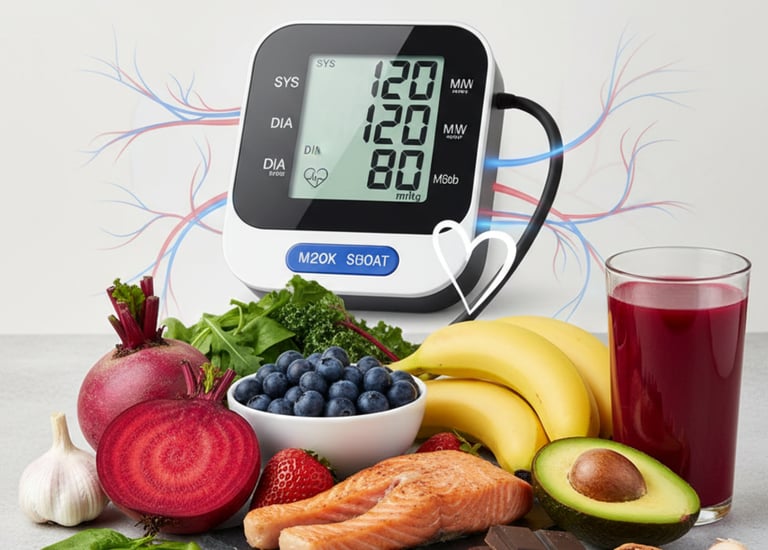
Foods That Lower Blood Pressure Naturally: The Complete Guide
By BiteBrightly 2 February 2026: This post might contain affiliate links.
Your doctor just told you your blood pressure is 145/95. "Prehypertension," they called it, scribbling a prescription for medication you'll need to take for the rest of your life. Side effects include dizziness, fatigue, persistent cough, and possibly sexual dysfunction. You're 42 years old, and the thought of daily medication for decades feels overwhelming. You ask about alternatives. "Lose some weight, reduce salt," your doctor says dismissively, already moving toward the door. If you're searching for foods that lower blood pressure naturally—proven, science-backed nutrition strategies that can reduce or even eliminate your need for medication—you're about to discover that your diet controls blood pressure far more powerfully than most doctors acknowledge.
High blood pressure (hypertension) is called the "silent killer" because it causes no symptoms while silently damaging your arteries, heart, brain, and kidneys. Over 116 million Americans have hypertension, and only about 1 in 4 have it under control. Most people discover it accidentally during routine checkups, often after years of damage. The standard medical approach is immediate medication—ACE inhibitors, beta-blockers, diuretics, calcium channel blockers—each with their own side effect profiles and none addressing the root cause.
What your doctor probably didn't mention: dietary changes can lower blood pressure as effectively as medication for many people, often within weeks. According to research published in JAMA, the DASH (Dietary Approaches to Stop Hypertension) diet lowers systolic blood pressure by an average of 11 points—comparable to many medications. For some people with stage 1 hypertension, dietary intervention alone brings blood pressure into normal range, eliminating medication need entirely.
The food-blood pressure connection operates through multiple mechanisms: potassium balance (counters sodium's effects), nitric oxide production (dilates blood vessels), inflammation reduction (protects arterial walls), endothelial function improvement (healthy vessel lining), weight management (every 10 lbs lost = 5-10 point drop), and insulin sensitivity (reduces vascular stress). These aren't minor effects—they're powerful, medication-level interventions that address the root causes rather than masking symptoms.
Research in Hypertension Journal demonstrates that specific foods—leafy greens, beets, berries, fatty fish, and others—contain compounds that directly lower blood pressure through measurable physiological pathways. The effects are dose-dependent (more intake = greater reduction), synergistic (combining foods amplifies effects), sustainable (works long-term without tolerance), and side-effect free (actually improves overall health simultaneously).
The medication approach manages symptoms while you continue dietary habits that caused hypertension. The nutritional approach reverses the underlying dysfunction, often eliminating the need for medication entirely. Many people reduce or discontinue blood pressure medications under medical supervision after implementing comprehensive dietary changes. Some never need medication at all.
This guide reveals the most powerful blood-pressure-lowering foods backed by clinical research, the specific mechanisms by which they work, optimal amounts and combinations for maximum effect, the DASH diet principles (gold standard for hypertension), foods that raise blood pressure (equally important to avoid), and realistic timelines for seeing results in your blood pressure readings.
Key Takeaways
Blood pressure is directly influenced by diet through multiple pathways: potassium-sodium balance, nitric oxide production, inflammation, and endothelial function
The DASH diet lowers blood pressure as effectively as many medications—11-point average reduction in systolic pressure
Potassium-rich foods are critical for blood pressure control; most Americans consume far too little
Leafy greens provide dietary nitrates that convert to nitric oxide, dilating blood vessels and lowering pressure
Beets have been shown in clinical trials to lower blood pressure within hours of consumption
Reducing sodium is important, but increasing potassium is equally or more critical for most people
Weight loss of just 10 pounds can reduce blood pressure by 5-10 points
Results are typically visible within 2-4 weeks of dietary changes, with maximum effects at 8-12 weeks
Many people reduce or eliminate blood pressure medication under medical supervision through sustained dietary changes
Understanding Blood Pressure and How Food Affects It
Before diving into specific foods, understanding blood pressure physiology helps you make strategic dietary choices.
What Blood Pressure Numbers Mean
Blood pressure measures the force of blood against arterial walls, expressed as two numbers:
Systolic pressure (top number): Pressure when your heart beats and pushes blood out. This reflects arterial stiffness and cardiac output.
Diastolic pressure (bottom number): Pressure when your heart rests between beats. This reflects arterial resistance and elasticity.
Blood pressure categories:
Normal: Less than 120/80 mmHg
Elevated: 120-129/less than 80
Stage 1 Hypertension: 130-139/80-89
Stage 2 Hypertension: 140+/90+
Hypertensive Crisis: 180+/120+ (medical emergency)
Both numbers matter. High systolic with normal diastolic (isolated systolic hypertension) is common in older adults and increases cardiovascular risk significantly. High diastolic indicates increased arterial resistance.
How Food Affects Blood Pressure
Diet influences blood pressure through several interconnected mechanisms:
Sodium-potassium balance: Sodium causes water retention, increasing blood volume and pressure. Potassium counters this by helping kidneys excrete sodium and relaxing blood vessel walls. The modern diet typically provides excessive sodium (3,400mg daily average) and insufficient potassium (2,640mg vs. 4,700mg recommended). According to research in The New England Journal of Medicine, increasing potassium intake while reducing sodium has powerful blood pressure-lowering effects.
Nitric oxide production: Dietary nitrates (from vegetables like beets and leafy greens) convert to nitric oxide in the body. Nitric oxide is a powerful vasodilator—it relaxes and widens blood vessels, reducing resistance and lowering pressure. This pathway works within hours of consumption.
Endothelial function: The endothelium is the thin lining of blood vessels. Healthy endothelium produces nitric oxide and regulates vessel tone. Oxidative stress and inflammation damage endothelial function, contributing to hypertension. Antioxidant-rich foods (berries, dark chocolate, olive oil) protect endothelial health.
Inflammation reduction: Chronic low-grade inflammation stiffens arteries and impairs their ability to dilate. Anti-inflammatory foods (omega-3 fatty acids, polyphenols, fiber) reduce vascular inflammation, improving arterial flexibility and lowering pressure.
Weight management: Excess weight, especially abdominal fat, increases blood pressure through multiple mechanisms including insulin resistance, inflammation, and increased cardiac workload. Studies show that losing just 5-10% of body weight significantly reduces blood pressure in overweight individuals.
Insulin sensitivity: Insulin resistance (common in metabolic syndrome) raises blood pressure by increasing sodium retention, activating the sympathetic nervous system, and impairing nitric oxide production. Foods that improve insulin sensitivity help lower blood pressure.
The DASH Diet: The Gold Standard
The DASH (Dietary Approaches to Stop Hypertension) diet was specifically designed to lower blood pressure and has been validated in multiple clinical trials. According to landmark research in The New England Journal of Medicine, the DASH diet:
Lowers systolic blood pressure by 11.4 points in hypertensive individuals
Lowers diastolic pressure by 5.5 points
Works within 2 weeks of implementation
Effects comparable to single-drug therapy
No side effects; actually improves overall health
DASH diet principles:
High in fruits and vegetables (8-10 servings daily)
Emphasizes whole grains over refined
Includes low-fat dairy
Moderate amounts of lean protein (fish, poultry, beans)
Rich in potassium, calcium, magnesium, and fiber
Low in sodium (ideally 1,500mg or less)
Limited saturated fat and sugar
The foods in this guide align with DASH principles while highlighting specific blood-pressure-lowering superstars.
Foods That Lower Blood Pressure Naturally
Category 1: Leafy Greens (Dietary Nitrates)
Leafy greens are among the most powerful blood-pressure-lowering foods due to their high nitrate content.
1. Spinach
One of the richest nitrate sources among commonly available vegetables.
Why it works: Spinach provides dietary nitrates that convert to nitric oxide, dilating blood vessels and reducing pressure. It's also rich in potassium (840mg per cooked cup), magnesium, and calcium—all important for blood pressure regulation. The combination of nutrients works synergistically.
How to use: 2-3 cups raw or 1-1.5 cups cooked daily. Add raw to smoothies, salads. Sauté with garlic and olive oil as a side dish. The nitrates are preserved whether raw or cooked.
Timeline: Blood pressure improvements visible within 2-4 weeks of regular consumption.
2. Kale
Nutritional powerhouse with impressive nitrate content plus antioxidants.
Why it works: Kale provides nitrates, potassium (296mg per cup raw), calcium, and powerful antioxidants (quercetin, kaempferol) that protect blood vessels from oxidative damage. The vitamin K supports arterial health.
How to use: 1-2 cups daily. Add to smoothies (raw), make kale chips, sauté, or massage raw kale with lemon and olive oil for salads.
3. Arugula (Rocket)
Highest nitrate content among commonly eaten greens.
Why it works: Arugula contains more nitrates than spinach or kale—over 250mg per 100g. Research shows arugula consumption significantly increases plasma nitrate levels and improves endothelial function.
How to use: 1-2 cups daily. Use as salad base, add to sandwiches, blend into pesto, or lightly sauté. Peppery flavor pairs well with olive oil and lemon.
4. Swiss Chard
Colorful greens with excellent potassium content.
Why it works: Swiss chard provides potassium (961mg per cooked cup—20% of daily needs!), magnesium, nitrates, and anti-inflammatory compounds. The combination supports healthy blood pressure through multiple pathways.
How to use: 1-2 cups cooked several times weekly. Sauté with garlic, add to soups, or use in omelets. Both leaves and stems are edible.
Category 2: Beets and Beet Juice (Nitrate Powerhouse)
Beets are perhaps the most well-studied blood-pressure-lowering food.
5. Beets (Fresh or Juice)
Clinical evidence for blood pressure reduction is extensive.
Why they work: Beets are extraordinarily rich in dietary nitrates (up to 250mg per 100g). Multiple clinical trials demonstrate that beet juice consumption lowers systolic blood pressure by 4-10 points within 3-6 hours of consumption, with effects lasting 24 hours. Chronic consumption (several weeks) produces sustained reductions. The mechanism is nitric oxide-mediated vasodilation.
How to use:
Fresh beets: 1-2 medium beets daily, roasted, steamed, or raw (grated in salads)
Beet juice: 8-16 oz (250-500ml) daily for clinical effect. Many studies use 500ml providing ~300-400mg nitrates.
Pro tips: Consume before exercise or activities for additional benefit. Some people see pink/red urine (beeturia)—this is harmless. Don't brush teeth immediately after (can stain).
Timeline: Acute effects (3-6 hours), sustained effects with regular use (2-4 weeks).
Category 3: Berries (Flavonoids and Anthocyanins)
Berries protect vascular health through powerful antioxidants.
6. Blueberries
Among the most studied fruits for cardiovascular health.
Why they work: Blueberries are rich in anthocyanins—flavonoid antioxidants that improve endothelial function, reduce arterial stiffness, and lower blood pressure. Research in the Journal of the Academy of Nutrition and Dietetics shows daily blueberry consumption (1 cup) lowers systolic pressure by 5-6 points over 8 weeks in hypertensive adults.
How to use: 1 cup daily (fresh or frozen—frozen may have higher anthocyanin content). Add to smoothies, oatmeal, yogurt, or eat as snack.
7. Strawberries
Delicious and cardiovascular-protective.
Why they work: Strawberries provide anthocyanins, vitamin C (149% daily value per cup), potassium, and anti-inflammatory compounds. Regular consumption improves endothelial function and reduces blood pressure.
How to use: 1 cup daily. Fresh is ideal but frozen works. Add to breakfast, smoothies, or salads.
8. Cranberries
Concentrated source of polyphenols.
Why they work: Cranberries (especially juice) provide proanthocyanidins and other polyphenols that improve endothelial function and reduce oxidative stress. Studies show cranberry juice consumption improves arterial function.
How to use: 8 oz unsweetened cranberry juice daily, or 1/4 cup dried cranberries. Choose low-sugar varieties (most commercial cranberry juice is heavily sweetened—look for 100% juice or cranberry juice cocktail with minimal added sugar).
Category 4: Potassium-Rich Foods
Potassium is critical for blood pressure control—most people don't get enough.
9. Bananas
Convenient, affordable potassium source.
Why they work: One medium banana provides ~420mg potassium (9% of the 4,700mg daily target). Potassium helps kidneys excrete excess sodium and relaxes blood vessel walls, lowering pressure. The sodium-potassium ratio matters more than sodium alone for many people.
How to use: 1-2 bananas daily. Ripe bananas are higher in antioxidants; less ripe are lower glycemic. Add to smoothies, oatmeal, or eat as convenient snack.
10. Sweet Potatoes
Nutrient-dense potassium powerhouse.
Why they work: One medium sweet potato provides 542mg potassium plus fiber, vitamins A and C, and anti-inflammatory compounds. The fiber slows digestion, preventing blood sugar spikes that can raise blood pressure.
How to use: 1 medium sweet potato (with skin) 3-5 times weekly. Bake, roast, or steam. Avoid excessive added fats which increase calories.
11. White Potatoes (with skin)
Often dismissed but actually very nutritious.
Why they work: One medium potato with skin provides 926mg potassium (20% of daily needs!)—more than bananas or sweet potatoes. Also provides vitamin C, B6, and fiber (in skin).
How to use: 1 medium potato with skin several times weekly. Bake, boil, or roast. Avoid french fries or excessive butter/sour cream which add unhealthy fats and sodium.
12. Avocados
Healthy fats plus potassium.
Why they work: One avocado provides 975mg potassium plus monounsaturated fats that support cardiovascular health. The combination of potassium, fiber, and healthy fats makes avocados excellent for blood pressure management.
How to use: 1/2 to 1 avocado daily. Add to salads, sandwiches, smoothies, or eat with eggs.
Category 5: Omega-3 Rich Fish (Anti-Inflammatory)
Omega-3 fatty acids reduce vascular inflammation and improve endothelial function.
13. Wild-Caught Salmon
Among the best sources of omega-3s.
Why it works: Salmon provides EPA and DHA omega-3 fatty acids (1,500-2,500mg per 4 oz serving) that reduce inflammation, improve endothelial function, and lower blood pressure. Multiple studies show omega-3 supplementation lowers blood pressure, with food sources providing additional nutrients (vitamin D, selenium, B vitamins).
How to use: 4-6 oz serving 2-3 times weekly. Choose wild-caught (higher omega-3, lower contaminants). Don't overcook (destroys omega-3s).
14. Mackerel
Oily fish rich in omega-3s.
Why it works: Mackerel provides even more omega-3s than salmon (up to 4,500mg per serving) plus vitamin D and selenium. Regular consumption reduces blood pressure and cardiovascular risk.
How to use: 3-4 oz serving 1-2 times weekly. Can be grilled, baked, or canned (choose low-sodium versions).
15. Sardines
Affordable, sustainable omega-3 source.
Why they work: Sardines provide omega-3s, calcium (from edible bones), vitamin D, and protein. The combination supports cardiovascular health from multiple angles.
How to use: One can (3-4 oz) 2-3 times weekly. Choose sardines packed in olive oil or water, not soybean oil. Low-sodium versions preferred.
Category 6: Nuts and Seeds (Magnesium and Healthy Fats)
Nuts provide magnesium, potassium, healthy fats, and fiber.
16. Almonds
Magnesium-rich cardiovascular protector.
Why they work: Almonds provide magnesium (76mg per oz), potassium, monounsaturated fats, fiber, and vitamin E. Research shows almond consumption lowers blood pressure in overweight and diabetic individuals.
How to use: 1 oz (23 almonds) daily. Raw or dry roasted (avoid excess salt and oils). Add to oatmeal, salads, or eat as snack.
17. Walnuts
Unique omega-3 profile among nuts.
Why they work: Walnuts provide ALA omega-3s (2,500mg per oz), l-arginine (precursor to nitric oxide), magnesium, and antioxidants. Studies show walnut consumption improves endothelial function and lowers blood pressure.
How to use: 1 oz (14 walnut halves) daily. Add to oatmeal, salads, or eat alone.
18. Flaxseeds
Plant-based omega-3 powerhouse.
Why they work: Flaxseeds provide ALA omega-3s (2,350mg per tablespoon ground), fiber (3g), and lignans (antioxidants). Clinical research shows flaxseed consumption (30g daily) lowers systolic pressure by 10 points and diastolic by 7 points—among the most powerful food interventions.
How to use: 1-2 tablespoons ground flaxseed daily. Must be ground for absorption (whole seeds pass through undigested). Add to smoothies, oatmeal, yogurt, or baked goods. Store ground flax in refrigerator.
19. Pumpkin Seeds
Magnesium and zinc source.
Why they work: Pumpkin seeds provide magnesium (156mg per oz), zinc, potassium, and healthy fats. The mineral content supports healthy blood pressure regulation.
How to use: 1 oz (about 2 tablespoons) daily. Raw or lightly roasted. Add to salads, oatmeal, or eat as snack.
Category 7: Garlic (Nitric Oxide and Blood Vessel Relaxation)
Garlic has been used medicinally for cardiovascular health for centuries.
20. Fresh Garlic
Powerful cardiovascular protector.
Why it works: Garlic contains allicin and other sulfur compounds that increase nitric oxide production, relax blood vessels, and reduce blood pressure. Meta-analysis of clinical trials shows garlic supplementation (equivalent to 1-2 cloves daily) lowers systolic pressure by 8-10 points and diastolic by 5-6 points in hypertensive individuals.
How to use: 1-2 raw cloves daily for maximum effect. Crush and let sit 10 minutes before cooking (activates allicin). Raw garlic is most potent but cooked still provides benefits. Add to salad dressings, hummus, sauces, or vegetables.
Note: Some people experience digestive upset. Start with small amounts. Odorless aged garlic extract supplements also show blood pressure benefits.
Category 8: Dark Chocolate and Cocoa (Flavanols)
Yes, chocolate can be medicine—if it's the right kind.
21. Dark Chocolate (70%+ Cacao)
Delicious cardiovascular medicine.
Why it works: Dark chocolate (70%+ cacao) provides flavanols that improve endothelial function, increase nitric oxide, and lower blood pressure. Research shows dark chocolate consumption (30-50g daily of high-flavanol chocolate) reduces systolic pressure by 2-3 points.
How to use: 1-2 oz (1-2 squares) of 70-85% dark chocolate daily. Higher cacao percentage = more flavanols but more bitter. Balance taste preference with cacao content. Avoid milk chocolate (too much sugar, minimal cacao).
Caution: Still calorie-dense. Account for calories in overall diet to prevent weight gain.
Category 9: Whole Grains (Fiber and Minerals)
Whole grains provide fiber, magnesium, and other nutrients that support healthy blood pressure.
22. Oats
Soluble fiber for cardiovascular health.
Why they work: Oats provide beta-glucan (soluble fiber) that lowers cholesterol and supports healthy blood pressure. They also provide magnesium, potassium, and antioxidants. Studies show regular oat consumption modestly lowers blood pressure.
How to use: 1/2 to 1 cup dry oats (steel-cut or rolled) for breakfast daily. Avoid instant oats with added sugar.
23. Quinoa
Complete protein grain with minerals.
Why it works: Quinoa provides magnesium, potassium, fiber, and all essential amino acids. The nutrient density supports overall cardiovascular health.
How to use: 1/2 to 1 cup cooked quinoa 3-5 times weekly. Use as rice alternative or in salads.
Category 10: Legumes (Fiber, Potassium, Magnesium)
Beans and lentils are DASH diet staples for good reason.
24. Lentils
Nutrient-dense, affordable blood pressure ally.
Why they work: Lentils provide potassium (731mg per cooked cup), magnesium (71mg), fiber (16g), and plant protein. The combination of nutrients and low glycemic index supports healthy blood pressure.
How to use: 1 cup cooked lentils 3-4 times weekly. Add to soups, salads, or make lentil-based dishes. Red lentils cook fastest.
25. Black Beans
Fiber and mineral powerhouse.
Why they work: Black beans provide potassium (611mg per cooked cup), magnesium (120mg), fiber (15g), and plant protein. Regular legume consumption is associated with lower blood pressure and cardiovascular risk.
How to use: 1/2 to 1 cup cooked beans 4-5 times weekly. Use in salads, soups, burritos, or as side dish. Rinse canned beans to reduce sodium.
Foods and Habits That Raise Blood Pressure
Sodium (Salt)
Why it's problematic: Excess sodium causes water retention, increasing blood volume and pressure. The average American consumes 3,400mg sodium daily—more than double the ideal 1,500mg limit for blood pressure management.
Hidden sources: 75% of dietary sodium comes from processed/restaurant foods, not the saltshaker. Bread, deli meats, canned soups, cheese, sauces, and condiments are major contributors.
Recommendation: Limit to 1,500-2,300mg daily. Read labels. Choose low-sodium versions. Cook at home more. Use herbs, spices, lemon, and vinegar for flavor instead of salt.
Processed and Packaged Foods
Why they're problematic: High in sodium, low in potassium, often contain trans fats and excessive sugar—a perfect storm for raising blood pressure.
What to avoid: Frozen dinners, instant noodles, packaged snacks, canned soups (unless low-sodium), deli meats, fast food.
Swap to: Whole foods prepared at home with minimal processing.
Excessive Alcohol
Why it's problematic: While moderate alcohol (1 drink for women, 2 for men) may have neutral or slightly protective cardiovascular effects, excessive consumption raises blood pressure significantly. Binge drinking causes acute blood pressure spikes.
Recommendation: Limit to moderate amounts or avoid entirely if blood pressure is elevated. Every drink above moderate increases systolic pressure by ~1.5 points.
Sugar and Refined Carbohydrates
Why they're problematic: Excess sugar and refined carbs cause insulin resistance, inflammation, and weight gain—all raising blood pressure. High fructose corn syrup may be particularly problematic.
What to avoid: Sugary drinks (soda, sweetened coffee drinks, fruit juice), candy, pastries, white bread, sugary cereals.
Swap to: Whole fruits (fiber slows sugar absorption), whole grains, water, unsweetened beverages.
Saturated and Trans Fats
Why they're problematic: Saturated fats (in excess) and trans fats increase LDL cholesterol, promote inflammation, and contribute to arterial stiffness—all raising cardiovascular risk and blood pressure.
What to limit: Red meat (especially fatty cuts), full-fat dairy (in excess), fried foods, commercially baked goods, margarine with trans fats.
Swap to: Lean proteins, fish, olive oil, nuts, avocados.
Caffeine (For Some People)
Why it can be problematic: Caffeine causes acute blood pressure increases (5-15 points) lasting 1-4 hours in some people, especially those not habituated to it. Regular consumers may develop tolerance, but caffeine-sensitive individuals may experience sustained elevations.
Recommendation: Monitor your response. If blood pressure spikes after coffee, limit to 1-2 cups daily or switch to decaf. Green tea provides less caffeine with additional cardiovascular benefits.
Creating Your Blood-Pressure-Lowering Diet
DASH Diet Implementation
The DASH diet is the proven, evidence-based approach. Here's how to implement it:
Daily targets:
Vegetables: 4-5 servings (especially leafy greens)
Fruits: 4-5 servings (especially berries)
Whole grains: 6-8 servings
Low-fat dairy: 2-3 servings
Lean protein (fish, poultry, beans): 6 oz or less
Nuts/seeds/legumes: 4-5 servings per week
Healthy fats: 2-3 servings
Sodium: 1,500-2,300mg or less
Added sugars: Minimal
Sample High-Potassium, Low-Sodium Day
Breakfast:
Steel-cut oatmeal (1 cup cooked)
1 banana
1 tablespoon ground flaxseed
Handful of blueberries
Unsweetened almond milk
Green tea
Mid-Morning Snack:
1 oz almonds
1 apple
Lunch:
Large spinach salad with arugula
4 oz grilled wild salmon
1/2 avocado
Cherry tomatoes, cucumbers, shredded carrots
Olive oil and lemon dressing
1 cup quinoa
Afternoon Snack:
8 oz beet juice
Small handful of walnuts
Dinner:
4 oz grilled chicken breast seasoned with garlic, herbs (no salt)
1 medium baked sweet potato (with skin)
2 cups steamed kale sautéed with olive oil and garlic
Side of black beans (1/2 cup)
Evening:
1 oz dark chocolate (70%+)
This provides:
Potassium: ~4,800mg (exceeds target!)
Sodium: <1,500mg (if using no added salt and low-sodium foods)
Fiber: 40g+
Healthy fats from salmon, nuts, avocado, olive oil
Multiple servings of blood-pressure-lowering foods
Balanced macros preventing blood sugar spikes
Sodium Reduction Strategies
Cook at home: Restaurant and processed foods are sodium bombs. Home cooking gives you control.
Read labels: Look for sodium content. Choose products with <140mg per serving (low sodium).
Use herbs and spices: Garlic, onion, herbs, lemon, vinegar, pepper, ginger, turmeric add flavor without sodium.
Rinse canned foods: Reduces sodium by 40%.
Choose fresh/frozen over canned: Vegetables, beans, fish.
Watch condiments: Ketchup, soy sauce, salad dressings, hot sauce are often very high in sodium. Choose low-sodium versions or make your own.
Gradual reduction: Your taste buds adapt. Reducing sodium gradually (over 2-3 weeks) makes the transition easier.
Weight Management
Every 10 pounds lost = 5-10 point drop in systolic blood pressure for overweight individuals.
Strategies:
Follow DASH diet (naturally creates calorie deficit while maintaining satiety due to high fiber)
Portion control (use smaller plates, measure servings initially)
Protein at every meal (supports satiety and muscle preservation)
Limit liquid calories (water, unsweetened beverages only)
Regular movement (150 minutes moderate exercise weekly supports both weight loss and direct blood pressure reduction)
Lifestyle Factors That Amplify Dietary Benefits
Exercise
Regular physical activity lowers blood pressure by 5-8 points on average. Combines synergistically with dietary changes for maximum effect.
Recommendations:
150 minutes moderate aerobic exercise weekly (brisk walking, cycling, swimming)
2 days resistance training
Daily movement (avoid prolonged sitting)
Stress Management
Chronic stress elevates blood pressure through cortisol and sympathetic nervous system activation.
Effective approaches:
Deep breathing exercises
Meditation/mindfulness (8-week program can lower pressure 5-10 points)
Yoga
Adequate sleep (7-9 hours nightly)
Time in nature
Smoking Cessation
Smoking acutely raises blood pressure and damages blood vessels. Quitting provides immediate cardiovascular benefits.
Alcohol Moderation
Limit to 1 drink daily (women) or 2 (men). Binge drinking significantly raises blood pressure.
Sleep Quality
Sleep apnea and insufficient sleep raise blood pressure. Aim for 7-9 hours quality sleep. Get evaluated for sleep apnea if you snore loudly or wake unrefreshed.
Timeline: When to Expect Results
Week 1-2:
Sodium reduction shows quick effects (2-3 points)
Increased potassium intake begins working
Some people notice improvements within days
Week 2-4:
Dietary changes producing measurable effects
DASH diet typically shows results by week 2
Expect 5-8 point reductions from diet alone
Beet juice users see effects within hours to days
Week 4-8:
Continued improvements as habits solidify
Weight loss (if applicable) contributing to reductions
Cumulative effects of multiple dietary changes
Month 3-6:
Maximum dietary effects achieved (8-12+ points for comprehensive changes)
Potential medication reduction (with doctor supervision)
Sustainable new habits formed
Individual results vary based on:
Starting blood pressure (higher baseline = greater potential reduction)
Consistency with dietary changes
Weight loss (if overweight)
Medication use
Other lifestyle factors (exercise, stress, sleep)
Underlying conditions (kidney disease, diabetes)
Working With Your Doctor
Important: Never discontinue blood pressure medication without medical supervision. Sudden discontinuation can be dangerous.
How to approach medication reduction:
Start dietary changes while continuing medication. Monitor blood pressure at home (get a quality home monitor).
Track your numbers. Record blood pressure 2x daily (morning and evening, same times). Share log with doctor.
Communicate with your doctor about your dietary changes and interest in reducing medication as blood pressure improves.
Expect gradual reduction. Doctors typically reduce medication dosages incrementally while monitoring response.
Some people eliminate medications entirely; others reduce dosage but maintain low-dose medication. Both are wins.
Continue healthy diet even if medication-free. This sustains improvements and prevents return of hypertension.
Supplements Worth Considering
While food should be primary, some supplements have blood-pressure-lowering evidence:
Beet root powder: If fresh beet juice is impractical, beet powder (5-10g daily) provides similar nitrate content.
Aged garlic extract: Odorless supplement form shows blood pressure benefits (600-1,200mg daily).
Omega-3 fish oil: If not eating fatty fish 2-3x weekly, consider supplement (2-3g combined EPA/DHA daily).
Magnesium: If deficient (many are), supplementation (300-400mg daily) can lower blood pressure. Magnesium glycinate or citrate preferred.
Potassium: Only supplement under medical supervision (can be dangerous with certain conditions or medications). Get potassium from food.
CoQ10: Some evidence for blood pressure reduction (100-200mg daily), especially in people taking statins (which deplete CoQ10).
Always consult your doctor before starting supplements, especially if taking blood pressure medication or other drugs.
Conclusion
High blood pressure is not a life sentence of medication. For many people, comprehensive dietary changes lower blood pressure as effectively as pharmaceutical intervention—without side effects, and with the bonus of improving overall health, energy, weight, and disease risk.
The foods in this guide aren't exotic or expensive. Leafy greens, beets, berries, fatty fish, nuts, whole grains, beans, and potassium-rich vegetables and fruits are available everywhere. Strategic combination—following DASH diet principles, emphasizing potassium-rich and nitrate-rich foods, reducing sodium and processed foods, maintaining healthy weight—creates powerful, medication-level blood pressure reductions.
Most people see results within 2-4 weeks. Some reduce or eliminate medications within months under medical supervision. Those who don't eliminate medications still benefit enormously—better blood pressure control with same or lower medication doses, and dramatically improved overall health.
Your blood pressure readings don't define you. They're feedback about your current physiological state, and that state is largely under your dietary control. The doctor who told you that you need lifelong medication may have been right given your diet at that moment. But change the diet, change the physiology, change the blood pressure—and potentially change the medication need.
Yes, lifestyle change requires more effort than swallowing a pill. But consider: daily medication with side effects for decades, or several weeks of dietary adjustment creating lasting improvements in blood pressure and overall health? For most people with stage 1 hypertension (130-139/80-89), dietary intervention deserves a serious trial before committing to lifelong medication.
The research is clear. The mechanisms are understood. The foods are accessible. All that's missing is your action.
Start today. Add leafy greens to your breakfast smoothie. Snack on an extra banana. Have beet juice before exercise. Cook with garlic. Choose salmon instead of steak. These simple swaps, repeated consistently, create measurable blood pressure reductions within weeks.
Your arteries, heart, brain, and kidneys will thank you—and your blood pressure numbers will prove it.
To healthy blood pressure and vibrant cardiovascular health!
References and Further Reading
For more information on blood pressure and diet, consult these authoritative sources:
American Heart Association - Understanding Blood Pressure Readings
Comprehensive information on blood pressure categories, measurement, and management from the AHA.National Heart, Lung, and Blood Institute - DASH Eating Plan
Official DASH diet guidelines and resources from the NIH institute that developed the diet.Harvard T.H. Chan School of Public Health - Blood Pressure and Diet
Evidence-based guidance on diet and cardiovascular health from Harvard nutrition experts.
Frequently Asked Questions
How quickly can a diet lower my blood pressure?
Most people see initial improvements within 2-4 weeks of implementing dietary changes, with maximum effects at 8-12 weeks. The DASH diet typically shows measurable results within 2 weeks. Acute interventions like beet juice can lower blood pressure within hours. However, sustained dietary changes are needed for lasting effects. If you're significantly overweight, weight loss (which takes longer) contributes additional reductions over time.
Can I stop taking my blood pressure medication if my diet improves my numbers?
Never stop blood pressure medication without consulting your doctor—sudden discontinuation can be dangerous. The proper approach is to implement dietary changes while continuing medication, monitor your blood pressure at home, share your readings with your doctor, and work with them to gradually reduce medication if your numbers improve consistently. Many people successfully reduce or eliminate medications under medical supervision, but this should always be done collaboratively with your healthcare provider.
Is the DASH diet the only effective diet for blood pressure?
No, while the DASH diet has the most clinical evidence, other dietary patterns also lower blood pressure effectively: the Mediterranean diet (similar principles, more olive oil and fish), plant-based diets (naturally high in potassium and fiber, low in saturated fat), and low-sodium diets. The common themes are: high intake of fruits/vegetables/whole grains, limited processed foods, adequate potassium, limited sodium, and healthy fats. Choose an approach you can sustain long-term.
How much sodium should I consume if I have high blood pressure?
The American Heart Association recommends no more than 1,500mg sodium daily for people with high blood pressure, though even 2,300mg (the general population limit) provides benefits compared to the typical 3,400mg American intake. The lower the better for blood pressure, but balance this with sustainability—drastic overnight changes are hard to maintain. Gradual reduction over 2-3 weeks helps your taste buds adapt. Focus equally on increasing potassium, which may be as important as reducing sodium.
Are there any foods I should completely avoid?
While I don't advocate absolute restriction (which often backfires), minimize or eliminate: processed foods high in sodium (frozen dinners, canned soups, deli meats, fast food), sugary beverages (soda, sweetened coffee drinks, fruit juice), excessive alcohol (more than moderate intake), and trans fats (partially hydrogenated oils in some processed foods). If you're particularly sensitive, also limit caffeine. Focus more on what to add (blood-pressure-lowering foods) than strict avoidance—crowding out unhealthy foods with healthy ones is more sustainable.
Do I need to drink beet juice every day to see benefits?
Beet juice provides acute (immediate) and chronic (long-term) benefits. While daily consumption isn't strictly necessary, regular intake (4-7 times weekly) provides the most consistent benefits. Many studies showing significant blood pressure reductions use 250-500ml daily. If drinking beet juice is impractical, eating whole beets (1-2 medium beets daily) or using beet root powder supplements also provides nitrates. Other nitrate-rich foods (leafy greens, arugula) contribute similarly.
Will losing weight help my blood pressure even if I don't change what I eat?
Yes—weight loss alone lowers blood pressure, averaging 5-10 points reduction for every 10 pounds lost in overweight individuals. However, the healthiest approach combines weight loss with dietary improvement. Eating blood-pressure-friendly foods (high in potassium, low in sodium) while creating a calorie deficit for weight loss provides additive benefits. Many people find that focusing on food quality (whole foods, DASH diet principles) naturally creates the calorie deficit needed for weight loss while also directly lowering blood pressure through multiple mechanisms.
Can I have coffee if I have high blood pressure?
Caffeine causes acute blood pressure spikes (5-15 points) lasting 1-4 hours, but regular coffee drinkers develop tolerance to this effect. If you don't regularly consume caffeine, it will temporarily raise your pressure. If you drink coffee daily, you've likely adapted. The healthiest approach: limit to 1-2 cups daily, avoid late in the day, and monitor your personal response (check blood pressure before and 30 minutes after coffee). Green tea provides less caffeine with additional cardiovascular benefits and may be a better choice.
Is dark chocolate really good for blood pressure, or is that just wishful thinking?
It's actually supported by research—dark chocolate (70%+ cacao) contains flavanols that improve endothelial function and modestly lower blood pressure (2-3 point reduction in meta-analyses). However, effects require: high-cacao percentage (70%+), reasonable portion size (1-2 oz/30-50g daily), and accounting for calories in overall diet to prevent weight gain. Milk chocolate doesn't provide the same benefits (too much sugar, too little cacao). Think of dark chocolate as a supplement to an overall healthy diet, not a magic bullet.
How important is potassium compared to reducing sodium?
Both matter significantly, and the ratio between them may be most important. Many studies show that increasing potassium intake has blood-pressure-lowering effects independent of sodium reduction. For most Americans, increasing potassium is actually more important than reducing sodium because we consume far too little potassium (2,600mg vs 4,700mg recommended) while consuming excess sodium. The ideal approach: increase potassium-rich foods (fruits, vegetables, beans, fish) while reducing processed foods high in sodium. This simultaneously addresses both sides of the equation.
About Author
Judith Tsanga is an Applied Biosciences & Biotechnology graduate with an Advanced Level qualification in Food Science, and the founder of BiteBrightly. Her passion for food as medicine began with her own experience: after making targeted dietary changes, she noticed a meaningful improvement in her eyesight — a personal transformation that inspired her mission to share evidence-based nutrition insights that help others eat well and heal boldly. Content on BiteBrightly is for educational purposes and isn't a substitute for advice from your doctor or dietitian.
Follow on Pinterest for daily health tips, recipes, and wellness inspiration.
Important Notice: The information in this article is for educational purposes only and is not intended as medical advice or to replace professional medical treatment. Always consult your healthcare provider before making any dietary changes, starting supplements, or implementing health recommendations, especially if you have medical conditions, take medications, are pregnant, or nursing. This information is not intended to replace your prescribed medications or treatment plans. Individual results vary based on genetics, health status, and lifestyle factors.
Related posts
Connect
Join our newsletter for fresh health tips
© 2026. All rights reserved.