Foods That Lower Cholesterol Naturally: The Complete Guide
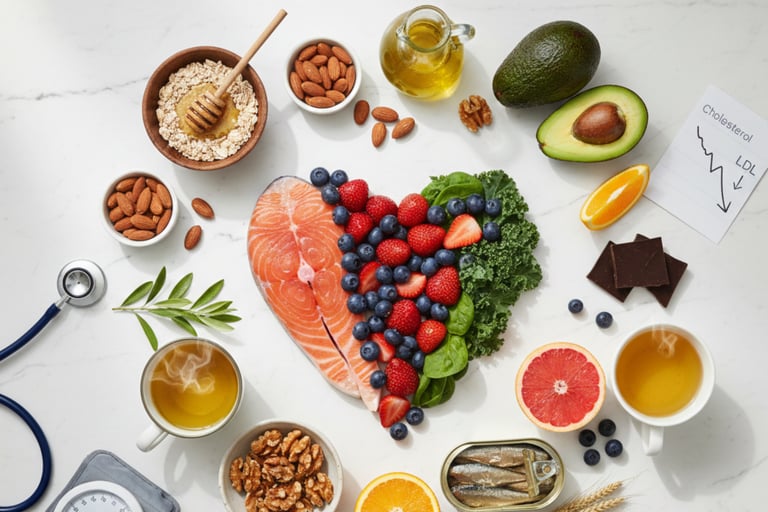
Discover 18 foods that lower cholesterol by 25-35% naturally. Evidence-based guide to reducing LDL without statins. See results in 4-8 weeks. Complete plan.
by BiteBrightly
1/21/202637 min read
Foods That Lower Cholesterol Naturally: The Complete Guide
By BiteBrightly 21 January 2026: This post might contain affiliate links.
High cholesterol terrifies you every time you get blood work. The numbers keep creeping up—200, 220, 240—and your doctor mentions statins again. You've tried cutting back on eggs and red meat, switched to low-fat everything, avoided butter like it's poison. Yet your cholesterol remains stubbornly high.
Meanwhile, the medication conversation looms. Statins might lower your numbers, but the side effects concern you: muscle pain, liver problems, memory issues, diabetes risk. You've heard the stories. You wonder if there's another way—a food-based approach that actually works without turning you into a pharmaceutical patient for life.
Here's what most people don't understand about cholesterol: it's not the dietary villain you've been taught to fear. Your body produces about 75% of your cholesterol regardless of what you eat. The remaining 25% comes from food, but even this is more nuanced than "cholesterol in food equals cholesterol in blood." According to research published in the Journal of the American College of Cardiology, the real culprits driving dangerous cholesterol levels are inflammation, oxidative stress, insulin resistance, and poor liver function—all of which respond dramatically to specific foods.
The pharmaceutical approach treats cholesterol as a simple numbers game: drive LDL down with drugs, problem solved. But this ignores why your cholesterol is high in the first place. Your body produces cholesterol for essential functions—hormone production, vitamin D synthesis, cell membrane formation, brain health. When you have chronic inflammation, your liver ramps up cholesterol production because cholesterol is part of your immune response and tissue repair system. Blocking production with statins doesn't address the underlying inflammation driving the problem.
The food-based approach is fundamentally different. Instead of artificially suppressing cholesterol production, strategic nutrition addresses root causes: reducing inflammation, improving insulin sensitivity, supporting liver function, providing antioxidants that prevent LDL oxidation (the real danger), and supplying nutrients that help your body properly metabolize and excrete excess cholesterol.
This isn't about eating bland, tasteless "heart-healthy" foods that leave you hungry and miserable. It's about understanding which foods contain compounds that actively lower cholesterol through multiple mechanisms—soluble fiber that binds cholesterol in your gut, plant sterols that block cholesterol absorption, polyphenols that reduce inflammation and prevent LDL oxidation, healthy fats that improve your cholesterol profile.
Research in Nutrition Reviews is clear and extensive: specific foods can reduce total cholesterol by 10-30%, lower LDL by 15-35%, raise HDL, and reduce triglycerides—results comparable to statin drugs but achieved through nutrition, without side effects, while improving overall health markers simultaneously.
This comprehensive guide reveals exactly which foods lower cholesterol most effectively, how much you need to eat, how quickly you'll see results, and how to implement a cholesterol-lowering diet that's actually sustainable and enjoyable. Whether your cholesterol is borderline high or dangerously elevated, whether you want to avoid medication or reduce your current dose, this evidence-based approach provides a roadmap to healthy cholesterol levels through strategic nutrition.
Key Takeaways
Soluble fiber from oats, beans, and certain fruits can lower LDL cholesterol by 5-15% within weeks
Plant sterols and stanols block cholesterol absorption, reducing LDL by 10-15% when consumed regularly
Specific nuts (especially almonds and walnuts) lower LDL while raising HDL through multiple mechanisms
Fatty fish rich in omega-3s reduce triglycerides and inflammation while improving overall cholesterol ratios
Foods that lower cholesterol work through different mechanisms—combining them creates synergistic effects
Most people see measurable cholesterol improvements within 4-12 weeks of dietary changes
Dietary cholesterol (from eggs, shrimp) has minimal impact on blood cholesterol for most people—focus instead on inflammatory foods and trans fats
A comprehensive food-based approach can reduce cholesterol as effectively as low-dose statins for many people
Understanding Cholesterol: Beyond the Numbers
Before diving into specific foods, understanding how cholesterol actually works helps you make strategic dietary choices and set realistic expectations.
What Cholesterol Actually Is
Cholesterol is a waxy, fat-like substance essential for life. Your body uses cholesterol to build cell membranes, produce hormones (including testosterone, estrogen, cortisol), synthesize vitamin D, create bile acids for fat digestion, and support brain function. Every cell in your body contains cholesterol.
Your liver produces about 1,000 milligrams of cholesterol daily—roughly 75% of the cholesterol in your body comes from internal production, not dietary intake. This is why cutting dietary cholesterol often has minimal impact on blood levels. Your liver regulates production based on how much cholesterol you consume, eating more triggers your liver to produce less, and vice versa (for most people).
Cholesterol doesn't dissolve in blood (it's fat-based while blood is water-based), so your body packages it into lipoproteins—protein carriers that transport cholesterol through your bloodstream.
The Different Types of Cholesterol
When you get a cholesterol test, you're actually measuring different lipoprotein carriers, not cholesterol itself:
LDL (Low-Density Lipoprotein) - "Bad" Cholesterol: LDL carries cholesterol from your liver to cells throughout your body. Problems arise when you have too much LDL, especially when that LDL becomes oxidized (damaged by free radicals). According to research in Circulation, oxidized LDL triggers inflammation, embeds in arterial walls, and contributes to plaque formation. Not all LDL is equally dangerous—large, fluffy LDL particles are relatively benign, while small, dense LDL particles are highly atherogenic (plaque-forming). Standard cholesterol tests don't distinguish between these types.
HDL (High-Density Lipoprotein) - "Good" Cholesterol: HDL transports cholesterol from your body's tissues back to your liver for disposal through a process called reverse cholesterol transport. Higher HDL is protective against heart disease. HDL also has anti-inflammatory and antioxidant properties, helping prevent LDL oxidation.
VLDL (Very Low-Density Lipoprotein): Produced by your liver, VLDL carries triglycerides (fat) to tissues. High VLDL contributes to plaque formation similar to LDL.
Triglycerides: Not cholesterol but fat molecules in your blood. High triglycerides often indicate insulin resistance, excessive sugar/carb intake, or fatty liver disease. Elevated triglycerides combined with low HDL is a particularly dangerous pattern associated with metabolic syndrome and high cardiovascular risk.
Total Cholesterol: The sum of LDL + HDL + (triglycerides ÷ 5). This number alone tells you very little—someone with high total cholesterol could be healthy if their HDL is very high, or very unhealthy if their LDL is elevated and HDL is low.
What "Healthy" Cholesterol Levels Look Like
Standard medical guidelines suggest:
Total cholesterol: Under 200 mg/dL
LDL cholesterol: Under 100 mg/dL (under 70 for high-risk individuals)
HDL cholesterol: Above 40 mg/dL for men, above 50 for women (higher is better)
Triglycerides: Under 150 mg/dL
Total cholesterol to HDL ratio: Under 4.0 (lower is better)
However, these numbers don't tell the complete story. More important markers include:
LDL particle number (measured by advanced lipid testing): More predictive of heart disease risk than total LDL
LDL particle size: Small, dense particles are dangerous; large, fluffy particles are benign
Triglyceride to HDL ratio: Below 2.0 is ideal; above 4.0 indicates insulin resistance
Inflammation markers (hs-CRP): Inflammation is often more dangerous than cholesterol itself
The Real Danger: Oxidation and Inflammation
Cholesterol itself isn't inherently dangerous—oxidized, damaged cholesterol is the problem. When LDL particles encounter free radicals (from inflammation, smoking, pollution, poor diet, stress), they become oxidized. Your immune system recognizes oxidized LDL as foreign and dangerous, triggering an inflammatory response. White blood cells engulf oxidized LDL, forming foam cells that accumulate in arterial walls, creating plaque.
This is why antioxidant-rich foods are crucial for cholesterol management—they prevent LDL oxidation, breaking the disease cascade at its source. You could have moderately elevated LDL but if it's not oxidizing, your cardiovascular risk is lower than someone with slightly lower LDL that's highly oxidized.
Chronic inflammation from any source (poor diet, obesity, insulin resistance, chronic infections, stress, poor sleep) drives cholesterol problems. Reducing inflammation through diet often normalizes cholesterol levels naturally without directly targeting cholesterol.
How Diet Affects Cholesterol
Foods influence cholesterol through multiple mechanisms:
Cholesterol absorption: Dietary cholesterol has surprisingly little impact on blood cholesterol for about 75% of people. When you eat more cholesterol, your liver produces less to compensate. However, about 25% of people are "hyper-responders" whose blood cholesterol does increase with dietary intake.
Liver production: Saturated fat, trans fat, and excess calories (especially from sugar/refined carbs) increase liver cholesterol production. However, the type of saturated fat matters—some sources (coconut oil, dark chocolate) may not raise LDL like others do.
Cholesterol excretion: Soluble fiber, plant sterols, and certain compounds help your body excrete cholesterol through bile and stool, reducing total body cholesterol.
Inflammation and oxidation: Anti-inflammatory foods and antioxidants prevent the oxidative damage that makes LDL dangerous.
Insulin sensitivity: Foods that improve insulin sensitivity and reduce blood sugar spikes help normalize cholesterol. High insulin drives liver cholesterol production.
Gut bacteria: Your microbiome affects cholesterol metabolism. Certain beneficial bacteria help metabolize cholesterol and bile acids, reducing total cholesterol.
Foods That Lower Cholesterol Most Effectively
Category 1: Soluble Fiber Champions
Soluble fiber is the most powerful dietary tool for lowering cholesterol. Unlike insoluble fiber (which adds bulk to stool), soluble fiber dissolves in water, forming a gel-like substance in your digestive tract. This gel binds to cholesterol and bile acids (made from cholesterol), carrying them out of your body before they can be absorbed.
Your liver must then pull cholesterol from your blood to produce more bile acids, lowering blood cholesterol levels. Additionally, when gut bacteria ferment soluble fiber, they produce short-chain fatty acids that may reduce liver cholesterol production.
1. Oats and Oat Bran
Oats contain beta-glucan, a uniquely powerful form of soluble fiber that has been extensively studied for cholesterol reduction.
Why they work: According to research in the American Journal of Clinical Nutrition, 3 grams of beta-glucan daily (the amount in about 1.5 cups of cooked oatmeal or 3/4 cup oat bran) reduces LDL cholesterol by 5-10% in 4-6 weeks. Beta-glucan is so effective that the FDA approved a health claim allowing oat products to advertise cholesterol-lowering benefits.
Beta-glucan forms a viscous gel in your small intestine that traps cholesterol-rich bile acids, preventing their reabsorption. Your liver must use blood cholesterol to make new bile acids, lowering LDL levels. The effect is dose-dependent—more beta-glucan means more cholesterol reduction.
How to use: Eat oatmeal daily for breakfast (1-1.5 cups cooked). Steel-cut oats and old-fashioned rolled oats both work; instant oats have slightly less beta-glucan but still provide benefits. Oat bran is more concentrated—just 1/3 cup daily provides significant beta-glucan. Add oat bran to smoothies, yogurt, or use in baking. Combine oats with other cholesterol-lowering foods (berries, nuts, cinnamon) for synergistic effects.
2. Barley
Like oats, barley is rich in beta-glucan soluble fiber.
Why it works: Studies show barley reduces LDL by 7-10% when consumed regularly. Whole grain barley (hulled or hull-less) provides more fiber than pearled barley but both offer benefits. Barley's beta-glucan content rivals oats, and combining both grains may provide superior cholesterol reduction.
How to use: Add cooked barley to soups, stews, and salads. Use barley as a rice substitute for side dishes. Cook 1/2-1 cup dried barley (yields 1.5-3 cups cooked) several times weekly. Barley flour can partially replace wheat flour in baking.
3. Beans and Legumes
All beans (black beans, kidney beans, chickpeas, lentils, navy beans, pinto beans) are excellent sources of soluble fiber, providing 5-8 grams of fiber per cooked cup.
Why they work: A meta-analysis published in the Canadian Medical Association Journal found that eating 1/2 cup beans daily reduces LDL cholesterol by about 5%. The effect is due to soluble fiber content plus plant sterols, protein that replaces saturated fat sources, and beneficial effects on gut bacteria. Beans also help with blood sugar control and weight management, both of which influence cholesterol.
How to use: Aim for at least 1/2 cup beans daily (ideally 1 cup or more). Add to salads, soups, tacos, grain bowls, or eat as hummus. Black bean burgers, lentil dal, and bean-based chili are all cholesterol-friendly options. Canned beans are convenient; rinse to reduce sodium.
4. Psyllium Husk
Psyllium is an incredibly potent source of soluble fiber derived from the seeds of Plantago ovata.
Why it works: Studies show 10-12 grams of psyllium daily (about 1 tablespoon) can reduce LDL by 5-10%. Psyllium forms an extremely viscous gel that effectively binds bile acids. The FDA has approved a cholesterol-lowering health claim for psyllium. It's often more effective gram-for-gram than other fiber sources due to its unique viscosity.
How to use: Start with 1 teaspoon and gradually increase to 1 tablespoon daily to avoid digestive upset. Mix into water or juice and drink immediately (it gels quickly). Add to smoothies, oatmeal, or yogurt. Always consume with plenty of water (at least 8 oz per teaspoon). Take psyllium 2-3 hours away from medications or supplements as it can interfere with absorption.
5. Apples
"An apple a day" has merit for cholesterol—apples contain pectin, a soluble fiber that reduces cholesterol absorption.
Why they work: Studies show eating 2-3 apples daily can reduce total cholesterol by 5-10%. The pectin in apples (especially in the peel) binds cholesterol in the gut. Apples also provide polyphenols, particularly quercetin, which has anti-inflammatory and antioxidant properties that prevent LDL oxidation.
How to use: Eat 1-2 whole apples daily (with peel). Any variety works, though some research suggests Granny Smith apples may have particularly beneficial effects on gut bacteria. Baked apples, apple slices with nut butter, or chopped apples in oatmeal are all good options. Applesauce provides pectin but less of the beneficial polyphenols found in whole apples.
6. Citrus Fruits
Oranges, grapefruits, and lemons contain pectin similar to apples.
Why they work: Studies on grapefruit show 2-3 grapefruits daily can lower LDL by 15-20%, likely due to high pectin content plus flavonoids like naringenin that improve cholesterol metabolism. The white pith contains the most pectin, so eat whole segments rather than just drinking juice.
How to use: Eat 1-2 whole citrus fruits daily. Half a grapefruit at breakfast, orange segments as snacks, or lemon in water throughout the day all contribute. Be aware that grapefruit can interact with many medications, including statins—consult your doctor if you take medication regularly.
Category 2: Plant Sterols and Stanols
Plant sterols and stanols are compounds structurally similar to cholesterol that compete with cholesterol for absorption in your intestines. When plant sterols occupy absorption sites, dietary cholesterol and reabsorbed bile cholesterol pass through your system unabsorbed.
7. Nuts and Seeds
Many nuts, especially almonds, walnuts, and pistachios, contain plant sterols along with healthy fats, fiber, and protein.
Why they work: Consuming 1.5-2 ounces (about 1/3 cup) of nuts daily reduces LDL by 5-10%. Nuts work through multiple mechanisms: plant sterols block cholesterol absorption, monounsaturated and polyunsaturated fats improve cholesterol ratios, fiber aids excretion, and antioxidants prevent LDL oxidation.
Almonds are particularly well-studied—research shows 1.5 ounces daily reduces LDL by 4-8% after just 4 weeks. Walnuts provide omega-3 ALA (alpha-linolenic acid) that reduces inflammation and triglycerides. Pistachios contain the highest plant sterol content of commonly consumed nuts.
How to use: Eat 1.5-2 ounces (30-45 grams) daily. That's about 23 almonds, 14 walnut halves, or 49 pistachios. Raw or dry-roasted nuts are best (avoid those roasted in inflammatory oils or heavily salted). Add to oatmeal, salads, or eat as snacks. Nut butters count too—2 tablespoons provides similar benefits to whole nuts.
8. Seeds (Chia, Flax, Hemp)
Seeds provide plant sterols plus omega-3 fatty acids and fiber.
Why they work: Flaxseeds are particularly studied for cholesterol—2-3 tablespoons ground flaxseed daily can reduce total cholesterol by 6-11% and LDL by 9-18%. The combination of soluble fiber, omega-3 ALA, and lignans (phytoestrogens with antioxidant properties) creates powerful cholesterol-lowering effects. Chia seeds similarly provide omega-3s and gel-forming soluble fiber.
How to use: Grind flaxseeds fresh or buy pre-ground and refrigerate (whole seeds pass through undigested). Add 2-3 tablespoons ground flaxseed or chia seeds to smoothies, oatmeal, yogurt, or baked goods. Chia seeds gel when wet—use in puddings or as egg replacements in baking. Hemp seeds (2-3 tablespoons daily) provide protein, omega-3s, and sterols.
9. Fortified Foods
Some foods are fortified with concentrated plant sterols/stanols—these include certain margarines (Benecol, Smart Balance), orange juice, yogurt drinks, and nutrition bars.
Why they work: Consuming 2 grams of plant sterols/stanols daily (the therapeutic dose) reduces LDL by 8-10% in most people. This amount is difficult to get from unfortified whole foods alone, making fortified products useful tools. The effect plateaus around 2-3 grams daily—more doesn't provide additional benefits.
How to use: If choosing fortified products, consume with meals (plant sterols work best when eaten with foods containing cholesterol and fat). Common dosing: 2 tablespoons sterol-fortified margarine spread, 8 oz fortified orange juice, or 1-2 servings fortified yogurt provides approximately 1 gram sterols. Space throughout the day with meals for best effect. Continue eating whole food sources (nuts, seeds, beans) for additional benefits beyond sterols alone.
Category 3: Healthy Fats That Improve Cholesterol Profile
Not all fats affect cholesterol equally. While saturated fats and trans fats generally raise LDL, certain fats improve your overall cholesterol profile.
10. Extra Virgin Olive Oil
Olive oil, especially extra virgin olive oil (EVOO), is the cornerstone of the Mediterranean diet and extensively studied for heart health.
Why it works: According to research in Nutrients, EVOO contains monounsaturated fats (primarily oleic acid) that lower LDL while maintaining or raising HDL. Additionally, EVOO is rich in polyphenols—antioxidant compounds that prevent LDL oxidation (remember, oxidized LDL is the real danger). Studies show replacing saturated fats with EVOO reduces LDL by 5-15%. The polyphenol content varies widely among olive oils—higher-quality EVOO with robust flavor contains more protective polyphenols.
How to use: Use 2-4 tablespoons daily as your primary fat source. Replace butter, margarine, and inflammatory vegetable oils with EVOO. Use in salad dressings, drizzle on vegetables, cook at medium heat (EVOO is more stable than commonly believed), or use as bread dip instead of butter. Choose high-quality EVOO in dark bottles with recent harvest dates for maximum polyphenols.
11. Avocados
Avocados provide monounsaturated fats, fiber, plant sterols, and potassium.
Why they work: Studies show eating one avocado daily reduces LDL by 10-15% while raising HDL in people with high cholesterol. The combination of monounsaturated fat (which improves cholesterol ratios), soluble fiber (which binds cholesterol), and beta-sitosterol (a plant sterol) creates multiple cholesterol-lowering mechanisms. Avocados also reduce small, dense LDL particles (the most dangerous type) more effectively than reducing total LDL.
How to use: Eat 1/2 to 1 whole avocado daily. Add to salads, smoothies, sandwiches, or eat plain with salt and lime. Use mashed avocado as a butter or mayo replacement. One medium avocado contains about 240 calories, so factor into total caloric needs if managing weight.
12. Fatty Fish (Salmon, Mackerel, Sardines, Herring)
Fatty fish are the richest sources of omega-3 fatty acids EPA and DHA.
Why they work: While omega-3s don't lower LDL significantly, they powerfully reduce triglycerides (by 20-30%), reduce inflammation, prevent blood clotting, stabilize plaque, and modestly raise HDL. The anti-inflammatory effects of omega-3s help prevent LDL oxidation and stabilize existing arterial plaque. For people with high triglycerides, omega-3s are especially beneficial. Studies show eating fatty fish 2-3 times weekly reduces cardiovascular disease risk by 30-40%.
How to use: Eat 3-4 ounces fatty fish 2-3 times weekly (preferably 3-4 times). Wild salmon, mackerel, sardines, herring, and anchovies all provide high omega-3 content. Canned sardines and salmon are convenient, affordable options. If not eating fish, consider algae-based omega-3 supplements (vegetarian source of EPA/DHA).
Category 4: Antioxidant-Rich Foods That Prevent LDL Oxidation
Preventing LDL oxidation is as important as lowering LDL levels. Antioxidants neutralize free radicals before they can oxidize LDL.
13. Berries
Blueberries, strawberries, raspberries, and blackberries are packed with anthocyanins and other polyphenol antioxidants.
Why they work: Studies show regular berry consumption (1-2 cups daily) reduces LDL oxidation, improves HDL function, and may reduce LDL levels modestly (3-5%). The anthocyanins in berries are powerful antioxidants that prevent LDL from oxidizing into its dangerous form. Berries also provide fiber and have minimal impact on blood sugar despite their sweetness.
How to use: Eat 1-2 cups mixed berries daily. Add to oatmeal, yogurt, smoothies, or eat fresh as snacks. Frozen berries are as nutritious as fresh and often more affordable. Variety matters—different berries provide different antioxidant profiles, so rotate types.
14. Dark Chocolate (70%+ Cacao)
High-cacao dark chocolate contains flavonoids with potent antioxidant properties.
Why it works: Studies show consuming 20-30 grams (about 1 ounce) of dark chocolate daily (70%+ cacao) increases HDL by 2-10% and may reduce LDL oxidation. The flavanols in cacao improve blood vessel function and have anti-inflammatory effects. However, chocolate is calorie-dense, so portion control is essential. Milk chocolate and lower-cacao chocolates don't provide the same benefits due to lower flavanol content and higher sugar.
How to use: Eat 1 ounce (about 2 small squares) of 70-85% cacao dark chocolate daily. Choose quality dark chocolate with minimal ingredients (cacao, cocoa butter, minimal sugar). Let it melt slowly to savor the complex flavors. Consider cocoa powder (unsweetened) in smoothies or oatmeal for flavanols without all the calories.
15. Green Tea
Green tea contains catechins, particularly EGCG (epigallocatechin gallate), with powerful antioxidant and anti-inflammatory properties.
Why it works: Meta-analyses show regular green tea consumption (3-5 cups daily) reduces total cholesterol by 5-10 mg/dL and LDL by 4-7 mg/dL. The catechins reduce cholesterol absorption, increase excretion, and prevent LDL oxidation. Green tea also modestly increases fat oxidation and may help with weight management (which affects cholesterol).
How to use: Drink 3-5 cups daily for maximum benefits. Brew at 160-180°F for 2-3 minutes to extract catechins without excessive bitterness. Avoid adding milk (may reduce catechin absorption). Matcha (powdered green tea) provides higher catechin concentrations—1-2 cups matcha equals 5-10 cups regular green tea. Cold-brewed green tea retains catechins and has a smoother flavor.
16. Red Wine (Moderate Consumption)
Red wine contains resveratrol and other polyphenols with antioxidant properties.
Why it works: Moderate red wine consumption (1 glass daily for women, 1-2 for men) is associated with higher HDL and reduced cardiovascular disease risk in observational studies. The polyphenols in red wine, particularly resveratrol, may prevent LDL oxidation and have anti-inflammatory effects. However, alcohol itself can raise triglycerides and blood pressure, so moderation is critical. Red wine is NOT recommended for those who don't already drink—the benefits don't outweigh the risks of starting alcohol consumption.
How to use: If you already drink alcohol, consider red wine as your choice, limited to 1 glass (5 oz) daily for women or 1-2 for men. Pinot Noir and Cabernet Sauvignon tend to have higher resveratrol content. Non-drinkers should get resveratrol from red grapes, dark berries, and peanuts instead.
Category 5: Garlic and Allium Vegetables
Garlic, onions, shallots, and leeks contain organosulfur compounds with cholesterol-lowering properties.
17. Garlic
Garlic has been used medicinally for thousands of years, and modern research supports its cholesterol benefits.
Why it works: Meta-analyses show garlic supplementation (600-1,200 mg daily, equivalent to 1-2 fresh cloves) reduces total cholesterol by 10-15 mg/dL and LDL by 10-15 mg/dL after 8-12 weeks. The active compound allicin (formed when garlic is crushed or chopped) appears responsible. Garlic may reduce liver cholesterol synthesis, increase bile acid excretion, and have antioxidant effects. Fresh garlic is more effective than cooked or aged garlic, though all forms provide some benefits.
How to use: Consume 1-2 fresh garlic cloves daily. Crush or chop garlic and let sit 10 minutes before cooking to allow allicin formation. Add raw garlic to salad dressings, hummus, or take with food if you can tolerate it (some people experience digestive upset). Aged garlic extract supplements are an alternative if fresh garlic is impractical, though slightly less effective.
Category 6: Soy Foods
Soy foods contain protein, fiber, and isoflavones that may benefit cholesterol.
18. Soy (Tofu, Tempeh, Edamame, Soy Milk)
Soy foods have been controversially studied for cholesterol effects, with earlier research showing stronger benefits than recent analyses.
Why it works: Current meta-analyses show consuming 25-50 grams soy protein daily (about 3-4 servings soy foods) reduces LDL by 3-5%. While more modest than once thought, this reduction is still clinically meaningful when combined with other dietary changes. Soy works by providing plant protein that replaces animal protein (often high in saturated fat), providing fiber and sterols, and possibly through isoflavones that affect cholesterol metabolism.
How to use: Include 2-3 servings soy foods daily if you enjoy them. One serving equals: 3-4 oz tofu, 1 cup soy milk, 1/2 cup edamame, or 3 oz tempeh. Choose minimally processed soy (edamame, tofu, tempeh) over highly processed soy protein isolates. Fermented soy (tempeh, miso, natto) may have additional benefits due to probiotics.
Foods That Raise Cholesterol (What to Avoid or Limit)
Understanding which foods worsen cholesterol helps you make strategic replacements.
Trans Fats (Avoid Completely)
Trans fats are the worst fats for cholesterol—they raise LDL while lowering HDL, a double danger.
Where they hide: Partially hydrogenated oils (now largely banned but still in some older processed foods), some margarines and shortening, many commercial baked goods (cookies, pastries, pie crusts), fried fast foods, microwave popcorn, some coffee creamers.
Why they're dangerous: Trans fats increase LDL by 2-3% and decrease HDL by 20-30% for every 2% of calories from trans fats. They also promote inflammation and insulin resistance. Even small amounts are harmful—there's no safe level.
What to do: Check ingredient lists for "partially hydrogenated oil" and avoid completely. Even products labeled "0 grams trans fat" can contain up to 0.5 grams per serving if partially hydrogenated oils are listed. Choose butter, olive oil, or avocado oil instead of margarine or shortening.
Saturated Fats (Limit but Don't Fear)
Saturated fat's effect on cholesterol is more nuanced than previously thought—it does raise LDL in most people, but also raises HDL. The type and food source matter significantly.
Primary sources: Fatty red meat, full-fat dairy (butter, cheese, cream, whole milk), tropical oils (coconut oil, palm oil), processed meats (bacon, sausage, deli meats).
Why they affect cholesterol: Saturated fats increase liver production of both LDL and HDL. For most people, the net effect is an increase in LDL. However, saturated fats also shift LDL toward larger, less dangerous particles. The relationship between saturated fat and heart disease is controversial—some studies show increased risk, others show neutral effects when saturated fats replace refined carbohydrates.
What to do: Limit saturated fat to less than 10% of total calories (about 20 grams daily for most people). Choose leaner cuts of meat, moderate cheese and butter intake, and consider replacing some saturated fats with unsaturated fats (olive oil, avocados, nuts). Not all saturated fats are equal—those from unprocessed whole foods (nuts, dark chocolate, grass-fed meat) may be less harmful than those from processed foods.
Refined Carbohydrates and Sugar
Excess refined carbs and sugar don't contain cholesterol but dramatically affect your cholesterol profile, especially triglycerides.
Primary sources: White bread, white rice, sugary cereals, pastries, cookies, candy, soda, fruit juice, most processed snack foods.
Why they affect cholesterol: High sugar/refined carb intake spikes insulin, which signals your liver to produce more triglycerides and VLDL. Over time, this leads to insulin resistance, which worsens cholesterol profiles. High-carb, low-fat diets often increase triglycerides and lower HDL while producing small, dense LDL particles—a particularly dangerous pattern.
What to do: Replace refined carbs with whole grains (oats, barley, quinoa), emphasize vegetables and moderate fruit intake, and minimize added sugars. Focus on fiber-rich carbs that don't spike blood sugar. For many people, moderately reducing carbohydrate intake (especially refined carbs) while increasing healthy fats improves cholesterol profiles better than a very low-fat, high-carb approach.
Processed Foods High in Omega-6 Vegetable Oils
Industrial seed oils (soybean, corn, cottonseed, sunflower, safflower) are high in omega-6 fatty acids and often oxidized during processing.
Why they're problematic: While omega-6s are essential in small amounts, excessive intake (common in Western diets) promotes inflammation, especially when omega-6 to omega-3 ratio is very high (typical American diet has 15:1 ratio; ideal is 4:1 or lower). These oils are also prone to oxidation, creating inflammatory compounds.
What to do: Cook with olive oil, avocado oil, butter, or ghee instead of vegetable oils. Minimize consumption of processed foods made with soybean or corn oil. Increase omega-3 intake from fatty fish to improve omega-6:3 ratio.
Creating Your Cholesterol-Lowering Diet
Knowing which individual foods help is useful, but combining them strategically creates synergistic effects more powerful than any single food alone.
The Portfolio Diet Approach
The "Portfolio Diet" is a research-backed eating pattern specifically designed to lower cholesterol as effectively as low-dose statins. Created by Dr. David Jenkins, this approach combines multiple cholesterol-lowering foods simultaneously.
The four components:
Soluble fiber (18-20 grams daily): Oats, barley, beans, psyllium, apples
Plant sterols (2 grams daily): Nuts, seeds, fortified foods
Soy protein (25-50 grams daily): Tofu, tempeh, edamame, soy milk
Nuts (45 grams/1.5 oz daily): Almonds, walnuts, pistachios
According to research published in JAMA, this combination reduces LDL by 25-35% in 4 weeks—comparable to low-dose statin drugs. The key is consuming all four components daily, not just occasionally.
Sample Daily Meal Plan
Breakfast:
1 cup cooked oatmeal (steel-cut or rolled oats)
1 tablespoon ground flaxseed
1/2 cup blueberries
10-15 almonds, chopped
Green tea
Cholesterol-lowering nutrients: 4g soluble fiber (oats), omega-3s (flax), antioxidants (berries), plant sterols (almonds)
Mid-Morning Snack:
Apple with 1 tablespoon almond butter
Cholesterol-lowering nutrients: Pectin (apple), plant sterols and healthy fats (almond butter)
Lunch:
Large salad: Mixed greens, chickpeas (1/2 cup), avocado (1/4), cherry tomatoes, shredded carrots
Dressing: 2 tablespoons extra virgin olive oil + lemon juice + minced garlic
Side: 1/2 cup barley or quinoa
Cholesterol-lowering nutrients: Soluble fiber (chickpeas, barley), monounsaturated fats (avocado, olive oil), plant sterols (chickpeas), allicin (garlic)
Afternoon Snack:
2 oz dark chocolate (70%+ cacao) with handful of walnuts
Cholesterol-lowering nutrients: Flavonoids (dark chocolate), omega-3s and plant sterols (walnuts)
4 oz grilled salmon
Roasted Brussels sprouts with olive oil
Sweet potato (medium)
Side salad with olive oil dressing
Cholesterol-lowering nutrients: Omega-3s (salmon), fiber (vegetables, sweet potato), monounsaturated fats (olive oil), antioxidants (vegetables)
Evening:
Green tea
1/2 cup edamame
Cholesterol-lowering nutrients: Catechins (green tea), soy protein and fiber (edamame)
Daily totals: Approximately 35-40g fiber, 2-3g plant sterols, omega-3s from multiple sources, abundant antioxidants, minimal saturated fat, no trans fat.
Practical Implementation Strategy
Week 1-2: Foundation
Start with breakfast transformation:
Switch to oatmeal or oat bran daily
Add ground flaxseed and berries
Replace butter with olive oil where possible
Eliminate trans fats completely
Week 3-4: Expansion
Add more cholesterol-lowering foods:
Include beans/legumes at one meal daily
Eat fatty fish 2-3 times weekly
Add a daily serving of nuts
Drink 2-3 cups green tea daily
Week 5-6: Optimization
Round out the approach:
Add plant sterol-fortified foods if desired
Increase vegetables to fill half your plate each meal
Minimize refined carbs and sugary foods
Replace remaining saturated fat sources with unsaturated fats
Week 7-8: Fine-Tuning
Maximize effects:
Ensure you're hitting fiber goals (30-40g daily)
Include soy foods 2-3 times weekly
Add garlic to one meal daily
Consider psyllium husk for additional soluble fiber
How Much of Each Food?
Daily targets for maximum cholesterol reduction:
Soluble fiber: 10-25 grams (from oats, beans, psyllium, fruits, vegetables)
Nuts: 1.5-2 ounces (30-45 grams)
Plant sterols: 2 grams (from nuts, seeds, fortified foods)
Fatty fish: 2-4 servings weekly (12-16 oz total)
Olive oil: 2-4 tablespoons
Garlic: 1-2 fresh cloves
Green tea: 3-5 cups
Berries: 1-2 cups
Beans: 1/2-1 cup
Soy foods: 2-3 servings (optional but beneficial)
You don't need to hit every target daily—these are goals to average across the week. The key is consistency over time, not perfection each day.
Timeline: When to Expect Results
Understanding realistic timelines helps you stay motivated and know when to make adjustments.
Week 1-2: Early Changes
What's happening: Your body begins responding to soluble fiber binding cholesterol, plant sterols blocking absorption, and reduced intake of cholesterol-raising foods. You won't see blood test changes yet, but beneficial processes are starting.
What you might notice: Better digestion (more regular bowel movements from fiber), stable energy (from blood sugar regulation), reduced cravings for sugary foods (as you emphasize protein, healthy fats, and fiber).
Week 3-4: Measurable Improvements
What's happening: Cholesterol levels begin declining. LDL typically drops first, with most noticeable reductions in people who had very high baseline levels.
Expected results: Total cholesterol may drop 5-10%, LDL may drop 5-15%, depending on baseline levels and diet adherence. Some people see dramatic changes; others more modest improvements.
What you might notice: If you had symptoms of high cholesterol (fatigue, chest discomfort), you may feel somewhat better, though many people with high cholesterol are asymptomatic.
Week 8-12: Significant Changes
What's happening: Maximum dietary effects achieved. This is when most studies measure cholesterol reduction from dietary interventions.
Expected results:
Total cholesterol: 10-20% reduction
LDL: 15-30% reduction
HDL: May increase 5-10%
Triglycerides: 20-30% reduction (especially if previously elevated)
These ranges vary significantly based on baseline levels, diet adherence, individual metabolism, and which specific foods you emphasize.
Example: Someone with starting total cholesterol of 250 mg/dL might see it drop to 200-225 mg/dL. Someone starting at 200 mg/dL might reach 160-180 mg/dL.
Month 4-6: Optimization and Stabilization
What's happening: Cholesterol levels stabilize at new lower baseline. Additional modest improvements may occur. Beneficial gut bacteria changes from fiber and plant foods are well-established. Weight loss (if you lost weight on this diet) contributes to further improvements.
Expected results: Cholesterol stays at reduced levels (or continues slowly improving). HDL may continue increasing gradually. Inflammatory markers (if measured) typically improve during this phase.
Individual Variation: Some people ("hyper-responders") see dramatic changes in 4 weeks. Others require 3-6 months for maximum effects. Factors affecting response time include genetics, baseline cholesterol levels, overall diet quality, weight changes, exercise habits, stress levels, and medication use.
Lifestyle Factors That Amplify Food Benefits
Diet is the most powerful tool for managing cholesterol, but these lifestyle factors significantly affect how well your dietary changes work.
Exercise
Physical activity improves cholesterol independent of diet, and combining both creates superior results.
How exercise affects cholesterol: Aerobic exercise (walking, running, cycling, swimming) raises HDL, lowers triglycerides, and may modestly reduce LDL. Even without weight loss, regular exercise improves cholesterol. The effects are dose-dependent—more exercise provides more benefit, up to a point.
Recommendations: Aim for 150 minutes moderate-intensity aerobic exercise weekly (30 minutes, 5 days/week). Brisk walking counts. Adding resistance training 2-3 times weekly provides additional benefits for metabolism and insulin sensitivity.
Synergistic effects: People who combine diet changes with regular exercise see 20-30% greater cholesterol improvements than those who change diet alone.
Weight Management
Excess weight, especially visceral abdominal fat, worsens cholesterol profiles. Losing even 5-10% of body weight improves cholesterol significantly.
How weight affects cholesterol: Obesity promotes insulin resistance, which increases liver production of VLDL and triglycerides while lowering HDL. Visceral fat (belly fat) is metabolically active, releasing inflammatory compounds that worsen cholesterol and cardiovascular risk.
Expected effects: For every 10 pounds lost:
Total cholesterol drops approximately 5-8 mg/dL
LDL drops 5-8 mg/dL
Triglycerides drop 20-30 mg/dL
HDL increases 1-3 mg/dL
Important note: The cholesterol-lowering foods in this guide often promote natural weight loss through increased satiety (protein, fiber, healthy fats), reduced inflammation, and improved blood sugar regulation. You may lose weight effortlessly while focusing on eating these beneficial foods.
Sleep Quality
Poor sleep disrupts metabolism and worsens cholesterol profiles.
How sleep affects cholesterol: Sleep deprivation (less than 6 hours nightly) increases LDL, triglycerides, and total cholesterol while reducing HDL. Poor sleep also increases cortisol, promotes insulin resistance, and increases appetite for unhealthy foods—all of which worsen cholesterol.
Recommendations: Aim for 7-9 hours quality sleep nightly. Prioritize consistent sleep schedule, dark cool bedroom, avoid screens before bed, and manage stress.
Stress Management
Chronic stress elevates cortisol, which increases liver cholesterol production and promotes visceral fat accumulation.
How stress affects cholesterol: High cortisol from chronic stress raises LDL, lowers HDL, and increases triglycerides. Stress also commonly leads to emotional eating and poor food choices, indirectly worsening cholesterol.
Recommendations: Regular stress management practices (meditation, deep breathing, yoga, time in nature, social connection) help normalize stress hormone levels and support healthy cholesterol.
Smoking Cessation
Smoking lowers HDL significantly and promotes LDL oxidation—a double danger.
Effects of quitting: HDL increases 10-15% within weeks of quitting smoking. LDL oxidation decreases. Overall cardiovascular risk drops dramatically within 1-2 years.
Special Considerations
When to Consider Medication
For some people, diet and lifestyle changes alone aren't sufficient, and medication becomes necessary.
Consider medication if:
Your LDL remains above 190 mg/dL despite 3-6 months of aggressive dietary intervention
You have familial hypercholesterolemia (genetic condition causing extremely high cholesterol)
You've had a heart attack, stroke, or have established cardiovascular disease
You have diabetes plus other risk factors
Your 10-year cardiovascular disease risk (calculated by your doctor) exceeds 7.5-10%
Important: Medication doesn't mean dietary changes failed or don't matter. Many people need both medication AND diet for optimal control. Dietary changes often allow lower medication doses and provide benefits beyond cholesterol (reduced inflammation, better blood sugar, weight management).
Combining Diet with Statins
If you're on statins, dietary changes still provide significant benefits:
May allow dose reduction (discuss with your doctor—never adjust medication without medical guidance)
Address aspects statins don't (reducing inflammation, raising HDL, lowering triglycerides)
Reduce statin side effects for some people
Provide overall health benefits beyond cholesterol
Continue the cholesterol-lowering diet even if taking medication. The combination is more effective than either approach alone.
Genetic Hyper-Responders
About 25% of people are "hyper-responders" whose blood cholesterol is unusually sensitive to dietary cholesterol.
If you're a hyper-responder: You may need to limit eggs, shrimp, and other high-cholesterol foods more strictly than the general population. However, focus primarily on reducing saturated and trans fats, increasing soluble fiber, and emphasizing the cholesterol-lowering foods in this guide. For many hyper-responders, the overall dietary pattern matters more than individual high-cholesterol foods.
How to know: If you previously ate high-cholesterol foods and had very high blood cholesterol that dropped dramatically when you eliminated them, you're likely a hyper-responder.
Pregnancy and Cholesterol
Cholesterol naturally increases during pregnancy to support fetal development—this is normal and necessary.
If pregnant: Focus on overall diet quality rather than aggressively lowering cholesterol. Emphasize nutrient-dense foods from this guide (fatty fish for DHA, legumes for folate, nuts for healthy fats), but don't restrict healthy foods or use supplements without medical guidance. Cholesterol will normalize after pregnancy.
Supplements vs. Food: What the Evidence Shows
Before diving into the conclusion, it's worth addressing whether supplements can replace the foods in this guide.
Cholesterol-Lowering Supplements:
Red Yeast Rice: Contains naturally occurring statins (monacolin K, identical to lovastatin). Effective for lowering cholesterol (reduces LDL by 15-25%) but essentially works like a low-dose statin medication with similar potential side effects. If you're avoiding statins, red yeast rice isn't truly a "natural alternative"—it's an unregulated statin. Quality and dosing vary wildly between products.
Plant Sterol/Stanol Supplements: These work and are backed by strong evidence. Taking 2 grams daily reduces LDL by 8-10%. However, getting sterols from whole foods (nuts, seeds, beans) provides the same benefits plus fiber, healthy fats, protein, vitamins, and minerals that isolated supplements lack.
Fish Oil (Omega-3 Supplements): Effective for reducing triglycerides (20-30% reduction with high doses of 2-4 grams EPA/DHA daily) but don't significantly lower LDL. Some studies show modest HDL increases. However, whole fatty fish provides superior cardiovascular benefits compared to isolated fish oil in research. The vitamin D, selenium, protein, and other compounds in fish create synergistic effects supplements can't replicate.
Fiber Supplements (Psyllium): Psyllium husk supplements are effective—10-12 grams daily reduces LDL by 5-10%. This is one supplement that matches food benefits well. However, getting fiber from whole foods (oats, beans, fruits, vegetables) provides additional nutrients, satiety, and gut health benefits.
Garlic Supplements: Aged garlic extract shows modest cholesterol reduction (5-10% decrease in total cholesterol) in some studies. Fresh garlic may be more effective due to allicin content. Supplements are convenient if you dislike garlic taste but aren't superior to fresh cloves.
Berberine: An alkaloid from various plants that shows promise for cholesterol (may reduce LDL by 10-15%) and blood sugar management. However, research is less extensive than for dietary approaches. Potential drug interactions and side effects (digestive upset) are concerns.
Niacin (Vitamin B3): High-dose niacin (1-3 grams daily, far above dietary amounts) raises HDL significantly and lowers LDL and triglycerides. However, it causes uncomfortable flushing in most people and can affect liver function. Requires medical supervision and isn't recommended as a first-line approach anymore since studies showed it doesn't reduce cardiovascular events despite improving cholesterol numbers.
Why Food Beats Supplements:
Synergy: Whole foods contain hundreds of beneficial compounds that work together. An apple provides pectin (soluble fiber), quercetin (antioxidant), polyphenols (anti-inflammatory), plus vitamins and minerals. An isolated fiber supplement provides only fiber.
Satiety: Whole foods fill you up, naturally reducing calorie intake and supporting healthy weight. Supplements don't provide satiety, so you may eat more of other (possibly less healthy) foods.
Gut Health: Whole plant foods feed beneficial gut bacteria, creating short-chain fatty acids that benefit metabolism and cholesterol. Isolated supplements don't support microbiome diversity.
Safety: Whole foods are inherently safe in normal amounts. Supplements can interact with medications, cause side effects at high doses, and vary in quality/purity.
Cost-Effectiveness: A container of oats costs $5 and provides 30+ servings. Quality supplements cost $20-50 monthly for inferior results.
Overall Health: Eating cholesterol-lowering whole foods improves blood sugar, reduces inflammation, supports weight management, and provides complete nutrition. Supplements target only cholesterol, missing these broader benefits.
The Bottom Line: Supplements have limited roles. Psyllium husk is useful for boosting fiber if you can't eat enough high-fiber foods. Omega-3 supplements make sense if you don't eat fish. Plant sterol-fortified foods can help reach the 2-gram therapeutic dose. But for the vast majority of people, whole food sources provide superior results with better safety, lower cost, and additional health benefits.
Practical Meal Planning and Prep
Knowledge is useless without implementation. Here's how to make these dietary changes practical and sustainable.
Weekly Meal Prep Strategy
Sunday Prep (2 hours):
Cook 3-4 cups dry beans (makes 8-10 cups cooked). Divide into 1-cup portions and freeze. Homemade beans taste better and cost less than canned.
Cook large batch of steel-cut oats (make enough for 5-7 breakfasts). Refrigerate in individual portions; reheat with added water/milk each morning.
Bake or grill 2-3 salmon fillets. Refrigerate for lunches or quick dinners.
Prepare large container of salad base (washed greens, chopped vegetables). Dress individual portions as needed.
Cook 2-3 cups barley or quinoa for easy grain additions throughout week.
Wash and portion berries for easy breakfast/snack additions.
Portion nuts into 1.5-oz servings (prevents overeating).
Make homemade salad dressing with olive oil, lemon, garlic (lasts all week).
This 2-hour investment means:
Breakfast ready in 5 minutes (reheat oats, add toppings)
Lunches assembled in 10 minutes (salad base + protein + grain + dressing)
Dinners simplified (protein already cooked, grains ready, just add vegetables)
Budget-Friendly Approach
Eating for healthy cholesterol doesn't require expensive specialty foods.
Most cost-effective cholesterol-lowering foods:
Oats (bulk rolled oats or steel-cut: ~$0.10-0.20/serving)
Dried beans and lentils (~$0.25-0.40/serving cooked)
Canned sardines or salmon (~$1-2/can = 2-3 servings)
Seasonal apples (~$0.30-0.50 each)
Carrots, cabbage, onions (year-round affordable vegetables)
Peanut butter (plant sterols + protein: ~$0.20-0.30/serving)
Frozen berries (~$0.30-0.50/serving, as nutritious as fresh)
Eggs from pasture-raised chickens when on sale
Bulk almonds or walnuts (~$0.40-0.60 per 1.5 oz serving)
Money-saving strategies:
Buy staples in bulk (oats, beans, nuts)
Choose frozen vegetables and berries (equally nutritious, less waste)
Buy canned wild salmon/sardines (cheaper than fresh, just as beneficial)
Prepare beans from dry (1/3 the cost of canned)
Shop sales for fatty fish; freeze portions
Buy seasonal produce (cheaper and fresher)
Grow your own garlic, herbs (very easy, huge savings)
Budget sample day (under $8):
Breakfast: Oats ($0.15) + ground flaxseed ($0.20) + frozen berries ($0.40) + almonds ($0.50) = $1.25
Lunch: Bean salad ($0.50) with olive oil dressing ($0.40) + vegetables ($0.80) + apple ($0.40) = $2.10
Dinner: Canned sardines ($1.00) + roasted vegetables ($1.20) + barley ($0.30) = $2.50
Snacks: Carrots ($0.30) + peanut butter ($0.25) + banana ($0.30) = $0.85
Total: ~$6.70 per day
This provides all the cholesterol-lowering nutrients you need at less than $200/month for groceries.
Dining Out Strategies
Restaurant eating doesn't have to sabotage cholesterol management.
General principles:
Start with salad (ask for olive oil and vinegar on side)
Choose grilled, baked, or steamed proteins over fried
Request vegetables instead of fries or white rice
Ask for sauces on the side (many are butter/cream-based)
Share dessert or skip entirely
By cuisine type:
Italian: Grilled fish with vegetables, minestrone soup (bean-based), salads with olive oil dressing, whole grain pasta with tomato-based sauce (avoid cream sauces). Ask for olive oil instead of butter for bread.
Mexican: Bean-based dishes (bean burritos, black bean soup), fajitas (protein + vegetables), guacamole (healthy fats), salsa (antioxidants). Avoid fried items, sour cream, excess cheese. Choose corn tortillas over flour.
Asian: Steamed or stir-fried vegetables with tofu or fish, edamame, miso soup, brown rice, vegetable-heavy dishes. Avoid fried items (egg rolls, tempura). Request less oil in stir-fries.
American: Grilled chicken or fish, side salads, steamed vegetables, baked sweet potato. Ask for olive oil instead of butter. Choose vinaigrettes over creamy dressings.
Mediterranean: This cuisine naturally aligns with cholesterol-lowering eating. Choose grilled fish, Greek salad, hummus, vegetable dishes, olive oil-based preparations.
Travel Strategies
Airplane/Airport:
Pack nuts, apples, nut butter packets, oat-based snack bars
Request special meal (vegetarian, vegan often better than standard)
Buy oatmeal at airport coffee shops
Choose salads with grilled protein over burgers/pizza
Hotel Stays:
Request refrigerator in room for storing fresh foods
Find grocery store near hotel; stock up on fruits, nuts, ready-to-eat items
Many hotels offer oatmeal at breakfast—load up with your own nuts/seeds
Look for hotels with kitchenettes for longer stays
Road Trips:
Pack cooler with cut vegetables, hummus, fruit, nuts, hard-boiled eggs
Bring shelf-stable items (nut butter packets, whole grain crackers, dried fruit)
Research restaurants ahead; choose those with salad bars or healthy options
Keep water bottle filled (prevents mistaking thirst for hunger)
Tracking Progress and Adjusting
What to Track
Blood Lipid Panels: Get baseline cholesterol panel before starting dietary changes. Retest after 6-8 weeks to see initial results, then every 3-6 months to monitor trends.
Track these numbers:
Total cholesterol
LDL cholesterol
HDL cholesterol
Triglycerides
Total cholesterol/HDL ratio (calculated)
Non-HDL cholesterol (total minus HDL—increasingly recognized as important)
Consider advanced testing:
LDL particle number and size (more predictive than total LDL)
ApoB (marker of atherogenic particles)
Inflammation markers (hs-CRP)
Food Diary: For first 2-4 weeks, tracking what you eat helps ensure you're including enough cholesterol-lowering foods and identifies areas for improvement.
Track:
Daily servings of oats/barley
Servings of beans/legumes
Nuts consumed
Fish servings weekly
Vegetables and fruits
Foods with added plant sterols
You don't need to track forever—just long enough to establish patterns.
Symptoms and Energy: Note any changes in energy levels, digestion, sleep quality, mood. Many people feel significantly better on cholesterol-lowering diets even before seeing blood test improvements.
When Results Are Less Than Expected
If your cholesterol doesn't improve as much as hoped after 8-12 weeks:
Check diet adherence:
Are you eating soluble fiber daily? How much?
Are you including plant sterols (nuts, seeds) daily?
Have you truly eliminated trans fats?
How much saturated fat are you still eating?
Are you eating beans/legumes regularly?
Are you still consuming lots of refined carbs and sugar?
Consider these factors:
Genetics: Some people have familial hypercholesterolemia or strong genetic predisposition. Diet helps but may not be sufficient alone.
Medications: Some drugs (corticosteroids, beta blockers, some diuretics) raise cholesterol.
Underlying conditions: Hypothyroidism, kidney disease, liver disease can affect cholesterol.
Weight: If you haven't lost weight (but need to), this may limit results.
Stress and sleep: High stress and poor sleep raise cholesterol independent of diet.
Adjustments to try:
Increase soluble fiber further (add psyllium husk)
Add plant sterol-fortified foods to reach 2g sterols daily
Increase omega-3 intake (more fatty fish or supplement)
Reduce saturated fat more aggressively
Eliminate alcohol if drinking regularly
Add exercise if not currently active
Focus on weight loss if overweight
Consider red yeast rice or other supplements (discuss with doctor)
When to Seek Medical Evaluation
See your doctor if:
Cholesterol remains very high (LDL above 190 mg/dL) despite 3-6 months aggressive dietary changes
You have family history of early heart disease
You experience chest pain, shortness of breath, or other concerning symptoms
You have diabetes or other risk factors that require closer monitoring
Your triglycerides are extremely elevated (above 500 mg/dL—risk of pancreatitis)
Conclusion
High cholesterol doesn't mean a lifetime of bland food and medication side effects. The evidence is overwhelming: strategic nutrition can reduce cholesterol as effectively as low-dose statins for many people, with the added benefits of reduced inflammation, improved blood sugar, healthy weight management, and overall better health.
The key is understanding which foods work and why. Soluble fiber binds cholesterol for excretion. Plant sterols block cholesterol absorption. Healthy fats improve cholesterol ratios. Antioxidants prevent the oxidative damage that makes LDL dangerous. Combining these foods creates synergistic effects more powerful than any single intervention.
This isn't about deprivation—it's about strategic addition. Add oatmeal with berries and nuts for breakfast. Include beans in your lunch. Snack on an apple with almond butter. Cook with olive oil. Enjoy salmon twice weekly. Drink green tea. These simple additions, consistently implemented, transform your cholesterol profile within weeks.
Most people see measurable improvements in 4-8 weeks, with maximum effects by 12 weeks. The timeline varies based on baseline levels, diet adherence, and individual metabolism, but the direction is consistent: down for LDL and total cholesterol, up for HDL, down for triglycerides.
Yes, genetics matter. Yes, some people need medication. But even with genetic challenges or medication requirements, diet remains the foundation. It's the difference between needing high-dose statins versus low-dose, between having cholesterol plus inflammation versus just elevated numbers, between managing disease versus promoting genuine health.
The approach outlined in this guide isn't theoretical—it's based on decades of research involving tens of thousands of participants. The Portfolio Diet has been compared directly to statins and shown comparable LDL reductions. Mediterranean diet studies show reduced cardiovascular events, not just better numbers. These aren't fringe ideas; they're mainstream, evidence-based nutrition.
You don't need to implement everything immediately. Start with breakfast—make it oatmeal with additions. Add fatty fish twice weekly. Replace cooking oils with olive oil. Include a daily serving of beans. Build from there. Small, consistent changes compound into dramatic results.
The foods in this guide aren't exotic or expensive. Oats, beans, apples, nuts, olive oil, fish, vegetables—these are ordinary foods available at any grocery store, affordable on modest budgets, and delicious when prepared well. You're not adopting some impossible, restrictive diet. You're eating real food that happens to dramatically improve your health.
Your body wants healthy cholesterol levels. Given the right nutrients, it will naturally optimize cholesterol production, absorption, and excretion. You've been working against your biology with inflammatory processed foods, excessive saturated fats, and nutrient-void calories. Now you're working with it.
Every meal is an opportunity. Every bite either supports healthy cholesterol or undermines it. The accumulated effect of thousands of meals determines whether your cholesterol rises or falls, whether arterial plaque forms or resolves, whether you spend your later years on multiple medications or remain vibrantly healthy.
The research shows what's possible. People reducing cholesterol by 25-35% through diet. Heart disease risk dropping by 30-40%. Medication needs decreasing or eliminating. Energy improving. Weight normalizing. All from food choices.
Your cholesterol will respond. The question is whether you're willing to make food choices that support the cholesterol levels you want rather than continuing patterns that created the levels you have. The power is quite literally on your plate.
You've read this guide. You now understand more about cholesterol and how food affects it than 95% of the population. You know which specific foods lower cholesterol through which mechanisms. You have meal plans, shopping lists, preparation strategies, and realistic timelines.
Knowledge without action changes nothing. Your cholesterol doesn't improve because you read about oats—it improves because you eat them. Consistently. Along with beans, nuts, fish, vegetables, and all the other foods detailed here.
Start tomorrow morning with oatmeal. Add ground flaxseed and berries. Include some walnuts. Brew green tea. That one meal provides soluble fiber, omega-3s, antioxidants, and plant sterols—multiple cholesterol-lowering mechanisms before 9 AM.
Build on that. Add bean-based lunch. Cook with olive oil. Snack on an apple with almond butter. Include salmon for dinner. String together enough of these meals, and in 8 weeks you'll have measurably different cholesterol.
In 6 months, you might not recognize your lipid panel. In a year, you might be off medication or never need it. In five years, you might avoid the heart attack that would have happened on your previous trajectory.
Or you can do nothing. Keep eating the same foods. Watch your cholesterol slowly climb. Eventually need medication. Maybe develop cardiovascular disease. It's your choice.
The foods are waiting. The research is clear. The mechanisms are understood. The results are predictable. All that's missing is your action.
Use it.
References and Further Reading
For more information on cholesterol and dietary management, consult these authoritative sources:
American Heart Association - Understanding Cholesterol
Comprehensive information on cholesterol types, risks, and evidence-based management strategies including dietary approaches.National Heart, Lung, and Blood Institute - High Blood Cholesterol
Authoritative guidance from the National Institutes of Health on cholesterol management including therapeutic lifestyle changes.Harvard Health Publishing - 11 Foods That Lower Cholesterol
Evidence-based overview of foods that effectively reduce cholesterol levels from Harvard Medical School.
Frequently Asked Questions
How quickly can I lower my cholesterol with diet alone?
Most people see measurable improvements in 4-8 weeks of consistent dietary changes. Expect LDL to drop 15-30%, total cholesterol to drop 10-20%, and triglycerides to drop 20-30% after 8-12 weeks of following the dietary strategies in this guide. Some people see changes sooner (especially those with very high baseline levels), while others require 3-6 months for maximum effects. Individual response depends on genetics, baseline levels, diet adherence, and lifestyle factors like exercise and weight.
Are eggs bad for cholesterol or not?
For about 75% of people, dietary cholesterol from eggs has minimal impact on blood cholesterol—your liver compensates by producing less when you eat more. However, about 25% of people are "hyper-responders" whose blood cholesterol does increase with dietary cholesterol. Current research suggests eggs are neutral or beneficial for most people when eaten as part of a healthy diet. The bigger concern is what you eat WITH eggs (buttery toast, bacon, processed meats) rather than eggs themselves. If you have high cholesterol, try limiting eggs to 4-7 weekly and focus more on the proven cholesterol-lowering foods in this guide. Monitor your levels—if eggs raise your cholesterol significantly, reduce them; if not, they're fine in moderation.
Can I lower my cholesterol without medication?
Many people can achieve healthy cholesterol levels through diet and lifestyle alone, especially those with moderately elevated cholesterol (total cholesterol 200-239 mg/dL, LDL 130-189 mg/dL). The Portfolio Diet approach has been shown to reduce LDL by 25-35%, comparable to low-dose statins. However, some people need medication: those with very high LDL (above 190 mg/dL), familial hypercholesterolemia (genetic high cholesterol), existing heart disease, or high cardiovascular disease risk. Work with your doctor to determine the best approach for your situation. Even if you need medication, dietary changes remain important—they may allow lower medication doses and provide benefits beyond cholesterol.
What's the single most effective food for lowering cholesterol?
If forced to choose one, soluble fiber—particularly from oats, psyllium, or beans—is most effective. These foods directly bind and remove cholesterol from your body. However, the most powerful approach combines multiple foods: soluble fiber + plant sterols (nuts, seeds) + healthy fats (olive oil, avocados, fatty fish) + antioxidants (berries, green tea). The Portfolio Diet, which combines four categories of cholesterol-lowering foods, reduces cholesterol more effectively than any single food alone.
Do I need to avoid all saturated fat to lower cholesterol?
No, you don't need to avoid all saturated fat, but reducing it helps. Current guidelines suggest limiting saturated fat to less than 10% of total calories (about 20 grams daily for most people). Not all saturated fats affect cholesterol equally—those from whole food sources (nuts, dark chocolate, dairy) may be less harmful than those from processed meats and fried foods. The key is replacing some saturated fats with unsaturated fats (olive oil, avocados, nuts, fatty fish) rather than replacing them with refined carbohydrates, which can worsen cholesterol profiles.
How much will my cholesterol drop if I follow this diet?
Individual results vary significantly, but research shows the comprehensive approach in this guide can reduce total cholesterol by 10-20% and LDL by 15-30% in 8-12 weeks. Some people see even more dramatic reductions (30-40%), especially those with very high baseline levels. Triglycerides often drop 20-30%, and HDL may increase 5-10%. Your results depend on baseline levels (higher starting levels typically see bigger drops), diet adherence, genetic factors, other lifestyle changes (exercise, weight loss, sleep), and individual metabolism. Track your levels every 6-12 weeks to monitor progress.
Can I drink coffee if I have high cholesterol?
Yes, filtered coffee is fine and may even provide modest cardiovascular benefits through antioxidants. However, unfiltered coffee (French press, espresso, Turkish coffee) contains cafestol and kahweol—compounds that raise LDL cholesterol. If you have high cholesterol, stick with filtered coffee (drip coffee, pour-over with paper filters). Also avoid adding excessive cream, sugar, or flavored syrups. Black coffee or coffee with a small amount of milk is best. Green tea is an even better choice due to its cholesterol-lowering catechins.
How long do I need to stay on this diet?
This isn't a temporary diet but a long-term eating pattern for maintaining healthy cholesterol. Cholesterol will rise again if you return to previous eating habits. However, once you've achieved healthy levels, you may be able to relax slightly while maintaining most changes—think of it as an 80/20 approach where 80% of the time you follow the cholesterol-lowering pattern, allowing 20% flexibility for special occasions. Many people find these foods become preferred choices once they adjust—oatmeal tastes better than sugary cereal, beans become comfort foods, and salmon is more enjoyable than fried fast food. The goal is sustainable habits, not temporary restriction.
Will losing weight lower my cholesterol even if I don't change what I eat?
Yes, weight loss alone improves cholesterol even without dietary quality changes, though combining weight loss with cholesterol-lowering foods provides superior results. Every 10 pounds lost typically reduces LDL by 5-8 mg/dL and triglycerides by 20-30 mg/dL. However, HOW you lose weight matters—losing weight through extreme calorie restriction while eating poor-quality foods provides less cardiovascular benefit than losing weight through the nutrient-dense, cholesterol-lowering foods in this guide. The best approach: eat the foods recommended here until naturally satisfied (they're highly satiating), which often leads to effortless weight loss while directly improving cholesterol.
Should I take fish oil supplements or eat fish?
Whole fatty fish is better than supplements due to complete nutrition (protein, vitamin D, selenium) plus highly bioavailable omega-3s. Eating fish 2-4 times weekly provides superior benefits compared to fish oil pills. However, if you don't eat fish due to dietary restrictions, allergies, or preference, supplements can help—choose high-quality fish oil or algae-based omega-3s (vegetarian EPA/DHA source) providing at least 1,000 mg combined EPA/DHA daily. Always take with food for better absorption and reduced fishy aftertaste. For cholesterol specifically, whole fish has been more consistently beneficial in research than isolated fish oil supplements.
About Author
Judith Tsanga is an Applied Biosciences & Biotechnology graduate with an Advanced Level qualification in Food Science, and the founder of BiteBrightly. Her passion for food as medicine began with her own experience: after making targeted dietary changes, she noticed a meaningful improvement in her eyesight — a personal transformation that inspired her mission to share evidence-based nutrition insights that help others eat well and heal boldly. Content on BiteBrightly is for educational purposes and isn't a substitute for advice from your doctor or dietitian.
Follow on Pinterest for daily health tips, recipes, and wellness inspiration.
Important Notice: The information in this article is for educational purposes only and is not intended as medical advice or to replace professional medical treatment. Always consult your healthcare provider before making any dietary changes, starting supplements, or implementing health recommendations, especially if you have medical conditions, take medications, are pregnant, or nursing. This information is not intended to replace your prescribed medications or treatment plans. Individual results vary based on genetics, health status, and lifestyle factors.
Related posts
Connect
Join our newsletter for fresh health tips
© 2026. All rights reserved.