Foods That Lower Blood Sugar Immediately: Emergency Guide
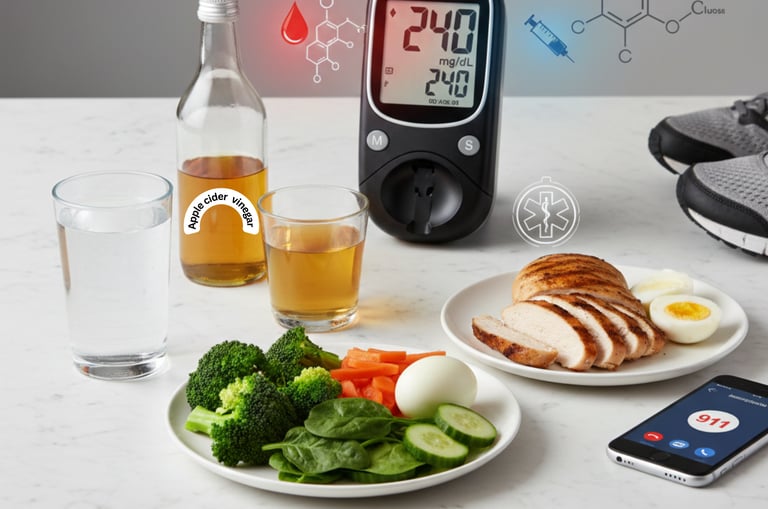
Blood sugar 240? Emergency guide: NO food works instantly like insulin. Apple cider vinegar cuts spikes 20-30%. When to call 911. Critical safety info.
by BiteBrightly
2/22/202617 min read
Foods That Lower Blood Sugar Immediately: Emergency Guide
By BiteBrightly 22 February 2026: This post might contain affiliate links.
Your glucose meter reads 240 mg/dL. Your head is pounding. You're shaking, sweating, desperately thirsty, and your vision is blurring. You know this is dangerous—sustained high blood sugar damages every organ in your body—but you're paralyzed with fear and confusion about what to do right now, in this moment, to bring it down. You reach for insulin or medication, but you're also wondering: are there foods that can help lower blood sugar quickly? Your doctor told you to "watch your diet" and "avoid carbs," but nobody explained what to actually eat when blood sugar spikes. You've heard conflicting advice—cinnamon, apple cider vinegar, certain vegetables—but you don't know what actually works, what's supported by science, and what's safe in an emergency situation. Meanwhile, hyperglycemia is flooding your bloodstream, damaging blood vessels, straining your kidneys, and increasing your risk of immediate complications. What if there were specific foods and strategies that could help bring down elevated blood sugar—not instantly like medication, but measurably within 1-3 hours—and what if understanding the science behind blood sugar regulation could empower you to prevent these spikes in the first place?
Blood sugar (glucose) is tightly regulated in healthy individuals, staying between 70-100 mg/dL fasting and rarely exceeding 140 mg/dL even after meals. According to research from the American Diabetes Association, in people with diabetes or prediabetes, this regulation is impaired. Type 1 diabetes results from autoimmune destruction of insulin-producing beta cells in the pancreas—no insulin is produced. Type 2 diabetes results from insulin resistance (cells don't respond properly to insulin) combined with eventual beta cell dysfunction (pancreas can't produce enough insulin to overcome the resistance). The result in both cases: elevated blood glucose that damages blood vessels, nerves, kidneys, eyes, and increases cardiovascular disease risk.
Hyperglycemia (high blood sugar) is defined as blood glucose above 180 mg/dL. Symptoms include excessive thirst, frequent urination, blurred vision, fatigue, headache, and difficulty concentrating. Severe hyperglycemia (above 240 mg/dL with ketones, or above 600 mg/dL) constitutes a medical emergency requiring immediate medical attention. Chronic hyperglycemia, even at moderately elevated levels (140-200 mg/dL), causes cumulative damage leading to diabetic complications: retinopathy (vision loss), nephropathy (kidney failure), neuropathy (nerve damage), and cardiovascular disease.
According to research in The Lancet, dietary interventions are foundational for blood sugar management. While no food "lowers blood sugar immediately" in the way insulin does (within minutes), strategic food choices can help prevent spikes, improve insulin sensitivity over time, and contribute to bringing down elevated blood sugar within 1-3 hours when combined with other interventions (medication, physical activity, hydration).
Here's the critical distinction: This article addresses foods and strategies for managing blood sugar in the context of generally elevated levels (150-250 mg/dL) in people with diabetes or prediabetes who are under medical care and using appropriate medications. This is NOT a guide for managing diabetic ketoacidosis (DKA) or hyperosmolar hyperglycemic state (HHS)—both life-threatening emergencies requiring immediate emergency medical care. If blood glucose is above 240 mg/dL with ketones present, or above 600 mg/dL, call 911 immediately.
This comprehensive guide reveals foods with the lowest glycemic impact that won't further raise blood sugar, foods and compounds that may help lower blood sugar moderately over 1-3 hours, the science behind blood sugar regulation and what actually works versus myths, immediate action steps when blood sugar is elevated (180-250 mg/dL), and long-term dietary strategies to prevent dangerous blood sugar spikes.
Key Takeaways
NO food lowers blood sugar "immediately" like insulin (minutes)—food works over 1-3 hours
Blood glucose >240 mg/dL with ketones OR >600 mg/dL = MEDICAL EMERGENCY (call 911)
Non-starchy vegetables have minimal blood sugar impact—safe to eat when blood sugar elevated
Protein and healthy fats don't raise blood sugar significantly—provide sustained energy without spikes
Apple cider vinegar may reduce post-meal blood sugar spikes by 20-30% (research-backed)
Cinnamon may improve insulin sensitivity with regular use (not immediate effect)
Physical activity (even 15-minute walk) can lower blood sugar 20-40 mg/dL within 30-60 minutes
Hydration is critical—dehydration worsens hyperglycemia
Long-term: Low-glycemic diet (non-starchy vegetables, legumes, whole grains in moderation, lean protein, healthy fats) prevents spikes
Work with healthcare team—dietary strategies supplement, don't replace, medical treatment
Understanding Blood Sugar Regulation
Normal Blood Sugar Regulation
In healthy individuals:
You eat carbohydrates (bread, rice, fruit, etc.)
Digestive system breaks down carbs into glucose
Glucose absorbed into bloodstream → blood sugar rises
Pancreas senses elevated blood sugar → releases insulin
Insulin signals cells to absorb glucose from blood
Blood sugar returns to normal (70-100 mg/dL fasting, <140 mg/dL post-meal)
In diabetes:
Type 1: Pancreas produces little to no insulin → glucose can't enter cells → blood sugar stays elevated Type 2: Cells resist insulin's signal (insulin resistance) + eventually pancreas can't produce enough insulin → blood sugar stays elevated
What Happens During Hyperglycemia
Blood glucose >180 mg/dL:
Glucose spills into urine (kidneys trying to eliminate excess)
Excessive urination → dehydration
Cells starved for energy (glucose in blood but can't enter cells)
Fatigue, weakness, difficulty concentrating
Blurred vision (glucose changes fluid levels in eyes)
Blood glucose >240 mg/dL:
Risk of diabetic ketoacidosis (DKA) in Type 1 diabetes
Body breaks down fat for energy (lacking glucose in cells) → produces ketones (acidic) → blood becomes acidic
Life-threatening if untreated
Blood glucose >600 mg/dL:
Hyperosmolar hyperglycemic state (HHS) risk
Severe dehydration, altered consciousness
Life-threatening emergency
The Glycemic Index (GI) and Glycemic Load (GL)
Glycemic Index: Ranks how quickly a carbohydrate raises blood sugar compared to pure glucose (GI 100).
Low GI: <55 (slow, gradual rise)
Medium GI: 56-69
High GI: 70+ (rapid spike)
Glycemic Load: Accounts for both GI and portion size—more practical.
Low GL: <10
Medium GL: 11-19
High GL: 20+
Why this matters: Low-GI/low-GL foods cause slower, smaller blood sugar increases—crucial for diabetes management.
Foods That Won't Raise Blood Sugar (Safe When Elevated)
When blood sugar is already elevated, eating these foods won't make it worse.
Category 1: Non-Starchy Vegetables
Why they're safe: Extremely low in carbohydrates and calories, high in fiber and water. Minimal blood sugar impact.
Examples:
Leafy greens: Spinach, kale, lettuce, arugula, Swiss chard
Cruciferous: Broccoli, cauliflower, cabbage, Brussels sprouts
Other: Cucumbers, celery, zucchini, bell peppers, tomatoes, asparagus, green beans, mushrooms, onions, garlic
GI/GL: Very low GI (<15), negligible GL
How to use when blood sugar elevated: Large salad, steamed broccoli, sautéed spinach. These provide volume and nutrients without raising blood sugar further.
Category 2: Lean Protein
Why it helps: Protein has minimal impact on blood sugar. Provides sustained energy without glucose spike.
Examples:
Skinless chicken or turkey breast
Fish (salmon, cod, tuna)
Eggs (whole eggs)
Tofu, tempeh
Low-fat cottage cheese
Greek yogurt (plain, unsweetened)
Blood sugar impact: Minimal to none in reasonable portions (3-6 oz)
How to use: Grilled chicken breast, scrambled eggs, baked fish. Pair with non-starchy vegetables.
Category 3: Healthy Fats
Why they help: Fats don't raise blood sugar. They slow digestion of any carbs consumed, preventing spikes.
Examples:
Olive oil (extra virgin)
Nuts (almonds, walnuts—small portions)
Seeds (chia, flax, pumpkin)
Fatty fish (salmon, mackerel, sardines)
Blood sugar impact: Zero (fats don't contain glucose)
How to use: Avocado with eggs, olive oil on salad, small handful of almonds (1 oz).
Caution: High in calories—control portions.
Foods and Compounds That May Help Lower Blood Sugar
IMPORTANT CAVEAT: These foods/compounds work gradually (over 1-3 hours), not instantly like medication. Effects are modest (10-40 mg/dL reduction at most). They supplement medical treatment—they don't replace it.
1. Apple Cider Vinegar
The evidence: Multiple studies show 1-2 tablespoons of apple cider vinegar consumed before or with meals can reduce post-meal blood sugar spikes by 20-30%.
Mechanism: Acetic acid (main component of vinegar) may slow carbohydrate digestion and improve insulin sensitivity.
How to use:
1-2 tablespoons diluted in large glass of water
Drink 10-15 minutes before meals OR with meals
Can also use as salad dressing component
Timeline: Effects seen within 1-2 hours (post-meal blood sugar spike is blunted)
Caution: Undiluted vinegar damages tooth enamel and can irritate throat/stomach. Always dilute. Not appropriate if blood sugar is severely elevated (>300 mg/dL)—medical intervention required.
2. Cinnamon
The evidence: Some studies show 1-6 grams (approximately 1/2 to 2 teaspoons) of cinnamon daily may improve fasting blood sugar and insulin sensitivity over weeks to months. Effects are modest (5-15 mg/dL reduction in fasting glucose).
Mechanism: Cinnamon contains compounds that may improve insulin receptor sensitivity and slow carbohydrate breakdown.
How to use:
1/2 to 1 teaspoon daily
Add to oatmeal, yogurt, coffee, smoothies
NOT effective for immediate blood sugar lowering—benefits accrue with regular use over time
Timeline: Weeks to months of consistent use
Not appropriate for immediate blood sugar emergencies.
3. Fenugreek Seeds
The evidence: Research shows fenugreek seeds (high in soluble fiber) may slow carbohydrate absorption and improve insulin sensitivity. Effects modest.
How to use: 5-10 grams of fenugreek seed powder daily (soaked or cooked)
Timeline: Gradual effect over days to weeks
4. Aloe Vera Juice
Some evidence: Limited studies suggest aloe vera juice may help lower fasting blood sugar in people with prediabetes/type 2 diabetes over weeks.
Caution: Can interact with medications, cause diarrhea. Consult doctor before use.
5. Chromium
The evidence: Chromium (a trace mineral) is involved in insulin signaling. Some studies show chromium supplementation (200-1,000 mcg daily) may improve blood sugar control in people with diabetes, though results are mixed.
Food sources: Broccoli, barley, oats, green beans, tomatoes, romaine lettuce
Not for immediate lowering—long-term supplementation.
6. Magnesium
The evidence: Magnesium deficiency is common in diabetes and worsens insulin resistance. Ensuring adequate magnesium may improve blood sugar control over time.
Food sources: Spinach, pumpkin seeds, almonds, black beans, avocado, dark chocolate
Not immediate—works over weeks with consistent intake.
Immediate Action Steps When Blood Sugar Is Elevated (180-250 mg/dL)
FIRST: Check if this is a medical emergency
Blood glucose >240 mg/dL AND ketones present (test with urine strips) = DKA risk—call doctor or go to ER
Blood glucose >600 mg/dL = HHS risk—call 911
Severe symptoms (confusion, extreme weakness, difficulty breathing, fruity breath odor) = call 911
If blood sugar 180-250 mg/dL without severe symptoms:
Step 1: Take Prescribed Medication
If you have rapid-acting insulin or blood sugar medication prescribed by your doctor, take it as directed. This is the most effective way to lower blood sugar.
Step 2: Hydrate
Hyperglycemia causes dehydration (excessive urination). Dehydration worsens blood sugar.
Drink 16-32 oz of water immediately
Continue drinking water (aim for 8-16 oz per hour)
Avoid sugary drinks, juice, soda
Electrolyte drinks (sugar-free) acceptable if available
Why this helps: Rehydration helps kidneys flush excess glucose through urine.
Step 3: Engage in Light Physical Activity
If you're able and cleared by your doctor for physical activity:
15-30 minute brisk walk
Light cycling
Gentle stretching/yoga
Why this helps: Muscle contraction helps cells absorb glucose without insulin. Even light activity can lower blood sugar 20-40 mg/dL within 30-60 minutes.
CAUTION: If blood glucose >300 mg/dL, exercise may worsen hyperglycemia (especially in Type 1 diabetes with insufficient insulin). Check with doctor about exercise guidelines at elevated blood sugar.
Step 4: Avoid Eating Carbohydrates
Do NOT eat bread, rice, pasta, fruit, sweets, or any significant carbohydrate when blood sugar is already elevated.
If you must eat (hunger, scheduled meal):
Eat only:
Non-starchy vegetables (salad, steamed broccoli)
Lean protein (grilled chicken, fish, eggs)
Small amount healthy fat (olive oil, avocado)
Step 5: Consider Apple Cider Vinegar (if appropriate)
1-2 tablespoons apple cider vinegar diluted in large glass water
May help blunt any remaining glucose absorption if you recently ate
Not appropriate if blood sugar >300 mg/dL—medical intervention needed.
Step 6: Monitor Blood Sugar
Check blood glucose every 30-60 minutes
Document readings
If not dropping after 2-3 hours despite medication, contact doctor
Step 7: Rest and Monitor for Worsening Symptoms
Watch for: increasing confusion, severe weakness, nausea, vomiting, abdominal pain, fruity breath, rapid breathing
Any of these = call doctor or go to ER immediately
Expected timeline:
With medication: Blood sugar should start dropping within 30-90 minutes
With hydration + activity: Gradual decline over 2-4 hours
If blood sugar not improving or worsening: Contact healthcare provider
Long-Term Dietary Strategies to Prevent Blood Sugar Spikes
The best approach is prevention—eating in a way that keeps blood sugar stable.
The Low-Glycemic Eating Pattern
Foundation: Non-starchy vegetables (unlimited)
Fill half your plate with:
Leafy greens
Broccoli, cauliflower, cabbage, Brussels sprouts
Bell peppers, cucumbers, zucchini, asparagus, green beans, tomatoes
Lean protein (every meal)
Quarter of plate:
Chicken, turkey, fish, eggs, tofu, tempeh
3-6 oz per meal
Healthy fats (moderate amounts)
Olive oil, avocado, nuts, seeds
Fatty fish (salmon, mackerel, sardines)
Whole grains and legumes (controlled portions)
Quarter of plate:
Legumes (lentils, chickpeas, black beans—low GI, high fiber)
Quinoa (lower GI than rice)
Steel-cut oats (lower GI than instant)
Brown rice (lower GI than white, smaller portions)
Portion control critical: Even healthy carbs raise blood sugar if portions excessive. 1/2 cup cooked grains or 1 cup legumes per meal.
Foods to Emphasize for Blood Sugar Control
Legumes and beans:
Lentils, chickpeas, black beans, kidney beans
Low GI (20-40), high fiber, high protein
Slow, gradual blood sugar rise
Non-starchy vegetables:
All varieties, as much as desired
Negligible blood sugar impact
Berries (moderate portions):
Blueberries, strawberries, raspberries, blackberries
Lower GI than most fruits
1/2 to 1 cup portions
Nuts and seeds:
Almonds, walnuts, chia seeds, flax seeds
Minimal blood sugar impact
Provide healthy fats and protein
1 oz (small handful) per serving
Fatty fish:
Salmon, mackerel, sardines
Protein + omega-3s
May improve insulin sensitivity over time
Greek yogurt (plain, unsweetened):
High protein, low carb
Probiotic benefits
Foods to Avoid or Strictly Limit
Refined carbohydrates:
White bread, white rice, white pasta
Pastries, donuts, bagels
Crackers, pretzels
High GI (70+), rapid blood sugar spikes
Sugary foods and beverages:
Soda, sweet tea, energy drinks
Candy, cookies, cakes, ice cream
Fruit juice (even 100% juice—no fiber, rapid spike)
Starchy vegetables in large amounts:
Potatoes, corn, peas (not "bad" but high GI—small portions only)
Dried fruit:
Concentrated sugar, easy to overeat
Processed foods:
Often high in refined carbs and hidden sugars
Meal Timing and Frequency
Consistent meal times: Helps regulate blood sugar patterns
Don't skip meals: Can lead to blood sugar instability and overeating
Consider smaller, more frequent meals: Some people with diabetes do better with 4-5 smaller meals rather than 3 large meals (prevents large blood sugar fluctuations)
Intermittent fasting: Emerging evidence suggests may help some people with Type 2 diabetes, but should only be done under medical supervision
Sample Blood Sugar-Stabilizing Days
Sample Day 1: Type 2 Diabetes Management
Breakfast:
2 scrambled eggs with spinach and mushrooms (protein + non-starchy veg)
1/2 avocado (healthy fat)
1/2 cup steel-cut oats with cinnamon and 1/4 cup berries (controlled carb, low GI)
Black coffee or unsweetened tea
Blood sugar impact: Minimal rise due to protein, fat, fiber, and low-GI carb
Mid-Morning Snack (if needed):
1 oz almonds (healthy fat, protein, no blood sugar impact)
OR celery sticks with 2 tablespoons almond butter
Lunch:
Large salad: 3 cups mixed greens, cucumbers, tomatoes, bell peppers
4-6 oz grilled chicken breast
1/2 cup chickpeas (low-GI carb)
Olive oil and vinegar dressing
Water with lemon
Blood sugar impact: Minimal—high fiber, protein, low-GI carb
Afternoon Snack:
1/2 cup plain Greek yogurt with 1/4 cup berries
OR 10-12 almonds
Dinner:
5-6 oz baked salmon
2 cups roasted broccoli and cauliflower
1/2 cup quinoa
Side salad with olive oil dressing
Blood sugar impact: Minimal—protein, non-starchy veg, moderate low-GI carb
Evening (if hungry):
Raw vegetables (bell pepper strips, cucumber)
OR herbal tea
Daily totals:
Carbs: 100-130g (controlled, from low-GI sources)
Fiber: 30-40g (slows glucose absorption)
Protein: 100-120g (stabilizes blood sugar)
Sample Day 2: Prediabetes Prevention
Breakfast:
Smoothie: 1 cup unsweetened almond milk, 1/2 cup frozen berries, 1 tablespoon chia seeds, 1 scoop protein powder, handful spinach
1 hard-boiled egg
Lunch:
Lentil soup (1.5 cups—low GI!)
Large side salad with olive oil dressing
1 small whole grain roll (if desired)
Snack:
Apple slices with 1 tablespoon almond butter
Dinner:
Stir-fry: 6 oz tofu, 2-3 cups mixed vegetables (broccoli, bell peppers, snap peas, onions), garlic, ginger
1/2 cup brown rice
Cooked in 1 tablespoon olive oil
Daily totals: Similar carb control, emphasis on fiber and protein
When to Seek Medical Attention
Immediate (call 911):
Blood glucose >600 mg/dL
Blood glucose >240 mg/dL WITH ketones AND symptoms (nausea, vomiting, abdominal pain, confusion, fruity breath)
Severe symptoms: extreme weakness, confusion, difficulty breathing, loss of consciousness
Contact doctor same day:
Blood glucose consistently >250 mg/dL despite medication
Blood glucose not responding to usual interventions
Frequent episodes of hyperglycemia (>180 mg/dL)
New or worsening diabetes symptoms
Schedule appointment:
A1C >7% (for most people with diabetes—target may vary)
Difficulty managing blood sugar with current regimen
Questions about diet, medication adjustments
Working With Your Healthcare Team
Dietary strategies are most effective when integrated with comprehensive diabetes care:
Endocrinologist or primary care doctor: Medication management, overall treatment plan
Certified Diabetes Educator (CDE): Practical diabetes self-management training
Registered Dietitian: Personalized meal planning, carb counting, blood sugar pattern analysis
Regular monitoring: A1C every 3 months, regular blood glucose checks
Share your dietary approaches with your team. Some supplements (like chromium, cinnamon in large amounts, aloe vera) can interact with medications or have side effects.
Important Caveats and Warnings
No food lowers blood sugar "immediately" like insulin or medication. Foods work gradually over 1-3 hours at best, and effects are modest.
Severe hyperglycemia requires medical treatment, not dietary intervention. If blood glucose >300 mg/dL, contact doctor. If >600 mg/dL or if symptoms severe, call 911.
Individual responses vary. What works for one person may not work identically for another. Monitor your own blood sugar responses.
Supplements and foods are not medication replacements. They may complement medical treatment but never replace prescribed diabetes medications.
Always consult your healthcare team before making major dietary changes or adding supplements, especially if you take insulin or diabetes medications (risk of hypoglycemia if medication not adjusted appropriately).
Conclusion
The urgent search for "foods that lower blood sugar immediately" reflects the very real fear and discomfort of hyperglycemia. The truth is that no food works instantly like insulin—medication remains the fastest, most reliable intervention for acutely elevated blood sugar. However, strategic dietary choices play a crucial role in blood sugar management—both in preventing spikes and in supporting gradual reduction of elevated levels over hours.
When blood sugar is elevated (180-250 mg/dL), the immediate priorities are: take prescribed medication, hydrate aggressively, engage in light physical activity if appropriate, avoid all significant carbohydrates, and monitor closely for worsening. Foods that won't worsen hyperglycemia—non-starchy vegetables, lean protein, small amounts of healthy fats—can be consumed if needed, but the focus should be on medication, hydration, and activity rather than eating.
Certain foods and compounds—apple cider vinegar (1-2 tablespoons diluted), cinnamon (1/2 to 1 teaspoon daily), foods rich in fiber, protein, and healthy fats—may modestly help lower blood sugar over 1-3 hours or improve insulin sensitivity with regular use over weeks to months. These are adjuncts to, not replacements for, medical treatment.
The most powerful dietary intervention is prevention: eating a low-glycemic diet centered on non-starchy vegetables (unlimited), legumes (1/2 to 1 cup per meal), lean proteins (every meal), healthy fats (moderate amounts), and controlled portions of whole grains. This eating pattern prevents the dramatic blood sugar spikes that create dangerous hyperglycemia in the first place.
If you have diabetes or prediabetes, you need a comprehensive management plan that includes appropriate medication (if prescribed), regular blood glucose monitoring, consistent physical activity, and strategic nutrition under the guidance of your healthcare team. Dietary changes should be made in consultation with your doctor or certified diabetes educator, particularly if you take insulin or blood sugar medications (to prevent hypoglycemia).
Blood sugar above 240 mg/dL with ketones, or above 600 mg/dL, constitutes a medical emergency. Call 911. Dietary strategies cannot address diabetic ketoacidosis or hyperosmolar hyperglycemic state—these require immediate emergency medical intervention.
Hyperglycemia is serious, but it's also manageable. With appropriate medical care, strategic nutrition emphasizing low-glycemic whole foods, regular physical activity, and consistent monitoring, most people with diabetes can achieve good blood sugar control and prevent the devastating complications of chronic hyperglycemia.
To stable blood sugar, health, and empowered diabetes management!
References and Further Reading
American Diabetes Association - Blood Glucose Management
National Institute of Diabetes and Digestive and Kidney Diseases - Managing Diabetes
Harvard T.H. Chan School of Public Health - The Glycemic Index
Frequently Asked Questions
What food lowers blood sugar immediately?
No food lowers blood sugar "immediately" in the way insulin or medication does (within minutes to hours). Foods work gradually. That said, when blood sugar is elevated, consuming non-starchy vegetables (spinach, broccoli, cucumbers—minimal carbs, high fiber), lean protein (chicken, fish, eggs—no glucose), or small amounts of healthy fats (avocado, olive oil—no glucose) won't raise blood sugar further and may help stabilize it. Apple cider vinegar (1-2 tablespoons diluted in water) may help reduce post-meal blood sugar spikes by 20-30% within 1-2 hours. However, severely elevated blood sugar (>300 mg/dL) requires medical intervention—food alone is insufficient.
Can drinking water lower blood sugar?
Yes, indirectly. Hyperglycemia causes dehydration through excessive urination (kidneys trying to eliminate excess glucose). Dehydration worsens blood sugar levels. Drinking water helps rehydrate, which supports kidney function in flushing excess glucose through urine. Drinking 16-32 oz of water when blood sugar is elevated, then continuing to drink 8-16 oz per hour, can contribute to gradual blood sugar reduction over 2-4 hours. However, water alone will not normalize severely elevated blood sugar—medication and medical care are required. Never substitute water for prescribed diabetes medication.
Does apple cider vinegar really lower blood sugar?
Yes, research supports modest blood sugar-lowering effects. Multiple studies show 1-2 tablespoons of apple cider vinegar consumed before or with meals can reduce post-meal blood sugar spikes by 20-30%. The mechanism involves acetic acid slowing carbohydrate digestion and improving insulin sensitivity. Effects occur within 1-2 hours (blunting post-meal spike). However, this is NOT appropriate for severely elevated blood sugar (>300 mg/dL)—medical treatment needed. Always dilute vinegar in large glass of water (undiluted damages tooth enamel and irritates throat/stomach). Works best as preventive strategy (taken before carb-containing meals), not emergency treatment.
What should I eat if my blood sugar is 250 mg/dL?
At 250 mg/dL, your priority should be taking prescribed medication (if you have rapid-acting insulin or diabetes medication), hydrating (16-32 oz water immediately), and light physical activity if cleared by doctor (15-minute walk can lower blood sugar 20-40 mg/dL). If you must eat, consume ONLY: non-starchy vegetables (large salad, steamed broccoli), lean protein (grilled chicken, fish, eggs), or very small amounts of healthy fat (1/4 avocado, olive oil). AVOID all significant carbohydrates (no bread, rice, pasta, fruit, sweets). Monitor blood glucose every 30-60 minutes. If not dropping after 2-3 hours despite intervention, contact doctor. If >300 mg/dL or symptoms worsen, seek medical attention.
Can exercise lower blood sugar quickly?
Yes, physical activity is one of the most effective non-medication interventions. Even 15-30 minutes of brisk walking can lower blood sugar 20-40 mg/dL within 30-90 minutes. Mechanism: Muscle contraction helps cells absorb glucose without requiring insulin. Light to moderate activity (brisk walking, cycling, gentle yoga) is most appropriate. CAUTION: If blood glucose >300 mg/dL, especially in Type 1 diabetes with insufficient insulin, exercise may paradoxically worsen hyperglycemia (body breaks down more glycogen, releasing additional glucose). Check with your doctor about exercise guidelines at elevated blood sugar levels. Always monitor blood glucose before, during (if prolonged), and after exercise.
How long does it take to lower blood sugar naturally without medication?
Without medication, blood sugar reduction is very gradual and depends on multiple factors (severity of elevation, insulin resistance level, physical activity, hydration). Mild elevation (140-180 mg/dL) may normalize over 3-6 hours with hydration, activity, and avoiding carbohydrates. Moderate elevation (180-250 mg/dL) may take 4-8+ hours and may not fully normalize without medication. Severe elevation (>250 mg/dL) generally REQUIRES medication—natural interventions alone are insufficient and dangerous to rely on. For people with diabetes taking prescribed medication, blood sugar should start dropping within 30-90 minutes of medication administration. Never stop or reduce diabetes medication without doctor approval.
What are the best low-glycemic foods for diabetes?
The best low-glycemic foods provide sustained energy without blood sugar spikes: Legumes (lentils GI 32, chickpeas GI 28, black beans GI 30—lowest-GI protein sources), non-starchy vegetables (broccoli, spinach, cauliflower, bell peppers—GI <15), steel-cut oats (GI 55 vs. instant oats GI 79), quinoa (GI 53), barley (GI 28), nuts (almonds, walnuts—GI <20), seeds (chia, flax), Greek yogurt (plain, unsweetened GI <30), and berries (strawberries GI 40, blueberries GI 53). Build meals around these foods, emphasizing non-starchy vegetables (half your plate), lean protein (quarter), and controlled portions (1/2 cup) of low-GI carbs (quarter).
Should I avoid all carbs if I have diabetes?
No! Avoiding all carbs is unnecessary, unsustainable, and nutritionally inadequate. The key is choosing LOW-GLYCEMIC, FIBER-RICH carbs in CONTROLLED PORTIONS. Healthy carbs for diabetes: legumes (lentils, chickpeas, black beans—high fiber, low GI), non-starchy vegetables (unlimited), whole grains in small portions (1/2 cup quinoa, steel-cut oats, barley), and berries (1/2-1 cup). These provide essential nutrients, fiber, and energy without dramatic blood sugar spikes. AVOID refined carbs (white bread, white rice, sugary foods, soda). Work with a registered dietitian to determine appropriate carbohydrate intake for your individual needs (typically 30-60g per meal for people with diabetes, though this varies).
When should I go to the ER for high blood sugar?
Go to the ER or call 911 IMMEDIATELY if: Blood glucose >600 mg/dL (hyperosmolar hyperglycemic state risk), blood glucose >240 mg/dL WITH ketones present (test with urine strips) AND symptoms (nausea, vomiting, abdominal pain, confusion, fruity breath odor, rapid breathing—diabetic ketoacidosis risk), severe symptoms at any blood sugar level (extreme weakness, confusion, difficulty breathing, loss of consciousness, severe dehydration). Contact doctor same day if blood glucose consistently >250 mg/dL despite medication, or not responding to usual interventions. These are serious, potentially life-threatening conditions requiring immediate medical treatment—dietary strategies are NOT appropriate.
Can cinnamon or supplements replace diabetes medication?
Absolutely NOT. Cinnamon, chromium, magnesium, aloe vera, and other supplements may provide modest blood sugar benefits (5-15 mg/dL reduction in fasting glucose with regular use over weeks to months), but they do NOT replace prescribed diabetes medications. Diabetes medication (especially insulin in Type 1 diabetes) is life-sustaining and scientifically proven to prevent complications. Supplements are adjuncts—complementary strategies that may provide small additional benefits when combined with medication, diet, and exercise. Never stop or reduce diabetes medication without explicit approval from your doctor. Doing so can result in life-threatening hyperglycemia, diabetic ketoacidosis, or hyperosmolar hyperglycemic state.
About Author
Judith Tsanga is an Applied Biosciences & Biotechnology graduate with an Advanced Level qualification in Food Science, and the founder of BiteBrightly. Her passion for food as medicine began with her own experience: after making targeted dietary changes, she noticed a meaningful improvement in her eyesight — a personal transformation that inspired her mission to share evidence-based nutrition insights that help others eat well and heal boldly. Content on BiteBrightly is for educational purposes and isn't a substitute for advice from your doctor or dietitian.
Follow on Pinterest for daily health tips, recipes, and wellness inspiration.
CRITICAL MEDICAL DISCLAIMER: This article is for educational purposes ONLY and is NOT medical advice. It does NOT replace emergency medical care or prescribed diabetes treatment. Blood glucose >240 mg/dL with ketones OR >600 mg/dL = MEDICAL EMERGENCY—call 911 immediately. Diabetic ketoacidosis (DKA) and hyperosmolar hyperglycemic state (HHS) are life-threatening and require immediate emergency medical treatment—dietary strategies cannot address these conditions. Always consult your healthcare provider, endocrinologist, or certified diabetes educator before making dietary changes, especially if you take insulin or diabetes medications. Stopping or reducing medication without medical supervision can be life-threatening. Individual responses to foods vary significantly. Monitor blood glucose regularly. This article is not intended to diagnose, treat, cure, or prevent any disease. If you have diabetes or prediabetes, work with your healthcare team for comprehensive, personalized management including appropriate medication, monitoring, nutrition, and physical activity.
Related Post
Connect
Join our newsletter for fresh health tips
© 2026. All rights reserved.