Hormone-Balancing Foods: What to Eat for Natural Hormonal Health
Pregnenolone steal explains why stress kills progesterone. COMT needs magnesium to clear estrogen. 15 hormone-balancing foods, Phase II detox science, estrobolome guide.
by BiteBrightly
4/1/202627 min read
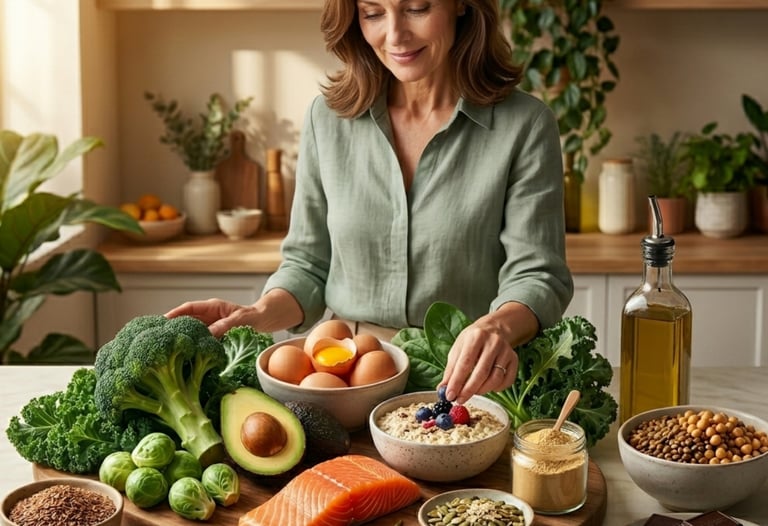

Hormone-Balancing Foods: What to Eat for Natural Hormonal Health
By BiteBrightly 1 April 2026: This post might contain affiliate links
Hormones govern almost everything that makes you feel like yourself. Your energy across the day. The quality of your sleep. Your mood and emotional resilience. Your metabolism and body composition. Your menstrual cycle regularity and fertility. Your stress response. Your skin. Even your motivation, your capacity for focus, and your appetite. When hormones are balanced — meaning they are produced in appropriate amounts, cleared efficiently, and their receptors respond normally — most of these systems operate with a quality of ease that people who have experienced hormonal disruption learn to deeply appreciate.
When hormones are dysregulated — and they increasingly are, across every demographic, for a complex of dietary, lifestyle, environmental, and physiological reasons — the symptoms are diffuse, overlapping, and frequently dismissed. Fatigue that is not explained by sleep duration. Weight changes, particularly around the midsection, that do not respond to conventional approaches. Mood instability, anxiety, or depression that fluctuates without clear psychological trigger. Skin changes. Hair thinning. Menstrual irregularity or the intensification of symptoms across the cycle. Sleep disruption. Libido changes. The persistent sense of a body that is not quite regulating itself correctly.
Diet is the most modifiable variable in the hormonal equation. The raw materials for every hormone your body produces come from what you eat — cholesterol provides the backbone for all steroid hormones (estrogen, progesterone, testosterone, cortisol, DHEA), dietary iodine and tyrosine are the literal building blocks of thyroid hormones, and the cofactors for every hormone synthesis and clearance enzyme (B vitamins, magnesium, zinc, selenium) come from food. Equally important: the gut microbiome — which is almost entirely shaped by what you eat — directly regulates estrogen metabolism, cortisol clearance, thyroid hormone activation, and the enterohepatic circulation that determines how much active hormone recirculates versus is excreted. You cannot supplement your way to hormonal balance if your diet is creating the conditions for hormonal chaos.
This guide covers the specific foods — and the specific mechanisms — through which targeted eating supports the hormonal health of every major endocrine axis.
Key Takeaways
All steroid hormones (estrogen, progesterone, testosterone, cortisol, DHEA) are synthesized from cholesterol — dietary fat restriction, particularly of saturated and monounsaturated fats, directly impairs steroid hormone production
The estrobolome — the community of gut bacteria responsible for estrogen metabolism — is directly shaped by dietary fiber intake. Inadequate dietary fiber impairs estrogen clearance, producing estrogen dominance; adequate diverse fiber supports healthy estrogen metabolism and excretion
Cruciferous vegetables contain indole-3-carbinol (I3C) and its metabolite diindylmethane (DIM) — compounds that shift estrogen metabolism toward protective 2-OH estrone rather than the more proliferative 16-OH estrone and the highly active 4-OH estrone
Flaxseed lignans are the most potent dietary phytoestrogens available — they bind estrogen receptors with approximately 1/1,000th the affinity of endogenous estrogen, producing weak estrogenic effects that can modulate estrogen dominance while supporting estrogen-dependent functions in deficiency
Blood glucose stability is the foundation of hormonal balance — insulin dysregulation from high-glycemic eating drives the androgen excess and SHBG reduction that underlies PCOS and perimenopausal hormonal disruption
The HPA axis (cortisol) and HPG axis (reproductive hormones) are directly competing — chronic cortisol elevation suppresses GnRH pulsatility, reducing LH and FSH production and impairing reproductive hormone production and regulation
Selenium and iodine are the most commonly deficient minerals for thyroid hormone synthesis — thyroid hormones require both for their production (iodine) and activation (selenium-dependent deiodinase converts inactive T4 to active T3)
Magnesium is required for over 300 enzymatic reactions including the conversion of cholesterol to pregnenolone (the first step in steroid hormone synthesis), the activation of vitamin D, and the COMT enzyme that metabolizes estrogen and catecholamines
The Hormonal Landscape: What's Actually Getting Dysregulated
Before examining specific foods, understanding which hormonal systems are most commonly disrupted — and how they interact — provides the map for why specific dietary interventions target specific systems.
The Estrogen-Progesterone Balance
Estrogen and progesterone are produced primarily in the ovaries in premenopausal women, with the relative balance between them shifting across the menstrual cycle and across decades of reproductive life. Estrogen dominance — a state where estrogen is elevated relative to progesterone, whether through elevated estrogen, reduced progesterone, or both — is one of the most prevalent hormonal imbalances in reproductive-age and perimenopausal women.
Symptoms of estrogen dominance: heavy or painful periods, breast tenderness, bloating and fluid retention, mood swings (particularly premenstrually), fibrocystic breast changes, uterine fibroids, weight gain in the hips and thighs, difficulty losing weight, fatigue, and increased risk of estrogen-driven conditions.
Estrogen dominance has dietary drivers on both sides: excess estrogen production (from visceral adipose tissue, which converts androgens to estrogen through aromatase), impaired estrogen clearance (from poor gut health reducing the estrobolome's estrogen metabolism function, from constipation allowing deconjugated estrogen to be reabsorbed rather than excreted, and from inadequate liver detoxification capacity), and excess xenoestrogen exposure from dietary and environmental sources.
The Cortisol-Reproductive Hormone Competition
The HPA axis (hypothalamic-pituitary-adrenal) and the HPG axis (hypothalamic-pituitary-gonadal) are fundamentally in competition for resources and regulatory attention. Under chronic stress, the hypothalamus prioritizes CRH (corticotropin-releasing hormone) production for cortisol stimulation over GnRH (gonadotropin-releasing hormone) pulsatility for reproductive hormone stimulation. This is an evolutionary adaptation — reproduction is a luxury of safety; stress response is a requirement for survival.
The practical consequence: chronic cortisol elevation directly suppresses LH and FSH production, reducing estrogen and progesterone in women, testosterone in men, and impairing ovulation and menstrual regularity. Progesterone is particularly vulnerable because pregnenolone — the precursor for all steroid hormones — is shunted toward cortisol production under chronic stress through the "pregnenolone steal" mechanism, reducing the pregnenolone available for progesterone synthesis.
Insulin and Androgen Excess (PCOS and Beyond)
Insulin resistance — from high-glycemic dietary patterns — drives androgen excess in women through two mechanisms: elevated insulin directly stimulates ovarian theca cells to produce androgens (testosterone and DHEA-S), and insulin reduces hepatic production of sex hormone binding globulin (SHBG), increasing the proportion of free (bioavailable) testosterone. The combination of elevated total androgen production and reduced SHBG-mediated binding produces dramatic elevations in free testosterone — driving the characteristic features of PCOS (acne, hirsutism, anovulation) and the sub-clinical androgen excess that contributes to perimenopausal hormonal disruption.
Thyroid Hormone Dysregulation
The thyroid hormones (T3 and T4) regulate cellular metabolism throughout the body — they are required for normal energy production in every cell. Thyroid dysfunction is extraordinarily common, affecting an estimated 20 million Americans, and is particularly prevalent in women (1 in 8 women will develop thyroid disease during her lifetime). Subclinical hypothyroidism — where TSH is mildly elevated but T3 and T4 remain technically within range — produces fatigue, cold intolerance, constipation, brain fog, weight gain, and hair thinning that are frequently attributed to other causes.
Dietary factors that impair thyroid function: iodine deficiency (the most common cause of hypothyroidism globally), selenium deficiency (impairing the deiodinase enzymes that convert T4 to the active T3), chronic inflammation (cytokines inhibit T4 to T3 conversion), and the inflammatory dietary patterns that drive the autoimmune thyroid disease (Hashimoto's) underlying approximately 90% of hypothyroidism in developed countries.
The 15 Best Hormone-Balancing Foods
1. Flaxseeds (Ground)
Ground flaxseeds are the most potent dietary phytoestrogen source available and the richest lignan food in the human diet — providing compounds that modulate estrogen activity, support healthy estrogen metabolism, and reduce estrogen dominance through a combination of direct receptor effects and gut microbiome-mediated mechanisms.
How it works: Flaxseed lignans (secoisolariciresinol diglucoside — SDG) are converted by gut bacteria (particularly Clostridium scindens and Bacteroides species) to the enterolignans enterodiol and enterolactone. These enterolignans bind estrogen receptors with approximately 1/100,000th to 1/1,000th the affinity of endogenous estradiol — producing weak estrogen receptor binding that competitively inhibits the binding of more potent estrogens (including endogenous estradiol and xenoestrogens).
In estrogen-dominant states, this competitive weak receptor binding reduces the net estrogenic stimulus — acting as an adaptogenic modulator that blunts excess estrogen signaling. In estrogen-deficient states (postmenopause), the same weak receptor binding provides a modest estrogenic stimulus at tissues where estrogen is protective (bone, brain, cardiovascular system) without the proliferative effects of full estrogen receptor agonism.
Flaxseed ALA omega-3 (4.3g per 2 tablespoons) reduces the systemic inflammation that drives cortisol-mediated reproductive hormone suppression, and the soluble fiber in flaxseed directly feeds the estrobolome gut bacteria responsible for estrogen metabolism and excretion.
Research consistently shows that regular flaxseed consumption supports healthy estrogen metabolism — shifting the 2-OH:16-OH estrogen metabolite ratio toward the less proliferative 2-OH estrone and reducing circulating estradiol in estrogen-dominant women.
How to use it: Two tablespoons of ground flaxseed daily — must be ground (whole flaxseeds pass largely undigested), stored in a sealed container in the refrigerator to prevent ALA oxidation. Stirred into oatmeal, smoothies, yogurt, or overnight oats. The neutral nutty flavor is imperceptible in most preparations.
2. Cruciferous Vegetables (Broccoli, Cauliflower, Kale, Brussels Sprouts, Cabbage)
Cruciferous vegetables contain indole-3-carbinol (I3C) — produced when glucosinolates are broken down by myrosinase during chewing — and its downstream metabolite diindylmethane (DIM), which directly modulates estrogen metabolism toward the protective pathway rather than the proliferative one.
How it works: The liver metabolizes estradiol through three primary pathways: the 2-hydroxylation pathway (producing 2-OH estrone — the "good" estrogen metabolite with anti-proliferative, antioxidant properties), the 16-hydroxylation pathway (producing 16-OH estrone — potently estrogenic, associated with estrogen-driven cell proliferation and cancer risk), and the 4-hydroxylation pathway (producing 4-OH estrone — the most genotoxic metabolite, requiring COMT enzyme for methylation and clearance).
I3C and DIM directly upregulate CYP1A2 enzyme activity in the liver — the enzyme driving 2-hydroxylation — shifting the balance of estrogen metabolism toward 2-OH estrone and away from the more problematic 16-OH and 4-OH pathways. The 2:16 estrogen metabolite ratio is used clinically as a biomarker of estrogen metabolism quality; higher ratios (more 2-OH, less 16-OH) are associated with reduced estrogen-driven cancer risk and better estrogen balance.
DIM additionally has direct effects on estrogen receptor signaling — it acts as an estrogen receptor beta (ERβ) agonist and estrogen receptor alpha (ERα) partial antagonist, a receptor selectivity profile that supports the protective effects of estrogen (bone, brain, cardiovascular protection through ERβ) while opposing the proliferative effects (breast, uterine stimulation through ERα).
Research in the American Journal of Clinical Nutrition has confirmed that regular cruciferous vegetable consumption significantly improves urinary 2-OH:16-OH estrogen metabolite ratios — establishing a direct dietary mechanism for cruciferous vegetables' epidemiologically observed association with reduced estrogen-driven cancer risk.
How to use it: One to two cups of cruciferous vegetables daily — broccoli lightly steamed (2–3 minutes maximum to preserve myrosinase), roasted Brussels sprouts, raw kale in salads, cauliflower rice as a grain replacement, fermented cabbage (sauerkraut) for additional probiotic benefit. Adding mustard powder to cooked cruciferous vegetables provides exogenous myrosinase that restores I3C yield from more thoroughly cooked preparations.
3. Avocado
Avocado provides the most comprehensive dietary hormone support available from a single fruit — combining the cholesterol precursor for steroid hormone synthesis, the potassium for adrenal function, the B5 for cortisol regulation, and the monounsaturated fat that supports healthy testosterone and estrogen production through membrane cholesterol availability.
How it works: All steroid hormones are synthesized from cholesterol as the starting material. The first step in steroid hormone synthesis — the conversion of cholesterol to pregnenolone by the StAR protein and CYP11A1 enzyme — requires cholesterol availability at the inner mitochondrial membrane of steroidogenic cells (adrenal glands, ovaries, testes). Dietary fat restriction, particularly of cholesterol-containing and monounsaturated fat foods, reduces the substrate available for this critical first synthesis step.
Avocado provides 975mg of potassium per fruit — the primary intracellular cation for adrenal function. The adrenal glands regulate aldosterone (potassium balance), cortisol (stress response), and DHEA (adrenal androgen precursor for testosterone and estrogen conversion). Chronic potassium deficiency impairs adrenal cortical cell function and the electrolyte balance that supports normal adrenal hormone regulation.
The pantothenic acid (vitamin B5) in avocado is specifically required for CoA synthesis — the molecule through which acetyl groups enter the steroid hormone synthesis pathway via the Krebs cycle. Vitamin B5 deficiency directly impairs steroid hormone synthesis capacity. Avocado is one of the richest whole-food B5 sources available.
How to use it: Half to one avocado daily — on whole grain toast with eggs (combining avocado's hormonal support fats with egg yolk cholesterol, vitamin D, and choline for comprehensive steroid hormone substrate delivery), in smoothies with leafy greens, in salads with omega-3-rich sardines or salmon, or as guacamole alongside protein-rich foods.
4. Wild Salmon and Fatty Fish (Sardines, Mackerel, Herring)
Fatty fish provide EPA and DHA omega-3 fatty acids — the most potent dietary anti-inflammatory compounds — alongside vitamin D and phosphatidylserine, which collectively support the HPA axis modulation, cortisol regulation, and anti-inflammatory environment required for optimal hormonal balance.
How it works: Cortisol's primary dietary driver — beyond chronic psychological stress — is inflammation. The same NF-kB inflammatory cascade that drives joint pain and cardiovascular disease also activates CRH (corticotropin-releasing hormone) production in the hypothalamus, stimulating adrenal cortisol output. The dietary anti-inflammatory strategy is therefore directly and simultaneously an HPA axis management strategy.
EPA and DHA reduce hypothalamic prostaglandin E2 production — the primary eicosanoid that stimulates CRH release — directly reducing the inflammatory input to the cortisol production cascade. This mechanism explains why omega-3 status is consistently associated with lower basal cortisol and more resilient HPA axis responses in stress research.
Phosphatidylserine from fatty fish has the most specific clinical evidence of any dietary compound for direct cortisol reduction — randomized controlled trials have demonstrated that 400–800mg of phosphatidylserine significantly blunts ACTH and cortisol responses to physical and psychological stressors, through pituitary membrane-mediated modulation of ACTH secretory sensitivity.
Vitamin D from wild salmon (570–1,000 IU per 3oz serving) directly regulates reproductive hormone synthesis — vitamin D receptors (VDR) are expressed in ovarian granulosa cells, testicular Sertoli cells, and pituitary gonadotrophs (the cells that produce LH and FSH). Vitamin D deficiency is independently associated with impaired ovarian follicle development, reduced AMH (anti-Müllerian hormone), irregular menstrual cycles, and reduced testosterone in men.
How to use it: Two to three servings of wild-caught fatty fish weekly — wild salmon, sardines (the most cost-effective, with the highest phosphatidylserine density), mackerel, herring. Sardines on whole grain rye with avocado and lemon; baked salmon with cruciferous vegetables; mackerel in grain bowls with leafy greens and olive oil.
5. Eggs (Whole, Pasture-Raised)
Whole eggs are the most comprehensive single-food hormone support available — providing the cholesterol that is the direct precursor for all steroid hormones, the choline required for liver detoxification of estrogen metabolites, the vitamin D that regulates reproductive hormone synthesis, and the complete B vitamin spectrum for hormone metabolism.
How it works: Egg yolk cholesterol is the direct dietary substrate for steroid hormone synthesis. While the liver manufactures sufficient cholesterol when dietary intake is low, dietary cholesterol directly contributes to the cholesterol pool available in steroidogenic cells (particularly under conditions of high hormonal demand, stress, or impaired liver synthesis). The cultural advice to avoid egg yolks for cardiovascular reasons has been substantially revised — and for hormonal health, the yolk's cholesterol, phosphatidylcholine, vitamin D, and retinol are nutritionally critical.
Choline from egg yolks (approximately 125mg per yolk) is required for the synthesis of phosphatidylcholine — the primary phospholipid of hepatocyte cell membranes required for efficient liver VLDL export. When choline is deficient, hepatocytes accumulate fat (fatty liver) — impairing the liver's Phase I and Phase II detoxification capacity. Since the liver is the primary site of estrogen conjugation and deactivation, impaired liver function directly impairs estrogen clearance and drives estrogen dominance.
Choline is additionally required for the methyl donor SAMe synthesis that powers the COMT (catechol-O-methyltransferase) enzyme responsible for methylating and inactivating the most reactive estrogen metabolites (4-OH estrone/estradiol) — making adequate dietary choline a direct estrogen detoxification cofactor.
How to use it: Two to three whole eggs daily — always including the yolk. Scrambled with turmeric, garlic, and spinach (choline + estrogen metabolism support + anti-inflammatory compounds); poached on whole grain rye with avocado (choline + cholesterol + B5 + potassium); or as the protein foundation of breakfast alongside hormone-supportive vegetables and healthy fats.
6. Oats and Low-Glycemic Complex Carbohydrates (Quinoa, Sweet Potato, Lentils)
Blood glucose stability is the foundational hormonal balance strategy that no amount of targeted hormone-supportive eating can compensate for if neglected — chronic insulin elevation from high-glycemic eating directly disrupts every major hormonal axis.
How it works: Insulin is not merely a glucose-regulating hormone — it is a master metabolic signal that communicates carbohydrate availability to the entire endocrine system. Chronically elevated insulin (from repeated high-glycemic meals) directly suppresses SHBG (sex hormone binding globulin) production in the liver — SHBG is the protein that binds sex hormones in circulation, keeping them biologically inactive until they are needed. When SHBG falls, free estrogen and free testosterone both rise proportionally to total hormone levels, amplifying estrogenic and androgenic effects without any change in hormone production.
Elevated insulin simultaneously stimulates ovarian theca cell androgen production — the mechanism underlying the hyperandrogenism of PCOS. In women, chronically elevated insulin thus produces a dual hormonal disruption: too much free estrogen (from reduced SHBG) and too much androgen (from direct ovarian stimulation).
Oats specifically provide beta-glucan (3–4g per cup of dry oats) that forms a viscous gel slowing gastric emptying and glucose absorption — producing the flattest postprandial glucose curve of any common breakfast carbohydrate. A stable postprandial glucose profile produces a moderate, appropriately calibrated insulin response that maintains SHBG levels and avoids the ovarian androgen stimulation of insulin spikes.
Sweet potato provides the same blood glucose stability benefit alongside beta-carotene (which the body converts to vitamin A — required for progesterone receptor expression in uterine cells) and the potassium supporting adrenal function. Lentils and legumes provide low-glycemic carbohydrate with the prebiotic fiber for the estrobolome and the resistant starch for butyrate production that reduces the systemic inflammation impairing hormonal regulation.
How to use it: Complex carbohydrates at every meal as the primary carbohydrate source — overnight oats with ground flaxseed and berries for breakfast; sweet potato and lentil bowls for lunch; quinoa alongside salmon and cruciferous vegetables for dinner. Replace refined carbohydrates (white bread, white rice, sugary breakfast cereals) with these whole food equivalents.
7. Pumpkin Seeds, Sesame Seeds, and Hemp Seeds
Seeds are the most zinc and magnesium-dense commonly consumed foods — providing the two minerals most directly required for hormonal synthesis, metabolism, and receptor function across multiple endocrine axes simultaneously.
How it works: Zinc is required at multiple points in hormonal regulation: it is a direct cofactor for the CYP enzymes involved in steroid hormone synthesis; it regulates the conversion of androgens to estrogens through aromatase modulation (zinc inhibits excessive aromatase activity that drives estrogen excess from androgen conversion); it is required for insulin receptor tyrosine kinase activity and SHBG production; it supports thyroid hormone production (zinc deficiency is associated with impaired T4 to T3 conversion); and it is a cofactor for tryptophan hydroxylase, the enzyme initiating serotonin synthesis that modulates HPG axis sensitivity and mood across the menstrual cycle.
Pumpkin seeds provide 2.2mg of zinc per ounce alongside 156mg of magnesium. Sesame seeds provide significant zinc alongside sesamin and sesamolin — lignans with phytoestrogenic activity complementing flaxseed lignans — and calcium supporting bone protection in estrogen-deficient states.
Magnesium is perhaps the most critical mineral for comprehensive hormonal balance: it is required for the conversion of cholesterol to pregnenolone (the first step in all steroid hormone synthesis), for COMT enzyme function (estrogen metabolite methylation and clearance), for insulin receptor sensitivity, for cortisol regulation through HPA axis modulation, for progesterone receptor expression, and for the sleep quality driving overnight growth hormone and melatonin production. Magnesium deficiency — present in approximately 50% of Western adults — is one of the most widespread contributors to hormonal dysregulation across all axes.
Hemp seeds provide a balanced omega-6:omega-3 ratio of 3:1 (optimal for anti-inflammatory eicosanoid balance) alongside gamma-linolenic acid (GLA) — an omega-6 that follows the anti-inflammatory prostaglandin E1 pathway rather than the pro-inflammatory prostaglandin E2 pathway. GLA directly reduces the prostaglandins driving dysmenorrhea (painful periods) and the inflammatory component of PMS symptoms.
How to use it: Two tablespoons of mixed seeds daily — pumpkin seeds on salads and oatmeal, sesame seeds in stir-fries and tahini (the most zinc-dense seed preparation), hemp seeds in smoothies and yogurt. A daily seed rotation (flaxseed + pumpkin seeds in the morning, sesame + sunflower seeds at lunch) — a practice known as "seed cycling" in functional nutrition — aligns different seed phytoestrogen and zinc profiles with cycle phases to support progesterone in the luteal phase and estrogen in the follicular phase, though the clinical evidence for strict seed cycling protocols is limited.
8. Maca Root
Maca (Lepidium meyenii) is the most evidence-supported adaptogenic food for hormonal balance — with clinical trial evidence for menstrual cycle regulation, perimenopause symptom reduction, libido support, and cortisol modulation through a mechanism that is genuinely distinct from phytoestrogenic foods.
How it works: Maca does not contain estrogen or testosterone and does not directly bind sex hormone receptors. Instead, it acts on the hypothalamic-pituitary axis — the control center for reproductive hormone production — through glucosinolate-derived compounds called glucosinolates and benzylglucosinolates that appear to normalize the HPG axis regulatory signals (GnRH pulsatility, LH/FSH ratios) rather than replacing specific hormones.
A randomized, double-blind, placebo-controlled trial published in Menopause found that maca supplementation significantly reduced the frequency and severity of hot flashes and night sweats in perimenopausal women — without changes in serum estrogen, progesterone, FSH, or LH levels. This confirmed that maca's symptom-relieving effects are centrally mediated (through HPG axis regulation) rather than hormonally mediated — an important distinction for women who cannot or prefer not to use hormone therapy.
Maca additionally supports adrenal function — containing unique alkaloids (macaridine, macamides) that act as adaptogens on the adrenal-hypothalamic axis, reducing cortisol output under stress conditions and supporting DHEA production. The DHEA support is particularly relevant because DHEA is the precursor for both testosterone and estrogen conversion in peripheral tissues, providing the substrate for maintaining hormonal balance when ovarian hormone production begins declining perimenopausal.
How to use it: One to two teaspoons of gelatinized maca powder daily (gelatinized maca has had the starch removed for improved digestibility and better bioactive compound concentration) — in smoothies with banana and cacao, in overnight oats, in coffee as a nutty flavor addition, or in warm plant milk as a morning tonic. The earthy, malty flavor is strong in some preparations — combining with cocoa, vanilla, or cinnamon makes it most palatable.
9. Dark Leafy Greens (Kale, Spinach, Swiss Chard, Dandelion Greens)
Dark leafy greens provide the most comprehensive dietary package for liver Phase II detoxification — the enzyme systems that conjugate and neutralize estrogen metabolites before excretion — making them the most important dietary category for estrogen clearance and estrogen dominance prevention.
How it works: The liver processes estrogen in two phases. Phase I (CYP450 enzymes) hydroxylates estrogen into metabolites (2-OH, 16-OH, 4-OH). Phase II conjugates these metabolites — primarily through sulfation (SULT enzymes), glucuronidation (UGT enzymes), and methylation (COMT enzyme) — making them water-soluble for biliary and renal excretion.
Dark leafy greens provide the critical cofactors for Phase II estrogen detoxification: folate (required for the methylation cycle producing SAMe, which powers COMT-mediated estrogen metabolite methylation), magnesium (required for COMT enzyme function and UGT enzyme activity), vitamin K (required for gamma-carboxylation reactions in the liver detoxification cascade), and sulforaphane precursors in the cruciferous variants (kale, collards) — sulforaphane activates Nrf2, driving upregulation of Phase II detoxification enzymes.
Dandelion greens deserve specific mention for hormonal health: dandelion root has been shown to specifically support hepatic bile production and biliary flow — and bile is the primary vehicle for the excretion of conjugated estrogen metabolites from the liver into the gut (where the estrobolome then either allows their excretion or deconjugates them for reabsorption). Supporting bile production with dandelion greens and root directly supports the last step of estrogen clearance through the hepatobiliary pathway.
How to use it: Two to three cups of diverse dark leafy greens daily — kale sautéed with garlic and olive oil (sulforaphane I3C + oleocanthal anti-inflammatory + allicin), spinach in smoothies (folate + magnesium + iron for menstrual health), dandelion greens wilted in lemon and olive oil as a liver support side dish, Swiss chard sautéed with lemon (folate + magnesium + potassium).
10. Fermented Foods (Kimchi, Kefir, Yogurt, Sauerkraut, Miso)
Fermented foods are the most direct dietary intervention for the estrobolome — the gut microbiome community responsible for estrogen metabolism — making them uniquely important in a hormonal health context that extends well beyond their generally recognized gut health benefits.
How it works: The estrobolome is the collection of gut bacteria that produce beta-glucuronidase — the enzyme that deconjugates estrogen in the gut (reversing the liver's Phase II conjugation, converting inactive estrogen-glucuronides back into active estradiol) and determines how much deconjugated estrogen is reabsorbed into circulation versus excreted in stool. An overgrown estrobolome (with high beta-glucuronidase activity — seen in dysbiosis, antibiotic use, and low-fiber diets) reactivates and reabsorbs more conjugated estrogen, amplifying circulating estrogen levels above what the liver cleared. A balanced estrobolome allows the majority of conjugated estrogen to be excreted, supporting normal estrogen clearance.
Probiotic-rich fermented foods directly seed and maintain the estrobolome — the Lactobacillus strains in kefir, yogurt, and fermented vegetables modulate beta-glucuronidase activity, reduce overall estrobolome dysbiosis, and improve the Lactobacillus:dysbiotic organism ratio that determines net estrogen reabsorption from the gut.
Kefir specifically provides 30–50 distinct probiotic strains including Lactobacillus kefiranofaciens, L. kefiri, and multiple Bifidobacterium species — the broadest probiotic spectrum of any common fermented food. These strains collectively support not only estrogen metabolism but also the gut-cortisol axis (Lactobacillus rhamnosus directly reduces cortisol through vagal-HPA axis modulation) and the gut-thyroid axis (gut microbiome dysbiosis impairs peripheral T4 to T3 conversion by reducing the deiodinase activity in intestinal cells).
How to use it: Daily fermented food consumption — half to one cup of plain full-fat kefir or yogurt (the richest probiotic sources), two to four tablespoons of kimchi or sauerkraut as a condiment at meals, miso paste dissolved in warm water as a soup base (avoid boiling, which kills the live cultures), or fermented vegetables alongside protein-based meals. Variety across fermented food types provides the broadest estrobolome-supportive microbial diversity.
11. Walnuts and Brazil Nuts
Walnuts and Brazil nuts provide ALA omega-3 and selenium respectively — the two most specifically thyroid-relevant dietary nutrients alongside iodine, with selenium providing the cofactor for the deiodinase enzyme that converts inactive T4 thyroid hormone to the active T3 form.
How it works: Selenium is the mineral most specifically required for thyroid hormone activation. The three deiodinase enzymes (DIO1, DIO2, DIO3) that convert T4 (thyroxine) to T3 (triiodothyronine — the biologically active thyroid hormone) are selenoproteins — they require selenium atoms at their active sites to function. In selenium deficiency, T4 accumulates while T3 remains low — producing the signs and symptoms of hypothyroidism despite potentially normal TSH and T4 on standard testing (subclinical hypothyroidism or functional T4-to-T3 conversion impairment). Two Brazil nuts provide approximately 200mcg of selenium — the recommended daily intake — through the most bioavailable dietary selenium form available (selenomethionine, with absorption efficiency of approximately 90%).
Walnuts provide the highest ALA omega-3 of any tree nut (2,570mg per oz) — relevant to hormonal health through the anti-inflammatory mechanism described in the salmon section, and specifically relevant to thyroid health because chronic inflammation directly impairs T4 to T3 conversion through cytokine-mediated inhibition of peripheral deiodinase activity. Reducing systemic inflammation through omega-3 is therefore a direct thyroid health strategy.
Selenium additionally supports the glutathione peroxidase enzymes that protect the thyroid gland from hydrogen peroxide-mediated oxidative damage — hydrogen peroxide is produced during thyroid hormone synthesis and must be efficiently cleared to prevent thyroid cell damage and the oxidative injury underlying autoimmune thyroid disease (Hashimoto's thyroiditis). Adequate selenium is one of the most important dietary strategies for reducing thyroid autoimmunity.
How to use it: One to two Brazil nuts daily (do not exceed two regularly — selenium toxicity risk at higher doses), combined with one ounce of raw walnuts. Brazil nut trail mix with walnuts, pumpkin seeds, and dark chocolate provides selenium, ALA, zinc, magnesium, and the adaptogenic flavanols of dark chocolate in a single daily snack.
12. Berries (Blueberries, Raspberries, Blackberries)
Berries provide the highest dietary polyphenol density — specifically the anthocyanins and resveratrol that modulate estrogen receptor signaling, support liver detoxification enzyme activity, and reduce the oxidative stress that drives adrenal fatigue and HPA axis dysregulation.
How it works: Berry anthocyanins act as selective estrogen receptor modulators (SERMs) — they bind estrogen receptors with tissue-selective activity that mimics the beneficial effects of estrogen (cardiovascular protection, cognitive support, bone protection through ERβ) while opposing the proliferative effects at breast and uterine tissue (ERα antagonism). This SERM-like activity makes berries particularly relevant for perimenopausal women where declining estrogen produces cardiovascular and cognitive consequences alongside the desired reduction in proliferative tissue stimulation.
Berries provide ellagic acid (particularly from raspberries and strawberries) — a polyphenol that directly inhibits aromatase (the enzyme that converts androgens to estrogens) in adipose tissue. Adipose tissue aromatase is a primary driver of estrogen excess in overweight and obese women — ellagic acid's aromatase inhibition from dietary berries provides a food-based mechanism for reducing peripheral estrogen production.
The anthocyanins in blueberries protect hippocampal neurons from the oxidative stress that cortisol chronically inflicts — the hippocampus is the primary negative feedback regulator of the HPA axis (it suppresses CRH release when cortisol is adequate), and its protection from cortisol-induced oxidative damage helps maintain HPA axis negative feedback function, preventing the runaway cortisol elevation of chronic stress.
How to use it: One cup of mixed berries daily — in overnight oats or yogurt, in smoothies with ground flaxseed and kefir, as a standalone snack with nuts, or blended into a morning berry smoothie that combines berries' SERM-like estrogen modulation with flaxseed's lignan phytoestrogens and kefir's estrobolome support in a single preparation.
13. Olive Oil (Extra-Virgin)
Extra-virgin olive oil is the most important dietary fat for hormonal health — providing oleic acid that directly supports steroid hormone synthesis and cell membrane composition, alongside oleocanthal with anti-inflammatory COX inhibitory properties that reduce the inflammation driving cortisol dysregulation and HPA axis overactivation.
How it works: The steroid hormone synthesis pathway is a membrane-embedded cascade — the enzymes converting cholesterol to pregnenolone to progesterone/DHEA to testosterone/estrogen are located in the inner mitochondrial membrane and endoplasmic reticulum of steroidogenic cells. The fluidity and composition of these membranes, determined by dietary fatty acid intake, directly affects the activity of these membrane-bound steroidogenic enzymes.
Oleic acid (monounsaturated, ~73% of EVOO's fat content) supports optimal membrane fluidity in steroidogenic cells — the fluidity that allows efficient cholesterol transport to the inner mitochondrial membrane for the rate-limiting StAR protein-mediated conversion to pregnenolone. Conversely, the excessive saturated fat from processed food and the oxidized polyunsaturated fats from seed oils impair membrane fluidity and reduce steroidogenic enzyme efficiency.
EVOO polyphenols (hydroxytyrosol, oleuropein) support liver Phase II estrogen detoxification by activating Nrf2 in hepatocytes — driving upregulation of the Phase II enzymes (UGT, SULT, COMT) responsible for estrogen metabolite conjugation and clearance. This mechanism makes EVOO a dietary liver detoxification support food whose hormonal benefits extend directly to estrogen clearance.
How to use it: Two tablespoons of high-quality EVOO daily as the primary dietary fat — as the cooking fat for all hormone-supportive vegetables, as a salad dressing base with lemon and garlic, drizzled over cooked lentils and grains, or in the morning smoothie that uses flaxseed and avocado for comprehensive hormonal fat support.
14. Lentils, Chickpeas, and Beans
Legumes are the most fiber-dense hormone-supportive foods — providing the prebiotic fiber that feeds the estrobolome gut bacteria responsible for estrogen metabolism, the resistant starch that produces the butyrate supporting gut barrier integrity and reducing systemic inflammation, and the plant protein that supports muscle mass maintenance critical for metabolic hormonal balance.
How it works: The estrobolome depends on adequate dietary fiber — specifically the diverse prebiotic fibers that selectively feed the Lactobacillus and Bifidobacterium species modulating beta-glucuronidase activity. Legume galactooligosaccharides (GOS) and resistant starch are among the most effective prebiotic substrates for Bifidobacterium enrichment — directly supporting the estrobolome composition that determines net estrogen clearance.
Legumes additionally provide phytoestrogenic isoflavones (particularly chickpeas and soybeans/edamame) — compounds that, like flaxseed lignans, bind estrogen receptors with weak agonist activity that moderates estrogen dominance in high-estrogen states. The isoflavone evidence is more extensively studied in soybeans, but chickpea isoflavones (biochanin A, formononetin) have demonstrated comparable estrogen receptor modulation at the molecular level.
The B vitamins in legumes — particularly folate, B1, B2, and B6 — support the methylation cycle that produces SAMe for COMT-mediated estrogen metabolite clearance. Folate (358mcg per cup of cooked lentils) is particularly critical — MTHFR gene variants (affecting approximately 40% of the population) reduce folate methylation efficiency, impairing COMT activity and the methylation-dependent phase II estrogen detoxification pathways.
How to use it: One to two cups of cooked legumes daily as the primary protein and carbohydrate source — lentil soup with turmeric and leafy greens (estrobolome fiber + anti-inflammatory turmeric + Phase II detoxification support), chickpea curry with coconut milk and cruciferous vegetables (phytoestrogenic isoflavones + I3C/DIM from cruciferous + healthy fat for steroid hormone synthesis), or white bean salad with olive oil and lemon.
15. Dark Chocolate (70%+ Cacao)
Dark chocolate provides the highest dietary source of magnesium among commonly consumed foods alongside the PEA (phenylethylamine) and theobromine that support dopaminergic reward tone — making it the most enjoyable hormonal health food and the most defensible daily pleasure in an evidence-based hormonal diet.
How it works: One ounce of 70%+ dark chocolate provides 65mg of magnesium — contributing to the daily magnesium target that is required for COMT estrogen clearance, progesterone receptor expression, insulin receptor sensitivity, and the 300+ enzymatic reactions through which magnesium supports the entire hormonal regulatory system. The cumulative daily magnesium from dark chocolate, leafy greens, pumpkin seeds, legumes, and avocado is the most reliable dietary strategy for correcting the magnesium deficiency affecting approximately 50% of adults.
The flavanols in dark chocolate (epicatechin, catechin) reduce cortisol production through NF-kB inhibition and hippocampal neuroprotection — the same anti-inflammatory mechanism described in the berry section. A clinical trial found that 40g of dark chocolate daily for two weeks significantly reduced urinary cortisol and catecholamine excretion — establishing a direct hormonal benefit from daily dark chocolate consumption with clinical evidence.
PEA (phenylethylamine) in dark chocolate promotes dopamine and endorphin release — directly opposing the anhedonia and dopamine depletion that chronic cortisol elevation produces through nucleus accumbens dopamine receptor downregulation. Restoring dopaminergic reward tone reduces the cortisol-driven cravings for hyperpalatable foods that disrupt blood glucose stability and compound hormonal dysregulation.
How to use it: One to two ounces of 70%+ dark chocolate daily — as an afternoon cortisol management strategy when cortisol should naturally be declining (combining the direct cortisol reduction from flavanols with the PEA dopamine support that reduces cortisol-driven food cravings), paired with a small amount of nut butter (fat for flavanol absorption) and berries (additional antioxidant estrogen metabolism support).
Foods That Disrupt Hormonal Balance
Refined Sugar and High-Glycemic Carbohydrates
The insulin-SHBG-androgen cascade described in the oats section operates in the negative direction from every high-glycemic meal — each significant glucose spike and insulin surge reduces SHBG, increases free sex hormones, and stimulates ovarian androgen production. For women with PCOS, perimenopausal hormonal disruption, or estrogen dominance, refined sugar and high-glycemic foods are among the most directly disruptive dietary choices available. The solution is not carbohydrate elimination — it is carbohydrate selection: complex, fiber-rich whole food carbohydrates that produce stable postprandial glucose rather than high-glycemic processed carbohydrates that produce the insulin dysfunction driving hormonal chaos.
Conventionally Raised Meat and Dairy (Exogenous Hormones)
Conventionally raised animals are treated with synthetic estrogens and progesterone (in some countries) and with testosterone analogs to promote growth — and while regulatory limits are set to protect consumer safety, the cumulative xenoestrogen exposure from conventional animal products consumed daily adds to the total estrogenic burden. More relevant is the fact that conventional grain-fed animal products have dramatically different fatty acid profiles than pasture-raised equivalents — the omega-6-dominant profile of grain-fed meat drives the prostaglandin imbalance that inflames the hormonal environment. Choose pasture-raised, hormone-free animal products where possible.
Alcohol
Alcohol is one of the most direct dietary drivers of estrogen dominance: it inhibits the liver's Phase I and Phase II estrogen detoxification enzymes (reducing estrogen clearance), directly increases aromatase activity in adipose tissue (increasing estrogen production from androgen precursors), and depletes the B vitamins and magnesium required for COMT-mediated estrogen methylation. Even modest regular alcohol consumption measurably elevates circulating estradiol and disrupts the menstrual cycle. For women managing estrogen dominance, eliminating or significantly reducing alcohol is among the most impactful hormonal dietary interventions available.
Excess Soy (Unfermented, in Large Amounts)
Soy isoflavones can support hormonal balance in moderate amounts from fermented sources (miso, tempeh, natto) — but excess consumption of unfermented soy (particularly soy protein isolate in protein powders, processed soy foods, and soy-dominant diets) can produce sufficient phytoestrogenic receptor binding to disrupt estrogen signaling in susceptible individuals, suppress thyroid hormone production through interference with iodine uptake in thyroid cells, and impair TSH signaling. This is a dose-dependent concern — one serving of whole soy foods daily is unlikely to cause hormonal disruption in most people; three to four servings of isolated soy protein daily may be relevant for women with existing thyroid disease or hormone-sensitive conditions.
The Daily Hormonal Nutrition Framework
The Hormonal Balance Plate
Every meal should include: a lean protein source (eggs, fish, chicken, legumes) providing the amino acid substrate for hormone-binding protein synthesis and the cholesterol/fat cofactors for steroid hormone production; abundant fiber from diverse vegetables (particularly cruciferous and leafy greens for Phase II detoxification support); a healthy fat component (olive oil, avocado, nuts) for hormone synthesis substrate; and a low-glycemic carbohydrate (sweet potato, oats, quinoa, lentils) for blood glucose stability.
The Hormone-Supportive Daily Rhythm
Morning: Whole eggs with cruciferous vegetables and olive oil (steroid hormone substrate + Phase II detoxification support) + ground flaxseed in oatmeal or yogurt (estrogen metabolism + estrobolome support). Green tea or matcha (EGCG supports liver Phase II enzymes and reduces cortisol NF-kB signaling).
Midday: Lentil or chickpea-based meal with dark leafy greens (estrobolome fiber + folate for methylation) + fermented food condiment (kefir or kimchi — estrobolome direct seeding).
Afternoon: One ounce of dark chocolate with Brazil nut and walnuts (magnesium + selenium + ALA + PEA for cortisol and thyroid support).
Evening: Fatty fish with cruciferous vegetables and olive oil (EPA+DHA cortisol modulation + I3C/DIM estrogen metabolism + EVOO Nrf2 activation). Berries for dessert (SERM-like estrogen receptor modulation + aromatase inhibition).
Pre-sleep: Plain full-fat kefir with maca powder (estrobolome seeding overnight + HPG axis normalization).
Frequently Asked Questions
How long before dietary changes improve hormonal balance?
The timeline depends on which hormonal system is dysregulated and how long the dysregulation has been established. The gut microbiome changes that support the estrobolome are detectable within 3–4 weeks of consistent dietary change. Measurable shifts in estrogen metabolite ratios (2-OH:16-OH improvement from cruciferous vegetables and flaxseed) are documented within 4–8 weeks. Menstrual cycle changes (regularity, flow, symptom severity) typically require 2–3 complete cycles of consistent dietary support to show meaningful improvement — approximately 2–3 months. Blood glucose stabilization and the SHBG improvements that follow can occur within 2–4 weeks of replacing high-glycemic eating with the low-glycemic pattern described. The most important principle: hormonal change is measured in cycles and seasons, not days and weeks.
Do phytoestrogens from flaxseed and soy cause cancer?
The relationship between phytoestrogens and cancer risk is complex and nuanced — the current weight of evidence does not support phytoestrogens from whole food sources causing cancer and actually suggests inverse associations with estrogen-dependent cancer risk for many foods. Flaxseed lignans and soy isoflavones from whole food sources have consistently shown either neutral or protective associations with breast cancer risk in large prospective studies — including in women who have already been diagnosed. The mechanism: the weak estrogen receptor binding of phytoestrogens can actually reduce net estrogenic stimulation by competing with more potent endogenous estrogens for receptor access. The cancer concern is most relevant for highly concentrated phytoestrogen supplements in women with hormonally active cancers — whole food sources at culinary amounts have a different risk profile. Always discuss with your healthcare provider if you have a personal or family history of hormone-sensitive cancer.
Is seed cycling effective for hormonal balance?
Seed cycling — a practice of consuming specific seeds in phases aligned with the menstrual cycle (flax + pumpkin seeds in the follicular phase days 1–14, sesame + sunflower seeds in the luteal phase days 15–28) — has a reasonable mechanistic rationale (different seeds have different phytoestrogen and zinc profiles that could theoretically support different hormonal phases) but limited direct clinical evidence. The most honest assessment: the diverse seeds in a seed cycling protocol each provide genuine nutritional value regardless of timing, and the practice increases overall seed consumption — which reliably improves magnesium, zinc, omega-3, and phytoestrogen intake. Whether the specific phase-timing produces benefits beyond simply eating diverse seeds daily is not established. The practice is safe, nutritionally beneficial, and worth trying alongside the broader hormonal nutrition framework described in this guide.
Do these dietary changes help with perimenopause and menopause symptoms?
Yes — with important nuance. The perimenopause (the 5–10 years before the final menstrual period) involves dramatic fluctuations in estrogen and progesterone production as ovarian reserve declines. The dietary strategies that support hormonal balance during this transition include: phytoestrogens from flaxseed and fermented soy to provide weak estrogen receptor support as endogenous estrogen declines; cruciferous vegetables and EVOO to support Phase II liver detoxification of the fluctuating estrogen; maca for HPG axis normalization and symptom support (clinical trial evidence for hot flash reduction); blood glucose stability through low-glycemic complex carbohydrates to minimize the insulin-driven hormonal amplification of perimenopausal fluctuations; and selenium-rich foods (Brazil nuts) for thyroid hormone activation support, as thyroid function is frequently impaired during the perimenopausal transition. These strategies are complementary to, not a replacement for, medical care for women experiencing significant perimenopausal symptoms — discuss with your gynecologist or menopause specialist.
References and Further Reading
Baker JM et al. — F1000Research (2017) — Estrogen-gut microbiome axis: Physiological and clinical implications Comprehensive review establishing the estrobolome as the gut microbial community regulating estrogen enterohepatic circulation — including the beta-glucuronidase mechanism of estrogen reactivation, the dietary fiber determinants of estrobolome composition, and the clinical implications for estrogen-driven conditions including breast cancer, endometriosis, and hormonal acne.
Minich DM & Bland JS — Nutritional Reviews (2007) — Dietary management of the metabolic syndrome beyond macronutrients Review of the nutritional mechanisms underlying Phase I and Phase II liver detoxification with specific application to steroid hormone metabolism — including the cofactor requirements for COMT, UGT, and SULT enzymes; the role of cruciferous indole compounds in 2-hydroxylation pathway upregulation; and the dietary strategies most supported by evidence for improving estrogen metabolite profiles.
Gonzales GF et al. — Reproductive Biology and Endocrinology (2002) — Effect of Lepidium meyenii (Maca) on sexual desire and its absent relationship with serum testosterone levels Randomized double-blind trial demonstrating maca's effects on HPG axis function and libido — with the absence of serum hormone changes confirming central (hypothalamic-pituitary) rather than peripheral (gonadal) mechanism of action, establishing maca as a genuinely adaptogenic hormonal food rather than a phytoestrogenic one.
Bradlow HL et al. — Annals of the New York Academy of Sciences (1991) — Effects of dietary indole-3-carbinol on estrogen metabolism and spontaneous mammary tumors in mice Foundational research establishing indole-3-carbinol's induction of CYP1A2 2-hydroxylation and its improvement of the 2-OH:16-OH estrogen metabolite ratio — the key mechanism linking cruciferous vegetable consumption to the reduced estrogen-driven cancer risk observed in epidemiological studies and the clinical utility of DIM supplementation for estrogen dominance.
About the Author
Judith Tsanga is an Applied Biosciences & Biotechnology graduate with an Advanced Level qualification in Food Science, and the founder of BiteBrightly. Her passion for food as medicine began with her own experience: after making targeted dietary changes, she noticed a meaningful improvement in her eyesight — a personal transformation that inspired her mission to share evidence-based nutrition insights that help others eat well and heal boldly. Content on BiteBrightly is for educational purposes and isn't a substitute for advice from your doctor or dietitian.
Follow on Pinterest for daily health tips, recipes, and wellness inspiration.
Important Notice: The information in this article is for educational purposes only and is not intended as medical advice. I am not a medical doctor, registered dietitian, endocrinologist, or gynecologist. Hormonal conditions — including PCOS, thyroid disease, endometriosis, perimenopausal symptoms, and other endocrine disorders — require professional medical evaluation and management. Dietary changes described in this guide are supportive strategies and do not replace medical treatment or monitoring. Women with hormone-sensitive conditions (including estrogen receptor-positive breast cancer, endometriosis, uterine fibroids) should discuss phytoestrogen-containing foods with their oncologist or gynecologist before significantly increasing consumption. Anyone taking thyroid medication should maintain consistent dietary iodine and selenium intake rather than making sudden changes that could affect medication requirements. These statements have not been evaluated by the FDA.
Related posts
Connect
Join our newsletter for fresh health tips
© 2026. All rights reserved.