15 Anti-Inflammatory Foods for Arthritis and Joint Pain: Science-Backed Nutrition for Relief
End joint pain naturally! 15 anti-inflammatory foods fight arthritis. Fatty fish cuts TNF-alpha. Curcumin rivals ibuprofen. Mediterranean diet reduces pain 53%.
by BiteBrightly
2/24/202634 min read
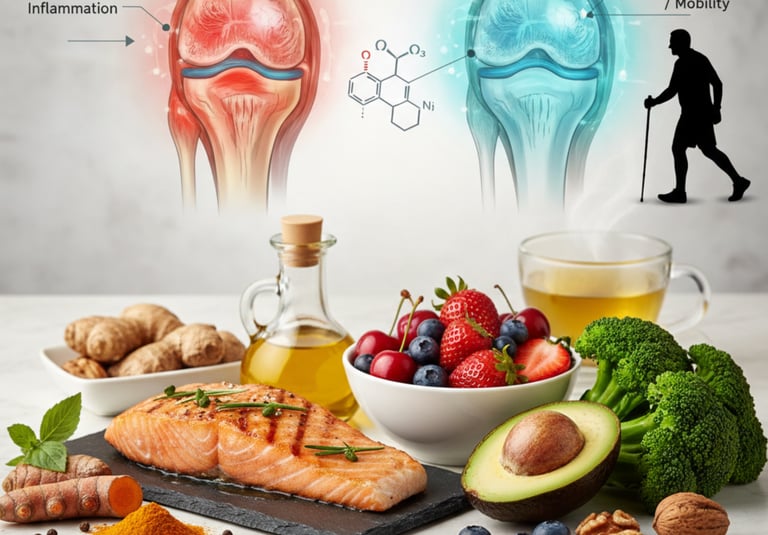
15 Anti-Inflammatory Foods for Arthritis and Joint Pain: Science-Backed Nutrition for Relief
By BiteBrightly 24 February 2026: This post might contain affiliate links.
Do you wake up every morning dreading the stiffness that greets your joints before you've even gotten out of bed? Does joint pain limit your ability to walk, climb stairs, open jars, or simply enjoy the activities you love? Has inflammation made your life smaller than it should be?
You might be living with arthritis—one of the most common and debilitating chronic conditions worldwide. Whether you've been diagnosed with rheumatoid arthritis, osteoarthritis, psoriatic arthritis, or simply suffer from persistent joint inflammation and pain, the daily reality can feel relentless and exhausting.
Arthritis and joint pain are fundamentally driven by inflammation. When inflammatory processes run unchecked in your joints, they trigger cartilage breakdown, synovial membrane irritation, bone erosion, and the chronic pain that defines life with arthritis. Over time, uncontrolled inflammation accelerates joint damage and permanently reduces mobility and quality of life.
Most people turn immediately to medications—NSAIDs, corticosteroids, DMARDs—to manage joint inflammation and pain. While these can be necessary and lifesaving, they come with significant side effects and don't address one of the most accessible tools available to every arthritis patient: what you eat every day.
Your diet is not a replacement for medical treatment, but it is one of the most powerful complementary tools for managing joint inflammation. Specific foods contain compounds that directly reduce inflammatory pathways, protect cartilage, support joint lubrication, and blunt the immune responses that drive arthritis. Other foods actively worsen inflammation, accelerating joint damage and intensifying pain.
This comprehensive guide reveals fifteen science-backed anti-inflammatory foods that can meaningfully reduce arthritis symptoms and support joint health. From omega-3-rich fish to polyphenol-packed berries, these dietary additions work through multiple mechanisms to calm inflammation, reduce pain, and protect your joints from further damage.
Key Takeaways
Arthritis is fundamentally an inflammatory condition—diet directly influences inflammatory pathways driving joint damage
Certain foods contain compounds that directly inhibit pro-inflammatory cytokines and enzymes
Omega-3 fatty acids are among the most powerful dietary tools for reducing joint inflammation
Antioxidant-rich foods protect joint tissue from oxidative damage that accelerates arthritis
Gut health profoundly influences systemic inflammation—supporting beneficial gut bacteria reduces joint inflammation
Combining an anti-inflammatory diet with medical treatment produces better outcomes than either alone
Removing inflammatory foods is just as important as adding anti-inflammatory ones
Understanding Arthritis: The Inflammation Behind the Pain
Before you can effectively use diet to manage arthritis, you need to understand what arthritis is, what drives it, and how chronic inflammation damages your joints.
Arthritis is not a single disease but an umbrella term covering more than 100 conditions affecting joints and surrounding tissue. The most common forms are osteoarthritis—a degenerative condition where protective cartilage breaks down—and rheumatoid arthritis, an autoimmune disease where your immune system attacks the synovial lining of your joints. Despite their different mechanisms, both conditions involve inflammation as a central driver of pain and damage.
The Inflammatory Cascade in Arthritic Joints
When inflammation strikes a joint, a complex cascade of molecular events unfolds. Your immune system releases pro-inflammatory cytokines—signaling molecules like TNF-alpha, interleukin-1, and interleukin-6—that trigger swelling, increased blood flow, heat, and pain in the affected joint. Enzymes called matrix metalloproteinases (MMPs) begin breaking down cartilage. White blood cells flood the joint space, releasing reactive oxygen species that cause oxidative damage to cartilage and bone.
In a healthy acute injury, this process resolves after healing. In arthritis, the inflammatory cascade becomes chronic—constantly activated, perpetually damaging joint tissue, and progressively worsening with time. This chronic inflammation is what makes arthritis a relentless, progressive condition rather than a temporary problem.
What Drives Chronic Joint Inflammation
Modern life creates conditions that promote and perpetuate joint inflammation through multiple pathways.
Inflammatory diet: Diets high in refined sugars, processed foods, refined vegetable oils, and trans fats flood your body with pro-inflammatory compounds. These foods elevate inflammatory cytokines, promote gut dysbiosis that leaks inflammatory endotoxins into your bloodstream, and provide none of the anti-inflammatory compounds your body needs to resolve inflammation.
Gut dysbiosis: Your gut microbiome profoundly influences systemic inflammation. Imbalanced gut bacteria allow inflammatory compounds to cross your gut wall and enter your bloodstream—a process called intestinal permeability or "leaky gut"—triggering whole-body inflammatory responses that include your joints. Research increasingly links gut health to arthritis severity.
Oxidative stress: Free radicals—unstable molecules generated by metabolism, stress, pollution, and inflammatory processes—damage joint tissue directly. Cartilage cells are particularly vulnerable to oxidative damage, and people with arthritis show significantly elevated oxidative stress markers.
Excess weight: Adipose tissue—particularly visceral fat—is metabolically active, producing pro-inflammatory cytokines including leptin, resistin, and adiponectin. Excess weight also increases mechanical stress on weight-bearing joints, accelerating cartilage breakdown in the knees, hips, and spine.
Omega-6 to omega-3 imbalance: Modern Western diets contain dramatically more omega-6 fatty acids than omega-3s—often 20:1 or higher compared to the ideal 4:1 ratio. Omega-6 fatty acids serve as precursors to pro-inflammatory prostaglandins and leukotrienes, while omega-3s produce anti-inflammatory resolvins and protectins. This imbalance tips your body toward a chronically pro-inflammatory state.
Micronutrient deficiencies: Vitamins D and K2, magnesium, selenium, and other nutrients play essential roles in joint health and inflammation regulation. Widespread deficiencies in these nutrients impair your body's ability to resolve inflammation and maintain healthy joints.
How Arthritis Progresses Without Intervention
Left unaddressed, chronic joint inflammation causes progressive, irreversible damage. In osteoarthritis, cartilage—the cushioning tissue that protects bone surfaces—gradually breaks down. As cartilage thins and disappears, bone grinds against bone, causing severe pain, bony outgrowths (osteophytes), and eventual joint deformity.
In rheumatoid arthritis, the synovial membrane lining your joints becomes chronically inflamed, thickened, and eventually invasive—releasing enzymes that destroy cartilage and erode underlying bone. Over time, joint destruction leads to permanent deformity and disability.
Understanding that inflammation drives this progression clarifies why an anti-inflammatory diet can be genuinely disease-modifying—not just symptom-relieving. By reducing the inflammatory load on your joints, you may slow the underlying progression of joint damage while improving daily quality of life.
How Food Influences Joint Inflammation
Your diet influences joint inflammation through several powerful and overlapping mechanisms. Understanding these pathways helps you make strategic food choices that target the root drivers of arthritis.
Direct Inhibition of Inflammatory Pathways
Certain food compounds directly interfere with the molecular machinery of inflammation. Curcumin from turmeric inhibits NF-kB—the master switch controlling inflammatory gene expression. Omega-3 fatty acids compete with omega-6s for enzymes that produce inflammatory mediators, reducing prostaglandin and leukotriene production. Quercetin and other flavonoids inhibit pro-inflammatory cytokine production. These aren't vague wellness effects—they're measurable molecular interactions backed by substantial research.
Antioxidant Protection
Anti-inflammatory foods rich in antioxidants protect joint tissue from the oxidative damage that accelerates arthritis. Vitamins C and E, carotenoids, polyphenols, and other antioxidants neutralize free radicals before they damage cartilage collagen, chondrocytes (cartilage cells), and synovial tissue. Regular antioxidant intake reduces oxidative stress markers in people with arthritis and helps preserve remaining joint tissue.
Gut Microbiome Support
Foods that support beneficial gut bacteria—particularly fermented foods and prebiotic fiber—reduce the intestinal permeability that allows inflammatory endotoxins into your bloodstream. A healthy gut microbiome produces short-chain fatty acids that actively reduce systemic inflammation, including in joints. Research increasingly demonstrates links between gut dysbiosis and arthritis severity.
Cartilage Support and Synovial Fluid Quality
Certain nutrients directly support cartilage structure and repair. Vitamin C is essential for collagen synthesis—the protein that gives cartilage its strength and flexibility. Sulfur-containing foods support glycosaminoglycan production—compounds that make up the matrix of cartilage and give it its shock-absorbing properties. Adequate hydration and healthy fats support the quality and viscosity of synovial fluid, which lubricates your joints.
Weight Management
Because excess weight dramatically increases both inflammatory cytokine production and mechanical joint stress, foods that support healthy weight management indirectly but powerfully support joint health. Anti-inflammatory whole foods tend to be more satiating and metabolically favorable than processed alternatives, supporting weight management while simultaneously reducing inflammation.
The 15 Anti-Inflammatory Foods for Arthritis
1. Fatty Fish (Salmon, Mackerel, Sardines)
Fatty fish sits at the top of virtually every list of anti-inflammatory foods for arthritis—and for excellent reason. Multiple clinical trials and large population studies consistently show that regular fatty fish consumption reduces joint pain, morning stiffness, and disease activity in both osteoarthritis and rheumatoid arthritis.
How it works: Fatty fish provides EPA (eicosapentaenoic acid) and DHA (docosahexaenoic acid)—long-chain omega-3 fatty acids that are among the most powerful dietary anti-inflammatory compounds known. EPA and DHA compete with arachidonic acid (an omega-6 fatty acid) for enzymes that produce inflammatory prostaglandins and leukotrienes. When EPA and DHA "win" this enzymatic competition, the resulting metabolites are far less inflammatory—or even actively anti-inflammatory.
EPA and DHA also give rise to specialized pro-resolving mediators (SPMs) including resolvins, protectins, and maresins. These compounds actively resolve inflammation by clearing inflammatory debris, reducing cytokine production, and protecting joint tissue from further damage. SPMs don't just reduce inflammation—they help end it.
According to research published in the Annals of the Rheumatic Diseases, omega-3 supplementation reduces TNF-alpha and interleukin-1 beta—two cytokines central to arthritis inflammation. Studies of rheumatoid arthritis patients show that regular fish oil consumption allows many patients to reduce their NSAID dosage.
How to use it: Consume fatty fish at least 2-3 times weekly. Excellent choices include wild-caught Alaskan salmon, Atlantic mackerel, Pacific sardines, anchovies, and herring. These provide the highest EPA and DHA content. Aim for 3-4 ounce servings, prepared by grilling, baking, or steaming to preserve the omega-3 content.
For convenience, canned sardines and mackerel packed in water or olive oil provide equivalent omega-3 benefits at significantly lower cost. For those who dislike fish, high-quality fish oil supplements providing at least 2-3 grams combined EPA+DHA daily can partially substitute, though whole food sources remain preferable.
2. Turmeric
Turmeric has been used for centuries in Ayurvedic and traditional Chinese medicine for joint pain and inflammation—and modern research has validated this traditional use extensively. Studies show turmeric consumption can meaningfully reduce arthritis pain and inflammation.
How it works: Turmeric's active compound, curcumin, is one of the most thoroughly studied natural anti-inflammatory agents. Curcumin works through multiple mechanisms simultaneously. It inhibits NF-kB—the master transcription factor that activates genes encoding pro-inflammatory cytokines, adhesion molecules, and inflammatory enzymes. It suppresses COX-2 and LOX enzymes that produce inflammatory prostaglandins and leukotrienes—the same enzymes targeted by NSAIDs like ibuprofen. It also directly reduces production of TNF-alpha, interleukin-1, and interleukin-6—the primary cytokines driving arthritis inflammation.
Multiple clinical trials comparing curcumin to NSAIDs for osteoarthritis have found comparable pain relief with fewer gastrointestinal side effects. According to a clinical trial published in the Journal of Alternative and Complementary Medicine, curcumin was as effective as ibuprofen for knee osteoarthritis pain while causing significantly fewer adverse events.
The main limitation of turmeric is bioavailability—curcumin is poorly absorbed on its own. Combining it with black pepper (which contains piperine) increases curcumin absorption by up to 2,000%. Consuming turmeric with fat also significantly enhances absorption, as curcumin is fat-soluble.
How to use it: Add turmeric liberally to cooking—curries, soups, roasted vegetables, rice dishes, and marinades all work well. Always add a generous pinch of black pepper alongside turmeric to maximize absorption. Golden milk—warm turmeric-spiced milk—is an excellent daily anti-inflammatory ritual, especially effective when made with full-fat coconut milk or whole dairy for fat-enhanced absorption.
For therapeutic effects, consider a standardized turmeric or curcumin supplement (500-1000mg curcumin daily with piperine) in addition to dietary turmeric. While dietary turmeric provides benefits, higher curcumin doses studied in clinical trials typically exceed what's achievable through cooking alone.
3. Ginger
Ginger shares many anti-inflammatory properties with turmeric and has been used specifically for joint pain management across multiple traditional medical systems. Clinical research supports its use for both osteoarthritis and rheumatoid arthritis.
How it works: Ginger contains gingerols, shogaols, and paradols—bioactive compounds with potent anti-inflammatory and antioxidant properties. Like NSAIDs, ginger inhibits both COX-1 and COX-2 enzymes, reducing prostaglandin production and the inflammation and pain they cause. Ginger also suppresses leukotriene synthesis—another class of inflammatory mediators particularly relevant to rheumatoid arthritis.
Research shows that ginger reduces levels of inflammatory cytokines and chemokines in joint tissue. Studies specifically demonstrate reduced knee pain and improved function in osteoarthritis patients consuming ginger extracts. Ginger also possesses analgesic properties independent of its anti-inflammatory effects, making it doubly effective for joint pain.
Additionally, ginger supports digestive health and reduces nausea—important benefits for arthritis patients who often experience GI distress from their medications.
How to use it: Fresh ginger is most potent—add grated or minced fresh ginger to stir-fries, soups, marinades, smoothies, and teas. Aim for 1-2 grams (roughly 1 teaspoon fresh grated) daily. Ginger tea—steeping fresh ginger slices in hot water for 10 minutes—provides a warming, anti-inflammatory daily ritual particularly soothing for joint pain.
Ground dried ginger works well in cooking and provides similar benefits. Ginger shots and fresh-pressed ginger juice deliver concentrated doses. For higher therapeutic doses, standardized ginger extract supplements (250-500mg daily) provide reliable potency.
4. Berries (Blueberries, Cherries, Strawberries)
Berries—particularly blueberries, tart cherries, and strawberries—provide exceptional anti-inflammatory benefits for arthritis through their remarkable antioxidant and polyphenol content.
How it works: Berries are loaded with anthocyanins—the pigments responsible for their vibrant red, purple, and blue colors—that possess powerful anti-inflammatory properties. Anthocyanins inhibit pro-inflammatory enzymes and cytokines while reducing oxidative damage to joint tissue. They also support collagen synthesis, helping maintain the structural integrity of cartilage.
Tart cherries deserve special mention for arthritis specifically. Research shows that tart cherry juice or concentrate significantly reduces inflammatory markers including CRP (C-reactive protein) and uric acid—the compound responsible for gout attacks, a particularly painful form of arthritis. Studies of marathon runners and people with osteoarthritis show reduced pain, improved function, and lower inflammatory markers with regular tart cherry consumption.
Blueberries provide pterostilbene and resveratrol in addition to anthocyanins—compounds that inhibit inflammatory pathways through multiple mechanisms. Strawberries are particularly rich in vitamin C, essential for collagen synthesis in cartilage.
How to use it: Aim for 1 cup of mixed berries daily. Fresh and frozen berries are equally beneficial—frozen berries are often more economical and practical. Add berries to morning smoothies, yogurt, oatmeal, or eat as snacks throughout the day.
For targeted gout or arthritis pain relief, tart cherry concentrate (1-2 tablespoons daily diluted in water) or tart cherry juice (8-12 ounces daily) provides therapeutic anthocyanin levels. During arthritis flares, increasing berry consumption can help address the elevated oxidative stress and inflammation characteristic of active flares.
5. Leafy Green Vegetables (Spinach, Kale, Swiss Chard)
Dark leafy greens are among the most nutrient-dense foods available and provide multiple compounds that directly support joint health and reduce arthritis inflammation.
How it works: Leafy greens are exceptional sources of vitamin K—particularly vitamin K1 (phylloquinone)—which plays a crucial role in regulating inflammatory responses. Vitamin K inhibits pro-inflammatory cytokine production and has been specifically associated with reduced progression of knee osteoarthritis. Low vitamin K intake is linked to increased arthritis risk and severity.
Leafy greens also provide abundant antioxidants including vitamins C and E, carotenoids (lutein, zeaxanthin, beta-carotene), and polyphenols that protect joint tissue from oxidative damage. Their high magnesium content supports anti-inflammatory enzyme function. Folate from leafy greens reduces homocysteine—an inflammatory amino acid elevated in many arthritis patients.
Sulforaphane—particularly abundant in cruciferous greens like kale, arugula, and bok choy—has been shown to block enzymes that cause joint destruction in osteoarthritis. Research suggests sulforaphane may slow cartilage degradation by inhibiting the inflammatory pathways driving breakdown.
How to use it: Aim for 2-3 cups of raw or 1-2 cups of cooked leafy greens daily. Variety matters—rotate between spinach, kale, Swiss chard, collard greens, arugula, bok choy, and other options to obtain different nutrient profiles.
Lightly cooking or steaming dark greens increases the bioavailability of certain nutrients while reducing oxalates that can interfere with mineral absorption. Massaging raw kale with a small amount of olive oil and lemon juice before eating breaks down the tough fiber, making it more digestible and palatable. Add greens to smoothies (you'll barely taste them), sauté as side dishes, add to soups, or blend into pasta sauces.
6. Olive Oil (Extra Virgin)
Extra virgin olive oil is the cornerstone fat of the Mediterranean diet—the eating pattern most consistently associated with reduced arthritis symptoms and lower inflammatory markers in research.
How it works: Extra virgin olive oil contains oleocanthal—a phenolic compound that inhibits both COX-1 and COX-2 enzymes using the same mechanism as ibuprofen. Research published in Nature highlighted that freshly pressed extra virgin olive oil causes a "throat scratch" identical to that of ibuprofen—a sensory experience caused by the same anti-inflammatory mechanism. The higher quality and more pungent the olive oil, the higher the oleocanthal content.
Olive oil also provides oleic acid—a monounsaturated fatty acid that reduces inflammatory cytokine production—and a diverse array of polyphenols including hydroxytyrosol and oleuropein with potent antioxidant and anti-inflammatory properties. These compounds protect joint tissue, reduce oxidative stress, and modulate immune responses relevant to arthritis.
Multiple studies of Mediterranean diet adherence show significant reductions in pain, disability, and inflammatory markers in arthritis patients. Replacing inflammatory refined vegetable oils with extra virgin olive oil represents one of the most impactful single dietary swaps for joint health.
How to use it: Use extra virgin olive oil as your primary cooking and finishing fat. Drizzle over salads, vegetables, fish, and pasta. Use for low to medium heat cooking (it has a moderate smoke point). Add to smoothies for healthy fat content.
Choose cold-pressed, single-origin extra virgin olive oil in dark glass bottles or tins—these preserve the oleocanthal and polyphenol content. Avoid "light" or refined olive oil, which lacks the beneficial compounds. Store away from light and heat to preserve quality.
7. Broccoli and Cruciferous Vegetables
Broccoli and its cruciferous cousins—Brussels sprouts, cauliflower, cabbage, and kale—provide unique compounds with specific relevance to arthritis and joint protection.
How it works: Broccoli is the richest food source of sulforaphane—a potent anti-inflammatory compound produced when you chew or chop the vegetable (the enzyme myrosinase converts the precursor glucoraphanin to sulforaphane). Sulforaphane activates Nrf2—a master regulator of antioxidant and anti-inflammatory gene expression—providing broad protection against inflammatory damage throughout the body.
Crucially, sulforaphane specifically inhibits the breakdown of cartilage in laboratory studies by blocking inflammatory signaling molecules. According to research from the University of East Anglia published in Arthritis & Rheumatology, sulforaphane slows the development of osteoarthritis, reducing the production of MMP-13—a key enzyme that destroys cartilage—and blocking NF-kB pathways in joint tissue. While human clinical trials are ongoing, the mechanistic evidence is compelling.
Cruciferous vegetables also provide vitamin C (essential for collagen production), vitamin K, calcium, and indole-3-carbinol—a compound that modulates immune function relevant to rheumatoid arthritis.
How to use it: Eat 1-2 cups of cruciferous vegetables daily. Lightly steam or sauté broccoli for 3-5 minutes—this retains most sulforaphane while making it more digestible. Avoid overboiling, which destroys both sulforaphane and vitamin C. Alternatively, eat raw broccoli (chewing activates myrosinase conversion most effectively) or buy broccoli sprouts, which contain 20-100 times more glucoraphanin than mature broccoli.
Add mustard seeds or mustard powder to cooked cruciferous vegetables—mustard contains its own myrosinase enzyme, which partially compensates for the enzyme destruction that occurs during cooking.
8. Walnuts
Among all nuts, walnuts stand out for arthritis due to their exceptional omega-3 content and diverse anti-inflammatory compounds.
How it works: Walnuts are the only nut with significant omega-3 fatty acid content, providing alpha-linolenic acid (ALA)—the plant-based omega-3 that your body partially converts to EPA and DHA. While the conversion efficiency is relatively low (5-15%), walnuts still meaningfully improve omega-3 status and reduce inflammatory markers.
Beyond omega-3s, walnuts provide ellagic acid and other polyphenols that reduce inflammatory cytokine production. They're rich in magnesium—a mineral essential for over 300 enzymatic reactions, many of which regulate inflammation. Walnuts also contain gamma-tocopherol—a form of vitamin E with particular effectiveness against nitrosative stress damage to joints.
Population studies show that regular walnut consumption is associated with significantly lower CRP and other inflammatory markers. A study of people with rheumatoid arthritis found that walnuts reduced several markers of disease activity.
How to use it: Eat 1 ounce (about 14 walnut halves or 1/4 cup) of raw or lightly toasted walnuts daily. Add to oatmeal, yogurt, and salads, blend into smoothies, or eat as a snack paired with fruit. Store walnuts in the refrigerator to prevent their polyunsaturated fats from oxidizing.
For maximum benefit, combine walnuts with other omega-3 sources—the cumulative effect of multiple plant-based omega-3 sources plus fatty fish provides the best overall omega-3 status.
9. Garlic and Onions
These pungent allium vegetables have been used as natural medicines for millennia—and their anti-inflammatory properties are well-supported by modern research, with specific applications for arthritis.
How it works: Garlic contains allicin—formed when fresh garlic is crushed or chopped—along with diallyl disulfide, S-allylcysteine, and other organosulfur compounds with potent anti-inflammatory and antioxidant properties. These compounds inhibit inflammatory cytokine production, reduce oxidative stress in joint tissue, and modulate immune function.
Research specifically shows that garlic inhibits pro-inflammatory cytokines relevant to rheumatoid arthritis. Diallyl disulfide has been shown to suppress the expression of cartilage-degrading enzymes and inflammatory mediators in osteoarthritis models. Garlic also supports gut health, promoting beneficial bacteria that reduce systemic inflammation.
Onions are exceptionally rich in quercetin—one of the most well-studied anti-inflammatory flavonoids. Quercetin inhibits histamine release, reduces inflammatory enzyme activity, and decreases production of pro-inflammatory cytokines. Red and yellow onions provide the highest quercetin content. Quercetin also inhibits uric acid accumulation relevant to gout.
How to use it: Include garlic and onions in cooking daily. For maximum allicin production in garlic, crush or mince cloves and allow them to rest for 10-15 minutes before adding to heat—this allows the allicin-forming enzymatic reaction to complete before cooking destroys the enzyme. Raw garlic provides the most allicin; lightly cooked garlic retains most benefits.
Use garlic and onions as flavor bases for soups, stews, sautés, and sauces. Roasted garlic develops a milder, sweeter flavor while retaining anti-inflammatory properties. Caramelized onions concentrate quercetin while creating a delicious, versatile condiment.
10. Avocados
These rich, creamy fruits provide multiple nutrients and compounds that support joint health and reduce arthritis inflammation.
How it works: Avocados contain avocatin B—a unique lipid compound shown to reduce joint inflammation by inhibiting pro-inflammatory signaling pathways. They provide abundant monounsaturated fatty acids that reduce inflammatory cytokine production and support cell membrane health throughout the body, including in joint tissue.
Avocados are among the richest food sources of vitamin E—a fat-soluble antioxidant that protects cell membranes from oxidative damage, including in cartilage cells. Research shows that people with higher vitamin E intake have lower risk of osteoarthritis progression. They also provide vitamin K, B vitamins, and potassium that support anti-inflammatory processes.
Particularly for osteoarthritis, avocado-soybean unsaponifiables (ASU)—extracts from avocado and soybean oils—have been extensively studied in clinical trials. ASU reduces pro-inflammatory cytokines, stimulates cartilage repair mechanisms, and has been approved as a treatment for hip and knee osteoarthritis in France. While eating avocados doesn't provide the concentrated ASU doses in supplements, regular consumption contributes these beneficial compounds.
How to use it: Eat 1/2 to 1 whole avocado daily. Add to salads, spread on whole grain toast, blend into smoothies for creaminess, slice over eggs or grain bowls, or prepare guacamole with anti-inflammatory additions like lime juice, cilantro, and jalapeño. Avocado also works as a creamy base for dressings and dips, replacing less healthy fats.
The healthy fats in avocado also enhance absorption of fat-soluble anti-inflammatory compounds from other foods eaten with it—particularly carotenoids from vegetables and greens.
11. Green Tea
Beyond its cortisol-lowering properties, green tea is one of the most thoroughly researched beverages for reducing arthritis inflammation, with both animal studies and human clinical trials supporting its benefits.
How it works: Green tea is exceptionally rich in epigallocatechin gallate (EGCG)—a powerful polyphenol that specifically targets several key inflammatory pathways in arthritis. EGCG inhibits cytokines and chemokines that drive synovial inflammation, reduces the production and activity of cartilage-degrading enzymes (particularly MMP-1, MMP-3, and MMP-13), and suppresses the inflammatory NF-kB pathway.
Research specifically demonstrates that EGCG inhibits the migration of inflammatory cells into joints and reduces the production of prostaglandins that cause joint pain. In rheumatoid arthritis models, EGCG significantly reduces joint destruction. Population studies show that green tea drinkers have lower rates of rheumatoid arthritis and reduced disease activity compared to non-drinkers.
Green tea also provides L-theanine, which reduces inflammatory stress responses, and substantial antioxidant protection against the oxidative damage driving arthritis progression.
How to use it: Drink 3-4 cups of green tea daily, spacing consumption throughout the day. Brew with water just below boiling (around 170-180°F) for 2-3 minutes—higher temperatures and longer steeping extract more polyphenols but also increase bitterness. High-quality Japanese green teas like sencha, gyokuro, and matcha provide the highest EGCG content.
Matcha deserves special mention—because you consume the entire powdered leaf rather than just the steeped liquid, matcha provides several times more EGCG than regular green tea. One cup of matcha may equal 3-4 cups of brewed green tea in polyphenol content.
12. Pineapple and Papaya (Bromelain and Papain)
These tropical fruits contain unique digestive enzymes with specific anti-inflammatory properties especially relevant to arthritis and joint pain.
How it works: Pineapple is the only significant food source of bromelain—a mixture of proteolytic enzymes with potent anti-inflammatory effects. Bromelain reduces prostaglandin production, inhibits inflammatory cytokines including bradykinin (which sensitizes pain receptors), and reduces tissue swelling and edema. Multiple clinical trials show bromelain reduces pain and improves function in knee osteoarthritis, sometimes comparably to NSAIDs.
Bromelain's benefits for joint pain have been demonstrated even when taken orally, despite many enzymes being denatured in digestion—suggesting systemic absorption of at least some active compounds. It's particularly effective for acute joint inflammation and post-exercise soreness.
Papaya contains papain—a similar proteolytic enzyme with anti-inflammatory properties—along with beta-carotene, vitamin C, and vitamin E providing substantial antioxidant protection. The combination of enzymes and antioxidants makes papaya particularly useful for joint health.
How to use it: Include pineapple and papaya regularly, particularly around physical activity that stresses your joints. Fresh pineapple core contains the highest bromelain concentration—don't discard it. Papaya seeds are also edible and contain concentrated enzymes; use them as a slightly peppery condiment.
For therapeutic bromelain levels for active arthritis, supplemental bromelain (500-1000mg daily between meals) provides more reliable dosing than diet alone. However, dietary pineapple provides meaningful benefits as part of a comprehensive anti-inflammatory eating pattern.
13. Bone Broth and Collagen-Rich Foods
While research is still developing, bone broth and collagen-rich foods have substantial mechanistic plausibility for supporting joint health and reducing arthritis symptoms.
How it works: Bone broth—made by simmering animal bones and connective tissue for extended periods—is rich in type II collagen, gelatin, glucosamine, chondroitin, and hyaluronic acid—compounds that form the structural matrix of cartilage and synovial fluid. These are the same compounds found in popular joint supplements, but in food form with additional nutrients.
Glucosamine and chondroitin have been extensively studied in clinical trials for osteoarthritis, with evidence supporting their ability to reduce pain and possibly slow cartilage degradation. Dietary sources provide these compounds in a food matrix that may enhance absorption and bioactivity.
Bone broth also provides collagen peptides—amino acids that research suggests stimulate your body's own collagen synthesis when absorbed. Studies of collagen supplements show reduced joint pain and improved function in both athletes and osteoarthritis patients. Bone broth's glycine content specifically supports anti-inflammatory pathways.
How to use it: Include 1-2 cups of bone broth daily, particularly on days with increased joint pain. Make your own by simmering quality animal bones (from pastured or grass-fed animals for best nutrition) with vegetables and vinegar for 12-24 hours, or choose quality commercial bone broths with minimal additives. Use bone broth as a cooking liquid for grains, legumes, and soups, or drink it warm as a beverage.
Collagen powder—hydrolyzed collagen peptides from bones and connective tissue—can be added to smoothies, coffee, or other beverages as a more convenient alternative when bone broth isn't available.
14. Sweet Potatoes and Orange Vegetables
These vibrant orange foods are loaded with carotenoids—potent antioxidants with specific relevance to joint health and arthritis inflammation.
How it works: Sweet potatoes, carrots, squash, and pumpkin are exceptionally rich in beta-carotene—the orange pigment that your body converts to vitamin A. Beta-carotene and other carotenoids (alpha-carotene, beta-cryptoxanthin) function as powerful antioxidants that protect joint tissue from oxidative damage. Beta-cryptoxanthin specifically has been associated with reduced risk of developing inflammatory arthritis in large population studies.
Vitamin A (from dietary beta-carotene conversion) regulates immune function relevant to autoimmune forms of arthritis like rheumatoid arthritis. It supports the integrity of mucosal barriers including gut lining, reducing the intestinal permeability that allows inflammatory compounds to reach joints.
Sweet potatoes also provide complex carbohydrates that support a stable blood sugar—important because blood sugar spikes trigger inflammatory cytokine production. They're rich in vitamin C (supporting collagen synthesis), potassium, and B vitamins that support anti-inflammatory processes.
How to use it: Include sweet potatoes and other orange vegetables 3-4 times weekly. Bake, roast, or steam sweet potatoes—avoid frying or adding excessive butter or sugar. Roasted carrots and butternut squash make excellent sides. Pumpkin puree adds beta-carotene to smoothies, soups, and oatmeal with minimal flavor impact.
Combining orange vegetables with healthy fats significantly increases carotenoid absorption, as carotenoids are fat-soluble. Dress carrot salads with olive oil, add avocado to sweet potato bowls, or roast vegetables in extra virgin olive oil for optimal nutrient absorption.
15. Fermented Foods (Yogurt, Kefir, Sauerkraut, Kimchi)
The gut-joint connection is one of the most exciting emerging areas in arthritis research. Your gut microbiome profoundly influences systemic inflammation—and fermented foods that support gut health can meaningfully reduce joint inflammation.
How it works: Your gut contains trillions of bacteria that communicate with your immune system, regulate inflammatory pathways, and influence the production of compounds that reach every tissue in your body, including your joints. Imbalanced gut bacteria (dysbiosis) promote intestinal permeability, allowing bacterial endotoxins (LPS) to enter your bloodstream, triggering systemic inflammation that exacerbates joint inflammation.
Research has found distinct gut microbiome differences between people with and without rheumatoid arthritis, with specific bacteria associated with increased disease activity. Importantly, beneficial bacteria—particularly Lactobacillus and Bifidobacterium species—produce short-chain fatty acids including butyrate that actively reduce inflammation throughout the body. They also support gut barrier integrity, preventing the inflammatory leakage that worsens arthritis.
Clinical trials of probiotic supplementation in rheumatoid arthritis patients show reduced inflammatory markers including CRP, decreased disease activity scores, and improved quality of life. Dietary probiotic foods provide similar benefits alongside the nutritional advantages of whole foods.
How to use it: Include 1-2 servings of fermented foods daily, rotating among different sources for microbial diversity. Plain unsweetened yogurt with live cultures provides probiotics plus protein and calcium—choose full-fat varieties for better satiety and fat-soluble vitamin absorption. Kefir contains greater bacterial diversity than yogurt and is tolerated by many lactose-intolerant individuals.
For dairy-free options, raw (unpasteurized, refrigerated) sauerkraut and kimchi provide live cultures plus anti-inflammatory sulfur compounds from the cabbage. Kombucha provides probiotics plus the benefits of tea polyphenols. Start with small servings and gradually increase to allow your gut microbiome to adapt.
Building an Anti-Inflammatory Diet Pattern for Arthritis
Individual anti-inflammatory foods provide specific benefits, but the overall pattern of your diet matters even more than any single food. These principles help you create an eating approach that comprehensively addresses joint inflammation.
Adopt a Mediterranean-Style Eating Pattern
The Mediterranean diet consistently shows the strongest evidence for reducing arthritis inflammation and symptoms of any dietary pattern. It naturally emphasizes most of the fifteen foods in this guide while minimizing inflammatory foods.
Core principles include abundant vegetables and fruits (especially leafy greens, tomatoes, citrus, and berries), olive oil as the primary fat, fatty fish 2-3 times weekly, regular legumes and whole grains, moderate nuts and seeds, herbs and spices liberally, and minimal processed foods, red meat, and refined carbohydrates.
Multiple studies show that arthritis patients following Mediterranean-style diets experience reduced pain, better function, lower inflammatory markers, and improved quality of life compared to those eating typical Western diets. According to research published in Arthritis Research & Therapy, for rheumatoid arthritis specifically, Mediterranean diet adherence correlates with reduced disease activity and lower need for medications.
Rebalance Your Omega-6 to Omega-3 Ratio
The single most impactful dietary change many arthritis patients can make is dramatically improving their omega-6 to omega-3 ratio. Modern Western diets typically provide 15-20 times more omega-6 than omega-3 fatty acids—far above the 4:1 ratio associated with reduced inflammation.
Reduce omega-6 intake by eliminating refined vegetable oils (soybean, corn, cottonseed, sunflower) from cooking, minimizing processed and fried foods that use these oils, and reducing consumption of grain-fed meat and farmed fish (which concentrate omega-6s). Simultaneously increase omega-3 intake through regular fatty fish consumption, walnuts, flaxseeds, chia seeds, and hemp seeds.
This ratio rebalancing tips your body's inflammatory/anti-inflammatory balance toward resolution, reducing the chronic low-grade inflammation driving arthritis progression.
Maximize Antioxidant Intake
Since oxidative stress plays a major role in cartilage damage and arthritis progression, building antioxidant protection through diet is essential. The most effective approach is eating the rainbow—consuming a diverse range of colorful fruits and vegetables daily to obtain different families of antioxidants that work synergistically.
Aim for at least 7-9 servings of vegetables and fruits daily, prioritizing deeply colored options: dark leafy greens, berries, red and orange vegetables, cruciferous vegetables, and herbs. This diversity provides vitamins C and E, carotenoids, polyphenols, flavonoids, and dozens of other antioxidant compounds that protect joint tissue through complementary mechanisms.
Address Gut Health Systematically
Given the emerging evidence linking gut dysbiosis to arthritis, addressing gut health systematically can provide meaningful benefits beyond individual food choices.
Include fermented foods daily for probiotic bacteria. Prioritize prebiotic fiber—from onions, garlic, asparagus, Jerusalem artichokes, leeks, legumes, and whole grains—that feeds beneficial bacteria. Minimize foods that harm beneficial gut bacteria: refined sugars, artificial sweeteners, excessive alcohol, and highly processed foods. Consider a broad-spectrum probiotic supplement during periods of high arthritis activity.
Maintain Healthy Weight
For weight-bearing joints—knees, hips, ankles—every pound of excess weight multiplies mechanical stress. Losing even 10-15 pounds can dramatically reduce knee pain. An anti-inflammatory diet that supports healthy weight management thus benefits joints both through reduced inflammation and reduced mechanical stress.
Focus on whole foods with high nutrient density and satiety. Anti-inflammatory whole foods tend to be more filling than processed alternatives, naturally supporting calorie regulation without restrictive dieting.
Foods That Worsen Arthritis and Joint Inflammation
Understanding what to avoid is equally important to knowing what to eat. These foods and substances actively promote joint inflammation and should be minimized or eliminated.
Refined Sugar and High-Fructose Corn Syrup
Sugar is one of the most pro-inflammatory dietary components for arthritis. Refined sugar triggers the release of cytokines including TNF-alpha and interleukins that directly drive joint inflammation. High fructose corn syrup is particularly problematic—it promotes uric acid production, triggering gout attacks, while also increasing inflammatory markers systemically.
Eliminate: soda and sweetened beverages, candy, pastries, sweetened cereals, and foods listing sugar or high fructose corn syrup in their first several ingredients. Even natural sweeteners like honey and agave spike blood sugar and contribute to inflammation when consumed in excess.
Refined Vegetable and Seed Oils
Soybean oil, corn oil, sunflower oil, safflower oil, and cottonseed oil are extremely high in omega-6 linoleic acid. When these oils dominate your diet, they dramatically worsen the omega-6 to omega-3 ratio, promoting the production of pro-inflammatory prostaglandins and leukotrienes that drive joint inflammation.
These oils are ubiquitous in processed foods, restaurant cooking, and commercially prepared foods. Replacing them with olive oil, avocado oil, and coconut oil for cooking, and minimizing processed foods that contain them, represents one of the most impactful changes for joint inflammation.
Processed and Ultra-Processed Foods
Packaged snack foods, fast food, processed meats, and ready-made meals combine inflammatory refined oils, refined sugars, excessive salt, and artificial additives in ways that promote systemic inflammation. People with arthritis who consume more ultra-processed foods have significantly higher inflammatory markers and worse disease activity.
The microbiome-damaging effects of ultra-processed foods—through refined sugars, artificial sweeteners, emulsifiers, and preservatives—additionally worsen the gut dysbiosis that perpetuates joint inflammation.
Alcohol
Alcohol increases intestinal permeability, worsening the "leaky gut" that allows inflammatory compounds to reach your joints. It disrupts gut microbiome balance, promotes inflammatory cytokine production, and is a direct gout trigger in predisposed individuals. Regular alcohol consumption is associated with worse outcomes in both osteoarthritis and rheumatoid arthritis.
If you choose to drink, strict moderation (no more than 1 drink daily for women, 2 for men) and avoiding beer specifically (high in purines that raise uric acid) minimizes harm.
Nightshade Vegetables (For Some Individuals)
Tomatoes, peppers, eggplant, and potatoes—members of the nightshade family—contain alkaloids including solanine that some arthritis patients report worsen their symptoms. The scientific evidence is mixed and highly individual—large studies don't show nightshades worsen arthritis for most people, but anecdotal evidence of individual sensitivity is consistent.
If you suspect nightshades worsen your joint pain, consider a 4-6 week elimination trial followed by systematic reintroduction to test your individual response. Don't eliminate this nutritious food group without evidence that they specifically affect you, as they provide valuable anti-inflammatory compounds for most people.
Gluten (For Autoimmune Arthritis Patients)
People with celiac disease must avoid gluten for joint and overall health—gluten triggers intestinal permeability and systemic inflammation in this population. For the larger group of people with non-celiac gluten sensitivity, gluten may worsen intestinal permeability and systemic inflammation including in joints.
If you have rheumatoid arthritis or another autoimmune arthritis, consider trialing a strict gluten-free diet for 3 months to assess whether it reduces symptoms. Work with a registered dietitian to ensure nutritional adequacy if eliminating gluten.
Lifestyle Factors That Enhance Diet's Anti-Inflammatory Effects
Dietary changes produce their best results when combined with other lifestyle factors that reduce systemic inflammation and support joint health.
Appropriate Exercise
Movement is medicine for arthritic joints—despite the intuitive fear that exercise will worsen pain. Regular appropriate exercise reduces inflammation, strengthens muscles that support joints, improves joint lubrication, reduces pain sensitivity, and supports healthy weight. Immobility, by contrast, accelerates cartilage degeneration and worsens pain.
Ideal exercise for arthritis combines low-impact aerobic activity (swimming, cycling, walking, water aerobics) with strength training targeting muscles around affected joints, and flexibility work including gentle yoga or stretching. Work with a physical therapist to develop an individualized program appropriate for your specific joints and disease stage.
Quality Sleep
Poor sleep dramatically worsens pain sensitivity and inflammatory markers. Sleep deprivation elevates inflammatory cytokines including IL-6 and TNF-alpha, worsening arthritis inflammation. Many arthritis patients are caught in a cycle where pain disrupts sleep, and poor sleep worsens pain.
Addressing sleep through good sleep hygiene, appropriate pain management, and anti-inflammatory dietary approaches—particularly chamomile tea, magnesium-rich foods, and avoiding inflammatory foods that worsen sleep quality—creates positive cycles of improved sleep and reduced pain.
Stress Management
Chronic psychological stress activates inflammatory pathways through cortisol dysregulation, sympathetic nervous system activation, and immune modulation—directly worsening arthritis inflammation. Mind-body practices including meditation, yoga, tai chi, and qigong have specific research support for reducing pain and inflammatory markers in arthritis patients, beyond the general benefits of stress reduction.
Vitamin D Optimization
Vitamin D deficiency is exceptionally common in arthritis patients and strongly associated with worse disease activity and outcomes. Vitamin D regulates immune function, reduces pro-inflammatory cytokine production, and may slow arthritis progression. Most people with arthritis benefit from supplemental vitamin D3—work with your healthcare provider to optimize levels through blood testing, typically aiming for 50-70 ng/mL.
Supplements for Additional Joint Support
When dietary optimization needs supplemental support, these evidence-backed options provide additional anti-inflammatory benefit for joints.
Fish Oil
If you don't reliably consume fatty fish 2-3 times weekly, fish oil supplements providing at least 2-3 grams combined EPA+DHA daily represent one of the most evidence-backed supplements for arthritis. Higher doses (up to 4-6 grams daily) show greater anti-inflammatory effects in clinical trials. Choose molecularly distilled, triglyceride-form fish oil from reputable manufacturers to ensure purity and potency.
Curcumin with Piperine
Standardized curcumin extract (500-1000mg daily) with piperine provides therapeutic doses difficult to achieve through dietary turmeric alone. Look for formulations with enhanced bioavailability (including piperine, phospholipid complexes, or nanoparticle formulations). Multiple clinical trials support curcumin supplementation for both osteoarthritis and rheumatoid arthritis.
Boswellia Serrata
This Ayurvedic herb provides boswellic acids that inhibit 5-lipoxygenase (5-LOX)—an inflammatory enzyme particularly relevant to arthritis that's not targeted by NSAIDs. Clinical trials show significant pain reduction and improved function in osteoarthritis and rheumatoid arthritis. Typical dosage is 300-500mg of standardized extract (65% boswellic acids) three times daily.
Collagen Peptides
Hydrolyzed collagen peptides (10-15 grams daily) provide amino acids that accumulate in cartilage and stimulate chondrocyte activity. Clinical trials show reduced joint pain and improved function in athletes and osteoarthritis patients with regular collagen peptide supplementation. Add to smoothies, coffee, or other beverages.
Glucosamine and Chondroitin
These cartilage components remain among the most studied joint supplements, with evidence supporting modest benefits for reducing osteoarthritis pain and possibly slowing cartilage degradation. While results across studies are mixed, many individuals report significant benefit. Glucosamine sulfate (1500mg daily) and chondroitin sulfate (1200mg daily) provide the most studied dosages.
Your Anti-Inflammatory Action Plan: Getting Started
Implementing all fifteen foods simultaneously may feel overwhelming. This progressive approach builds an anti-inflammatory eating pattern systematically.
Week 1-2: The Foundation
Start with the highest-impact, most accessible changes:
Replace refined vegetable oils with extra virgin olive oil for all cooking and dressing
Add fatty fish twice weekly (start with canned sardines or mackerel if budget is a concern)
Begin drinking 3-4 cups of green tea daily
Add turmeric and black pepper to at least one meal daily
These four changes address the omega-6/omega-3 imbalance, provide potent anti-inflammatory compounds, and begin reducing inflammatory cytokine production within the first week.
Week 3-4: Adding Antioxidant Power
Expand your antioxidant intake while adding more beneficial foods:
Eat 1 cup of mixed berries daily (fresh or frozen)
Include 2-3 cups of leafy greens daily
Add a serving of broccoli or cruciferous vegetables daily
Include 1/2 avocado daily
Your body's oxidative stress burden begins decreasing as antioxidant intake increases, protecting existing joint tissue from further damage.
Week 5-6: Gut Health and Nutrient Density
Focus on gut health and filling remaining nutritional gaps:
Add 1-2 servings of fermented foods daily (yogurt, kefir, sauerkraut, or kimchi)
Include garlic and onions as regular flavor bases in cooking
Add sweet potatoes or orange vegetables 3-4 times weekly
Use ginger daily in cooking, tea, or smoothies
Week 7 and Beyond: Optimization and Consistency
Complete your anti-inflammatory dietary overhaul:
Include walnuts and pumpkin seeds as daily snacks
Introduce bone broth several times weekly
Add pineapple or papaya to your fruit rotation
Systematically reduce and eliminate sugar, processed foods, and refined oils
Tracking Your Progress
Keep a simple joint pain and symptom journal to track improvements. Rate your average pain, morning stiffness duration, and functional ability weekly. Note inflammatory flares and potential dietary triggers. Most people following this anti-inflammatory approach notice measurable improvements in pain and stiffness within 4-8 weeks, with continued progress over 3-6 months of consistent practice.
Conclusion
Arthritis and joint pain are among the most common causes of disability worldwide—but the story doesn't have to end with progressive decline. While you cannot reverse existing joint damage through diet alone, you possess genuine power to reduce the inflammation driving that damage, alleviate pain, preserve remaining joint function, and slow arthritis progression through the foods you choose every day.
The fifteen foods in this guide work through multiple, complementary mechanisms to address the root inflammatory processes underlying arthritis. Omega-3 rich fatty fish and walnuts rebalance your inflammatory/anti-inflammatory fatty acid ratio. Turmeric, ginger, and garlic directly inhibit the molecular machinery of inflammation. Berries, leafy greens, and olive oil provide antioxidants that protect joint tissue from oxidative damage. Fermented foods support the gut microbiome now recognized as a key regulator of systemic inflammation. Each food contributes specific benefits that compound with the others.
These aren't exotic or expensive ingredients requiring specialty stores or complicated preparation. They are whole, real foods available in every grocery store, familiar in every kitchen, and compatible with every cultural food tradition. The Mediterranean diet that incorporates most of them has sustained human health for thousands of years—and modern research increasingly validates why.
The most important insight is this: your diet is not merely a pleasant complement to medical treatment for arthritis. It is a powerful, evidence-backed intervention that directly targets the inflammatory pathways driving joint damage. Every meal is an opportunity to either fuel inflammation or fight it. With the foods in this guide, you can make that choice consistently count.
Work with your rheumatologist or healthcare provider to combine dietary changes with appropriate medical treatment—the two approaches work synergistically, not in competition. Many patients following anti-inflammatory diets find that their medication requirements decrease over time. But the foundation of reduced inflammation begins on your plate.
Start with one or two changes this week. Build from there. Give your body the months of consistent nutrition it needs to meaningfully shift its inflammatory balance. The joint health you protect today is the mobility and quality of life you'll have for decades to come.
FAQ
How long will it take to notice improvement in joint pain from dietary changes?
Most people notice some reduction in pain and stiffness within 2-6 weeks of consistently implementing an anti-inflammatory diet. However, meaningful reduction in inflammatory markers and more substantial symptom improvement typically requires 2-3 months of sustained changes. Maximum benefits emerge after 6-12 months of consistent anti-inflammatory eating. Individual response varies considerably based on arthritis type, severity, other lifestyle factors, and consistency.
Can diet replace my arthritis medications?
Diet is a powerful complementary intervention but should not replace medical treatment without guidance from your rheumatologist or healthcare provider. Many patients following anti-inflammatory diets find they can reduce medication doses over time, but this should always be done in coordination with medical supervision and monitoring. Think of diet as working synergistically with medical treatment, not instead of it.
Are there specific diets proven for arthritis beyond general anti-inflammatory eating?
The Mediterranean diet has the strongest evidence base for arthritis. Other dietary patterns with research support include the DASH diet and plant-based or vegetarian diets (which naturally minimize inflammatory animal fats). Elimination diets—particularly gluten-free for those with autoimmune arthritis and nightshade-free for sensitive individuals—help identify personal triggers. Work with a registered dietitian to find the best approach for your specific situation.
Is it safe to eat anti-inflammatory foods alongside my arthritis medications?
Most anti-inflammatory foods are safe alongside medications, but some interactions are worth noting. High-dose fish oil can theoretically enhance blood-thinning effects of anticoagulants. High-dose curcumin may interact with certain medications. Always inform your healthcare provider of significant dietary changes or supplements, particularly if you're on warfarin, methotrexate, or other immunosuppressants.
Should I avoid all nightshade vegetables?
Most arthritis patients do not need to avoid nightshades—the evidence doesn't support blanket avoidance. However, some individuals with autoimmune arthritis report symptom improvement with nightshade elimination. If you're curious, conduct a strict 6-week elimination followed by systematic reintroduction to test your personal sensitivity rather than avoiding a nutritious food group indefinitely without evidence of benefit.
Can children with juvenile arthritis follow this dietary approach?
Yes, but implementation should involve a pediatric dietitian to ensure adequate nutrition for growth and development. Many anti-inflammatory foods are excellent for children—berries, omega-3 rich fish, colorful vegetables, and fermented yogurts are all child-friendly. Avoid adult supplementation protocols without professional guidance, as children have different nutritional needs and safe supplementation doses.
Does cooking method affect the anti-inflammatory properties of these foods?
Yes, significantly. Gentle cooking methods like steaming, light sautéing, and baking generally preserve anti-inflammatory compounds better than high-heat frying. Deep frying in vegetable oils not only destroys beneficial compounds in food but adds inflammatory oxidized fats. Boiling leaches water-soluble nutrients including vitamin C. Steaming and roasting vegetables, lightly cooking fish, and using raw preparations for fruits and leafy greens preserves the most anti-inflammatory benefit.
How do I eat an anti-inflammatory diet on a budget?
Cost is a manageable concern. Prioritize frozen berries over fresh (equally beneficial, far cheaper), canned sardines and mackerel over fresh salmon, frozen leafy greens, dried legumes, and bulk nuts and seeds. Frozen vegetables retain full nutritional value. Growing your own herbs (turmeric, ginger, garlic, parsley) saves money while providing fresh, potent anti-inflammatory additions. Focus first on eliminating expensive processed and fast foods—reallocating that budget to whole foods often leaves you financially neutral or better.
What about alcohol and arthritis?
Alcohol generally worsens arthritis inflammation, disrupts gut microbiome health, and is a direct trigger for gout attacks. For rheumatoid arthritis patients on methotrexate or other hepatotoxic medications, alcohol is particularly contraindicated. If you choose to consume alcohol, limit to occasional moderate use, prefer red wine (which contains resveratrol) over beer (which raises uric acid), and avoid alcohol during arthritis flares.
Can anti-inflammatory eating help prevent arthritis, not just treat it?
Yes—population studies consistently show that people who most closely follow Mediterranean and other anti-inflammatory dietary patterns have lower rates of both osteoarthritis and rheumatoid arthritis. Maintaining healthy weight through anti-inflammatory eating reduces lifetime mechanical stress on joints. Reducing systemic inflammation throughout life reduces cumulative inflammatory joint damage. Starting anti-inflammatory eating before arthritis develops or worsens provides the greatest long-term joint protection.
References and Further Reading
For more information on nutrition and joint health, consult these authoritative sources:
Arthritis Foundation - Anti-Inflammatory Diet
Comprehensive dietary guidance from the leading arthritis patient advocacy organization, covering foods that reduce joint inflammation and support long-term joint health.Harvard Health Publishing - Foods That Fight Inflammation
Evidence-based guidance from Harvard Medical School on anti-inflammatory eating patterns and specific foods proven to reduce inflammatory markers.National Institute of Arthritis and Musculoskeletal and Skin Diseases - Arthritis
Authoritative research summaries and clinical guidance from the NIH on arthritis management, including the role of nutrition and lifestyle in disease outcomes.
Frequently Asked Questions
How long will it take to notice improvement in joint pain from dietary changes?
Most people notice some reduction in pain and stiffness within 2-6 weeks of consistently implementing an anti-inflammatory diet. However, meaningful reduction in inflammatory markers and more substantial symptom improvement typically requires 2-3 months of sustained changes. Maximum benefits emerge after 6-12 months of consistent anti-inflammatory eating. Individual response varies considerably based on arthritis type, severity, other lifestyle factors, and consistency.
Can diet replace my arthritis medications?
Diet is a powerful complementary intervention but should not replace medical treatment without guidance from your rheumatologist or healthcare provider. Many patients following anti-inflammatory diets find they can reduce medication doses over time, but this should always be done in coordination with medical supervision and monitoring. Think of diet as working synergistically with medical treatment, not instead of it.
Are there specific diets proven for arthritis beyond general anti-inflammatory eating?
The Mediterranean diet has the strongest evidence base for arthritis. Other dietary patterns with research support include the DASH diet and plant-based or vegetarian diets (which naturally minimize inflammatory animal fats). Elimination diets—particularly gluten-free for those with autoimmune arthritis and nightshade-free for sensitive individuals—help identify personal triggers. Work with a registered dietitian to find the best approach for your specific situation.
Is it safe to eat anti-inflammatory foods alongside my arthritis medications?
Most anti-inflammatory foods are safe alongside medications, but some interactions are worth noting. High-dose fish oil can theoretically enhance blood-thinning effects of anticoagulants. High-dose curcumin may interact with certain medications. Always inform your healthcare provider of significant dietary changes or supplements, particularly if you're on warfarin, methotrexate, or other immunosuppressants.
Should I avoid all nightshade vegetables?
Most arthritis patients do not need to avoid nightshades—the evidence doesn't support blanket avoidance. However, some individuals with autoimmune arthritis report symptom improvement with nightshade elimination. If you're curious, conduct a strict 6-week elimination followed by systematic reintroduction to test your personal sensitivity rather than avoiding a nutritious food group indefinitely without evidence of benefit.
Can children with juvenile arthritis follow this dietary approach?
Yes, but implementation should involve a pediatric dietitian to ensure adequate nutrition for growth and development. Many anti-inflammatory foods are excellent for children—berries, omega-3 rich fish, colorful vegetables, and fermented yogurts are all child-friendly. Avoid adult supplementation protocols without professional guidance, as children have different nutritional needs and safe supplementation doses.
Does cooking method affect the anti-inflammatory properties of these foods?
Yes, significantly. Gentle cooking methods like steaming, light sautéing, and baking generally preserve anti-inflammatory compounds better than high-heat frying. Deep frying in vegetable oils not only destroys beneficial compounds in food but adds inflammatory oxidized fats. Boiling leaches water-soluble nutrients including vitamin C. Steaming and roasting vegetables, lightly cooking fish, and using raw preparations for fruits and leafy greens preserves the most anti-inflammatory benefit.
How do I eat an anti-inflammatory diet on a budget?
Cost is a manageable concern. Prioritize frozen berries over fresh (equally beneficial, far cheaper), canned sardines and mackerel over fresh salmon, frozen leafy greens, dried legumes, and bulk nuts and seeds. Frozen vegetables retain full nutritional value. Growing your own herbs (turmeric, ginger, garlic, parsley) saves money while providing fresh, potent anti-inflammatory additions. Focus first on eliminating expensive processed and fast foods—reallocating that budget to whole foods often leaves you financially neutral or better.
What about alcohol and arthritis?
Alcohol generally worsens arthritis inflammation, disrupts gut microbiome health, and is a direct trigger for gout attacks. For rheumatoid arthritis patients on methotrexate or other hepatotoxic medications, alcohol is particularly contraindicated. If you choose to consume alcohol, limit to occasional moderate use, prefer red wine (which contains resveratrol) over beer (which raises uric acid), and avoid alcohol during arthritis flares.
Can anti-inflammatory eating help prevent arthritis, not just treat it?
Yes—population studies consistently show that people who most closely follow Mediterranean and other anti-inflammatory dietary patterns have lower rates of both osteoarthritis and rheumatoid arthritis. Maintaining healthy weight through anti-inflammatory eating reduces lifetime mechanical stress on joints. Reducing systemic inflammation throughout life reduces cumulative inflammatory joint damage. Starting anti-inflammatory eating before arthritis develops or worsens provides the greatest long-term joint protection.
About the Author
Judith Tsanga is an Applied Biosciences & Biotechnology graduate with an Advanced Level qualification in Food Science, and the founder of BiteBrightly. Her passion for food as medicine began with her own experience: after making targeted dietary changes, she noticed a meaningful improvement in her eyesight — a personal transformation that inspired her mission to share evidence-based nutrition insights that help others eat well and heal boldly. Content on BiteBrightly is for educational purposes and isn't a substitute for advice from your doctor or dietitian.
Follow on Pinterest for daily health tips, recipes, and wellness inspiration.
Important Notice: The information in this article is for educational purposes only and is not intended as medical advice. I am not a medical doctor, registered dietitian, or licensed healthcare practitioner. Always consult your healthcare provider before making any dietary changes, starting supplements, or implementing health recommendations, especially if you have medical conditions, take medications, are pregnant, or nursing. Individual results vary based on genetics, health status, and lifestyle factors. These statements have not been evaluated by the FDA, and the approaches discussed are not intended to diagnose, treat, cure, or prevent any disease.
Related posts
Connect
Join our newsletter for fresh health tips
© 2026. All rights reserved.