Anti-Cancer Foods: Evidence-Based Nutrition for Cancer Prevention
Discover 20 evidence-based anti-cancer foods. Cruciferous vegetables, berries, turmeric & more. Science-backed nutrition for cancer prevention.
by BiteBrightly
2/6/202620 min read
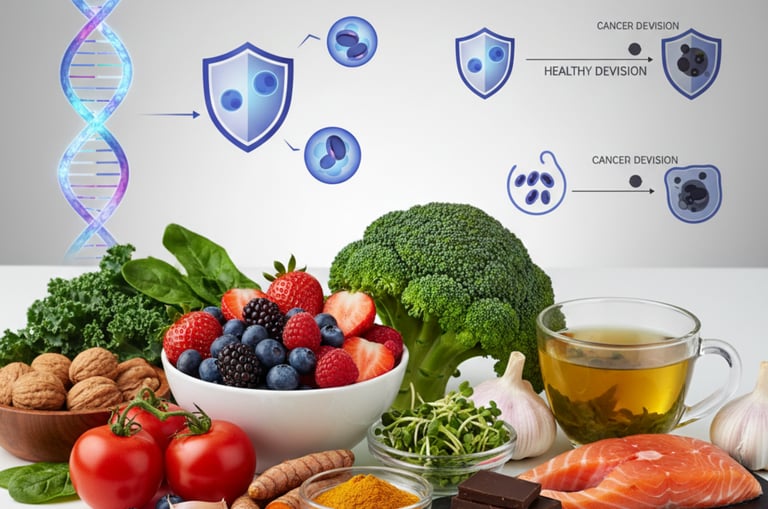
Anti-Cancer Foods: Evidence-Based Nutrition for Cancer Prevention
By BiteBrightly 6 February 2026: This post might contain affiliate links.
Your grandmother had breast cancer. Your uncle died of colon cancer. Your father is currently fighting prostate cancer. Cancer runs in your family, and you wake up every morning wondering if you're next. Your doctor told you there's nothing you can do except "eat healthy and exercise"—vague advice that feels useless against such a terrifying disease. Genetic testing revealed you carry the BRCA1 mutation, significantly increasing your lifetime cancer risk. You feel powerless, sitting around waiting for the inevitable diagnosis. But what if the "eat healthy" advice your doctor dismissed so casually is actually profoundly powerful? What if specific foods contain compounds that directly inhibit cancer development, slow tumor growth, prevent metastasis, and support your body's natural cancer-fighting mechanisms? If you're searching for anti-cancer foods backed by actual scientific evidence—not pseudoscience or miracle cures, but legitimate research showing how nutrition influences cancer risk—you're about to discover that food is one of the most powerful cancer prevention tools you have.
Cancer is the second leading cause of death globally, killing nearly 10 million people annually. Approximately 1 in 2 men and 1 in 3 women will develop cancer in their lifetime. These statistics are terrifying, and understandably, people facing cancer risk feel desperate for solutions. This desperation creates a thriving market for cancer "cures"—miracle supplements, special diets, detox protocols—most of which are unproven at best and dangerous scams at worst.
Here's what's actually true, supported by decades of rigorous research: diet significantly influences cancer risk. According to estimates from the American Institute for Cancer Research approximately 30-50% of cancer cases are preventable through lifestyle factors, with diet being one of the most significant modifiable risk factors. The World Cancer Research Fund extensively reviewed thousands of studies and concluded that diet, physical activity, and weight management can substantially reduce cancer risk for many cancer types.
This doesn't mean food cures cancer. It doesn't mean you can eat broccoli and eliminate genetic cancer risk. Cancer is complex, multifactorial, and involves genetic, environmental, and lifestyle components interacting in ways we still don't fully understand. But what the research unequivocally shows is that certain dietary patterns and specific foods contain compounds that reduce cancer initiation, inhibit cancer progression, support immune surveillance of abnormal cells, reduce inflammation and oxidative stress that promote cancer, and improve outcomes even in those already diagnosed.
The mechanisms are well-established. Phytochemicals in plants—sulforaphane in cruciferous vegetables, curcumin in turmeric, resveratrol in grapes, lycopene in tomatoes, EGCG in green tea—have documented anti-cancer properties in laboratory studies, animal models, and increasingly in human clinical trials. These compounds work through multiple pathways: inducing cancer cell apoptosis (programmed death), inhibiting angiogenesis (blood vessel formation that feeds tumors), preventing metastasis, supporting DNA repair mechanisms, reducing chronic inflammation, and enhancing immune system cancer surveillance.
According to research published in Nature Reviews Cancer, diet influences all stages of cancer development—initiation, promotion, and progression. Certain foods accelerate these stages; others inhibit them. The cumulative effect of decades of dietary choices significantly impacts lifetime cancer risk.
This is empowering information. Unlike your genetics (which you can't change) or environmental carcinogens (which you often can't control), your diet is something you directly control three or more times daily. Every meal is an opportunity to either feed potential cancer or starve it, to promote inflammation or reduce it, to support your immune system's cancer-fighting capacity or undermine it.
This comprehensive guide reveals the most powerful anti-cancer foods supported by scientific evidence, the specific mechanisms by which they work, which cancers each food most strongly protects against, realistic serving recommendations, foods that increase cancer risk (equally important to avoid), and how to create an evidence-based anti-cancer dietary pattern.
Key Takeaways
30-50% of cancer cases are preventable through lifestyle factors including diet, according to the American Institute for Cancer Research
Cruciferous vegetables contain sulforaphane and indole-3-carbinol, which inhibit cancer cell growth and support detoxification
Berries provide anthocyanins and ellagic acid that prevent DNA damage and inhibit tumor formation
Turmeric's curcumin has anti-cancer effects through multiple pathways including inflammation reduction and cancer cell apoptosis
Green tea's EGCG inhibits angiogenesis (blood vessel formation that feeds tumors) and cancer cell proliferation
Mediterranean dietary pattern is associated with 10-20% reduced cancer risk across multiple cancer types
Processed meat is classified as Group 1 carcinogen (causes cancer); red meat is Group 2A (probably causes cancer)
Obesity is the second leading preventable cause of cancer after smoking
No single food prevents cancer; overall dietary pattern matters most
These foods support prevention; they don't cure cancer once established
Understanding Cancer and How Diet Influences Risk
Before diving into specific foods, understanding cancer biology and diet's role provides essential context.
What Cancer Is
Cancer occurs when normal cells acquire mutations that cause uncontrolled growth and division. Normally, cells have built-in controls—they divide when needed, stop dividing when appropriate, repair DNA damage, and undergo apoptosis (programmed death) if irreparably damaged. Cancer cells bypass these controls.
Cancer development involves multiple stages:
Initiation: DNA damage occurs (from carcinogens, radiation, oxidative stress, or random errors). Usually, DNA repair mechanisms fix this damage. If repair fails, the mutation persists.
Promotion: The initiated cell begins proliferating. Growth factors, hormones, and chronic inflammation promote this proliferation. This stage can last years or decades.
Progression: Accumulated mutations allow cancer cells to invade surrounding tissues, evade immune surveillance, and potentially metastasize (spread to other organs).
Diet can influence ALL stages—preventing DNA damage, inhibiting promotion, and slowing progression.
How Food Affects Cancer Risk
Carcinogen exposure: Some foods contain or form carcinogens (cancer-causing substances). Processed meats contain nitrites that form carcinogenic N-nitroso compounds. Grilling meat at high temperatures creates heterocyclic amines (HCAs) and polycyclic aromatic hydrocarbons (PAHs)—both carcinogenic.
Inflammation: Chronic inflammation promotes cancer by creating an environment that supports cancer cell growth and suppresses immune surveillance. Pro-inflammatory diets (high in refined carbs, omega-6 fats, processed foods) increase risk; anti-inflammatory diets (rich in plants, omega-3s, antioxidants) reduce risk.
Oxidative stress: Free radicals damage DNA, potentially causing mutations that initiate cancer. Antioxidants in plant foods neutralize free radicals, protecting DNA.
Hormone levels: Diet affects hormone levels. Obesity increases estrogen production (fat tissue produces estrogen), raising risk of hormone-related cancers (breast, endometrial, ovarian). Fiber binds excess estrogen for excretion.
Immune function: Your immune system constantly surveys for and destroys abnormal cells, including pre-cancerous cells. Nutrient deficiencies, poor diet, and obesity impair immune function, reducing cancer surveillance.
Epigenetic modifications: Diet influences gene expression without changing DNA sequence. Compounds in foods like cruciferous vegetables, green tea, and turmeric can modify gene expression to activate tumor suppressor genes and deactivate oncogenes.
Gut microbiome: Gut bacteria influence cancer risk through inflammation, immune function, and production of beneficial or harmful metabolites. Diet dramatically shapes gut microbiome composition.
Angiogenesis: Tumors require blood vessel formation (angiogenesis) to grow beyond microscopic size. Certain foods contain anti-angiogenic compounds that inhibit this process, essentially starving potential tumors.
The Evidence Base
The research linking diet and cancer comes from multiple sources:
Epidemiological studies: Populations with different dietary patterns show different cancer rates. Asian populations consuming traditional diets high in soy, green tea, and vegetables have lower rates of certain cancers compared to Western populations.
Migration studies: When populations migrate and adopt new dietary patterns, their cancer rates shift toward the rates in their new location, suggesting environmental/lifestyle factors (including diet) matter more than genetics.
Laboratory studies: Compounds from foods demonstrate anti-cancer effects in cell cultures and animal models—inhibiting cancer cell growth, inducing apoptosis, preventing metastasis.
Intervention trials: Some studies testing dietary interventions show reduced cancer biomarkers, smaller tumor growth, or improved outcomes in cancer patients.
The totality of evidence strongly supports diet as a significant modifiable cancer risk factor.
Anti-Cancer Foods: The Evidence
Category 1: Cruciferous Vegetables (Cancer Cell Inhibition)
Cruciferous vegetables contain unique sulfur-containing compounds with potent anti-cancer properties.
1. Broccoli and Broccoli Sprouts
Among the most studied anti-cancer foods.
Why they work: Broccoli contains sulforaphane, a compound formed when broccoli is chopped or chewed (enzyme myrosinase converts glucoraphanin to sulforaphane). Sulforaphane has multiple anti-cancer mechanisms: induces phase 2 detoxification enzymes (help eliminate carcinogens), induces cancer cell apoptosis, inhibits cancer stem cells, reduces inflammation, and supports DNA repair. Broccoli sprouts contain 10-100X more glucoraphanin than mature broccoli.
Evidence: Studies show sulforaphane is particularly protective against bladder, breast, colon, and prostate cancers. Research in Cancer Prevention Research demonstrates sulforaphane's ability to inhibit cancer cell proliferation.
How to use: 1-2 cups broccoli 3-5 times weekly. For maximum sulforaphane, lightly steam (3-4 minutes) rather than boiling (destroys myrosinase). Or eat raw. Broccoli sprouts: 1/4 to 1/2 cup 3-4 times weekly provides concentrated sulforaphane.
Pro tip: Add mustard powder or mustard greens (contain myrosinase) to cooked broccoli to restore sulforaphane production.
2. Cauliflower
Similar compounds to broccoli with unique benefits.
Why it works: Contains sulforaphane (though less than broccoli) plus indole-3-carbinol, which converts to DIM (diindolylmethane) in the stomach. DIM has anti-estrogenic effects and may be particularly protective against hormone-related cancers.
How to use: 1-2 cups 3-4 times weekly. Raw, steamed, roasted, or riced.
3. Brussels Sprouts
Small but mighty cancer fighters.
Why they work: High in glucosinolates (precursors to sulforaphane and other isothiocyanates). Also provide fiber, folate, and antioxidants.
Evidence: Associated with reduced risk of colon, lung, and stomach cancers.
How to use: 1 cup 3-4 times weekly. Roast with olive oil for palatability.
4. Kale and Cabbage
Leafy and dense cruciferous options.
Why they work: Provide glucosinolates, indole-3-carbinol, and antioxidants (kaempferol, quercetin). Kale is particularly nutrient-dense.
How to use: Kale: 1-2 cups daily (raw in smoothies/salads or sautéed). Cabbage: 1 cup 3-4 times weekly (raw, sautéed, or fermented as sauerkraut).
Category 2: Berries (DNA Protection and Antioxidants)
Berries provide powerful antioxidants and anti-cancer compounds.
5. Blueberries
Extensively studied for cancer prevention.
Why they work: Rich in anthocyanins (give blueberries their blue color), pterostilbene, and other polyphenols. These compounds reduce oxidative stress, inhibit cancer cell proliferation, induce cancer cell apoptosis, and reduce inflammation. Pterostilbene has similar structure to resveratrol with potentially greater bioavailability.
Evidence: Studies link blueberry consumption with reduced risk of breast, colon, and esophageal cancers.
How to use: 1/2 to 1 cup daily. Fresh or frozen (frozen may have higher anthocyanin content due to being frozen at peak ripeness).
6. Strawberries
Accessible and delicious cancer fighter.
Why they work: Provide ellagic acid (inhibits cancer cell growth and tumor formation), anthocyanins, and vitamin C (antioxidant that protects DNA).
How to use: 1 cup 4-5 times weekly. Organic preferred (strawberries are heavily sprayed with pesticides).
7. Raspberries and Blackberries
Concentrated polyphenol sources.
Why they work: Exceptionally high in ellagic acid. Also provide fiber, vitamin C, and anthocyanins. Ellagic acid has been shown to prevent cancer initiation and inhibit tumor growth in animal studies.
How to use: 1/2 to 1 cup 3-4 times weekly.
Category 3: Allium Vegetables (Garlic Family)
Garlic, onions, and relatives contain unique organosulfur compounds.
8. Garlic
Ancient medicine supported by modern research.
Why it works: Contains allicin and other organosulfur compounds (formed when garlic is crushed). These compounds enhance detoxification enzymes, induce cancer cell apoptosis, inhibit cancer cell proliferation, reduce inflammation, and boost immune function. Garlic may be particularly protective against stomach and colorectal cancers.
Evidence: Large population studies show people consuming more garlic have lower rates of stomach and colon cancers.
How to use: 1-2 raw cloves daily for maximum benefit. Crush and let sit 10 minutes before cooking (activates allicin). Cooked garlic still provides benefits but raw is most potent.
9. Onions
Garlic's milder cousin with cancer protection.
Why they work: Contain quercetin (powerful antioxidant with anti-cancer properties) and organosulfur compounds. Red and yellow onions are richest in quercetin.
How to use: 1/2 to 1 onion daily in cooking. Use liberally.
Category 4: Tomatoes (Lycopene)
Tomatoes provide lycopene, a carotenoid with particular benefits for certain cancers.
10. Tomatoes (Cooked)
Cooking enhances lycopene bioavailability.
Why they work: Lycopene is a powerful antioxidant particularly protective against prostate cancer. It accumulates in prostate tissue and may reduce oxidative damage and inflammation. Cooking tomatoes (especially with fat like olive oil) increases lycopene bioavailability 2-3X compared to raw tomatoes.
Evidence: Multiple studies show men consuming more lycopene-rich foods have reduced prostate cancer risk. May also protect against lung, stomach, and pancreatic cancers.
How to use: Tomato sauce, paste, or cooked tomatoes: 1/2 to 1 cup 4-6 times weekly. Cook with olive oil for enhanced absorption.
Category 5: Green Tea (EGCG and Catechins)
Green tea has been consumed in Asia for thousands of years and studied extensively for cancer prevention.
11. Green Tea
Perhaps the most research-supported beverage for cancer prevention.
Why it works: Contains epigallocatechin gallate (EGCG), the most potent catechin. EGCG has multiple anti-cancer mechanisms: inhibits angiogenesis (starving tumors of blood supply), induces cancer cell apoptosis, inhibits cancer cell invasion and metastasis, reduces inflammation, acts as powerful antioxidant, and modulates gene expression (epigenetic effects).
Evidence: Populations consuming green tea regularly (particularly in Asia) have lower rates of several cancers. Studies link green tea consumption with reduced risk of breast, prostate, colorectal, and lung cancers.
How to use: 3-5 cups daily for cancer prevention benefits seen in studies. Brew at 160-180°F for 3-5 minutes (boiling water destroys some catechins). Matcha provides concentrated catechins.
Note: Adding milk may reduce catechin absorption. Lemon enhances absorption.
Category 6: Turmeric (Curcumin)
Turmeric is a spice used extensively in Indian cuisine with remarkable anti-cancer properties.
12. Turmeric (Curcumin)
One of the most extensively studied dietary anti-cancer compounds.
Why it works: Curcumin (the active compound in turmeric) has anti-cancer effects through multiple pathways: potent anti-inflammatory (chronic inflammation promotes cancer), powerful antioxidant, induces cancer cell apoptosis, inhibits angiogenesis, prevents metastasis, modulates gene expression, and enhances chemotherapy effectiveness in some cancers.
Evidence: Laboratory and animal studies show curcumin inhibits growth of numerous cancer types. Some human trials show promise. India has much lower rates of certain cancers compared to Western countries, attributed partially to high turmeric consumption.
Bioavailability challenge: Curcumin alone is poorly absorbed. Combining with black pepper (piperine increases absorption 2,000%!) and fat (curcumin is fat-soluble) dramatically enhances bioavailability.
How to use: 1-2 teaspoons turmeric powder daily in cooking. Always combine with black pepper and fat (olive oil, coconut milk). Golden milk (turmeric + black pepper + coconut milk/almond milk) is traditional preparation.
Category 7: Leafy Greens (Folate and Chlorophyll)
Dark leafy greens provide multiple cancer-protective nutrients.
13. Spinach, Kale, Swiss Chard, Collards
Nutrient-dense cancer fighters.
Why they work: Provide folate (essential for DNA synthesis and repair—deficiency linked to increased cancer risk), chlorophyll (binds to carcinogens and promotes their excretion), carotenoids (antioxidants), and fiber. Kale specifically provides glucosinolates (as a cruciferous vegetable).
Evidence: Higher consumption of leafy greens associated with reduced risk of several cancers including lung, stomach, and colorectal.
How to use: 2-3 cups raw or 1-1.5 cups cooked daily. Variety is beneficial—rotate through different types.
Category 8: Whole Grains and Legumes (Fiber)
Fiber is critical for cancer prevention, particularly colorectal cancer.
14. Beans, Lentils, Chickpeas
Excellent fiber sources with additional benefits.
Why they work: High fiber content binds carcinogens and excess hormones (like estrogen) for excretion, feeds beneficial gut bacteria (produce anti-cancer short-chain fatty acids like butyrate), slows digestion (prevents blood sugar spikes), and provides plant protein, folate, and resistant starch.
Evidence: High fiber intake strongly associated with reduced colorectal cancer risk. May also protect against breast and endometrial cancers by reducing circulating estrogen.
How to use: 1/2 to 1 cup cooked legumes daily (or at least 4-5 times weekly).
15. Whole Grains (Oats, Brown Rice, Quinoa)
Fiber plus other protective compounds.
Why they work: Provide fiber, B vitamins, minerals, and phytochemicals. Whole grains (unlike refined grains) retain bran and germ where most nutrients reside.
Evidence: Whole grain consumption associated with reduced colorectal cancer risk.
How to use: 3-5 servings daily. Choose steel-cut oats, brown rice, quinoa, whole wheat bread (100% whole grain), barley.
Category 9: Nuts and Seeds (Healthy Fats and Selenium)
Nuts and seeds provide healthy fats, minerals, and antioxidants.
16. Walnuts
Unique among nuts for omega-3 content.
Why they work: Provide ALA omega-3s (anti-inflammatory), ellagic acid, gamma-tocopherol (form of vitamin E), and polyphenols. Animal studies show walnuts slow breast and prostate tumor growth.
How to use: 1 oz (14 halves) daily.
17. Brazil Nuts
Exceptionally high in selenium.
Why they work: One Brazil nut provides 150%+ of daily selenium needs. Selenium is essential for antioxidant enzymes (glutathione peroxidase) that protect cells from oxidative damage. Adequate selenium associated with reduced cancer risk, particularly prostate and lung cancers.
How to use: 1-2 Brazil nuts daily (more can cause selenium toxicity). Don't overdo.
18. Flaxseeds
Plant-based omega-3s and lignans.
Why they work: Provide ALA omega-3s and lignans (phytoestrogens with anti-cancer properties). Lignans may be particularly protective against hormone-related cancers (breast, prostate).
How to use: 1-2 tablespoons ground flaxseed daily. Must be ground for absorption (whole seeds pass through undigested).
Category 10: Fatty Fish (Omega-3s)
Fatty fish provide anti-inflammatory omega-3 fatty acids.
19. Wild Salmon, Sardines, Mackerel
Anti-inflammatory cancer fighters.
Why they work: EPA and DHA omega-3 fatty acids reduce chronic inflammation (which promotes cancer), inhibit cancer cell growth, induce cancer cell apoptosis, and reduce angiogenesis. Also provide vitamin D and selenium.
Evidence: Higher omega-3 intake associated with reduced risk of colorectal cancer and possibly breast and prostate cancers. The omega-6 to omega-3 ratio matters—Western diets are excessively high in omega-6 (pro-inflammatory) and low in omega-3.
How to use: 2-3 servings (4-6 oz each) weekly of fatty fish. Choose wild-caught when possible (lower contaminants, higher omega-3s).
Category 11: Citrus Fruits (Vitamin C and Flavonoids)
Citrus fruits provide vitamin C and unique flavonoids.
20. Oranges, Grapefruits, Lemons
Vitamin C powerhouses with additional compounds.
Why they work: Vitamin C is a powerful antioxidant protecting DNA from oxidative damage. Citrus fruits also contain flavonoids (hesperidin, naringenin) and limonene (particularly in peels) with anti-cancer properties.
Evidence: Citrus consumption associated with reduced risk of esophageal, stomach, and lung cancers.
How to use: 1-2 citrus fruits daily. Zest of organic citrus contains beneficial compounds.
Foods and Habits That Increase Cancer Risk
Understanding what to avoid is equally important.
Processed Meat
Classification: The World Health Organization classifies processed meat as Group 1 carcinogen (causes cancer in humans).
What it includes: Bacon, sausage, hot dogs, deli meats, ham—meats preserved by smoking, curing, salting, or adding preservatives.
Why it's problematic: Nitrites used in processing form N-nitroso compounds (carcinogenic). High heat cooking creates additional carcinogens. Strong evidence links processed meat consumption to colorectal cancer.
Recommendation: Avoid or minimize. If consumed, limit to small amounts occasionally.
Red Meat
Classification: Group 2A (probably causes cancer).
Why it's problematic: High-temperature cooking (grilling, frying) creates heterocyclic amines (HCAs) and polycyclic aromatic hydrocarbons (PAHs)—both carcinogenic. Heme iron (in red meat) may promote colorectal cancer through oxidative damage and formation of carcinogenic compounds.
Evidence: Strong evidence links high red meat consumption to colorectal cancer. Possible links to pancreatic and prostate cancers.
Recommendation: Limit to 12-18 oz cooked red meat weekly. Choose grass-fed (better omega-3 profile). Cook at lower temperatures (avoid charring). Balance with high-fiber vegetables.
Alcohol
Classification: Group 1 carcinogen.
Why it's problematic: Acetaldehyde (alcohol metabolite) damages DNA and proteins. Alcohol impairs nutrient absorption (particularly folate, essential for DNA repair). Increases estrogen levels (raising breast cancer risk). Damages liver.
Evidence: Clear links to mouth, throat, esophagus, liver, breast, and colorectal cancers. Risk increases with amount consumed.
Recommendation: If you drink, limit to 1 drink daily (women) or 2 (men). Less is better. No amount is completely safe for cancer prevention.
Sugar and Refined Carbohydrates
Why they're problematic: High sugar/refined carb intake causes insulin spikes and promotes obesity. Elevated insulin and insulin-like growth factor (IGF-1) promote cancer cell growth. Cancer cells preferentially use glucose for energy.
Evidence: High-glycemic diets associated with increased risk of several cancers. Obesity (often driven by excess sugar/refined carbs) is second leading preventable cause of cancer after smoking.
Recommendation: Minimize added sugars, sugary beverages, refined grains. Choose whole grains, limit sweets.
Ultra-Processed Foods
Why they're problematic: Often high in sugar, unhealthy fats, salt, and additives while low in protective nutrients. Promote obesity and inflammation.
Evidence: Studies link ultra-processed food consumption with increased overall cancer risk.
Recommendation: Emphasize whole, minimally processed foods. Cook at home more.
Obesity
Impact: Obesity is linked to at least 13 types of cancer including esophageal, liver, kidney, pancreatic, colorectal, breast (postmenopausal), endometrial, and ovarian. Fat tissue produces estrogen, insulin, and inflammatory compounds—all of which can promote cancer.
Recommendation: Maintain healthy weight through diet and exercise.
Creating an Anti-Cancer Dietary Pattern
No single food prevents cancer. Overall dietary pattern matters most.
The Mediterranean Diet
The Mediterranean dietary pattern has strong evidence for cancer prevention and is recommended by major cancer organizations.
Components:
High in vegetables, fruits, whole grains, legumes, nuts
Olive oil as primary fat source
Moderate fish and poultry
Limited red meat
Moderate wine with meals (optional)
Herbs and spices instead of salt
Evidence: Associated with 10-20% reduced cancer risk across multiple cancer types. Also reduces cardiovascular disease, diabetes, and all-cause mortality.
Practical Anti-Cancer Plate
Fill your plate:
1/2 to 2/3: Vegetables and fruits (especially cruciferous, berries, leafy greens, tomatoes, alliums)
1/4: Whole grains or legumes (fiber crucial)
1/4: Lean protein (fish, poultry, plant-based)
Small amount healthy fats (olive oil, nuts, avocado)
Drink: Green tea, water Season: Turmeric + black pepper, garlic, herbs Dessert: Berries, dark chocolate (70%+)
Daily Anti-Cancer Checklist
☐ 2-3 servings cruciferous vegetables ☐ 1-2 servings berries ☐ 2-3 cups leafy greens ☐ Garlic and/or onions ☐ 3-5 cups green tea ☐ Turmeric + black pepper in cooking ☐ 1-2 servings whole grains ☐ 1 serving legumes ☐ Handful of nuts ☐ Tomatoes (preferably cooked with olive oil) ☐ Minimize processed foods, red meat, alcohol, sugar
This isn't restrictive—it's abundance of protective foods.
Important Caveats and Realistic Expectations
Food doesn't cure cancer: Once cancer is established and diagnosed, food alone cannot cure it. Standard cancer treatment (surgery, chemotherapy, radiation, immunotherapy) is necessary. However, good nutrition can support treatment, improve outcomes, and reduce side effects.
Prevention isn't guarantee: You can eat perfectly and still develop cancer. Genetics, environmental exposures, and random chance play roles. But you significantly reduce your risk—that's powerful.
No magic bullet: No single food prevents cancer. Beware of anyone selling cancer "cures" through special foods or supplements. The evidence supports overall dietary patterns, not isolated compounds or foods.
Supplement caution: While foods containing these compounds are beneficial, high-dose isolated supplements may not be and can even be harmful. Get nutrients from food when possible.
Consistency matters: Occasional broccoli won't overcome a diet of processed food. Long-term dietary patterns (decades) influence cancer risk.
Start where you are: Don't overwhelm yourself trying to eat perfectly. Add more protective foods gradually. Every positive change helps.
Conclusion
Cancer is terrifying. The statistics are sobering. Genetic risk feels like a death sentence you can't escape. But you're not powerless. Diet is one of the most significant modifiable cancer risk factors, with 30-50% of cancers potentially preventable through lifestyle including nutrition.
The foods in this guide aren't exotic or expensive. Broccoli, berries, garlic, tomatoes, beans, leafy greens, green tea, turmeric, nuts, and fatty fish are available everywhere. Consuming them regularly doesn't guarantee you won't develop cancer, but it significantly reduces your risk across multiple cancer types through well-established biological mechanisms.
The evidence is overwhelming. Cruciferous vegetables contain sulforaphane that inhibits cancer cells. Berries provide anthocyanins that protect DNA. Turmeric's curcumin works through multiple anti-cancer pathways. Green tea's EGCG starves tumors by preventing angiogenesis. Garlic enhances detoxification of carcinogens. The list goes on.
Equally important is what to minimize or avoid. Processed meat is a Group 1 carcinogen. Red meat likely increases risk. Alcohol clearly causes multiple cancers. Obesity is the second leading preventable cause after smoking. Sugar and ultra-processed foods promote the inflammatory, insulin-resistant environment cancer thrives in.
The Mediterranean dietary pattern—rich in plants, olive oil, fish, and whole grains while limited in red meat, processed foods, and sweets—consistently shows 10-20% cancer risk reduction. That's significant. If everyone adopted this dietary pattern, millions of cancer cases could be prevented globally.
Yes, your grandmother had breast cancer. Your uncle died of colon cancer. Your father is fighting prostate cancer. You carry genetic risk. But unlike your genetics, your diet is completely within your control. Every meal is a choice—to feed potential cancer or starve it, to promote inflammation or reduce it, to provide carcinogens or antioxidants.
This isn't about achieving nutritional perfection. It's about shifting your overall dietary pattern toward one that supports your body's natural cancer-fighting mechanisms. Add cruciferous vegetables several times weekly. Snack on berries. Cook with garlic and turmeric. Drink green tea. Choose whole grains over refined. Eat fatty fish twice weekly. Fill most of your plate with plants.
These simple changes, sustained over years and decades, create a profoundly different internal environment—one hostile to cancer initiation and growth rather than one that welcomes it.
The research is clear. The mechanisms are understood. The foods are accessible. All that's missing is your action.
Your family history doesn't define your destiny. Your diet does influence it—significantly. Take that power back. Make every meal an anti-cancer meal.
To vibrant health and cancer prevention!
References and Further Reading
For more information on diet and cancer prevention, consult these authoritative sources:
American Institute for Cancer Research - Diet, Nutrition, Physical Activity and Cancer
Comprehensive, evidence-based recommendations for cancer prevention through diet and lifestyle.World Cancer Research Fund - Diet, Nutrition, Physical Activity and Cancer: A Global Perspective
Global research report analyzing thousands of studies on diet and cancer connections.National Cancer Institute - Diet and Cancer Prevention
Science-based information on how diet influences cancer risk from the NCI.
Frequently Asked Questions
Can food cure cancer once I'm diagnosed?
No. Food cannot cure established cancer. If you're diagnosed with cancer, you need appropriate medical treatment (surgery, chemotherapy, radiation, immunotherapy) under oncologist supervision. However, good nutrition can support your body during treatment, potentially improve treatment effectiveness, reduce side effects, and support recovery. Many cancer centers now employ oncology dietitians who help patients optimize nutrition during and after treatment. Anti-cancer foods are for prevention, not cure.
Is organic produce necessary for cancer prevention?
While organic produce contains fewer pesticide residues, conventional produce still provides cancer-protective benefits that far outweigh any potential pesticide risks. The priority is eating enough fruits and vegetables, organic or not. That said, if budget allows, prioritize organic for heavily-sprayed items (strawberries, spinach, apples) and conventional for items with lower pesticide residues (avocados, onions, cabbage). Don't let cost of organic prevent you from eating produce—conventional is still highly beneficial.
Should I take anti-cancer supplements like curcumin or green tea extract?
The evidence supports eating foods containing these compounds, not necessarily taking high-dose isolated supplements. In some cases, high-dose supplements may not provide the same benefits as whole foods (which contain multiple synergistic compounds) and can even be harmful. For example, high-dose beta-carotene supplements increased lung cancer risk in smokers, while beta-carotene-rich foods are protective. Get these compounds from food when possible. If considering supplements, discuss with your doctor, especially if you have cancer history or are at high risk.
How quickly do dietary changes affect cancer risk?
Cancer develops over many years or decades, and dietary patterns' cumulative effects matter most. However, some changes have relatively quick impacts—reducing inflammation, improving antioxidant status, supporting DNA repair mechanisms—within weeks to months. Long-term risk reduction requires sustained dietary changes over years. It's never too late to start, but earlier and longer is better. Even people with family history or genetic risk benefit from anti-cancer dietary patterns.
Can I eat red meat if I cook it at lower temperatures?
High-temperature cooking of red meat (grilling, frying, charring) creates heterocyclic amines (HCAs) and polycyclic aromatic hydrocarbons (PAHs)—carcinogenic compounds. Lower-temperature cooking methods (baking, stewing, braising) produce fewer of these compounds. If eating red meat, limit quantity (12-18 oz weekly or less), choose grass-fed, cook at lower temperatures, avoid charring, and always pair with high-fiber vegetables (fiber may bind some carcinogens). But even with these precautions, the evidence links high red meat consumption to increased cancer risk, particularly colorectal cancer.
Is it true that sugar "feeds" cancer?
All cells, including cancer cells, use glucose for energy. Cancer cells often have higher metabolic rates and consume more glucose than normal cells (this is why PET scans use radioactive glucose to detect tumors). However, this doesn't mean eating sugar directly "feeds" cancer or that avoiding sugar starves it. Your body maintains blood glucose levels; if you don't eat sugar, your liver produces it. The concern with high sugar intake is that it promotes obesity, insulin resistance, and chronic inflammation—all of which increase cancer risk. Minimize added sugars and refined carbs for overall health and cancer prevention, but don't believe claims that "sugar-free" diets cure cancer.
Will coffee increase or decrease my cancer risk?
Current evidence suggests coffee consumption is associated with reduced risk of several cancers including liver, endometrial, and colorectal cancers. Coffee contains hundreds of bioactive compounds including antioxidants. The World Health Organization removed coffee from its list of possible carcinogens and now considers it potentially protective. However, very hot beverages (not just coffee) may increase esophageal cancer risk. Let beverages cool slightly before drinking. For most people, moderate coffee consumption (3-5 cups daily) appears safe and potentially beneficial for cancer prevention.
Can intermittent fasting help prevent cancer?
Animal studies show intermittent fasting and calorie restriction may reduce cancer risk and slow tumor growth. Possible mechanisms include reduced insulin and IGF-1 levels, increased autophagy (cellular cleanup), and reduced inflammation. Some small human studies show promise. However, large-scale human trials are limited. Intermittent fasting may be beneficial for some people (particularly for weight management and metabolic health), but it's not a proven cancer prevention strategy. Focus first on what you eat (emphasizing anti-cancer foods), then consider when you eat if interested in fasting approaches.
If cancer runs in my family, is diet even worth focusing on?
Absolutely. While genetic mutations (like BRCA1/2 for breast and ovarian cancer, Lynch syndrome for colorectal cancer) significantly increase risk, lifestyle factors including diet still matter enormously. Even with genetic risk, only a portion of people develop cancer—indicating environmental and lifestyle factors influence whether genetic susceptibility manifests as disease. Studies show people with genetic risk who adopt healthy lifestyles (including anti-cancer dietary patterns) have lower cancer incidence than those who don't. Diet may not eliminate genetic risk, but it significantly modifies it. You can't change your genes, but you can change how you eat.
Are there any foods I should completely eliminate?
I don't generally recommend absolute elimination (which often backfires), but some foods should be minimized as much as possible: processed meats (Group 1 carcinogen—bacon, sausage, deli meats), excessive alcohol (Group 1 carcinogen for multiple cancer types), and charred/burned meats (contain carcinogenic compounds). For most people, these should be rare exceptions, not regular parts of the diet. Red meat should be limited rather than eliminated entirely (12-18 oz weekly max). Focus more on crowding out these foods by emphasizing anti-cancer foods rather than fixating on strict avoidance.
About Author
Judith Tsanga is an Applied Biosciences & Biotechnology graduate with an Advanced Level qualification in Food Science, and the founder of BiteBrightly. Her passion for food as medicine began with her own experience: after making targeted dietary changes, she noticed a meaningful improvement in her eyesight — a personal transformation that inspired her mission to share evidence-based nutrition insights that help others eat well and heal boldly. Content on BiteBrightly is for educational purposes and isn't a substitute for advice from your doctor or dietitian.
Follow on Pinterest for daily health tips, recipes, and wellness inspiration.
Important Notice: The information in this article is for educational purposes only and is not intended as medical advice or to replace professional medical treatment. This information does not diagnose, treat, cure, or prevent cancer. If you have cancer, are at high risk, or have concerns about cancer, consult your healthcare provider and oncologist. Always discuss dietary changes with your medical team, especially if undergoing cancer treatment, as some foods and supplements can interfere with certain therapies. This article presents evidence-based information on diet's role in cancer prevention but cannot guarantee prevention or outcomes. Individual results vary based on genetics, environmental exposures, and other factors beyond diet.
Related posts
Connect
Join our newsletter for fresh health tips
© 2026. All rights reserved.