Selenium-Rich Foods: Protect Your Thyroid and Boost Immunity
Selenium protects your thyroid, powers immune cells, and lowers cancer risk 20–33%. Brazil nuts, sardines, eggs, mushrooms — 15 foods, toxicity guide, FAQ included.
by BiteBrightly
3/8/202635 min read
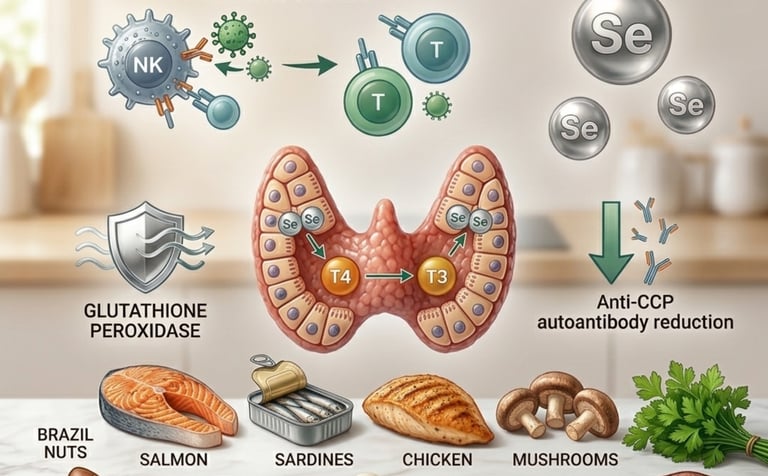

Selenium-Rich Foods: Protect Your Thyroid and Boost Immunity
By BiteBrightly 8 March 2026: This post might contain affiliate links.
Do you feel exhausted no matter how much you sleep? Has your hair been thinning in ways your doctor attributes to stress but nothing seems to fix? Do you catch every cold and flu that passes through your office while others seem immune? Have you been told your thyroid is "borderline" or "subclinical"—frustratingly real symptoms without a diagnosis that unlocks treatment?
These experiences are more connected than they might appear. And one of the most common threads running through them—a thread that rarely comes up in a standard medical appointment—is a deficiency in one of the most powerful and underappreciated trace minerals in human biology.
That mineral is selenium.
Selenium sits at the intersection of two of the body's most critical systems: the thyroid gland, which regulates metabolism, energy, mood, body temperature, heart rate, and virtually every organ in your body, and the immune system, which defends you against infection, cancer cells, and self-destructive autoimmune responses. Selenium is not peripheral to either system. It is structurally embedded in the enzymes that make both systems function.
The thyroid gland has the highest selenium concentration of any organ in the body—by significant margin. The reason is stark: selenium is a required component of the deiodinase enzymes that convert inactive thyroid hormone into its active form. Without adequate selenium, your thyroid can produce hormone that your cells cannot actually use. The result is hypothyroid symptoms—fatigue, weight gain, brain fog, cold intolerance, hair loss, depression—despite blood tests that may appear "within range."
For immunity, selenium is a required structural component of glutathione peroxidase—the enzyme system that neutralizes hydrogen peroxide and lipid peroxides that would otherwise destroy immune cell membranes. It is essential for the function of natural killer cells and T lymphocytes, the frontline soldiers of antiviral and anticancer immunity. And selenoprotein P regulates the inflammatory response, preventing the immune system from causing more damage than it prevents.
This comprehensive guide reveals the fifteen best selenium-rich foods for thyroid protection and immune health, the precise science of how selenium supports both systems, why selenium deficiency has become surprisingly common despite available food sources, and exactly how to build a selenium-optimized diet that protects two of your most essential biological systems.
Key Takeaways
Selenium is an essential component of over 25 selenoproteins critical for thyroid hormone conversion, antioxidant defense, and immune function
The thyroid gland has the highest selenium concentration of any organ—inadequate selenium directly impairs thyroid hormone activation
Selenium is required for the deiodinase enzymes that convert inactive T4 into active T3—the thyroid hormone your cells actually use
Brazil nuts provide the highest selenium content of any food: 2 Brazil nuts supply 100–200% of the daily requirement
Adequate selenium is associated with a 31% lower risk of thyroid disease and significantly reduced risk of Hashimoto's thyroiditis
Selenium reduces viral replication, supports natural killer cell function, and is associated with a 20–33% lower cancer mortality risk
Most adults need 55–70mcg of selenium daily; optimal thyroid and immune function may require 100–200mcg from whole food sources
Selenium and iodine must be in balance—iodine without adequate selenium can worsen thyroid damage, making their co-optimization essential
Understanding Selenium: Your Thyroid and Immune Guardian
Before exploring specific foods, understanding what selenium actually does in the body—and what happens when it runs short—will help you make food choices that genuinely protect your most critical biological systems.
Selenium is a trace mineral, meaning the body requires it in very small amounts measured in micrograms rather than milligrams. But trace does not mean minor. Selenium is incorporated into a family of proteins called selenoproteins through a unique and biochemically expensive process—selenium is encoded directly into these proteins as selenocysteine, sometimes called the 21st amino acid. This is not a coincidence of chemistry. It is an evolutionary commitment to this mineral that reflects how fundamentally important it is.
The Selenoproteome: 25 Essential Proteins
Your body produces 25 distinct selenoproteins, each with specific and critical roles. Understanding the most important of these explains why selenium deficiency produces such wide-ranging health consequences.
Glutathione peroxidases (GPx1–GPx8): This family of antioxidant enzymes uses selenium to neutralize hydrogen peroxide and lipid hydroperoxides—toxic molecules produced as byproducts of normal metabolism and immune activation. Without adequate selenium, these peroxides accumulate, damaging cell membranes, DNA, and proteins throughout the body. GPx1 is particularly important in immune cells, which generate massive amounts of reactive oxygen species when fighting infections. Without adequate selenium, immune cells can destroy themselves before destroying the pathogen.
Iodothyronine deiodinases (DIO1, DIO2, DIO3): These three selenoenzymes perform the critical conversion of thyroid hormones. The thyroid gland primarily produces T4 (thyroxine), the inactive storage form of thyroid hormone. DIO1 and DIO2 convert T4 into T3 (triiodothyronine), the active form that actually enters cells and drives metabolism. DIO3 converts T4 and T3 into inactive forms, preventing thyroid hormone excess. Without adequate selenium, this deiodinase system is impaired—T4 accumulates, T3 is underproduced, and cells receive insufficient thyroid signaling despite normal T4 levels on blood tests.
Thioredoxin reductases (TrxR1, TrxR2): These selenium-containing enzymes regenerate thioredoxin—a small protein essential for DNA synthesis, the repair of oxidative damage, and the regulation of transcription factors including NF-kB, which controls the inflammatory response. TrxR enzymes are particularly critical in rapidly dividing immune cells and in protecting mitochondria from oxidative damage.
Selenoprotein P (SELENOP): This is the primary selenium transport protein in blood, responsible for delivering selenium from the liver to peripheral tissues, with the brain, testes, and thyroid receiving priority delivery even when selenium is scarce. SELENOP also has direct antioxidant activity, protecting endothelial cells lining blood vessels from oxidative damage.
Selenoprotein S (SELENOS): Located in the endoplasmic reticulum, this selenoprotein regulates the production of inflammatory cytokines—the signaling molecules that coordinate immune responses. SELENOS variants are associated with elevated inflammatory markers and increased risk of cardiovascular and metabolic diseases.
How Selenium Protects the Thyroid
The thyroid gland's extraordinary selenium concentration—higher than any other tissue—exists for several interconnected reasons.
Protecting against hydrogen peroxide toxicity: Thyroid hormone synthesis requires hydrogen peroxide. The follicular cells of the thyroid deliberately generate H2O2 to oxidize iodide and attach it to thyroglobulin during thyroid hormone production. This is normal and necessary. But H2O2 is a potent oxidant, and the thyroid must also protect itself from the peroxide it produces. GPx3, expressed at very high levels in thyroid tissue, neutralizes H2O2 after it has done its job. When selenium is deficient, H2O2 accumulates in the thyroid, damaging thyroid cells, triggering inflammation, and promoting the autoimmune responses that cause Hashimoto's thyroiditis.
Activating thyroid hormone: DIO1 and DIO2 deiodinases convert T4 to T3 throughout the body—particularly in the liver, kidney, and thyroid itself. DIO2 is especially important in the thyroid and brain, ensuring these priority tissues receive adequate T3 even when peripheral T4-to-T3 conversion is impaired. When selenium is deficient, DIO2 activity falls, reducing local T3 production in the thyroid and contributing to the impaired feedback regulation that allows TSH to rise even when T4 appears normal.
Reducing autoimmune thyroid damage: Hashimoto's thyroiditis—the most common autoimmune disease in developed countries and the most common cause of hypothyroidism—involves immune-mediated destruction of thyroid tissue. Selenium supplementation has been shown in multiple clinical trials to reduce anti-thyroid peroxidase (anti-TPO) antibodies, the autoimmune markers of Hashimoto's, and to reduce thyroid inflammation and lymphocytic infiltration. According to research published in the Journal of Clinical Endocrinology and Metabolism, selenium supplementation significantly reduced anti-TPO antibodies and improved thyroid echogenicity (a measure of thyroid health on ultrasound) in Hashimoto's patients.
How Selenium Supports the Immune System
Selenium's immune functions operate through multiple mechanisms that collectively determine the speed, strength, and precision of your immune response.
Antiviral defense: Selenium has a particularly well-documented role in antiviral immunity. Adequate selenium reduces viral replication by limiting the oxidative conditions that favor viral mutation and proliferation. Research has shown that selenium deficiency allows normally benign viruses to mutate toward more virulent forms—a finding with profound implications for pandemic preparedness. Areas with low soil selenium have historically been associated with higher rates of viral diseases and more severe viral infections.
Natural killer cell and T-cell function: NK cells and cytotoxic T lymphocytes are the immune system's primary weapons against virus-infected cells and cancer cells. Both cell types require selenium for optimal function—selenium enhances their proliferative response to infection signals, increases their cytotoxic activity, and protects them from oxidative self-destruction during the intense metabolic activity of an immune response.
Inflammatory regulation: According to research published in Nutrients, selenium status is inversely associated with systemic inflammatory markers including CRP and IL-6. Selenoprotein S directly modulates the production of inflammatory cytokines, while GPx enzymes limit the lipid peroxidation that amplifies inflammatory cascades. Adequate selenium supports what immunologists call "resolution"—the active process of returning to homeostasis after an immune response, rather than allowing inflammation to persist and cause collateral damage.
Cancer protection: Higher selenium status is consistently associated with lower cancer risk in epidemiological studies. The mechanisms include direct antioxidant protection of DNA, enhancement of natural killer cell activity against early cancer cells, induction of apoptosis in cancer cells, and inhibition of tumor angiogenesis. A comprehensive meta-analysis found that individuals in the highest selenium status categories had significantly lower cancer mortality compared to those in the lowest, with particularly strong associations for colorectal, prostate, lung, and bladder cancers.
Why Selenium Deficiency Is More Common Than You Think
Selenium content in food is almost entirely dependent on the selenium content of the soil in which food is grown or the animal is raised. This creates dramatic geographic variation in dietary selenium exposure—a reality that makes blanket dietary recommendations unreliable.
Geographic soil variation: Large regions of the world have selenium-poor soils, including much of Europe (particularly Finland, Denmark, and parts of the UK), parts of China, New Zealand, and certain regions of the United States. Selenium-depleted soils produce selenium-depleted crops, regardless of how diverse or ostensibly healthy the diet is. Someone eating identically structured diets in selenium-rich Nebraska and selenium-poor parts of the Pacific Northwest will have significantly different selenium status.
Industrial agriculture and soil depletion: Intensive farming practices that prioritize nitrogen-phosphorus-potassium fertilization without replenishing trace mineral content have depleted selenium levels in agricultural soils over time. The same crops grown on the same land produce less selenium than they did decades ago in many regions.
Reduced organ meat consumption: Historically, organ meats—particularly kidney and liver—were important dietary selenium sources. As organ meat consumption has declined dramatically in Western diets, an important selenium source has been largely eliminated.
Digestive conditions: Selenium absorption occurs primarily in the small intestine and can be significantly impaired by conditions including Crohn's disease, celiac disease (particularly before diagnosis and dietary correction), and inflammatory bowel disease. Patients with these conditions are at substantially elevated risk for selenium deficiency.
Vegetarian and vegan diets in low-selenium regions: Plant-based diets can provide adequate selenium in selenium-rich growing regions, but may fall significantly short in selenium-poor areas. Brazil nuts are the critical exception—discussed in detail in the food section—but beyond Brazil nuts, plant-based selenium sources are largely dependent on soil quality.
How Selenium Protects Your Health: The Key Mechanisms
Thyroid Hormone Conversion (T4 → T3)
This is the most clinically important selenium mechanism for the majority of people experiencing thyroid-related symptoms. The thyroid predominantly produces T4—the inactive precursor. T3 is four times more biologically active than T4 and is the form that actually enters cells and regulates gene expression, metabolic rate, and organ function. Deiodinase enzymes, all of which contain selenium as selenocysteine, perform this conversion throughout the body.
When selenium is suboptimal, T4-to-T3 conversion is impaired. The clinical result is symptoms of functional hypothyroidism—fatigue, weight gain, brain fog, cold intolerance, constipation, dry skin, hair loss, depression—in the presence of standard blood tests (TSH, total T4) that may appear within the normal reference range. Many people with these symptoms have been told their thyroid is "normal" when in fact they have an undetected selenium deficiency impairing the activation of the thyroid hormone their blood tests detect.
Antioxidant Protection: The Glutathione System
Selenium-dependent glutathione peroxidases form the primary defense against oxidative stress throughout the body. Oxidative stress—the accumulation of reactive oxygen species faster than they can be neutralized—damages DNA, cell membranes, mitochondria, and proteins, and is a central driver of aging, chronic disease, and impaired immune function.
The glutathione system is particularly critical during immune activation. When immune cells attack pathogens, they deliberately generate oxidative burst—massive production of superoxide and hydrogen peroxide to kill microbes. This process is immunologically necessary but also dangerous to the immune cells themselves. GPx1 within immune cells neutralizes the residual oxidants after they have done their antimicrobial work, protecting immune cell survival. Without adequate selenium, immune cells suffer significant self-inflicted oxidative damage during active infections, reducing the intensity and duration of immune responses.
Selenoprotein P and Tissue Protection
Selenoprotein P accounts for approximately 50–60% of plasma selenium and serves as the primary transport vehicle for selenium delivery to priority tissues. During selenium scarcity, the body's distribution hierarchy becomes clinically relevant: the brain, testes, and thyroid maintain their selenoprotein production at the expense of the liver and muscles. This explains why thyroid dysfunction may be an early clinical sign of selenium insufficiency while liver-based GPx activity (measured in standard laboratory tests) may still appear adequate.
Immune Cell Proliferation and Differentiation
Selenium is required for the rapid cell division that amplifies the immune response. When a pathogen is detected, specific immune cells must proliferate extremely rapidly—dividing multiple times per day to generate the clonal expansion that produces enough pathogen-specific cells to mount an effective defense. This rapid proliferation requires intensive DNA synthesis, which depends on thioredoxin reductase (TrxR), a selenium-dependent enzyme. Without adequate selenium, immune cell proliferation is slower, potentially allowing pathogens to establish infection before the immune response can overwhelm them.
The 15 Best Selenium-Rich Foods for Thyroid and Immune Health
1. Brazil Nuts
Brazil nuts are the single richest dietary selenium source available—so extraordinarily concentrated that they occupy a unique category entirely separate from any other food, requiring specific attention to both their exceptional benefits and their potential risks at high intake.
How it works: Two Brazil nuts—a single small handful—provide approximately 140–200 mcg of selenium, which is 255–364% of the daily requirement. This extraordinary concentration reflects the selenium-hyperaccumulating properties of Bertholletia excelsa trees growing in the selenium-rich soils of the Amazon basin. No other commonly available food comes close to this selenium density per serving.
The selenium in Brazil nuts exists primarily as selenomethionine—the organic form that is most efficiently absorbed and retained by the body. Selenomethionine is incorporated into general body proteins in place of methionine, creating a sustained-release selenium reservoir that buffers against deficiency during periods of lower intake. Bioavailability from Brazil nuts is approximately 60–70%, significantly higher than inorganic selenium forms used in many supplements.
Regular Brazil nut consumption has been shown in clinical studies to raise blood selenium levels substantially and to maintain them at optimal ranges with surprisingly small quantities. Research demonstrates that eating just 1–3 Brazil nuts daily is sufficient to optimize serum selenium and selenoprotein activity in most adults.
The toxicity caution: Brazil nuts are uniquely powerful and must be consumed with respect for this power. Chronic intake of more than 4–5 Brazil nuts daily can cause selenium toxicity (selenosis) over time—symptoms include hair loss, nail brittleness, garlic-breath odor, fatigue, and in severe cases, neurological symptoms. The therapeutic range and the toxic range are close together with Brazil nuts, making consistent moderation essential. Two to three nuts daily is the established safe and effective range for most adults. Do not combine high Brazil nut intake with selenium supplements.
How to use them: Eat 2–3 Brazil nuts daily as a targeted selenium supplement from food. Include them in morning nut mixes, with yogurt or oatmeal, or as a standalone mid-morning snack. Their rich, creamy flavor pairs well with dark chocolate, dried apricots, and other nuts. Purchase raw or dry-roasted (not oil-roasted) varieties and store in the refrigerator to preserve freshness, as their high fat content makes them prone to rancidity.
2. Wild-Caught Tuna
Tuna is one of the richest, most practically accessible selenium sources in the everyday diet, providing a substantial selenium dose alongside cardiovascular-protective omega-3 fatty acids and immune-supporting vitamin D.
How it works: A three-ounce serving of canned light tuna provides approximately 68mcg of selenium—approximately 124% of the daily adequate intake in a single convenient serving. Yellowfin and albacore tuna provide even higher concentrations, reaching 92mcg and 78mcg per three-ounce serving respectively. These levels make tuna among the most selenium-efficient protein sources available.
The selenium in tuna exists as selenoneine—a unique selenium compound that is the marine equivalent of selenomethionine and is found almost exclusively in fish and marine mammals. Selenoneine has been identified as a particularly potent antioxidant and is actively accumulated in marine organisms. Its bioavailability from fish is extremely high, making fish-based selenium among the most efficiently utilized dietary forms.
Tuna also provides vitamin D (approximately 20% of daily requirements per serving), which synergizes with selenium in immune function—both nutrients are required for optimal T-cell activation and differentiation. The omega-3 fatty acids in tuna (particularly EPA and DHA) reduce the inflammatory background against which the immune system operates, allowing selenium-dependent immune mechanisms to function more efficiently.
Mercury consideration: Tuna, particularly large and older specimens like albacore, accumulates mercury. Light canned tuna (skipjack) has substantially lower mercury than albacore and can safely be consumed 2–3 times per week for most adults. Pregnant women, nursing mothers, and young children should follow current FDA guidelines on tuna consumption. The selenium in tuna also partially counteracts mercury toxicity—selenium and mercury bind together, and adequate selenium status provides a measure of protection against mercury's neurological effects.
How to use it: Include light canned tuna two to three times weekly. Tuna salad with avocado instead of mayonnaise, tuna and white bean salad, tuna over leafy greens, or tuna melts on whole grain bread all provide substantial selenium alongside complementary nutrients. Fresh tuna (grilled or seared) provides higher omega-3 content than canned and is an excellent choice for two of the three recommended weekly fish servings.
3. Sardines
Sardines are nutritional powerhouses that deserve far more recognition than their humble reputation suggests—providing outstanding selenium alongside a nutrient package that makes them arguably the most comprehensively healthy fish available.
How it works: A three-ounce serving of canned sardines provides approximately 45mcg of selenium—82% of the daily requirement—alongside exceptional quantities of omega-3 fatty acids (approximately 1,400mg EPA+DHA), calcium (the highest calcium content of any fish when eaten with bones), vitamin D, and vitamin B12. This nutrient density, combined with sardines' position at the bottom of the marine food chain, makes them one of the most environmentally sustainable and health-protective animal proteins available.
Sardines are particularly valuable for thyroid health because their selenium content combines with significant iodine (approximately 35mcg per serving) and vitamin D—three nutrients that are simultaneously required for optimal thyroid function. Iodine is the raw material of thyroid hormone synthesis. Selenium is required for thyroid hormone activation and for protection against iodine-generated hydrogen peroxide toxicity. Vitamin D regulates the expression of thyroid-related genes. Sardines provide all three in a single food, making them among the most thyroid-supportive foods available.
The omega-3 fatty acids in sardines also reduce the thyroid autoantibody levels that characterize Hashimoto's thyroiditis—working through a mechanism complementary to selenium's direct protection of thyroid tissue from oxidative and autoimmune damage.
How to use them: Include sardines two to three times weekly. Sardines on whole grain crackers with mustard, lemon, and capers is a traditional preparation that is simple, delicious, and exceptionally nutritious. Sardines in tomato sauce over pasta, sardine and avocado toast, or sardines in salads with leafy greens and olive oil all work beautifully. Choose sardines packed in olive oil or water rather than vegetable oil to preserve the omega-3 content and avoid inflammatory processed fats.
4. Oysters
Oysters are among the most nutrient-dense foods in existence—providing selenium alongside the highest zinc content of any food, vitamin B12, and copper in a combination that is uniquely suited to comprehensive immune and thyroid support.
How it works: Six medium oysters provide approximately 54mcg of selenium—98% of the daily requirement—alongside an extraordinary 32mg of zinc (291% of daily requirements), 16.4mcg of vitamin B12 (684% of daily requirements), and significant copper. This mineral combination creates exceptionally comprehensive immune support: selenium for GPx antioxidant protection and T-cell function, zinc for immune cell development and the acute phase response, and B12 for immune cell proliferation and antibody production.
Zinc and selenium are particularly synergistic for immune function—zinc is required for the thymulin hormone that supports T-cell maturation in the thymus, and for the metalloenzyme superoxide dismutase (SOD) that works alongside GPx in antioxidant defense. Foods providing both minerals simultaneously—oysters being the supreme example—deliver synergistic immune benefits that exceed what either mineral provides independently.
The copper in oysters supports ceruloplasmin, the copper-dependent enzyme critical for iron metabolism and another component of antioxidant defense. Oysters' remarkable nutrient density reflects their filter-feeding biology—they concentrate the minerals of their marine environment in their tissue, making them one of the most mineral-dense foods available.
How to use them: Include oysters once to twice weekly if possible. Grilled, baked, or steamed oysters are excellent preparations that preserve their nutrient content. Canned oysters are significantly less expensive than fresh and provide equivalent nutrition—excellent for pasta dishes, soups, and casseroles. Smoked oysters provide particularly concentrated flavor and can be used as a sandwich or cracker topping. For those who enjoy raw oysters, ensure they come from reputable sources with documented cold-chain integrity.
5. Chicken and Turkey
Poultry—particularly chicken and turkey—is one of the most consistently available and accessible selenium sources in the typical diet, providing meaningful selenium alongside complete protein for immune cell synthesis.
How it works: Three ounces of roasted chicken breast provides approximately 22–27mcg of selenium—40–49% of daily requirements. Turkey provides slightly higher amounts at approximately 27–31mcg per three-ounce serving. While these levels are modest compared to tuna or Brazil nuts, the frequency of poultry consumption in most diets makes it a reliable and important selenium contributor for the majority of people.
Poultry selenium content varies meaningfully based on the feed provided to birds. Commercially raised chickens fed selenium-enriched feed—now standard practice in many countries following recognition of the importance of adequate selenium for poultry health—have significantly higher tissue selenium than birds raised on selenium-poor conventional feed. Pasture-raised poultry consuming insects and vegetation from selenium-replete soil may have even higher selenium content. Free-range and pasture-raised designations correlate imperfectly with selenium content, but organically and diversely raised poultry generally provides more selenium than conventionally raised.
The complete protein in poultry provides all essential amino acids required for selenoprotein synthesis—including selenocysteine incorporation, which requires adequate methionine for the molecular machinery involved in selenoprotein production.
How to use it: Include chicken or turkey as a primary protein three to four times weekly. Dark meat (thigh and leg) provides somewhat higher selenium than breast meat and also provides more iron and zinc—a more comprehensive mineral profile for immune support. Roasting, grilling, and baking preserve selenium better than long wet-cooking methods. Include poultry skin in cooking (remove before eating if desired) as it contributes to flavor without significantly affecting the selenium content of the meat.
6. Eggs
Eggs provide selenium in a uniquely bioavailable form alongside a nutrient package that specifically supports thyroid hormone synthesis and immune cell function.
How it works: One large egg provides approximately 15–20mcg of selenium—27–36% of daily requirements per egg. Two eggs (a standard serving) provide approximately 30–40mcg, making eggs a meaningful daily selenium source for most people. The selenium in eggs is concentrated in the yolk and exists primarily as selenomethionine, the organic form with highest bioavailability.
Egg yolks also provide iodine (approximately 25mcg per yolk)—the mineral that partners with selenium in thyroid hormone production. The combination of selenium and iodine in a single food makes eggs particularly valuable for thyroid support. Eggs also contain vitamin D (approximately 10% of daily requirements per egg), choline (critical for cell membrane integrity and neurotransmitter synthesis), and complete protein that provides the amino acid building blocks for selenoprotein synthesis.
Research shows that selenium and iodine must be in balance—excess iodine without adequate selenium can actually worsen thyroid damage by increasing hydrogen peroxide production without providing the GPx selenium-dependent protection needed to neutralize it. Eggs naturally provide both minerals in proportions that support rather than disrupt this balance.
How to use them: Include two to three eggs daily as a practical, affordable selenium source. Whole eggs—yolk included—provide the full nutritional benefit; egg white-only preparations sacrifice most of the selenium and iodine along with the fat-soluble vitamins and choline. Poached, soft-boiled, and lightly scrambled eggs preserve the most nutritional value. Combine eggs with selenium-rich mushrooms, spinach (which provides complementary micronutrients), and whole grain toast for a breakfast providing substantial selenium alongside comprehensive thyroid and immune nutrition.
7. Salmon and Other Fatty Fish
Wild-caught salmon and other fatty fish provide selenium alongside the omega-3 fatty acids, vitamin D, and astaxanthin that make them among the most comprehensively protective foods for both thyroid and immune health.
How it works: Three ounces of wild-caught sockeye salmon provides approximately 40mcg of selenium—73% of daily requirements—alongside approximately 1,500–2,000mg of EPA and DHA, approximately 70% of daily vitamin D requirements, and the carotenoid antioxidant astaxanthin. This combination provides selenium-dependent antioxidant protection, vitamin D–mediated immune regulation, omega-3 anti-inflammatory effects, and astaxanthin's direct protection against oxidative stress in thyroid and immune cells.
Wild-caught salmon has considerably higher selenium content than farmed salmon, reflecting the selenium-rich marine diet of wild fish versus the controlled commercial feed of farmed fish. This distinction matters meaningfully for both selenium and omega-3 content—wild salmon also has more favorable omega-3 to omega-6 ratios, enhancing its anti-inflammatory properties.
The anti-inflammatory effects of EPA and DHA from salmon are specifically relevant for Hashimoto's thyroiditis and other autoimmune thyroid conditions—omega-3s reduce the Th1 immune skewing that drives thyroid autoimmunity, potentially reducing both the frequency and severity of autoimmune flares.
How to use it: Include wild-caught fatty fish—salmon, mackerel, herring, trout—two to three times weekly. Wild-caught canned salmon and sardines provide cost-effective alternatives to fresh fish with equivalent nutrition. Pair salmon with selenium-rich foods like mushrooms or vegetables grown in selenium-replete soil to stack selenium intake. Avoid overcoming the health benefits of salmon by preparing it with excessive sodium-rich condiments or by frying at high temperatures that degrade the omega-3 content.
8. Sunflower Seeds
Sunflower seeds are among the richest plant-based selenium sources available—providing selenium alongside vitamin E, magnesium, and zinc in a combination that creates synergistic antioxidant and immune benefits.
How it works: One ounce of sunflower seeds (approximately 28g, or about 2 tablespoons) provides approximately 19mcg of selenium—35% of daily requirements—alongside exceptional vitamin E content (approximately 7.4mg, about 49% of daily requirements), magnesium (approximately 37mg), and zinc (approximately 1.5mg). This combination creates particularly powerful antioxidant protection: selenium (as GPx) and vitamin E work through complementary antioxidant pathways that together provide more complete protection against lipid peroxidation than either alone.
The vitamin E and selenium synergy is well-documented—both deficiencies produce similar and overlapping symptoms (muscle weakness, immune impairment, and tissue damage), and both nutrients are required for optimal antioxidant defense in cell membranes and cytoplasm respectively. Foods providing both, like sunflower seeds, create more comprehensive protection than supplementing either nutrient independently.
Sunflower seeds' selenium content varies with soil conditions, but seeds grown in North America—which has generally selenium-adequate soils—consistently provide meaningful amounts. They are particularly valuable for vegetarians and vegans seeking plant-based selenium sources beyond Brazil nuts.
How to use them: Add two tablespoons of sunflower seeds daily to oatmeal, yogurt, salads, grain bowls, and homemade trail mixes. Sunflower seed butter is an excellent alternative to peanut butter for selenium content and provides the same practical versatility. Use raw or dry-roasted seeds rather than oil-roasted or salted varieties to avoid inflammatory oxidized fats and excessive sodium. Toast sunflower seeds lightly before adding to salads and grain bowls to enhance their nutty flavor.
9. Mushrooms
Mushrooms are uniquely positioned among plant foods for selenium content—providing selenium in a form and quantity that genuinely moves the needle for selenium status, particularly for vegetarians and vegans.
How it works: The selenium content of mushrooms varies significantly by variety and growing conditions, but commercially available shiitake mushrooms provide approximately 18mcg of selenium per 100g, cremini mushrooms approximately 9–26mcg per 100g (varying with substrate), and portobello mushrooms up to 26mcg per 100g. White button mushrooms provide approximately 8mcg per 100g. Importantly, mushrooms that have been exposed to ultraviolet light—either sunlight or UV lamps during production—also generate significant vitamin D, combining two nutrients essential for immune regulation in a single food.
Mushrooms are the only significant non-animal food that provides selenium in a bioavailable organic form. The selenium in mushrooms exists primarily as selenomethionine and se-methylselenocysteine, forms that are well-absorbed and efficiently utilized for selenoprotein synthesis.
Beyond selenium, mushrooms provide beta-glucan polysaccharides—immunomodulatory compounds that activate macrophages and natural killer cells through interactions with pattern-recognition receptors. Shiitake and maitake mushrooms are particularly rich in these immune-activating beta-glucans, adding a selenium-independent immune benefit that makes them doubly valuable for immune support.
How to use them: Include a generous serving (100–150g) of mushrooms daily. Sauté shiitake or cremini mushrooms with garlic and olive oil as a side dish. Add mushrooms to soups, stews, stir-fries, pasta dishes, and omelets. Purchase UV-exposed mushrooms (labeled as providing vitamin D) when available. Exposing purchased mushrooms to direct sunlight for 15–30 minutes gill-side up before cooking generates significant vitamin D without affecting selenium content. Dried mushrooms provide concentrated selenium and can be rehydrated and used in cooking year-round.
10. Brown Rice and Whole Grains
Brown rice and whole grains provide selenium in amounts that, while individually modest, contribute meaningfully to daily intake when consumed as the dietary staples they are in many eating patterns.
How it works: One cup of cooked brown rice provides approximately 19mcg of selenium—35% of daily requirements. Whole wheat bread provides approximately 13mcg per two slices, and oatmeal provides approximately 13mcg per cup cooked. While these are not concentrated selenium sources, their frequent consumption throughout the day creates meaningful cumulative selenium intake.
The selenium in grains comes from the bran and germ layers—the nutritious outer portions that are removed during refining. White rice provides approximately 80% less selenium than brown rice. Refined white bread provides dramatically less than whole wheat. This distinction makes the whole-grain-versus-refined-grain choice a genuinely consequential one for selenium status, in addition to its established effects on fiber, magnesium, and B vitamin intake.
Grain selenium content varies substantially with soil conditions, creating the same geographic variability observed in other plant foods. Grains grown in the selenium-rich Great Plains states of the United States tend to provide substantially more selenium than equivalent grains grown in selenium-poor European or Pacific coastal soils.
How to use them: Make whole grains the foundation of your dietary carbohydrate intake. Brown rice, quinoa (approximately 5mcg per cup cooked), whole wheat bread and pasta, and steel-cut oats all provide selenium alongside the fiber, B vitamins, and minerals that refined grains have stripped away. The selenium contribution of whole grains is not dramatic in isolation but becomes meaningful when combined with other selenium-rich foods across the day.
11. Cottage Cheese and Dairy
Dairy products—particularly cottage cheese, which has notably high selenium content among dairy—provide meaningful selenium alongside calcium, iodine, and B vitamins that support comprehensive thyroid and immune function.
How it works: One cup of cottage cheese provides approximately 20mcg of selenium—36% of daily requirements. Greek yogurt provides approximately 6–8mcg per cup, and regular milk provides approximately 5–8mcg per cup. While dairy is not among the most concentrated selenium sources, its frequent inclusion in many diets makes it a consistent contributor.
Dairy's selenium content synergizes with its significant iodine content—a cup of milk provides approximately 55–60mcg of iodine, and cottage cheese provides meaningful iodine as well. This iodine-selenium combination in dairy is directly supportive of thyroid hormone synthesis and activation. Dairy also provides complete protein for selenoprotein synthesis and vitamin B12, which works alongside selenium in several immune-related metabolic pathways.
The probiotic content of fermented dairy—yogurt, kefir—adds a complementary immune benefit through gut microbiome support. A healthy gut microbiome improves the absorption of selenium and other minerals, potentially amplifying the selenium benefit of dietary intake.
How to use it: Include dairy daily if tolerated. Cottage cheese is the highest-selenium dairy option and works as a breakfast, snack, or protein source in salads. Greek yogurt paired with sunflower seeds and mushrooms in a meal creates a plant-based selenium-synergy combination. Kefir provides selenium alongside a diverse probiotic profile for additional gut-immune support.
12. Beef and Lamb
Lean beef and lamb provide selenium alongside zinc, iron, and B12 in a combination that makes red meat a comprehensive mineral source for immune function—when consumed in moderation as part of a balanced diet.
How it works: Three ounces of lean beef provides approximately 33mcg of selenium—60% of daily requirements—alongside approximately 5.4mg of zinc (49% of daily requirements), 2.7mg of iron (15% of daily requirements), and 2.2mcg of vitamin B12 (92% of daily requirements). This mineral combination—selenium, zinc, and iron together—addresses three of the most important nutrients for immune cell function simultaneously.
Grass-fed beef consistently provides higher selenium content than conventionally raised beef, reflecting the higher selenium content of diverse pasture grasses compared to selenium-variable commercial feed. Pasture-raised animals also provide more favorable omega-3 to omega-6 ratios, reducing the inflammatory load that can suppress immune function.
The heme iron in beef and lamb is absorbed at 15–35% efficiency—significantly higher than the non-heme iron in plant foods. Iron is required for the myeloperoxidase enzyme in neutrophils that generates the oxidative burst used to kill bacteria and fungi, making iron deficiency a direct cause of impaired innate immunity.
How to use it: Include lean, preferably grass-fed beef or lamb two to three times weekly as a primary protein source. Pair with selenium-rich mushrooms and leafy greens high in vitamin C (which enhances iron absorption) for maximized mineral benefit. Limit processed red meat (bacon, sausage, hot dogs) which provides less selenium and more sodium and preservatives than fresh cuts. Liver—discussed separately—provides dramatically higher selenium content than muscle meat.
13. Liver and Organ Meats
Liver deserves a separate entry from regular red meat because its selenium content is dramatically higher, reflecting the liver's role as the body's primary site of selenium metabolism and selenoprotein synthesis.
How it works: Three ounces of beef liver provides approximately 28–45mcg of selenium—51–82% of daily requirements—alongside an extraordinary density of other nutrients: vitamin A (hundreds of percent of daily requirements as retinol), vitamin B12 (over 1,000% of daily requirements), folate, riboflavin, copper, zinc, and iron in quantities that make liver arguably the single most nutrient-dense food per calorie available.
The selenium in liver is particularly well-utilized because liver tissue is the primary site of selenoprotein P synthesis—the selenium transport protein that distributes selenium throughout the body. Consuming liver thus provides both selenium and the protein machinery for selenium distribution, making it exceptionally efficient for improving whole-body selenium status.
The dramatic decline in organ meat consumption in Western diets over the past several decades has removed what was historically a reliable and important source of selenium (along with many other critical micronutrients). The re-incorporation of liver into even occasional dietary patterns provides meaningful selenium and micronutrient supplementation that is difficult to replicate through muscle meats alone.
How to use it: Include beef or chicken liver once a week if possible—even a modest serving provides substantial selenium and micronutrients. Chicken liver is milder in flavor than beef liver and is more widely accepted. Chicken liver pâté with whole grain crackers, sautéed chicken livers with caramelized onions, or adding ground liver to meat mixtures (where it is undetectable in flavor but nutritionally potent) are practical approaches. Those who find liver flavor challenging can begin with small amounts mixed into ground meat dishes, gradually increasing tolerance.
14. Lentils and Legumes
Lentils and legumes are the most selenium-accessible options for plant-forward eaters seeking to maintain adequate selenium status through foods beyond Brazil nuts.
How it works: One cup of cooked lentils provides approximately 5–6mcg of selenium—approximately 10% of daily requirements. While this is modest, lentils' daily inclusion in the diet creates consistent selenium contribution alongside their exceptional fiber, plant protein, folate, and iron content. Other legumes provide similar amounts: chickpeas approximately 6mcg per cup, kidney beans approximately 4mcg per cup.
Lentils and legumes also provide the amino acid methionine (though at lower levels than animal proteins)—a key building block for selenomethionine and a required component of the cellular machinery for selenocysteine incorporation into selenoproteins. Adequate methionine intake supports more efficient utilization of dietary selenium.
The fiber in lentils and legumes feeds beneficial gut bacteria that produce short-chain fatty acids, supporting gut barrier integrity and reducing systemic inflammation. A healthy gut microbiome and gut lining are associated with better mineral absorption across the board, potentially improving the efficiency of selenium absorption from all dietary sources.
How to use them: Include lentils or other legumes daily as a primary plant protein source. Red lentil soup, lentil dal, chickpea curries, and bean-based grain bowls all provide selenium alongside the comprehensive nutrition that makes legumes among the most valuable foods in any diet pattern. For plant-forward eaters, combining lentils with Brazil nuts (2–3 daily), mushrooms, sunflower seeds, and whole grains creates a dietary pattern capable of maintaining selenium status without any animal products.
15. Garlic and Onions
Garlic and onions are the most selenium-rich members of the allium family—providing selenium alongside organosulfur compounds that specifically enhance selenium's bioavailability and amplify its antioxidant and immune-protective effects.
How it works: Three cloves of garlic provide approximately 4mcg of selenium, and a medium onion provides approximately 1–2mcg. While these amounts are small relative to Brazil nuts or tuna, the organosulfur compounds in alliums—allicin, diallyl sulfide, quercetin, and related compounds—have been shown to enhance the uptake and utilization of selenium by selenoprotein synthesis pathways. The combination of selenium with these sulfur compounds creates a synergistic antioxidant effect more potent than either provides alone.
Alliums also provide their own significant immune benefits: allicin has documented antiviral, antibacterial, and antifungal properties. Quercetin from onions is a potent anti-inflammatory that inhibits the production of pro-inflammatory cytokines, potentially reducing the inflammatory background that impairs selenium-dependent immune mechanisms. The prebiotic fructooligosaccharides in garlic and onions feed beneficial gut bacteria, supporting the microbiome environment that maximizes mineral absorption.
Selenium bioavailability from alliums is among the highest of any plant food. Garlic grown in selenium-enriched soil can accumulate selenium at very high concentrations—producing what is called selenium-enriched garlic, used therapeutically in some clinical research.
How to use them: Use garlic and onions abundantly in daily cooking—not as garnishes but as primary flavor foundations in virtually every savory dish. Sautéed in olive oil as the base for soups, stews, sauces, and grain dishes, they contribute selenium alongside their organosulfur benefits. Raw garlic provides the most allicin content—let crushed garlic rest for 5–10 minutes before cooking to allow allicin formation, which is more stable to heat. Roasted garlic loses some allicin but retains selenium and develops a sweet, mellow flavor excellent as a spread on whole grain bread.
Building a Selenium-Optimized Thyroid and Immune Diet
Individual selenium-rich foods provide specific benefits, but the overall pattern of your eating determines whether you achieve the consistent selenium status that enables optimal thyroid function and immune defense. These principles help you build a dietary approach that comprehensively supports selenium needs.
Understand Your Selenium Target
The Recommended Dietary Allowance for selenium is 55mcg daily for adults. However, research on selenoprotein optimization—particularly for maximum GPx and selenoprotein P activity—suggests that 100–200mcg daily from whole food sources achieves greater functional benefit for thyroid and immune health. The upper tolerable limit is 400mcg daily—providing a meaningful buffer above the therapeutic range achievable from a selenium-rich diet.
A practical selenium-optimized daily target of 100–150mcg can be achieved by including 2 Brazil nuts (140–200mcg alone—use cautiously and monitor total intake), or a combination of tuna (68mcg per serving), eggs (30–40mcg per 2 eggs), mushrooms (18–26mcg per serving), and whole grains (13–19mcg per serving). Building variety rather than relying heavily on Brazil nuts creates more balanced selenium nutrition without toxicity risk.
Balance Selenium With Iodine
Selenium and iodine are co-required for thyroid function and must be in appropriate balance. Iodine is the raw material of thyroid hormone; selenium is required for its activation and for protecting the thyroid from iodine-generated oxidative damage. Excess iodine supplementation without adequate selenium can worsen thyroid damage and autoimmune activity—a clinically important caution for people taking kelp supplements or high-dose iodine protocols without attention to selenium status.
Focus on achieving selenium adequacy alongside iodine adequacy through whole foods: seafood provides both (sardines, tuna, salmon all contain both minerals), dairy provides both, and eggs provide both. If supplementing iodine, ensure selenium intake is simultaneously optimized.
Combine Selenium With Synergistic Nutrients
Selenium works most powerfully when combined with the nutrients that complement its biological roles.
Selenium + Vitamin E: Sunflower seeds, almonds, and avocados alongside selenium-rich foods. Both are antioxidants that protect cell membranes through complementary pathways—GPx (selenium) neutralizes water-soluble peroxides while vitamin E directly protects membrane lipids.
Selenium + Zinc: Oysters, beef, and pumpkin seeds alongside selenium-rich foods. Zinc and selenium are co-required for multiple aspects of immune function and together provide more comprehensive immune support than either alone.
Selenium + Vitamin D: Wild-caught fatty fish and eggs alongside selenium-rich foods. Vitamin D regulates the expression of genes involved in immune function and thyroid biology, including those governing selenoprotein synthesis.
Selenium + Sulfur compounds: Garlic and onions cooked alongside tuna, eggs, or other selenium sources. Organosulfur compounds enhance selenium bioavailability and create synergistic antioxidant protection.
Foods That Impair Selenium Absorption and Thyroid Function
Understanding what interferes with selenium utilization is as important as knowing what supports it.
Refined and Processed Foods
Processed foods contribute essentially no selenium and displace the selenium-rich whole foods that would otherwise occupy their caloric space. A diet centered on refined grains, processed snacks, and fast food can provide adequate calories while being selenium-deficient simply because it contains so few of the foods in this guide.
Excessive Supplemental Iodine
As discussed above, high-dose iodine supplements—particularly popular in alternative health communities as protocols for thyroid support—can worsen thyroid autoimmunity when selenium status is not first optimized. High iodine increases thyroid H2O2 production; without adequate selenium-dependent GPx to neutralize this peroxide, thyroid cell damage and autoimmune triggering increase. Address selenium adequacy before pursuing any iodine supplementation strategy.
Alcohol
Chronic alcohol consumption impairs selenium absorption and increases urinary selenium excretion—both effects contributing to lower selenium status. Alcohol also directly impairs immune function through multiple mechanisms that compound selenium's functional impairment, making alcohol a particularly problematic dietary factor for both thyroid and immune health.
Raw Cruciferous Vegetables in Excess
Cruciferous vegetables—broccoli, cauliflower, cabbage, Brussels sprouts—contain goitrogens, compounds that can interfere with thyroid iodine uptake when consumed in very large raw quantities. This is not a concern with normal dietary intake or cooked preparations (cooking deactivates most goitrogenic activity), but extremely high intake of raw cruciferous vegetables—as in some raw food or juicing protocols—may impair thyroid function in iodine-deficient individuals. Cooking crucifers eliminates this concern while preserving their sulforaphane and other health-promoting compounds.
Lifestyle Factors That Amplify Selenium's Benefits
Managing Chronic Stress
Chronic stress increases selenium utilization and excretion—the sustained immune and inflammatory activation driven by elevated cortisol consumes selenoproteins faster than they can be replenished at standard dietary intakes. People under significant chronic stress may have functionally higher selenium requirements than the established RDA, making dietary selenium optimization particularly important during high-stress periods.
Gut Health Optimization
Selenium absorption occurs primarily in the small intestine and is significantly dependent on gut health. Conditions including celiac disease, Crohn's disease, and dysbiosis impair selenium absorption regardless of dietary intake. Supporting gut health through adequate fiber, fermented foods, and limiting antibiotics to necessary medical use optimizes selenium absorption efficiency and makes dietary selenium go further.
Avoiding Unnecessary Selenium Depletion
Several medications and substances deplete selenium: proton pump inhibitors (common acid reflux medications) impair the stomach acid needed for optimal selenium absorption from food; corticosteroids increase selenium excretion; and valproic acid (an anticonvulsant) impairs selenium metabolism. If you take any of these regularly, discuss selenium status monitoring with your healthcare provider.
Supplements for Additional Selenium Support
For individuals who cannot reliably achieve adequate selenium through diet—due to geographic location, digestive conditions, dietary restrictions, or specific thyroid conditions—targeted supplementation is a well-studied option.
Selenomethionine: The organic form of selenium with the highest bioavailability (approximately 90%), selenomethionine is the preferred supplemental form for general selenium optimization and thyroid support. A typical supplemental dose is 100–200mcg daily. Do not combine with high Brazil nut intake.
Selenium yeast: A mixture of selenium compounds including selenomethionine, selenium yeast closely mimics the selenium profile of food and is well-absorbed. Used in several of the clinical trials showing benefit for Hashimoto's thyroiditis.
Sodium selenite: The inorganic supplemental form. Less efficiently absorbed than organic forms but used in specific clinical contexts. Not the preferred first-line supplemental choice for general thyroid and immune support.
Dosing caution: The upper tolerable limit for selenium is 400mcg daily. Chronic intake above this level produces selenosis—characterized by garlic breath odor, hair loss, nail changes, fatigue, and neurological symptoms. When supplementing, stick to doses of 100–200mcg daily and count dietary selenium, particularly from Brazil nuts, in your total intake calculation.
Your 7-Week Thyroid and Immune Action Plan
Week 1–2: Foundation
Add 2 Brazil nuts daily to your morning nut mix or breakfast—no more than 3, consistently every day
Include tuna (light canned) twice weekly as a protein source—tuna salad, over leafy greens, or in grain bowls
Eat two whole eggs daily—poached, soft-boiled, or lightly scrambled
Switch all grains to whole grain versions—brown rice, whole wheat bread, steel-cut oats
These four changes alone create a meaningful and immediate improvement in daily selenium intake, likely doubling or tripling intake for most people eating standard Western diets.
Week 3–4: Amplifying
Add sardines twice weekly—on crackers with lemon and herbs, or in salads
Include a generous serving (100–150g) of mushrooms daily—sautéed with garlic for maximum synergy
Eat oysters once a week—canned oysters in pasta or on crackers if fresh is impractical
Use sunflower seeds daily—2 tablespoons on oatmeal, yogurt, or salads
Week 5–6: Optimizing the Complete Pattern
Include liver once weekly—chicken liver pâté or sautéed chicken livers
Add garlic and onions to every savory dish—use abundantly, not sparingly
Include lentils or legumes daily for plant-based selenium alongside plant protein
Add wild-caught salmon twice weekly for selenium plus omega-3 anti-inflammatory synergy
Week 7 and Beyond: Monitoring and Maintenance
Request a serum selenium test from your healthcare provider if thyroid symptoms persist despite dietary optimization—this gives an objective measure of selenium status. Consider selenomethionine supplementation (100–200mcg daily) if serum selenium is below 100–120mcg/L, which is associated with suboptimal selenoprotein activity. If you have Hashimoto's thyroiditis, monitor anti-TPO antibody levels at 3-month intervals to assess whether dietary selenium optimization is reducing autoimmune activity.
Conclusion
Selenium's role in human health is both precise and profound. It is not a mineral that produces vague, generalized wellness benefits. It is a structural component of enzymes that perform specific, critical, and irreplaceable functions—activating thyroid hormone, neutralizing the peroxides that destroy immune cells, maintaining the electrical stability of the immune response, protecting thyroid tissue from its own metabolic byproducts, and preventing the viral mutation that turns benign infections into virulent ones.
The fifteen foods in this guide—Brazil nuts, tuna, sardines, oysters, chicken and turkey, eggs, salmon, sunflower seeds, mushrooms, whole grains, cottage cheese and dairy, beef and lamb, liver, lentils, and garlic and onions—provide selenium in its most bioavailable and nutritionally synergistic forms, alongside the iodine, zinc, vitamin D, omega-3 fatty acids, and organosulfur compounds that amplify its biological effectiveness.
You don't need to eat all fifteen daily. You need a consistent rotation that reliably delivers 100–150mcg of highly bioavailable selenium across the week—supplemented, if necessary, by 2–3 Brazil nuts daily as the most powerful dietary insurance policy available.
Your thyroid makes every heartbeat, every thought, every metabolic function of every cell in your body possible. Your immune system has defended you against thousands of pathogens you were never aware of. Both systems need selenium to do their jobs. Feed them accordingly.
References and Further Reading
For more information on selenium, thyroid health, and immune function, consult these authoritative sources:
National Institutes of Health Office of Dietary Supplements — Selenium Fact Sheet for Health Professionals Comprehensive, evidence-based guidance on selenium requirements, food sources, deficiency, toxicity, and the clinical research on selenium's roles in thyroid function, immune health, and cancer prevention.
American Thyroid Association — Thyroid and Diet FAQs Clinical guidance on the relationship between dietary factors—including selenium and iodine—and thyroid health, with specific attention to Hashimoto's thyroiditis and dietary optimization.
Micronutrient Information Center, Linus Pauling Institute — Selenium Detailed, rigorously referenced overview of selenium biochemistry, selenoprotein functions, health effects, and dietary recommendations from one of the world's leading micronutrient research institutions.
Frequently Asked Questions
How do I know if I'm selenium deficient?
Selenium deficiency often has no specific early symptoms—it manifests as a gradual impairment of thyroid function and immune capacity rather than a distinctive deficiency syndrome. Symptoms that may indicate suboptimal selenium include persistent fatigue, brain fog, hair thinning or loss, frequent or prolonged infections, cold intolerance, unexplained weight changes, and mood changes. A serum selenium test (a standard blood test) can confirm selenium status—optimal levels for thyroid and immune function are generally considered to be between 100–120mcg/L. Below 70mcg/L is typically considered deficient. Note that serum selenium reflects recent intake; red blood cell selenium more accurately reflects long-term status.
Can I get enough selenium from Brazil nuts alone?
Two to three Brazil nuts daily can provide sufficient selenium for most adults—they supply 140–200mcg, well above the RDA of 55mcg. However, relying exclusively on Brazil nuts creates two problems. First, selenium content in Brazil nuts varies enormously—some samples contain 36mcg while others contain over 100mcg per nut, making consistent dosing from Brazil nuts alone unpredictable. Second, the upper tolerable limit of 400mcg can theoretically be approached with higher-selenium nuts at higher intake levels. Building selenium from diverse food sources—tuna, eggs, mushrooms, whole grains, and Brazil nuts in moderation—provides more consistent and safer selenium nutrition.
Is selenium supplementation safe for people with thyroid conditions?
For most people with thyroid conditions—particularly Hashimoto's thyroiditis—selenium supplementation at 100–200mcg daily (as selenomethionine or selenium yeast) has a strong clinical evidence base for reducing anti-TPO antibodies and improving thyroid function. Multiple randomized controlled trials support this intervention. However, selenium supplementation should be discussed with your endocrinologist or healthcare provider, particularly if you are on thyroid medication (levothyroxine doses may need adjustment as thyroid function improves) or have other health conditions that affect selenium metabolism.
What is the difference between organic and inorganic selenium?
Organic selenium forms—selenomethionine (from plant foods and selenium yeast) and selenocysteine (from animal foods)—are incorporated into body proteins and have higher bioavailability (approximately 90%) and longer tissue retention than inorganic forms. Inorganic selenium—selenite and selenate—found in some supplements has lower bioavailability and is excreted more rapidly. For dietary optimization, organic selenium from food is always preferable. For supplementation, selenomethionine and selenium yeast are the preferred forms over sodium selenite for general thyroid and immune support.
How does selenium protect against Hashimoto's thyroiditis?
Selenium protects against Hashimoto's thyroiditis through several mechanisms: it provides the GPx enzyme activity that neutralizes hydrogen peroxide generated during thyroid hormone synthesis, preventing the oxidative stress that triggers autoimmune reactions in thyroid tissue; it supports the regulatory T-cells (Tregs) that suppress autoimmune responses against thyroid antigens; it reduces the general inflammatory environment that drives autoimmune activation; and it improves the thyroid's ability to activate thyroid hormone locally, reducing the chronically elevated TSH that stimulates excessive thyroid activity and potentially accelerates autoimmune damage. Clinical trials consistently show that selenium supplementation in Hashimoto's patients reduces anti-TPO antibodies—the primary marker of autoimmune thyroid activity.
Can plant-based eaters get enough selenium without animal products?
Plant-based eaters face a genuine selenium challenge in regions with selenium-poor soils. The most practical solution is 2–3 Brazil nuts daily, which provides sufficient selenium regardless of diet pattern. Beyond Brazil nuts, plant-based selenium sources include sunflower seeds (19mcg per oz), mushrooms (9–26mcg per 100g), whole grains (13–19mcg per cup), lentils (5–6mcg per cup), and garlic and onions (in smaller amounts). In selenium-poor regions (much of Europe, parts of China and New Zealand), plant-based eaters may need to rely more heavily on Brazil nuts or selenomethionine supplementation to achieve optimal selenium status. Regular serum selenium monitoring is advisable for plant-based eaters not consistently including Brazil nuts.
Does cooking affect the selenium content of foods?
Selenium is relatively stable to cooking compared to many water-soluble vitamins—most cooking methods preserve the majority of selenium content. Boiling does leach some selenium into cooking water (15–25% loss), so using cooking water in soups and sauces captures much of this loss. Roasting, grilling, baking, and steaming preserve selenium content well. The selenium in eggs is well-preserved regardless of cooking method. Overall, cooking has a relatively minor impact on selenium compared to food selection and soil-based selenium variability.
What are the symptoms of selenium toxicity?
Selenium toxicity (selenosis) from excessive intake produces a characteristic set of symptoms: a garlic-like odor on the breath (from dimethylselenide exhaled through the lungs), hair loss (particularly sudden, patchy loss), brittle nails with horizontal white streaks (Mees' lines), fatigue, irritability, nausea, and in severe cases, neurological symptoms including numbness, tingling, and in extreme cases, paralysis. The upper tolerable limit is 400mcg daily—this is achievable from high Brazil nut intake combined with selenium supplements, which is why it is critical not to combine high Brazil nut consumption with selenium supplementation. Toxicity from food sources alone (without Brazil nut excess) is extremely rare.
How does selenium interact with iodine for thyroid health?
Selenium and iodine are partners in thyroid hormone production and must be in balance. Iodine is the raw material for thyroid hormone synthesis—without enough iodine, the thyroid cannot make hormone. Selenium is required to activate the hormone made and to protect the thyroid from the hydrogen peroxide generated during synthesis. When iodine is supplemented aggressively without adequate selenium, H2O2 accumulates in the thyroid, causing oxidative damage and triggering or worsening autoimmune reactions. This interaction explains why some people who supplement iodine (a common practice in certain alternative health communities) experience worsening thyroid symptoms rather than improvement—their selenium status is insufficient to handle the increased thyroid metabolic activity. Always optimize selenium before pursuing iodine supplementation.
How long does it take to notice improvements in thyroid or immune function from dietary selenium optimization?
Measurable improvements in serum selenoprotein levels can occur within four to eight weeks of consistent dietary selenium optimization. Clinical benefits—reduced anti-TPO antibodies in Hashimoto's, improved thyroid hormone conversion, enhanced immune response to infections—typically emerge after eight to twelve weeks of consistent dietary improvement, with maximum benefit developing over three to six months. The time course depends significantly on how depleted selenium stores were at baseline and how consistently the dietary improvement is maintained. People with significant deficiency may notice improvements in energy, mood, and cold tolerance sooner than those with borderline insufficiency.
About the Author
Judith Tsanga is an Applied Biosciences & Biotechnology graduate with an Advanced Level qualification in Food Science, and the founder of BiteBrightly. Her passion for food as medicine began with her own experience: after making targeted dietary changes, she noticed a meaningful improvement in her eyesight — a personal transformation that inspired her mission to share evidence-based nutrition insights that help others eat well and heal boldly. Content on BiteBrightly is for educational purposes and isn't a substitute for advice from your doctor or dietitian.
Follow on Pinterest for daily health tips, recipes, and wellness inspiration.
Important Notice: The information in this article is for educational purposes only and is not intended as medical advice. I am not a medical doctor, registered dietitian, or licensed healthcare practitioner. Always consult your healthcare provider before making any dietary changes, starting supplements, or implementing health recommendations, especially if you have medical conditions, take medications, are pregnant, or nursing. Individual results vary based on genetics, health status, and lifestyle factors. These statements have not been evaluated by the FDA, and the approaches discussed are not intended to diagnose, treat, cure, or prevent any disease.
Related posts
Connect
Join our newsletter for fresh health tips
© 2026. All rights reserved.