Potassium-Rich Foods: Natural Blood Pressure Control and Heart Health
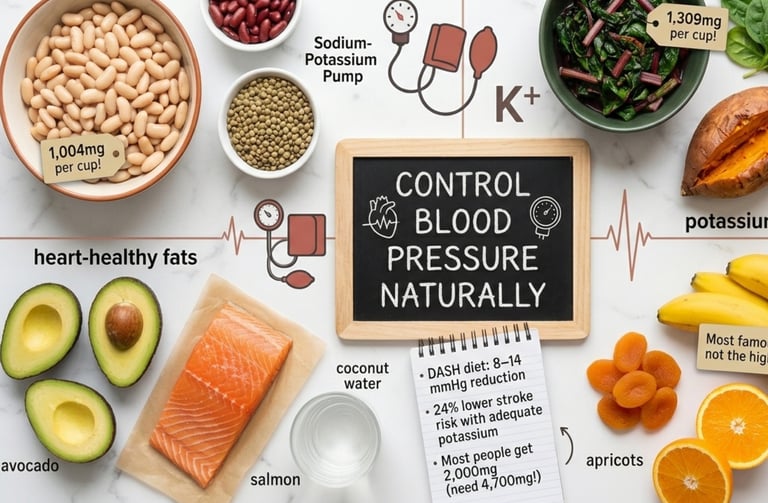
Nearly half of adults have hypertension! Potassium reduces stroke risk 24%. Beet greens: 1,309mg per cup. DASH diet cuts blood pressure 8–14 mmHg. Start now.
by BiteBrightly
2/28/202636 min read
Potassium-Rich Foods: Natural Blood Pressure Control and Heart Health
By BiteBrightly 28 February 2026: This post might contain affiliate links.
Does your doctor keep telling you your blood pressure is "a little high"—and you keep leaving the appointment with a prescription you're not sure you want to fill? Do you check your blood pressure at the pharmacy and feel a knot of anxiety tighten in your chest when the numbers flash higher than they should? Are you watching a parent or sibling manage hypertension with multiple medications and wondering whether that's the path waiting for you?
High blood pressure—hypertension—is called the silent killer for a reason. It has no symptoms. It announces itself not with pain or visible signs but quietly, through years of damage accumulating in your arteries, heart, kidneys, and brain—until the damage is catastrophic enough to produce a stroke, heart attack, or kidney failure. There's no warning. No signal. Just the gradual erosion of your most vital structures, invisible until it isn't.
Nearly half of American adults have hypertension. Billions of dollars are spent every year on antihypertensive medications. And yet one of the most powerful interventions available—a dietary mineral that your body uses as a direct mechanism for lowering blood pressure—remains dramatically underconsumed by the vast majority of people who need it most.
That mineral is potassium. And the gap between how much most people consume and how much their cardiovascular system actually requires is one of the most consequential nutritional failures of modern life.
Potassium doesn't lower blood pressure the way a drug does—through a pharmacological mechanism that forces a physiological response. It lowers blood pressure the way the human body was designed for it to be lowered: by providing the electrolyte that your kidneys use to excrete excess sodium, that your blood vessels use to maintain healthy tone and flexibility, and that your heart uses to regulate its rhythm reliably beat after beat.
This comprehensive guide reveals the fifteen best potassium-rich foods for blood pressure control and heart health, the precise science of how potassium protects your cardiovascular system, why potassium deficiency has become so widespread, and exactly how to build a potassium-rich diet that addresses hypertension at its nutritional root.
Key Takeaways
Potassium directly counteracts sodium's blood-pressure-raising effects by promoting renal sodium excretion through the sodium-potassium pump
The adequate intake for potassium is 2,600–3,400mg daily, but most adults consume only 2,000–2,500mg—a chronic deficit with serious cardiovascular consequences
Higher potassium intake is associated with a 24% reduction in stroke risk and significant reductions in cardiovascular mortality
The sodium-to-potassium ratio in your diet may be more predictive of cardiovascular risk than sodium intake alone
Specific foods—beet greens, white beans, avocados, sweet potatoes, spinach, salmon, and beets—provide exceptionally high, bioavailable potassium
Potassium works synergistically with magnesium, calcium, and dietary nitrates to produce comprehensive blood pressure reduction
The DASH diet—built around potassium-rich whole foods—reduces systolic blood pressure by 8–14 mmHg in hypertensive individuals
Dietary potassium is safe for healthy adults with normal kidney function; those with kidney disease must consult their healthcare provider before increasing intake
Understanding High Blood Pressure: The Potassium Connection
Before exploring specific foods, understanding what blood pressure actually is, what drives hypertension, and how potassium deficiency contributes to it will help you make strategic dietary choices that address root causes rather than merely treating numbers.
Blood pressure is the force exerted by circulating blood against the walls of your arteries. It is expressed as two numbers: systolic pressure—the force when your heart contracts and pumps blood—over diastolic pressure, the force when your heart rests between beats. Normal blood pressure is below 120/80 mmHg. Hypertension is defined as 130/80 mmHg or above—a threshold that puts you at significantly elevated risk for heart attack, stroke, heart failure, kidney disease, and cognitive decline.
How Blood Pressure Is Regulated
Your blood pressure is not a fixed value. It fluctuates constantly in response to dozens of regulatory signals. Understanding the key mechanisms helps explain why potassium is so therapeutically relevant.
The renin-angiotensin-aldosterone system (RAAS): Your kidneys constantly monitor blood pressure and blood volume. When pressure drops, the kidneys release renin—an enzyme that triggers a cascade producing angiotensin II, which constricts blood vessels and signals the adrenal glands to release aldosterone. Aldosterone causes the kidneys to retain sodium and excrete potassium, raising blood volume and pressure. Many antihypertensive drugs—ACE inhibitors, ARBs—work by blocking this cascade. Dietary potassium works at the same system by blunting the pressure-raising effects of aldosterone and promoting sodium excretion instead.
The sodium-potassium pump: Every cell in your body—particularly in blood vessel walls and heart muscle—relies on sodium-potassium ATPase pumps to maintain the electrical gradients governing their function. These pumps move three sodium ions out of cells for every two potassium ions they bring in, maintaining the cellular environment required for proper muscle contraction, nerve signaling, and vascular tone. When potassium is deficient, these pumps operate less efficiently—blood vessels lose their ability to relax properly, increasing peripheral resistance and blood pressure.
Vascular smooth muscle tone: The smooth muscle cells lining your arteries contract and relax in response to dozens of signals—hormones, neural input, and the concentrations of electrolytes bathing them. Potassium promotes vasodilation—the relaxation and widening of blood vessels—by hyperpolarizing smooth muscle cell membranes, making them less responsive to contraction signals. This direct vasodilatory effect reduces peripheral resistance, a primary mechanism of blood pressure elevation.
Renal sodium handling: The kidneys' primary tool for regulating blood pressure is controlling how much sodium is retained versus excreted. Potassium directly competes with sodium for reabsorption in the kidney tubules—when potassium intake is high, sodium excretion increases, reducing blood volume and lowering blood pressure. This explains why the sodium-to-potassium ratio in the diet is so much more predictive of blood pressure than sodium intake alone.
The Sodium-Potassium Ratio: Why Both Sides of the Equation Matter
Most public health messaging around blood pressure focuses almost exclusively on sodium reduction. While limiting sodium is important, the equally powerful—and often more achievable—intervention is increasing potassium. Research consistently shows that the ratio of sodium to potassium in the diet is a stronger predictor of cardiovascular risk than either mineral in isolation.
The ancestral human diet that shaped our physiology provided roughly 10,000–16,000mg of potassium daily and very little sodium—a ratio of approximately 10:1 potassium to sodium. Modern Western diets have nearly inverted this ratio: most adults consume approximately 3,400mg of sodium and only 2,000–2,500mg of potassium—a ratio of approximately 1.5:1 sodium to potassium. This is not just inadequate. It is the opposite of what human cardiovascular physiology requires.
Correcting this ratio—by simultaneously increasing potassium and moderating sodium—produces blood pressure reductions that exceed what either intervention achieves alone. The cardiovascular benefits of a high-potassium diet are most pronounced precisely in those eating high-sodium diets—which describes the majority of adults in developed countries.
What Drives Chronic Potassium Deficiency
Despite potassium being abundant in whole plant foods, widespread deficiency has emerged through several interconnected modern factors.
Processed food dominance: Potassium is found primarily in fresh fruits, vegetables, legumes, and unprocessed whole foods. Processing dramatically reduces potassium content—canning vegetables loses 50–75% of their potassium, and refining wheat into white flour strips away much of its mineral content. A diet centered on packaged, processed, and fast food is nearly guaranteed to be severely potassium-deficient regardless of caloric adequacy.
Declining produce consumption: Fresh fruits and vegetables are the richest dietary sources of potassium, yet only about 10% of American adults consume the recommended daily servings. This gap is the primary driver of population-level potassium insufficiency.
Potassium-depleting medications: Several extremely common medication classes cause significant potassium loss. Loop diuretics and thiazide diuretics—two of the most prescribed classes of blood pressure medications—cause substantial urinary potassium excretion. This creates the paradox where blood pressure medications can deplete the mineral most important for blood pressure control.
Excessive sodium intake: High dietary sodium increases urinary potassium excretion, compounding the deficit. High sodium drives potassium loss, and low potassium reduces the efficiency of sodium excretion—creating a mutually reinforcing cycle of electrolyte imbalance and elevated blood pressure.
Chronic stress and cortisol: Elevated cortisol promotes renal potassium excretion. Chronically stressed individuals lose more potassium through their kidneys and have higher dietary requirements than those with well-managed stress.
The Cardiovascular Consequences of Inadequate Potassium
The health consequences of chronic potassium insufficiency extend well beyond blood pressure elevation alone.
Increased stroke risk: The relationship between potassium intake and stroke risk is one of the most consistently demonstrated in nutritional epidemiology. According to a meta-analysis published in the Journal of the American College of Cardiology, higher potassium intake is associated with a 24% reduction in stroke risk—a magnitude of effect comparable to antihypertensive medication in many populations. This protection operates through blood pressure reduction, prevention of arterial stiffness, and potassium's direct protective effects on endothelial cells lining blood vessel walls.
Arterial stiffness: Adequate potassium maintains the flexibility and elasticity of arterial walls—a property called compliance that is fundamental to healthy blood pressure dynamics. Arterial stiffness is an independent risk factor for cardiovascular events and accelerates with age. Dietary potassium slows its development through both blood pressure effects and direct protective effects on the arterial wall matrix.
Cardiac arrhythmia: Potassium is essential for maintaining the electrical stability of the heart. The cardiac action potential—the electrical wave that triggers each heartbeat—is critically dependent on precise potassium gradients across cardiac muscle cell membranes. Even modest potassium insufficiency within the "normal" laboratory range is associated with increased arrhythmia risk, including atrial fibrillation.
Kidney disease: Adequate potassium reduces glomerular pressure in the kidneys, protecting delicate filtration structures from hypertensive damage and reducing the aldosterone activity that drives sodium and fluid retention.
Cognitive decline: Cerebrovascular health is highly dependent on blood pressure control and arterial flexibility. Chronic hypertension and arterial stiffness accelerate cerebrovascular damage, white matter changes, and cognitive decline. Adequate potassium intake, by protecting vascular health, also protects long-term cognitive function.
How Potassium Protects Your Heart and Blood Pressure: The Mechanisms
Understanding exactly how potassium lowers blood pressure and protects cardiovascular health clarifies why dietary sources are so important and how they work synergistically with other lifestyle factors.
The Natriuretic Effect
The most clinically important mechanism by which dietary potassium lowers blood pressure is natriuresis—the promotion of sodium excretion through the urine. When potassium intake is generous, the kidneys excrete more sodium and less potassium; when potassium intake is low, they retain sodium and excrete potassium. Clinical studies show that increasing potassium intake from 2,000mg to 4,700mg daily—achievable through diet—can reduce systolic blood pressure by 4–9 mmHg in hypertensive individuals. In sodium-sensitive hypertensives, who represent approximately 50% of people with high blood pressure, the response is even more pronounced.
Direct Vasodilation
Beyond renal sodium handling, potassium exerts direct vasodilatory effects on blood vessel walls. Potassium activates the sodium-potassium ATPase pump in vascular smooth muscle cells, hyperpolarizing the cell membrane and making it less prone to the contraction signals that constrict blood vessels. Potassium also reduces the sensitivity of blood vessels to vasoconstrictive hormones—particularly angiotensin II and norepinephrine—making arteries less reactive to the signals that would otherwise raise pressure.
Endothelial Protection
The endothelium—the single-cell layer lining the inside of all blood vessels—is the master regulator of vascular health. Healthy endothelium produces nitric oxide, which relaxes blood vessels and prevents platelet aggregation. Damaged endothelium produces less nitric oxide and more inflammatory mediators—a condition called endothelial dysfunction that is the earliest detectable stage of atherosclerosis.
Potassium directly protects endothelial function by reducing oxidative stress in endothelial cells, decreasing the expression of adhesion molecules that attract inflammatory cells to vessel walls, and increasing nitric oxide production. These endothelial-protective effects operate independently of potassium's blood pressure effects, providing additional cardiovascular protection beyond what blood pressure numbers alone capture.
Cardiac Electrophysiology
The heart's electrical system depends on precise potassium gradients to function reliably. Adequate potassium maintains the resting membrane potential that determines how excitable cardiac cells are—keeping it in the range associated with stable, regular heartbeats. When potassium falls, cardiac cells become more excitable and prone to the spontaneous depolarizations that generate arrhythmias. Higher dietary potassium intake is associated with lower rates of atrial fibrillation and better outcomes in existing arrhythmia management.
Synergy With Magnesium, Calcium, and Nitrates
Potassium does not operate in isolation. Magnesium is required for the function of the sodium-potassium ATPase pump that potassium powers—magnesium deficiency impairs potassium retention by cells, meaning correcting potassium intake is often ineffective until magnesium status is also adequate. Calcium supports the vascular smooth muscle relaxation that potassium promotes through a complementary pathway, producing greater combined vasodilation. Dietary nitrates—abundant in beets, leafy greens, and celery—convert to nitric oxide, providing yet another vasodilatory mechanism that compounds with potassium's effects. The DASH diet works so effectively precisely because it combines these multiple cardiovascular-protective minerals and compounds in a single coherent dietary pattern.
The 15 Best Potassium-Rich Foods for Blood Pressure and Heart Health
1. Beet Greens and Spinach
Dark leafy greens—particularly beet greens and spinach—provide the highest potassium density of any vegetable category and add the unique blood pressure benefit of dietary nitrates, creating a dual mechanism of cardiovascular protection unmatched by any other food.
How it works: One cup of cooked beet greens delivers approximately 1,309mg of potassium—an extraordinary amount representing nearly 40% of the daily cardiovascular target. Cooked spinach provides approximately 839mg per cup. These numbers make dark leafy greens among the most potassium-efficient foods in the entire diet, particularly given their extremely low caloric density.
Beyond their exceptional potassium content, beet greens and spinach are among the richest dietary sources of inorganic nitrates. In the body, nitrates are converted to nitric oxide—the molecule responsible for relaxing blood vessel smooth muscle and promoting vasodilation. According to research published in Hypertension, dietary nitrate from vegetables significantly reduces systolic blood pressure through the nitrate-nitrite-nitric oxide pathway, an effect that is additive to potassium's own vasodilatory mechanisms.
Leafy greens also provide magnesium (approximately 157mg per cooked cup of spinach), folate—which reduces homocysteine, an inflammatory amino acid independently associated with cardiovascular disease—and vitamin K, which supports arterial elasticity by preventing pathological calcium deposition in arterial walls. This combination makes leafy greens among the most cardiovascularly comprehensive foods available.
How to use them: Aim for at least 2 cups of raw or 1 cup of cooked leafy greens daily. Sauté beet greens with garlic and olive oil as a simple, extraordinary cardiovascular side dish. Add spinach generously to smoothies—the taste disappears entirely—along with soups, pasta sauces, eggs, and grain bowls. The potassium in cooked greens is more concentrated per serving than raw, making lightly cooked preparations particularly efficient for potassium intake. Rotate between spinach, beet greens, Swiss chard, and kale for diverse nutrient profiles. Do not discard the cooking water from greens—potassium leaches into it and can be used as a base for soups and sauces.
2. White Beans and Cannellini Beans
White beans are among the single richest dietary sources of potassium available—more concentrated even than the famous banana—and deliver this potassium alongside a nutritional package perfectly suited to comprehensive cardiovascular protection.
How it works: One cup of cooked white beans provides approximately 1,004mg of potassium—about 30% of the daily cardiovascular target in a single serving. This extraordinary potassium density, combined with the exceptional fiber content of white beans (approximately 18g per cup), creates a food with uniquely powerful blood pressure benefits. Soluble fiber reduces LDL cholesterol reabsorption in the gut, adding a lipid-lowering dimension to the blood pressure effects.
White beans also provide approximately 134mg of magnesium per cup, which works synergistically with potassium through the sodium-potassium ATPase mechanism. Their low glycemic index means they release glucose slowly, preventing the insulin spikes that can transiently raise blood pressure. The protein content stabilizes blood sugar further, reducing the cortisol responses that promote sodium retention.
The cardiovascular benefits of regular legume consumption are among the most robustly demonstrated in nutritional science. Multiple large studies show that people who eat legumes four or more times weekly have significantly lower rates of cardiovascular disease, lower blood pressure, and reduced stroke risk compared to those who eat them rarely.
How to use them: Include white beans three to four times weekly as a primary protein and potassium source. White bean soup is one of the most potassium-dense meals achievable—a generous bowl can provide 1,500–2,000mg of potassium when prepared with other potassium-rich vegetables. Mash with olive oil and garlic for a heart-healthy spread on whole grain bread. Add to pasta dishes, grain bowls, and salads. Canned white beans are nearly as nutritious as dried, as potassium is relatively stable through canning—always choose no-salt-added or low-sodium versions, as regular canned beans can contain 400–600mg of sodium per cup, directly counteracting the potassium benefit.
3. Avocados
Avocados have earned their reputation as a nutritional powerhouse—and their cardiovascular benefits through potassium, healthy fats, and anti-inflammatory compounds make them one of the most specifically heart-protective foods in this guide.
How it works: One medium avocado provides approximately 975mg of potassium—significantly more than a banana—in combination with a nutritional profile uniquely suited to cardiovascular health. The monounsaturated fats in avocados, primarily oleic acid, are the same heart-protective fats found in olive oil. They reduce LDL cholesterol, raise HDL cholesterol, reduce inflammation, and directly support endothelial function. This means avocados lower blood pressure through two distinct pathways: potassium's natriuretic and vasodilatory mechanisms, and monounsaturated fats' endothelial and lipid benefits.
Avocados also provide exceptional quantities of folate—approximately 121mcg per fruit, about 30% of daily requirements—which reduces homocysteine, and vitamin B6, which supports multiple cardiovascular-protective enzymatic reactions. Their lutein content is emerging as another cardiovascular-protective compound, reducing LDL oxidation and arterial inflammation.
The healthy fat content of avocados also improves the absorption of fat-soluble cardiovascular-protective nutrients—carotenoids, vitamin K, and vitamin E—from other vegetables eaten alongside them. Adding avocado to a salad has been shown to increase carotenoid absorption from that salad by 3–15 times, amplifying the cardiovascular benefit of every other vegetable on the plate.
How to use them: Include half to one whole avocado daily. Add sliced avocado to salads, grain bowls, and sandwiches, use as a spread instead of butter or mayonnaise, blend into smoothies, or prepare guacamole as a vegetable dip. Avocado toast on whole grain bread is a genuinely cardiovascular-protective breakfast when topped with chili flakes and lemon juice rather than sodium-laden condiments. The combination of avocado with tomato and spinach in a single meal creates a triple potassium hit approaching 1,500mg before anything else is added.
4. Sweet Potatoes
Sweet potatoes are one of the most nutritionally complete potassium sources available—delivering potassium alongside beta-carotene, vitamin C, B6, fiber, and manganese in a food that is simultaneously delicious, affordable, and extraordinarily versatile.
How it works: One medium baked sweet potato provides approximately 542mg of potassium—more than a medium banana—in a form that is extremely well absorbed. The potassium arrives alongside exceptional quantities of beta-carotene, which the body converts to vitamin A. Vitamin A supports endothelial health—the integrity of the blood vessel lining so critical to healthy vascular function—and has independent antioxidant properties that protect against LDL oxidation and arterial inflammation.
Sweet potatoes also provide vitamin B6 (approximately 0.5mg per medium potato), which is required for homocysteine metabolism. Elevated homocysteine is independently associated with increased cardiovascular risk, and dietary B6 is one of the primary nutritional tools for keeping it in check. The complex carbohydrates in sweet potatoes have a lower glycemic response than white potatoes or refined grains, providing sustained energy without the insulin spikes that can transiently increase blood pressure. The skin is particularly rich in potassium and fiber—eating sweet potatoes with their skin intact maximizes both benefits.
How to use them: Include sweet potatoes three to four times weekly as a dinner side dish or meal base. Bake, roast, or steam—avoid frying or loading with butter and salt, which add cardiovascular burden rather than protection. A baked sweet potato topped with black beans, salsa, and a drizzle of olive oil creates a powerfully heart-protective, potassium-rich meal with minimal preparation. Add cubed sweet potato to soups, stews, and grain bowls. Sweet potato mash with olive oil and herbs makes an excellent sodium-free alternative to traditional mashed potatoes.
5. Beets
Beets provide potassium alongside the most clinically significant concentrations of dietary nitrate of any commonly available food—making them one of the most powerfully blood-pressure-lowering foods identified by research.
How it works: One cup of cooked beets provides approximately 519mg of potassium alongside remarkable quantities of inorganic nitrate. When consumed, dietary nitrate is converted to nitrite by bacteria in the mouth, then reduced to nitric oxide in the acidic environment of the stomach. Nitric oxide relaxes smooth muscle in blood vessel walls, widens arteries, and lowers blood pressure through a mechanism entirely distinct from potassium's effects—creating additive blood pressure reduction when both are present simultaneously.
According to research published in the British Journal of Clinical Pharmacology, beetroot juice consumption reduces systolic blood pressure by approximately 4–10 mmHg within hours of consumption, with effects lasting 24 hours or more with regular intake. The combination of potassium and nitrate in a single food creates additive blood pressure reduction beyond what either compound achieves alone.
Beets also provide betalains—the red-violet pigments unique to beets—which are potent antioxidants reducing the oxidative damage that drives endothelial dysfunction and atherosclerosis. Betaine from beets reduces homocysteine levels, providing yet another cardiovascular-protective mechanism.
How to use them: Include beets three to four times weekly. Roasted beets are one of the most versatile preparations—toss with olive oil, roast at 400°F until tender, and add to salads, grain bowls, and alongside proteins. Raw beets can be grated into salads and slaws. Beetroot juice (approximately 250–500ml, unsweetened) provides concentrated nitrate for acute blood pressure reduction—particularly useful before physically or emotionally demanding situations. Importantly, use both the beet root and the greens—most people discard beet greens, which are the most potassium-dense part of the plant.
6. Potatoes (With Skin)
Plain baked or boiled potatoes with their skin intact are among the most potassium-rich foods in the typical diet—a fact entirely obscured by the near-universal association of potatoes with frying, butter, and salt that strips their cardiovascular benefit and replaces it with cardiovascular harm.
How it works: One medium baked potato with skin provides approximately 926mg of potassium—more than twice a large banana and approaching a quarter of the daily cardiovascular target. The skin alone contains a significant proportion of this potassium along with fiber and B vitamins—discarding it represents a substantial nutritional loss. White potatoes have the highest potassium content of any commonly eaten vegetable when prepared simply and without sodium-heavy additions.
Potatoes also provide vitamin C (approximately 17mg per medium potato), which protects LDL cholesterol from oxidation and supports collagen synthesis in arterial walls. They provide vitamin B6 for homocysteine metabolism and resistant starch—particularly when cooled after cooking—that functions as a prebiotic, feeding gut bacteria associated with cardiovascular protection.
The key is entirely preparation. A plain baked potato with olive oil and herbs is one of the best cardiovascular foods in this guide. The same potato transformed into French fries becomes one of the worst—high in inflammatory oxidized fats, excessive sodium, and calories that promote obesity-driven hypertension. The food itself is excellent; the preparation makes or breaks the cardiovascular outcome.
How to use them: Eat plain baked, boiled, or roasted potatoes with skin two to three times weekly. Top with olive oil, fresh herbs, black pepper, and potassium-rich additions like black beans, salsa, or avocado rather than butter, sour cream, and salt. Boil potatoes for potato salad dressed with olive oil and vinegar rather than mayonnaise. Include diced potatoes in soups and stews where they absorb flavors while contributing abundant potassium.
7. Kidney Beans and Lentils
Beyond white beans, the broader legume family—kidney beans, black beans, chickpeas, pinto beans, and lentils—provides exceptional potassium alongside the fiber, protein, and magnesium that make legumes among the most comprehensively heart-protective foods available.
How it works: Potassium content across the legume family is consistently high: kidney beans provide approximately 713mg per cooked cup, lentils about 731mg, chickpeas approximately 477mg, and pinto beans around 746mg. Regular legume consumption delivers potassium reliably, affordably, and in a form well-suited to everyday cooking.
Legumes' cardiovascular benefits extend far beyond potassium alone. Their exceptional soluble fiber content reduces LDL cholesterol by binding bile acids in the gut, preventing their reabsorption and forcing the liver to use circulating cholesterol to produce replacements. Multiple meta-analyses confirm that regular legume consumption reduces LDL cholesterol by 5–10mg/dL independently of other dietary factors. Legumes are also rich in arginine—the amino acid precursor to nitric oxide—ensuring the endothelium has the raw material to produce the vasodilatory compound that relaxes blood vessels and prevents plaque formation. This mechanism is distinct from but complementary to potassium's own vasodilatory effects.
How to use them: Aim to include legumes in at least one meal daily. Bean and lentil soups, curries, stews, and grain bowls make convenient, satisfying, and heart-protective meals. Lentils cook in 20–30 minutes without soaking—the most convenient legume for weeknight cooking. Hummus (chickpeas, tahini, lemon, garlic) is one of the most potassium-rich, heart-healthy dips and spreads available and replaces sodium-heavy condiments throughout the day.
8. Salmon and Fatty Fish
Fatty fish provides potassium alongside omega-3 fatty acids and vitamin D—creating a combination that addresses cardiovascular health through multiple complementary mechanisms that potassium-rich plant foods alone cannot fully provide.
How it works: A three-ounce serving of salmon provides approximately 414mg of potassium alongside exceptional quantities of EPA and DHA omega-3 fatty acids (approximately 1,500–2,000mg combined in wild-caught salmon) and vitamin D (approximately 70% of daily requirements). This nutrient combination targets cardiovascular risk through mechanisms distinct from but complementary to potassium's pressure-lowering effects.
Omega-3 fatty acids lower triglycerides, reduce inflammatory markers including CRP, improve endothelial function, reduce platelet aggregation, and—at higher intakes—can independently reduce blood pressure. EPA and DHA specifically shift the balance toward vasodilation and reduced clotting risk. Vitamin D deficiency is strongly and independently associated with hypertension—vitamin D receptors are found on renin-producing cells in the kidney, and adequate vitamin D suppresses renin production, reducing the angiotensin-aldosterone cascade that raises blood pressure. The combination of potassium (blocking the downstream effects of this cascade) and vitamin D (suppressing the cascade at its origin) represents a particularly comprehensive dietary approach to RAAS-mediated hypertension.
How to use it: Eat fatty fish two to three times weekly as a primary dinner protein. Wild-caught salmon, mackerel, sardines, and herring provide the highest omega-3 and potassium content. Pair with roasted sweet potato and sautéed spinach for a dinner providing 1,500–2,000mg of potassium alongside omega-3s and dietary nitrates. Canned wild salmon and sardines provide equivalent nutritional benefits at significantly lower cost and are excellent for salads, grain bowls, and quick weekday meals.
9. Tomatoes and Tomato Products
Tomatoes and their processed forms—particularly tomato paste and tomato sauce—are exceptionally potassium-dense and provide lycopene, one of the most powerful cardiovascular-protective antioxidants available in food.
How it works: Fresh tomatoes provide approximately 292mg of potassium per cup, but concentrated tomato products are dramatically higher: half a cup of tomato paste provides approximately 549mg, and one cup of tomato sauce provides approximately 811mg. This concentration makes tomato-based pasta sauces, soups, stews, and chilis some of the most efficient potassium delivery vehicles in everyday cooking.
Processing and heating tomatoes dramatically increases the bioavailability of lycopene—the red carotenoid that gives tomatoes their color. Lycopene specifically reduces LDL oxidation—the process that transforms LDL cholesterol from a neutral molecule into the inflammatory, plaque-building form that drives atherosclerosis. Research consistently links higher lycopene intake with lower cardiovascular disease risk, lower blood pressure, and reduced arterial stiffness.
An important caveat: commercially prepared tomato products are often extremely high in added sodium—a single cup of canned tomato sauce can contain 1,000mg or more, which entirely negates the potassium benefit. Always choose no-salt-added or low-sodium tomato products and add flavor through herbs, garlic, and olive oil rather than sodium.
How to use them: Eat fresh tomatoes daily in salads and sandwiches. Use no-salt-added tomato paste and sauce as the base for soups, stews, pasta dishes, and curries. Cherry tomatoes roasted in olive oil concentrate their lycopene while creating an irresistibly sweet, versatile topping for almost any dish. A homemade tomato sauce prepared with abundant garlic, olive oil, and fresh herbs provides one of the most cardiovascularly protective cooking bases available.
10. Bananas
Bananas are the most famous potassium-rich food—and while their reputation is somewhat overstated compared to beet greens or white beans, their convenience, affordability, and complementary nutrient profile make them a genuinely valuable tool in a blood pressure-protective diet.
How it works: One medium banana provides approximately 422mg of potassium alongside vitamin B6 (approximately 0.4mg—24% of daily requirements), magnesium (approximately 32mg), and natural sugars buffered by fiber. The B6 content is particularly relevant for cardiovascular health—it supports the conversion of homocysteine to cysteine, directly reducing circulating homocysteine levels and the vascular damage they cause.
Slightly green or medium-ripe bananas contain meaningful amounts of resistant starch that functions as a prebiotic, feeding gut bacteria that produce short-chain fatty acids. These SCFAs have emerging evidence for cardiovascular protection—they reduce inflammation, support gut barrier integrity, and may modulate blood pressure through the gut-brain axis. Very ripe bananas have higher free sugar content; selecting slightly green bananas produces a more gradual blood sugar response.
How to use them: Eat one to two bananas daily as a convenient, portable potassium source. Include in morning smoothies with spinach and almond milk for a breakfast providing 700–900mg of potassium before the rest of the day begins. Slice over oatmeal with walnuts for a cardiovascular-protective start to the day. The combination of banana with leafy greens and avocado in a smoothie creates one of the most potassium-dense, heart-protective meals achievable in minimal preparation time.
11. Yogurt and Kefir
Dairy and fermented dairy products provide potassium alongside calcium and magnesium—the precise mineral triad that makes the DASH diet so effective—while adding probiotic benefits that address the gut-cardiovascular axis.
How it works: One cup of plain low-fat yogurt provides approximately 531mg of potassium alongside approximately 415mg of calcium and 40mg of magnesium. This mineral combination is specifically targeted by the DASH diet, which consistently achieves blood pressure reductions of 8–14 mmHg systolic in hypertensive individuals—results that no single mineral alone can produce.
Calcium's role in blood pressure regulation is distinct from but synergistic with potassium's: it supports regulation of vascular smooth muscle tone through intracellular calcium signaling, and adequate dietary calcium is associated with lower blood pressure and reduced hypertension risk. Fermented dairy adds a probiotic dimension—emerging research links gut microbiome composition to blood pressure regulation through short-chain fatty acid production, the gut-brain axis, and modulation of immune responses driving vascular inflammation. Regular fermented dairy consumption is associated with lower blood pressure in large population studies.
How to use them: Include one to two servings of plain, unsweetened yogurt or kefir daily. Choose full-fat or low-fat versions rather than fat-free, which often compensates for removed fat with added sugars. Greek yogurt provides more protein but somewhat less potassium than regular yogurt—a trade-off worth considering based on individual needs. Use plain yogurt as a base for dressings, dips, and sauces as a low-sodium, potassium-rich alternative to mayonnaise or sour cream.
12. Oranges and Citrus Fruits
Citrus fruits—oranges, grapefruits, clementines, and lemons—provide potassium alongside vitamin C, hesperidin, and flavonoids that work through complementary cardiovascular-protective mechanisms.
How it works: One medium orange provides approximately 237mg of potassium alongside 70mg of vitamin C—about 78% of daily requirements. Grapefruit provides approximately 320mg of potassium per fruit with even higher vitamin C content. While these potassium figures are modest compared to beet greens or white beans, citrus fruits' unique contribution lies in their complementary compounds.
Vitamin C is a potent antioxidant that protects LDL cholesterol from oxidation—the critical step that transforms LDL from neutral to atherogenic. It also supports collagen synthesis in arterial walls, maintaining structural integrity and flexibility. Studies consistently show inverse relationships between vitamin C status and blood pressure, arterial stiffness, and cardiovascular events.
Hesperidin—a flavonoid particularly abundant in oranges—has specific vasodilatory effects mediated through nitric oxide production in endothelial cells. Research demonstrates that hesperidin reduces blood pressure and improves endothelial function independently of vitamin C. The combination of potassium, vitamin C, and hesperidin in whole citrus fruit creates cardiovascular protection greater than any single compound provides.
An important note: grapefruit and grapefruit juice interact with many common medications including statins, calcium channel blockers, and certain antihypertensive drugs. If you take any of these medications, consult your healthcare provider before significantly increasing grapefruit consumption.
How to use them: Eat one to two citrus fruits daily. Whole fruit provides fiber that slows sugar absorption compared to juice. Add lemon juice generously to salads, fish, grains, and water as a sodium-free flavor enhancer that also contributes potassium and vitamin C. Citrus segments pair beautifully with leafy greens and avocado in salads, creating potassium-dense, cardiovascular-protective combinations.
13. Dried Apricots and Prunes
Dried stone fruits—particularly apricots and prunes—are among the most concentrated potassium sources per weight of any food, making them an exceptionally efficient option for boosting daily potassium intake.
How it works: Half a cup of dried apricots provides approximately 755mg of potassium—an extraordinary concentration. Prunes (dried plums) provide approximately 637mg per half cup. The drying process concentrates potassium dramatically compared to fresh fruit—a single fresh apricot provides only about 90mg, while the same fruit dried provides four to five times as much per equivalent weight.
Dried apricots are also among the richest sources of beta-carotene in any food form. Prunes provide chlorogenic acid and other polyphenols with specific anti-inflammatory and antioxidant effects on the cardiovascular system. The fiber content of dried fruits supports healthy cholesterol management and gut health in ways that complement potassium's blood pressure effects.
The primary consideration is their concentrated natural sugar content. While their glycemic response is moderated by fiber, portion control is appropriate—a quarter to half a cup is a reasonable daily serving. Pair with protein or healthy fat such as a small handful of walnuts to further moderate blood sugar response.
How to use them: Add a small handful of dried apricots or prunes to morning oatmeal, yogurt, or trail mixes. They work beautifully in savory dishes—Moroccan-style tagines, grain pilafs, and roasted vegetable preparations traditionally pair dried apricots with savory ingredients, creating dishes that are both delicious and heart-protective. Include as a portable, non-perishable potassium snack alongside nuts for travel and workplace eating.
14. Coconut Water
Coconut water is one of nature's most impressive natural electrolyte beverages—providing potassium in a rapidly bioavailable form without the added sugars, artificial ingredients, or excessive sodium of most commercial sports drinks.
How it works: One cup (240ml) of plain coconut water provides approximately 600mg of potassium alongside meaningful amounts of magnesium (60mg), calcium (57mg), and sodium (252mg) in proportions that naturally support electrolyte balance. This profile makes coconut water particularly valuable after exercise—when potassium is lost through sweat—and as a practical daily potassium supplement for those who find other high-potassium foods less convenient to consume consistently.
The potassium in coconut water is in ionic form, dissolved in water, which makes it extremely rapidly absorbed—faster than the potassium bound in the cellular matrix of solid foods. This rapid absorption makes it particularly effective for acute potassium replenishment, including after vigorous exercise, during hot weather when sweating is elevated, or when building up potassium status quickly.
How to use it: Drink one cup of plain, unsweetened coconut water daily as a potassium-boosting beverage, particularly after exercise or as a replacement for sodium-heavy sports drinks. Choose varieties with no added sugar or flavoring. Add to smoothies as a potassium-rich liquid base in place of plain water or juice. For those who find the natural sweetness too strong, dilute with water and add fresh lemon juice to taste.
15. Fresh Herbs (Parsley, Cilantro, Basil)
Fresh herbs are potassium sources that most people overlook entirely—but used generously as they are in Mediterranean and Middle Eastern cuisines, they contribute meaningful potassium alongside uniquely powerful cardiovascular-protective phytochemicals found nowhere else.
How it works: Fresh parsley provides approximately 332mg of potassium per 100g. Cilantro provides approximately 521mg per 100g, and fresh basil approximately 295mg per 100g. While typical garnish-sized servings are small, using herbs as vegetables—a full cup or more at a time in dishes like tabbouleh, chimichurri, or herb-forward grain bowls—makes their potassium contribution genuinely significant.
Beyond potassium, fresh herbs provide concentrated phytochemicals with specific cardiovascular effects. Parsley is exceptionally rich in apigenin—a flavone with documented ACE-inhibitory activity, the same mechanism as ACE inhibitor blood pressure medications—working at the pharmaceutical target of one of the most widely prescribed drug classes through a completely natural compound. Cilantro contains linalool and other terpenoids that reduce anxiety-driven blood pressure elevation. Basil provides rosmarinic acid, an anti-inflammatory polyphenol with antioxidant effects on LDL cholesterol.
The diuretic properties of parsley—consistent with its apigenin content and well-documented in traditional medicine—further support its blood pressure benefits by promoting sodium excretion through the kidneys, directly complementing potassium's own natriuretic effect.
How to use them: Use fresh herbs abundantly rather than sparingly. Prepare tabbouleh—parsley, bulgur, tomatoes, lemon, olive oil—as a weekly potassium and flavonoid-rich salad. Add large handfuls of cilantro to grain bowls, curries, and soups. Make herb-forward sauces—chimichurri (parsley, garlic, olive oil, vinegar), salsa verde, pesto—that replace sodium-heavy condiments with potassium-rich, cardiovascularly protective alternatives. Growing your own herbs on a windowsill ensures a continuous, affordable supply of the freshest possible product.
Building a Potassium-Rich, Heart-Healthy Diet
Individual high-potassium foods provide specific benefits, but the overall pattern of your eating is what determines whether you achieve the consistent, adequate potassium status that enables meaningful blood pressure reduction. These principles help you build an approach that comprehensively addresses cardiovascular health.
Adopt the DASH Diet Framework
The Dietary Approaches to Stop Hypertension (DASH) diet represents the most thoroughly researched dietary pattern for blood pressure reduction—and it is built fundamentally around the foods in this guide. The DASH diet emphasizes abundant fruits and vegetables (8–10 servings daily), whole grains, low-fat dairy, legumes, nuts and seeds, fish, and lean poultry, while minimizing sodium, red meat, sweets, and saturated fat.
The blood pressure reductions achieved by the DASH diet are clinically meaningful: 8–14 mmHg systolic pressure reduction in hypertensive individuals—equivalent to a single antihypertensive medication, without the side effects. The mechanism is multifactorial, but the potassium, magnesium, calcium, and fiber combination it provides is recognized as the primary driver of its blood pressure effects. A plant-forward DASH approach that emphasizes plant foods even more heavily than the original protocol achieves even greater blood pressure reductions while providing additional cardiovascular benefits through reduced saturated fat and higher antioxidant intake.
Target 4,700mg of Potassium Daily
The adequate intake for potassium is 2,600mg for women and 3,400mg for men. Research on blood pressure and cardiovascular outcomes consistently suggests that 4,700mg daily—the level used in DASH diet studies—is the intake most associated with maximum cardiovascular protection. This is also approximately the intake achievable in populations eating predominantly whole, unprocessed plant foods.
Reaching 4,700mg daily through diet is entirely achievable with strategic food choices. A large daily salad with spinach, tomatoes, and avocado provides approximately 1,200mg. A dinner of baked salmon with roasted sweet potato and sautéed beet greens provides approximately 1,800mg. A breakfast of oatmeal with banana and yogurt provides approximately 700mg. These three meals alone approach the daily cardiovascular target before snacks or any other foods are considered.
Reduce Sodium Simultaneously
The sodium-to-potassium ratio is more predictive of cardiovascular risk than either mineral alone. Increasing potassium while simultaneously reducing sodium produces blood pressure reductions greater than either intervention achieves independently.
Practical sodium reduction focuses primarily on processed and restaurant foods, which contribute approximately 75% of dietary sodium. Cooking at home with fresh ingredients and using herbs, spices, lemon, vinegar, and garlic for flavor eliminates the primary sodium source in most diets. When buying packaged foods, choosing no-salt-added versions—particularly for canned beans, tomatoes, and broths—makes a significant difference. A target of below 2,300mg of sodium daily combined with 4,700mg of potassium creates a sodium-to-potassium ratio dramatically more cardiovascular-protective than the typical Western ratio.
Combine Potassium With Complementary Blood Pressure Nutrients
Potassium works most powerfully when combined with other cardiovascular-protective nutrients addressing complementary mechanisms.
Potassium + Magnesium: Leafy greens, legumes, nuts, avocados. Magnesium is required for the sodium-potassium ATPase pump that potassium activates—without adequate magnesium, potassium retention in cells is impaired regardless of intake.
Potassium + Nitrates: Beet greens, spinach, arugula, beets, celery. Dietary nitrate provides nitric oxide through a pathway entirely distinct from potassium's mechanisms—combining them produces additive blood pressure reduction exceeding either alone.
Potassium + Omega-3s: Salmon paired with leafy greens and avocado. Omega-3s reduce inflammation, improve endothelial function, and lower triglycerides—addressing cardiovascular risk factors that potassium alone does not target.
Potassium + Fiber: White beans, lentils, whole grains with fruit and vegetables. Soluble fiber lowers LDL cholesterol, feeds cardiovascular-protective gut bacteria, and supports blood sugar stability—addressing the lipid and metabolic dimensions of cardiovascular risk alongside potassium's direct blood pressure effects.
Foods and Habits That Deplete Potassium and Raise Blood Pressure
Understanding what works against your cardiovascular health is as important as knowing what supports it.
Excess Dietary Sodium
High sodium intake does not just directly raise blood pressure—it actively promotes potassium excretion through the kidneys, compounding the deficit. The primary sources of excess dietary sodium are processed and packaged foods, restaurant meals, bread and baked goods (often surprisingly high), and condiments. Developing the habit of checking sodium content on food labels transforms this abstract concern into actionable daily decisions that produce meaningful results.
Alcohol
Alcohol raises blood pressure through multiple mechanisms: it activates the sympathetic nervous system, increases cortisol and adrenaline, reduces the sensitivity of baroreceptors that regulate pressure, and promotes inflammation in blood vessel walls. Beyond its direct blood pressure effects, alcohol promotes potassium and magnesium excretion through the kidneys, depleting the minerals most important for cardiovascular regulation. Evening alcohol consumption thus both depletes the minerals most essential for vascular health and directly disrupts the physiological processes that regulate blood pressure overnight.
Refined Sugars and Ultra-Processed Foods
Diets high in refined sugars and ultra-processed foods raise blood pressure through multiple pathways: they promote insulin resistance and hyperinsulinemia—insulin stimulates sodium retention—activate the sympathetic nervous system, promote inflammation that damages endothelial function, and displace the potassium-rich whole foods that protect against hypertension. People who derive more than 25% of their calories from added sugars have significantly higher rates of cardiovascular mortality compared to those consuming less.
Excessive Caffeine
Caffeine causes acute blood pressure elevation through sympathetic nervous system activation. Habitual moderate coffee consumption appears to have neutral to slightly beneficial long-term cardiovascular effects in most people, largely because of coffee's antioxidant content. However, excessive caffeine—particularly from high-caffeine energy drinks that also contain large amounts of sugar and sodium—is clearly pro-hypertensive and should be among the first habits addressed in any blood pressure management approach.
Lifestyle Factors That Amplify Dietary Potassium's Benefits
Dietary potassium optimization achieves its maximum benefit when combined with lifestyle practices that target the same cardiovascular mechanisms.
Regular Physical Activity
Exercise is one of the most powerful blood pressure interventions available—regular moderate aerobic exercise reduces resting blood pressure by 5–8 mmHg in hypertensive individuals, an effect comparable to a single antihypertensive medication. Exercise works synergistically with dietary potassium: physical activity reduces peripheral vascular resistance, improves endothelial function, supports healthy weight, reduces insulin resistance, and lowers sympathetic nervous system tone—all mechanisms that complement potassium's blood pressure effects. The combination of dietary improvement and regular exercise produces blood pressure reductions greater than either achieves independently.
Weight Management
Excess body weight—particularly visceral abdominal fat—raises blood pressure through increased cardiac output, RAAS activation, elevated sympathetic nervous system activity, and insulin resistance. Weight loss of even 5–10% produces meaningful blood pressure reductions. The high-volume, nutrient-dense nature of a potassium-rich whole foods diet—with its generous vegetables, fruits, legumes, and whole grains—naturally supports healthy weight while simultaneously providing cardiovascular protection, making dietary improvement and weight management genuinely complementary goals.
Stress Reduction
Chronic psychological stress raises blood pressure through sustained sympathetic nervous system activation, elevated cortisol, and increased RAAS activity. Effective stress management—through regular meditation, yoga, time in nature, social connection, and meaningful engagement—reduces these pathways and amplifies the benefits of dietary interventions. Research shows that mindfulness-based stress reduction programs produce clinically meaningful blood pressure reductions in hypertensive individuals, and that combining dietary and stress management interventions produces greater reductions than either alone.
Adequate Sleep
Sleep deprivation—even the partial, chronic sleep restriction common in modern life—raises blood pressure, elevates sympathetic nervous system tone, increases cortisol and inflammatory markers, and promotes insulin resistance. Adults sleeping fewer than six hours per night have significantly higher rates of hypertension than those sleeping seven to eight hours. Prioritizing adequate sleep is not peripheral to cardiovascular health management—it is fundamental, and it complements rather than competes with dietary improvement.
Supplements for Additional Cardiovascular Support
When dietary optimization needs supplemental support, several evidence-backed options provide additional cardiovascular benefit alongside a potassium-rich diet.
Magnesium Glycinate
As detailed throughout this guide, magnesium and potassium work synergistically—magnesium is required for the sodium-potassium ATPase pump that potassium activates, and magnesium deficiency impairs potassium retention at the cellular level regardless of dietary intake. Magnesium glycinate (200–400mg daily) is the best-absorbed supplemental form and addresses the widespread magnesium deficiency that impairs potassium's cellular effects. Many people find that blood pressure improves more significantly when both minerals are optimized simultaneously than when potassium alone is addressed.
Coenzyme Q10 (CoQ10)
CoQ10 is a nutrient essential for mitochondrial energy production in heart muscle cells. Multiple meta-analyses show that CoQ10 supplementation (200–400mg daily) reduces systolic blood pressure by an average of 11–17 mmHg in hypertensive individuals—one of the most dramatic effects observed for any nutritional supplement in blood pressure research. CoQ10 works through mechanisms entirely distinct from potassium, including antioxidant protection of endothelial cells, improved mitochondrial function in cardiac and vascular cells, and reduced oxidative inactivation of nitric oxide. It is a genuinely complementary cardiovascular supplement for those whose blood pressure remains elevated despite dietary optimization.
Beetroot Concentrate
For individuals seeking more concentrated nitrate intake than dietary beets provide, standardized beetroot powder or juice concentrate offers consistent, measurable nitrate doses shown in clinical trials to produce acute and cumulative blood pressure reductions. Approximately 500ml of beetroot juice (or equivalent concentrate) providing 400mg nitrate has been used in clinical trials with consistent blood pressure-lowering results, and serves as a targeted complement to the dietary approach.
Your 7-Week Heart Health Action Plan
Week 1–2: Foundation Building
Begin with the highest-impact, most accessible changes:
Include legumes (white beans, lentils, or chickpeas) in dinner four times this week
Add one cup of cooked leafy greens (spinach, beet greens, or Swiss chard) to dinner every night
Replace any refined grain serving with a whole grain equivalent—brown rice, quinoa, or steel-cut oats
Start a daily morning smoothie with banana and spinach as the base
These four changes alone can increase daily potassium intake by 1,200–1,800mg while simultaneously reducing refined carbohydrates that transiently raise blood pressure through insulin and sodium retention pathways. Most people notice some improvement within 10–14 days.
Week 3–4: Adding Potassium Density
Build on the foundation with the highest-potassium individual foods:
Include baked sweet potato or plain potato with skin three to four times weekly
Make a large salad with avocado and tomatoes a daily lunch staple
Add fatty fish (salmon, mackerel, sardines) as your primary protein twice weekly
Introduce beetroot juice or roasted beets three times weekly for concentrated nitrate benefit
Week 5–6: Optimizing the Complete Pattern
Address remaining elements for comprehensive cardiovascular protection:
Replace all processed snacks with dried apricots, walnuts, and fresh fruit
Include plain yogurt or kefir daily for the potassium-calcium-magnesium mineral triad
Drink one cup of plain coconut water daily as a targeted potassium beverage
Use fresh herbs abundantly—large handfuls of parsley and cilantro in daily cooking
Week 7 and Beyond: Consistency and Monitoring
Maintain your potassium-rich dietary pattern while monitoring blood pressure regularly. Purchase a home blood pressure monitor if you don't already have one—weekly measurements at the same time of day provide accurate trend data. Most people following a comprehensive potassium-rich dietary pattern notice measurable blood pressure reductions within four to eight weeks, with maximum benefits emerging after three months of sustained changes. If blood pressure remains elevated despite comprehensive dietary optimization, work with your healthcare provider on a combined dietary and medication approach—the two are synergistic, and dietary improvement often allows for reduced medication doses over time under medical supervision.
Conclusion
Hypertension is not inevitable. For the majority of people, it is—at least in part—a predictable consequence of a dietary pattern that chronically underdelivers the mineral their cardiovascular system most fundamentally requires.
The fifteen foods in this guide—beet greens and spinach, white beans, avocados, sweet potatoes, beets, potatoes with skin, kidney beans and lentils, salmon, tomatoes, bananas, yogurt, citrus fruits, dried apricots, coconut water, and fresh herbs—provide potassium in its most bioavailable, nutritionally synergistic form, alongside the magnesium, calcium, fiber, omega-3s, nitrates, and antioxidants that amplify its cardiovascular benefits. None of these are exotic. All of them are affordable. Every one of them belongs in a heart-conscious kitchen.
The DASH diet research has demonstrated conclusively that a dietary pattern built around these foods reduces systolic blood pressure by 8–14 mmHg—equivalent to antihypertensive medication in many patients, and without the side effects, costs, or long-term dependency that medications entail. This is not a fringe claim. It is mainstream clinical nutrition supported by decades of high-quality research and endorsed by every major cardiovascular health organization worldwide.
Start this week. A large salad with spinach, avocado, and tomatoes at lunch. A dinner of baked salmon with roasted sweet potato and sautéed beet greens. A morning smoothie with banana and spinach. A bowl of lentil soup instead of a processed lunch. These choices, made consistently day after day, shift the biochemical environment in which your arteries operate. They restore the sodium-to-potassium ratio your cardiovascular system evolved to function within. They reduce the pressure that is silently damaging your heart, kidneys, and brain with every single beat.
Your blood pressure numbers are not fixed. They are a reflection of what you feed the mechanisms that regulate them. Feed those mechanisms well—and watch the numbers change.
References and Further Reading
For more information on potassium, blood pressure, and cardiovascular health, consult these authoritative sources:
American Heart Association — How Potassium Can Help Control High Blood Pressure Evidence-based guidance from the leading cardiovascular health organization on the role of dietary potassium in blood pressure management and cardiovascular disease prevention.
National Heart, Lung, and Blood Institute — DASH Eating Plan Complete overview of the Dietary Approaches to Stop Hypertension eating plan—the most thoroughly researched dietary pattern for blood pressure reduction—including meal plans, food lists, and clinical evidence summaries.
Harvard T.H. Chan School of Public Health — Potassium Authoritative nutritional guidance on potassium sources, health effects, deficiency recognition, and optimal intake from one of the world's leading nutrition research institutions.
Frequently Asked Questions
How much potassium do I need daily to lower blood pressure?
The adequate intake for potassium is 2,600mg daily for women and 3,400mg for men, but research on blood pressure outcomes consistently suggests that 4,700mg daily—the level used in DASH diet clinical trials—is associated with maximum cardiovascular protection. Most adults consume only 2,000–2,500mg daily, leaving a gap of 1,200–2,700mg. Closing this gap through dietary changes—by prioritizing beet greens, white beans, avocados, sweet potatoes, and other high-potassium whole foods—is the most effective and sustainable approach for the majority of people with normal kidney function.
Can potassium-rich foods replace blood pressure medication?
For some people with mild to moderate hypertension, comprehensive dietary and lifestyle changes including potassium optimization can achieve blood pressure control without medication—particularly when combined with sodium reduction, weight management, regular exercise, and stress management. For others, dietary improvement is an excellent complement to medication rather than a replacement. Never discontinue or reduce blood pressure medications without consulting your healthcare provider. The safest and most effective approach is implementing dietary changes while working with your doctor to monitor blood pressure and adjust medications as your response warrants.
Is it possible to get too much potassium from food?
For healthy adults with normal kidney function, excessive potassium from whole food sources is extremely unlikely—the kidneys efficiently excrete excess dietary potassium, and there are no documented cases of potassium toxicity from food consumption alone. Concerns about hyperkalemia apply primarily to supplementation, particularly in individuals with kidney disease, diabetes, or those taking potassium-sparing medications including certain ACE inhibitors, ARBs, and potassium-sparing diuretics. If you have kidney disease or take any of these medications, consult your healthcare provider before significantly increasing dietary potassium intake.
How quickly will I see blood pressure changes from eating more potassium?
Some blood pressure reduction can occur within days to a few weeks of significantly increasing potassium intake, particularly through the natriuretic mechanism. More substantial and sustained reductions typically emerge after four to eight weeks of consistent dietary changes. Maximum benefits—including improvements in arterial flexibility, endothelial function, and the full cardiovascular protective effects of a high-potassium diet—develop over three to six months of sustained improvement. Individual response varies based on how hypertensive you are, how potassium-deficient your baseline diet was, and what other dietary and lifestyle changes you implement simultaneously.
Are bananas really the best source of potassium?
Bananas have a well-known potassium reputation that, while deserved, overstates their standing among high-potassium foods. A medium banana provides approximately 422mg—a meaningful amount, but less than beet greens (1,309mg per cooked cup), white beans (1,004mg per cup), avocados (975mg per fruit), plain potatoes with skin (926mg), sweet potatoes (542mg), or coconut water (600mg per cup). Bananas earn their reputation through convenience, palatability, and familiarity—they are genuinely excellent sources that most people will actually eat consistently. But building a potassium-rich diet around leafy greens, legumes, and root vegetables provides far higher potassium intake than relying on bananas alone.
What if I'm on a blood pressure medication that affects potassium?
Different blood pressure medications have opposite effects on potassium. Loop and thiazide diuretics cause significant potassium loss and typically require increased dietary potassium or supplementation. Potassium-sparing diuretics, ACE inhibitors, and ARBs reduce potassium excretion and can cause potassium accumulation. If you're on any of these medications, the appropriate dietary potassium approach depends on your specific drug—discuss dietary potassium optimization with your prescribing physician before making major changes. Regular blood potassium monitoring through routine blood tests is standard practice for patients on these medications and will guide appropriate dietary adjustment.
What is the DASH diet and how much does it lower blood pressure?
The Dietary Approaches to Stop Hypertension (DASH) diet is the most thoroughly studied dietary pattern specifically designed for blood pressure reduction. It emphasizes abundant fruits and vegetables (8–10 servings daily), whole grains, low-fat dairy, legumes, nuts, and fish, while limiting sodium, red meat, and sweets. Multiple large clinical trials show that following the DASH diet reduces systolic blood pressure by 8–14 mmHg in hypertensive individuals—a magnitude comparable to a single antihypertensive medication. The blood pressure reductions are primarily attributed to the potassium, magnesium, calcium, and fiber combination provided by the diet's emphasis on whole plant foods.
Does the type of potassium matter—is dietary potassium better than supplements?
Dietary potassium from whole foods is generally superior to supplemental potassium for several reasons. Whole foods provide potassium alongside fiber, antioxidants, magnesium, and other cardiovascular-protective compounds that work synergistically. Over-the-counter potassium supplements are limited to 99mg per dose in the United States—a fraction of what dietary changes can achieve. The bioavailability of potassium from whole foods is excellent, and the accompanying nutrients amplify cardiovascular benefits beyond what potassium alone provides. Supplements have a role in specific medical situations—such as for patients on potassium-depleting diuretics—but dietary optimization is always the more comprehensive and effective primary strategy.
Can children benefit from high-potassium foods for blood pressure?
Yes—adequate potassium intake supports healthy blood pressure and cardiovascular function throughout life, including in children and adolescents. Pediatric hypertension is an increasingly recognized problem, and dietary approaches emphasizing potassium-rich whole foods are appropriate and beneficial for children of all ages. Children's potassium requirements are lower than adults (2,000–4,500mg depending on age) but are similarly undermet in typical Western diets. Encouraging children to enjoy fruits, vegetables, legumes, and whole grains—the foundations of a potassium-rich diet—establishes cardiovascular-protective eating habits that compound in benefit over decades.
Can a high-potassium diet reduce the need for blood pressure medication over time?
For some individuals—particularly those with mild to moderate hypertension and significant room for dietary improvement—comprehensive dietary optimization including high potassium intake can reduce blood pressure to levels where medication dose reduction becomes appropriate under medical supervision. Research shows that patients who adopt comprehensive lifestyle and dietary interventions are more likely to successfully reduce or discontinue antihypertensive medications than those who use medications alone. However, this must always occur under medical supervision with regular blood pressure monitoring. Never self-manage medication changes—work collaboratively with your healthcare provider using regular measurements to make evidence-based decisions about adjustment over time.
About the Author
Judith Tsanga is an Applied Biosciences & Biotechnology graduate with an Advanced Level qualification in Food Science, and the founder of BiteBrightly. Her passion for food as medicine began with her own experience: after making targeted dietary changes, she noticed a meaningful improvement in her eyesight — a personal transformation that inspired her mission to share evidence-based nutrition insights that help others eat well and heal boldly. Content on BiteBrightly is for educational purposes and isn't a substitute for advice from your doctor or dietitian.
Follow on Pinterest for daily health tips, recipes, and wellness inspiration.
Important Notice: The information in this article is for educational purposes only and is not intended as medical advice. I am not a medical doctor, registered dietitian, or licensed healthcare practitioner. Always consult your healthcare provider before making any dietary changes, starting supplements, or implementing health recommendations, especially if you have medical conditions, take medications, are pregnant, or nursing. Individual results vary based on genetics, health status, and lifestyle factors. These statements have not been evaluated by the FDA, and the approaches discussed are not intended to diagnose, treat, cure, or prevent any disease.
Related posts
Connect
Join our newsletter for fresh health tips
© 2026. All rights reserved.