Foods That Build Strong Bones: Prevent Osteoporosis Naturally
Calcium without K2 calcifies arteries. K2 without magnesium can't activate. 15 foods for strong bones — natto, sardines, prunes (RCT), kale — the complete bone science.
by BiteBrightly
3/16/202640 min read
Foods That Build Strong Bones: Prevent Osteoporosis Naturally
By BiteBrightly 16 March 2026: This post might contain affiliate links.
Your bones are not the static, calcium-filled scaffolding that most people picture. They are living tissue — metabolically active, continuously remodeling, responding every day to the nutrients you eat, the hormones you produce, the forces you place on them, and the inflammatory signals circulating in your blood. Right now, as you read this, your skeleton is simultaneously being broken down by osteoclasts and rebuilt by osteoblasts in a tightly regulated process called bone remodeling — a process that, over a lifetime, either builds you toward peak bone density or erodes you toward the fragile, fracture-prone skeleton that defines osteoporosis.
Osteoporosis affects approximately 200 million women worldwide and is responsible for more than 8.9 million fractures annually — one every three seconds. A 50-year-old woman has a greater lifetime risk of an osteoporotic fracture than of breast cancer, uterine cancer, and ovarian cancer combined. Yet osteoporosis is largely preventable — not through a single pill or supplement, but through decades of bone-conscious nutrition and lifestyle that keeps the osteoblast-osteoclast balance tilted toward construction rather than demolition.
The conventional bone health narrative reduces everything to calcium and dairy. Drink your milk, take your calcium carbonate supplement, hope for the best. This approach is inadequate because bone density is governed by a symphony of at least a dozen nutrients, each with specific and irreplaceable roles in the bone remodeling process. Calcium without vitamin D cannot be absorbed. Vitamin D without vitamin K2 deposits calcium in arteries rather than bones. Vitamin K2 without adequate magnesium cannot fully activate the bone matrix proteins it regulates. Collagen — which makes up 30% of bone by weight and provides the flexible scaffold on which calcium crystallizes — requires vitamin C, lysine, and proline for its synthesis. Silica, boron, phosphorus, zinc, and manganese each play specific enzymatic or structural roles in bone formation that calcium supplementation cannot compensate for.
This guide covers the complete nutritional science of bone health — the biology of bone remodeling, the 15 most bone-supportive foods you can prioritize, the nutrients that are consistently underemphasized in bone health conversations, the foods and habits that actively undermine bone density, and the exercise connection that makes nutrition work harder. At 10,000 words, this is the most comprehensive food-first bone health resource you will find.
Key Takeaways
Osteoporosis is largely a preventable condition — dietary and lifestyle interventions from early adulthood through menopause can dramatically reduce lifetime fracture risk
Calcium is necessary but insufficient — vitamin D, vitamin K2, magnesium, collagen cofactors, and anti-inflammatory dietary patterns each contribute independently and synergistically
Vitamin K2 (specifically MK-7 form) activates osteocalcin — the bone matrix protein that anchors calcium into bone mineral — and simultaneously activates matrix Gla protein, which removes calcium from arterial walls; without K2, calcium supplementation can calcify arteries without building bones
Magnesium is required for vitamin D activation — without adequate magnesium, vitamin D cannot be converted to its biologically active form (1,25-dihydroxyvitamin D), and both vitamin D supplements and sunshine exposure fail to raise active vitamin D levels
Non-dairy calcium sources — sardines with bones, white beans, kale, bok choy, almonds, fortified plant milks, sesame seeds — provide highly bioavailable calcium alongside the bone matrix cofactors that dairy often lacks
High-acid dietary patterns, excessive sodium, and alcohol all increase urinary calcium excretion — effectively leaching calcium from bone regardless of dietary intake
Peak bone mass is achieved by approximately age 30 and declines thereafter — the dietary strategies for bone health in your 20s (building) differ in emphasis from those in your 50s (preserving), though the nutrient principles overlap substantially
Weight-bearing exercise and dietary protein are essential co-factors for bone density — bone is a protein-mineral composite, and adequate dietary protein is required for the collagen matrix that gives bone its fracture-resistant flexibility
The Biology of Bone: What Your Skeleton Actually Is
Understanding bone biology transforms dietary bone health recommendations from abstract prevention advice into targeted, mechanistically grounded nutritional strategy.
Bone Composition: More Than Just Calcium
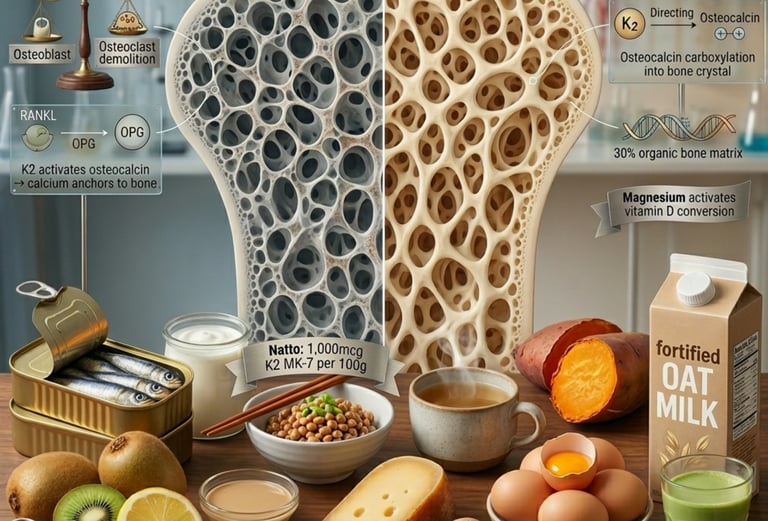
Bone is a composite material — approximately 70% mineral (primarily hydroxyapatite, a crystalline calcium phosphate structure) and 30% organic matrix (predominantly type I collagen, plus various non-collagenous proteins including osteocalcin, osteopontin, and bone sialoprotein). This composite structure is what gives bone its remarkable mechanical properties: the mineral provides compressive strength (resistance to crushing forces), while the collagen matrix provides tensile strength and flexibility (resistance to fracture under bending and impact forces).
This composition has profound dietary implications. A skeleton built on abundant calcium but inadequate collagen is like a building constructed of bricks without mortar — strong under compression but brittle under impact. The brittleness characteristic of osteoporotic fractures is partly a collagen quality issue, not just a mineral density issue. Bone mineral density (BMD), measured by DEXA scan, does not capture collagen quality — which is why some people with relatively preserved BMD suffer fractures while others with low BMD do not.
The Osteoblast-Osteoclast Balance: Bone Remodeling
Bone remodeling occurs in discrete packets throughout the skeleton called bone remodeling units (BMUs). In each BMU, a sequence of events unfolds: osteoclasts (bone-resorbing cells) excavate a microscopic cavity in bone, dissolving both the mineral and organic matrix and releasing the breakdown products into circulation. After approximately two weeks of resorption, osteoblasts (bone-forming cells) fill the cavity with new collagen matrix (osteoid), which is then mineralized with calcium phosphate over the following three months.
In a balanced remodeling cycle, the volume of bone formed equals the volume resorbed — zero net bone change. Osteoporosis occurs when resorption chronically exceeds formation, producing a progressive net loss of bone mass. The dietary, hormonal, and lifestyle factors that shift the balance toward resorption represent modifiable osteoporosis risk factors; those that support formation represent protective factors.
Key regulators of the osteoblast-osteoclast balance:
RANK/RANKL/OPG system: Osteoblasts secrete both RANKL (receptor activator of NF-kB ligand), which activates osteoclasts and promotes resorption, and osteoprotegerin (OPG), which decoys RANKL and suppresses osteoclast activity. The RANKL:OPG ratio determines resorption activity. Pro-inflammatory cytokines (IL-1β, TNF-alpha, IL-6) increase RANKL expression and shift the balance toward resorption — explaining the connection between chronic systemic inflammation and accelerated bone loss. Anti-inflammatory dietary patterns (Mediterranean diet, omega-3 rich foods, polyphenol-rich plants) directly protect bone by reducing the inflammatory cytokines that promote osteoclast activation.
Parathyroid hormone (PTH) and calcium sensing: When blood calcium falls, the parathyroid glands release PTH, which mobilizes calcium from bone (activating osteoclasts), increases renal calcium reabsorption, and stimulates the kidneys to produce active vitamin D (1,25-dihydroxyvitamin D). Chronic mild PTH elevation — from consistently inadequate dietary calcium — results in chronic low-grade bone resorption as the body sacrifices skeletal calcium to maintain serum calcium within its narrow vital range. The skeleton functions as a calcium reservoir of last resort; when dietary calcium is insufficient, the body draws from this reservoir continuously.
Estrogen and testosterone: Both sex hormones suppress osteoclast activity and promote osteoblast survival — explaining the accelerated bone loss that occurs in the first 5–10 years following menopause (estrogen withdrawal) and with hypogonadism in men. Dietary phytoestrogens (soy isoflavones, flaxseed lignans), while not equivalent to endogenous estrogen, have demonstrated modest bone-protective effects in postmenopausal women through weak estrogen receptor binding.
Mechanical loading: Bone responds to mechanical stress through the piezoelectric effect — physical strain creates electrical signals that stimulate osteoblast activity in loaded regions. Weight-bearing exercise is therefore not merely complementary to dietary bone health but physiologically essential — bones that are not mechanically stressed do not receive the formation signals that dietary nutrients enable. Nutrition provides the raw materials; mechanical loading provides the blueprint for where to build.
Peak Bone Mass and the Lifetime Trajectory
Peak bone mass — the maximum bone density achieved in a lifetime — is reached by approximately age 25–30, though most bone mass is accumulated by age 18. Research consistently shows that higher peak bone mass is the most powerful predictor of osteoporosis resistance in later life — effectively functioning as a "bank account" that can sustain decades of age-related bone loss before fracture threshold is reached.
The dietary implications differ by life stage:
Childhood and adolescence (0–20): The highest-priority window for bone mass accumulation. Calcium, vitamin D, and protein requirements are highest relative to body weight. The skeleton is growing in size and density simultaneously. Dietary deficiencies during this period have permanent consequences for peak bone mass.
Early adulthood (20–30): Final phase of bone mass accumulation. Consolidation of trabecular bone structure (the internal spongy architecture that provides most of the strength in the vertebrae and hip). Dietary quality during this decade is substantially underappreciated as a bone health determinant.
Perimenopausal and menopausal transition (45–55): The highest-risk period for bone loss acceleration. Estrogen withdrawal dramatically increases RANKL expression and osteoclast activity. Bone loss of 2–3% per year in the first five years post-menopause is not uncommon without intervention. This is the period where the cumulative dietary deficit of prior decades becomes clinically apparent and where aggressive dietary, supplemental, and exercise intervention has the greatest documented benefit.
Later adulthood (60+): Vitamin D deficiency (increasingly prevalent with age due to reduced skin synthesis capacity, reduced outdoor activity, and impaired renal 1-alpha-hydroxylase function), protein-energy malnutrition, and reduced calcium absorption efficiency compound age-related bone loss. Fall prevention becomes as important as bone density preservation — fractures in this group are often as much about fall mechanics as bone fragility.
The 15 Best Foods for Strong Bones
1. Sardines with Bones
Sardines are the single most nutrient-dense whole food for bone health — providing calcium, vitamin D, omega-3 EPA and DHA, phosphorus, selenium, and high-quality protein in a combination that addresses more simultaneous bone health mechanisms than any other food.
How it works: A 3-ounce can of sardines in water with bones provides approximately 325mg of calcium — the highest calcium content of any non-dairy whole food available, from the soft edible bones that dissolve imperceptibly in canned sardines. Critically, this calcium comes alongside 245 IU of vitamin D (required for intestinal calcium absorption), 1,400mg of combined EPA+DHA (which reduce the RANKL-activating inflammatory cytokines TNF-alpha and IL-1β), and 21g of complete protein (required for the type I collagen matrix of bone).
The calcium in sardine bones is in the form of hydroxyapatite — the same crystalline structure as human bone mineral — making it arguably the most biologically appropriate calcium source available from food. Calcium bioavailability from sardine bones is approximately 20–25%, comparable to calcium from dairy and superior to calcium carbonate supplements.
Sardines also provide vitamin B12 (which reduces homocysteine — elevated homocysteine is independently associated with increased fracture risk through collagen cross-linking impairment), magnesium, and zinc — covering a remarkable range of bone remodeling cofactors in one small, economical food.
Research on fish consumption and bone density consistently identifies fatty fish with bones as among the most protective dietary patterns for hip and spine BMD, with omega-3 anti-inflammatory mechanisms identified alongside direct mineral contributions.
How to use it: Two to three 3-ounce cans weekly — on whole grain crackers with lemon and mustard, in pasta with garlic and olive oil, in grain bowls, or mashed onto sourdough toast. Canned sardines in olive oil provide additional monounsaturated fat that enhances fat-soluble vitamin (D, K2) absorption alongside the sardine's own vitamin D. Sardines in tomato sauce provide lycopene alongside bone minerals. Always purchase varieties labeled "with bones" — boned sardines contain dramatically less calcium.
2. Kale and Dark Leafy Greens (Bok Choy, Collards, Turnip Greens)
Dark leafy greens are the most calcium-dense plant foods available — with calcium bioavailability from low-oxalate greens (kale, bok choy, collard greens, broccoli) actually exceeding dairy calcium on a per-serving basis, making them one of the most underappreciated bone health foods in Western diets.
How it works: One cup of cooked kale provides approximately 177mg of calcium, 547mcg of vitamin K1 (which the liver converts to K2 for bone osteocalcin activation), beta-carotene (antioxidant protection against osteoclast-activating oxidative stress), and magnesium. Bok choy provides 158mg of calcium per cup cooked with a fractional absorption rate of approximately 53% — compared to 32% for dairy calcium — due to its very low oxalate content (oxalic acid binds calcium in the intestine, reducing absorption).
Collard greens are the highest-calcium dark leafy green: one cup cooked provides 268mg of calcium with comparable bioavailability to bok choy. Turnip greens provide 197mg per cup cooked. All of these low-oxalate greens provide calcium in a form that is at minimum as bioavailable as dairy calcium, and in some cases more so.
High-oxalate greens — spinach, Swiss chard, beet greens — bind most of their calcium with oxalic acid in the gut, rendering it largely unabsorbable (spinach provides only about 5% calcium bioavailability despite high total calcium content). This distinction matters: the appropriate leafy greens for bone calcium are the low-oxalate cruciferous family (kale, bok choy, collards, broccoli, cabbage), not the high-oxalate varieties.
Vitamin K1 to K2 conversion: The vitamin K1 in leafy greens is converted to menaquinone-4 (MK-4), one form of vitamin K2, in peripheral tissues including bone. While this conversion is limited and variable, consistent high-intake of vitamin K1 from leafy greens has been independently associated with lower hip fracture risk in multiple large epidemiological studies, including the Nurses' Health Study, suggesting meaningful bone-protective effects from dietary K1 beyond the small amount converted to K2.
How to use it: Two to three cups of cooked dark leafy greens daily — prioritizing kale, bok choy, collard greens, and broccoli for calcium bioavailability. Pair with olive oil or avocado for fat-soluble vitamin K absorption. Sauté with garlic (quercetin — anti-inflammatory), lemon (vitamin C — collagen synthesis cofactor), and sardines or salmon for a meal comprehensively stacking bone nutrients. Raw kale massaged with lemon and olive oil retains maximum K1. Broccoli additionally provides sulforaphane — a potent Nrf2 activator that reduces the oxidative stress driving osteoclast-mediated bone resorption.
3. Whole Milk Yogurt and Kefir
Fermented dairy products provide calcium, phosphorus, vitamin K2 (MK-4 form, produced during fermentation), and the live probiotic cultures that support gut microbiome health — with the gut-bone axis increasingly recognized as a significant bone density determinant.
How it works: One cup of whole-milk yogurt provides approximately 296mg of calcium alongside 245mg of phosphorus (the second-most abundant bone mineral — hydroxyapatite is calcium phosphate), 10–15% of daily magnesium requirements, and a meaningful amount of protein (8–10g per cup, providing bone collagen precursors). The fermentation process that produces yogurt and kefir generates vitamin K2 in the MK-4 form — distinct from the more potent MK-7 form in natto but still contributing to the dietary K2 pool that activates osteocalcin and matrix Gla protein.
Kefir specifically provides a broader spectrum of probiotic organisms than yogurt — including Lactobacillus kefiranofaciens, L. kefiri, and various yeasts — and has emerging evidence for specific bone health benefits through the gut-bone axis. Research published in Osteoporosis International found that kefir supplementation improved bone mineral density and bone microstructure in animal models, with Lactobacillus-mediated effects on bone turnover markers observed in human pilot studies — suggesting that microbiome modulation through fermented dairy represents a genuine bone health mechanism beyond direct mineral delivery.
The gut-bone axis mechanism: probiotic bacteria influence bone metabolism through multiple pathways — reducing intestinal permeability (less LPS endotoxin → less RANKL-activating systemic inflammation), increasing calcium absorption (Lactobacillus strains increase intestinal calcium transport protein expression), and producing short-chain fatty acids (particularly butyrate) that directly stimulate osteoblast differentiation and inhibit osteoclast activity through GPR43 receptor signaling.
How to use it: One cup of plain full-fat yogurt or kefir daily. Plain (unsweetened) varieties are preferred — added sugars promote the inflammatory cytokines that increase osteoclast activity. Full-fat is preferred over low-fat for better fat-soluble vitamin K2 absorption and for the dairy fat's role in modulating the insulin-like growth factor 1 (IGF-1) signaling that stimulates osteoblast activity. Stir in ground flaxseed (lignans, omega-3 ALA) and fresh berries (anthocyanins — polyphenols with direct anti-osteoclast activity) for a comprehensive bone health breakfast.
4. Wild Salmon (and Canned Salmon with Bones)
Wild salmon provides the highest vitamin D content of any commonly consumed whole food alongside omega-3 fatty acids that directly modulate bone remodeling through RANKL suppression — making it an essential food for the vitamin D insufficiency that affects approximately 40–60% of postmenopausal women and dramatically impairs calcium absorption efficiency.
How it works: A 3-ounce serving of wild-caught sockeye salmon provides approximately 570–1,000 IU of vitamin D — the single highest vitamin D serving from any common food, covering a substantial portion of the 1,500–2,000 IU daily target for optimal bone health (a target that cannot be reliably met from diet alone in most people without regular sun exposure, but that dietary sources meaningfully contribute toward). Farmed salmon provides significantly less vitamin D (approximately 100–250 IU per 3oz), making wild-caught varieties substantially more valuable for bone health.
Vitamin D's mechanism in bone is more complex than its common description as a "calcium absorption helper." The active form of vitamin D (1,25-dihydroxyvitamin D, or calcitriol) is a steroid hormone that binds vitamin D receptors (VDR) in intestinal enterocytes, osteoblasts, osteoclasts, and parathyroid cells. It upregulates intestinal calcium transport proteins (TRPV6, calbindin-D9k), directly stimulates osteoblast differentiation and activity, and regulates PTH secretion — reducing the compensatory PTH elevation that would otherwise drive bone resorption in calcium-deficient states.
Canned salmon with bones provides approximately 200mg of calcium from the soft, edible vertebrae alongside the salmon's vitamin D and omega-3 content — making it a more bone-comprehensive option than boneless salmon for those seeking maximum nutritional impact from a single food.
A landmark prospective study published in the American Journal of Clinical Nutrition found that vitamin D sufficiency (serum 25(OH)D above 30 ng/mL) was associated with significantly lower risk of hip fracture, and that each 10 ng/mL increase in serum vitamin D correlated with meaningful improvements in femoral neck BMD — directly linking dietary vitamin D status to clinically relevant bone density outcomes.
How to use it: Two to three servings of wild salmon weekly — baked, grilled, or pan-seared. Pair with dark leafy greens sautéed in olive oil for simultaneous vitamin K1, calcium, and the fat needed for vitamin D and K2 absorption. Add lemon for vitamin C (collagen synthesis). Canned wild salmon (salmon with bones, in water) as a cost-effective alternative — mash the bones in, they are soft and nutritious. Salmon skin-on preparations retain additional vitamin D concentrated in the fatty tissue beneath the skin.
5. Natto (Fermented Soybeans)
Natto is the single most important dietary source of vitamin K2 MK-7 — the form of vitamin K2 with the longest biological half-life (72 hours vs. 2 hours for MK-4) and the most robust clinical trial evidence for bone density improvement, produced in extraordinary concentrations through Bacillus subtilis natto fermentation.
How it works: One hundred grams of natto (approximately a third of a cup) provides 1,000–1,100mcg of vitamin K2 MK-7 — dramatically exceeding the amounts found in any other food. For comparison: hard cheese provides 10–80mcg of MK-7 per 100g, and most other fermented foods provide negligible amounts. The MK-7 in natto has a 72-hour serum half-life, meaning that even alternate-day consumption maintains biologically active vitamin K2 levels — a unique pharmacokinetic advantage among dietary nutrient sources.
Vitamin K2's mechanism in bone has two distinct arms:
Osteocalcin carboxylation: Osteocalcin is a protein produced by osteoblasts that, when carboxylated (activated) by vitamin K2-dependent gamma-carboxylase, binds tightly to hydroxyapatite and anchors calcium into the bone mineral matrix. Uncarboxylated osteocalcin (ucOC) — the form produced in vitamin K2 insufficiency — cannot bind calcium and represents wasted bone matrix protein. High serum ucOC is a sensitive marker of vitamin K2 deficiency and is independently associated with increased fracture risk in multiple prospective studies.
Matrix Gla protein (MGP) activation: MGP, produced in arterial smooth muscle and cartilage, is a vitamin K2-dependent protein that removes calcium from soft tissues including arterial walls and kidneys. Unactivated MGP (produced in K2 deficiency) cannot perform this calcium removal function — leading to the arterial calcification and kidney stone formation associated with high-calcium supplementation without K2. This is the mechanism behind the "calcium paradox": high calcium intake without K2 can simultaneously produce arterial calcification and bone fragility.
A randomized controlled trial published in Osteoporosis International demonstrated that MK-7 supplementation at doses equivalent to natto consumption significantly reduced bone loss in postmenopausal women over three years — with statistically significant improvements in vertebral BMD and bone strength indices at the femoral neck compared to placebo.
How to use it: Natto is an acquired taste — fermented, sticky, and pungent — with strong flavors that many Western palates find challenging initially. Thirty to fifty grams daily (approximately 2–3 tablespoons) provides 300–550mcg of MK-7, well above the amounts shown to be bone-protective in clinical trials. Traditional Japanese preparation: over rice with soy sauce, mustard, and a raw egg yolk. Western adaptations: mixed into avocado toast, grain bowls, or with plain yogurt and honey (which partially masks the flavor). Refrigerated natto packets are increasingly available in Asian supermarkets and health food stores. For those who genuinely cannot integrate natto, MK-7 supplementation at 100–200mcg daily is the most evidence-based alternative.
6. Cheese (Particularly Aged Hard Cheeses)
Aged hard cheeses — Gouda, Edam, Gruyère, aged Cheddar, Parmesan — are the richest dairy source of vitamin K2 in the MK-7 and MK-9 form, produced during the extended fermentation and aging process, alongside highly bioavailable calcium and phosphorus.
How it works: The K2 content of cheese varies significantly by aging duration and production method. Research published in the British Journal of Nutrition identified Gouda and Edam as the richest dairy K2 sources — providing 50–80mcg of MK-7 per 100g — due to the specific bacterial strains used in their production and the extended aging that amplifies K2 accumulation. Aged Parmesan and Gruyère provide 20–40mcg MK-7 per 100g. By contrast, fresh cheeses (ricotta, cottage cheese, cream cheese) contain negligible vitamin K2.
A 30g serving (approximately one ounce) of Gouda provides approximately 200mg of calcium, 135mg of phosphorus, and 15–25mcg of MK-7 alongside 7g of protein — making aged cheese a highly practical daily source of multiple bone minerals plus the K2 that determines whether dietary calcium is directed into bone rather than into arterial walls.
The calcium in aged hard cheese has excellent bioavailability (approximately 30–35%) — partially because the fermentation process reduces the lactic acid content that can acidify the gut and impair calcium absorption, and partially because the fat in full-fat cheese enhances co-absorption of fat-soluble vitamin K2. Low-fat cheese loses much of its K2 alongside the removed fat — another case where full-fat fermented dairy is nutritionally preferable to reduced-fat alternatives for bone health.
How to use it: One to two ounces of aged hard cheese daily — Gouda, Edam, or Gruyère prioritized for K2 content. On sourdough with sardines (calcium, K2, vitamin D stack), grated over bean and vegetable dishes (calcium + K2 over fiber-rich calcium from legumes), or with walnuts and dried apricots (bone-mineral-containing snack combination). Parmesan grated generously over dark leafy green salads combines cheese K2 + calcium with vegetable vitamin K1 + calcium for a comprehensive bone nutrition meal.
7. White Beans and Legumes (Black-Eyed Peas, Navy Beans, Lentils)
White beans are the highest-calcium legume and one of the most important plant-based bone calcium sources — providing calcium, magnesium, plant protein, and the prebiotic fiber that supports the gut-bone axis alongside meaningful bone mineral contributions.
How it works: One cup of cooked white beans (navy beans, cannellini, Great Northern) provides 130–160mg of calcium alongside 113mg of magnesium — covering approximately 30% of the daily magnesium requirement that is essential for vitamin D activation. Magnesium is required by the enzyme 25-hydroxyvitamin D-1-alpha-hydroxylase (the kidney enzyme that converts storage vitamin D to active calcitriol) — without adequate magnesium, vitamin D supplements and sunshine cannot raise active vitamin D levels, rendering the entire vitamin D-calcium absorption pathway non-functional.
Black-eyed peas provide 210mg of calcium per cup cooked — among the highest calcium concentrations of any legume. Lentils provide 37mg of calcium per cup but are particularly rich in folate (which reduces homocysteine — elevated homocysteine independently impairs collagen cross-linking and increases fracture risk) and protein.
The phytate content of legumes (like other plant zinc and mineral sources) reduces mineral bioavailability — but the strategies that improve zinc bioavailability (soaking, sprouting, fermentation) similarly improve calcium and magnesium absorption from legumes. Soaking dried beans for 12–24 hours and discarding the soaking water before cooking reduces phytate content by 25–50% and meaningfully improves mineral bioavailability.
How to use it: One to two cups of cooked legumes daily — white bean soup with kale and sardines (three bone calcium sources combined), black-eyed pea and collard green stew (Southern combination with exceptional calcium density), hummus (chickpeas + tahini — sesame provides additional calcium alongside chickpea calcium + olive oil for K2 absorption). For maximum calcium benefit, pair legumes with vitamin C sources (lemon, tomato, bell pepper) and separate from coffee and tea (tannins moderately reduce calcium absorption from plant sources).
8. Almonds and Sesame Seeds (Tahini)
Almonds and sesame seeds are the most calcium-dense tree nut and seed respectively — with tahini (sesame seed paste) providing more calcium per tablespoon than most dairy products, making them invaluable components of non-dairy and plant-forward bone health eating patterns.
How it works: One ounce of almonds provides 76mg of calcium alongside 77mg of magnesium (approximately 18% of daily requirements), 7mg of vitamin E (which reduces the oxidative stress that activates osteoclasts through NF-kB), and manganese (a required cofactor for the enzymes that synthesize the glycosaminoglycans of the bone organic matrix). Almonds also provide boron — a trace mineral with specific bone health functions including enhancing the half-life of estradiol and calcitriol in the body, effectively extending the activity of both bone-protective estrogen and active vitamin D.
Sesame seeds are the most calcium-dense seed available: two tablespoons of sesame seeds (30g) provide 280mg of calcium — comparable to a glass of milk — with approximately 20% bioavailability (limited by sesame's phytate and oxalate content, but significantly improved by tahini preparation, which involves grinding that partially disrupts the seed's mineral-binding matrix). One tablespoon of tahini provides approximately 64mg of calcium in a highly accessible form.
Sesame seeds additionally provide zinc (0.7mg per oz), copper (required for the lysyl oxidase enzyme that cross-links collagen fibers in bone matrix — collagen without adequate copper cross-linking lacks the tensile strength that prevents fracture under impact), and sesamin/sesamolin — lignans with phytoestrogenic activity that may provide modest bone-protective effects in postmenopausal women through weak estrogen receptor modulation.
Research on nut and seed consumption and bone health has found associations between regular almond consumption and higher bone mineral density in observational studies, with magnesium and boron identified as the primary mechanistic variables.
How to use it: One ounce of almonds daily as a snack (highest practical calcium and magnesium from nuts) + two tablespoons of tahini daily in hummus, dressings, or dips (high calcium in a convenient paste form). Almond and tahini dressing over kale: olive oil + lemon + tahini + garlic + a tablespoon of almond butter — combines sesame calcium + almond calcium + kale calcium + olive oil for K2 fat-soluble absorption in a dressing that could serve as a meal.
9. Sweet Potatoes and Orange Vegetables (Carrots, Butternut Squash)
Sweet potatoes and orange vegetables provide the bone health contribution that is most underrepresented in standard bone nutrition discussions: potassium and magnesium for acid-base balance protection of bone mineral, beta-carotene for antioxidant suppression of osteoclast-activating oxidative stress, and boron for extending vitamin D and estrogen activity.
How it works: One medium baked sweet potato provides 542mg of potassium — a mineral that directly protects bone mineral from the urinary calcium losses associated with high-acid dietary patterns. The skeleton serves as the body's primary acid buffer — when the blood becomes even slightly acidic (from high-protein, high-sodium, low-vegetable diets), the body dissolves bone mineral (calcium and phosphate) to alkalinize the blood, regardless of dietary calcium intake. Dietary potassium and bicarbonate precursors (from fruits and vegetables) maintain blood pH in the slightly alkaline range that minimizes this protective bone dissolution.
Research published in the Journal of Bone and Mineral Research found that higher dietary potassium intake was independently associated with greater hip and lumbar spine BMD in postmenopausal women, with the mechanism confirmed as reduced urinary calcium excretion — establishing potassium as a calcium-conservation mineral for bone health rather than merely a blood pressure nutrient.
Beta-carotene from sweet potatoes and carrots — converted to vitamin A (retinol) — regulates osteoblast and osteoclast differentiation through retinoic acid receptor signaling. Adequate vitamin A maintains the balance of osteoblast and osteoclast activity; both deficiency and excess impair bone remodeling. Dietary beta-carotene (as opposed to preformed retinol from liver, which carries toxicity risk at high doses) provides vitamin A in a self-regulating form — conversion from beta-carotene to retinol is downregulated as vitamin A status rises, making plant-based vitamin A sources safe at any practical dietary intake level.
How to use it: One medium sweet potato three to four times weekly — baked with the skin on (skin provides additional fiber for gut-bone axis support) and drizzled with olive oil and a pinch of cinnamon (which modulates insulin sensitivity, relevant to the IGF-1 signaling that influences osteoblast activity). Combine with dark leafy greens and a protein source for a complete bone nutrition meal. Butternut squash soup with bone broth base (providing collagen peptides and minerals) and topped with pumpkin seeds (magnesium, zinc) is a bone-building meal in a bowl.
10. Bone Broth
Bone broth is the most direct dietary source of collagen peptides, glycine, proline, and hydroxyproline — the amino acids that constitute type I collagen, the structural protein framework on which bone mineral is deposited and that provides bone's fracture-resistant flexibility.
How it works: Properly prepared bone broth (simmered for 12–24 hours with animal bones, cartilage, and connective tissue, with an acid — lemon juice or vinegar — added to facilitate mineral and collagen extraction) provides collagen peptides, gelatin, glycine, proline, hydroxyproline, glucosamine, chondroitin sulfate, calcium, phosphorus, magnesium, potassium, and silicon (from cartilage). This combination of collagen scaffold precursors with bone minerals makes bone broth a uniquely bone-targeted food that addresses the organic matrix dimension of bone health that all other foods neglect.
Collagen represents 30% of bone's dry weight and approximately 90% of the organic matrix. The flexibility and fracture resistance of bone depends critically on the quality of its collagen architecture — the degree of collagen cross-linking (requiring copper), the hydroxylation of proline and lysine residues (requiring vitamin C), and the overall collagen fiber diameter and orientation. Dietary collagen peptides from bone broth are absorbed as dipeptides and tripeptides and have been shown to reach bone tissue where they stimulate osteoblast collagen synthesis — essentially providing a signaling substrate that tells osteoblasts to produce new collagen matrix.
Research published in Nutrients on specific collagen peptide supplementation found significant improvements in bone mineral density in postmenopausal women over 12 months — with bone formation markers increasing and bone resorption markers decreasing, suggesting that collagen peptide availability shifts the osteoblast-osteoclast balance toward net formation. The daily dose used in the study (5g collagen peptides) is achievable from a cup of well-prepared bone broth.
Glycine from bone broth (approximately 1–2g per cup) additionally supports sleep quality (relevant through the growth hormone secretion during slow-wave sleep that stimulates osteoblast activity), liver glutathione synthesis (antioxidant reduction of osteoclast-activating oxidative stress), and gut lining integrity (reducing the inflammatory endotoxin translocation that activates RANKL in bone).
How to use it: One to two cups of bone broth daily — as a warming drink, as the cooking liquid for grains and soups, or as the base for sauces. Homemade bone broth (chicken carcass, beef knuckle bones, fish frames — each providing different mineral profiles) provides the highest collagen content. Quality store-bought bone broth (look for high protein content — above 8–10g per cup — as a proxy for collagen content; low-protein "bone broth" is primarily water). Add a splash of apple cider vinegar during preparation to maximize mineral and collagen extraction. Simmer with garlic, turmeric, and black pepper for additional anti-inflammatory benefit.
11. Eggs (Particularly the Yolk)
Eggs provide the complete package of bone-supportive fat-soluble vitamins — vitamin D, vitamin K2 (MK-4), and vitamin A (retinol) — alongside the sulfur amino acids that are direct precursors for glutathione (the primary antioxidant protecting osteoblasts from oxidative damage) and the complete amino acid profile required for collagen synthesis.
How it works: One egg yolk provides approximately 41 IU of vitamin D, 32mcg of vitamin K2 (as MK-4), 80mcg of retinol (preformed vitamin A), and the full complement of B vitamins including B12 and folate — all critical for homocysteine metabolism and collagen quality. The vitamin K2 in egg yolk — MK-4, not MK-7 — has a shorter half-life than natto K2 but contributes meaningfully to the daily K2 pool that activates osteocalcin and MGP.
The phospholipid choline in egg yolk is required for the synthesis of phosphatidylcholine — a component of the osteoblast cell membrane that is disrupted by chronic inflammation, suggesting that adequate dietary choline supports osteoblast membrane integrity and function. Choline deficiency has been independently associated with reduced BMD in observational studies.
The sulfur amino acids cysteine and methionine in egg white and yolk are required for hepatic glutathione synthesis — the master antioxidant that protects osteoblasts from the reactive oxygen species (ROS) produced during bone remodeling. Osteoblast apoptosis (death) is accelerated by ROS; dietary antioxidant support extends osteoblast lifespan and duration of bone-forming activity within each remodeling cycle.
How to use it: Two whole eggs daily — always including the yolk for D, K2, retinol, and choline. Prepare in butter or olive oil (fat enhances fat-soluble vitamin absorption) with garlic and spinach (vitamin C for collagen synthesis, folate, beta-carotene). Hard-boiled eggs as a portable bone-nutrient snack. Add to grain bowls alongside sardines and dark leafy greens for a meal stacking calcium, vitamin D, K2, vitamin A, omega-3, collagen precursors, and bone matrix minerals across multiple ingredients.
12. Figs and Dried Fruit (Dried Apricots, Prunes)
Prunes deserve specific and prominent recognition in any bone health food guide — they are the only food with clinical trial evidence specifically demonstrating reversal of postmenopausal bone loss, performing as well as pharmaceutical comparators in head-to-head trials and significantly outperforming placebo in randomized controlled studies.
How it works: Prunes (dried plums) provide approximately 50mg of calcium per 100g alongside 732mg of potassium, boron (the trace mineral that extends vitamin D and estrogen half-life), vitamin K1, and a remarkable concentration of chlorogenic acid and other polyphenols. But the bone-protective mechanism of prunes appears to extend well beyond their mineral and vitamin content — research specifically implicates their polyphenol-driven suppression of RANKL expression and osteoclast differentiation.
A landmark randomized controlled trial published in the British Journal of Nutrition compared 50g and 100g of prunes daily to dried apple (calorie-matched control) in postmenopausal women over 12 months. The 100g prune group (approximately 10 prunes) showed significant improvements in ulnar bone mineral density and bone mineral content that were not observed in the control group — a remarkable finding given that most dietary interventions show attenuation of bone loss rather than reversal.
Subsequent research has confirmed that prune polyphenols — particularly chlorogenic acid and neochlorogenic acid — inhibit osteoclast differentiation through suppression of RANKL signaling and activation of antioxidant Nrf2 pathways, while simultaneously stimulating osteoblast differentiation through Wnt/beta-catenin signaling. This dual pro-formation/anti-resorption action explains why prunes outperform their direct mineral content in clinical trials.
Dried figs provide 135mg of calcium per 100g and significant potassium and magnesium. Dried apricots provide boron and potassium alongside moderate calcium. These fruits together represent the most bone-supportive dried fruit category for concentrated nutrient delivery in a small volume.
How to use it: Six to ten prunes daily — the dose used in the clinical trial. As a standalone snack, chopped into oatmeal, mixed into yogurt, added to salads, or blended into smoothies. The potassium and polyphenol content is largely maintained through the drying process. For those concerned about sugar content: six prunes provide approximately 24g of carbohydrate with low-moderate glycemic impact due to soluble fiber content — acceptable within a whole-food dietary pattern. Combine with a small amount of aged Gouda (K2) and almonds (magnesium) for the most bone-targeted snack combination possible.
13. Tofu (Calcium-Set)
Calcium-set tofu is the highest-calcium plant food available — providing more calcium per 100g than most dairy products when prepared with calcium sulfate (the most common tofu coagulant), making it the most important single food for bone health in plant-based dietary patterns.
How it works: Half a cup (126g) of firm calcium-set tofu provides approximately 400–860mg of calcium — the extraordinary range reflecting the significant variation between brands and preparation methods. Calcium-set tofu (look for calcium sulfate in the ingredients — not all tofu is calcium-set; nigari/magnesium chloride-set tofu has much lower calcium) is essentially a food-matrix delivery vehicle for calcium sulfate, with bioavailability of approximately 31–32% — comparable to dairy calcium and superior to supplement calcium carbonate.
Tofu additionally provides isoflavones (genistein and daidzein) — phytoestrogens that bind estrogen receptors with approximately 1/1,000th the affinity of endogenous estradiol but in concentrations sufficient to produce biologically relevant effects in the bone microenvironment where sex hormone signaling is concentrated. Meta-analyses of soy isoflavone intervention trials have found significant, though modest, bone-protective effects of soy isoflavone supplementation in postmenopausal women — with lumbar spine BMD improvements of 0.5–2.4% over 12 months in several trials — suggesting that dietary tofu consumption provides meaningful bone protection through anti-resorptive estrogen-mimicking effects in the post-menopausal bone loss context.
Complete protein in tofu (8g per half cup) provides the collagen precursor amino acids required for bone matrix synthesis — particularly relevant for plant-based eaters who may have lower overall protein intake than omnivores.
How to use it: Half a cup of firm calcium-set tofu three to four times weekly — always verify calcium sulfate in the ingredient list (not all tofu is equivalent for bone health). Stir-fried with bok choy, garlic, ginger, and sesame seeds provides: tofu calcium + bok choy calcium (low-oxalate, highly bioavailable) + sesame calcium + garlic sulfur compounds (anti-inflammatory) + ginger (anti-inflammatory polyphenols) + sesame oil (fat for K2 absorption). This preparation comprehensively stacks multiple bone calcium sources in a single highly palatable preparation.
14. Green Tea
Green tea — while providing minimal direct mineral contribution to bone — deserves inclusion in any comprehensive bone health food guide for its specific, well-characterized polyphenol mechanisms that directly inhibit osteoclast activity and stimulate osteoblast differentiation through epigenetic and signaling pathway effects.
How it works: Green tea catechins — particularly epigallocatechin-3-gallate (EGCG), the most abundant and biologically active catechin — directly inhibit osteoclastogenesis through RANKL signal suppression, NF-kB inhibition, and induction of osteoclast apoptosis. Simultaneously, EGCG stimulates osteoblast differentiation through activation of the Runx2 transcription factor (the master osteoblast differentiation regulator) and the Wnt/beta-catenin pathway.
A meta-analysis of epidemiological studies on tea consumption and bone density found that habitual tea drinkers had significantly higher BMD at multiple skeletal sites — with a dose-response relationship (more cups per day associated with higher BMD) suggesting a genuine protective effect rather than confounding. The association was strongest for green tea consumption compared to black tea, consistent with green tea's higher catechin content (black tea fermentation converts catechins to theaflavins with lower EGCG activity).
Green tea also provides vitamin K1 (approximately 10–30mcg per cup — meaningful cumulative contribution from multiple daily cups) and fluoride (which in small dietary amounts from tea may contribute to bone mineral density, though at fluoride levels from tea consumption rather than fluoridated water).
How to use it: Three to four cups of green tea daily — the dose range associated with the strongest epidemiological bone protective associations. Brew at 70–80°C (not boiling, which degrades EGCG) for 2–3 minutes. Matcha (powdered whole green tea leaf) provides 10–20 times more EGCG than brewed green tea per serving and is the highest-EGCG dietary option for bone. Add to smoothies with yogurt (calcium + K2 + probiotic) and frozen tart cherries (anti-inflammatory anthocyanins). Avoid adding milk immediately to green tea — casein in milk binds EGCG and reduces its bioavailability.
15. Fortified Plant Milks (Oat Milk, Almond Milk, Soy Milk)
For those who do not consume dairy, fortified plant milks are the most practical and reliable mechanism for achieving dietary calcium targets comparable to dairy consumption — with soy milk providing the most bone-complete nutritional profile of the plant milk category.
How it works: Fortified soy milk provides approximately 300mg of calcium per cup (typically added as tricalcium phosphate or calcium carbonate), alongside vitamin D (typically 100 IU per cup, though many brands have increased to 350–400 IU), vitamin B12, and the soy protein and isoflavones described in the tofu section. The calcium from tricalcium phosphate has comparable bioavailability (approximately 31%) to dairy calcium, making fortified soy milk a genuinely equivalent calcium source for those avoiding dairy.
Fortified oat milk provides comparable calcium fortification with the addition of beta-glucan fiber — which feeds gut bacteria (Lactobacillus, Bifidobacterium) that support the gut-bone axis through butyrate production and inflammation reduction. However, oat milk provides significantly less protein than soy milk (approximately 1–4g vs. 8g per cup), making soy milk preferable for those relying on plant milk as a significant dietary protein source.
Fortified almond milk provides calcium alongside vitamin E and minimal calories, but is the lowest-protein plant milk and provides less complete nutrition than soy milk for bone health beyond calcium delivery.
Critical caveat: Unfortified plant milks provide negligible calcium — the bone health equivalence of plant milks to dairy is entirely dependent on fortification with added calcium and vitamin D. Always check the label: some premium and homemade plant milks are deliberately unfortified, providing essentially zero dietary calcium equivalent.
How to use it: One to two cups of fortified soy or oat milk daily as the primary plant milk base. In overnight oats (combining oat milk calcium + oat beta-glucan for gut-bone axis + prune or dried fig pieces for bone polyphenols + chia seeds for omega-3 + pumpkin seeds for magnesium in a single preparation). In smoothies with kale, frozen berries, and tahini (multiple calcium sources stacked). Warm with turmeric, cinnamon, and black pepper as a bone-supportive golden milk alternative.
The Critical Bone Nutrients Beyond Calcium
Vitamin D: The Calcium Absorption Gateway
Vitamin D deserves extended discussion beyond its mention in individual food sections because vitamin D insufficiency is endemic — affecting approximately 40% of adults globally and 60–80% of adults living in northern latitudes above 40° — and represents the single most common nutritional reason that adequate calcium intake fails to translate into bone density protection.
Without activated vitamin D (calcitriol), intestinal calcium absorption drops from approximately 30–40% to 10–15% — a threefold reduction in calcium bioavailability that no amount of dietary calcium can compensate for. A person with vitamin D deficiency consuming 1,200mg of dietary calcium daily may absorb less usable calcium than a vitamin D-sufficient person consuming 800mg.
Optimal vitamin D status for bone health: Serum 25(OH)D above 30 ng/mL (75 nmol/L) is the minimum threshold for adequate calcium absorption; 40–60 ng/mL is the range associated with optimal bone health in most research. At typical dietary intakes, sun exposure provides the dominant vitamin D source — 10–20 minutes of midday sun exposure on arms and legs (without sunscreen) produces 10,000 IU of vitamin D3 in light-skinned adults, though this capacity is dramatically reduced in dark skin, at northern latitudes, in winter months, and in elderly individuals. Given the modern indoor lifestyle and sunscreen use, supplementation at 1,500–2,000 IU daily is widely recommended alongside dietary sources for bone health optimization.
Magnesium-vitamin D interaction: The 25-hydroxyvitamin D to 1,25-dihydroxyvitamin D conversion in the kidney requires the enzyme 1-alpha-hydroxylase, which is magnesium-dependent. In magnesium-deficient states (affecting approximately 50% of the population), this conversion is impaired — meaning that vitamin D supplementation cannot raise active vitamin D levels without concurrent magnesium sufficiency. This is the mechanism behind the clinical observation that some patients show minimal vitamin D serum increase despite high-dose supplementation — often corrected by correcting magnesium deficiency.
Vitamin K2: The Calcium Director
Vitamin K2 deserves its own extended discussion because it is simultaneously the least known and most misunderstood bone nutrient — and the mechanism by which high-dose calcium supplementation without K2 can worsen rather than improve bone-related outcomes.
The fundamental concept: calcium in the body needs to be directed to the correct tissues (bones and teeth) rather than incorrect tissues (arteries, kidneys, soft tissues). Two vitamin K2-dependent proteins serve this directional function:
Osteocalcin (made by osteoblasts in bone): When K2-activated, binds calcium tightly to bone mineral. When unactivated (K2 deficiency), remains ineffective at calcium binding and circulates uncarboxylated — a validated biomarker of K2 insufficiency. High uncarboxylated osteocalcin predicts fracture risk independently of BMD.
Matrix Gla Protein (made in arterial walls, cartilage, kidneys): When K2-activated, actively removes calcium from soft tissues and prevents pathological calcification. When unactivated (K2 deficiency), cannot perform this function — leading to the progressive arterial calcification associated with low K2 status. The Rotterdam Heart Study found that the highest dietary vitamin K2 intake was associated with 57% reduced coronary calcification and 52% reduced cardiovascular mortality — establishing K2 as a cardiovascular protector through its anti-calcification mechanism.
Dietary K2 sources (from most to least MK-7): Natto (1,000mcg/100g) >> Gouda cheese (50–80mcg/100g) > Edam (40–60mcg/100g) > Butter from grass-fed cows (20–40mcg/100g) > Egg yolk (15–32mcg/100g) > Chicken liver (10–30mcg/100g) > Other fermented dairy (5–15mcg/100g).
Magnesium: The Overlooked Bone Mineral
Approximately 60% of the body's magnesium is stored in bone — where it is incorporated into the hydroxyapatite crystal lattice and contributes to the structural integrity of the mineral matrix. Yet magnesium's bone functions extend far beyond its structural role:
Vitamin D activation: As described above, magnesium is required for the kidney enzyme that converts storage vitamin D to active calcitriol.
PTH regulation: Magnesium is required for normal PTH secretion. In magnesium deficiency, paradoxically, PTH secretion is impaired (despite the hypocalcemia that would normally stimulate PTH), resulting in a form of hypoparathyroidism that impairs vitamin D activation and calcium homeostasis simultaneously.
Bone crystal structure: Magnesium substitution in the hydroxyapatite crystal lattice produces smaller, more soluble crystals — a feature of young, newly formed bone associated with greater metabolic activity and remodeling capacity. As bone ages, crystal size increases and magnesium content decreases — bone from older adults has larger, more brittle crystals than young bone, a characteristic that may contribute to age-related fracture susceptibility beyond simple mineral density decline.
Best dietary magnesium sources for bone: Pumpkin seeds (156mg/oz), dark chocolate 70%+ (65mg/oz), almonds (77mg/oz), black beans (60mg/half cup cooked), edamame (50mg/half cup), avocado (29mg/half fruit), dark leafy greens (cooked spinach: 157mg/cup — excellent magnesium source even though its calcium is poorly absorbed), banana (32mg/medium).
Protein and Collagen: The Overlooked Bone Macronutrient
Bone is 30% protein by weight — yet dietary protein's role in bone health is severely underemphasized relative to calcium. The historical concern that high-protein diets acidify the blood and leach calcium from bone has been largely resolved by research demonstrating that adequate protein intake is actually bone-protective in most populations, and that low protein intake is one of the most significant dietary risk factors for hip fracture in elderly adults.
A systematic review published in the American Journal of Clinical Nutrition concluded that protein intake at or above 0.8g/kg/day was not harmful to bone health when dietary calcium was adequate, and that higher protein intake was associated with greater muscle mass and functional strength — reducing fall risk and thereby reducing fracture incidence independently of bone density. Frailty and muscle weakness, which accompany low protein intake in elderly adults, are stronger predictors of osteoporotic fracture than BMD in the very elderly.
Vitamin C and collagen synthesis: Vitamin C (ascorbic acid) is the essential cofactor for prolyl hydroxylase and lysyl hydroxylase — the enzymes that hydroxylate proline and lysine residues in collagen precursor chains, enabling the triple helix formation that gives collagen its tensile strength. Vitamin C deficiency produces scurvy — the most severe collagen synthesis failure — but subclinical vitamin C insufficiency produces collagen of reduced quality and mechanical integrity that may not manifest clinically until fracture. Orange, yellow, and red bell peppers (190mg per cup), kiwi (93mg per fruit), citrus fruits, and broccoli provide the highest dietary vitamin C.
Foods and Habits That Weaken Bones
Understanding what actively undermines bone density is as important as understanding what builds it — several extremely common dietary patterns and lifestyle habits are quietly increasing fracture risk in ways that most people are entirely unaware of.
Excessive Sodium
High sodium intake significantly increases urinary calcium excretion — every 2,300mg of sodium (1 teaspoon of salt) excreted in urine pulls approximately 26–40mg of calcium with it. In a person consuming 4,600mg sodium daily (the average US intake), this sodium-induced calciuresis accounts for a calcium drain of 52–80mg daily — comparable to the calcium content of a glass of milk. Over years and decades, this obligatory calcium drain requires compensatory bone resorption to maintain serum calcium, silently contributing to cumulative bone loss.
The dietary sources of excessive sodium are not primarily the salt shaker — they are processed foods: canned soups, deli meats, frozen meals, condiments, bread, breakfast cereals. Prioritizing whole foods and cooking from scratch dramatically reduces sodium exposure without requiring active sodium restriction.
Alcohol
Alcohol impairs bone health through multiple simultaneous mechanisms: it directly inhibits osteoblast function (reducing bone formation activity), increases urinary calcium excretion, impairs vitamin D metabolism in the liver (where 25-hydroxylation first occurs), reduces intestinal calcium absorption, and disrupts the cortisol regulation that influences bone turnover. Research consistently shows that moderate-to-heavy alcohol consumption is associated with lower BMD and higher fracture risk — with heavy drinking (more than 3 drinks daily) representing a significant independent osteoporosis risk factor.
Caffeine in Excess
High caffeine intake (above 400mg daily — approximately 4 cups of coffee) modestly increases urinary calcium excretion. The effect is small relative to the calcium leaching from high sodium and alcohol, and regular moderate coffee consumption does not meaningfully harm bone health in people with adequate calcium intake. However, in people with low calcium intake, heavy coffee consumption can tip the calcium balance negatively. Ensure calcium intake is adequate if consuming more than 3–4 cups of coffee daily.
Carbonated Soft Drinks (Colas Specifically)
The association between cola drinks and lower BMD is specifically related to cola (phosphoric acid content) rather than carbonation broadly — plain sparkling water does not harm bone. Phosphoric acid creates an acidic load that triggers calciuresis, and the high phosphorus in cola (relative to calcium, producing a low calcium:phosphorus ratio) may stimulate PTH secretion. Additionally, cola consumption commonly displaces calcium-rich beverages (milk, fortified plant milk) in the diet. Non-cola carbonated beverages (sparkling water, non-cola sodas) do not carry this specific risk.
Very High-Dose Vitamin A (Preformed Retinol) Supplements
While dietary vitamin A from beta-carotene sources (sweet potatoes, carrots, leafy greens) is safe at any practical intake level, preformed retinol (from liver, cod liver oil, and most multivitamins) in excess of 10,000 IU daily has been associated with reduced bone density and increased fracture risk in large prospective studies. The Nurses' Health Study found that women consuming more than 10,000 IU retinol daily had double the hip fracture risk of those consuming less than 2,500 IU. This concern applies specifically to supplemental retinol and does not extend to dietary beta-carotene. Check your multivitamin: if it contains more than 5,000 IU of preformed retinol (not beta-carotene), consider switching to a preparation with lower retinol content or beta-carotene as the vitamin A source.
Smoking
Smoking reduces estrogen levels in women, impairs calcium absorption, reduces osteoblast activity, and is associated with significantly lower BMD and higher fracture risk in virtually every population study that has examined the relationship. The magnitude of smoking's bone harm is comparable to major nutritional deficiencies. Smoking cessation at any age produces partial recovery of BMD loss — the skeleton retains some capacity to rebuild even after years of smoking-related damage.
High-Oxalate Diet Without Balancing Low-Oxalate Calcium Sources
Very high oxalate intake (from a diet dominated by spinach, beet greens, Swiss chard, rhubarb, and almonds in excessive amounts) can significantly reduce net calcium absorption by binding dietary calcium in insoluble calcium oxalate complexes in the gut. This is not a concern in a varied diet that includes abundant low-oxalate calcium sources (kale, bok choy, dairy, sardines, legumes) alongside occasional high-oxalate vegetables. It becomes relevant only when high-oxalate vegetables are mistakenly treated as the primary calcium sources.
The Exercise Connection: Why Nutrition Alone Is Not Enough
Dietary nutrients provide the raw materials for bone remodeling, but mechanical loading provides the signal that directs where and how to build. Without adequate mechanical stress, osteoblasts do not receive the piezoelectric and mechanotransduction signals that trigger formation — nutrients circulate without being utilized in bone tissue.
Weight-Bearing Exercise for Bone
Weight-bearing exercise — any activity where your body weight is supported by your skeleton (walking, running, dancing, hiking, stair climbing, team sports) — applies compressive and tensile forces to bone that directly stimulate osteoblast activity through mechanosensing by osteocytes (the long-lived bone cells embedded in the mineral matrix that function as strain sensors). The Wnt/beta-catenin pathway, activated by mechanical loading-induced osteocyte signals, is the most important bone formation signaling pathway — and the same pathway stimulated by prune polyphenols and soy isoflavones at the dietary level.
For bone health, running and jumping activities provide the highest mechanical loading stimulus — ground reaction forces during running reach 2–3 times body weight, and during jumping 4–8 times body weight, creating the high-magnitude strain signals that most effectively stimulate osteoblast activity. Walking, while beneficial for cardiovascular health and modest bone maintenance, produces relatively low bone strain magnitude and is less osteogenic than higher-impact activities.
Resistance Training for Bone
Resistance training (weightlifting, bodyweight exercises, resistance bands) stimulates bone through muscle-tendon unit forces on bone attachment points — muscle contraction creates pulling forces on bone at entheses (tendon insertion sites) that are among the strongest mechanical stimuli for osteogenesis. The hip, spine, and wrist — the three most common osteoporotic fracture sites — are all responsive to specific resistance exercises: hip thrusts and deadlifts for femoral neck BMD, squats and overhead press for lumbar vertebral BMD, wrist loading for distal radius BMD.
A meta-analysis of resistance training and bone density published in the Journal of Bone and Mineral Research found that resistance training significantly improved lumbar spine and femoral neck BMD in postmenopausal women — with effect sizes of approximately 1–2% over 6–12 months, comparable to the effects of bisphosphonate medications in the same populations.
The Protein-Exercise Synergy
The bone density benefit of resistance exercise is substantially enhanced by adequate protein intake — the two interventions are synergistic rather than additive. Mechanical loading creates the blueprint for bone formation; dietary protein (particularly leucine and other essential amino acids) stimulates IGF-1-mediated osteoblast activation that converts the mechanical signal into actual bone matrix synthesis. For postmenopausal women engaged in resistance training, protein intake at 1.0–1.2g/kg/day is generally recommended to fully support both muscle and bone responses to training.
Building Your Bone-Protective Dietary Pattern
The Daily Foundation
Calcium from food (not supplements if possible): Target 1,000mg daily (1,200mg for women over 50 and men over 70) from diverse sources — 1–2 servings dairy or fortified plant milk + 1–2 servings low-oxalate leafy greens + legumes + nuts and seeds + occasional sardines or canned salmon. Calcium from food is associated with better bone outcomes than equivalent calcium from supplements, possibly because food sources deliver calcium alongside the matrix cofactors (protein, phosphorus, magnesium, K2) that coordinate its utilization.
Vitamin D: Test serum 25(OH)D annually. Target above 40 ng/mL. Achieve through: sensible midday sun exposure (10–20 min arms and legs, without sunscreen, when shadow is shorter than you) + dietary vitamin D from wild salmon and sardines (2–3x weekly) + supplementation at 1,000–2,000 IU if serum levels are suboptimal. Do not supplement above 4,000 IU daily without medical supervision.
Vitamin K2: Daily natto (most powerful single K2 source) or daily aged hard cheese (Gouda, Edam) + eggs + butter from grass-fed animals. If dietary K2 is limited, MK-7 supplementation at 100–200mcg daily is evidence-based and safe.
Magnesium: Daily pumpkin seeds, almonds, dark chocolate, dark leafy greens, legumes, avocado. Most adults need 300–420mg daily; approximately 50% of Western populations are below this threshold.
Collagen cofactors (vitamin C, glycine, proline): Vitamin C from bell peppers, kiwi, citrus, broccoli (target 100–200mg daily — well above the minimum RDA of 90mg). Glycine and proline from bone broth, gelatin, and animal protein sources.
The Weekly Framework
3x per week: Wild salmon or sardines (vitamin D, omega-3, calcium from bones if canned) Daily: Dark leafy greens (calcium, K1, magnesium, antioxidants) Daily: Legumes (calcium, magnesium, fiber for gut-bone axis) Daily: Fermented dairy or natto (K2, calcium, probiotics) 6–10 prunes daily: The only food with clinical trial evidence for bone density reversal Bone broth: 1 cup daily or several times weekly (collagen peptides, glycine, minerals) Aged hard cheese: 1–2oz daily (K2, calcium, phosphorus) Eggs: 2 daily with yolks (K2, vitamin D, retinol, collagen cofactors)
Frequently Asked Questions
Is dairy necessary for bone health, or can I get enough calcium from plant foods?
Dairy is not necessary for bone health if non-dairy calcium sources are consumed consistently and strategically. The key principle: calcium bioavailability varies widely between plant sources. Low-oxalate leafy greens (kale, bok choy, collard greens, broccoli) have calcium bioavailability of 40–60% — higher than dairy. White beans, calcium-set tofu, sardines with bones, almonds, sesame seeds, and fortified plant milks all provide meaningful, bioavailable calcium. The challenge for dairy-free bone health is not the absence of any single food — it is ensuring that diverse calcium sources are consumed regularly and that vitamin K2, vitamin D, and magnesium are comprehensively covered (dairy provides K2 from fermentation; plant foods generally do not, requiring deliberate attention to natto, aged cheese substitution, or K2 supplementation in dairy-free patterns).
How much calcium do I actually need?
The recommended dietary calcium intake is 1,000mg daily for adults under 50 and 1,200mg for women over 50 and men over 70. These recommendations account for average absorption efficiency — absorbing approximately 30% of 1,000mg provides approximately 300mg of absorbed calcium, which alongside endogenous recycling is sufficient for bone maintenance in vitamin D-sufficient adults. Notably, populations consuming far less dietary calcium (traditional Japanese populations averaging 500–600mg daily) have historically had lower osteoporosis rates than Western populations consuming 1,000–1,200mg — attributable to high vitamin K2 intake from natto and fermented soy, high physical activity, low sodium, low alcohol, and weight-bearing lifestyle rather than calcium quantity alone. This suggests that calcium quantity is less deterministic than calcium quality and cofactor environment.
What about calcium supplements — are they safe?
Calcium supplements (calcium carbonate, calcium citrate) are appropriate when dietary calcium genuinely cannot meet targets — in severe food restriction, malabsorptive conditions, or documented deficiency. However, the cardiovascular safety of calcium supplementation has been questioned following meta-analyses suggesting that calcium supplements (without concurrent vitamin K2) may increase arterial calcification risk. Calcium carbonate (the most common supplement form) requires stomach acid for absorption and is poorly absorbed by people taking proton pump inhibitors or with hypochlorhydria. Calcium citrate is better absorbed independently of stomach acid. The general recommendation from current bone health research: maximize calcium from food first, supplement with modest doses (500mg or less at a time, since absorption efficiency decreases above 500mg per dose) only to close the gap between dietary intake and targets, and always combine calcium supplementation with vitamin K2 (MK-7, 100–200mcg daily) and adequate vitamin D.
Are soy foods safe for bone health, or does the phytate reduce mineral absorption?
Soy foods — particularly calcium-set tofu, tempeh, and edamame — are excellent bone health foods for multiple reasons. While soybeans do contain phytate, calcium-set tofu and fermented soy (tempeh, natto) have significantly reduced phytate-mineral binding due to processing and fermentation. The isoflavone bone-protective effects of soy (particularly in postmenopausal women) are well-supported in multiple meta-analyses of RCTs. Natto is simultaneously the highest K2 source and the highest isoflavone source in the human diet — making traditional Japanese fermented soy consumption the most important food culture pattern for bone health globally.
What is the most important single dietary change for bone health?
If forced to identify one: correcting vitamin D insufficiency (through testing, sun exposure, dietary wild salmon, and supplementation as needed) provides the greatest marginal return because it simultaneously enables the calcium absorption that makes every other bone health dietary effort work. Vitamin D deficiency renders calcium intake largely ineffective — all the kale, sardines, and yogurt in the world cannot build bone effectively without the calcium transport machinery that vitamin D activates. Test serum 25(OH)D with your next blood panel; if below 30 ng/mL, correcting it will produce more bone health improvement than any combination of dietary calcium sources.
How long does it take for dietary changes to improve bone density?
Bone remodeling cycles take approximately 3–6 months to complete, and significant BMD improvements from dietary and lifestyle interventions typically require 12–24 months of consistent practice to show on DEXA scan. However, biochemical markers of bone turnover (serum osteocalcin, P1NP for formation; CTX, NTX for resorption) can change within 4–8 weeks of significant dietary intervention — useful early indicators that the nutritional approach is shifting the osteoblast-osteoclast balance in the correct direction. The prune clinical trial showed significant BMD improvements at 12 months; magnesium supplementation trials show effects on bone turnover markers within 3 months. The most realistic framing: dietary changes initiate bone biology improvements within weeks, but the clinical translation to measurable BMD change requires sustained practice over 1–2 years.
References and Further Reading
Shea MK & Holden RM — Advances in Nutrition (2012) — Vitamin K Status and Vascular Calcification: Evidence from Observational and Clinical Studies Comprehensive review of the vitamin K2 mechanisms in bone and arterial health — osteocalcin carboxylation, matrix Gla protein activation, the calcium paradox of supplementation without K2, and clinical trial evidence for MK-7's bone density effects in postmenopausal women — establishing K2 as the critical nutrient connecting calcium intake to appropriate tissue deposition.
Hooshmand S et al. — British Journal of Nutrition (2011) — Comparative effects of dried plum and dried apple on bone in postmenopausal women Randomized controlled trial demonstrating that 100g daily prune consumption significantly improved ulnar bone mineral density and bone mineral content compared to calorie-matched dried apple control in postmenopausal women — the landmark study establishing prunes as the only whole food with clinical trial evidence for reversal of postmenopausal bone loss, with RANKL-suppressing polyphenols identified as the primary mechanism.
Rizzoli R — International Osteoporosis Foundation (2018) — Dairy products, yogurts, and bone health Evidence synthesis on dairy and fermented dairy (yogurt, kefir) for bone health — calcium bioavailability, vitamin K2 from fermentation, probiotic gut-bone axis mechanisms, and the specific bone protective effects of fermented dairy beyond those predicted by mineral content alone — including gut microbiome–mediated improvements in calcium absorption and osteoblast differentiation.
Tucker KL et al. — American Journal of Clinical Nutrition (1999) — Potassium, magnesium, and fruit and vegetable intakes are associated with greater bone mineral density in elderly men and women Landmark prospective study from the Framingham Heart Study cohort demonstrating that higher dietary potassium, magnesium, and fruit and vegetable intake were independently associated with greater femoral neck and lumbar spine BMD in both elderly men and women — establishing the acid-base balance mechanism and alkaline dietary pattern as clinically relevant bone density determinants beyond calcium and vitamin D.
About the Author
Judith Tsanga is an Applied Biosciences & Biotechnology graduate with an Advanced Level qualification in Food Science, and the founder of BiteBrightly. Her passion for food as medicine began with her own experience: after making targeted dietary changes, she noticed a meaningful improvement in her eyesight — a personal transformation that inspired her mission to share evidence-based nutrition insights that help others eat well and heal boldly. Content on BiteBrightly is for educational purposes and isn't a substitute for advice from your doctor or dietitian.
Follow on Pinterest for daily health tips, recipes, and wellness inspiration.
Important Notice: The information in this article is for educational purposes only and is not intended as medical advice. I am not a medical doctor, registered dietitian, or licensed healthcare practitioner. Osteoporosis is a medical condition requiring professional evaluation and, in many cases, pharmaceutical management — particularly for individuals with documented low BMD, previous fragility fractures, or significant risk factors (postmenopausal women, men over 70, long-term corticosteroid users, individuals with malabsorptive conditions). Dietary and lifestyle interventions are supportive strategies and do not replace medical treatment or the guidance of a qualified healthcare provider. Vitamin D, calcium, and K2 supplementation at doses above standard food intake should be discussed with your doctor — particularly if you have kidney disease, hyperparathyroidism, hypercalcemia, or are taking anticoagulant medications (vitamin K2 interacts with warfarin/Coumadin). DEXA bone density scanning, available through your primary care physician, provides objective bone health assessment that dietary self-management cannot substitute for. These statements have not been evaluated by the FDA.
Related posts
Connect
Join our newsletter for fresh health tips
© 2026. All rights reserved.