Eat Your Skincare Routine: Foods That Transform Your Skin From the Inside Out
Transform your skin from within. Discover foods that clear acne, reduce wrinkles, and create radiant, glowing skin. Your complete nutrition skincare guide.
by BiteBrightly
1/19/202611 min read
Eat Your Skincare Routine: Foods That Transform Your Skin From the Inside Out
By BiteBrightly 19 January 2026: This post might contain affiliate links.
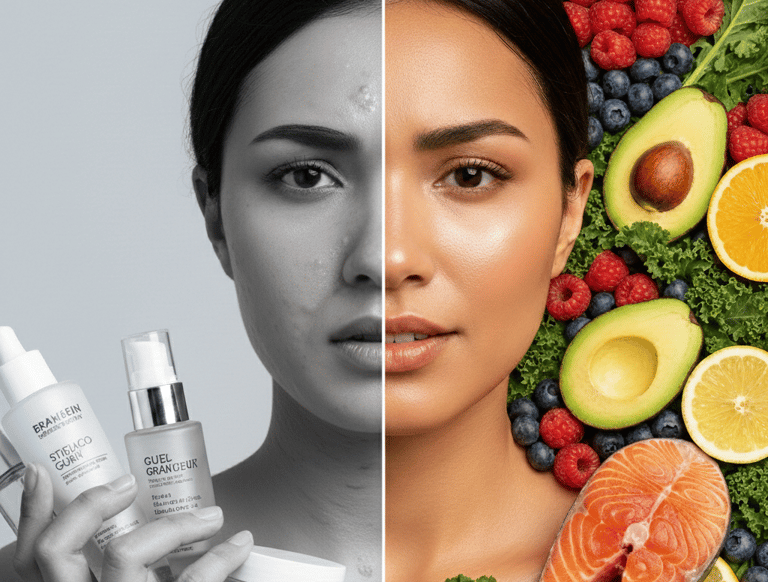
Do you spend hundreds of dollars on serums, creams, and treatments while your skin still struggles with breakouts, dullness, fine lines, or uneven tone? Apply expensive products religiously but see minimal improvement? Wonder why some people have naturally glowing skin without elaborate routines?
The secret to radiant skin isn't found in a jar or bottle—it's on your plate. While topical skincare products work on the surface, true skin transformation happens from within. Every bite you take either nourishes your skin cells, provides building blocks for collagen and elasticity, protects against damage, or conversely, promotes inflammation, accelerates aging, and triggers breakouts.
Your skin is your body's largest organ, and it's a direct reflection of your internal health. According to research published in Dermato-Endocrinology, nutrient deficiencies, inflammation, blood sugar imbalances, hormonal issues, and poor gut health all manifest visibly on your face.
The skincare industry sells a dream: flawless skin through expensive products applied topically. While quality skincare has its place, it addresses symptoms rather than root causes. This outside-in approach ignores the fundamental truth: your skin cells are built from nutrients you consume, protected by antioxidants you eat, and damaged or healed based on your diet.
Every 28 days, your skin completely renews itself. The quality of those new skin cells depends entirely on the nutrients available during their formation. Feed your body inflammation-promoting processed foods, sugar, and nutrient-void calories, and you'll build weak, dull, acne-prone skin. Provide antioxidants, healthy fats, vitamins, minerals, and quality protein, and you'll create strong, radiant, resilient skin that glows from within.
This comprehensive guide reveals the foods that function as your internal skincare routine—better than any product you can buy.
Key Takeaways
Your skin completely renews every 28 days—new cells are built from nutrients you consume
Most skin problems (acne, dryness, aging, dullness) have nutritional root causes
Collagen production requires vitamin C, amino acids, and minerals—all from food
Antioxidants in foods protect skin from damage better than topical products
Healthy fats are essential for skin barrier function and moisture retention
Blood sugar spikes accelerate aging through glycation damage
Gut health directly affects skin health—fix digestion, fix skin
Results appear within 4-8 weeks of consistent dietary changes
Understanding the Skin-Food Connection
Before diving into specific foods, understanding how nutrition affects skin helps you make strategic choices.
Your Skin's Structure and Nutritional Needs
Your skin consists of three layers, each with specific nutritional requirements:
Epidermis (outer layer): This protective barrier renews constantly, with cells migrating from deep layers to the surface over 28 days. These cells need antioxidants (vitamins C, E, beta-carotene), ceramides and fatty acids for barrier function, and protein for strong cell structures.
Dermis (middle layer): Contains collagen and elastin providing firmness and elasticity. This layer needs vitamin C for collagen synthesis, copper and zinc as cofactors, amino acids as building blocks, and antioxidants to protect existing collagen.
Hypodermis (deep layer): Fat storage layer that supports outer skin. Needs healthy fats for structure.
When you consume nutrients, your body prioritizes vital organs over skin. This means skin gets nutrients last—marginal deficiencies will show clearly on your skin.
How Nutritional Deficiencies Show on Your Skin
According to research in the International Journal of Molecular Sciences, different deficiencies create specific symptoms:
Vitamin C deficiency: Slow wound healing, easy bruising, rough skin, weak collagen leading to sagging
Vitamin A deficiency: Dry, rough, scaly skin, keratosis pilaris (bumpy arms/thighs)
Zinc deficiency: Acne, delayed wound healing, dermatitis, hair loss
Omega-3 deficiency: Dry, flaky skin, inflammatory conditions (eczema, psoriasis), compromised barrier function
The Inflammation-Skin Connection
Chronic inflammation is the root cause of most skin problems—acne, eczema, psoriasis, rosacea, and accelerated aging. Research in Nutrients shows that your diet is either inflammatory or anti-inflammatory, directly affecting skin health.
Inflammatory foods (sugar, refined carbohydrates, trans fats, excessive omega-6 oils, processed foods) trigger inflammation throughout your body. Anti-inflammatory foods (colorful vegetables, omega-3s, herbs, spices, green tea) actively reduce inflammation, calming skin issues and slowing aging.
Blood Sugar and Glycation
When you eat sugar or refined carbohydrates, glucose spikes trigger glycation—glucose molecules attach to proteins (including collagen and elastin), creating advanced glycation end products (AGEs).
According to research in Skin Pharmacology and Physiology, glycation:
Stiffens collagen, causing wrinkles and sagging
Discolors skin (yellowing, age spots)
Reduces elasticity
Increases inflammation
Impairs skin's ability to repair damage
Stable blood sugar protects skin from this glycation damage.
Gut-Skin Axis
Your gut and skin are intimately connected. Research in Frontiers in Microbiology shows that gut dysbiosis promotes systemic inflammation manifesting as acne, eczema, psoriasis, and rosacea.
Improving gut health through probiotics, prebiotics, and fermented foods often creates dramatic skin improvements.
Foods That Build Beautiful Skin
Category 1: Collagen Builders
Collagen is the structural protein providing skin firmness and youthful appearance. After age 25, production declines about 1% annually.
1. Vitamin C-Rich Foods
Vitamin C is the rate-limiting nutrient for collagen synthesis—without it, your body cannot produce collagen.
Top sources:
Bell peppers (especially red): 190mg per cup
Citrus fruits: 70-95mg per serving
Strawberries: 89mg per cup
Kiwi: 137mg per cup
Broccoli: 81mg per cup
Kale: 80mg per cup
How to use: Eat vitamin C-rich foods daily. Aim for 200-500mg from food. Since vitamin C is water-soluble and not stored, consistent daily intake matters. Include raw sources as heat destroys vitamin C.
2. Bone Broth
Provides collagen and gelatin directly, plus amino acids (glycine, proline) your body uses to build collagen.
Why it works: According to research in Nutrients, collagen supplementation improves skin elasticity, hydration, and reduces wrinkles. Bone broth provides these naturally.
How to use: Drink 8-16 ounces daily or use as cooking liquid. Make homemade by simmering bones for 12-24 hours. Quality broth gels when refrigerated.
3. Wild-Caught Salmon
Provides high-quality protein, omega-3 fatty acids, astaxanthin (powerful antioxidant), and vitamin D.
Why it works: Omega-3s reduce inflammation and support skin barrier. Astaxanthin improves elasticity and reduces fine lines.
How to use: Eat 2-3 times weekly (4-6 oz servings). Choose wild-caught for higher omega-3 content. Canned wild salmon is affordable and convenient.
4. Egg Yolks
Provide complete protein plus vitamins A, D, E, and biotin—all essential for skin health.
Why it works: Biotin (vitamin B7) is crucial for skin—deficiency causes red, scaly rash. The cholesterol is necessary for vitamin D production.
How to use: Eat 2-3 whole eggs daily (don't discard yolks). From pasture-raised chickens if possible.
Category 2: Antioxidant Protectors
Antioxidants neutralize free radicals that damage cells, DNA, and proteins including collagen.
5. Blueberries and Mixed Berries
Among the highest-antioxidant foods, packed with anthocyanins, vitamin C, and polyphenols.
Why it works: Research shows berry consumption improves skin elasticity and reduces oxidative stress. Anthocyanins protect collagen from degradation and reduce inflammation.
How to use: Eat 1-2 cups daily. Fresh or frozen both provide benefits. Variety provides diverse antioxidant profiles.
6. Dark Chocolate (85%+ Cacao)
Provides flavonoids with potent antioxidant and anti-inflammatory properties.
Why it works: According to research in the Journal of Nutrition, cocoa flavanols improve skin hydration, thickness, blood flow, and protect against UV damage.
How to use: Eat 1-2 ounces of 85-90% dark chocolate daily. Choose quality brands with minimal ingredients.
7. Green Tea
Contains EGCG and catechins with exceptional antioxidant and anti-inflammatory properties.
Why it works: Green tea protects against UV damage, improves skin elasticity, and reduces inflammation in acne and rosacea.
How to use: Drink 3-5 cups daily. Brew at 170-180°F for 2-3 minutes. Matcha provides even higher catechin concentrations.
8. Tomatoes (Especially Cooked)
Provide lycopene—a powerful antioxidant that protects against UV damage.
Why it works: Lycopene concentrates in skin tissues, functioning as internal sunscreen. Research shows it reduces sunburn severity and may reduce wrinkles.
How to use: Include tomatoes daily, particularly cooked forms with olive oil (dramatically increases lycopene bioavailability).
9. Sweet Potatoes
Exceptionally rich in beta-carotene (provitamin A), vitamin C, and fiber.
Why it works: Vitamin A is essential for skin cell production and turnover. Beta-carotene accumulates in skin, providing photoprotection.
How to use: Eat 1 medium sweet potato several times weekly. Cook with skin on, pair with fat for better absorption.
Category 3: Healthy Fats for Skin Barrier
Your skin's barrier function depends on lipids. The fats you eat directly incorporate into cell membranes.
10. Avocados
Provide monounsaturated fats, vitamin E, vitamin C, and carotenoids.
Why it works: Healthy fats support barrier function and moisture retention. Vitamin E protects membranes from oxidative damage.
How to use: Eat 1/2 to 1 whole avocado daily. The fats also enhance absorption of fat-soluble nutrients from other foods.
11. Extra Virgin Olive Oil
Provides monounsaturated fats plus polyphenols and vitamin E.
Why it works: Mediterranean populations with high olive oil consumption show lower rates of skin aging. Polyphenols reduce inflammation and oxidative stress.
How to use: Use 2-3 tablespoons daily in cooking and dressings. Choose extra virgin in dark glass bottles.
12. Walnuts
Provide omega-3 fatty acids (ALA), vitamin E, zinc, and selenium.
Why it works: Balanced omega-3 to omega-6 ratio helps counter excessive omega-6 in modern diets.
How to use: Eat 1/4 cup (14 halves) daily. Store in refrigerator to prevent oxidation.
13. Chia and Flax Seeds
Provide omega-3 fatty acids, fiber, protein, and minerals.
Why it works: Omega-3 content helps balance inflammatory omega-6 intake. Fiber supports gut health.
How to use: Add 1-2 tablespoons ground flaxseed or chia seeds to smoothies, oatmeal, or yogurt daily.
Category 4: Hydration Heroes
14. Cucumbers
96% water plus silica supporting connective tissue.
Why it works: High water content provides hydration while silica supports collagen and elastin formation.
How to use: Include daily in salads or as snacks. Eat the peel where nutrients concentrate.
15. Watermelon
92% water plus lycopene, vitamin C, and vitamin A.
Why it works: Combination of hydration with antioxidants. Lycopene provides photoprotection.
How to use: Eat 2-3 cups several times weekly, especially during summer.
16. Coconut Water
Provides electrolytes (potassium, magnesium, sodium) supporting cellular hydration.
Why it works: Electrolytes help the body utilize water more effectively than plain water alone.
How to use: Drink 8-16 ounces of pure coconut water several times weekly.
Category 5: Gut Health Foods
17. Fermented Foods (Yogurt, Kefir, Sauerkraut, Kimchi)
Provide beneficial bacteria (probiotics) supporting gut health.
Why it works: Studies show probiotics can improve acne, eczema, rosacea, and skin barrier function by reducing gut inflammation and improving nutrient absorption.
How to use: Include daily. Full-fat plain yogurt (1 cup), sauerkraut (1/4 cup), or other fermented vegetables.
18. Prebiotic Foods (Garlic, Onions, Asparagus)
Fibers that feed beneficial gut bacteria.
Why it works: While probiotics introduce bacteria, prebiotics feed existing bacteria, supporting healthy microbiome ecosystem.
How to use: Include daily. Garlic and onions in cooking, asparagus several times weekly.
Category 6: Detox Support Foods
19. Leafy Greens (Spinach, Kale, Swiss Chard)
Provide chlorophyll, vitamins (A, C, K), minerals, fiber, and antioxidants.
Why it works: Chlorophyll supports detoxification. High antioxidant content protects skin. Vitamins and minerals support numerous skin functions.
How to use: Eat 2-3 cups raw or 1-2 cups cooked daily. Rotate varieties for nutrient diversity.
20. Lemon Water
Supports digestion, liver function, and provides vitamin C.
Why it works: Citric acid may support digestive enzymes. Vitamin C supports liver detoxification. Hydration first thing supports all bodily functions.
How to use: Squeeze 1/2 lemon into warm water first thing each morning.
Foods That Damage Your Skin
Refined Sugar and High-Glycemic Carbohydrates
Sugar is the worst offender for skin aging through glycation.
Problems caused:
Premature wrinkles from glycation
Inflammation throughout body
Acne triggers through insulin spikes
Disrupted gut bacteria
Avoid: Sodas, candy, cookies, white bread, sugary cereals, fruit juices.
Dairy (For Acne-Prone Individuals)
Problems caused:
Acne in susceptible individuals
Hormonal disruption
Inflammation in sensitive people
Alternatives: Grass-fed/organic dairy, fermented dairy, or eliminate for 30 days to assess response.
Alcohol
Dehydrates, depletes nutrients, impairs liver function, disrupts sleep.
Problems caused:
Dehydration leading to dry skin
Inflammation manifesting as redness
Disrupted sleep
Nutrient depletion
Guidelines: Minimize or eliminate. If drinking, choose red wine and limit to 1 glass occasionally.
Processed Foods and Trans Fats
Problems caused:
Inflammation from refined oils
Nutrient deficiencies
Blood sugar dysregulation
Gut microbiome disruption
Avoid: Packaged snacks, frozen dinners, fast food, partially hydrogenated oils.
Creating Your Skin-Healing Diet
Week 1-2: Foundation Foods
Drink lemon water first thing each morning
Add berries to breakfast daily
Include leafy greens at one meal daily
Replace vegetable oil with olive oil and butter
Eat 2-3 whole eggs daily
Week 3-4: Expanding Variety
Include wild salmon twice weekly
Add avocado to one meal daily
Switch to green tea
Eat sweet potato 2-3 times weekly
Include fermented foods daily
Week 5-6: Optimization
Try bone broth several times weekly
Add walnuts or seeds daily
Include cooked tomatoes with olive oil
Eat dark chocolate (85%+)
Drink 3-5 cups green tea daily
Week 7-8: Elimination
Eliminate refined sugar
Reduce or eliminate dairy (trial 30 days)
Minimize alcohol
Avoid processed foods
Replace refined grains with whole food alternatives
When to Expect Results
2-4 weeks:
Improved hydration and plumpness
Reduced inflammation and redness
Better skin texture
Decreased breakouts
Increased radiance
6-8 weeks:
Noticeably clearer, more even skin tone
Reduced fine lines
Stronger, less reactive skin
Friends notice the difference
3-6 months:
Significant improvement in chronic conditions
Visible wrinkle reduction
Dramatic transformation in skin quality
Glowing, healthy complexion
Conclusion
Your skin is not a collection of problems requiring separate expensive treatments—it's a living organ that reflects your internal health. Every ingredient in every meal either supports skin health or undermines it.
The foods in this guide aren't supplements to add on top of topical skincare—they ARE your skincare routine, working from the deepest layers outward. They provide building blocks for collagen, antioxidants that protect against damage, healthy fats that maintain moisture, and nutrients that create beautiful, healthy skin.
You cannot out-cream a poor diet. No serum can compensate for nutritional deficiencies, chronic inflammation, or blood sugar dysregulation. The most powerful skincare isn't applied topically—it's eaten.
Start today with one change—add berries to breakfast, switch to olive oil, drink lemon water, or replace coffee with green tea. Build from there. Within weeks, you'll see improvements. Within months, you'll wonder why you ever thought the solution was in a bottle rather than on your plate.
References and Further Reading
For more information on nutrition and skin health, consult these authoritative sources:
American Academy of Dermatology - Nutrition and Skin Health
Evidence-based guidance on how diet affects skin health and appearance.Harvard Health Publishing - Foods for Healthy Skin
Research-backed information on nutrients and foods that support skin health.National Institutes of Health - Skin Health and Diet
Comprehensive information on vitamins and minerals essential for skin health.
FAQ
How long until I see skin improvements from dietary changes?
Most people notice initial improvements within 2-4 weeks—better hydration, reduced redness, fewer breakouts, improved glow. Significant changes appear at 6-8 weeks as new skin cells built from better nutrition reach the surface. Maximum benefits require 3-6 months of consistency. Everyone's timeline varies based on starting point and how dramatic the dietary changes are.
Can I eat my way to clear skin if I have acne?
For many people, yes. Acne often has dietary triggers and nutritional deficiencies as root causes. Eliminating inflammatory foods (sugar, dairy, processed oils), balancing blood sugar, supporting gut health, and providing skin-building nutrients (zinc, vitamin A, omega-3s) often dramatically improves acne. Try eliminating dairy and sugar for 30 days while adding anti-inflammatory foods.
Do I still need topical skincare if I eat well?
Quality nutrition should be the foundation, but topical skincare still has benefits—sunscreen for protection, moisturizer for barrier support. However, when you eat well, you need far fewer and less aggressive topical products. Food works from inside out, topical products work outside in—combining both is ideal, but nutrition should be prioritized.
What if I can't afford expensive foods like wild salmon?
Quality nutrition doesn't require expensive ingredients. Focus on: eggs (incredibly affordable and nutritious), seasonal produce, frozen berries, canned wild salmon, regular beef or chicken, olive oil and butter. Eating at home saves money that can go toward quality ingredients.
Will eating collagen or taking supplements help my skin?
Evidence suggests collagen supplementation can improve skin elasticity, hydration, and reduce wrinkles. Bone broth provides natural collagen. However, also ensure adequate vitamin C (required for collagen synthesis) and overall protein intake. Collagen works best as part of comprehensive skin-supporting nutrition.
I'm vegan—can I still support skin health?
Yes, though some nutrients require attention. Focus on plant proteins, omega-3s from flax/chia/walnuts and algae supplements, vitamin C from fruits and vegetables, vitamin E from nuts and seeds. Consider supplementing B12, vitamin D, EPA/DHA from algae, and possibly zinc.
Does drinking more water really improve skin hydration?
Water alone doesn't create glowing skin, but adequate hydration is essential. Better approach: drink adequate water (half your body weight in ounces), consume water-rich foods, ensure adequate electrolytes, and support skin barrier with healthy fats.
Can food really reduce wrinkles?
Food can reduce fine lines and prevent future wrinkles through: building blocks for collagen, antioxidants preventing damage, anti-inflammatory compounds, and blood sugar control preventing glycation. Many people see visible wrinkle reduction from improved hydration and reduced inflammation. The greatest value is prevention.
Why do some people have great skin eating terribly?
Genetics, age, hormones, stress, sleep, and environmental factors all influence skin beyond diet. Some people have naturally resilient skin that tolerates poor nutrition longer. Don't compare—focus on optimizing YOUR skin through nutrition, sleep, stress management, and appropriate skincare.
Can supplements replace eating these foods?
Supplements can fill gaps but shouldn't replace whole foods. Whole foods provide nutrients in synergistic combinations that supplements can't replicate. Strategic supplementation helps when diet is imperfect, but prioritize food first—it provides comprehensive nutrition supplements can't match.
About Author
Judith Tsanga is an Applied Biosciences & Biotechnology graduate with an Advanced Level qualification in Food Science, and the founder of BiteBrightly. Her passion for food as medicine began with her own experience: after making targeted dietary changes, she noticed a meaningful improvement in her eyesight — a personal transformation that inspired her mission to share evidence-based nutrition insights that help others eat well and heal boldly. Content on BiteBrightly is for educational purposes and isn't a substitute for advice from your doctor or dietitian.
Follow on Pinterest for daily health tips, recipes, and wellness inspiration.
Important Notice: The information in this article is for educational purposes only and is not intended as medical advice or to replace professional medical treatment. Always consult your healthcare provider before making any dietary changes, starting supplements, or implementing health recommendations, especially if you have medical conditions, take medications, are pregnant, or nursing. This information is not intended to replace your prescribed medications or treatment plans. Individual results vary based on genetics, health status, and lifestyle factors.
Related posts
Connect
Join our newsletter for fresh health tips
© 2026. All rights reserved.