The Cortisol-Belly Fat Connection: Foods That Target Stress-Driven Weight Gain
Your belly fat is a cortisol problem, not a calorie problem. 11-beta-HSD1 amplifies cortisol in visceral fat. 15 foods, HPA axis guide, why low-carb makes it worse.
by BiteBrightly
3/24/202630 min read
The Cortisol-Belly Fat Connection: Foods That Target Stress-Driven Weight Gain
By BiteBrightly 24 March 2026: This post might contain affiliate links.
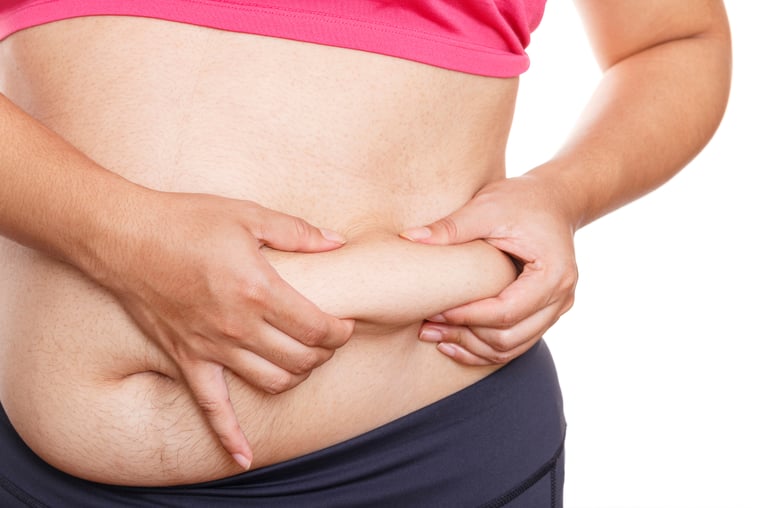
You are doing everything right. You are eating less than you used to. You are moving more. You are going to bed at a reasonable hour. And yet the weight around your midsection refuses to shift — or is quietly, inexplicably growing despite what feels like genuine effort. Your arms and legs look relatively unchanged. It is specifically the belly, the waistline, the area just above the hips that seems resistant to every conventional strategy you apply.
This is not a caloric arithmetic failure. It is a cortisol problem.
Cortisol — the primary stress hormone produced by the adrenal glands — is one of the most powerful metabolic regulators in the human body. Under conditions of chronic stress, whether psychological stress from an overloaded life, physiological stress from poor sleep, inflammatory stress from a dysregulated gut, or metabolic stress from blood glucose instability, cortisol is elevated not in the short spikes of acute stress but in the sustained, low-grade, chronically elevated form that progressively reshapes body composition in a specific and recognizable way.
Chronic cortisol elevation directly drives visceral fat accumulation — fat deposited within the abdominal cavity, surrounding the internal organs, rather than the subcutaneous fat found just beneath the skin surface. Visceral fat is metabolically distinct from subcutaneous fat: it is more inflamed, more hormonally active, more insulin-resistant, and more directly linked to cardiovascular disease, type 2 diabetes, and metabolic syndrome. Visceral fat also harbors more cortisol receptors than any other fat depot in the body — meaning that cortisol selectively targets the abdomen, routing excess energy toward the exact location where the hormonal and metabolic damage is greatest.
The conventional advice for stress belly — "stress less, sleep more, do yoga" — is not wrong, but it is incomplete. The dietary environment directly modulates cortisol production, cortisol clearance, cortisol receptor sensitivity, and the downstream metabolic pathways through which cortisol drives visceral fat accumulation. The right foods actively lower cortisol through multiple simultaneous mechanisms: reducing the HPA axis dysregulation that drives chronic cortisol elevation, providing the nutrients that cortisol depletes (particularly vitamin C, magnesium, and B vitamins), feeding the gut bacteria whose signals directly regulate the stress response, and opposing the inflammatory pathways that cortisol both drives and is driven by.
This guide covers the science of cortisol and belly fat in precise mechanistic detail, the fifteen most evidence-supported foods for cortisol reduction, the dietary patterns and habits that silently maintain HPA axis dysregulation, and the practical daily framework for using food as a cortisol management strategy.
Key Takeaways
Cortisol drives visceral fat accumulation through three simultaneous mechanisms: direct stimulation of visceral adipocyte differentiation, upregulation of lipoprotein lipase (the enzyme that pulls circulating fat into fat cells) specifically in visceral tissue, and promotion of insulin resistance that routes glucose toward fat storage
Chronic HPA axis activation — the root of elevated cortisol — is directly modulated by diet — specific nutrients, fiber fermentation products, and gut microbiome composition all send regulatory signals to the HPA axis that either dampen or amplify stress hormone output
Magnesium deficiency — affecting approximately 50% of Western adults — directly amplifies HPA axis reactivity and cortisol output; correcting magnesium status reduces both basal cortisol and stress-reactive cortisol measurably
The gut microbiome regulates cortisol through the gut-brain axis: specific probiotic strains (particularly Lactobacillus rhamnosus) reduce cortisol through vagal nerve signaling; dysbiosis increases HPA axis reactivity; fermented foods and prebiotic fiber target this pathway
Blood glucose instability is one of the most potent activators of cortisol secretion — hypoglycemic episodes trigger cortisol as a counter-regulatory hormone; high-glycemic eating patterns produce the glucose spike-and-crash cycle that chronically stimulates HPA axis activity
Phosphatidylserine — found in fatty fish, organ meats, and available as a supplement — directly blunts ACTH and cortisol responses to stress in multiple randomized controlled trials
Dark chocolate, green tea, ashwagandha-enriched foods, and omega-3 fatty acids each reduce cortisol through distinct, additive mechanisms — meaning a dietary pattern incorporating all of them produces compounding cortisol reduction beyond any single food
The Science of Cortisol and Belly Fat
How Cortisol Drives Visceral Fat Accumulation
Cortisol's relationship with abdominal fat is specific, mechanistic, and well-established in the research literature. Understanding why cortisol targets the belly — rather than simply increasing fat storage everywhere — explains why cortisol management is specifically required to address this pattern of weight gain.
Visceral fat has more cortisol receptors: Glucocorticoid receptors (GRs) — the intracellular receptors that cortisol binds to activate metabolic changes — are expressed at far higher density in visceral adipose tissue (the fat surrounding abdominal organs) than in subcutaneous adipose tissue (the fat beneath the skin). When cortisol is chronically elevated, it preferentially activates visceral fat cells over fat cells elsewhere in the body, driving their differentiation, expansion, and lipid accumulation.
Cortisol activates lipoprotein lipase in visceral tissue: Lipoprotein lipase (LPL) is the enzyme that pulls triglycerides from circulating lipoproteins (VLDL, chylomicrons) into adipose tissue for storage. Cortisol upregulates LPL activity specifically in visceral adipose tissue — routing dietary fat into the belly rather than into peripheral fat depots or toward muscle oxidation.
Cortisol promotes insulin resistance: Cortisol antagonizes insulin signaling in muscle and liver, reducing glucose uptake in these tissues. The resulting hyperglycemia triggers compensatory insulin secretion. High insulin + elevated cortisol simultaneously is the metabolic state most powerfully associated with visceral fat accumulation — insulin's lipogenic effects are amplified in the already cortisol-receptor-dense visceral adipose tissue.
11-beta-HSD1 amplification in visceral fat: 11-beta-hydroxysteroid dehydrogenase type 1 (11-beta-HSD1) is an enzyme expressed in adipose tissue that converts inactive cortisone to active cortisol locally — effectively creating a self-amplifying cortisol signal within the fat tissue itself. Visceral fat expresses significantly more 11-beta-HSD1 than subcutaneous fat, meaning that even modestly elevated systemic cortisol is amplified locally within the abdomen, creating higher active cortisol concentrations in visceral fat than blood measurements alone would suggest.
The HPA Axis: What's Actually Dysregulated
The hypothalamic-pituitary-adrenal (HPA) axis is the central control system for cortisol production. Under normal function, the hypothalamus releases CRH (corticotropin-releasing hormone), which signals the pituitary to release ACTH (adrenocorticotropic hormone), which signals the adrenal glands to produce and release cortisol. Cortisol then feeds back to the hypothalamus and pituitary to suppress further CRH and ACTH release — a negative feedback loop that normally keeps cortisol within healthy circadian bounds.
In chronic stress, this feedback loop becomes dysregulated. Persistent stressors override the negative feedback mechanism — the hypothalamus continues releasing CRH despite elevated cortisol, maintaining a chronically activated HPA axis. Over time, the hippocampus (the brain region most important for HPA axis negative feedback) becomes glucocorticoid-impaired — chronic cortisol exposure damages hippocampal neurons and reduces their GR expression, weakening the brake on cortisol production and creating a self-perpetuating cycle of HPA axis dysregulation.
The dietary inputs that regulate HPA axis function are more numerous and significant than most people realize. Magnesium directly inhibits CRH release from the hypothalamus. Omega-3 fatty acids reduce HPA axis reactivity through EPA's effects on hypothalamic prostaglandin synthesis. Gut microbiome-derived signals (particularly butyrate from fermentable fiber fermentation) modulate HPA axis tone through vagal afferent pathways. Blood glucose stability reduces the metabolic stress signaling that activates HPA axis independently of psychological stress. These mechanisms make food a genuine cortisol management tool — not a supplement to stress management, but a primary intervention pathway in its own right.
Why the Belly Fat Is Different
Visceral fat is not simply an aesthetic concern or a caloric surplus storage problem. It is a metabolically active endocrine organ that, once established, actively perpetuates the hormonal and inflammatory environment that produced it.
Visceral adipocytes (fat cells) secrete a distinctive profile of adipokines — including resistin, IL-6, TNF-alpha, and monocyte chemoattractant protein-1 — that directly promote systemic insulin resistance, hepatic inflammation, and further HPA axis activation. The expanded visceral fat depot also secretes free fatty acids directly into the portal vein that drains to the liver, producing hepatic lipid accumulation, inflammatory signaling, and metabolic dysfunction that compounds the cortisol-driven metabolic disruption.
This self-perpetuating cycle — cortisol drives visceral fat, visceral fat drives inflammation and insulin resistance, inflammation and insulin resistance drive further cortisol elevation — explains why cortisol belly is notoriously resistant to conventional caloric restriction approaches. Reducing calories without addressing the underlying cortisol dysregulation can actually worsen the pattern: caloric restriction is itself a physiological stressor that elevates cortisol, potentially accelerating visceral fat accumulation even as total body weight decreases through muscle and water loss.
The dietary approach to cortisol belly must therefore work at the level of the HPA axis and cortisol metabolism, not simply at the level of caloric balance.
The 15 Best Foods to Reduce Cortisol and Belly Fat
1. Fatty Fish (Salmon, Sardines, Mackerel)
Fatty fish are the most comprehensively evidence-supported single food category for cortisol reduction — providing EPA and DHA omega-3 fatty acids that directly modulate HPA axis reactivity, phosphatidylserine that blunts ACTH and cortisol responses to acute stress, and vitamin D that regulates adrenal cortisol production through vitamin D receptor signaling.
How it works: EPA (eicosapentaenoic acid) specifically reduces hypothalamic prostaglandin E2 production by competing with arachidonic acid for COX enzyme activity. Prostaglandin E2 is a direct stimulator of CRH release from the hypothalamic paraventricular nucleus — reducing it dampens the initiating signal of the HPA axis stress response. DHA is incorporated into neuronal membranes throughout the HPA axis circuitry — areas including the hippocampus, prefrontal cortex, and amygdala — improving the neuronal membrane fluidity that determines receptor signaling efficiency for the glucocorticoid receptors mediating HPA axis negative feedback.
Phosphatidylserine (PS) — a phospholipid concentrated in fatty fish and in brain tissue — has the most specific clinical evidence for cortisol blunting of any dietary compound. Randomized controlled trials have demonstrated that 400–800mg of phosphatidylserine significantly reduces ACTH and cortisol responses to physical and psychological stressors — establishing PS as a direct pharmacological modulator of the HPA axis response curve. While dietary PS from fish provides lower doses than supplementation trials, consistent daily consumption contributes meaningful PS to the membrane pool that determines cortisol stress reactivity.
Vitamin D from fatty fish (245–1,000 IU per 3oz serving of wild salmon) regulates the adrenal cortex through vitamin D receptors expressed on adrenal cells — with vitamin D deficiency independently associated with elevated cortisol and HPA axis dysregulation in multiple clinical studies.
How to use it: Two to three servings of fatty fish weekly — wild salmon, sardines, mackerel, herring, or trout. Sardines provide the highest phosphatidylserine density in the most economical format (canned with bones). Smoked salmon on rye with avocado as a cortisol-lowering lunch; baked salmon with leafy greens and lemon; sardines in tomato sauce over quinoa as a complete cortisol-support meal.
2. Dark Leafy Greens (Spinach, Kale, Swiss Chard)
Dark leafy greens provide the magnesium, folate, and vitamin C that cortisol specifically and severely depletes — making them the most essential dietary category for replenishing the nutrients that chronic stress exhausts.
How it works: Magnesium is the most critically depleted nutrient in chronic stress. Cortisol directly increases urinary magnesium excretion — and magnesium deficiency, in turn, amplifies HPA axis reactivity, creating a self-reinforcing cycle where stress depletes magnesium, magnesium deficiency worsens the stress response, which depletes more magnesium. Magnesium inhibits NMDA glutamate receptors in the hypothalamus (reducing excitatory input to CRH-releasing neurons) and directly inhibits CRH release — making it a physiological brake on cortisol production. One cup of cooked spinach provides 157mg of magnesium — approximately 37% of the daily target.
Vitamin C is equally critical: the adrenal glands are the organ with the highest vitamin C concentration in the body, using it as an essential cofactor for cortisol synthesis and — critically — for cortisol clearance. During acute stress responses, adrenal vitamin C is rapidly depleted. Chronic stress maintains this depletion, and inadequate dietary vitamin C impairs the adrenal glands' ability to properly modulate cortisol output. One cup of raw kale provides 80mg of vitamin C alongside 2.5mg of iron.
Folate from leafy greens supports the methylation cycle that produces SAMe — the universal methyl donor required for the synthesis of dopamine, serotonin, and norepinephrine. These neurotransmitters directly regulate HPA axis tone: serotonin suppresses CRH release, dopamine modulates stress reactivity in the prefrontal cortex, and adequate norepinephrine balance prevents the sympathetic hyperactivation that chronically stimulates HPA axis activity.
How to use it: Two to three cups of cooked dark leafy greens daily — kale sautéed with garlic and olive oil, spinach in smoothies with berries and citrus, Swiss chard in lentil soups, or collard greens wilted with lemon. Always pair with vitamin C foods (lemon, tomatoes, bell peppers) for optimal nutrient delivery alongside iron and zinc co-absorption.
3. Avocados
Avocados provide the cortisol-lowering trifecta of potassium, monounsaturated fat, and B vitamins — with potassium specifically addressing the HPA axis-blood pressure connection and the oleic acid in avocado directly supporting the adrenal membrane structure required for healthy cortisol regulation.
How it works: One medium avocado provides 975mg of potassium — more than twice the potassium in a medium banana. Potassium is essential for maintaining the cellular membrane potential of adrenal cells and for regulating aldosterone (the adrenal hormone that manages sodium-potassium balance). Chronic stress depletes potassium through cortisol-mediated renal retention of sodium and excretion of potassium — and potassium deficiency independently elevates blood pressure and increases cardiovascular stress reactivity, compounding HPA axis activation.
Avocados are among the richest whole-food sources of pantothenic acid (vitamin B5) — the B vitamin most directly required for adrenal function. Vitamin B5 is required for the synthesis of CoA (coenzyme A), the molecule through which acetate units enter both the Krebs cycle and steroid hormone synthesis pathways. The adrenal glands' ability to produce cortisol itself depends on adequate B5 — a paradox in stress nutrition where B5 deficiency can impair the stress response while B5 sufficiency supports normal cortisol regulation and clearance.
The monounsaturated oleic acid in avocado reduces the saturated fatty acid intake that activates TLR4 on macrophages — reducing the systemic inflammatory signal that independently activates HPA axis CRH production and maintains chronically elevated cortisol through the inflammation-cortisol feedback loop.
How to use it: Half to one avocado daily — on whole grain sourdough with lemon and pumpkin seeds (cortisol-lowering potassium + magnesium + vitamin C stack), in smoothies with spinach and berries (fat for fat-soluble vitamin absorption + B vitamins), as guacamole with vegetable crudités, or sliced alongside eggs and fermented dairy at breakfast for a comprehensive HPA axis support meal.
4. Eggs (Whole, Pasture-Raised)
Eggs provide choline — the precursor for acetylcholine and phosphatidylcholine — alongside the complete B vitamin spectrum required for neurotransmitter synthesis and HPA axis negative feedback, making them one of the most nutritionally comprehensive cortisol-support foods available.
How it works: Two pasture-raised eggs provide approximately 250mg of choline — 45% of the daily adequate intake. Choline is converted to acetylcholine, the primary neurotransmitter of the parasympathetic nervous system — the "rest and digest" system that directly opposes sympathetic "fight or flight" activation and HPA axis stimulation. Adequate cholinergic tone through the vagus nerve is one of the most direct inhibitory signals on HPA axis activity — the vagal brake on cortisol production.
Eggs provide the most complete natural source of tryptophan alongside the vitamin B6 required to convert tryptophan to serotonin. Serotonin directly suppresses CRH release from the hypothalamic paraventricular nucleus through 5-HT1A receptor activation — one of the established neurochemical mechanisms through which adequate serotonergic tone reduces HPA axis reactivity and baseline cortisol. Low serotonin states (common in chronic stress, which depletes serotonin precursors and receptor sensitivity) are associated with HPA axis hyperreactivity and elevated cortisol.
The tyrosine in eggs is the precursor for both thyroid hormones and catecholamines (dopamine, norepinephrine, epinephrine). Chronic stress depletes catecholamine precursors through high adrenal turnover — adequate dietary tyrosine supports the neurotransmitter replenishment required to restore healthy stress reactivity.
How to use it: Two whole eggs daily — always including the yolk (the white has minimal B vitamin, choline, or omega-3 content). Scrambled with turmeric, spinach, and garlic (cortisol-lowering compound stacking); poached on sourdough with avocado (choline + potassium + B vitamins); or hard-boiled as a portable cortisol-support snack.
5. Oats and Barley (Complex Carbohydrates)
Whole oats and barley at breakfast are the most important dietary strategy for blood glucose stability — the most commonly overlooked and most significant driver of chronic cortisol elevation in otherwise healthy adults.
How it works: Blood glucose instability — specifically the cycle of rapid glucose spike followed by compensatory hypoglycemic crash — is a direct physiological stressor that activates cortisol secretion as a counter-regulatory hormone. Every significant hypoglycemic episode triggers adrenal cortisol release to drive gluconeogenesis and restore blood glucose — an HPA axis activation event that is biochemically identical in its cortisol output to a meaningful psychological stressor.
People who eat high-glycemic diets — refined cereal, white bread, sugary drinks, pastries — experience multiple cortisol-triggering glucose crashes daily, maintaining chronically elevated cortisol through metabolic stress that operates entirely independently of psychological stress. Blood glucose stabilization through low-glycemic, high-fiber complex carbohydrates eliminates this metabolic cortisol driver.
Oat beta-glucan (3–4g per cup of dry oats) forms a viscous gel that slows gastric emptying and glucose absorption, producing the most stable postprandial glucose profile of any common breakfast carbohydrate. Research has demonstrated that oat beta-glucan significantly reduces postprandial glucose excursion — attenuating the glucose spike and preventing the subsequent hypoglycemic crash that triggers cortisol secretion.
Oats also provide avenanthramides — anti-inflammatory polyphenols unique to oats that directly reduce the neuroinflammation associated with HPA axis hyperreactivity. The B vitamins in whole oats (particularly B1 thiamine, B3 niacin, and B6) support the adrenal function and neurotransmitter synthesis that modulate HPA axis tone.
How to use it: Half a cup of whole rolled oats (not instant — processing disrupts beta-glucan polymer integrity) cooked or soaked overnight with berries, ground flaxseed, and a tablespoon of almond butter (fat and protein to further slow glucose absorption). Steel-cut oats provide the lowest glycemic response of the oat family. Barley as a lunch grain (the lowest glycemic index of any grain at approximately 28) in grain bowls — replacing white rice that would spike glucose and trigger a cortisol-activating crash.
6. Berries (Blueberries, Strawberries, Raspberries)
Berries provide the most concentrated dietary source of vitamin C — the adrenal gland's most consumed nutrient during the stress response — alongside polyphenols that directly reduce the neuroinflammation driving HPA axis hyperreactivity.
How it works: One cup of strawberries provides 90mg of vitamin C; blueberries provide 14mg per cup but compensate with anthocyanins; kiwi provides 93mg per fruit. The adrenal cortex contains the highest vitamin C concentration of any organ (20–50 times higher than blood concentration) and depletes it rapidly during cortisol synthesis — acting as a consumable reactant in the hydroxylation reactions required for steroid hormone production. Studies measuring adrenal vitamin C in stressed animals show near-complete depletion within hours of stress exposure, and vitamin C supplementation has been demonstrated to reduce cortisol and subjective anxiety in randomized trials.
Berry anthocyanins — particularly from blueberries and blackberries — reduce neuroinflammation in the hippocampus and prefrontal cortex: the brain regions most responsible for HPA axis negative feedback and stress regulation. Hippocampal inflammation (which chronic cortisol itself drives, through a self-perpetuating cycle) impairs the hippocampus's ability to suppress CRH release — anthocyanin anti-neuroinflammatory effects help restore hippocampal GR expression and feedback function.
Research published in Nutritional Neuroscience found that daily blueberry consumption for 12 weeks significantly reduced perceived stress and cortisol in young adults under examination stress — with the anthocyanin neuroprotective mechanism and vitamin C adrenal support identified as the primary pathways.
How to use it: One cup of mixed berries daily — in overnight oats, in smoothies with spinach and ground flaxseed, in yogurt with honey, as a standalone snack with nuts. Wild blueberries (fresh or frozen) have approximately double the anthocyanin content of cultivated varieties — prioritize when available. Combine with vitamin C-boosting kiwi and strawberries for maximum adrenal support.
7. Fermented Foods (Kefir, Yogurt, Kimchi, Sauerkraut)
Fermented foods are the most direct dietary intervention for the gut-brain-HPA axis pathway — targeting the gut microbiome composition that directly regulates cortisol through vagal nerve signaling, enteroendocrine hormone production, and systemic inflammatory tone.
How it works: The gut-brain axis is a bidirectional communication system between the enteric nervous system of the gut and the central nervous system — with the vagus nerve as the primary physical connection. Gut microbiome composition directly determines the character of these signals: specific bacterial strains produce neurotransmitter precursors (tryptophan → serotonin pathway, GABA production by Lactobacillus), regulate vagal tone, and modulate systemic inflammatory signals that reach the HPA axis.
Landmark research by Bravo et al. published in PNAS demonstrated that Lactobacillus rhamnosus JB-1 supplementation significantly reduced corticosterone (the rodent equivalent of cortisol) and anxiety behavior — with the effect eliminated by vagotomy, proving that the HPA axis reduction was vagally mediated rather than systemic. Human trials with Lactobacillus helveticus and Bifidobacterium longum have replicated these findings, showing measurably reduced cortisol and anxiety scores in adults with high-stress lifestyles.
Kefir (30–50 probiotic strains) and kimchi/sauerkraut (rich in Lactobacillus plantarum) provide direct probiotic delivery. The fermentation also reduces the carbohydrate content and glycemic load of the base foods — fermented dairy and fermented vegetables both have significantly lower glycemic impact than their unfermented equivalents, additionally reducing the blood glucose-mediated cortisol stimulus.
How to use it: Three-quarters cup of plain full-fat kefir or yogurt daily (full-fat for fat-soluble vitamin absorption and lower glycemic response than low-fat sugared alternatives); kimchi or sauerkraut as a condiment at meals (2–4 tablespoons provides meaningful Lactobacillus delivery); miso soup before dinner (fermented soy provides glutamate, GABA, and diverse probiotic organisms); or kombucha with meals (modest probiotic contribution plus organic acids that support gut barrier integrity).
8. Chamomile and Adaptogenic Teas (Ashwagandha, Holy Basil)
Herbal teas — specifically chamomile, ashwagandha-based preparations, and holy basil (tulsi) — provide the most pharmacologically targeted cortisol-reducing compounds available from food-adjacent sources, with specific mechanisms at the level of the HPA axis, GABA receptors, and adrenal cortisol synthesis.
How it works: Chamomile contains apigenin — a flavonoid that binds GABA-A benzodiazepine receptors, producing anxiolytic effects through the same receptor pathway as benzodiazepine medications but without dependence or tolerance. GABAergic tone directly inhibits CRH neuron activity in the hypothalamic paraventricular nucleus — increasing GABA receptor activation reduces HPA axis output. A randomized controlled trial published in Phytomedicine found that chamomile extract significantly reduced salivary cortisol and anxiety in chronically stressed adults over 8 weeks.
Ashwagandha (Withania somnifera) — available as a supplement or in functional tea blends — contains withanolides that directly reduce ACTH production and adrenal cortisol synthesis. A double-blind RCT published in the Journal of Clinical Medicine found that 600mg of ashwagandha root extract daily reduced serum cortisol by 27.9% over 60 days, with simultaneous reductions in perceived stress, anxiety, food cravings, and waist circumference — directly linking ashwagandha cortisol reduction to abdominal fat reduction outcomes.
Holy basil (tulsi) contains rosmarinic acid and ursolic acid — compounds that inhibit cortisol's 11-beta-HSD1 conversion (reducing local cortisol amplification in visceral fat tissue) and directly reduce HPA axis reactivity.
How to use it: One to two cups of chamomile tea in the evening (30–45 minutes before bed — apigenin's anxiolytic effects support the cortisol decline needed for healthy sleep architecture); ashwagandha in functional tea blends or as a capsule taken with a fat-containing meal (for improved withanolide absorption); tulsi tea in the afternoon as a cortisol-lowering alternative to caffeine-containing beverages.
9. Bananas and Sweet Potatoes (Potassium-Rich Foods)
Potassium-rich carbohydrate foods address the double cortisol burden of potassium depletion (from chronic cortisol-driven renal potassium excretion) and blood glucose instability (from inadequate complex carbohydrate) — in a single food category that simultaneously replenishes the most cortisol-depleted major mineral and provides the stable glucose needed to prevent metabolic HPA axis activation.
How it works: Cortisol promotes renal sodium retention and potassium excretion through aldosterone-like effects on the distal nephron — chronic cortisol elevation produces progressive potassium depletion that independently elevates blood pressure, increases cardiac stress reactivity, and impairs the cellular energy metabolism of adrenal cells themselves. A medium banana provides 422mg of potassium; a medium sweet potato provides 542mg — significant contributions toward the 4,700mg daily target that most Western adults fall far short of.
The glucose from bananas (particularly slightly underripe bananas, GI approximately 52) is absorbed slowly enough to provide sustained fuel without the rapid glucose spike that would trigger cortisol-activating insulin overshoot and subsequent hypoglycemia. The resistant starch in underripe bananas additionally feeds butyrate-producing gut bacteria — connecting this food to the gut-brain HPA axis regulatory pathway described in the fermented foods section.
Sweet potatoes provide beta-carotene (converted to vitamin A, which regulates glucocorticoid receptor gene expression in the HPA axis feedback circuit) alongside potassium, B6 (neurotransmitter synthesis cofactor), and magnesium — multiple complementary cortisol-support mechanisms in a single whole food.
How to use it: One medium banana in the morning alongside protein and fat (to slow glucose absorption and prevent the spike-and-crash) or as a pre-exercise snack; sweet potato as the primary dinner carbohydrate (baked with the skin on for maximum potassium and fiber, topped with a tablespoon of olive oil for fat-soluble vitamin absorption and TLR4 non-activation). Replace refined carbohydrate dinner staples (white rice, white pasta, white bread) with sweet potato consistently for 4–6 weeks and measure the change in morning energy and afternoon cortisol-driven cravings.
10. Dark Chocolate (70%+ Cacao)
Dark chocolate at 70% cacao or higher is the most enjoyable and one of the most pharmacologically substantive cortisol-reducing foods available — with a specific randomized controlled trial demonstrating cortisol reduction from dark chocolate consumption and multiple distinct mechanisms supporting this effect.
How it works: A landmark study published in the Journal of Proteome Research found that consuming 40g of dark chocolate daily for two weeks significantly reduced urinary cortisol and catecholamine excretion in high-stress individuals — with metabolic pathway analysis confirming reduced HPA axis activity as the mechanism rather than peripheral cortisol clearance.
Dark chocolate's flavanols (epicatechin, catechin) reduce neuroinflammation in the prefrontal cortex and hippocampus — improving the top-down regulation of the HPA axis that these brain regions provide. EGCG-like catechin compounds also inhibit 11-beta-HSD1 activity — reducing local cortisol amplification in visceral adipose tissue (a direct anti-cortisol-belly mechanism).
Magnesium from dark chocolate (65mg per oz of 70%+ dark chocolate) contributes to the daily magnesium target that reduces HPA axis reactivity. Tryptophan precursor compounds in cocoa support the serotonin pathway that suppresses CRH release.
Phenylethylamine (PEA) in dark chocolate activates dopamine and endorphin release — directly opposing the anhedonia and reward system blunting that chronic stress produces. Restoration of dopaminergic reward signaling reduces the stress-driven food cravings for hyperpalatable foods (high-sugar, high-fat processed foods) that cortisol produces through upregulation of the nucleus accumbens appetite reward system.
How to use it: One to two ounces of 70%+ dark chocolate daily — as an afternoon cortisol management strategy (cortisol naturally peaks in the morning and should decline through the afternoon; dark chocolate supports this decline), combined with a small amount of nut butter (fat for flavanol absorption) and berries (vitamin C for adrenal support). Avoid high-caffeine dark chocolate (above 85% cacao) late in the evening — caffeine extends the cortisol elevation that should be declining toward sleep.
11. Nuts (Almonds, Walnuts, Cashews)
Nuts provide the magnesium, vitamin E, B vitamins, and healthy fats that constitute the most comprehensive dietary package for adrenal support — with walnuts specifically providing the omega-3 ALA that reduces HPA axis reactivity and almonds providing the magnesium concentration that is the most direct dietary cortisol-lowering mineral intervention.
How it works: One ounce of almonds provides 77mg of magnesium — approximately 18% of the daily target, and the most magnesium-dense commonly snacked nut. The consistent daily magnesium contribution from almonds is one of the most practically significant cortisol-support dietary habits available, given that magnesium deficiency is both extraordinarily common (affecting approximately 50% of Western adults) and a direct HPA axis amplifier.
Cashews provide the highest tryptophan density of any tree nut — the amino acid that is the dietary precursor for serotonin synthesis (which suppresses CRH) and melatonin (which is required for the overnight cortisol nadir that allows adrenal recovery). Cashews additionally provide zinc (1.6mg per oz) — a required cofactor for the enzyme that converts tryptophan to serotonin (tryptophan hydroxylase requires zinc for full activity).
Walnuts provide ALA omega-3 (2,570mg per oz — the highest of any tree nut) alongside ellagitannins converted to urolithins — compounds with emerging evidence for reducing the neuroinflammation that impairs hippocampal HPA axis feedback. Research published in the Journal of Nutrition, Health & Aging found that regular walnut consumption was associated with lower salivary cortisol and improved stress resilience measures in university students under examination stress.
How to use it: One ounce of mixed nuts daily — almonds and cashews for magnesium and tryptophan, walnuts for ALA omega-3, and Brazil nuts (one to two per day, not more — selenium at 200mcg from two Brazil nuts, providing adrenal selenium support without toxicity risk). Nut butter (almond butter, cashew butter) provides equivalent nutrition in a more versatile spreadable form — on rye crispbread with sliced banana (cortisol-lowering potassium + tryptophan + magnesium in a snack).
12. Legumes (Lentils, Chickpeas, Black Beans)
Legumes provide the most powerful prebiotic fiber for the gut-brain-HPA axis pathway, the most plant-based tryptophan outside of seeds, and the resistant starch that produces the highest butyrate yields from gut fermentation — with butyrate specifically shown to reduce HPA axis reactivity through vagal and systemic anti-inflammatory mechanisms.
How it works: Resistant starch and galactooligosaccharides (GOS) in legumes are fermented by Bifidobacterium and Faecalibacterium prausnitzii to produce butyrate — the short-chain fatty acid that crosses the blood-brain barrier and directly modulates HPA axis activity through multiple pathways. Butyrate activates the Nrf2 antioxidant pathway in hippocampal neurons, protecting them from the oxidative damage that chronic cortisol exposure drives. Butyrate also stimulates GLP-1 production from enteroendocrine cells, and GLP-1 directly reduces stress reactivity through its receptors in the HPA axis circuitry.
Lentils are the richest plant source of tryptophan alongside legumes — with one cup of cooked lentils providing approximately 490mg of tryptophan, more than supporting daily serotonin synthesis requirements when consumed alongside carbohydrate (which facilitates tryptophan's preferential brain transport by clearing competing large neutral amino acids from the bloodstream via insulin).
The low glycemic index of legumes (GI 20–45 across species) provides the sustained glucose release that prevents the hypoglycemic episodes that trigger cortisol — making legumes the ideal carbohydrate base for lunch and dinner for anyone managing cortisol-driven weight gain.
How to use it: One to two cups of cooked legumes daily — lentil soup at lunch with a squeeze of lemon and a side of leafy greens; black bean and sweet potato bowl with avocado for dinner (cortisol-lowering stack: butyrate-producing fiber + potassium + healthy fat + B vitamins); chickpea curry with tomatoes and spinach; or hummus with vegetable crudités as an afternoon snack that combines prebiotic fiber with cortisol-lowering vitamin C from raw vegetables.
13. Green Tea (Matcha Especially)
Green tea provides L-theanine — an amino acid with the most specific and directly demonstrated cortisol and anxiety-reducing mechanism of any commonly consumed beverage compound — alongside EGCG, which reduces the neuroinflammation maintaining HPA axis hyperreactivity.
How it works: L-theanine crosses the blood-brain barrier and promotes alpha-wave brain activity — the neurological state associated with alert calm rather than anxious alertness or drowsy relaxation. L-theanine increases GABAergic tone (inhibiting excitatory input to CRH neurons), increases serotonin and dopamine levels in the hypothalamus and hippocampus (suppressing CRH release and improving HPA axis negative feedback), and specifically reduces the cortisol response to psychological stressors without impairing cognitive performance.
Research published in Nutrients found that L-theanine supplementation (200mg daily — achievable from 2–3 cups of green tea or one serving of matcha) significantly reduced salivary cortisol responses to mental stress tasks, perceived stress scores, and anxiety ratings compared to placebo in a double-blind RCT — establishing L-theanine as a clinically validated dietary cortisol-reducing compound.
EGCG from green tea and matcha inhibits 11-beta-HSD1 — the enzyme that amplifies cortisol locally in visceral adipose tissue — directly reducing the visceral fat cortisol amplification mechanism that drives abdominal fat accumulation even in the context of modest systemic cortisol elevation.
Matcha provides 10–20 times more L-theanine and EGCG than brewed green tea (because you consume the entire ground leaf rather than an infusion) — making one serving of matcha equivalent to several cups of brewed green tea for cortisol management purposes.
How to use it: One to two cups of brewed green tea (2–3 minute steep at 70°C, not boiling — high temperature degrades L-theanine and EGCG) or one serving of ceremonial-grade matcha as a morning or afternoon cortisol management drink. Matcha latte with warm oat milk and a teaspoon of honey provides L-theanine + EGCG + beta-glucan from oat milk + small blood glucose modulation from honey — a genuinely comprehensive cortisol-support beverage in 3 minutes. Avoid green tea within 4 hours of sleep — caffeine, even at the modest levels in green tea, extends cortisol elevation that should be declining toward the overnight nadir.
14. Seeds (Pumpkin Seeds, Sunflower Seeds, Flaxseed)
Seeds provide the most concentrated daily magnesium delivery alongside the zinc, tryptophan, and omega-3 ALA that collectively address every mineral and amino acid component of cortisol-HPA axis dysregulation.
How it works: Two tablespoons of pumpkin seeds provide 95mg of magnesium, 2.2mg of zinc, and 164mg of tryptophan — the three most important nutrients for the serotonin-CRH suppression pathway. Zinc is a required cofactor for tryptophan hydroxylase (the enzyme that converts tryptophan to 5-HTP, the first step in serotonin synthesis) and for 5-alpha-reductase (relevant to the androgen-cortisol interaction in adrenal hormone metabolism). Magnesium's HPA axis inhibitory role has been detailed in multiple previous food sections — seeds are one of the highest-density daily delivery vehicles.
Sunflower seeds provide the highest vitamin E of any seed — 7.4mg per ounce — relevant to cortisol management because vitamin E is specifically required as an antioxidant in adrenal steroidogenic cells, where the rapid electron transfer reactions of steroid hormone synthesis generate significant oxidative stress. Adrenal vitamin E depletion from chronic cortisol production impairs the enzymatic efficiency of cortisol synthesis and clearance.
Ground flaxseed's lignans are converted by gut bacteria to enterolignans with weak cortisol-modulating effects — specifically relevant to the androgen-related HPA axis dysregulation that contributes to cortisol belly in women with adrenal androgen excess. ALA from ground flaxseed (4.3g per 2 tablespoons) feeds into the omega-3 HPA axis dampening pathway described in the fatty fish section.
How to use it: Two tablespoons of pumpkin seeds + one tablespoon of ground flaxseed + one tablespoon of sunflower seeds as a daily smoothie addition or oatmeal topping — a comprehensive seed blend covering magnesium, zinc, tryptophan, vitamin E, and ALA omega-3. Pumpkin seed butter on rye toast as a morning cortisol-support snack. Soaking pumpkin seeds overnight reduces phytate and improves magnesium and zinc bioavailability by 30–50%.
15. Probiotic-Rich Bone Broth and Collagen-Supporting Foods
Bone broth and collagen-supportive foods target the intestinal barrier integrity that is both a cause and consequence of HPA axis dysregulation — through the gut-brain axis mechanism and the glycine-specific cortisol-modulating effect of the most abundant amino acid in collagen.
How it works: Glycine — the dominant amino acid in bone broth collagen (comprising every third amino acid in the collagen triple helix) — is an inhibitory neurotransmitter in the spinal cord and brainstem with direct cortisol-modulating properties. Research has demonstrated that glycine directly reduces cortisol through hypothalamic thermoregulatory mechanisms — glycine activates glycine receptors in the suprachiasmatic nucleus (SCN), the brain's master circadian clock, reducing core body temperature and supporting the cortisol decline that is physiologically required for sleep onset and overnight HPA axis recovery.
Chronic cortisol elevation damages intestinal tight junctions, increasing intestinal permeability — allowing bacterial endotoxin (LPS) to enter portal circulation and activate systemic TLR4-driven inflammation that feeds back to further stimulate HPA axis activity. Bone broth's glycine, glutamine, and proline directly support intestinal epithelial cell proliferation and tight junction protein synthesis — restoring the gut barrier integrity that chronic cortisol has compromised.
The glycine from bone broth also enhances sleep quality (a clinical trial showed 3g of glycine before bed significantly improved subjective sleep quality and reduced next-day fatigue) — and sleep quality is among the most powerful determinants of the morning cortisol awakening response magnitude. Poor sleep drives exaggerated cortisol awakening responses; improved sleep quality through glycine-enhanced sleep architecture reduces morning cortisol peaks and daily cortisol burden.
How to use it: One cup of bone broth (homemade or high-protein commercial — above 10g protein per cup as a quality proxy) before dinner or as an afternoon snack, providing 1–2g of glycine per cup. The evening timing is specifically important — the glycine-mediated core temperature reduction and sleep quality improvement are most relevant when consumed 1–2 hours before sleep. Combine with lemon (vitamin C for collagen synthesis cofactor) and a pinch of turmeric and black pepper (anti-inflammatory addition that reduces the LPS-driven inflammation bone broth's gut repair is addressing).
Foods and Habits That Raise Cortisol
Caffeine Excess
Caffeine directly stimulates cortisol secretion through adenosine receptor blockade and subsequent HPA axis activation. In moderate consumers (1–2 cups of coffee daily), this cortisol effect is modest and transient. In high consumers (3+ cups daily, particularly late in the day), caffeine maintains elevated cortisol through the afternoon and evening — precisely when the natural cortisol decline needed for sleep and HPA axis recovery should be occurring. The result is impaired sleep architecture, diminished overnight HPA axis recovery, and exaggerated next-morning cortisol awakening response — a cycle that chronic high caffeine consumption progressively worsens.
Alcohol
Alcohol acutely reduces cortisol (which produces temporary relaxation) but rebounds to significantly elevate cortisol during the subsequent period of alcohol metabolism and withdrawal. Evening alcohol consumption — the most common pattern — produces the cortisol rebound during the sleep period, fragmenting sleep architecture, preventing deep slow-wave sleep (when the lowest daily cortisol levels should be reached), and driving exaggerated morning cortisol. Regular evening alcohol consumption is one of the most reliable dietary drivers of chronically elevated cortisol and associated visceral fat accumulation.
High-Glycemic and Ultra-Processed Foods
The glucose spike-and-crash cycle from high-glycemic foods has been detailed in the oats section — each significant hypoglycemic episode triggers a cortisol secretion event. Ultra-processed foods compound this with the additional cortisol burden of artificial additives (some emulsifiers have been shown to disrupt the gut microbiome and increase intestinal permeability, driving LPS-mediated HPA axis activation), extreme palatability that drives reward system dysregulation (cortisol upregulates appetite for hyper-palatable foods through nucleus accumbens dopamine depletion), and low nutrient density that maintains the deficiencies (magnesium, B vitamins, vitamin C) that amplify HPA axis reactivity.
Skipping Meals
Prolonged fasting triggers cortisol secretion as a counter-regulatory hormone to prevent hypoglycemia during the fasting period. For individuals with already-dysregulated HPA axes, skipping breakfast or maintaining very long overnight fasts (beyond 14–16 hours for those not specifically adapted to extended fasting) can produce significant morning cortisol elevation that compounds the cortisol awakening response. Consistent meal timing — three balanced meals with low-glycemic complex carbohydrates, adequate protein, and healthy fat — maintains the blood glucose stability that prevents fasting-mediated cortisol secretion.
The Daily Cortisol-Lowering Food Framework
Morning (Cortisol Awakening Response Window)
The cortisol awakening response (CAR) peaks 30–45 minutes after waking — this is the highest cortisol point of the day for most people. The morning meal should not amplify this peak further through blood glucose instability, but should provide the nutrients that support the natural cortisol decline through the morning.
Cortisol-supportive morning: Overnight oats with blueberries (beta-glucan for blood glucose stability + anthocyanins for HPA axis neuroprotection) + ground flaxseed (ALA omega-3) + pumpkin seeds (magnesium + tryptophan + zinc) + kefir or whole milk yogurt (probiotic Lactobacillus for vagal HPA axis modulation). Green tea or matcha alongside (L-theanine blunts the CAR amplitude without eliminating the alerting cortisol signal). Avoid black coffee immediately on waking — caffeine on an empty stomach maximally amplifies the CAR.
Midday (Cortisol Decline Support)
Cortisol should be declining from morning peak through midday. Meals that maintain blood glucose stability and provide cortisol-depleted nutrients support this natural decline.
Cortisol-supportive lunch: Salmon or sardines on rye crispbread with avocado and leafy greens (omega-3 HPA axis dampening + potassium + magnesium + B vitamins); or lentil soup with spinach and lemon (resistant starch for gut-brain axis + vitamin C for adrenal support + magnesium). Water with lemon; herbal tea. Move caffeine (if consumed) to mid-morning rather than with lunch.
Afternoon (Cortisol Rebound Prevention)
The mid-afternoon period (3–5pm) is when many people experience a second cortisol peak driven by blood glucose instability, caffeine withdrawal, or chronic HPA axis dysregulation. A strategic cortisol-lowering afternoon snack prevents this rebound.
Cortisol-supportive afternoon snack: One ounce of dark chocolate (70%+) with a small orange (cortisol RCT evidence + vitamin C adrenal support); or almond butter on rye crispbread with sliced banana (magnesium + tryptophan + potassium). Chamomile tea or matcha latte (L-theanine cortisol blunting without the caffeine rebound).
Evening (HPA Axis Recovery)
Evening cortisol should be near its daily nadir — this is the most important cortisol management window. Poor evening dietary choices (alcohol, high-glycemic foods, high caffeine) impair the overnight cortisol decline that allows HPA axis recovery.
Cortisol-supportive dinner: Sweet potato (potassium + complex carbohydrate for overnight blood glucose stability preventing 2–3am cortisol rebound) + salmon or legume protein (tryptophan for overnight serotonin and melatonin synthesis) + abundant dark leafy greens with olive oil and lemon (magnesium + vitamin C). One cup of warm bone broth 30–60 minutes before bed (glycine for overnight cortisol decline support and sleep quality improvement). Chamomile tea with honey before sleep (apigenin GABA-A activation + small honey-mediated liver glycogen for overnight blood glucose buffer).
Frequently Asked Questions
How long does it take for dietary changes to reduce cortisol belly fat?
The timeline has two distinct phases. Cortisol itself can begin declining measurably within 2–4 weeks of consistent dietary changes — magnesium repletion shows HPA axis effects within this timeframe, and probiotic-rich fermented foods produce measurable gut microbiome shifts within 3–4 weeks that modify gut-brain HPA axis signaling. The 8-week ashwagandha RCT showed 27.9% cortisol reduction and measurable waist circumference changes within this timeframe.
Visceral fat loss, however, is slower — even with significantly reduced cortisol, visceral adipocytes that have accumulated over months or years of chronically elevated cortisol do not rapidly reverse. Meaningful visceral fat reduction typically requires 3–6 months of consistent cortisol management alongside appropriate dietary intake and movement. However, the belly fat that accumulates most rapidly from cortisol — water retention, glycogen hyperaccumulation, and acute fat routing to visceral depots — can begin reducing within the first 2–4 weeks of cortisol normalization.
Should I avoid carbohydrates to reduce cortisol belly?
No — and in fact, very-low-carbohydrate diets can worsen cortisol-driven belly fat for several reasons. First, significant carbohydrate restriction is a physiological stressor that elevates cortisol — studies consistently show that very-low-carbohydrate diets raise cortisol relative to moderate-carbohydrate diets at equivalent caloric intake. Second, carbohydrates are the primary substrate for tryptophan-to-serotonin conversion (insulin release from carbohydrate consumption clears competing amino acids, allowing tryptophan preferential brain entry) — low-carbohydrate eating impairs serotonin synthesis and can worsen the HPA axis dysregulation that low serotonin produces. Third, the prebiotic fibers from legumes, whole grains, and fruits are essential for the gut microbiome fermentation that produces butyrate and modulates the gut-brain HPA axis pathway. The correct carbohydrate strategy for cortisol belly is not avoidance but selection — replacing high-glycemic refined carbohydrates with low-glycemic, high-fiber whole food carbohydrates.
Is stress belly different from ordinary belly fat?
Yes — visually and metabolically. Cortisol-driven visceral fat is characteristically deep abdominal fat (the "apple" shape or a hard, round belly rather than the softer "pinchable" subcutaneous fat that accumulates from simple caloric excess). Visceral fat is not evenly distributed around the body — it is specifically intra-abdominal, surrounding organs rather than lying beneath skin. It is associated with a higher waist-to-hip ratio independent of total body weight. Metabolically, visceral fat is more insulin-resistant, more inflammatory, and more hormonally active than subcutaneous fat — it is genuinely more dangerous at equivalent fat mass. The distinction matters practically because cortisol-driven visceral fat responds poorly to standard caloric restriction approaches (which can raise cortisol further) but responds meaningfully to cortisol-targeted dietary and lifestyle interventions.
Does sleep quality affect cortisol belly as much as diet?
Sleep quality and cortisol are bidirectionally connected in a way that makes sleep one of the most powerful non-dietary interventions for cortisol-driven belly fat. A single night of insufficient sleep (under 6 hours) produces measurable elevation in next-day cortisol and increases in appetite for high-calorie, high-glycemic foods through ghrelin elevation and leptin reduction. Chronic sleep restriction maintains HPA axis hyperactivation through increased CRH sensitivity and impaired hippocampal GR expression — the same mechanism as chronic psychological stress. Dietary strategies that support sleep (bone broth glycine, magnesium from leafy greens and nuts, tryptophan from seeds and legumes for melatonin synthesis, chamomile tea apigenin) directly target cortisol through this sleep-restoration pathway. For most people with cortisol belly, sleep quality improvement and dietary cortisol management must be pursued simultaneously — neither is sufficient alone.
Can exercise make cortisol belly worse?
Intense, prolonged exercise — particularly long-duration endurance training, multiple intense sessions per week without adequate recovery, or high-intensity training in already-stressed individuals — elevates cortisol significantly and can drive visceral fat accumulation if recovery is inadequate. This explains the paradox of high-volume exercisers who cannot lose belly fat despite training extensively. The forms of exercise most supportive for cortisol belly are: walking and light aerobic activity (produces cortisol decline rather than elevation), resistance training (improves insulin sensitivity that addresses the insulin-cortisol visceral fat routing), yoga and tai chi (specifically shown to reduce cortisol through parasympathetic activation and HPA axis downregulation), and swimming (combines light aerobic benefit with stress-reducing sensory effects). Exercise timing matters — early morning intense exercise amplifies the cortisol awakening response peak; afternoon moderate exercise corresponds with the natural cortisol decline and supports it.
References and Further Reading
Dallman MF et al. — Annals of the New York Academy of Sciences (2004) — Chronic stress and obesity: a new view of "comfort food" Foundational research establishing the cortisol-visceral fat mechanism — including the glucocorticoid receptor density differential between visceral and subcutaneous adipose tissue, 11-beta-HSD1 local cortisol amplification in visceral fat, and the neurobiological pathway through which chronic stress drives preference for calorie-dense foods through HPA axis-reward system interaction.
Bravo JA et al. — PNAS (2011) — Ingestion of Lactobacillus strain regulates emotional behavior and central GABA receptor expression in a mouse via the vagus nerve Landmark mechanistic study demonstrating vagally-mediated HPA axis regulation by gut Lactobacillus — establishing the gut-brain-cortisol pathway that makes fermented foods and prebiotic fiber direct cortisol management tools and providing the evidence base for probiotic interventions in stress and anxiety.
Crichton GE & Elias MF — Nutrition Journal (2021) — Magnesium supplementation and blood pressure: a meta-analysis of randomized controlled trials Meta-analysis confirming magnesium's HPA axis-regulatory effects — including direct CRH suppression, NMDA receptor inhibition in the hypothalamus, and the clinical outcomes of magnesium repletion on stress markers, blood pressure, and metabolic parameters that collectively constitute the physiological basis for magnesium as the most important dietary mineral for cortisol management.
Chandrasekhar K et al. — Indian Journal of Psychological Medicine (2012) — A prospective, randomized double-blind, placebo-controlled study of safety and efficacy of a high-concentration full-spectrum extract of ashwagandha root in reducing stress and anxiety in adults Randomized double-blind placebo-controlled trial demonstrating 27.9% reduction in serum cortisol, significant reductions in perceived stress, anxiety, food cravings, and waist circumference from 600mg ashwagandha root extract daily over 60 days — the most comprehensive single-supplement cortisol reduction RCT available, with direct abdominal fat outcome measurement.
About the Author
Judith Tsanga is an Applied Biosciences & Biotechnology graduate with an Advanced Level qualification in Food Science, and the founder of BiteBrightly. Her passion for food as medicine began with her own experience: after making targeted dietary changes, she noticed a meaningful improvement in her eyesight — a personal transformation that inspired her mission to share evidence-based nutrition insights that help others eat well and heal boldly. Content on BiteBrightly is for educational purposes and isn't a substitute for advice from your doctor or dietitian.
Follow on Pinterest for daily health tips, recipes, and wellness inspiration.
Important Notice: The information in this article is for educational purposes only and is not intended as medical advice. I am not a medical doctor, registered dietitian, or licensed healthcare practitioner. Cortisol dysregulation can be a symptom of underlying medical conditions including Cushing's syndrome, adrenal insufficiency, polycystic ovary syndrome (PCOS), and thyroid disorders — if you are experiencing significant and unexplained weight gain, particularly abdominal obesity, unusual fatigue, or other systemic symptoms, please consult a qualified healthcare provider for appropriate evaluation. Dietary strategies are supportive interventions and do not replace medical diagnosis or treatment. Ashwagandha and other herbal preparations may interact with thyroid medications, sedatives, and immunosuppressants — discuss with your healthcare provider before use. These statements have not been evaluated by the FDA.
Related posts
Connect
Join our newsletter for fresh health tips
© 2026. All rights reserved.