Best Foods for Uterine and Vaginal Health: What to Eat for a Healthy Reproductive System
Omega-3 from fatty fish reduces period pain comparably to ibuprofen (RCT). I3C/DIM shifts fibroid-driving estrogen. 15 foods for uterine and vaginal health.
by BiteBrightly
4/5/202623 min read
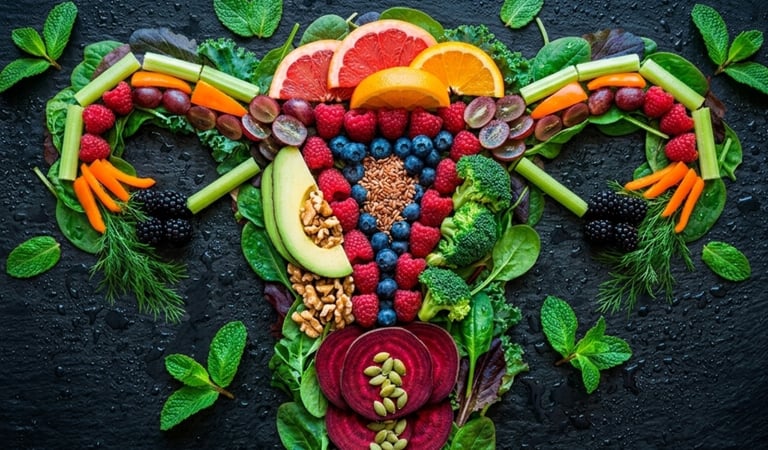

Best Foods for Uterine and Vaginal Health: What to Eat for a Healthy Reproductive System
By BiteBrightly 5 April 2026: This post might contain affiliate links.
The reproductive system is one of the most nutritionally responsive organ systems in the body — yet it is also one of the least discussed in mainstream nutrition conversations. Most women receive detailed guidance on what to eat for heart health, brain health, and gut health, but remarkably little specific, evidence-based information on how dietary choices influence the health of the uterus, the vaginal microbiome, cervical tissue, and the hormonal environment that determines reproductive function across a lifetime.
This matters for reasons that go well beyond fertility. The uterus is a highly metabolically active organ whose health affects menstrual regularity, the severity of period pain, the risk of fibroids and adenomyosis, the integrity of the endometrium, and the hormonal signaling that governs the entire reproductive cycle. The vaginal microbiome — a unique, Lactobacillus-dominant microbial ecosystem whose stability is unlike anything else in the human body — determines susceptibility to bacterial vaginosis, yeast infections, sexually transmitted infections, and cervical cancer risk. Both are profoundly shaped by what you eat.
Uterine fibroids affect 70–80% of women by age 50. Endometriosis affects approximately 10% of women of reproductive age. Bacterial vaginosis is the most common vaginal condition globally, affecting approximately 30% of women at any given time. Cervical dysplasia has clear nutritional co-factors in its development and regression. These are not rare conditions with exclusively genetic or environmental drivers — they are conditions in which dietary patterns are among the most modifiable determinants of risk, progression, and recovery.
This guide provides the specific foods, the specific mechanisms, and the practical framework for supporting the health of the uterus and vaginal microbiome through targeted nutrition.
Key Takeaways
The vaginal microbiome is uniquely Lactobacillus-dominant — unlike any other body site — and this dominance is essential for vaginal health; Lactobacillus produces lactic acid and hydrogen peroxide that maintain the acidic vaginal pH (3.8–4.5) that prevents overgrowth of pathogens including Gardnerella vaginalis (bacterial vaginosis) and Candida (yeast infections)
Dietary fiber, fermented foods, and diverse plant polyphenols are the most important dietary determinants of vaginal Lactobacillus abundance — the vaginal microbiome is seeded and maintained by gut microbiome Lactobacillus that migrates through the digestive-vaginal microbiome axis
Estrogen directly regulates vaginal epithelial glycogen production — glycogen is the food source for vaginal Lactobacillus — making the dietary factors that support healthy estrogen metabolism (cruciferous vegetables, flaxseed, fermented foods) directly relevant to vaginal microbiome health
Uterine fibroids are driven by estrogen excess and progesterone deficiency, with African-American women disproportionately affected; the dietary pattern associated with the lowest fibroid risk features high consumption of fruits, vegetables, whole grains, and dairy, with low processed meat and refined carbohydrate intake
Omega-3 fatty acids directly reduce prostaglandin E2 and F2-alpha production — the primary mediators of dysmenorrhea (painful periods) — with randomized controlled trial evidence showing omega-3 supplementation reduces menstrual pain comparably to ibuprofen
Folate is the most critical nutrient for endometrial health — inadequate folate impairs the methylation cycle that governs endometrial cell proliferation regulation, and folate deficiency is independently associated with increased endometrial cancer risk
The pH of the vaginal environment is directly influenced by diet — alkaline-promoting foods (excess refined carbohydrates, sugar, alcohol) disrupt the acid-lactic acid environment that Lactobacillus maintains; acidic foods including fermented foods and vitamin C-rich produce support vaginal pH maintenance
Understanding Uterine and Vaginal Health
The Uterine Environment
The uterus is a muscular, hormonally responsive organ whose health depends on the complex interplay of estrogen and progesterone that drives the monthly cycle of endometrial growth, maturation, and shedding. Several conditions represent disruptions of this environment:
Uterine fibroids (leiomyomas): Benign tumors of uterine smooth muscle tissue driven by estrogen and progesterone receptor overexpression. Dietary factors influencing fibroid risk include estrogen load (from dietary estrogen excess, poor estrogen clearance, and body fat-driven aromatase activity), inflammation (which drives the growth factor signaling underlying fibroid proliferation), vitamin D status (vitamin D receptor signaling directly inhibits fibroid cell proliferation), and oxidative stress (which activates the NF-kB inflammatory pathway promoting fibroid growth).
Endometriosis: Endometrial-like tissue growing outside the uterus, sustained by inflammation and estrogen. Dietary omega-3 fatty acids reduce the prostaglandin and leukotriene-mediated inflammation that drives endometriosis progression; cruciferous vegetable compounds reduce estrogen dominance that sustains the ectopic tissue; anti-inflammatory dietary patterns are consistently associated with reduced endometriosis severity in observational research.
Adenomyosis: Endometrial glands invading the uterine muscle wall, producing heavy, painful periods through the same inflammatory prostaglandin mechanisms as endometriosis.
Painful periods (dysmenorrhea): Driven primarily by prostaglandin E2 and F2-alpha overproduction in the endometrium at menstruation. The omega-6:omega-3 fatty acid ratio of the diet directly determines the prostaglandin balance — high omega-6 (from seed oils) promotes the pro-inflammatory prostaglandins of dysmenorrhea; adequate omega-3 provides the competing substrate that shifts prostaglandin production toward anti-inflammatory, anti-cramping pathways.
The Vaginal Microbiome
The vaginal microbiome is unlike any other body site — it is overwhelmingly dominated by a single bacterial genus (Lactobacillus) in healthy women, representing approximately 70–90% of all vaginal bacteria. This Lactobacillus dominance is not the microbial diversity that is valued in the gut — it is a highly specialized, functionally critical monoculture that maintains vaginal health through:
Lactic acid production: Lactobacillus ferments glycogen (provided by estrogen-stimulated vaginal epithelial cells) to lactic acid, maintaining vaginal pH at 3.8–4.5. This acidic environment is hostile to most pathogens, preventing the overgrowth of Gardnerella vaginalis, Prevotella, Mobiluncus, and other anaerobes that constitute bacterial vaginosis.
Hydrogen peroxide production: Many Lactobacillus strains (particularly L. crispatus) produce hydrogen peroxide (H2O2), which is directly bactericidal against pathogens that lack catalase enzyme (including many STI-associated bacteria and Candida at certain concentrations).
Bacteriocin production: Lactobacillus produces bacteriocins — antimicrobial peptides that specifically inhibit competing bacteria — providing additional competitive protection against pathogen overgrowth.
Mucus layer maintenance: Lactobacillus supports the integrity of the vaginal mucus layer that physically barriers the epithelium from pathogen access.
The gut-vaginal microbiome axis: The vaginal Lactobacillus community is maintained partly through migration from the gut — where Lactobacillus from fermented foods and from prebiotic fiber-supported gut microbiome composition seeds the perianal and vaginal microbiome through anatomical proximity and immune-mediated mechanisms. This gut-vaginal microbiome connection explains why dietary choices that support the gut Lactobacillus population simultaneously support vaginal microbiome health.
The 15 Best Foods for Uterine and Vaginal Health
1. Fermented Foods (Kefir, Yogurt, Kimchi, Sauerkraut)
Fermented foods are the most direct dietary intervention for vaginal Lactobacillus maintenance — seeding the gut Lactobacillus population that migrates to maintain vaginal microbiome health, and providing the probiotic strains whose activity has the most evidence for vaginal health protection.
How it works: The vaginal microbiome is directly supported by gut Lactobacillus through the gut-vaginal microbiome axis — women with higher gut Lactobacillus abundance consistently show higher vaginal Lactobacillus dominance and lower rates of bacterial vaginosis and yeast infections. Fermented foods containing live Lactobacillus cultures (kefir, yogurt, kimchi, sauerkraut, miso) seed and maintain the gut Lactobacillus population that supports this migration.
Specific Lactobacillus strains in fermented foods with evidence for vaginal health: L. rhamnosus GR-1 and L. reuteri RC-14 (the strains with the most clinical evidence for BV prevention and treatment, available in targeted probiotic supplements) are present in varying concentrations in commercial kefir and fermented dairy. More importantly, the broad Lactobacillus diversity of fermented foods supports the gut microbiome environment from which vaginal Lactobacillus is continuously replenished.
Research has confirmed that regular yogurt consumption is associated with significantly reduced bacterial vaginosis incidence — with the acidophilus culture in yogurt providing the Lactobacillus seeding that maintains vaginal pH and competitive exclusion of pathogens.
How to use it: Half to one cup of plain full-fat yogurt or kefir daily; two to four tablespoons of kimchi or sauerkraut as a condiment at meals; miso dissolved in warm water as an evening tonic. Variety across fermented food types provides the broadest Lactobacillus diversity support.
2. Broccoli and Cruciferous Vegetables
Cruciferous vegetables are the most evidence-supported dietary category for uterine fibroid prevention — with specific compounds (I3C, DIM) that directly shift estrogen metabolism toward less proliferative pathways, reducing the estrogen burden that drives fibroid and endometrial overgrowth.
How it works: I3C (indole-3-carbinol) and its metabolite DIM (diindylmethane) from cruciferous vegetables upregulate CYP1A2 enzyme in the liver, shifting estrogen hydroxylation toward the 2-OH estrone pathway (protective, anti-proliferative) and away from 16-OH estrone (potently estrogenic, associated with fibroid and endometrial proliferation). This shift in the 2-OH:16-OH estrogen metabolite ratio directly reduces the net estrogenic stimulus at uterine tissue — the primary driver of fibroid growth.
A prospective study published in the American Journal of Clinical Nutrition found that fruit and vegetable consumption was associated with significantly reduced uterine fibroid risk — with cruciferous vegetables showing the most potent association among vegetable subgroups, consistent with the I3C/DIM estrogen metabolism mechanism.
DIM additionally has direct anti-fibrotic effects in uterine smooth muscle cells — inhibiting TGF-beta/Smad3 signaling (the primary pro-fibrotic cytokine driving fibroid extracellular matrix accumulation) and reducing fibroid cell proliferation through estrogen receptor modulation.
Sulforaphane from broccoli activates Nrf2, reducing the oxidative stress that activates NF-kB in uterine tissue — NF-kB drives the inflammatory growth factor signaling (EGF, IGF-1, PDGF) that sustains fibroid proliferation.
How to use it: One to two cups of cruciferous vegetables daily — broccoli lightly steamed with mustard powder (maximum sulforaphane), Brussels sprouts roasted in olive oil, kale sautéed with garlic, raw cabbage in salads. Raw or lightly cooked to preserve myrosinase for optimal I3C production.
3. Ground Flaxseed
Ground flaxseed is the most important dietary phytoestrogen for uterine and vaginal health — providing SDG lignans that are converted by gut bacteria to enterolignans with adaptive estrogen receptor modulation, supporting healthy estrogen balance while providing the soluble fiber that feeds the gut microbiome supporting vaginal Lactobacillus.
How it works: Flaxseed enterolignans bind estrogen receptors with approximately 1/1,000th the affinity of endogenous estradiol — providing adaptive estrogen receptor occupancy that reduces the net estrogenic stimulus at uterine tissue without the proliferative effects of full estrogen agonism. In estrogen-dominant states (associated with fibroids, endometriosis, and heavy periods), this competitive weak receptor binding moderates the excess estrogen signaling driving uterine tissue proliferation.
The soluble fiber in flaxseed (both mucilaginous fiber and the lignans themselves) feeds the estrobolome gut bacteria responsible for estrogen clearance and the Lactobacillus population supporting vaginal microbiome health simultaneously — making flaxseed a dual-action uterine and vaginal health food.
Research specifically on flaxseed and uterine fibroid growth has shown that flaxseed lignan supplementation inhibited fibroid cell proliferation in vitro and reduced fibroid growth in animal models — with the SDG lignan mechanism providing both direct anti-proliferative effects and estrogen receptor modulation as the dual mechanistic basis.
The ALA omega-3 in flaxseed (4.3g per 2 tablespoons) reduces the prostaglandin E2 overproduction driving dysmenorrhea and endometrial inflammation — providing additional uterine health benefits through the anti-inflammatory pathway.
How to use it: Two tablespoons of ground flaxseed daily — must be ground for SDG lignan bioavailability (whole flaxseeds pass largely undigested), stored in the refrigerator. In overnight oats, smoothies, yogurt, or sprinkled over salads.
4. Wild Salmon and Omega-3-Rich Fish
Omega-3 fatty acids are the most evidence-supported dietary intervention for period pain — with randomized controlled trial evidence showing omega-3 supplementation reduces dysmenorrhea comparably to ibuprofen through direct prostaglandin pathway modulation.
How it works: Prostaglandin E2 (PGE2) and prostaglandin F2-alpha (PGF2α) are the primary mediators of menstrual cramping — they cause myometrial (uterine muscle) contraction, uterine ischemia, and sensitization of pain receptors that produce the cramps, nausea, and referred pain of dysmenorrhea. Arachidonic acid (omega-6) is the primary substrate for PGE2 and PGF2α production via COX-2 enzyme.
EPA (eicosapentaenoic acid) from omega-3-rich fish competes with arachidonic acid for COX-2 binding and produces the 3-series prostaglandins (PGE3, PGF3α) — which have dramatically lower potency at uterine prostaglandin receptors than the 2-series prostaglandins from arachidonic acid. By providing the competing substrate, dietary omega-3 shifts prostaglandin production toward the less contractile 3-series, reducing the intensity of myometrial contractions and uterine ischemia that produce period pain.
A randomized crossover trial published in the European Journal of Clinical Nutrition found that fish oil supplementation (providing approximately 1.5g EPA daily) significantly reduced dysmenorrhea pain scores and rescue ibuprofen use compared to placebo — with the prostaglandin competition mechanism confirmed by urinary prostaglandin metabolite analysis.
EPA and DHA additionally reduce the prostaglandin-driven inflammation of endometriosis — multiple observational studies and mechanistic research has established omega-3 fatty acid status as inversely associated with endometriosis risk and progression — with the leukotriene and prostaglandin-reducing effects of omega-3 providing direct anti-inflammatory protection in ectopic endometrial tissue.
How to use it: Two to three servings of wild-caught fatty fish weekly — wild salmon, sardines (highest EPA per calorie), mackerel, herring. Begin increasing omega-3 intake several weeks before the anticipated menstrual period for maximum prostaglandin-modulating effect (the membrane fatty acid composition that determines prostaglandin substrate availability changes over weeks of dietary modification, not days).
5. Leafy Greens (Spinach, Kale, Swiss Chard, Collard Greens)
Dark leafy greens provide the folate, magnesium, iron, and vitamin K that constitute the most important micronutrient package for uterine health — supporting the methylation cycle that regulates endometrial cell proliferation, the hemoglobin production that compensates for menstrual blood loss, and the anti-inflammatory environment that protects against fibroid proliferation.
How it works: Folate — present at high concentrations in dark leafy greens (cooked spinach provides 262mcg per cup, collard greens 177mcg per cup) — is the most important single nutrient for endometrial health. The endometrium is one of the most rapidly proliferating tissues in the body — regenerating its entire lining monthly — and this rapid proliferation requires robust folate-dependent DNA replication and repair. Folate deficiency impairs the fidelity of DNA replication in endometrial cells, increasing the risk of the methylation errors and DNA damage that underlie endometrial pathology.
Magnesium from leafy greens (cooked spinach: 157mg per cup) directly relaxes uterine smooth muscle through calcium channel modulation — providing the same mechanism as pharmaceutical magnesium supplementation for menstrual cramp reduction, but through dietary sources. Magnesium deficiency is independently associated with more severe dysmenorrhea and more intense premenstrual symptoms.
Iron from leafy greens addresses the iron deficiency that is both a consequence of heavy menstrual bleeding (common with fibroids and endometriosis) and, through iron-deficiency anemia, a driver of the fatigue and reduced quality of life associated with these conditions.
Vitamin K from leafy greens activates matrix Gla protein (MGP) in uterine tissue — one of the natural regulators of the calcification and mineralization processes that can accompany uterine fibroid development.
How to use it: Two to three cups of diverse dark leafy greens daily — always with a vitamin C source for maximum iron absorption (lemon on spinach, tomatoes with kale), always with healthy fat for fat-soluble vitamin K absorption (olive oil dressing on salads, olive oil for sautéing).
6. Pumpkin Seeds and Zinc-Rich Foods
Zinc is the most specifically uterine-relevant mineral — directly required for progesterone receptor expression, for the immune surveillance that clears endometrial pathogens, and for the wound healing and tissue remodeling that occurs in the endometrium monthly.
How it works: Progesterone receptors in the endometrium require zinc as a structural cofactor — without adequate zinc, progesterone receptor expression is reduced, meaning that even adequate progesterone levels cannot fully signal through their receptors. This functional progesterone deficiency from zinc insufficiency contributes to the estrogen-progesterone imbalance characteristic of fibroid-promoting hormonal environments, heavy periods, and uterine lining irregularities.
Zinc is also a required cofactor for the immune cells (natural killer cells, neutrophils) that perform the monthly immune surveillance of the endometrium — clearing dead tissue, preventing the bacterial colonization that can lead to endometritis, and regulating the implantation window environment.
The anti-inflammatory effects of zinc — through its inhibition of NF-kB and reduction of the pro-inflammatory prostaglandins — directly reduce the menstrual cramping and endometrial inflammation that drive dysmenorrhea and endometriosis.
Research has found zinc deficiency significantly more prevalent in women with primary dysmenorrhea and endometriosis compared to healthy controls — establishing zinc status as a clinically relevant determinant of uterine inflammatory conditions.
Pumpkin seeds provide 2.2mg of zinc per ounce — the most zinc-dense seed available — alongside the magnesium, ALA omega-3, and tryptophan that complement zinc's uterine health benefits. Other excellent zinc sources: oysters (highest zinc of any food), lean beef (heme iron + zinc combination ideal for women with heavy periods), legumes (zinc + prebiotic fiber for gut-vaginal microbiome support).
How to use it: Two tablespoons of pumpkin seeds daily in overnight oats, salads, or as a standalone snack. Combined with a vitamin C source for zinc bioavailability enhancement (vitamin C reduces the phytate-zinc binding that limits seed zinc absorption).
7. Berries (Blueberries, Raspberries, Strawberries)
Berries provide the highest dietary concentrations of vitamin C alongside anthocyanins and ellagic acid with specific anti-proliferative effects in uterine smooth muscle and protective effects against the oxidative stress driving endometrial pathology.
How it works: Vitamin C is a required cofactor for collagen synthesis in the uterine wall and the vaginal epithelium — maintaining the structural integrity of these tissues and supporting the healing of microscopic trauma. In the context of uterine fibroids, where excessive collagen deposition in a disorganized matrix constitutes the fibroid's fibrous bulk, adequate dietary vitamin C supports normal collagen regulation rather than the dysregulated collagen accumulation of fibroid growth.
Ellagic acid from raspberries and strawberries has demonstrated direct inhibitory effects on fibroid cell proliferation in cell culture research — inhibiting the IGF-1 and estrogen receptor signaling pathways that drive fibroid smooth muscle cell growth.
Anthocyanins from blueberries directly inhibit aromatase — the enzyme in adipose tissue that converts androgens to estrogens, contributing to the peripheral estrogen excess that drives fibroid and endometrial overgrowth. This aromatase inhibition from dietary berries provides a food-based mechanism for reducing the peripheral estrogen production that sustains uterine fibroids and endometriosis.
Vitamin C from berries supports the absorption of non-heme iron from leafy greens and legumes — directly relevant to the iron status of women with heavy menstrual bleeding who depend on dietary iron to compensate for monthly blood losses.
How to use it: One cup of mixed berries daily — in yogurt or kefir (combining berry anti-inflammatory phytochemicals with Lactobacillus vaginal support), in overnight oats with ground flaxseed (triple anti-estrogen excess stack: berries + flaxseed lignans + beta-glucan glucose stability), or as a standalone snack.
8. Chickpeas, Lentils, and Legumes
Legumes are the most important dietary category for the combined goal of uterine health and vaginal microbiome support — providing prebiotic fiber for the gut-vaginal Lactobacillus axis, phytoestrogenic isoflavones for estrogen balance, folate for endometrial methylation support, and the stable postprandial glucose that prevents the insulin-driven hormonal disruption of uterine health.
How it works: The galactooligosaccharides (GOS) in legumes selectively feed Bifidobacterium and Lactobacillus in the gut — directly supporting the gut Lactobacillus population that maintains vaginal microbiome health through the gut-vaginal microbiome axis. This prebiotic fiber is the most important dietary driver of vaginal Lactobacillus abundance, operating through the gut microbiome rather than through direct vaginal application.
Chickpea isoflavones (biochanin A and formononetin) and lentil phytoestrogens provide weak estrogen receptor binding that moderates estrogen dominance at uterine tissue — the same adaptive estrogen modulation mechanism as flaxseed lignans, providing a complementary dietary phytoestrogen source for comprehensive uterine estrogen balance.
Resistant starch from legumes produces butyrate during colonic fermentation — butyrate has documented anti-proliferative effects in endometrial cells, inhibiting the HDAC enzymes that allow oncogene expression and promoting the differentiation and apoptosis of abnormally proliferating endometrial cells.
How to use it: One to two cups of cooked legumes daily as a protein and carbohydrate source — lentil soup with leafy greens and turmeric (prebiotic fiber + folate + anti-inflammatory curcumin), chickpea salad with olive oil and lemon, black bean tacos with avocado and fermented salsa.
9. Turmeric (with Black Pepper)
Turmeric's curcumin is the most studied anti-inflammatory compound for endometriosis and uterine fibroid management — with specific evidence for inhibiting the NF-kB and TGF-beta signaling pathways that drive both conditions.
How it works: Endometriosis and uterine fibroids share a common inflammatory pathogenesis — both are sustained by chronic NF-kB-driven inflammatory signaling that promotes estrogen production (through aromatase upregulation), growth factor secretion (IGF-1, PDGF, EGF), and anti-apoptotic gene expression (BCL-2) in affected tissue. Curcumin inhibits NF-kB at multiple signaling nodes, directly opposing this inflammatory maintenance of both conditions.
In uterine fibroid-specific research, curcumin has demonstrated direct inhibition of fibroid cell proliferation through: reduction of IGF-1 receptor signaling (a primary fibroid mitogen), inhibition of TGF-beta/Smad3 pro-fibrotic signaling (reducing fibroid collagen deposition), and activation of apoptosis in fibroid cells while sparing normal myometrial cells.
For endometriosis, curcumin reduces the inflammatory prostaglandins (through COX-2 inhibition), the estrogen production (through direct aromatase inhibition in ectopic tissue), and the adhesion molecule expression (VCAM-1, ICAM-1) that allows endometrial cells to implant and grow at ectopic sites.
Curcumin additionally has direct anti-Candida activity — relevant to vaginal health in that its broad antifungal properties, when delivered to vaginal tissue through systemic absorption, may contribute modest additional protection against candidal overgrowth.
How to use it: Half to one teaspoon of ground turmeric daily with a pinch of black pepper (piperine increases curcumin bioavailability 2,000%) and a fat source — in golden milk, scrambled eggs, soups, and curries. The anti-endometriosis dietary protocol should include daily turmeric alongside the omega-3, cruciferous vegetables, and flaxseed described in this guide.
10. Avocado
Avocado provides the monounsaturated fats, vitamin E, and potassium that support the hormonal environment of uterine health — particularly through the steroid hormone synthesis substrate and the anti-inflammatory membrane fatty acid effects that reduce the prostaglandin overproduction driving uterine conditions.
How it works: All steroid hormones are synthesized from cholesterol — and the balance of progesterone relative to estrogen at uterine tissue is one of the most important hormonal determinants of uterine health. The cholesterol precursor in avocado (and dietary fat generally) supports progesterone synthesis through adequate steroidogenic substrate availability. The monounsaturated oleic acid from avocado supports the cell membrane composition of uterine cells that determines prostaglandin substrate availability and inflammatory signaling receptor efficiency.
Vitamin E from avocado (2.9mg per half fruit) is a required antioxidant in uterine tissue — protecting the endometrial cells from the oxidative stress associated with the ischemia-reperfusion cycle of menstruation and from the mitochondrial ROS that drives the oxidative component of endometriosis progression.
Glutathione from avocado (one of the highest whole-food dietary sources) supports the liver Phase II detoxification of estrogen metabolites — reducing the accumulation of the 4-OH estrone metabolites that produce DNA damage in uterine tissue. The glutathione support for estrogen detoxification complements the cruciferous vegetable Phase I support described earlier, providing a complete dietary estrogen metabolism support stack when both foods are consumed regularly.
How to use it: Half to one avocado daily — in meals that also include leafy greens (fat improves fat-soluble vitamin K absorption from greens), alongside salmon or sardines (combining avocado's vitamin E with fatty fish's anti-inflammatory EPA), or in the morning alongside eggs.
11. Garlic and Onions
Garlic and onions provide the most potent dietary antimicrobial compounds relevant to vaginal health — allicin from garlic with direct anti-Candida and anti-bacterial vaginosis activity, and quercetin from onions with specific anti-inflammatory and aromatase-inhibitory effects relevant to both vaginal and uterine health.
How it works: Allicin — produced when garlic is crushed or chopped — has well-documented antifungal activity against Candida albicans (the primary cause of vaginal yeast infections), working through its thiol-reactive properties that disrupt fungal cell membrane integrity. Regular dietary garlic consumption maintains allicin blood and tissue levels that provide systemic antifungal activity — relevant to the candidal overgrowth that produces recurrent vaginal yeast infections.
Research has confirmed that garlic extract inhibits Candida biofilm formation — the adherent Candida communities that make recurrent yeast infections particularly resistant to treatment — and reduces Candida virulence factor expression, providing a dietary mechanism for reducing the severity and recurrence of vaginal candidiasis.
Quercetin from red onions directly inhibits aromatase — the enzyme converting androgens to estrogens in adipose tissue, contributing to the peripheral estrogen excess that drives uterine fibroids and endometriosis. This aromatase inhibition from dietary quercetin complements the I3C/DIM mechanism from cruciferous vegetables and the ellagic acid from berries for comprehensive dietary estrogen excess management.
Garlic's prebiotic fructooligosaccharides (FOS) feed the Lactobacillus and Bifidobacterium gut microbiome populations that support vaginal microbiome health — making garlic a dual-action food for both vaginal antimicrobial protection and vaginal microbiome support.
How to use it: Three to five cloves of fresh garlic daily in cooking (crush and rest 10 minutes before cooking for maximum allicin formation); generous amounts of raw red onion in salads and salsas (maximum quercetin bioavailability); both integrated into the regular culinary pattern rather than as supplements.
12. Vitamin D-Rich Foods (Eggs, Mushrooms, Fatty Fish)
Vitamin D has the most specific and mechanistically well-characterized evidence for uterine fibroid prevention of any dietary nutrient — with vitamin D receptor signaling in uterine smooth muscle cells directly inhibiting fibroid cell proliferation and promoting fibroid cell apoptosis.
How it works: Uterine fibroid cells express vitamin D receptors (VDR) at high density. When vitamin D binds its receptor in fibroid cells, it activates gene expression programs that: directly inhibit fibroid cell proliferation (through CDK inhibitor upregulation reducing cell cycle progression), reduce fibroid cell fibronectin and collagen synthesis (reducing the fibrous matrix that constitutes the bulk of fibroid tissue), promote fibroid cell apoptosis (through Bcl-2 downregulation and caspase activation), and inhibit the estrogen signaling that drives fibroid growth (through reduction of estrogen receptor alpha expression).
Multiple large epidemiological studies have found vitamin D deficiency significantly associated with increased uterine fibroid risk — with the association particularly strong in African-American women, who have both the highest rates of fibroids and the highest rates of vitamin D deficiency (from melanin's reduction of cutaneous vitamin D synthesis). The mechanistic VDR-fibroid biology provides the causal explanation for this observational association.
Vitamin D additionally regulates the estrobolome through its effects on gut microbiome composition — vitamin D deficiency is associated with gut microbiome dysbiosis that increases beta-glucuronidase activity and estrogen reabsorption, compounding the estrogen excess that drives fibroids.
Dietary vitamin D sources: pasture-raised egg yolks (80–120 IU per yolk), wild salmon (570–1,000 IU per 3oz serving, the highest dietary source), UV-exposed mushrooms (portobello mushrooms left gill-side up in sunlight for 30 minutes produce substantial vitamin D2). Most women require supplemental vitamin D in addition to dietary sources to achieve optimal 25-OH vitamin D levels (50–80 ng/mL) for uterine protection — discuss with your healthcare provider.
How to use it: Two to three pasture-raised eggs daily, two to three servings of wild fatty fish weekly, UV-exposed mushrooms when available. Combine vitamin D-rich foods with dietary fat (avocado, olive oil, nuts) for maximum absorption of this fat-soluble vitamin.
13. Whole Grains (Oats, Quinoa, Brown Rice, Rye)
Whole grains provide the dietary fiber that is the most important nutritional determinant of vaginal Lactobacillus abundance — through the prebiotic fiber that feeds gut Lactobacillus, and through the blood glucose stability that prevents the sugar-feeding of vaginal Candida overgrowth.
How it works: The soluble fiber in whole grains (beta-glucan from oats, arabinoxylan from rye, diverse fiber from quinoa) selectively feeds Lactobacillus and Bifidobacterium in the gut through prebiotic fermentation — maintaining the gut Lactobacillus abundance that seeds vaginal Lactobacillus through the gut-vaginal microbiome axis. This is the foundational dietary mechanism for vaginal microbiome health maintenance — not through direct vaginal application of probiotics, but through the gut microbiome diversity and Lactobacillus abundance that supports vaginal Lactobacillus through the anatomical and immunological connection between the two sites.
Blood glucose stability from low-glycemic whole grains prevents the hyperglycemic episodes that feed Candida overgrowth. Vaginal candidiasis has a clear hyperglycemia association — women with poorly controlled diabetes have dramatically higher rates of recurrent vaginal yeast infections, because the elevated glucose in vaginal secretions provides the sugar substrate for Candida proliferation. Even subclinical blood glucose instability from high-glycemic eating can elevate vaginal glucose concentrations sufficiently to promote Candida overgrowth in susceptible women.
The B vitamins in whole grains (particularly B6, niacin, and folate) support the methylation cycle that governs endometrial cell proliferation regulation — complementing the folate from leafy greens for comprehensive endometrial methylation support.
How to use it: Whole grains at each meal as the primary carbohydrate source — overnight oats for breakfast (beta-glucan for prebiotic Lactobacillus support + blood glucose stability), rye bread as a bread alternative (the lowest glycemic index grain bread, high in arabinoxylan prebiotic fiber), quinoa as a dinner grain (complete protein + diverse micronutrients).
14. Pomegranate
Pomegranate provides the most concentrated dietary source of ellagitannins with direct anti-fibroid and anti-endometriosis properties — through aromatase inhibition in uterine tissue and through the urolithin A production that reduces the oxidative stress driving uterine pathology.
How it works: Punicalagin and ellagic acid from pomegranate directly inhibit aromatase (CYP19A1) in uterine and adipose tissue — reducing the local conversion of androgens to estrogens that sustains fibroid and endometriosis growth. This aromatase inhibition from pomegranate is the same enzymatic target as pharmaceutical aromatase inhibitors used in endometriosis treatment (letrozole, anastrozole) — though at dietary doses the effect is dose-dependent and accumulative rather than pharmacological.
Pomegranate polyphenols additionally inhibit NFκB and VEGF (vascular endothelial growth factor) in fibroid cells — VEGF is the primary angiogenic factor sustaining the blood supply that fibroids require for growth; its inhibition represents a specific anti-fibroid vascular mechanism.
Urolithin A produced from pomegranate ellagitannins by gut bacteria activates mitophagy in uterine cells — removing the dysfunctional mitochondria that accumulate in fibroid tissue and contribute to the oxidative stress and impaired cellular energy metabolism of fibroid cells.
How to use it: Quarter cup of pure pomegranate juice (100%, not from concentrate) in sparkling water as a daily polyphenol delivery format; fresh pomegranate arils on yogurt or in salads; pomegranate molasses as a condiment on grain bowls.
15. Water and Hydrating Foods (Cucumber, Celery, Watermelon)
Adequate hydration is the most fundamental dietary requirement for vaginal health — maintaining the vaginal secretion volume and composition that supports Lactobacillus habitat, vaginal self-cleaning, and the physical removal of pathogens before they can establish infection.
How it works: Vaginal secretions — produced by the Bartholin glands, Skene glands, and cervical glands — maintain the moist vaginal environment required for Lactobacillus survival and for the physical flushing of the vaginal canal. Chronic dehydration reduces secretion volume, increasing vaginal dryness (which disrupts the Lactobacillus habitat), reducing the physical removal mechanism for pathogens, and potentially increasing the concentration of solutes in vaginal fluid in ways that affect vaginal pH balance.
Adequate hydration supports urinary tract health — directly relevant to vaginal health because urinary tract infections (UTIs) frequently co-occur with and sometimes predispose to bacterial vaginosis and recurrent yeast infections through shared anatomical proximity and immune-microbial mechanisms.
High-water-content vegetables and fruits (cucumber, watermelon, celery, zucchini) contribute to total fluid intake while providing additional nutrients — cucumber's silica supports vaginal epithelial tissue integrity, watermelon's L-citrulline improves pelvic blood flow (relevant to vaginal lubrication and uterine circulation), and celery's phthalides have mild diuretic effects supporting urinary tract health.
How to use it: The target is approximately 2–2.5 liters of total fluid daily from water, herbal teas, and water-rich foods — with vaginal health specifically benefiting from consistent hydration throughout the day rather than large infrequent water intakes. Herbal teas with specific reproductive health benefits — raspberry leaf (traditionally used for uterine tone), ginger tea (anti-inflammatory for period pain), chamomile (uterine muscle relaxation) — provide hydration alongside targeted phytochemical delivery.
Foods and Habits That Harm Uterine and Vaginal Health
Refined Sugar and High-Glycemic Foods
Sugar directly feeds Candida overgrowth — Candida albicans requires glucose for growth, virulence factor production, and biofilm formation. High dietary sugar intake elevates blood glucose and vaginal glucose concentrations, providing the substrate that supports the transition of Candida from its normal commensal yeast form to its pathogenic hyphal form. Women with recurrent vaginal yeast infections are frequently unaware of the dietary sugar connection — reducing refined sugar, sugary drinks, and high-glycemic processed foods is among the most impactful dietary changes for breaking the cycle of recurrent candidiasis.
Processed Meat and Conventional Red Meat
Studies have found regular processed meat consumption associated with significantly elevated uterine fibroid risk — through multiple mechanisms including the pro-inflammatory AGEs and nitrosamines in processed meat, the hormone residues in conventionally raised meat, and the omega-6-dominant fatty acid profile of grain-fed conventional meat that drives the prostaglandin imbalance underlying uterine inflammatory conditions.
Alcohol
Alcohol inhibits the liver's Phase II estrogen detoxification enzymes, directly increases aromatase activity in adipose tissue (increasing peripheral estrogen production), and disrupts the gut microbiome in ways that reduce the Lactobacillus abundance supporting vaginal health. For women managing fibroid growth, endometriosis, or recurrent vaginal infections, reducing or eliminating alcohol is among the most impactful dietary interventions available.
Douching and Scented Products (Dietary Context)
While not dietary, the practice of vaginal douching is the most direct way to disrupt the vaginal Lactobacillus ecosystem — washing away the Lactobacillus community whose lactic acid and hydrogen peroxide production protects vaginal health. The dietary strategy for vaginal health is the opposite of douching: feeding the internal microbiome that self-maintains vaginal health from the inside.
Frequently Asked Questions
Can diet help with bacterial vaginosis?
Diet can meaningfully reduce the risk and recurrence of bacterial vaginosis (BV) by supporting the vaginal Lactobacillus ecosystem that prevents BV pathogen overgrowth. The dietary strategies most relevant to BV prevention: daily fermented food consumption for gut Lactobacillus support, diverse prebiotic fiber from legumes, whole grains, and vegetables for microbiome diversity, reducing refined sugar and alcohol that disrupt vaginal microbiome balance, and maintaining dietary vitamin C and vitamin D status which support immune and epithelial defense mechanisms. BV that is already established requires antibiotic treatment (metronidazole or clindamycin as prescribed) — dietary strategies are preventive and recurrence-reducing rather than acutely curative. Discuss treatment with your gynecologist.
What foods reduce period pain?
The most evidence-supported dietary interventions for dysmenorrhea: omega-3 fatty acids from fatty fish (two to three servings weekly, ideally beginning two to three weeks before the menstrual period to allow membrane fatty acid composition to shift); dietary magnesium from leafy greens, pumpkin seeds, and dark chocolate (reduces uterine smooth muscle spasm through calcium channel modulation); vitamin E from avocado, almonds, and sunflower seeds (reduces PGE2 production in endometrial tissue); dietary ginger (inhibits both COX-1/2 and 5-LOX, reducing prostaglandin and leukotriene production — randomized trials show ginger powder reduces period pain comparably to ibuprofen in some studies); and reducing omega-6-dominant vegetable oils (replacing seed oils with EVOO reduces the arachidonic acid substrate for pro-inflammatory prostaglandin production).
Is there a connection between diet and uterine fibroids?
Yes — substantial observational evidence and mechanistic research support dietary modification as a meaningful component of fibroid risk management, though diet alone cannot eliminate existing fibroids. The dietary patterns associated with lowest fibroid risk: high fruit and vegetable consumption (particularly cruciferous vegetables and leafy greens), adequate vitamin D from food and sun, sufficient dairy consumption (calcium and vitamin D from dairy are independently associated with reduced fibroid risk), whole grains, legumes, and adequate hydration. The dietary patterns associated with highest fibroid risk: high processed meat, refined carbohydrate, and added sugar consumption, low vitamin D status, excess alcohol, and high conventional meat intake. For women with diagnosed fibroids, dietary modification is a supportive strategy that complements medical management — discuss with your gynecologist.
Can diet affect vaginal pH?
Yes — several dietary patterns have documented effects on vaginal pH. High dietary sugar and refined carbohydrate intake is associated with elevated vaginal pH (less acidic, more hospitable to pathogens) through elevated vaginal glucose concentrations and disrupted vaginal Lactobacillus balance. Alcohol alkalinizes vaginal secretions through its metabolic effects. Conversely, dietary patterns rich in fermented foods, vitamin C, and diverse plant fiber support the Lactobacillus abundance that produces the lactic acid maintaining vaginal pH at the protective 3.8–4.5 range.
References and Further Reading
Wise LA et al. — American Journal of Epidemiology (2007) — Intake of fruit, vegetables, and carotenoids in relation to risk of uterine leiomyomata Prospective cohort study establishing the association between fruit and vegetable consumption and uterine fibroid risk in the Black Women's Health Study — confirming that women with highest fruit and vegetable intake had significantly reduced fibroid incidence, with cruciferous vegetables and vitamin A-rich produce showing the strongest protective associations.
Parazzini F et al. — Human Reproduction Update (2004) — Diet and endometriosis risk: a literature review Systematic review of dietary determinants of endometriosis risk and progression — establishing omega-3 fatty acid sufficiency as inversely associated with endometriosis risk, processed meat consumption as positively associated, and anti-inflammatory dietary patterns as the overall framework for dietary endometriosis management.
Macklaim JM et al. — Environmental Microbiology (2015) — Changes in vaginal microbiota following antimicrobial therapy for bacterial vaginosis Research establishing the dietary and microbiome determinants of vaginal Lactobacillus restoration following BV treatment — confirming that dietary fiber intake and fermented food consumption are primary determinants of the speed and completeness of vaginal Lactobacillus re-establishment, with implications for recurrence prevention.
Baird DD et al. — Epidemiology (2013) — Vitamin D and the risk of uterine fibroids Prospective data from the NIEHS Uterine Fibroid Study confirming the inverse association between vitamin D status and uterine fibroid risk — establishing vitamin D receptor signaling in uterine smooth muscle as the mechanistic basis for the protection, with the association strongest in African-American women who have both the highest fibroid prevalence and the highest vitamin D deficiency rates.
About the Author
Judith Tsanga is an Applied Biosciences & Biotechnology graduate with an Advanced Level qualification in Food Science, and the founder of BiteBrightly. Her passion for food as medicine began with her own experience: after making targeted dietary changes, she noticed a meaningful improvement in her eyesight — a personal transformation that inspired her mission to share evidence-based nutrition insights that help others eat well and heal boldly. Content on BiteBrightly is for educational purposes and isn't a substitute for advice from your doctor or dietitian.
Follow on Pinterest for daily health tips, recipes, and wellness inspiration.
Important Notice: The information in this article is for educational purposes only and is not intended as medical advice. I am not a medical doctor, registered dietitian, gynecologist, or women's health specialist. Uterine fibroids, endometriosis, bacterial vaginosis, vaginal yeast infections, and other reproductive health conditions require professional medical evaluation and management. Dietary changes described in this guide are supportive strategies and do not replace medical treatment. Women experiencing heavy menstrual bleeding, pelvic pain, unusual vaginal discharge, or other gynecological symptoms should seek prompt medical evaluation. Established bacterial vaginosis and vaginal yeast infections require medical treatment — dietary changes support prevention and reduce recurrence but do not substitute for appropriate antimicrobial therapy when infection is present. These statements have not been evaluated by the FDA.
Related posts
Connect
Join our newsletter for fresh health tips
© 2026. All rights reserved.