Top Vegetables That Help Control Diabetes Naturally
Broccoli sulforaphane inhibits gluconeogenesis like metformin. Bitter melon = plant insulin. 15 vegetables, GLUT4 science, HbA1c evidence. Control blood sugar naturally.
by bitebrightly
3/26/202618 min read
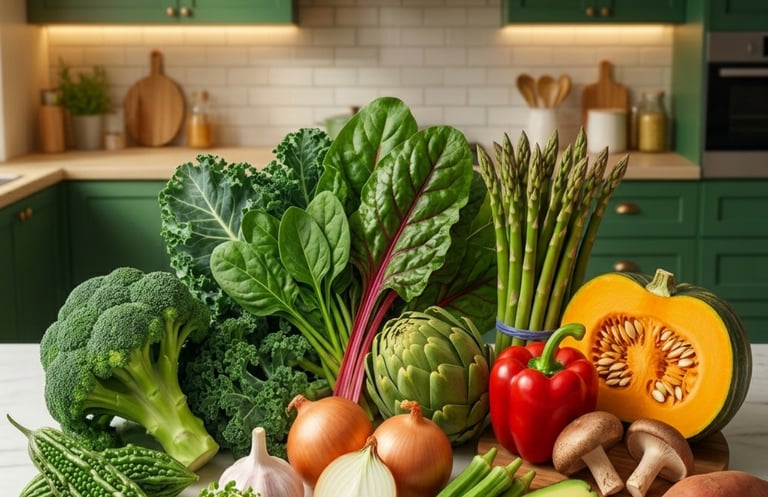

Top Vegetables That Help Control Diabetes Naturally
By BiteBrightly 26 March 2026: This post might contain affiliate links.
Blood glucose management is not simply about avoiding sugar. It is about understanding the intricate metabolic machinery that determines how your body processes, stores, and responds to glucose — and then making food choices that support rather than overwhelm that machinery. For the 537 million adults living with diabetes globally, and the estimated 541 million with prediabetes who are on a trajectory toward it, the quality and composition of daily food choices represents the most powerful modifiable variable in disease progression, complication risk, and quality of life.
Vegetables are the most important food category in this picture. Not because of what they lack — though low-glycemic, high-fiber vegetables do not spike blood glucose the way refined carbohydrates do — but because of what they actively provide. Specific vegetables contain compounds that work as insulin sensitizers, that directly inhibit the enzymes responsible for postprandial glucose spikes, that reduce the chronic inflammation that drives insulin resistance, that support the gut microbiome whose signals regulate glucose metabolism, and that provide the micronutrients — magnesium, chromium, zinc, alpha-lipoic acid — that are specifically required for insulin receptor function and glucose transporter activity.
Type 2 diabetes is fundamentally a disease of impaired insulin signaling — cells that have become resistant to insulin's message to take up and store glucose. This insulin resistance develops over years of inflammatory, high-glycemic eating patterns that progressively impair the tyrosine kinase activity of insulin receptors, reduce the expression of GLUT4 glucose transporters, dysregulate the AMPK energy-sensing pathway, and drive the mitochondrial dysfunction in muscle and liver that underlies the metabolic inflexibility characteristic of type 2 diabetes.
The fifteen vegetables in this guide address these mechanisms at their root. This is not about replacing medication or ignoring medical advice. It is about understanding, at a mechanistic level, what the most powerful dietary tools for glucose control actually are and why they work.
Key Takeaways
Dietary fiber from vegetables is the most important single nutritional variable for blood glucose control — viscous soluble fiber slows gastric emptying, reduces postprandial glucose absorption, and feeds the gut bacteria whose butyrate production improves insulin sensitivity
Bitter melon contains polypeptide-p (plant insulin) and charantin — compounds that activate GLUT4 glucose transporters and stimulate pancreatic insulin secretion through mechanisms directly comparable to pharmaceutical agents
Broccoli's sulforaphane activates the Nrf2 pathway and directly inhibits gluconeogenesis in liver cells — reducing fasting glucose through the same mechanism as metformin but through a food-based pathway
Chromium from broccoli (the highest dietary source) potentiates insulin receptor signaling — chromium supplementation has demonstrated significant HbA1c reductions in multiple RCTs
The non-starchy vegetable pattern — prioritizing leafy greens, cruciferous vegetables, alliums, and legumes — is the most consistently associated dietary pattern with reduced type 2 diabetes incidence
Polyphenols in onions (quercetin), artichokes (cynarin), and garlic (allicin) directly inhibit alpha-glucosidase — the intestinal enzyme that breaks down complex carbohydrates to glucose — blunting postprandial glucose absorption
Magnesium deficiency — present in approximately 25–38% of people with type 2 diabetes — directly impairs insulin receptor tyrosine kinase activity; dark leafy greens are the most important dietary magnesium source
The Metabolic Science of Diabetes and Vegetables
Insulin Resistance: The Root Mechanism
Type 2 diabetes begins with insulin resistance. When insulin binds to its receptor on muscle, liver, and fat cells, it initiates a signaling cascade: insulin receptor tyrosine kinase autophosphorylation → IRS-1/2 → PI3K → Akt/PKB → GLUT4 translocation to the cell membrane. GLUT4 is the glucose transporter that physically moves glucose from the bloodstream into cells.
In insulin-resistant states, this cascade is impaired at multiple points: serine phosphorylation of IRS-1 (driven by inflammatory signals including TNF-alpha and IL-6 from visceral fat and ceramide from saturated fatty acid metabolism) blocks the insulin signal; reduced Akt phosphorylation prevents GLUT4 translocation; and mitochondrial dysfunction in muscle reduces oxidative capacity for glucose utilization. The chronic hyperglycemia that results from impaired glucose uptake further impairs insulin signaling through glucotoxicity — creating a self-perpetuating cycle.
Vegetables interrupt this cycle at multiple points: anti-inflammatory polyphenols reduce the TNF-alpha and IL-6 that impair IRS-1 signaling; magnesium is required for insulin receptor tyrosine kinase activity; sulforaphane and other phytochemicals activate AMPK (the cellular energy sensor that improves glucose uptake independently of insulin); and dietary fiber reduces postprandial glucose peaks that drive glucotoxicity.
The Glycemic Load Framework
Not all vegetables are metabolically equivalent. Non-starchy vegetables (leafy greens, cruciferous vegetables, cucumbers, peppers, mushrooms, onions, garlic) have glycemic loads below 5 per serving — essentially negligible glucose impact. Moderately starchy vegetables (carrots, beets, sweet corn, peas) have glycemic loads of 5–10 per serving — manageable when portion-controlled. Starchy vegetables (white potato, parsnip, winter squash) require more careful management.
The fifteen vegetables in this guide are selected for their combination of low-to-moderate glycemic load and positive active glucose-management mechanisms — they are not merely "safe" for diabetes, they are genuinely therapeutic.
The 15 Best Vegetables for Diabetes Control
1. Bitter Melon (Bitter Gourd)
Bitter melon is the most pharmacologically potent anti-diabetic vegetable available — containing multiple active compounds that work through mechanisms directly comparable to conventional diabetes medications, with clinical trial evidence for HbA1c and fasting glucose reduction.
How it works: Bitter melon (Momordica charantia) contains three primary anti-diabetic compounds: polypeptide-p (a 166-amino-acid plant insulin that activates insulin receptors), charantin (a steroidal saponin that activates GLUT4 translocation through an AMPK-dependent pathway independently of insulin signaling), and vicine (a glycoalkaloid that stimulates pancreatic beta cells to secrete insulin — meaning bitter melon can cause hypoglycemia when combined with insulin or sulfonylurea medications).
A randomized trial published in the Journal of Ethnopharmacology found that 2,000mg of bitter melon daily for 4 weeks significantly reduced fasting blood glucose by 0.5 mmol/L — a clinically meaningful reduction comparable to low-dose metformin effects.
Safety note: Bitter melon should not be taken by pregnant women and can cause hypoglycemia when combined with insulin or hypoglycemic medications.
How to use it: Stir-fried with garlic and oyster sauce, stuffed and steamed, in soups, or blended with apple juice to moderate bitterness. Start with small amounts and increase gradually.
2. Broccoli and Broccoli Sprouts
Broccoli is the most scientifically validated cruciferous vegetable for direct glucose-lowering action — with sulforaphane providing the most potent Nrf2 activation and the most direct inhibition of hepatic gluconeogenesis of any commonly consumed vegetable.
How it works: Sulforaphane — released when broccoli is chewed, crushing glucosinolates converted by myrosinase enzyme — activates Nrf2, which in hepatocytes directly reduces gluconeogenesis (the liver's production of new glucose from non-carbohydrate precursors). This is chronically elevated in type 2 diabetes and is a primary driver of elevated fasting glucose.
Research published in Science Translational Medicine demonstrated that concentrated sulforaphane from broccoli sprouts significantly reduced fasting blood glucose in obese patients with poorly controlled type 2 diabetes — comparable to low-dose metformin effects. Broccoli is also the richest dietary source of chromium, the trace mineral that potentiates insulin receptor signaling through chromodulin (glucose tolerance factor).
How to use it: Raw broccoli provides the highest sulforaphane yield. Lightly steam (2–3 minutes maximum). Adding mustard powder to cooked broccoli provides exogenous myrosinase. Broccoli sprouts contain 50–100 times more sulforaphane precursors than mature broccoli.
3. Spinach and Dark Leafy Greens (Kale, Swiss Chard, Collard Greens)
Dark leafy greens are the single most consistently associated food category with reduced type 2 diabetes incidence across the prospective epidemiological literature.
How it works: A meta-analysis published in the British Medical Journal analyzing data from 6 prospective cohort studies with over 200,000 participants found that one and a half additional daily servings of green leafy vegetables was associated with a 14% reduction in type 2 diabetes incidence.
Magnesium (cooked spinach: 157mg per cup — 37% of daily target) is a required cofactor for insulin receptor tyrosine kinase activity. Approximately 25–38% of people with type 2 diabetes are magnesium deficient — each 100mg increase in daily magnesium intake is associated with a 15% reduction in diabetes risk. Vitamin K from leafy greens activates osteocalcin, which stimulates insulin secretion from pancreatic beta cells. Alpha-lipoic acid (ALA) — present in spinach — directly improves insulin sensitivity through AMPK activation and reduction of mitochondrial oxidative stress that impairs glucose oxidation in skeletal muscle.
How to use it: Two to three cups of cooked dark leafy greens daily — kale sautéed with garlic and olive oil, spinach in lentil soups, Swiss chard stir-fried with tofu and bell peppers, or raw kale salads with lemon and olive oil.
4. Brussels Sprouts and Cruciferous Family (Cauliflower, Cabbage, Bok Choy)
The broader cruciferous family provides sulforaphane alongside indole-3-carbinol and diindylmethane (DIM) — compounds with specific insulin-sensitizing effects through AMPK activation.
How it works: Brussels sprouts are among the highest-glucosinolate cruciferous vegetables, producing I3C and DIM during digestion — both of which activate AMPK independently of insulin receptor signaling. AMPK activation increases GLUT4 translocation through the same pathway as exercise and metformin.
Cauliflower provides a low-carbohydrate, high-fiber alternative to starchy carbohydrates: one cup of cooked cauliflower provides only 5g of net carbohydrates compared to 45g in a cup of white rice, while providing similar volume and satiety. Cabbage provides glucosinolates alongside significant fiber — one cup of raw cabbage delivers 2.2g of fiber at essentially zero glycemic impact.
How to use it: Roasted Brussels sprouts with olive oil and balsamic; cauliflower rice in stir-fries and grain bowls; raw coleslaw dressed with apple cider vinegar (the acetic acid independently reduces postprandial glucose by inhibiting intestinal disaccharidase enzymes — a second glycemic attenuation mechanism stacked with cabbage fiber).
5. Garlic
Garlic is the most pharmacologically active allium for blood glucose management — with allicin and organosulfur compounds providing direct insulin-sensitizing, anti-inflammatory, and alpha-glucosidase inhibitory mechanisms.
How it works: Allicin — produced when garlic is crushed or chopped — directly inhibits protein tyrosine phosphatases (PTPs), the enzymes that dephosphorylate (inactivate) the insulin receptor after activation. By inhibiting PTPs, allicin prolongs insulin receptor activation following insulin binding — effectively sensitizing tissue to insulin's signal.
Garlic additionally inhibits alpha-glucosidase — the intestinal enzyme that breaks down complex carbohydrates to absorbable glucose. This is the mechanism of the acarbose class of diabetes medications. A meta-analysis published in the Journal of Nutrition found that garlic supplementation significantly reduced fasting blood glucose (by approximately 1.7 mmol/L in the most impactful trials) and HbA1c in people with type 2 diabetes.
How to use it: Three to five cloves of fresh garlic daily — crushed or finely minced and rested 10 minutes before cooking (allicin develops during this waiting period and is heat-stable once formed). Add to stir-fries, soups, dressings, and legume dishes. Raw garlic in tzatziki or hummus provides highest allicin content.
6. Onions, Leeks, and Shallots
The allium family beyond garlic provides quercetin — one of the most potent dietary alpha-glucosidase inhibitors — alongside prebiotic fructooligosaccharides (FOS) that modulate hepatic glucose production through the gut-liver axis.
How it works: Onions contain the highest quercetin concentration of any vegetable (35–50mg per 100g of red onion) — and quercetin is a direct, competitive inhibitor of alpha-glucosidase and alpha-amylase, the two principal intestinal enzymes that convert complex carbohydrates to absorbable glucose. Quercetin in a meal reduces the glycemic impact of all the other carbohydrates in that same meal.
The prebiotic FOS in onions, leeks, and shallots selectively feed Bifidobacterium, which produces propionate. Propionate specifically inhibits hepatic gluconeogenesis through a receptor-mediated mechanism in hepatocytes — directly reducing fasting glucose production through the gut-liver glucose regulation axis.
Research published in the British Journal of Nutrition found that fresh onion consumption in type 2 diabetic patients significantly reduced fasting blood glucose with quercetin-mediated alpha-glucosidase inhibition confirmed as the primary mechanism.
How to use it: Raw red onion in salads and salsas (highest quercetin bioavailability — red onion contains three times more quercetin than white); caramelized onions as a condiment; leeks in soups with lentils (FOS + lentil protein and fiber for glucose stability).
7. Artichokes (Globe Artichoke)
Artichokes provide cynarin (a specific glucose-lowering compound), inulin (the most potent prebiotic for gut-glucose axis modulation), and the highest antioxidant capacity of any vegetable.
How it works: Cynarin (1,3-dicaffeoylquinic acid) is a specific inhibitor of alpha-glucosidase and alpha-amylase, and additionally reduces intestinal glucose absorption by inhibiting the SGLT1 sodium-glucose cotransporter in enterocytes. SGLT1 inhibition is related to the mechanism of the most recently developed class of diabetes medications (SGLT2 inhibitors: empagliflozin, dapagliflozin).
Artichoke inulin (approximately 3–10g per medium artichoke) provides the highest prebiotic FOS dose of any common vegetable — producing the propionate-mediated hepatic gluconeogenesis inhibition described in the onion section, creating a dual mechanism for both postprandial and fasting glucose management.
A randomized controlled trial published in the Annals of Nutrition and Metabolism found that artichoke leaf extract supplementation significantly reduced fasting blood glucose, HbA1c, and insulin resistance (HOMA-IR) over 12 weeks in patients with prediabetes and type 2 diabetes.
How to use it: Medium globe artichoke steamed or baked with olive oil dipping sauce; artichoke hearts in grain bowls and salads; artichoke and lentil soup.
8. Okra
Okra's mucilaginous gel provides one of the highest dietary soluble fiber concentrations per gram and specific pectin structures with direct alpha-glucosidase inhibitory activity alongside their glucose absorption-slowing viscous fiber effects.
How it works: Okra's sticky gel is produced by mucilaginous polysaccharides (rhamnogalacturonan I and pectin polymers) that form a viscous gel in the intestinal lumen analogous to oat beta-glucan, slowing gastric emptying and creating a viscous barrier to glucose diffusion across the intestinal epithelium. The okra polysaccharides additionally demonstrate direct inhibition of alpha-glucosidase — creating a dual mechanism of viscous gel slowing glucose diffusion plus enzyme inhibition slowing glucose liberation from complex carbohydrates.
Research published in the Journal of Pharmacy and BioAllied Sciences found that roasted okra significantly reduced fasting blood glucose in type 2 diabetic patients over 2 months — with the mucilaginous polysaccharides and flavonoids (quercetin, kaempferol) confirmed as active compounds.
How to use it: In curries and stews (traditional Indian, West African, and Caribbean preparations); roasted at 200°C to reduce sliminess while preserving polyphenols; in gumbo; or lightly pickled (the acetic acid adds a second glucose-lowering mechanism).
9. Asparagus
Asparagus provides inulin-type fructans, saponins with beta-cell stimulating properties, and chromium alongside its diuretic support for kidney function — making it particularly valuable for diabetic nephropathy prevention.
How it works: Asparagus is among the highest dietary sources of inulin-type fructans alongside artichoke — providing prebiotic fiber for the gut-glucose axis propionate mechanism. Asparagus saponins (protodioscin, asparagoside) have demonstrated direct hypoglycemic effects through stimulation of insulin secretion from pancreatic beta cells. The diuretic properties of asparagine support kidney clearance function that chronic hyperglycemia damages through advanced glycation end products (AGEs) and oxidative stress on renal endothelium.
How to use it: Roasted asparagus with olive oil and lemon (maximum polyphenol retention); steamed asparagus with poached eggs (chromium + complete protein for glucose-stable breakfast); asparagus in omelets; cold asparagus salad with chickpeas, lemon, and feta (combining asparagus fiber with legume resistant starch).
10. Bell Peppers (Especially Red)
Red bell peppers provide 190mg of vitamin C per cup — more than citrus fruits — alongside capsanthin with direct AMPK-activating properties and lycopene that inhibits AGE formation underlying diabetic vascular complications.
How it works: Vitamin C at therapeutic levels protects pancreatic beta cells from oxidative stress — critical because beta cells express low levels of antioxidant enzymes (catalase, superoxide dismutase, glutathione peroxidase) relative to most tissues, making them particularly vulnerable to oxidative damage that drives progressive insulin secretory failure. Higher dietary vitamin C intake is independently associated with lower HbA1c, and vitamin C supplementation reduces HbA1c by approximately 0.4–0.5% in randomized trials of diabetic patients.
Capsanthin — a carotenoid in red bell peppers — has direct AMPK-activating properties improving glucose uptake in muscle cells independently of insulin signaling. Lycopene reduces advanced glycation end product formation that drives diabetic vascular complications.
How to use it: Raw red bell pepper strips as a snack (maximum vitamin C — cooking degrades it significantly); stuffed bell peppers with lentils and quinoa; red pepper and hummus plate; or roasted red peppers as a condiment alongside protein-based meals.
11. Pumpkin and Winter Squash
Pumpkin contains specific polysaccharides with documented direct anti-diabetic properties in clinical trials, alongside beta-carotene that protects against glycation-driven vascular complications.
How it works: Pumpkin polysaccharides — specific heteropolysaccharides from Cucurbita moschata — have demonstrated direct hypoglycemic effects including stimulation of pancreatic beta cell regeneration in animal models. A clinical trial published in the Journal of Nutritional Biochemistry found that pumpkin polysaccharide supplementation significantly reduced fasting blood glucose and improved insulin sensitivity over 8 weeks in patients with type 2 diabetes.
The beta-carotene in pumpkin (4,120mcg per cup cooked) is converted to vitamin A, which regulates genes involved in insulin secretion in pancreatic beta cells through retinoic acid receptor signaling. Pumpkin's moderate glycemic load (approximately 7 per cup) combined with significant fiber (2.7g per cup) means its glucose impact is substantially lower than its carbohydrate content alone suggests.
How to use it: Pumpkin soup with ginger and coconut milk; roasted butternut squash with olive oil and cinnamon (beta-carotene + cinnamon's cinnamaldehyde for glucose management); pumpkin purée in overnight oats; pumpkin and black bean soup.
12. Mushrooms (Shiitake, Maitake, Oyster)
Medicinal and culinary mushrooms provide beta-glucan polysaccharides alongside ergothioneine and SX-fraction compounds with direct insulin-sensitizing and beta-cell protective effects.
How it works: Maitake mushrooms (Grifola frondosa) contain SX-fraction — a specific beta-glucan with documented direct insulin-sensitizing effects. A pilot clinical study found that maitake SX-fraction significantly reduced postprandial blood glucose and insulin levels — suggesting improved insulin sensitivity rather than reduced glucose absorption.
Shiitake and oyster mushrooms provide ergothioneine — an unusual antioxidant amino acid almost exclusively found in mushrooms that specifically protects pancreatic beta cells from the nitric oxide and hydrogen peroxide-mediated oxidative damage driving progressive beta-cell loss in type 2 diabetes. Ergothioneine accumulates in mitochondria (the primary site of beta cell oxidative stress) through a specific transporter expressed at high levels in beta cells.
How to use it: Mixed mushroom stir-fry with garlic and soy sauce; mushrooms in omelets (ergothioneine + complete protein); mushroom and barley soup (mushroom beta-glucan + barley beta-glucan for dual viscous fiber glucose attenuation); roasted mushroom bowls as a meat substitute.
13. Avocado
Avocado's oleic acid and avocatin B directly improve insulin sensitivity and protect beta cells from lipotoxicity — making it uniquely valuable in diabetes meal planning beyond simply "not raising blood sugar."
How it works: Avocado's oleic acid directly improves insulin sensitivity: it reduces ceramide synthesis from saturated fatty acid metabolism that impairs IRS-1 signaling; it does not activate TLR4 on macrophages (unlike saturated fats which drive TNF-alpha and IL-6 that impair insulin signaling); and it supports cell membrane fluidity required for normal insulin receptor conformation.
Research published in Diabetes Care found that avocado consumption significantly improved insulin sensitivity and beta-cell function — with avocatin B (a lipid compound unique to avocado) identified as specifically inhibiting fatty acid oxidation in pancreatic beta cells, preventing the lipotoxicity driving progressive beta-cell failure. The 13.5g of fiber per avocado provides bulk and satiety preventing overeating of higher-glycemic foods, while the potassium (975mg) addresses the elevated blood pressure risk in diabetes.
How to use it: Half an avocado daily — on whole grain rye toast with an egg; in salads with dark leafy greens, tomatoes, and sardines; in a diabetes-friendly smoothie with spinach and chia seeds; or as a replacement for cream-based sauces to reduce glycemic load while adding fiber.
14. Fenugreek
Fenugreek is the most evidence-rich culinary seed-vegetable for blood glucose management — with galactomannan fiber, trigonelline alkaloid, and 4-hydroxyisoleucine each addressing distinct mechanisms of glucose control.
How it works: Fenugreek seeds contain 45–50% galactomannan — a highly viscous soluble fiber. A 10g serving provides approximately 4.5g of galactomannan, producing a gel similar to psyllium husk that dramatically slows gastric emptying and glucose absorption. Multiple randomized controlled trials have confirmed that fenugreek seed supplementation reduces fasting blood glucose, postprandial blood glucose, and HbA1c in type 2 diabetes — with effect sizes of 0.5–1.5% HbA1c reduction in the most impactful trials.
Trigonelline — the primary alkaloid — has demonstrated direct effects on pancreatic beta cell regeneration and protection in animal models. 4-Hydroxyisoleucine — a unique amino acid found almost exclusively in fenugreek — directly stimulates insulin release from pancreatic islets in a glucose-dependent manner.
How to use it: One to two tablespoons of fenugreek seed powder in yogurt, smoothies, or overnight oats; sprouted fenugreek seeds (reduces bitterness, increases bioavailability); whole seeds dry-roasted and added to curries and lentil dishes; or fenugreek tea (one tablespoon steeped 10 minutes in boiling water).
15. Sweet Potato (With Skin)
Sweet potato provides caiapo (a specific insulin-sensitizing glycoprotein), adiponectin-stimulating properties, and the resistant starch that increases with cooling — making it the most nutritionally comprehensive moderately starchy vegetable for diabetes management.
How it works: White-fleshed sweet potatoes (Caiapo variety) contain caiapo — a glycoprotein with demonstrated direct insulin-sensitizing and glucose-lowering effects. A randomized placebo-controlled trial published in Diabetes Care found that 4g of white sweet potato extract daily significantly reduced fasting blood glucose, HbA1c, and cholesterol over 12 weeks — with stimulation of adiponectin secretion identified as the primary mechanism. Adiponectin is typically reduced in obesity and type 2 diabetes, and its reduction directly contributes to insulin resistance.
The cooked-and-cooled sweet potato produces resistant starch III through retrogradation — producing butyrate from fermentation and simultaneously lowering the glycemic response. A cold sweet potato from the refrigerator has a glycemic index approximately 30–40% lower than a freshly cooked equivalent.
How to use it: Bake with skin (skin concentrates fiber and antioxidants), cool overnight in refrigerator, reheat — maximizes resistant starch. Top with black beans, avocado, and lime-cilantro dressing for a glucose-stable, complete-protein, high-fiber meal. Include in curries, soups, and stews with legumes.
Top Glucose-Lowering Strategies From Vegetables
Strategy 1: Fill Half Your Plate With Non-Starchy Vegetables First
The most impactful practical change is filling half the plate with non-starchy vegetables before adding protein and starchy carbohydrate. This reduces meal-level glycemic load through displacement (more vegetables, less starchy food), fiber co-consumption (vegetable fiber slows absorption from all carbohydrates in the same meal), and the alpha-glucosidase inhibitory compounds from garlic, onions, and artichokes that reduce glucose liberation from all carbohydrates in the meal.
Strategy 2: Eat Vegetables Before the Carbohydrate Portion
Research from Osaka University demonstrated that eating vegetables and protein before carbohydrate at the same meal reduced one-hour postprandial glucose by approximately 29% and two-hour glucose by 37% compared to carbohydrate-first — because fiber and fat from the vegetables slow gastric emptying before the carbohydrate arrives in the digestive system.
Strategy 3: Use Apple Cider Vinegar With Vegetable Meals
One to two tablespoons of apple cider vinegar before or with a carbohydrate-containing meal reduces postprandial glucose by 20–35% in multiple randomized trials — through acetic acid inhibition of intestinal amylase and disaccharidase enzymes (the acarbose mechanism). Vinegar-based dressings on vegetable salads eaten before the main course stack two glucose-attenuation strategies simultaneously.
Strategy 4: Maximize Bioactive Compounds Through Preparation
Garlic: Crush or chop and rest 10 minutes before cooking — allicin requires this waiting period
Broccoli: Eat raw or lightly steam (2–3 minutes maximum) — longer cooking destroys myrosinase
Onions: Combine raw (maximum quercetin) and cooked in weekly rotation
Sweet potato: Cook, cool overnight, reheat — resistant starch maximization
Bitter melon: Lightly stir-fry or juice — aggressive cooking reduces active compounds
A Week of Diabetes-Friendly Vegetable Meals
Monday: Lentil and spinach soup with garlic, cumin, and lemon + rye bread + raw red pepper strips Tuesday: Stir-fried tofu with broccoli, bok choy, and shiitake mushrooms over cauliflower rice with garlic-ginger sauce Wednesday: Large kale salad with chickpeas, roasted beets, avocado, pumpkin seeds, and lemon-tahini dressing + steamed asparagus Thursday: Bitter melon stir-fry with beef and garlic over a small portion of brown rice + wilted Swiss chard with olive oil Friday: Artichoke and white bean soup with onion, garlic, and thyme + roasted Brussels sprouts Saturday: Sweet potato stuffed with black beans, avocado, and lime + steamed broccoli with mustard Sunday: Grilled salmon with maitake mushroom sauté and roasted bell peppers + sautéed spinach with garlic
Frequently Asked Questions
Can vegetables alone control type 2 diabetes without medication?
Dietary change, including a vegetable-rich pattern, can produce remarkable improvements in blood glucose, HbA1c, and insulin sensitivity in type 2 diabetes — and in some cases of early or diet-controlled type 2 diabetes, comprehensive dietary change can achieve near-normal glucose parameters that may allow medication reduction under medical supervision. However, the decision to reduce or discontinue diabetes medication must always be made with your healthcare provider — never independently. Vegetable-rich eating is most effective as a complement to, not a replacement for, medical care. Always monitor blood glucose closely when making significant dietary changes, particularly if on insulin or sulfonylureas where improved glucose control increases hypoglycemia risk.
Are all vegetables safe for people with diabetes?
The vast majority of non-starchy vegetables are not only safe but actively beneficial at unlimited amounts — leafy greens, cruciferous vegetables, cucumbers, peppers, mushrooms, onions, garlic, and green beans can be consumed liberally. Moderately starchy vegetables (sweet potato, beets, sweet corn, peas, carrots) are beneficial in moderate portions combined with protein, fat, and fiber. Very starchy vegetables (white potato, parsnip, winter squash in large amounts) require more careful portion management. Bitter melon specifically requires caution for those on insulin or sulfonylurea medications due to additive hypoglycemia risk.
How many servings of vegetables should someone with diabetes eat daily?
The minimum evidence-based target is 5 servings (approximately 400g) daily, with greatest benefit seen at 6–9 servings. The most impactful change is compositional: replacing refined carbohydrate portions with non-starchy vegetable portions at the same meals, rather than simply adding vegetable side dishes to unchanged plates.
Do vegetables interact with diabetes medications?
Bitter melon, fenugreek, and garlic in large amounts can produce additive hypoglycemic effects when combined with insulin or sulfonylureas. Monitor blood glucose more frequently when significantly increasing these vegetables and communicate dietary changes to your healthcare provider. Leafy greens, broccoli, onions, artichokes, and sweet potato have gentler glucose effects unlikely to cause clinically significant hypoglycemia in medication-treated patients — but blood glucose monitoring with any significant dietary change is always prudent.
Is glycemic index the most important consideration for vegetable selection in diabetes?
Glycemic index is useful but incomplete. A vegetable's effect on blood glucose depends on its glycemic load (GI × realistic serving size), its fiber content (which attenuates absorption of glucose from other foods in the same meal), its active anti-diabetic phytochemicals (alpha-glucosidase inhibitors, AMPK activators, insulin sensitizers), and how it is prepared and combined. Bitter melon has a low GI but actively lowers blood glucose through direct mechanisms. Avocado has essentially zero glycemic impact but significantly improves insulin sensitivity through oleic acid and avocatin B. A comprehensive diabetes vegetable strategy considers all these dimensions, not GI alone.
References and Further Reading
Carter P et al. — British Medical Journal (2010) — Fruit and vegetable intake and incidence of type 2 diabetes mellitus: systematic review and meta-analysis Systematic review and meta-analysis confirming that green leafy vegetable consumption is most strongly associated with reduced type 2 diabetes incidence — 14% reduction per 1.5 additional daily servings — identifying fiber, magnesium, and antioxidant polyphenols as the primary mechanistic variables.
Gimenez-Bastida JA et al. — Journal of Agricultural and Food Chemistry (2019) — Dietary sulforaphane in cancer chemoprevention: the role of epigenetic regulation and HDAC inhibition Mechanistic review confirming sulforaphane's direct inhibition of hepatic glucose production through the PEPCK and G6Pase enzyme pathways that drive fasting hyperglycemia in type 2 diabetes, with the comparison to metformin's mechanism quantified.
Adiels M et al. — Diabetologia (2018) — Visceral fat and the metabolic syndrome Review of the AMPK activation pathway stimulated by vegetable phytochemicals, the inflammatory cytokine suppression that restores IRS-1 signaling, and the gut microbiome-glucose axis through which prebiotic vegetable fiber modulates hepatic gluconeogenesis via propionate.
Ley SH et al. — Canadian Medical Association Journal (2014) — Prevention and management of type 2 diabetes: dietary components and nutritional strategies Clinical review establishing the non-starchy vegetable pattern as the most evidence-based nutritional intervention for type 2 diabetes — with mechanistic summaries for the major dietary bioactive compounds (sulforaphane, quercetin, alpha-lipoic acid, chromium, magnesium) and their clinical evidence bases.
About the Author
Judith Tsanga is an Applied Biosciences & Biotechnology graduate with an Advanced Level qualification in Food Science, and the founder of BiteBrightly. Her passion for food as medicine began with her own experience: after making targeted dietary changes, she noticed a meaningful improvement in her eyesight — a personal transformation that inspired her mission to share evidence-based nutrition insights that help others eat well and heal boldly. Content on BiteBrightly is for educational purposes and isn't a substitute for advice from your doctor or dietitian.
Follow on Pinterest for daily health tips, recipes, and wellness inspiration.
Important Notice: The information in this article is for educational purposes only and is not intended as medical advice. I am not a medical doctor, registered dietitian, or diabetes specialist. Type 2 diabetes is a serious medical condition requiring professional monitoring and, in most cases, pharmacological management. Dietary changes described in this guide should be discussed with your healthcare provider before implementation — particularly for those on insulin, sulfonylureas, or other glucose-lowering medications, where dietary improvements can cause hypoglycemia if medication doses are not adjusted. Never discontinue or reduce diabetes medication without medical supervision. Regular blood glucose monitoring is essential when making significant dietary changes. Bitter melon and fenugreek have specific drug interactions with diabetes medications that require healthcare provider awareness. These statements have not been evaluated by the FDA.
Related posts
Connect
Join our newsletter for fresh health tips
© 2026. All rights reserved.