The 10 Best Nutrient-Dense Foods for Children's Growth and Development
The gut microbiome established in a child's first 3 years programs their immune system for life. 10 foods for children's growth, development, and brain health. Science-based guide.
by BiteBrightly
4/7/202620 min read
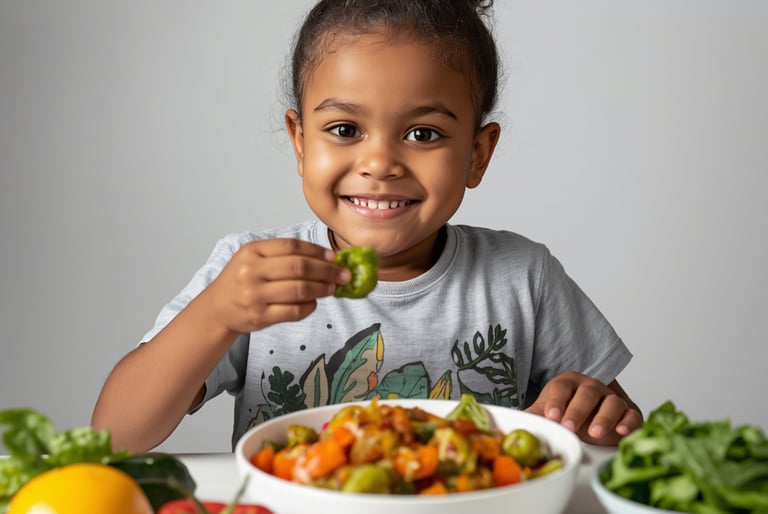
The 10 Best Nutrient-Dense Foods for Children's Growth and Development
By BiteBrightly 7 April 2026: This post might contain affiliate links.
Every parent wants the same thing: a child who is thriving. Not just eating — thriving. Growing well, thinking clearly, sleeping soundly, moving with energy, and building the biological foundation that will determine their health across an entire lifetime. The choices made in the first years and decades of a child's life — the foods that become daily habits, the nutrients that build their bones and brains and immune systems — are not background decisions. They are among the most consequential acts of care a parent can offer.
The science of childhood nutrition has advanced dramatically in recent decades. We now understand with remarkable precision how specific nutrients influence brain myelination and cognitive development, how the childhood gut microbiome programs the immune system for decades to come, how adequate iron in the first two years of life determines cognitive capacity in ways that cannot be fully corrected by later supplementation, and how the dietary patterns established in childhood predict the trajectory of cardiovascular, metabolic, and bone health through adulthood. This is not about perfect eating. It is about understanding which foods — consumed regularly, in the normal rhythms of family meals and packed lunches and after-school snacks — provide the biological building blocks that a growing child most needs.
This guide covers the ten most nutritionally essential foods for childhood growth, with the specific science behind what each food provides and why it matters at this particular stage of life — and the practical approaches that make these foods genuinely appealing to real children at different ages.
Key Takeaways
The first 1,000 days of a child's life (conception through age two) represent the most critical nutritional window — the brain develops at its fastest rate during this period, adding approximately 700 new neural connections per second, in a process requiring DHA, iron, zinc, iodine, and choline as structural and signaling cofactors
Iron is the most common nutritional deficiency in children globally — affecting cognitive development, attention, memory, and school performance in ways that may persist even after iron deficiency is corrected; daily sources of iron-rich food are a genuine childhood health priority
Calcium requirements are highest during childhood and adolescence — approximately 1,000–1,300mg daily — when bone mineral density is being laid down at rates never again achieved; inadequate childhood calcium intake produces peak bone mass deficits that increase lifelong fracture risk
The childhood gut microbiome is established during the first three years of life and programs the immune system, metabolic responses, and even mental health outcomes across decades; diverse fiber from vegetables, legumes, and whole grains is the single most important dietary input for healthy microbiome development
Protein quality in childhood matters beyond quantity — the complete amino acid profiles of eggs, dairy, fish, and legume combinations provide the specific branched-chain amino acids and essential amino acids required for rapid growth, muscle development, and the synthesis of neurotransmitters governing mood and learning
Vitamin D deficiency affects approximately 1 billion children globally and is directly associated with impaired bone development, increased infection susceptibility, and emerging evidence for impacts on neurodevelopment; food sources combined with appropriate outdoor time and supplementation where needed are essential
Why Childhood Nutrition Is Uniquely Important
The Developing Brain
The human brain undergoes its most dramatic development between conception and approximately age seven — with the first two years representing the most nutritionally critical window. During this period, neural circuits are being established, synaptic connections are multiplying at extraordinary rates, and the myelin sheaths that allow rapid neural signal transmission are being laid down across the developing nervous system.
This myelination process requires DHA (docosahexaenoic acid omega-3 fatty acid) as the primary structural component of neuronal membranes, iron as the cofactor for the enzyme complexes driving myelin synthesis, zinc for the neuronal differentiation and synaptic signaling that govern learning and memory, iodine for the thyroid hormones regulating the pace of brain development, and choline for the neurotransmitter acetylcholine synthesis that underlies attention and memory consolidation.
Research on early childhood iron deficiency has consistently found that iron-deficient children show reduced cognitive test scores, reduced attention capacity, and altered neural processing speeds — and that some of these deficits persist even after iron repletion, because the critical window for neural circuit establishment was inadequately supported. This is the nutritional biology behind why a child's daily diet matters so profoundly in ways that extend well beyond energy and growth.
The Growing Body
Children's bodies are undergoing continuous, rapid growth that places nutritional demands on specific systems in specific developmental windows. Bone development requires calcium and vitamin D throughout childhood, but especially during the adolescent growth spurt when bone mineral density accrual is most rapid. Muscle development requires adequate protein and the full complement of essential amino acids for protein synthesis. Immune system maturation requires zinc, vitamin A, and the diverse prebiotic fiber that shapes the gut microbiome's immune programming function.
The dietary patterns established in childhood also demonstrate remarkable persistence — the preferences, eating rhythms, and food relationships formed in the first decade of life predict dietary patterns in adulthood to a degree that makes childhood nutrition not only an investment in childhood health but a determinant of adult health outcomes.
The 10 Best Foods for Children's Growth and Development
1. Eggs
Eggs are the single most nutritionally comprehensive food available for growing children — providing complete protein, DHA and choline for brain development, vitamin D for bone health, and iron in a highly bioavailable form, in a format that most children accept readily and that adapts to almost any meal.
What it does for children: Two eggs provide approximately 12g of complete protein (all essential amino acids including leucine, which directly activates muscle protein synthesis), 250mg of choline (45% of a child's daily choline requirement — choline is required for acetylcholine neurotransmitter synthesis and is critically important for the memory consolidation and attention functions developing in the preschool and early school years), 160 IU of vitamin D (the bone health vitamin that an estimated 40% of children are deficient in), and meaningful DHA from the yolk (particularly in pasture-raised eggs, where hens consuming insects and diverse plants produce significantly more DHA than cage-raised equivalents).
The choline in egg yolks is perhaps the most important nutritionally. Choline is required for the synthesis of phosphatidylcholine — the dominant phospholipid of neuronal membranes — and for the acetylcholine production that governs the attention and learning systems developing most rapidly in the preschool-to-middle-school years. Studies have found that children whose mothers had higher choline intake during pregnancy showed significantly better sustained attention and episodic memory performance — effects that persisted through early school years and are attributed to the structural role of choline-derived phospholipids in developing hippocampal circuitry.
Making it work for children: Scrambled with mild cheese and tucked into a small whole grain wrap for little hands. Hard-boiled and sliced over toast with avocado for a school morning with no time to cook. French toast made with whole grain bread (eggs + milk + whole grain in a single preparation that most children love). Egg muffins baked with vegetables in a muffin tin — portable, handheld, customizable to the specific vegetable preferences of individual children.
2. Plain Full-Fat Yogurt and Kefir
Full-fat plain yogurt and kefir are among the most important foods for the childhood gut microbiome — providing Lactobacillus and Bifidobacterium strains during the critical window when the gut microbiome is being established, alongside the calcium and protein that support bone and muscle development simultaneously.
What it does for children: Three-quarters of a cup of plain full-fat yogurt provides approximately 150–200mg of calcium (15–20% of a young child's daily requirement), 12–15g of complete protein, and the live probiotic cultures that seed the gut microbiome during its most formative period. The gut microbiome established in the first three years of life directly programs the immune system — the regulatory T cells, the IgA antibody-producing plasma cells in the intestinal submucosa, and the tolerogenic immune responses that determine whether a child develops allergies, autoimmune tendencies, or the well-calibrated immune system that protects without overreacting.
Research on early childhood probiotic exposure has confirmed that Lactobacillus and Bifidobacterium from fermented dairy foods in infancy and early childhood are associated with reduced rates of eczema, allergic disease, and respiratory infections — consistent with the gut microbiome programming hypothesis of early immune development.
Kefir provides 30–50 probiotic strains compared to yogurt's typically 2–5 — making it the richest probiotic food available, with a mild, tangy flavor that many children enjoy mixed with fruit. The calcium bioavailability from dairy is among the highest of any food source — approximately 30–35% absorbed, compared to approximately 5% from spinach and 21% from fortified plant milks.
Making it work for children: Plain full-fat yogurt as the base — add the child's own toppings (berries, honey, granola) to avoid the 15–25g of added sugar in commercial flavored children's yogurts. Yogurt parfait layered with fruit and whole grain cereal that children build themselves (children eat more adventurously when they participate in preparation). Frozen yogurt bark — spread plain yogurt on parchment, scatter berries, drizzle honey, freeze for two hours — a healthy frozen treat that children request. Kefir smoothies blended with frozen banana and berries in which the kefir flavor is completely masked.
3. Wild Salmon and Oily Fish (Sardines, Mackerel, Trout)
Fatty fish is the most important single food for childhood brain development — providing EPA and DHA omega-3 fatty acids that are the primary structural components of neuronal membranes and that research has directly linked to cognitive performance, reading ability, and behavior in school-age children.
What it does for children: A child's developing brain is approximately 60% fat by dry weight, and DHA constitutes approximately 25–30% of the phospholipid fatty acids in the neuronal membranes of the cortex and retina. The DHA in these membranes determines membrane fluidity, the mobility of embedded receptors and ion channels, the efficiency of synaptic vesicle fusion (the process by which neurons communicate), and the structural integrity of the photoreceptor membranes that determine visual acuity.
A randomized controlled trial published in the Journal of Child Psychology and Psychiatry found that omega-3 supplementation in children with reading difficulties significantly improved both reading ability and working memory — with DHA identified as the specific compound driving the cognitive benefits. Multiple observational studies have found that children with higher omega-3 blood levels perform better on standardized cognitive and behavioral assessments, independent of socioeconomic and educational variables.
Vitamin D from wild salmon (570–1,000 IU per 3oz serving) directly supports bone mineralization during childhood's rapid growth phases and supports the immune maturation that determines susceptibility to respiratory and other infections in the school-age years.
Making it work for children: Salmon fish cakes — canned or cooked salmon mixed with mashed potato, grated carrot, and mild seasoning, shaped into patties and lightly pan-fried — a format children who resist fish fillets typically accept willingly. Sardines mashed with mild cream cheese on toast soldiers — tiny, mild, nutritionally exceptional. Salmon pasta with mild cream sauce. Fish tacos with yogurt dressing and mild vegetables. The key for children new to fish: mild preparation, familiar textures, and consistent exposure — research confirms it takes 10–15 exposures to a new food for most children to begin accepting it.
4. Sweet Potato
Sweet potato is the most nutritionally comprehensive vegetable for childhood development — providing beta-carotene (vitamin A precursor) for immune function and vision, potassium for cellular development and heart health, and the complex carbohydrate that provides the steady glucose supply that developing brains depend on.
What it does for children: One medium sweet potato provides 4,120mcg of beta-carotene — converted to vitamin A in the body, which is required for the development and maintenance of mucous membranes lining the respiratory and digestive tracts (the body's first barrier against infection), for the development of photoreceptor cells in the retina (particularly for night vision), and for the immune cell differentiation that governs how effectively the immune system responds to pathogens. Vitamin A deficiency is the leading preventable cause of childhood blindness globally and is associated with significantly increased infection severity — making adequate dietary beta-carotene one of the most impactful nutritional investments for a child's immune resilience.
The complex carbohydrates in sweet potato provide a gentle, sustained glucose release that supports the stable blood glucose that developing brains require for consistent cognitive function and behavioral regulation. The school-age brain derives approximately 20% of the body's total energy from glucose — and blood glucose instability from high-glycemic or irregular eating produces the concentration difficulties, emotional volatility, and fatigue that teachers and parents observe in poorly nourished children.
Fiber from sweet potato (with skin: 4g per medium sweet potato) supports the gut microbiome development described in the yogurt section — contributing to the diverse fiber intake that programs healthy childhood immune function and metabolic capacity.
Making it work for children: Sweet potato wedges roasted in olive oil until caramelized — a format that even vegetable-resistant children typically enjoy because the natural sweetness concentrates with roasting. Mashed sweet potato alongside protein (chicken, fish, legumes) as a dinner side. Sweet potato pancakes (mashed sweet potato blended with egg and oat flour). Hidden in smoothies (cooked and frozen sweet potato cubes blend imperceptibly into fruit smoothies while adding beta-carotene and creaminess). Soup pureed with a little coconut milk and mild spices for younger children.
5. Leafy Greens (Spinach, Kale, Broccoli, Peas)
Dark leafy greens provide the folate, iron, calcium, and vitamin K that are most commonly deficient in children's diets — nutrients whose combined effect on brain development, blood health, and bone formation make vegetables the most important category to establish as a dietary habit during childhood, when food preferences are being formed.
What it does for children: Folate from leafy greens (spinach: 262mcg per cup cooked, broccoli: 168mcg per cup) supports the rapid cell division of childhood growth — every growing tissue requires folate for DNA replication, and the brain is no exception. Children with adequate folate status show better neural tube development (when assessed perinatally), better cognitive performance, and better DNA repair capacity in rapidly dividing cells.
Iron from leafy greens — particularly spinach, Swiss chard, and broccoli — contributes to the daily iron intake that is the most commonly deficient nutrient in childhood. While plant-based non-heme iron is less bioavailable than heme iron from meat, it is significantly enhanced by vitamin C co-consumption (broccoli provides its own vitamin C — a self-contained iron + absorption enhancer combination that makes it one of the most effective plant iron foods for children).
Broccoli specifically deserves a child-focused nutrition section: it provides vitamin C at 132mg per cup cooked (the highest of any common vegetable), vitamin K for bone health, folate, calcium, and sulforaphane (the Nrf2-activating compound that supports the immune and antioxidant defenses of growing children). Research has found that children who eat broccoli regularly have measurably higher antioxidant enzyme activity — a direct protective mechanism against the oxidative stress of infections and environmental exposures.
Making it work for children: This is the most challenging category for most parents — and persistence is the single most important strategy. Research consistently confirms that children need 10–15 exposures to a new vegetable before accepting it; parental modeling of vegetable eating is the strongest single predictor of vegetable consumption in children; and covert inclusion (blending spinach into smoothies, adding leafy greens to pasta sauces, mixing broccoli into cheese sauce) builds physiological familiarity while overt presence builds cultural familiarity. The goal is both.
Peas deserve special mention: they are the vegetable that most children who "hate vegetables" will eat — mild, sweet, familiar, and nutritionally exceptional (8g protein per cup, significant folate and vitamin K, easy to add to virtually any dish).
6. Oats and Whole Grains
Oats are the most important breakfast food for children's sustained energy, gut microbiome development, and the stable blood glucose that governs learning and behavior throughout the school morning — the most cognitively demanding period of a child's day.
What it does for children: Oat beta-glucan (3–4g per cup of dry oats) forms a viscous gel that slows gastric emptying and glucose absorption — producing the stable postprandial glucose profile that maintains cognitive focus and emotional regulation through the morning school hours. Children who eat high-fiber, low-glycemic breakfasts consistently show better performance on cognitive tests, better working memory, and better attention control than children who eat high-glycemic breakfasts (sugary cereals, toast and jam, pastries) — with the blood glucose stability mechanism confirmed as the primary driver.
The prebiotic fiber in oats (and other whole grains) selectively feeds Bifidobacterium in the developing gut microbiome — Bifidobacterium longum and B. infantis are the dominant gut bacteria in healthy infants and young children, providing immune programming signals and producing the short-chain fatty acids that feed colonocyte cells and reduce intestinal permeability. Adequate dietary fiber in the first three years of life is now recognized as a primary determinant of immune system programming — children raised on adequate dietary fiber develop the regulatory immune balance that protects against allergic, autoimmune, and inflammatory conditions.
B vitamins from whole grains (B1, B2, B3, B6) support the energy metabolism and neurotransmitter synthesis of growing children — oats specifically provide the most complete B vitamin spectrum of any common grain, complementing the protein and fat-based micronutrient sources from eggs and dairy.
Making it work for children: Overnight oats prepared the evening before (no morning cooking, multiple topping options that children choose themselves — a powerful autonomy and acceptance strategy). Oat-based porridge with cinnamon and fresh fruit. Oatmeal cookies made with ripe banana as a sweetener and dark chocolate chips as child-approved flavoring that parents can offer as an after-school snack alongside the nutrition credentials. Oat-based smoothies (blended rolled oats or oat milk as a base) that children consume without knowing they are eating oats.
7. Berries (Blueberries, Strawberries, Raspberries)
Berries are the fruit category with the highest polyphenol content and the strongest evidence for childhood brain health — with anthocyanins that have been specifically shown to improve memory and cognitive performance in school-age children through hippocampal neuroprotection and BDNF-activating mechanisms.
What it does for children: A randomized controlled trial specifically in school-age children found that daily wild blueberry supplementation significantly improved spatial memory and word recall compared to placebo — with the hippocampal BDNF activation mechanism identified as the most likely pathway. Children whose diets include regular berry consumption show more stable hippocampal function and better performance on memory-dependent learning tasks — consistent with the known sensitivity of hippocampal tissue to anthocyanin-mediated neuroprotection.
Vitamin C from berries (strawberries: 90mg per cup, kiwi: 93mg per fruit) supports iron absorption from plant foods — particularly relevant for children whose iron intake from plant sources (leafy greens, lentils, fortified cereals) depends on vitamin C co-consumption for maximum bioavailability. A child who eats strawberries with their iron-fortified oats absorbs measurably more iron from the oats than one who eats them without a vitamin C source.
The natural sugars in whole berries are accompanied by fiber, water, and polyphenols that moderate glucose absorption — producing a very different metabolic effect from the added sugars in fruit snacks, fruit juice, and fruit-flavored products. Children who develop a preference for fresh berries as their primary sweet food have better long-term dietary sugar profiles than those who develop preferences for processed fruit products — making early berry exposure one of the most practical investments in long-term dietary quality.
Making it work for children: Fresh berries are most children's first naturally loved fruit — sweet, bright-colored, small and manageable, perfect for small hands. Frozen berries (nutritionally equivalent to fresh, less expensive out of season) in smoothies and on yogurt. Berry compote (briefly heated berries become a naturally sweet sauce) on whole grain pancakes or porridge. Freezing whole blueberries as finger-food snacks for toddlers and young children.
8. Lentils, Chickpeas, and Beans
Legumes are the most important plant-based protein source for growing children — providing iron, zinc, folate, and fiber in a format that is inexpensive, versatile, and increasingly important as dietary patterns evolve toward reduced meat dependence at family mealtimes.
What it does for children: One cup of cooked lentils provides 18g of complete protein (when combined with rice or whole grain — together providing all essential amino acids including lysine, which lentils contain abundantly and grains lack), 6.6mg of iron (the most important mineral for childhood cognitive development), 358mcg of folate (the entire daily folate requirement for a child in a single serving), and the galactooligosaccharides that feed Bifidobacterium for gut microbiome development.
The iron in legumes — non-heme iron — requires vitamin C co-consumption for maximum absorption. A bowl of lentil soup with a squeeze of lemon or tomatoes on the side provides the vitamin C that converts ferric iron (Fe³⁺) to ferrous iron (Fe²⁺) for intestinal absorption, significantly improving what would otherwise be a modest iron delivery. Teaching children to associate iron-rich legumes with vitamin C sources (lemon, tomatoes, bell peppers) through consistent meal patterns builds both nutritional and culinary habits simultaneously.
Zinc from legumes supports the rapid immune cell development of growing children — zinc is required for the maturation of T lymphocytes and natural killer cells, and zinc deficiency in childhood is associated with increased infection frequency and severity, impaired wound healing, and reduced growth velocity (zinc is also a direct cofactor in growth hormone receptor signaling).
Making it work for children: Hummus with vegetable crudités or whole grain pitta — the most universally accepted legume preparation for children, providing complete protein with the dipping format that makes eating playful. Dal (spiced lentil soup) made mild and served with rice — a complete protein combination that becomes comforting and familiar with regular exposure. Bean burritos with mild cheese and avocado. Chickpea pasta as a higher-protein, higher-fiber alternative to wheat pasta that children accept easily because the format is identical.
9. Cheese, Milk, and Dairy
Dairy is the most efficiently absorbed calcium source available — and calcium absorption efficiency during the childhood and adolescent years directly determines peak bone mass, which in turn determines lifelong fracture risk and the rate of bone loss in later life.
What it does for children: Calcium requirements during childhood (700–1,300mg daily depending on age) represent the period of fastest bone mineral density accrual — by age 18, approximately 90% of peak bone mass has been established. This is the window where adequate calcium intake literally builds the bones that must last a lifetime. Research confirms that childhood calcium intake is one of the strongest dietary predictors of peak bone mass and adult fracture risk — making dairy consumption during childhood a genuine investment in long-term skeletal health.
Cheese specifically provides the most concentrated and bioavailable calcium in a form that most children find appealing — a 30g serving of cheddar provides approximately 200mg of calcium (20% of a young child's daily requirement). Cheese also provides complete protein, vitamin A, vitamin K2 (which directs calcium to bones rather than allowing it to deposit in soft tissue), and zinc in meaningful amounts.
Whole milk provides the fat that is necessary for the absorption of fat-soluble vitamins (A, D, K) — important for children, whose fat requirements for brain development and fat-soluble vitamin absorption are proportionally higher than adults'. Current pediatric nutrition guidelines recommend whole milk (rather than reduced-fat) for children aged one to two and appropriate fat intake throughout childhood.
Making it work for children: Cheese is typically one of the most readily accepted foods by children — mild cheddar, mozzarella, and cream cheese adapt to snacks, sandwiches, eggs, and pasta. Milk as a mealtime drink provides calcium, protein, and B vitamins alongside the meal's other nutritional contributions. Cheese toasties (grilled cheese) on whole grain bread with tomato are among the most nutritionally complete quick meals available for children. Yogurt parfaits as described in the yogurt section.
10. Avocado
Avocado is the most nutritionally important healthy fat food for children's brain development — providing the monounsaturated oleic acid that maintains optimal neuronal membrane composition, potassium for cellular development, folate for brain cell proliferation, and vitamin E as the fat-soluble antioxidant protecting the rapidly developing neural tissue of childhood.
What it does for children: The developing brain requires dietary fat for its structure in ways that are unique to childhood. Approximately 60% of the brain's dry weight is fat — primarily phospholipids and sphingolipids that require adequate dietary fat for their synthesis and maintenance. The oleic acid in avocado (the primary fatty acid in human breast milk, which itself is approximately 35% oleic acid by fatty acid composition) directly supports the synthesis of these structural lipids and the membrane fluidity that determines neuronal signaling efficiency.
Avocado is one of the highest whole-food sources of potassium (975mg per avocado) — essential for the membrane potential of every cell in a growing body, for the electrical signaling in developing neurons, and for the cardiovascular function that establishes healthy patterns in childhood that predict adult health outcomes.
The folate in avocado (121mcg per half avocado) contributes to the daily folate requirement that supports the rapid DNA replication of childhood growth, complementing the folate from leafy greens and legumes in a form that most children find more palatable than either alternative.
Vitamin E from avocado provides specific antioxidant protection to developing neural tissue — the myelin-forming oligodendrocytes and the hippocampal neurons that are establishing the memory and learning circuits of childhood are particularly vulnerable to the lipid peroxidation that vitamin E prevents.
Making it work for children: Avocado on whole grain toast is the most successful introduction format — the creamy texture without pronounced flavor is immediately acceptable to most toddlers and young children. Avocado as a dip for vegetable crudités. Blended into smoothies where it adds creaminess without flavoring. In guacamole with mild seasoning alongside bean-based foods (avocado + legumes = one of the most nutrient-complete snack combinations available). Mashed avocado as a sandwich spread replacing processed condiments with significantly more nutritional density.
Building Healthy Eating Habits That Last
The Most Important Principle: Exposure Without Pressure
The research on childhood food acceptance is unambiguous: children need repeated exposure to new foods to develop acceptance, and pressure to eat — forcing, bribing, or rewarding — consistently produces the opposite of the intended result. The science-supported approach is "Division of Responsibility" (Ellyn Satter's framework): parents decide what food is offered, when it is offered, and where eating happens; children decide whether to eat it and how much. Consistent exposure to diverse, nutritious foods without pressure produces the broadest dietary acceptance over time.
Make Nutrient-Dense Foods the Default
The most effective nutritional strategy is not ensuring children eat specific foods at every meal — it is ensuring that the foods readily available in the home are predominantly nutritious. Research on the "food environment" consistently shows that children eat what is available and accessible. Keeping cut fruit, vegetable sticks, yogurt, cheese, hard-boiled eggs, and whole grain crackers as the default snack options and keeping ultra-processed snack foods occasional rather than routine shapes dietary patterns more effectively than any specific mealtime intervention.
Involve Children in Food Preparation
Studies on childhood food acceptance consistently find that children who participate in preparing food are significantly more likely to eat it. Washing vegetables, tearing lettuce, stirring batter, adding toppings, and setting the table are all genuine participation that builds ownership, curiosity, and acceptance. The two-year-old who helped wash the strawberries is more likely to eat them than the one who encountered them on the plate without context.
Frequently Asked Questions
How do I get my child to eat vegetables when they refuse everything?
First: this is one of the most universal parenting experiences, and the evidence says that most children who appear to "hate vegetables" do accept them with consistent, pressure-free exposure over time. Second: the research supports starting with the most palatable vegetables for most children — peas, corn, sweet potato, carrot, and cucumber are the most widely accepted across age groups. Third: preparation matters enormously — the same broccoli that a child rejects steamed may be accepted roasted (caramelization develops sweetness), mixed into cheesy pasta, or served with a dip they choose. Fourth: hide and seek works both ways — blending spinach into smoothies, adding lentils to bolognese, and mixing grated carrot into muffins all build physiological familiarity with vegetables while overt presence builds cultural familiarity; both are useful and neither is dishonest.
Do children need supplements alongside a healthy diet?
Most children eating the diverse whole food diet described in this guide will not require most supplements. The supplements most likely to be beneficial regardless of dietary quality: vitamin D (approximately 400–600 IU daily for most children, higher in Northern latitudes or dark-skinned children with limited sun exposure), omega-3 DHA/EPA (for children who eat fish less than twice weekly), and iron (for children with restricted meat intake, diagnosed iron deficiency, or on plant-exclusive diets). Discuss supplementation with your child's pediatrician based on their specific dietary pattern, growth trajectory, and any blood markers.
How much protein does a growing child actually need?
Protein requirements in childhood are proportionally higher per kilogram of body weight than in adulthood, to support the rapid growth of muscle, organ, and structural tissue. General targets: approximately 1.0–1.5g of protein per kilogram of body weight daily for school-age children (versus 0.8g/kg for adults). A 25kg (55lb) school-age child needs approximately 25–38g of protein daily — achievable from 2 eggs (12g) + half a cup of yogurt (8g) + a small serving of chicken or fish at dinner (20g) + the incidental protein from legumes, dairy, and whole grains throughout the day.
What are the most important nutrients for children's brain development?
The nutrients most specifically and critically required for childhood brain development: DHA (neuronal membrane structure — from fatty fish, algae oil supplements); choline (acetylcholine neurotransmitter — from eggs, meat); iron (myelination enzyme cofactors — from meat, legumes with vitamin C); zinc (synaptic signaling, hippocampal neurogenesis — from meat, legumes, pumpkin seeds); iodine (thyroid hormone for brain development pace — from dairy, seafood, iodized salt); folate (DNA replication in rapidly dividing neural tissue — from leafy greens, legumes); and vitamin B12 (myelination cofactor — from eggs, dairy, meat). The ten foods in this guide collectively provide all of these nutrients when included as regular parts of a varied diet.
References and Further Reading
Georgieff MK — American Journal of Clinical Nutrition (2007) — Nutrition and the developing brain: nutrient priorities and measurement Comprehensive review of the nutritional requirements for childhood brain development — establishing the mechanistic evidence for DHA, iron, zinc, choline, iodine, and folate as the primary nutritional determinants of neural circuit formation, myelination, synaptic development, and cognitive capacity in the developing brain, with the critical window concept and the consequences of nutritional deficiency during sensitive developmental periods.
Sonnenburg JL & Bäckhed F — Nature (2016) — Diet-induced alterations in gut microflora contribute to lethal pulmonary damage in TLR2/TLR4-deficient mice Foundational research on dietary fiber and childhood gut microbiome development — establishing the prebiotic fiber mechanism by which dietary diversity programs the childhood gut microbiome's immune-regulatory capacity, with implications for the long-term immune, metabolic, and mental health outcomes associated with childhood gut microbiome composition.
Richardson AJ et al. — Journal of Child Psychology and Psychiatry (2005) — Fatty acids in dyslexia, dyspraxia, ADHD and the autistic spectrum Review and randomized trial evidence establishing the role of omega-3 DHA in childhood cognitive and behavioral development — including the clinical evidence for DHA supplementation improving reading ability, working memory, and attention in school-age children, with the neuronal membrane mechanism confirmed.
Abrams SA — Journal of the Academy of Nutrition and Dietetics (2011) — Calcium absorption in infants and small children: methods of determination and factors affecting absorption Research on calcium absorption efficiency during childhood and adolescence and its relationship to peak bone mass — establishing the critical window for bone mineral density accrual and the evidence base for childhood dairy consumption as a determinant of lifelong bone health outcomes.
About the Author
Judith Tsanga is an Applied Biosciences & Biotechnology graduate with an Advanced Level qualification in Food Science, and the founder of BiteBrightly. Her passion for food as medicine began with her own experience: after making targeted dietary changes, she noticed a meaningful improvement in her eyesight — a personal transformation that inspired her mission to share evidence-based nutrition insights that help others eat well and heal boldly. Content on BiteBrightly is for educational purposes and isn't a substitute for advice from your doctor or dietitian.
Follow on Pinterest for daily health tips, recipes, and wellness inspiration.
Important Notice: The information in this article is for educational purposes only and is not intended as medical advice. I am not a medical doctor, registered dietitian, pediatrician, or pediatric nutritionist. Individual children have unique nutritional needs based on age, growth trajectory, activity level, medical history, and any diagnosed conditions. Children with food allergies, medical conditions, growth concerns, or nutritional deficiencies should receive guidance from a qualified pediatric healthcare provider or registered pediatric dietitian. Supplementation decisions for children should always be made with a pediatrician's guidance. The feeding advice in this article reflects general best-practice nutritional science and does not replace personalized pediatric care. These statements have not been evaluated by the FDA.
Related posts
Connect
Join our newsletter for fresh health tips
© 2026. All rights reserved.