Hidden Inflammatory Foods: What's Secretly Causing Inflammation in Your Diet
You removed the obvious foods. Inflammation persists. Seed oils, emulsifiers, A1 casein, artificial sweeteners — 12 hidden drivers. The second layer of anti-inflammatory eating.
by Bitebrightly
4/3/202622 min read
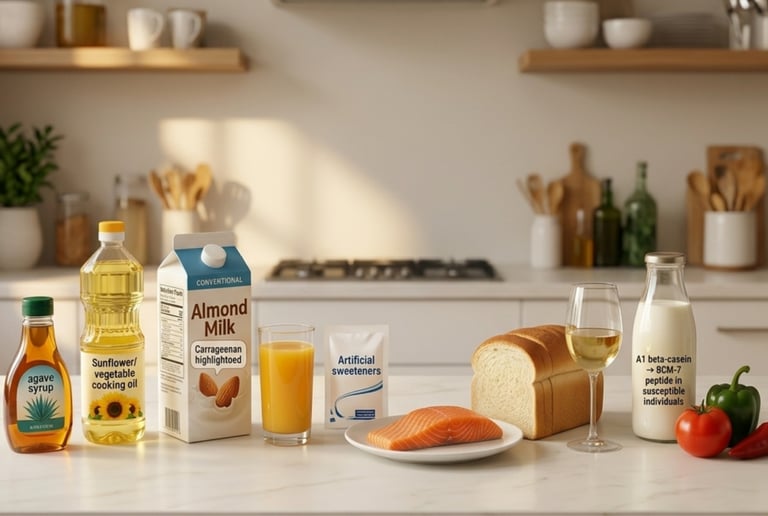

Hidden Inflammatory Foods: What's Secretly Causing Inflammation in Your Diet
By BiteBrightly 3 April 2026: This post might contain affiliate links.
You have removed the obvious culprits. You have cut back on fast food, avoided the clearly processed stuff, and made a genuine effort to eat what most nutritional guidance would describe as a reasonably healthy diet. You might even follow an explicitly anti-inflammatory approach — olive oil, leafy greens, fatty fish. And yet something is still not right. Energy is inconsistent. Joints ache in the morning. Digestion is unpredictable. Skin flares. There is a background level of not-quite-well that no specific diagnosis captures, but that never fully resolves.
Chronic low-grade inflammation is one of the most likely culprits — and its dietary drivers are not always the ones people expect. The most commonly discussed pro-inflammatory foods are well-known at this point. Nobody is surprised to hear that deep-fried food, processed meat, and sugar are inflammatory. What surprises most people is that inflammation can be driven by foods they consider neutral or even healthy — foods that appear in wellness culture without inflammatory warning labels, foods marketed as natural or wholesome or beneficial, and foods whose pro-inflammatory properties are indirect, dose-dependent, or highly individual rather than universally recognized.
This is the guide for the second layer of the anti-inflammatory conversation — the dietary inflammation drivers that persist even in people who think they have already addressed their inflammation through diet. Not to create anxiety about food, but to provide the mechanistic understanding that allows genuinely informed choices about what is actually happening in your body at the cellular level when you eat specific foods in specific patterns.
Key Takeaways
Chronic low-grade inflammation is the underlying mechanism of most major chronic diseases — cardiovascular disease, type 2 diabetes, autoimmune conditions, depression, and accelerated aging all involve dysregulated inflammatory signaling that dietary patterns can either drive or suppress
Some foods drive inflammation through mechanisms that are indirect, delayed, or dose-dependent rather than acutely obvious — making them harder to identify as inflammatory without understanding the biochemistry
The omega-6 to omega-3 ratio in the diet is one of the most important and most consistently underappreciated determinants of systemic inflammatory tone — the specific vegetable oils you cook with daily have a greater cumulative inflammatory effect than most people realize
Many "natural" sugars — agave, honey, fruit juice, coconut sugar — drive the same insulin-driven, NLRP3-activating, advanced glycation end product-generating inflammatory pathways as refined white sugar, often in more concentrated doses
Dietary emulsifiers (carboxymethylcellulose, polysorbate-80) in ultra-processed foods disrupt the gut mucus layer and increase intestinal permeability — creating the systemic LPS-driven inflammation that underlies metabolic syndrome and inflammatory conditions
Gluten and dairy produce genuine, measurable inflammatory responses in susceptible populations far beyond those with diagnosed celiac disease or clinical lactose intolerance
The gut microbiome is the primary mediator between diet and systemic inflammation — and some foods that appear healthy profoundly disrupt the gut bacteria whose anti-inflammatory SCFA production is the body's primary dietary inflammation management system
Individual variation matters significantly: some foods on this list will drive inflammation in some people and not others, depending on microbiome composition, genetic variants, intestinal permeability, autoimmune status, and pre-existing inflammatory conditions
How "Hidden" Inflammation Works
The Difference Between Acute and Chronic Inflammation
Acute inflammation is the body's appropriate and life-saving response to injury, infection, and tissue damage — swelling, redness, heat, and pain that direct healing resources to a specific site and resolve when the threat is cleared. This is not the inflammation implicated in chronic disease.
Chronic low-grade inflammation — the kind driven by diet — is fundamentally different. It is systemic rather than localized, persistent rather than acute, and operates at inflammatory cytokine levels below the threshold of obvious symptoms. C-reactive protein (CRP), IL-6, TNF-alpha, and NF-kB activity are elevated but not dramatically so. There is no swelling, no localized pain, no obvious sign. Instead, there is the slow, cumulative damage of inflammatory signaling reaching every organ system continuously — oxidizing LDL in arterial walls, impairing insulin receptor signaling in muscle and liver, activating macrophages in adipose tissue, and gradually dysregulating the immune surveillance that should prevent aberrant cell proliferation.
The dietary drivers of this chronic inflammatory state are often subtle because their effects are cumulative, indirect, or mediated through the gut microbiome rather than through direct receptor activation. This is why eliminating the obvious inflammatory foods is necessary but often insufficient — the subtler drivers maintain the inflammatory background even when the acute triggers are removed.
Three Pathways Through Which Food Drives Hidden Inflammation
The omega-6 prostaglandin pathway: Dietary omega-6 fatty acids — linoleic acid from vegetable oils — are converted through a series of enzymatic steps to arachidonic acid, which is then metabolized by COX-2 and LOX enzymes to produce prostaglandin E2 and leukotriene B4. These are the primary pro-inflammatory eicosanoids that drive the inflammatory cascade. When omega-6 intake is high relative to omega-3 intake (which provides the competing anti-inflammatory EPA and DHA substrates), the eicosanoid pool shifts toward pro-inflammatory prostaglandins. The modern Western dietary omega-6:omega-3 ratio of 15–20:1 is profoundly pro-inflammatory compared to the estimated ancestral ratio of 4:1 or lower.
The gut barrier-LPS pathway: Lipopolysaccharide (LPS) is the endotoxin produced by gram-negative bacteria in the gut. In a healthy gut with intact tight junctions, LPS is largely confined to the intestinal lumen. When dietary patterns disrupt gut barrier integrity — through emulsifiers, excess alcohol, refined carbohydrates, or lack of prebiotic fiber — LPS translocates across the gut epithelium into portal circulation, where it activates TLR4 receptors on macrophages throughout the body, triggering the systemic NF-kB-driven inflammatory cascade. This "metabolic endotoxemia" is one of the most important mechanistic links between dietary patterns and chronic systemic inflammation.
The glucose-AGE-RAGE pathway: Rapid postprandial glucose elevation drives the formation of advanced glycation end products (AGEs) — the non-enzymatic glycation of proteins, lipids, and nucleic acids that produces structurally abnormal molecules that activate RAGE (receptor for advanced glycation end products) on immune cells and endothelial cells. RAGE activation triggers NF-kB and produces the inflammatory cytokines (IL-6, TNF-alpha, VCAM-1) that drive the vascular and metabolic inflammation underlying atherosclerosis, diabetic complications, and accelerated aging. Both dietary sugars that spike blood glucose AND dietary AGEs from high-temperature cooking of protein-fat combinations drive this pathway.
The 12 Hidden Inflammatory Foods
1. Vegetable and Seed Oils (Sunflower, Soybean, Corn, Safflower, Canola)
Vegetable and seed oils are the most significant hidden source of dietary inflammation in the modern food supply — present in virtually every ultra-processed food, most restaurant cooking, most commercial baked goods, and many households as the default cooking fat — and yet almost never discussed as an inflammation driver in mainstream health culture.
Why they're inflammatory: These oils are extraordinarily high in linoleic acid omega-6 fatty acids — sunflower oil is approximately 65% linoleic acid, soybean oil 54%, corn oil 58%, safflower oil 74%. When consumed in the quantities typical of Western diets, the linoleic acid load vastly overwhelms the omega-3 intake required to maintain an anti-inflammatory eicosanoid balance. The linoleic acid is converted to arachidonic acid, which fuels the prostaglandin E2 and leukotriene B4 production that drives systemic inflammation through the COX-2 and 5-LOX pathways.
The oxidation issue compounds the inflammatory problem: linoleic acid is polyunsaturated and highly susceptible to oxidation — particularly at cooking temperatures. Oxidized linoleic acid metabolites (OXLAMs — including 4-hydroxynonenal and malondialdehyde) are directly pro-inflammatory, activating NF-kB and producing reactive oxygen species that damage mitochondrial function. Repeatedly heated cooking oils (common in commercial deep-frying and restaurant cooking where oil is reused) accumulate OXLAMs at concentrations that drive measurable systemic oxidative stress and inflammatory marker elevation.
Canola oil is frequently presented as a healthier option because of its lower omega-6 content and modest omega-3 ALA content. However, canola is almost entirely derived from genetically modified rapeseed, the vast majority is refined at high temperatures through deodorization processes that produce trans fatty acid residues and oxidized sterols, and its ALA omega-3 is largely destroyed in the refining process. Cold-pressed canola has genuinely different properties, but it is not what is sold as standard canola oil.
What to use instead: Extra-virgin olive oil (predominantly monounsaturated oleic acid, which does not participate in the inflammatory eicosanoid cascade and provides oleocanthal with direct anti-inflammatory properties), avocado oil (high monounsaturated, stable at high temperatures), and butter or ghee from grass-fed animals (providing conjugated linoleic acid and fat-soluble vitamins with anti-inflammatory properties).
2. "Healthy" Sweeteners (Agave, Coconut Sugar, Honey, Fruit Juice, Date Syrup)
The wellness food industry has successfully repositioned multiple high-fructose or high-sugar sweeteners as healthy alternatives to refined white sugar — a rebranding that has allowed them to be consumed in larger quantities with less conscious awareness of their inflammatory implications.
Why they're inflammatory: Agave syrup is the most egregious example: marketed as a low-glycemic "natural" sweetener, agave is approximately 70–85% fructose by composition — significantly higher than high-fructose corn syrup (approximately 55% fructose). At high concentrations, fructose undergoes hepatic metabolism that produces uric acid through the AMP deaminase pathway and drives hepatic lipogenesis through ChREBP activation, generating the metabolic inflammation of non-alcoholic fatty liver disease. Fructose also activates the NLRP3 inflammasome (the intracellular danger sensor producing IL-1β) through a mechanism involving uric acid accumulation — the same pathway as gout.
Coconut sugar and date syrup are approximately 75–80% sucrose (which is 50% fructose) — essentially identical to table sugar in metabolic effects despite their more wholesome appearance. Honey is a mixture of fructose and glucose at ratios similar to table sugar, with the anti-inflammatory polyphenols present at doses too small to offset the glycemic and fructose-related inflammatory effects when consumed in the quantities people often use believing it to be a "healthy" sweetener.
Fruit juice — including cold-pressed, organic, 100% juice — concentrates the fructose and glucose of multiple fruits without the fiber that slows absorption in whole fruit. A glass of orange juice provides the fructose from 3–4 oranges, absorbed in minutes rather than the hour-plus transit of whole orange consumption — producing a rapid fructose-liver encounter that drives the lipogenic and NLRP3-activating pathways that whole fruit does not meaningfully trigger.
The practical message: Natural origin does not determine metabolic effect. The fructose in agave nectar behaves identically in the liver to the fructose in corn syrup. The glucose in coconut sugar behaves identically to the glucose in white sugar. Small amounts of honey or maple syrup as a condiment are reasonable; using agave or coconut sugar as a primary sweetener in large amounts, believing them to be anti-inflammatory, is a nutritional misconception that perpetuates the dietary inflammation one may be trying to address.
3. Gluten (in Susceptible Individuals)
Gluten is one of the most individually variable dietary inflammation drivers — genuinely negligible as an inflammation concern for most people, and profoundly important for a substantial minority whose inflammatory response to gliadin (the primary inflammatory peptide in gluten) is real, measurable, and clinically significant beyond the 1% of the population with diagnosed celiac disease.
Why it's inflammatory for some: Gliadin — the alcohol-soluble fraction of gluten — is a direct activator of zonulin secretion from intestinal epithelial cells. Zonulin is the primary physiological regulator of intestinal tight junction permeability — it loosens the tight junctions between enterocytes, increasing intestinal permeability. In people with functional gut disorders, genetic HLA-DQ2/DQ8 variants (present in approximately 30% of the population), or pre-existing intestinal inflammation, this zonulin-mediated permeability increase allows gliadin peptides and other luminal antigens (including LPS) to cross the epithelial barrier, triggering both local intestinal immune activation and systemic inflammatory cytokine production.
This is the mechanism of non-celiac gluten sensitivity (NCGS) — a condition now recognized by most gastroenterology societies as distinct from celiac disease and wheat allergy, producing real gastrointestinal and systemic inflammatory symptoms in susceptible individuals without the celiac disease serological markers or intestinal histological changes. Estimates of NCGS prevalence vary widely (1–13% of the population), but the mechanistic plausibility is established — zonulin-mediated permeability increase from gliadin is documented in laboratory settings even in individuals without celiac disease.
The inflammatory effects of gluten beyond celiac disease are dose-dependent, individual-variation-dependent, and dependent on gut microbiome composition (certain Bifidobacterium species degrade gliadin peptides before they can activate zonulin; microbiome dysbiosis associated with reduced Bifidobacterium increases gluten's inflammatory potential). This explains why some people improve significantly on a gluten-reduced diet without having celiac disease, and why others experience no meaningful change — both groups can be correct about their individual experience.
What to do: If you have inflammatory conditions (autoimmune, gastrointestinal, skin, joint) that have not responded to other dietary changes, a four-to-six-week elimination trial of gluten is a reasonable diagnostic step. Consult a gastroenterologist or functional medicine practitioner before eliminating gluten if celiac disease has not been ruled out — gluten elimination before testing invalidates celiac testing.
4. Conventional Dairy (Casein A1, Excess)
Dairy is one of the most genuinely contested foods in inflammation science — anti-inflammatory through its probiotic cultures, vitamin K2, and calcium in fermented forms; potentially pro-inflammatory through A1 beta-casein peptides, the insulinogenic properties of whey, and the saturated fatty acid profile in conventional dairy consumed in excess.
Why it's potentially inflammatory: The most specific inflammatory concern with conventional dairy — distinct from lactose intolerance, which is a digestive enzyme deficiency rather than an inflammatory response — relates to A1 beta-casein. Most dairy cattle in North America and Northern Europe produce milk containing predominantly A1 beta-casein (as opposed to A2 beta-casein in older cattle breeds, goat milk, and sheep milk). A1 beta-casein is cleaved during digestion to release beta-casomorphin-7 (BCM-7), an opioid peptide that has demonstrated pro-inflammatory effects in the gut — activating mast cells, increasing intestinal permeability, and triggering cytokine production in susceptible individuals.
The IGF-1-stimulating properties of whey protein are relevant to inflammatory conditions with a hormonal component — whey specifically and potently stimulates IGF-1 production, which activates sebaceous glands (relevant to acne), increases cellular proliferation in hormone-sensitive tissues, and may amplify inflammatory signaling in conditions where IGF-1 is already dysregulated.
Fermented dairy — yogurt, kefir, aged cheese — presents a substantially different inflammatory profile because the fermentation process partially degrades casein (reducing BCM-7 production), significantly reduces whey protein content and IGF-1-stimulating activity, and adds the probiotic cultures and vitamin K2 that actively reduce inflammation through gut-brain axis and arterial calcification-prevention mechanisms. The inflammatory concern is primarily with large amounts of conventional unfermented dairy (milk, whey protein supplements, fresh cheese consumed in large amounts).
What to do: If dairy appears to be a personal inflammatory trigger (eczema, acne, joint pain, digestive symptoms, mucus production), consider replacing conventional cow's dairy with A2 dairy (from specifically A2-producing herds, increasingly available commercially), goat milk products, or sheep milk products — all of which lack A1 beta-casein. Fermented dairy (full-fat yogurt, kefir, aged cheese) is generally well-tolerated and anti-inflammatory for most people.
5. Emulsifiers and Food Additives (Carboxymethylcellulose, Polysorbate-80, Carrageenan)
This is perhaps the most important hidden inflammatory food driver in the modern food supply — because it does not appear on food labels under any recognizable "inflammatory ingredient" name, because it is present in foods that are otherwise considered healthy (almond milk, organic products, "clean label" foods), and because its inflammatory mechanism operates through the gut microbiome in a way that produces broad systemic effects.
Why they're inflammatory: Carboxymethylcellulose (CMC, E466) and polysorbate-80 (PS-80, E433) are synthetic emulsifiers present in ice cream, plant-based milks, salad dressings, bread, processed cheeses, and hundreds of other processed and ultra-processed products. A landmark series of studies by Andrew Gewirtz and colleagues at Georgia State University demonstrated that CMC and PS-80 at concentrations present in processed foods directly disrupted the gut mucus layer, altered gut microbiome composition (increasing bacteria that can penetrate the mucus layer), and produced low-grade inflammation and metabolic syndrome in animal models.
Research published in Nature subsequently demonstrated that human gut microbiomes incubated with CMC showed similar microbiome disruption — with increased mucus layer penetration, increased intestinal permeability, and increased inflammatory cytokine production. The mechanism: CMC and PS-80 act as detergent-like compounds that thin the mucus layer separating the gut microbiome from the intestinal epithelium, allowing bacteria that should remain in the lumen to approach and penetrate the epithelial barrier — triggering the inflammatory response that the mucus layer normally prevents.
Carrageenan — extracted from red seaweed and used as a thickener in plant milks, dairy alternatives, and infant formula — has documented direct pro-inflammatory effects through TLR4 and NF-kB activation in intestinal cells, with associations with intestinal permeability and inflammatory bowel disease flares in susceptible individuals. It is present in many "natural" and organic products.
What to watch for: CMC (E466, cellulose gum), polysorbate-80 (E433), carrageenan, and other synthetic emulsifiers on the ingredient labels of processed foods — including many organic and "clean" brands. Making plant milks at home, choosing emulsifier-free products, and reducing overall ultra-processed food consumption are the most effective strategies.
6. Alcohol (Including "Moderate" Amounts in Susceptible Individuals)
Alcohol is perhaps the most socially normalized inflammatory food in existence — present at virtually every social gathering, often consumed with explicitly anti-inflammatory foods like red wine (whose resveratrol content is genuinely anti-inflammatory but present at doses that do not offset alcohol's direct inflammatory effects at typical wine servings), and strongly associated with relaxation and social connection that makes honest assessment of its inflammatory effects particularly difficult.
Why it's inflammatory: Alcohol (ethanol) is metabolized in the liver to acetaldehyde by alcohol dehydrogenase — and acetaldehyde is directly hepatotoxic, producing oxidative stress in hepatocytes, mitochondrial dysfunction, and NF-kB activation that drives inflammatory cytokine production in the liver. Repeated alcohol exposure progressively increases hepatic inflammation, even at "moderate" intake levels, through this acetaldehyde-mediated pathway.
Alcohol directly increases intestinal permeability through multiple mechanisms: it inhibits tight junction protein expression (claudin-1, occludin), disrupts the gut mucus layer, and drives the dysbiosis that reduces the butyrate-producing bacteria maintaining gut barrier integrity. The result is metabolic endotoxemia — increased LPS translocation from the gut into systemic circulation — that activates TLR4 on hepatic Kupffer cells and circulating macrophages, driving the systemic inflammatory cascade.
Research consistently shows that any amount of alcohol consumption elevates CRP and inflammatory markers compared to non-drinking — the dose-response relationship is clear, and the "J-curve" protective effect of moderate drinking that appeared in earlier observational research has been substantially undermined by Mendelian randomization studies that account for confounding. For people with pre-existing inflammatory conditions (autoimmune disease, IBD, skin conditions, arthritis), alcohol's gut permeability and hepatic inflammation effects are often clinically meaningful at amounts well below the definition of "heavy" drinking.
The practical message: This is not an argument for total abstinence for everyone. It is a recognition that alcohol is a consistent contributor to systemic inflammation that is frequently underweighted in dietary inflammation assessments — and that for people managing inflammatory conditions, its contribution may be more significant than assumed.
7. Refined Carbohydrates and White Flour Products
Refined carbohydrates are well-known as a dietary problem, but their specific inflammatory mechanisms are less understood than their glycemic effects — and the inflammatory contribution of white flour products extends significantly beyond the blood glucose spike to include gut microbiome disruption, AGE formation, and the wheat starch-specific effects on intestinal permeability.
Why they're inflammatory: Beyond the glucose spike-AGE-RAGE pathway (blood glucose elevation → glycation → RAGE receptor activation → NF-kB → inflammatory cytokines), refined carbohydrates drive inflammation through what happens — or doesn't happen — in the colon. The fermentable fiber removed during refining was the substrate for the butyrate-producing gut bacteria that maintain intestinal barrier integrity, suppress NF-kB systemically, and regulate the anti-inflammatory immune environment of the gut. Without this prebiotic fiber, the microbial ecosystem shifts toward dysbiosis — with reduced Faecalibacterium prausnitzii, Roseburia, and Bifidobacterium (the butyrate producers) and increased gram-negative bacteria whose LPS drives systemic endotoxemia.
Acellular carbohydrates — defined as refined carbohydrates where the cellular structure of the grain has been destroyed by milling — are proposed to be more inflammatory than cellular carbohydrates (whole intact grains) even at equivalent glycemic loads, because the disruption of cellular architecture makes starch more rapidly accessible to amylase digestion (increasing glycemic response), eliminates the fiber barrier that modulates glucose absorption, and removes the phytochemicals and micronutrients that accompany intact grain. This acellular carbohydrate hypothesis, proposed by Spreadbury and colleagues, provides a mechanistic explanation for why cultures with high refined flour consumption have dramatically higher rates of inflammatory conditions than cultures eating similar carbohydrate loads from intact whole foods.
8. Farmed Salmon and Conventionally Raised Meat
This is a genuinely counterintuitive entry — salmon and chicken breast appear on virtually every anti-inflammatory food list, and they genuinely are anti-inflammatory when correctly sourced. The problem is that the specific sourcing and feeding practices of conventional animal agriculture substantially changes the fatty acid profile of the resulting meat in ways that shift it from anti-inflammatory to inflammatory.
Why conventional sourcing matters: Wild salmon feeds on krill and smaller fish that provide the omega-3-rich diet that produces the high EPA and DHA content making salmon anti-inflammatory. Farmed salmon — which constitutes the majority of salmon sold globally — is fed pellets made from soy, corn, and vegetable oils that are high in omega-6 fatty acids. The resulting farmed salmon has dramatically higher omega-6 content and substantially lower omega-3 content than wild salmon — in some analyses, farmed salmon has an omega-6:omega-3 ratio that approaches 1:1, compared to approximately 1:10 for wild salmon. The anti-inflammatory benefit of salmon depends entirely on its omega-3 content — a farmed salmon from a low-quality aquaculture operation may provide little more than a modest protein source with the same inflammatory omega-6 profile as chicken fed on conventional grain.
Grain-fed beef has an omega-6:omega-3 ratio of approximately 20:1 — profoundly pro-inflammatory from the same eicosanoid pathway. Grass-fed beef has a ratio of approximately 3:1, providing meaningful omega-3 ALA alongside conjugated linoleic acid (CLA) with its own anti-inflammatory properties. Conventional chicken, fed primarily on corn and soy, is high in omega-6 linoleic acid — free-range chicken consuming insects, grasses, and diverse feed has a more favorable omega-3 profile.
What to look for: Wild-caught salmon and other fatty fish; grass-fed/finished beef; pastured eggs (where hens have outdoor access for insect consumption); and pastured pork. For those where cost is prohibitive, sardines and mackerel are wild-caught, low in mercury, high in omega-3, and significantly less expensive than wild salmon.
9. Nightshades in Autoimmune and Joint-Inflammatory Conditions (Tomatoes, Peppers, Eggplant, Potatoes)
Nightshades are a genuinely controversial category — nutritionally exceptional for most people, and specifically problematic for a subset with autoimmune inflammatory conditions or joint pain syndromes where the specific lectins and alkaloids in nightshades may amplify existing inflammatory pathways.
Why they matter for some: Nightshade vegetables (Solanaceae family: tomatoes, bell peppers, eggplant, white potatoes, goji berries) contain lectins (particularly agglutinins) and alkaloids (solanine, chaconine, tomatine) that, in susceptible individuals, may increase intestinal permeability by binding to intestinal epithelial cells and disrupting tight junctions. The increased permeability allows peptides and LPS to translocate across the gut barrier, triggering systemic inflammatory responses.
This mechanism is well-documented in rheumatoid arthritis literature — the Paddison Program and other dietary approaches for autoimmune arthritis have documented subjective improvement in joint symptoms from nightshade elimination — though double-blind clinical trial evidence is limited. The mechanism is plausible: solanum alkaloids in nightshades inhibit cholinesterase (the enzyme that degrades acetylcholine), which can amplify the inflammatory signaling in synovial tissue already sensitized by autoimmune activity.
For the vast majority of people without autoimmune conditions or significant gut dysbiosis, nightshades are nutritionally valuable — tomatoes provide lycopene with potent Nrf2 activation and anti-inflammatory properties, bell peppers provide 190mg of vitamin C per cup, and eggplant provides nasunin with demonstrated anti-inflammatory effects. The nightshade consideration is specifically relevant for people with rheumatoid arthritis, ankylosing spondylitis, psoriatic arthritis, inflammatory bowel disease, and similar autoimmune inflammatory conditions who have not responded fully to other dietary interventions.
What to do: If you have an autoimmune inflammatory condition and have not tried nightshade elimination, a four-week elimination trial is a reasonable diagnostic step. The absence of response in the elimination period is useful information; improvement is strongly suggestive of nightshade sensitivity worth continuing to manage.
10. Artificial Sweeteners (Aspartame, Sucralose, Saccharin)
Artificial sweeteners have been promoted as an inflammatory-neutral or even beneficial alternative to sugar for decades — an assumption that is being progressively undermined by gut microbiome research demonstrating that artificial sweeteners profoundly alter the gut bacteria composition that is the primary mediator of dietary anti-inflammatory effects.
Why they're potentially inflammatory: Research published in Nature by Suez and colleagues demonstrated that saccharin, sucralose, and aspartame consumption significantly altered gut microbiome composition in human subjects — with the saccharin group showing the most pronounced dysbiotic changes (reduced Lactobacillus and Bifidobacterium, increased Bacteroides vulgatus and Weissella confusa) and measurable glucose intolerance that was absent before sweetener exposure. The glucose intolerance was transmissible by transplanting gut microbiota from sweetener-consuming humans into germ-free mice, establishing the microbiome as the causal mechanism rather than a correlate.
Subsequent research on sucralose (the most widely consumed artificial sweetener globally) found that it reduced the relative abundance of Faecalibacterium prausnitzii — the most important butyrate-producing bacterium and an inverse marker of inflammatory bowel disease severity — and elevated markers of intestinal inflammation in human subjects. Sucralose also generates chlorinated lipid metabolites (chloropropanols) at cooking temperatures — compounds with documented toxicological concerns at doses achievable from baking with sucralose-containing products.
Aspartame is metabolized to methanol, formaldehyde, and aspartic acid — with the aspartic acid specifically acting as an excitatory amino acid at the NMDA receptor, potentially contributing to the neuroinflammatory pathways implicated in migraine, mood dysregulation, and neuropathic pain in susceptible individuals.
The practical consideration: The choice is not between sugar and artificial sweeteners — it is between both options and reducing overall sweetener dependence. For people with inflammatory conditions, particularly gut-inflammatory conditions, removing artificial sweeteners alongside reducing added sugar is a reasonable trial intervention.
11. Excessive Protein (Particularly from Red and Processed Meat)
Protein is unambiguously necessary for health — inadequate protein drives muscle loss, impaired immune function, and metabolic decline. But the source, form, and quantity of dietary protein has important inflammation implications that most protein-focused dietary guidance fails to address.
Why excess matters: Very high dietary protein — particularly from animal sources — increases renal acid load through the sulfur-containing amino acids (cysteine, methionine) that produce sulfuric acid during metabolism. This dietary acid load triggers the bone mineral buffering system (dissolving calcium phosphate from bone to alkalinize blood), reduces urinary citrate (increasing kidney stone risk), and activates the HPA axis stress response that elevates cortisol. Elevated cortisol drives the visceral fat accumulation and insulin resistance that are primary inflammatory drivers.
Processed meat specifically (sausages, deli meats, hot dogs, bacon, cured meats) is the most clearly and consistently documented dietary inflammation driver in the epidemiological literature — associated with significantly increased CRP, IL-6, and TNF-alpha across multiple large prospective studies. The mechanisms are multiple: nitrosamines from nitrate preservatives are potent pro-inflammatory oxidants; AGEs from high-temperature processing and smoking accumulate in processed meat at concentrations well above other food categories; heme iron from red meat, while beneficial for oxygen transport, catalyzes the production of N-nitroso compounds and lipid peroxides in the gut that drive colonic inflammatory signaling; and the saturated fatty acid profile of most processed meats activates TLR4 on gut macrophages.
The nuance: Unprocessed lean red meat in moderate amounts (2–3 servings weekly) is not meaningfully inflammatory for most people and provides genuine nutritional value. The inflammatory concern is concentrated in processed forms and very large amounts of unprocessed red meat daily. Replacing processed meat with unprocessed alternatives (chicken, fish, legumes) is among the most evidence-supported single dietary changes for reducing inflammatory markers.
12. Non-Organic Produce Heavily Treated with Pesticides
This is the most evidence-contested entry on this list — the direct inflammatory effects of pesticide residues at doses achievable from food are not definitively established, and the epidemiological associations are complex and confounded. It is included because the plausible mechanisms are significant, and because for specific pesticide classes in specific susceptible populations, the evidence is concerning enough to warrant discussion.
Why it's potentially inflammatory: Organophosphate pesticides (chlorpyrifos, malathion) inhibit acetylcholinesterase — increasing acetylcholine signaling in the nervous system and potentially amplifying inflammatory signaling in immune cells that express nicotinic acetylcholine receptors. Research has found associations between organophosphate pesticide exposure and elevated inflammatory markers in agricultural workers and in population studies — though dose-dependency at typical dietary exposure levels is less clear.
Glyphosate — the most widely used herbicide globally, present as a residue on many non-organic crops — has been proposed to disrupt gut microbiome composition by inhibiting the shikimate pathway in gut bacteria (though human gut bacteria do not have this pathway themselves, the evidence for glyphosate's direct gut microbiome effects at dietary exposure levels is contested). More clearly documented: glyphosate chelates trace minerals including manganese, zinc, and cobalt — minerals required as cofactors for the antioxidant enzymes that protect against the oxidative component of inflammatory responses.
The practical consideration: for the highest-residue produce categories (the Environmental Working Group's "Dirty Dozen" — strawberries, spinach, kale, peaches, pears, nectarines, apples, grapes, bell peppers, cherries, blueberries, and green beans), organic sourcing meaningfully reduces pesticide exposure. For the lowest-residue categories ("Clean Fifteen"), the risk-benefit calculation favors conventional produce over the cost of organic.
The Anti-Inflammatory Elimination Approach
If you suspect hidden dietary inflammation is driving symptoms that conventional medicine has not resolved, a structured elimination protocol provides the most reliable diagnostic information:
Phase 1 (4 weeks) — Remove the most likely hidden triggers:
Switch all cooking oils to EVOO or avocado oil
Remove all processed and ultra-processed foods (eliminating emulsifiers, refined carbohydrates, and seed oils simultaneously)
Replace conventional dairy with fermented dairy (yogurt, kefir, aged cheese) or A2/goat dairy
Reduce alcohol to zero or very minimal
Replace artificial sweeteners with small amounts of raw honey or maple syrup, while reducing total sweetener use
Phase 2 (4 weeks) — Add specific eliminations for unresolved symptoms:
Eliminate gluten completely for 4 weeks (ensure no hidden sources in sauces, condiments, processed foods)
Eliminate nightshades if joint pain or autoimmune conditions are present
Track symptoms systematically (a food-symptom journal with energy, joint pain, digestive symptoms, skin, sleep quality)
Phase 3 — Reintroduction:
Reintroduce eliminated foods one at a time, every 3–4 days, monitoring for symptom return
Symptom return on reintroduction provides personalized evidence of individual inflammatory triggers
Frequently Asked Questions
How do I know if inflammation is driving my symptoms?
The symptoms most commonly associated with dietary chronic low-grade inflammation include: persistent fatigue that is not explained by sleep quantity, generalized joint stiffness particularly in the morning, skin conditions that flare and recede without clear external trigger (eczema, psoriasis, rosacea, acne), digestive symptoms that vary in intensity without a clear consistent cause (bloating, irregular transit, discomfort), brain fog or mood inconsistency, and recurrent headaches. The most objective measure: ask your doctor for a high-sensitivity CRP (hsCRP) blood test — a value above 1.0 mg/L in the absence of acute infection suggests chronic low-grade inflammation worth addressing. An erythrocyte sedimentation rate (ESR) provides complementary information.
Is it possible to eat a perfectly anti-inflammatory diet?
No dietary pattern eliminates inflammation completely — inflammation is a necessary biological process and some level of inflammatory signaling is required for normal immune function. The goal is not elimination of inflammation but reduction of the chronic, low-grade, unnecessary inflammatory burden from dietary patterns that provide no benefit to offset their inflammatory cost. A dietary pattern consistently high in anti-inflammatory inputs (fatty fish, leafy greens, berries, olive oil, turmeric, fermented foods, diverse prebiotic fiber) while consistently low in the hidden inflammatory inputs described in this guide produces the lowest achievable chronic inflammatory setpoint from food — measurable in hsCRP, IL-6, and subjective symptom experience over weeks and months of consistency.
Do I need to avoid all 12 foods on this list?
Not necessarily, and probably not permanently. This guide describes foods that drive inflammation through specific mechanisms — whether those mechanisms are relevant to your individual inflammatory state depends on your genetics, gut microbiome composition, existing inflammatory conditions, and overall dietary pattern context. The vegetable oil and emulsifier sections apply broadly — these are foods with essentially no nutritional benefit that offset their inflammatory costs and are worth replacing for most people. The gluten and nightshade sections apply primarily to people with specific susceptibilities. The alcohol and sweetener sections apply at higher doses or in the context of existing gut dysfunction. Use the elimination-reintroduction approach to identify your personal inflammatory triggers rather than assuming all twelve are equally relevant to you.
How quickly can dietary changes reduce inflammation?
Measurable changes in inflammatory markers (CRP, IL-6) can occur within 4–8 weeks of consistent dietary change — the gut microbiome shifts that drive the most significant changes in systemic inflammatory tone are detectable within 3–4 weeks of sustained dietary modification. Subjective symptom improvement (energy, joint comfort, digestive function, skin) often precedes objective marker changes — many people report meaningful symptomatic improvement within 2–3 weeks of removing the most significant personal inflammatory triggers. Full normalization of chronic inflammatory markers from a significantly pro-inflammatory baseline may take 3–6 months of consistent dietary change.
References and Further Reading
Chassaing B et al. — Nature (2015) — Dietary emulsifiers impact the mouse gut microbiota promoting colitis and metabolic syndrome Landmark study demonstrating that dietary emulsifiers (carboxymethylcellulose and polysorbate-80) at concentrations used in processed foods directly disrupt the gut mucus layer, alter microbiome composition, increase intestinal permeability, and produce low-grade inflammation and metabolic syndrome — establishing emulsifiers as a previously underrecognized driver of inflammatory metabolic conditions through the gut-barrier mechanism.
Fasano A — Clinical Reviews in Allergy and Immunology (2012) — Intestinal permeability and its regulation by zonulin: diagnostic and therapeutic implications Comprehensive review establishing zonulin as the primary physiological regulator of intestinal tight junction permeability and documenting gliadin-mediated zonulin secretion as the mechanism of gluten-induced intestinal permeability increase in susceptible individuals — providing the mechanistic basis for non-celiac gluten sensitivity as a genuine, if highly variable, dietary inflammation driver.
Simopoulos AP — Biomedicine and Pharmacotherapy (2002) — The importance of the ratio of omega-6/omega-3 essential fatty acids Foundational review establishing the evolutionary context and clinical consequences of the modern dietary omega-6:omega-3 ratio — documenting the shift from the ancestral 4:1 ratio to the modern 15–20:1 ratio and its consequences for the eicosanoid balance that determines prostaglandin E2 production, inflammatory cytokine levels, and the risk of the chronic inflammatory diseases that have increased in parallel with this dietary ratio change.
Suez J et al. — Nature (2014) — Artificial sweeteners induce glucose intolerance by altering the gut microbiota Landmark study demonstrating that saccharin, sucralose, and aspartame alter gut microbiome composition in human subjects and produce glucose intolerance transmissible through gut microbiota transplant — establishing gut microbiome disruption as the causal mechanism through which artificial sweeteners produce metabolic dysfunction and the inflammatory consequences of glucose dysregulation.
About the Author
Judith Tsanga is an Applied Biosciences & Biotechnology graduate with an Advanced Level qualification in Food Science, and the founder of BiteBrightly. Her passion for food as medicine began with her own experience: after making targeted dietary changes, she noticed a meaningful improvement in her eyesight — a personal transformation that inspired her mission to share evidence-based nutrition insights that help others eat well and heal boldly. Content on BiteBrightly is for educational purposes and isn't a substitute for advice from your doctor or dietitian.
Follow on Pinterest for daily health tips, recipes, and wellness inspiration.
Important Notice: The information in this article is for educational purposes only and is not intended as medical advice. I am not a medical doctor, registered dietitian, or licensed healthcare practitioner. Chronic inflammation and the conditions associated with it — including autoimmune diseases, inflammatory bowel disease, and cardiovascular disease — require professional medical evaluation and management. Dietary changes described in this guide are supportive strategies and do not replace medical treatment. Individuals considering significant dietary elimination protocols — particularly gluten or dairy elimination — should discuss with their healthcare provider before beginning, as gluten elimination before celiac disease testing invalidates the results. People with kidney disease, diabetes, eating disorders, or other metabolic conditions should consult a registered dietitian before making significant dietary changes. These statements have not been evaluated by the FDA.
Related posts
Connect
Join our newsletter for fresh health tips
© 2026. All rights reserved.