Foods That Support Kidney Health: A Science-Based Guide to Protecting Your Kidneys Naturally
Kidneys don't need cleansing. They need protection. Oxidative stress, inflammation, hyperuricemia — 15 foods address the root causes. Complete kidney health food guide.
by BiteBrightly
3/28/202625 min read
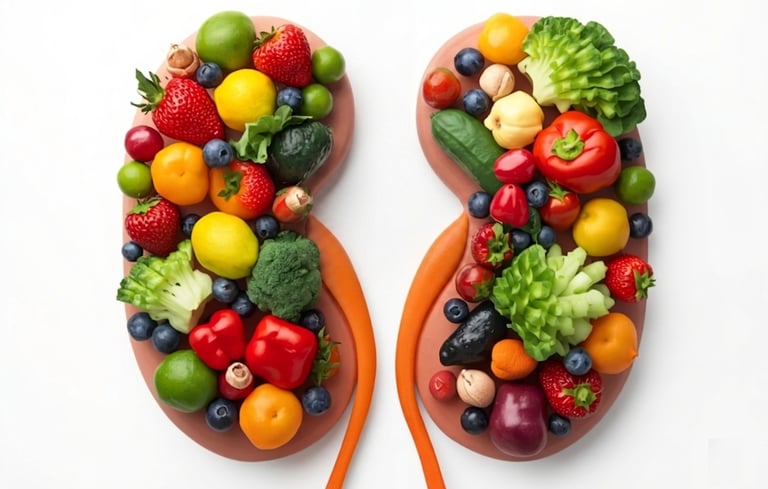
Foods That Support Kidney Health: A Science-Based Guide to Protecting Your Kidneys Naturally
By BiteBrightly 28 March 2026: This post might contain affiliate links.
The word "cleanse" is everywhere in wellness culture — detox teas, cleansing protocols, juice fasts promising to flush toxins from organs that, in healthy individuals, are already doing exactly that job with extraordinary efficiency. Your kidneys filter approximately 200 liters of blood daily, removing waste products, balancing electrolytes, regulating blood pressure, activating vitamin D, and producing erythropoietin to drive red blood cell production. They are the body's most sophisticated filtration system — and they require no external cleansing protocol to function.
What they do require is specific nutritional support.
Chronic kidney disease (CKD) affects approximately 850 million people globally, making it one of the most prevalent chronic conditions worldwide. Kidney stones affect 1 in 11 people in developed countries. Urinary tract infections are among the most common bacterial infections in humans. And the dietary patterns that protect kidney function — or silently damage it — are among the least discussed aspects of everyday food choices.
This guide is not about "cleansing" in the detox sense. It is about the nutritional science of kidney health: the foods and compounds that genuinely support glomerular filtration, reduce the oxidative stress and inflammation that drive CKD progression, inhibit kidney stone formation, support urinary tract health, and protect the renal tubules from the damage that chronic dietary patterns accumulate over decades. There is meaningful science here — and it points to specific, well-understood foods worth prioritizing.
Key Takeaways
The kidneys do not require "cleansing" — they are self-regulating filtration organs. What they require is protection from the oxidative stress, inflammation, chronic dehydration, excessive protein load, and high-sodium dietary patterns that progressively impair glomerular filtration rate over time
Adequate hydration is the single most evidence-based kidney protection strategy — targeting 2–3 liters of fluid daily from water, herbal teas, and water-rich foods maintains the urine dilution that prevents crystal supersaturation and the tubular concentration required for waste excretion
Cranberry proanthocyanidins prevent bacterial adherence to urinary tract epithelium through a type-A linkage mechanism — reducing recurrent urinary tract infection incidence in at-risk populations confirmed in meta-analysis
Citrate from lemon juice, limes, and citrus fruits directly inhibits calcium oxalate and calcium phosphate kidney stone formation by binding calcium in urine and raising urinary pH
Hyperuricemia from high-purine diets drives both uric acid stone formation and progressive renal tubular damage — cherry anthocyanins reduce uric acid by inhibiting xanthine oxidase, the enzyme targeted by allopurinol
The DASH diet — characterized by high intake of fruits, vegetables, whole grains, and low-fat dairy with reduced sodium and red meat — is the most consistently evidence-supported dietary pattern for both kidney stone prevention and CKD risk reduction in large prospective studies
Important: People with established CKD (particularly stages 3–5) require individualized dietary management from a registered renal dietitian — the general kidney-supportive dietary guidance in this article may not be appropriate for those with impaired kidney function, as potassium, phosphorus, and protein requirements differ substantially
How the Kidneys Work — and What Damages Them
The Filtration Architecture
Each kidney contains approximately one million nephrons — the functional filtration units through which all of the body's blood is filtered multiple times daily. Each nephron consists of the glomerulus (a capillary tuft that filters blood under pressure), Bowman's capsule (which collects the filtrate), and a series of tubules (the proximal convoluted tubule, loop of Henle, distal convoluted tubule, and collecting duct) that reabsorb the majority of filtered water, glucose, amino acids, and electrolytes while concentrating waste products in the final urine.
Glomerular filtration rate (GFR) — the volume of blood filtered per minute — is the primary measure of kidney function. Normal GFR is approximately 90–120 ml/min. CKD is defined by a GFR below 60 ml/min persisting for more than 3 months, with progressive reduction through 5 stages to kidney failure (GFR below 15 ml/min) requiring dialysis or transplantation.
The Primary Drivers of Kidney Damage
Oxidative stress: The kidneys are unusually vulnerable to oxidative damage because of their high metabolic rate, high oxygen consumption, and the concentrated toxins they handle. Reactive oxygen species (ROS) from mitochondrial activity in tubular cells, from the processing of filtered oxidized lipids and proteins, and from dietary patterns high in advanced glycation end products (AGEs) progressively damage glomerular capillary endothelium and tubular epithelium, reducing filtration capacity. Dietary antioxidants — particularly polyphenols, vitamin C, and carotenoids — reduce this oxidative burden.
Chronic inflammation: NF-kB-mediated inflammatory signaling drives the fibrosis (scarring) that characterizes progressive CKD. Inflammatory cytokines (TGF-beta, IL-6, TNF-alpha) stimulate mesangial cell proliferation, extracellular matrix accumulation, and podocyte injury in the glomerulus — the hallmarks of glomerular sclerosis and CKD progression. Dietary patterns high in saturated fat, refined carbohydrates, and processed meat maintain the chronic inflammatory state that drives this fibrotic progression.
Hyperuricemia: Elevated uric acid (from high-purine dietary intake and impaired renal excretion) directly damages renal tubular cells through crystal deposition and through the direct tubulotoxic effects of soluble uric acid on proximal tubule cells. Uric acid induces oxidative stress in tubular cells and activates the NLRP3 inflammasome, driving the inflammatory cascade that accelerates CKD progression even in the absence of frank gout or uric acid stone formation.
Kidney stones: Nephrolithiasis (kidney stones) affects glomerular filtration through direct obstruction of urinary flow, through the inflammatory response to tubular epithelial injury during stone passage, and through the recurrent infection risk that stone presence creates. The four primary stone types — calcium oxalate (the most common, approximately 80%), calcium phosphate, uric acid, and struvite — each have distinct dietary determinants, with dietary strategies available for all four.
Chronic dehydration: Inadequate fluid intake concentrates urine, increasing the supersaturation of stone-forming minerals and reducing the tubular flow rate that dilutes filtered toxins. Studies in stone formers consistently show lower daily urine output than non-stone formers, and the single most effective intervention for stone prevention is increasing fluid intake to achieve urine output above 2 liters daily.
The 15 Best Foods for Kidney Health
1. Water and Hydrating Fluids
Water is the most important kidney health "food" available — and its evidence base for kidney protection is more robust than any specific food compound, making adequate hydration the non-negotiable foundation of any kidney health dietary strategy.
How it works: The kidneys require adequate fluid flow to maintain the tubular concentration gradient required for waste excretion and to dilute urine sufficiently to prevent crystal supersaturation. When fluid intake is insufficient, urine becomes highly concentrated — the crystallization threshold for calcium oxalate, calcium phosphate, uric acid, and cystine is reached at lower absolute mineral concentrations, dramatically increasing stone formation risk. Concentrated urine also increases the contact time between filtered toxins and tubular epithelium, increasing tubulotoxic damage from processed metabolic waste products.
A meta-analysis published in the American Journal of Kidney Diseases confirmed that high fluid intake (targeting urine output above 2 liters daily) reduces kidney stone recurrence by approximately 60% compared to low fluid intake — the strongest single dietary intervention for stone prevention in the literature.
Adequate hydration also reduces UTI risk by maintaining the urinary flow that mechanically flushes bacteria from the bladder and urethra before they can adhere to and colonize the epithelium. Beyond stones and UTI, adequate hydration supports the renal tubular function that maintains electrolyte balance, blood pressure, and acid-base homeostasis.
How to use it: The traditional "8 glasses of water" recommendation translates roughly to 2 liters daily — but individual requirements vary considerably based on body size, activity level, climate, and dietary sodium and protein intake. A practical gauge: pale yellow urine (not colorless, not dark amber) throughout the day indicates adequate hydration. Dark yellow or amber morning urine followed by pale urine through the day is normal; persistently dark urine through the afternoon indicates chronic underhydration.
Herbal teas (dandelion, nettle, ginger, green tea) count toward daily fluid intake and provide additional kidney-supportive compounds. Plain sparkling water is equivalent to still water for hydration. Coffee and tea (moderate amounts) contribute to fluid intake despite their mild diuretic effect. Alcohol's net dehydrating effect means that alcoholic beverages require compensatory additional water intake.
2. Cranberries
Cranberries are the most evidence-supported food for urinary tract health — with specific type-A proanthocyanidins that prevent bacterial adherence to urinary epithelium through a mechanism now well-characterized in the clinical literature, confirmed in multiple meta-analyses for recurrent UTI prevention.
How it works: Urinary tract infections occur when uropathogenic Escherichia coli (E. coli) — the causative organism in approximately 80–85% of community-acquired UTIs — adheres to the P-fimbriae receptors on urinary tract epithelial cells. P-fimbriae are hair-like bacterial surface structures that bind to specific mannose and galactose residues on the epithelial cell glycocalyx.
Cranberry proanthocyanidins (PACs) — specifically those with type-A linkages, which are structurally distinct from the type-B PACs in most other fruits — interfere with P-fimbriae adhesion by binding to the P-fimbriae structures themselves, reducing their ability to engage with epithelial receptors. They also modify the surface properties of E. coli, reducing its hydrophobic adhesion to epithelial surfaces. The net effect is that bacteria that enter the urinary tract are less able to adhere and colonize, and are more efficiently cleared by urinary flow.
A meta-analysis of 23 randomized controlled trials published in the Cochrane Database of Systematic Reviews found that cranberry products significantly reduced the risk of UTI recurrence in women with recurrent UTIs — with the effect most pronounced in women with two or more UTIs annually. The type-A PAC content is the critical variable: the minimum effective dose is approximately 36mg of type-A PACs daily, which is achievable from approximately 240ml of pure unsweetened cranberry juice or 1–2 standard cranberry extract capsules (commercial cranberry "cocktails" diluted with apple juice and added sugar do not provide therapeutic PAC doses).
Safety note for CKD patients: Cranberry is high in oxalate and should be used cautiously by people with a history of calcium oxalate kidney stones or CKD — discuss with your healthcare provider.
How to use it: Pure unsweetened cranberry juice (not cranberry cocktail) diluted with water for palatability; cranberry extract standardized to type-A PAC content; fresh or frozen cranberries in smoothies (most concentrated whole-food source); or dried unsweetened cranberries in oatmeal and salads (though drying concentrates both beneficial PACs and oxalate).
3. Lemon Juice and Citrus Fruits
Lemon juice is the most evidence-supported dietary intervention for calcium oxalate and calcium phosphate kidney stone prevention — providing citrate in a bioavailable form that directly inhibits stone crystal nucleation and growth through well-characterized urinary chemistry.
How it works: Citrate — the most abundant anion in urine — inhibits kidney stone formation through two simultaneous mechanisms. First, citrate forms soluble complexes with calcium in urine (calcium-citrate complexes), reducing the free ionic calcium concentration available to combine with oxalate or phosphate to form insoluble crystals. Second, citrate directly inhibits the nucleation and growth of calcium oxalate and calcium phosphate crystals by adsorbing onto crystal surfaces and blocking additional mineral deposition.
Research published in the Journal of Urology found that daily lemon juice supplementation (120ml diluted in 2 liters of water daily) significantly increased urinary citrate in stone-forming patients and reduced stone formation rate over a 3-year follow-up period — with the effect comparable to pharmaceutical potassium citrate supplementation in patients with hypocitraturia (low urinary citrate, the most common urinary chemical risk factor for calcium stone formation).
Citric acid from lemons is absorbed in the small intestine, partially metabolized to bicarbonate, and excreted in urine as citrate. Alkalinization of urine from bicarbonate metabolization additionally reduces uric acid stone formation (uric acid crystallizes only in acidic urine) while the citrate simultaneously inhibits calcium stone formation — making lemon juice a dual-mechanism stone prevention dietary strategy.
How to use it: The juice of half a lemon in water, 2–3 times daily (particularly in the morning before breakfast and with the highest-fluid-intake period of the day); lemon slices in water bottles as a daily hydration flavor enhancement that also delivers therapeutic citrate doses; lemon-dressed salads and lemon over vegetables — culinary lemon use contributes meaningful citrate to daily intake. Other citrus fruits (lime, orange, grapefruit) also provide citrate, though lemon and lime have the highest citrate concentrations per unit volume.
4. Watermelon
Watermelon is the most water-rich whole food available (approximately 92% water by weight) and provides L-citrulline — an amino acid that improves renal blood flow through vasodilation and has demonstrated direct kidney-protective effects in research models of renal ischemia and oxidative injury.
How it works: L-citrulline is converted to L-arginine in the kidneys and liver, where it drives nitric oxide (NO) synthesis through endothelial nitric oxide synthase (eNOS). Nitric oxide is the primary vasodilator in renal afferent arterioles — maintaining the glomerular blood pressure and perfusion rate required for normal filtration. In conditions of reduced renal blood flow (hypertension-driven nephropathy, contrast-induced nephropathy, ischemic nephropathy), adequate NO availability is critical for maintaining GFR.
Watermelon is the richest dietary source of L-citrulline (approximately 250mg per 100g of flesh — higher than any commonly consumed food). L-citrulline supplementation has demonstrated renal-protective effects in research models of acute kidney injury, specifically through the NO-mediated improvement in renal microcirculation that reduces ischemic tubular damage.
Lycopene from watermelon (the carotenoid responsible for its red color) provides direct antioxidant protection to renal tubular cells against the lipid peroxidation that is a primary mechanism of nephrotoxic injury. The high water content of watermelon contributes directly to the hydration status that is the foundational kidney health strategy.
How to use it: Two cups of fresh watermelon daily as a hydrating snack or dessert; watermelon smoothies with mint and lime (L-citrulline + citrate + additional hydration); chilled watermelon with a squeeze of lemon as a summer kidney health food; watermelon juice (whole blended, not juiced, to retain lycopene fiber matrix).
5. Blueberries and Dark Berries
Blueberries provide the highest anthocyanin density of any common fruit alongside pterostilbene — a stilbene compound with specific nephroprotective effects in research settings — making them the most kidney-targeted berry for long-term renal health protection.
How it works: Blueberry anthocyanins activate Nrf2 — the master antioxidant defense transcription factor — in renal tubular cells, driving upregulation of superoxide dismutase, catalase, glutathione peroxidase, and heme oxygenase-1. These antioxidant enzymes constitute the primary defense against the mitochondrial ROS and lipid peroxides that drive tubular oxidative injury in CKD progression. Nrf2 activation has been specifically proposed as a therapeutic target for CKD management — with blueberry-derived compounds among the most potent dietary Nrf2 activators available from whole food.
Pterostilbene — the methylated analogue of resveratrol found in higher concentrations in blueberries than in any other commonly consumed food — has demonstrated direct inhibition of renal fibrosis in research models through suppression of TGF-beta/Smad3 signaling, the primary fibrotic pathway that drives glomerular sclerosis and tubular atrophy in progressive CKD.
Research published in the Journal of Agricultural and Food Chemistry identified blueberry polyphenol metabolites in kidney tissue following consumption — confirming that blueberry compounds reach renal tissue where they can exert their Nrf2 activating and anti-fibrotic effects directly, rather than acting solely through systemic antioxidant mechanisms.
How to use it: One cup of fresh or frozen blueberries daily — in yogurt, overnight oats, smoothies, or as a standalone snack. Wild blueberries have approximately double the anthocyanin and pterostilbene content of cultivated varieties. Frozen blueberries retain full polyphenol content and are nutritionally equivalent to fresh. Combine with other dark berries (blackberries, raspberries, dark cherries) for a broader anthocyanin spectrum targeting multiple oxidative and inflammatory pathways simultaneously.
6. Tart Cherries
Tart cherries provide the most concentrated dietary source of anthocyanins alongside uric acid-lowering compounds that make them specifically valuable for both uric acid stone prevention and the direct tubular protection from hyperuricemia that drives CKD progression in at-risk individuals.
How it works: Tart cherry anthocyanins (predominantly cyanidin-3-glucosylrutinoside and cyanidin-3-rutinoside) inhibit xanthine oxidase — the enzyme that catalyzes the final step of purine metabolism to uric acid. Xanthine oxidase inhibition is the mechanism of allopurinol (the most commonly prescribed gout and hyperuricemia medication). By inhibiting this enzyme through a dietary mechanism, tart cherries reduce uric acid production and lower serum uric acid levels.
A randomized, double-blind, crossover study published in the Journal of Nutrition found that tart cherry juice consumption significantly reduced serum uric acid and urinary uric acid excretion — establishing the xanthine oxidase inhibition mechanism in humans with documented reduction in hyperuricemia.
Reducing uric acid is relevant to kidney health through multiple pathways: uric acid crystal deposition in renal tubules causes direct tubular injury; soluble uric acid at elevated concentrations activates the NLRP3 inflammasome and drives the inflammatory cascade that promotes CKD progression; and uric acid nephrolithiasis (uric acid kidney stones) is directly prevented by the lower uric acid urine supersaturation that results from reduced production.
The anti-inflammatory anthocyanins in tart cherries also reduce the systemic inflammatory markers (CRP, IL-6) that independently drive CKD progression through the NF-kB inflammatory fibrosis pathway.
How to use it: Eight ounces of unsweetened tart cherry juice daily (the clinical trial dose); one cup of frozen tart cherries in smoothies or overnight oats; tart cherry concentrate (1–2 tablespoons diluted in water) as a more concentrated dose option. Avoid sweetened cherry products — the added sugar load counterproductive to the overall kidney health dietary pattern.
7. Garlic
Garlic provides allicin and related organosulfur compounds with direct nephroprotective effects — reducing the oxidative stress, inflammation, and hypertensive kidney damage that are the three primary drivers of progressive CKD at the cellular level.
How it works: Allicin (produced when garlic is crushed, allowing alliinase to convert alliin) is converted in the body to allyl mercaptan and other sulfur-containing compounds that directly scavenge reactive oxygen species in renal tissue. In research models of renal ischemia-reperfusion injury — a primary model of acute kidney damage — garlic-derived organosulfur compounds have demonstrated significant reduction of lipid peroxidation markers (MDA, 4-HNE) and restoration of antioxidant enzyme activity (SOD, CAT) in renal tissue.
Garlic reduces systemic blood pressure through multiple mechanisms — including ACE inhibition (the same target as ACE inhibitor blood pressure medications) and NO-mediated vasodilation. Hypertension is the second most common cause of CKD after diabetes, and dietary interventions that reduce blood pressure reduce the glomerular hypertensive injury that is a primary driver of glomerulosclerosis and CKD progression.
Allicin additionally reduces tubular damage from nephrotoxic compounds (including heavy metals and certain medications) through induction of metallothioneins and phase 2 detoxification enzymes that sequester and inactivate nephrotoxic species before they damage tubular epithelium.
How to use it: Three to five cloves of fresh garlic daily, crushed or finely minced and rested 10 minutes before cooking (allicin formation requires this 10-minute waiting period). Added to almost every savory preparation — soups, stir-fries, salads, lentil dishes, roasted vegetables. Raw garlic in dressings provides the highest allicin content.
8. Turmeric (With Black Pepper)
Turmeric provides curcumin — one of the most studied anti-inflammatory and antifibrotic compounds available from food — with specific evidence in clinical and preclinical research for protection against the fibrotic progression, oxidative injury, and inflammatory cascade driving CKD advancement.
How it works: Curcumin directly inhibits NF-kB activation in renal cells, reducing the inflammatory cytokine production (TGF-beta, IL-6, TNF-alpha) that drives the mesangial expansion, tubular atrophy, and interstitial fibrosis of progressive CKD. TGF-beta is the most important pro-fibrotic cytokine in renal disease — it drives the myofibroblast differentiation and extracellular matrix deposition that scars functional renal tissue. Curcumin inhibits TGF-beta/Smad3 signaling specifically in renal fibroblasts, directly opposing the primary fibrotic pathway of CKD progression.
Research published in the American Journal of Nephrology examining curcumin supplementation in patients with IgA nephropathy found significant reductions in proteinuria (excess protein in urine — a marker of glomerular damage) and inflammatory markers over 3 months — establishing clinical evidence for curcumin's renal protective effects beyond preclinical research.
Curcumin additionally activates Nrf2 in renal tubular cells (complementing the Nrf2 activation from blueberry pterostilbene described above) — driving antioxidant enzyme upregulation that protects tubular cells from the oxidative injury that chronically accumulates in kidney disease. Piperine from black pepper increases curcumin bioavailability by 2,000% by inhibiting intestinal glucuronidation — always combine turmeric with a pinch of black pepper.
How to use it: Half a teaspoon of ground turmeric daily with a pinch of black pepper — in golden milk (warm plant milk + turmeric + ginger + black pepper + honey), in overnight oats, in scrambled eggs, in lentil soups and curries, or in roasted vegetable preparations. Fat alongside turmeric (olive oil, coconut milk, nut butter) further improves curcumin absorption.
9. Ginger
Ginger provides gingerols and shogaols — bioactive compounds with direct nephroprotective effects through anti-inflammatory, antioxidant, and blood pressure-lowering mechanisms — alongside the diuretic-adjacent effect of improving renal blood flow that supports filtration efficiency.
How it works: 6-Gingerol directly inhibits NF-kB activation in renal cells, reducing the inflammatory cytokine production that drives CKD progression through the same pathway as turmeric's curcumin — but through distinct molecular targets (gingerol specifically inhibits IKKβ, while curcumin inhibits both IKKβ and directly targets IκBα), making ginger and turmeric complementary rather than redundant anti-inflammatory inputs at the renal level.
Ginger's 5-LOX inhibition is particularly relevant to kidney health: 5-lipoxygenase drives leukotriene production in renal mesangial cells and tubular cells, contributing to the glomerular inflammation and tubular injury of nephritis and CKD progression. The dual COX-2 + 5-LOX inhibition of gingerols provides broader anti-inflammatory coverage in the kidney than most single-target anti-inflammatory compounds.
Zingerone from cooked ginger has demonstrated direct protection of renal tubular cells from cisplatin-induced nephrotoxicity in research models — through antioxidant mechanisms that reduce the tubular lipid peroxidation from nephrotoxic agents that is a model for the general oxidative tubular injury of chronic kidney disease.
How to use it: Fresh grated ginger in warm water with lemon as a morning kidney-supportive tonic (ginger + lemon citrate — two kidney health mechanisms in one preparation); ginger in smoothies with berries; ginger in golden milk alongside turmeric; grated ginger in Asian-style dressings and stir-fries; ginger tea (sliced fresh ginger steeped 10 minutes in hot water).
10. Dandelion Greens and Root
Dandelion is the most kidney-relevant traditional herbal food — with both the greens (high in potassium and vitamin C) and the root (rich in inulin and sesquiterpene lactones with mild diuretic properties) providing documented effects on urine production, potassium balance, and renal antioxidant status.
How it works: Dandelion leaf contains taraxasterol, chlorogenic acid, and luteolin — polyphenols with direct anti-inflammatory effects in renal cells. A small human study published in the Journal of Alternative and Complementary Medicine found that dandelion leaf extract significantly increased urine volume and frequency of urination in human subjects — confirming the traditional use of dandelion as a natural diuretic that supports kidney clearance without the potassium depletion caused by pharmaceutical diuretics (dandelion leaf is rich in potassium, compensating for urinary potassium losses).
The inulin in dandelion root feeds Bifidobacterium gut bacteria, contributing to the gut-kidney axis that is increasingly recognized as clinically important in CKD management — gut microbiome dysbiosis in CKD increases the production of uremic toxins (indoxyl sulfate, p-cresol sulfate) that are absorbed from the gut and damage renal tubules, while adequate prebiotic fiber supports the microbial composition that reduces uremic toxin production.
Dandelion greens are among the highest dietary sources of vitamin K — relevant to kidney health because vitamin K activates matrix Gla protein (MGP) in renal tissue, which prevents the soft tissue calcification (including renal tubular calcification) that is common in CKD and further impairs renal function.
Safety note: The mild diuretic effect of dandelion is generally safe in healthy individuals. People with CKD, those on diuretic medications, or those with potassium management issues should consult their healthcare provider before regular therapeutic dandelion use.
How to use it: Dandelion greens in salads (young leaves are less bitter — combine with sweeter leaves and a lemon-olive oil dressing); dandelion root tea (roasted dandelion root tea is available commercially as a caffeine-free coffee alternative); dandelion greens sautéed with garlic and olive oil as a kidney-supportive side dish.
11. Celery
Celery is the most kidney-supportive high-water vegetable — providing the hydration contribution of 95% water content alongside phthalides (organic compounds that reduce blood pressure through vascular smooth muscle relaxation) and apiole, which has a mild diuretic effect that supports urinary flow and kidney function.
How it works: Celery phthalides (3-n-butyl phthalide and sedanolide) directly relax vascular smooth muscle through calcium channel inhibition, reducing peripheral vascular resistance and blood pressure. Since hypertension is the second leading cause of CKD, and since glomerular hypertensive injury is one of the most important drivers of progressive renal function decline, blood pressure reduction from dietary celery consumption directly reduces one of the primary kidney damage mechanisms.
Celery's 95% water content contributes meaningfully to daily fluid intake when consumed in reasonable amounts — a cup of celery provides nearly a cup equivalent of hydration alongside the vegetable's fiber, vitamins, and mineral content.
Luteolin from celery has demonstrated direct inhibition of NF-kB in renal tubular cells and reduction of the inflammatory cytokine production that drives CKD progression, complementing the vascular and hydration benefits of celery consumption.
How to use it: Celery sticks with hummus or nut butter as a hydrating, kidney-supportive snack; celery in soups and stews (cooked celery retains its phthalide content and contributes water to the preparation); fresh celery juice (pressed, not centrifuged) provides concentrated phthalides; celery in fresh salads with lemon-olive oil dressing.
12. Parsley
Parsley is the most flavonoid-rich common culinary herb — providing apigenin and luteolin at concentrations that, when consumed as more than a garnish, provide direct diuretic support and renal antioxidant protection that traditional herbal medicine has documented for centuries and modern research has begun characterizing mechanistically.
How it works: Parsley contains apiol (a phenylpropanoid) and myristicin, which have demonstrated mild diuretic effects in animal studies through inhibition of the Na-K-ATPase pump in renal tubular cells — reducing sodium reabsorption and increasing urinary sodium and water output. This gentle increase in urine flow supports the mechanical clearance of crystallogenic minerals and bacterial colonists from the urinary tract.
Apigenin — the dominant flavonoid in parsley — inhibits NF-kB and directly reduces oxidative stress in renal cells through Nrf2 activation, providing anti-inflammatory and cytoprotective effects that parallel those of the berry anthocyanins and curcumin described elsewhere in this guide. Apigenin additionally inhibits the aldose reductase pathway in renal cells — reducing the sorbitol accumulation in tubular cells that contributes to osmotic tubular injury in diabetic nephropathy.
The high vitamin C content of fresh parsley (133mg per 100g — one of the highest of any herb or vegetable) provides direct antioxidant protection to glomerular and tubular cells from the oxidative stress that is the primary mechanism of kidney damage across virtually every cause of CKD.
How to use it: Fresh parsley generously on soups, salads, grain dishes, and as a condiment — not as a decorative garnish but as a genuine daily culinary herb consumed in substantial amounts (2–4 tablespoons fresh chopped daily). Parsley in tabouleh (the traditional preparation provides therapeutic doses of fresh parsley). Parsley in green smoothies with lemon, cucumber, and ginger — a kidney-supportive drink combining parsley's diuretic apigenin with lemon citrate and ginger anti-inflammatory compounds.
13. Red Bell Peppers
Red bell peppers are the lowest-potassium, highest-vitamin C vegetable available — making them particularly valuable for CKD patients who require potassium restriction while still needing antioxidant protection for compromised kidneys, as well as for healthy individuals seeking maximum kidney antioxidant support per serving.
How it works: One cup of raw red bell pepper provides 190mg of vitamin C — the highest of any common vegetable — alongside lycopene, capsanthin, and quercetin, while providing only 314mg of potassium (significantly lower than most high-antioxidant vegetables like spinach and kale). For CKD patients in stages 3–5 who are managing hyperkalemia (elevated blood potassium from reduced renal excretion), the low-potassium + high-antioxidant profile of red bell pepper makes it one of the most valuable vegetables for maintaining antioxidant intake within potassium constraints.
Vitamin C at the levels provided by red bell pepper directly reduces the oxidative stress in renal glomerular endothelial cells from the lipid peroxidation products that circulate in CKD. Lycopene from red bell pepper reduces the RAGE receptor activation and advanced glycation end product formation that drives diabetic and hypertensive nephropathy progression.
For individuals without established CKD, the vitamin C + lycopene + quercetin combination in red bell peppers constitutes comprehensive renal antioxidant protection through multiple simultaneous mechanisms — quercetin specifically protecting against the NF-kB-driven inflammation in mesangial cells, lycopene protecting against oxidative glomerular damage, and vitamin C protecting tubular cells through its concentration-dependent renal antioxidant mechanisms.
How to use it: Raw red bell pepper strips as a daily snack with hummus; stuffed red bell peppers with lentils and rice; roasted red peppers in grain bowls; red bell pepper in stir-fries — always with minimal cooking to maximize vitamin C retention (heat degrades vitamin C significantly; raw or very lightly cooked provides maximum kidney-protective vitamin C).
14. Olive Oil (Extra-Virgin)
Extra-virgin olive oil provides oleocanthal (a natural COX inhibitor), hydroxytyrosol (the most potent phenolic antioxidant in any dietary fat), and oleic acid in a combination that reduces the renal inflammatory and oxidative burden while providing the fat required for absorption of fat-soluble kidney-protective compounds (curcumin, carotenoids, vitamin K).
How it works: Hydroxytyrosol — the most bioavailable polyphenol in EVOO — has demonstrated direct nephroprotective effects in research models of cisplatin-induced nephrotoxicity and ischemia-reperfusion injury, through reduction of renal lipid peroxidation, preservation of antioxidant enzyme activity (SOD, CAT), and reduction of tubular apoptosis. Hydroxytyrosol accumulates specifically in kidney tissue following EVOO consumption — reaching concentrations in renal cells that are above those in most other tissues, suggesting preferential kidney uptake.
Oleocanthal's COX-1/2 inhibitory properties reduce renal prostaglandin E2 production — prostaglandins are key mediators of the glomerular inflammatory response in nephritis and in the hemodynamic changes of hypertensive nephropathy that reduce GFR.
Oleic acid from EVOO reduces the saturated fatty acid-mediated TLR4 activation in renal macrophages that drives the inflammatory cytokine production underlying CKD progression — replacing saturated dietary fats with EVOO directly reduces the renal inflammatory burden.
How to use it: Two tablespoons of high-quality EVOO daily — as the primary cooking fat for all kidney-supportive vegetables, as a salad dressing base with lemon (combining oleocanthal's anti-inflammatory effects with lemon's citrate kidney stone prevention), drizzled over cooked lentils and vegetables, or used in herbal preparations with turmeric and garlic that require fat for optimal bioactive absorption.
15. Green Tea and Herbal Teas (Nettle, Dandelion Root)
Green tea is the most kidney-protective commonly consumed beverage — providing EGCG with direct evidence for reduction of renal oxidative stress, protection against contrast nephropathy, and inhibition of the renal fibrosis that characterizes CKD progression, alongside its hydration contribution.
How it works: EGCG (epigallocatechin-3-gallate), the dominant catechin in green tea, activates Nrf2 in renal tubular cells — upregulating the antioxidant enzyme response that protects tubular cells from oxidative injury. Research published in Nephrology Dialysis Transplantation found that EGCG significantly reduced renal fibrosis markers in animal models of CKD — with TGF-beta/Smad3 pathway inhibition identified as the primary anti-fibrotic mechanism, complementing turmeric's identical pathway-target anti-fibrotic action.
EGCG inhibits ACE (angiotensin-converting enzyme) with moderate potency — reducing the angiotensin II-mediated vasoconstriction and aldosterone production that drives hypertensive nephropathy. The multiple daily cups of green tea consumed in Japanese populations (where green tea intake is highest) has been proposed as a contributing dietary factor to the relatively low CKD prevalence in Japan compared to similarly aged Western populations.
Nettle tea (Urtica dioica) provides compounds that increase urinary output and have anti-inflammatory properties relevant to UTI and kidney stone management. Dandelion root tea provides prebiotic inulin for the gut-kidney axis alongside its mild diuretic and hepatoprotective effects. Together, herbal teas provide kidney-supportive benefits while contributing to the daily fluid intake that is the foundational kidney health strategy.
How to use it: Two to three cups of green tea daily (brewed at 70–80°C, 2–3 minutes — not boiling water, which degrades EGCG); one cup of nettle or dandelion root tea as an afternoon kidney-supportive herbal drink; matcha provides 10–20× the EGCG of brewed green tea in a single serving.
Dietary Patterns and Habits That Harm the Kidneys
Excessive Sodium
High sodium intake drives hypertensive nephropathy through two mechanisms: it elevates blood pressure (which directly damages glomerular capillaries through hemodynamic stress), and it independently stimulates renal renin-angiotensin-aldosterone system activation even at normalized blood pressures — accelerating glomerulosclerosis. The kidneys must process all ingested sodium, and the energy cost of tubular sodium reabsorption is a primary driver of renal oxygen consumption and oxidative stress.
The DASH diet — characterized by sodium reduction to 1,500–2,300mg daily alongside high fruit, vegetable, and whole grain intake — is the dietary pattern most consistently associated with both kidney stone prevention and reduced CKD progression risk in large cohort studies.
Very High Animal Protein Intake
Excess dietary protein — particularly from animal sources — increases renal acid load (through sulfuric acid from sulfur-containing amino acids in meat), reduces urinary pH (creating conditions favorable for uric acid stone formation), increases urinary calcium excretion (through the acidemia-driven bone calcium mobilization), and elevates glomerular filtration rate through hyperfiltration that, while initially appearing beneficial (higher GFR), progressively damages glomerular capillaries through the mechanical stress of chronic hyperfiltration.
Moderate protein intake from diverse sources (including plant proteins) is preferable to high-dose animal protein diets for long-term kidney health. The kidneys' acid-base regulatory function is directly stressed by chronically high animal protein consumption.
Chronic Dehydration
As described throughout this guide — insufficient fluid intake is the most preventable driver of kidney stone formation, UTI recurrence, and chronic tubular concentration injury. Chronic mild dehydration is more damaging to kidney health than acute dehydration because it maintains persistently concentrated urine that continuously stresses tubular function without the acute corrective response that severe dehydration triggers.
High Fructose from Added Sugar
High fructose intake from added sugars (particularly high-fructose corn syrup in processed foods and beverages) drives uric acid production through the AMP deaminase pathway — fructose metabolism produces AMP as a byproduct, which is catabolized to uric acid. Regular high-fructose consumption chronically elevates serum uric acid, driving both uric acid stone formation and the direct tubular injury from hyperuricemia described in the cherry and uric acid sections.
Frequently Asked Questions
Do the kidneys need to be "detoxed" or "cleansed"?
Healthy kidneys detoxify continuously and do not require external detoxification protocols. The filtration of 200 liters of blood daily with the removal of metabolic waste products, drug metabolites, and toxic compounds is the kidneys' primary function — performed by a system of extraordinary complexity and efficiency. Commercial "kidney cleanses" — which typically consist of herbal preparations, juice fasts, or supplement protocols — have no clinical evidence for improving kidney function in people with healthy kidneys. What kidneys do require is the nutritional and dietary support described in this guide: adequate hydration, antioxidant-rich foods to reduce the oxidative stress that damages filtration tissue, anti-inflammatory dietary patterns to prevent the fibrotic progression of subclinical inflammation, and avoidance of the dietary patterns (excessive sodium, high-fructose processed foods, chronic dehydration) that progressively impair function.
Can diet prevent kidney stones from forming?
Dietary strategies are the most evidence-supported intervention for kidney stone prevention in most stone formers. For calcium oxalate stones (the most common type): increase fluid intake to urine output above 2 liters daily; increase dietary citrate (lemon juice, citrus fruits); moderate oxalate intake from highest-oxalate foods (spinach, beets, rhubarb, nuts — particularly for those with a documented history of calcium oxalate stones); and ensure adequate dietary calcium at meals (dietary calcium binds oxalate in the gut, reducing urinary oxalate — low-calcium diets paradoxically increase stone risk by allowing more oxalate absorption). For uric acid stones: increase fluid intake; reduce high-purine foods (organ meats, anchovies, shellfish, red meat in excess); increase alkaline vegetables and fruits (raising urine pH above 5.5 prevents uric acid crystallization). Consultation with a urologist or nephrologist is recommended for stone formers to identify stone type (through stone analysis) and tailor dietary recommendations.
How much water should I drink for kidney health?
The general target is 2–2.5 liters of total fluid daily for adults in moderate climates without heavy physical activity — sufficient to produce urine output of 1.5–2 liters daily (pale yellow, not colorless). Stone formers should aim for urine output above 2 liters daily, typically requiring 2.5–3 liters of fluid intake. Fluid needs increase with physical activity, hot weather, high dietary sodium and protein intake, and in individuals who have experienced kidney stones. Water is preferable but herbal teas, milk, and low-sugar beverages all count. Coffee and moderate tea are acceptable; alcohol requires compensatory additional water. People with established CKD, heart failure, or conditions causing fluid retention should have fluid intake managed by their healthcare provider.
Are high-oxalate foods bad for kidney health?
High-oxalate foods (spinach, beets, rhubarb, almonds, dark chocolate, sweet potatoes) are a concern primarily for people who: have a documented history of calcium oxalate kidney stones; have conditions causing hyperoxaluria (elevated urinary oxalate) such as inflammatory bowel disease, gastric bypass surgery, or primary hyperoxaluria; or have CKD with impaired oxalate excretion. For the general population without these specific conditions, high-oxalate foods are part of an otherwise healthy dietary pattern — their antioxidant, fiber, and micronutrient contributions to kidney health outweigh the modest theoretical oxalate risk. The key practice is eating calcium-containing foods alongside high-oxalate foods (calcium binds oxalate in the gut, preventing its intestinal absorption and reducing urinary oxalate load) rather than avoiding high-oxalate foods entirely.
What dietary changes are most important for people with established CKD?
This is an individualized clinical question requiring registered renal dietitian input — the answer depends on CKD stage, etiology (diabetic vs. hypertensive vs. glomerular), comorbidities, medications, and laboratory values. In general, CKD dietary management involves: sodium restriction (1,500–2,000mg daily to reduce blood pressure and fluid retention); protein moderation (0.6–0.8g/kg/day in non-dialysis CKD to reduce nitrogen waste load and glomerular hyperfiltration); potassium restriction in hyperkalemia (CKD stages 4–5); phosphorus restriction and avoidance of phosphate food additives (common in processed foods) in hyperphosphatemia; and fluid restriction in late-stage CKD with oliguria. Many of the general kidney-supportive foods discussed in this guide (high potassium vegetables, phosphorus-rich foods) may require moderation or avoidance in specific CKD stages. Always work with a renal dietitian.
References and Further Reading
Ferraro PM et al. — American Journal of Kidney Diseases (2017) — Dietary Protein and Potassium, Diet-Dependent Net Acid Load, and Risk of Incident Kidney Stones Prospective study from three large cohort studies (HPFS, NHS I, NHS II) establishing the dietary risk factors for incident kidney stones — including the relationship between animal protein, dietary acid load, urinary calcium and citrate, and the evidence base for the DASH dietary pattern as the most comprehensively protective dietary approach for kidney stone prevention across stone types.
Stacewicz-Sapuntzakis M — Nutrition Reviews (2013) — Dried Plums and Their Products: Composition and Health Effects Review establishing the anti-inflammatory and nephroprotective mechanisms of polyphenol-rich plant foods — including the Nrf2 activation pathway in renal cells from berry anthocyanins, pterostilbene's anti-fibrotic TGF-beta/Smad3 suppression, and the clinical evidence base for dietary antioxidants in CKD progression modulation.
Jepson RG et al. — Cochrane Database of Systematic Reviews (2012) — Cranberries for preventing urinary tract infections Systematic review and meta-analysis of 23 randomized controlled trials confirming that cranberry products significantly reduce UTI recurrence in women with recurrent UTIs — establishing the type-A proanthocyanidin P-fimbriae anti-adhesion mechanism as the clinically relevant pathway, with product quality (type-A PAC concentration) identified as the primary variable determining efficacy.
Sakhaee K — Kidney International (2008) — Recent advances in the pathophysiology of nephrolithiasis Comprehensive review of kidney stone formation chemistry and dietary determinants — including the citrate inhibition mechanism for calcium stone prevention, the urinary pH-uric acid crystallization relationship, the evidence for lemon juice as a clinical citrate supplementation strategy, and the fluid intake-stone recurrence dose-response data.
About the Author
Judith Tsanga is an Applied Biosciences & Biotechnology graduate with an Advanced Level qualification in Food Science, and the founder of BiteBrightly. Her passion for food as medicine began with her own experience: after making targeted dietary changes, she noticed a meaningful improvement in her eyesight — a personal transformation that inspired her mission to share evidence-based nutrition insights that help others eat well and heal boldly. Content on BiteBrightly is for educational purposes and isn't a substitute for advice from your doctor or dietitian.
Follow on Pinterest for daily health tips, recipes, and wellness inspiration.
Important Notice: The information in this article is for educational purposes only and is not intended as medical advice. I am not a medical doctor, registered dietitian, or nephrologist. Kidney disease — including chronic kidney disease (CKD), nephrolithiasis (kidney stones), and recurrent urinary tract infections — requires professional medical evaluation and management. The dietary guidance in this article is designed for generally healthy individuals seeking to support kidney health and is NOT appropriate for individuals with established CKD stages 3–5 without individualized guidance from a registered renal dietitian, as potassium, phosphorus, protein, and fluid requirements differ substantially and the foods recommended here may be contraindicated. Never self-manage kidney disease through dietary change alone. If you are experiencing symptoms of kidney problems (back or flank pain, blood in urine, reduced urine output, swelling in the legs or ankles, persistent fatigue, or frequent UTIs), please seek prompt medical evaluation. Herbal preparations including dandelion, parsley, and nettle can interact with diuretic medications and affect potassium balance — discuss with your healthcare provider if taking medications. These statements have not been evaluated by the FDA.
Related posts
Connect
Join our newsletter for fresh health tips
© 2026. All rights reserved.