Foods That Fight Depression and Anxiety Naturally: What to Eat for a Calmer, Happier Mind
95% of serotonin is made in your gut. EPA omega-3 reduces depression in clinical trials. Magnesium calms GABA receptors. 15 foods for mood — explained simply.
by BiteBrightly
4/21/202623 min read
Foods That Fight Depression and Anxiety Naturally: What to Eat for a Calmer, Happier Mind
By BiteBrightly 21 April 2026: This post might contain affiliate links.
Before we get into the foods, let us be honest about something important: food is not a cure for depression or anxiety. If you are struggling with your mental health, please talk to a doctor or a therapist — because you deserve real support, not just a list of foods.
But here is what is also true: what you eat has a direct, measurable effect on how your brain works, how your mood feels, and how well your body handles stress. The research on this is real, it is growing fast, and it is genuinely exciting. A whole area of medicine called nutritional psychiatry has emerged in the last decade specifically to study the connection between food and mental health — and what it has found changes how most people think about what they eat.
Your brain is the most complex organ in your body. It runs on nutrients. It produces the chemicals that control your mood — serotonin, dopamine, GABA, and others — from raw materials that come from your food. It is surrounded and supported by billions of gut bacteria that communicate directly with it through a pathway called the gut-brain axis. And it is constantly under siege from inflammation, which — when it becomes chronic — is now recognized as one of the most important drivers of depression.
When the food you eat supports all of these systems, your brain has the best possible biological conditions for good mental health. When your diet is missing the nutrients your brain needs — or when it is actively feeding inflammation — your brain struggles to produce the chemicals that help you feel calm, motivated, and okay.
This guide covers the 15 foods that the research supports most strongly for fighting depression and anxiety naturally. Every single one of these foods has real science behind it — and we are going to explain how each one works in plain, clear language.
Key Takeaways
About 95% of your body's serotonin — the "feel-good" chemical most associated with happiness and calm — is produced in your gut, not your brain. This means your gut health directly controls a massive part of your brain's mood chemistry
The gut-brain axis is a real, two-way communication highway between your gut and your brain. What you eat shapes your gut microbiome, and your gut microbiome shapes your mood, stress response, and mental health
Inflammation in the body travels to the brain — research has found that people with depression consistently have higher levels of inflammatory markers in their blood, and anti-inflammatory foods directly reduce this brain inflammation
Omega-3 fatty acids from fatty fish are the most studied dietary compound for depression and anxiety — multiple clinical trials have found omega-3 supplementation reduces depression symptoms, particularly EPA
Magnesium is known as "nature's tranquilizer" — it calms the nervous system, regulates the stress hormone cortisol, and deficiency is strongly associated with anxiety and depression
A healthy, diverse, plant-rich diet — what researchers call a Mediterranean-style diet — has been shown in randomized controlled trials to significantly reduce symptoms of depression in people with clinical depression
Why Food Affects Your Mood — The Simple Science
Your Brain Is Made From What You Eat
Your brain contains about 100 billion neurons — nerve cells that communicate with each other through chemical messengers called neurotransmitters. The most important ones for mood are:
Serotonin — nicknamed "the happiness chemical." It creates feelings of wellbeing, calm, and contentment. Low serotonin is strongly associated with depression. About 95% of it is made in your gut — and it is made from an amino acid called tryptophan, which comes directly from food (turkey, eggs, dairy, legumes).
Dopamine — the "motivation and reward" chemical. It creates the feeling of drive, pleasure, and satisfaction. Low dopamine is associated with the flat, unmotivated feelings of depression. It is made from an amino acid called tyrosine, which comes from protein foods.
GABA — the main calming chemical in your brain. It reduces the activity of nerve cells, creating feelings of relaxation and calm. Think of it as your brain's natural anti-anxiety medication. It is influenced by gut bacteria and by foods that support gut health.
Cortisol — not a mood chemical itself, but the main stress hormone. When cortisol is chronically high — from ongoing stress, poor sleep, or an inflammatory diet — it damages parts of the brain involved in mood regulation and makes depression and anxiety significantly worse.
The Gut-Brain Axis: Your Second Brain
Here is one of the most surprising facts in modern neuroscience: your gut has its own nervous system. It contains approximately 500 million neurons — more than your spinal cord. Scientists call it the "enteric nervous system," and some call the gut "the second brain."
Your gut and your brain communicate constantly through the vagus nerve — a major nerve highway that runs between them. And here is the key point: this communication goes both ways. Your brain sends signals to your gut (which is why anxiety causes stomach upset), but your gut also sends signals to your brain.
The gut bacteria that live in your digestive system — your gut microbiome — produce neurotransmitters, influence inflammation levels throughout your body, and directly shape the signals sent up the vagus nerve to your brain. When your gut microbiome is healthy and diverse, it sends calming, mood-supporting signals. When it is disrupted — from a poor diet, antibiotics, or chronic stress — it sends stress and inflammation signals to your brain.
This is why the foods that support your gut are among the most important foods for mental health.
The Inflammation-Depression Connection
Inflammation is your immune system's protective response — it is healthy and normal after an injury or infection. But when inflammation becomes chronic and low-grade (from an inflammatory diet, gut dysbiosis, obesity, or chronic stress), it affects your brain in a very specific way.
Inflammatory cytokines (the chemical messengers of inflammation) can cross the blood-brain barrier. Once in the brain, they activate a response called "sickness behavior" — the withdrawn, low-energy, flat emotional state that feels very similar to depression. Research has now confirmed that people with depression consistently have elevated inflammatory markers in their blood, and that reducing inflammation through diet, exercise, and lifestyle can significantly reduce depression symptoms.
The 15 Best Foods for Depression and Anxiety
1. Wild Salmon and Fatty Fish
Wild salmon is the most evidence-supported food for mental health. The omega-3 fatty acids in fatty fish — particularly EPA (eicosapentaenoic acid) — have been studied in dozens of clinical trials for depression and anxiety, with consistently positive results.
Why it works: Your brain is approximately 60% fat by dry weight. A significant portion of this fat is DHA (docosahexaenoic acid) — an omega-3 fatty acid. DHA is literally a structural component of the membranes of brain cells, particularly in the parts of the brain responsible for mood regulation (the prefrontal cortex and hippocampus). Without adequate dietary DHA, these membranes become less fluid, less functional, and less able to respond to serotonin and dopamine.
EPA works differently — it reduces the inflammation in the brain that drives depression. Multiple meta-analyses (studies that combine the results of many trials) have found that EPA supplementation is an effective treatment for depression, with effects comparable to antidepressant medication in some studies.
A meta-analysis published in Translational Psychiatry found that omega-3 supplementation significantly reduced depression symptoms — with EPA specifically identified as the active compound for mood, and DHA for brain structural health.
Wild salmon also provides vitamin D — one of the most important nutritional factors for mood regulation. Many people with depression are deficient in vitamin D, and supplementation studies have found that correcting deficiency significantly improves mood. A single 3oz serving of wild salmon provides 570–1,000 IU of vitamin D.
How to eat it: Aim for two to three servings of wild-caught fatty fish weekly — wild salmon, sardines (the most affordable option and exceptionally nutrient-dense), mackerel, or trout. Bake, grill, or cook in olive oil with herbs and lemon.
2. Fermented Foods (Kefir, Yogurt, Kimchi, Sauerkraut)
Fermented foods are the most direct dietary intervention for the gut-brain axis — seeding your gut with the beneficial bacteria that produce mood-supporting neurotransmitters and reduce the gut-derived inflammation that travels to the brain.
Why it works: The bacteria in fermented foods — particularly Lactobacillus and Bifidobacterium species — have direct effects on brain chemistry. Research has found that specific Lactobacillus strains produce GABA directly in the gut, and that Lactobacillus rhamnosus significantly reduces anxiety-like behavior in animal models through its direct effects on GABA receptor expression in the brain. The same bacteria reduce cortisol levels through their effects on the HPA (hypothalamic-pituitary-adrenal) axis — the body's stress response system.
Think of the bacteria in fermented foods as tiny chemical factories living in your gut. They produce neurotransmitters, they communicate through the vagus nerve with your brain, and they reduce the inflammation that otherwise travels up to affect your mood.
Research published in Psychiatry Research found that regular consumption of fermented foods was associated with significantly lower levels of social anxiety — particularly in people who were high in neuroticism — establishing a direct association between probiotic food consumption and anxiety reduction.
Plain kefir is the most probiotic-rich option available — it contains 30–50 different probiotic strains compared to the 2–5 in most yogurts. Plain unsweetened yogurt is more widely accessible and still highly beneficial. Kimchi and sauerkraut provide different Lactobacillus strains alongside anti-inflammatory compounds.
How to eat it: Daily fermented food consumption — half a cup of plain kefir or yogurt in the morning, two tablespoons of kimchi or sauerkraut alongside a meal. Vary the type for diverse bacterial strains.
3. Leafy Greens (Spinach, Kale, Swiss Chard)
Dark leafy greens are one of the most important food categories for mental health — primarily because they are the richest dietary source of folate (vitamin B9), a nutrient that is directly required for the production of serotonin, dopamine, and norepinephrine.
Why it works: Folate is required for a process called methylation — a chemical reaction that happens billions of times per day in your body and is involved in almost every aspect of brain chemistry. In the context of mental health, methylation is directly involved in converting the amino acid homocysteine into SAM-e (S-adenosylmethionine) — a compound your brain uses to produce neurotransmitters. When folate is low, this pathway slows down, SAM-e levels drop, and your brain produces less serotonin and dopamine.
People with depression have consistently been found to have lower folate levels than people without depression. And interestingly, SAM-e itself is sold as an antidepressant supplement in Europe and is used as an adjunct to antidepressant medication in clinical psychiatry — the same compound that folate-rich foods support the production of.
Magnesium from leafy greens (spinach provides 157mg per cup cooked) is the other major mental health mineral in greens. Magnesium is described in more detail in the next section — but briefly, it is required for over 300 enzymatic reactions in the brain and body, and deficiency is strongly associated with anxiety, depression, and insomnia.
How to eat it: Two cups of cooked dark leafy greens daily. Smoothies with spinach (you genuinely cannot taste it). Sautéed kale with garlic and lemon as a side dish. Leafy greens in soups, pasta sauces, and stir-fries.
4. Dark Chocolate (70% Cacao or Higher)
Dark chocolate is one of the most enjoyable mental health foods — and the science behind it is genuinely impressive. It contains a specific combination of compounds that reduce cortisol, boost mood-enhancing brain chemicals, and support the gut bacteria that produce neurotransmitters.
Why it works: One to two ounces of dark chocolate (70%+ cacao) provides a combination of compounds that work on multiple brain pathways simultaneously:
Phenylethylamine (PEA) — a compound that triggers the release of dopamine and endorphins in the brain, creating the warm, pleasant feeling people associate with eating chocolate. This is the same compound that the brain releases when you fall in love — which is why chocolate has been associated with happiness for centuries.
Flavanols — antioxidant compounds that increase blood flow to the brain (particularly the hippocampus, which is involved in learning, memory, and mood regulation), reduce neuroinflammation, and activate BDNF (brain-derived neurotrophic factor) — the protein that stimulates the growth of new brain cells and is reduced in depression.
Magnesium — dark chocolate is one of the richest dietary magnesium sources available (65mg per ounce). As discussed below, magnesium is one of the most important minerals for anxiety and stress management.
Prebiotic compounds — the flavanols in dark chocolate are fermented by gut bacteria, specifically feeding the Lactobacillus and Bifidobacterium species most beneficial for the gut-brain axis.
Clinical research has found that 40g of dark chocolate daily for two weeks significantly reduced urinary cortisol and catecholamine (stress hormone) levels — confirming a direct stress-reducing biological effect.
How to eat it: One to two ounces of 70%+ dark chocolate daily. Higher cacao percentage = more flavanols and magnesium, less sugar. Combine with berries or nuts for an enhanced antioxidant and prebiotic effect.
5. Avocado
Avocado is one of the most nutritionally complete foods for brain health — providing healthy monounsaturated fat for brain cell membranes, folate for neurotransmitter production, vitamin B6 for serotonin synthesis, potassium for nerve function, and magnesium for stress regulation, all in one food.
Why it works: Vitamin B6 (pyridoxine) from avocado is a required cofactor for the enzymes that convert tryptophan to serotonin and tyrosine to dopamine. Without adequate B6, your body has the raw amino acid materials for making these mood chemicals but cannot complete the conversion — like having all the ingredients for a recipe but missing the cooking method.
The monounsaturated oleic acid in avocado makes up a large proportion of brain cell membrane phospholipids, supporting the membrane fluidity that allows serotonin and dopamine receptors to function efficiently. Research has found that higher dietary monounsaturated fat intake is associated with better emotional regulation and lower depression scores.
Avocado's potassium (975mg per avocado) supports healthy nerve cell electrical activity. The nervous system runs on electrical signals, and potassium is one of the main electrolytes that maintains the voltage difference across nerve cell membranes that makes this signaling possible. Potassium deficiency is associated with fatigue, irritability, and mood instability.
How to eat it: Half an avocado daily — on whole grain toast alongside eggs, in salads, in smoothies with leafy greens and banana, or as guacamole with vegetable sticks.
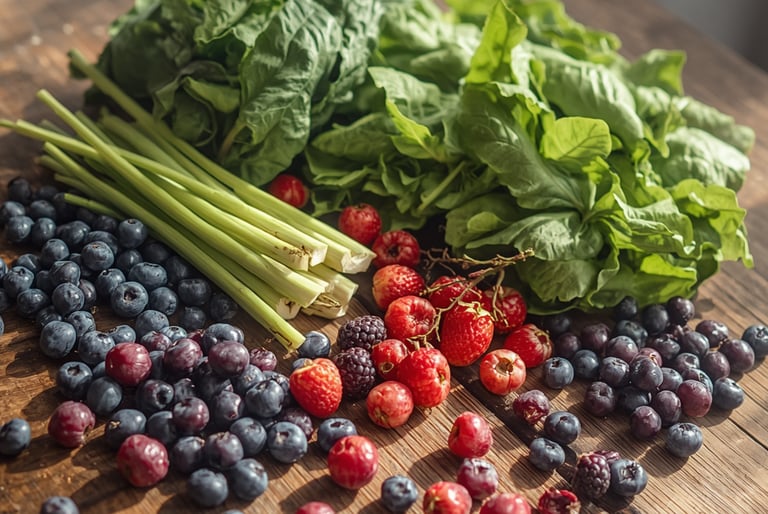
6. Berries (Blueberries, Strawberries, Blackberries)
Berries are among the most powerful anti-inflammatory foods available — and since chronic inflammation is one of the primary drivers of depression, berries directly address one of the most important dietary roots of low mood.
Why it works: The anthocyanins in dark berries — the pigments creating their deep blue, red, and purple colors — are the most potent natural NF-kB inhibitors identified. NF-kB is the master switch controlling the production of inflammatory cytokines (the chemical messengers of inflammation). When anthocyanins switch off NF-kB, they reduce the neuroinflammation that has been shown to drive depression.
But berries do more than reduce inflammation — they directly support brain cell health. Blueberry anthocyanins specifically cross the blood-brain barrier and accumulate in the hippocampus and prefrontal cortex — the brain regions most affected by depression and anxiety. In the hippocampus, they activate BDNF (brain-derived neurotrophic factor) through the CREB signaling pathway. BDNF is often called "fertilizer for your brain" — it promotes the growth of new brain cells and the strengthening of connections between them. Depression is associated with reduced hippocampal volume and reduced BDNF — berries directly address both.
A randomized controlled trial found that daily wild blueberry consumption significantly improved mood and reduced negative emotions in young adults compared to a placebo control — one of the cleaner human trial demonstrations of a fruit's direct effect on mood.
How to eat it: One cup of mixed berries daily — in yogurt, in overnight oats, as a snack, in smoothies, or alongside dark chocolate for a powerful anti-inflammatory brain-food combination.
7. Eggs
Eggs are a superstar food for brain chemistry — because they provide choline and tryptophan alongside complete protein, and both choline and tryptophan are direct precursors to the chemicals your brain uses for mood regulation.
Why it works: Choline from egg yolks is used by your brain to make acetylcholine — a neurotransmitter involved in attention, learning, memory, and emotional regulation. Choline is also used to make phosphatidylserine, a fat that is critical for the function and regulation of cortisol receptors in the brain. When phosphatidylserine is adequate, your brain can properly control cortisol — the stress hormone. When it is inadequate, cortisol regulation breaks down, and you become more reactive to stress.
Tryptophan from eggs is the amino acid precursor to serotonin. Your body converts tryptophan → 5-HTP → serotonin in a two-step process. When dietary tryptophan is adequate alongside the B vitamins needed for these conversion steps, your brain has the raw materials to produce the serotonin that creates feelings of calm and wellbeing.
Eggs are also one of the few significant food sources of vitamin B12 — a B vitamin specifically required for myelin synthesis (the insulating sheath around nerve fibers) and for the methylation reactions that produce mood-regulating neurotransmitters. B12 deficiency is strongly associated with depression and is common in people over 50 and in people eating plant-based diets.
How to eat it: Two to three whole eggs daily — always the whole egg, as all the choline, vitamin D, B12, and tryptophan are primarily in the yolk. Scrambled with spinach, poached alongside avocado, or hard-boiled as a snack.
8. Oats and Whole Grains
Oats are particularly important for mental health because they stabilize blood sugar — and blood sugar instability is one of the most overlooked drivers of anxiety, irritability, and low mood.
Why it works: Here is a connection most people have never been told: when your blood sugar crashes — which happens when you eat high-glycemic foods (sugary cereals, white bread, pastries, sugary drinks) followed by a blood sugar spike and then a rapid drop — your body releases cortisol and adrenaline as an emergency response to restore blood sugar. These are stress hormones. When they surge through your body, you feel anxious, irritable, shaky, and emotionally fragile.
If this blood sugar rollercoaster happens multiple times per day — as it does for many people eating a typical modern diet — you are essentially hitting your anxiety system multiple times daily with stress hormone surges. This compounds real anxiety and makes mood regulation much harder.
Oats prevent this through beta-glucan — the viscous soluble fiber that slows the absorption of sugar from the entire meal into your bloodstream. This produces a stable, gentle rise in blood sugar rather than a spike, which means no crash, no cortisol surge, and no blood sugar-driven anxiety. Stable blood sugar = stable mood.
Oats also provide tryptophan, B vitamins (B1, B5, B6), and magnesium — all directly relevant to neurotransmitter production. The complex carbohydrates in oats additionally help tryptophan cross the blood-brain barrier more easily (carbohydrates trigger insulin, which clears competing amino acids from the blood, making more room for tryptophan to enter the brain).
How to eat it: Whole rolled oats or steel-cut oats for breakfast — overnight oats with berries, nut butter, and seeds is one of the most complete mental health breakfasts you can make. Avoid instant oats with added sugar, which undermine the blood sugar stability benefit.
9. Pumpkin Seeds and Magnesium-Rich Foods
Magnesium has been called "nature's tranquilizer" — and pumpkin seeds are one of the richest dietary sources of this extraordinary mineral. Magnesium deficiency is so strongly associated with anxiety and depression that some researchers have described it as "the missing mineral in mental health."
Why it works: Magnesium works on anxiety and stress through multiple pathways in the brain. First, it blocks NMDA receptors — the receptors that get overactivated under stress and produce the hyperexcitability associated with anxiety. Second, it activates GABA receptors — your brain's main calming receptors, the same receptors targeted by anti-anxiety medications like benzodiazepines. Magnesium is essentially a natural, gentle GABA activator.
Third, magnesium regulates the HPA axis — the hypothalamic-pituitary-adrenal system that controls cortisol production. When magnesium is adequate, the HPA axis responds to stress appropriately and then switches off. When magnesium is low, the HPA axis becomes overactivated and cortisol stays elevated, keeping the body in a chronic stress state.
Research has found that approximately 50% of Western adults consume less magnesium than the recommended daily amount — making magnesium deficiency one of the most widespread nutritional contributors to anxiety in the modern world.
One ounce of pumpkin seeds provides 156mg of magnesium — approximately 37% of the daily recommendation. Other excellent magnesium sources: dark chocolate, leafy greens, nuts, legumes, and whole grains.
How to eat it: Two tablespoons of pumpkin seeds daily sprinkled on oatmeal, salads, yogurt, or as a snack. Combined with dark chocolate (another top magnesium source), a single afternoon snack can deliver a significant magnesium dose for nervous system calm.
10. Legumes (Lentils, Chickpeas, Black Beans)
Legumes are among the best plant-based foods for mental health — providing tryptophan (serotonin precursor), folate (neurotransmitter methylation), magnesium (nervous system calm), and the prebiotic fiber that feeds the gut bacteria producing GABA and other mood-supporting compounds.
Why it works: Tryptophan from lentils and beans feeds directly into the serotonin production pathway. The slow-digesting carbohydrates in legumes — which release glucose gradually — create the stable blood sugar that avoids cortisol surges, while also helping tryptophan cross the blood-brain barrier through the insulin mechanism described in the oats section.
The prebiotic fiber in legumes (particularly galactooligosaccharides and resistant starch) is fermented by gut bacteria to produce short-chain fatty acids — butyrate, propionate, and acetate. Butyrate is particularly important for mental health: it reduces gut inflammation (and therefore the inflammatory signals traveling to the brain), supports the integrity of the gut wall (preventing "leaky gut" where inflammatory compounds can escape into circulation), and directly influences the vagus nerve signals that affect mood.
B vitamins from legumes — folate, B1, B6 — support all the methylation and neurotransmitter conversion reactions described throughout this guide.
How to eat it: One to two cups of cooked legumes daily — lentil soup with leafy greens and lemon, hummus with vegetables, chickpea curry with rice, black bean tacos with avocado.
11. Walnuts
Walnuts are the most brain-supportive nut available — earning their reputation by their shape (they genuinely look like a brain) and by their unique combination of ALA omega-3, vitamin E, polyphenols, and melatonin that directly support brain health and mood.
Why it works: Walnuts have the highest ALA (alpha-linolenic acid omega-3) content of any tree nut — 2,570mg per ounce. ALA is an omega-3 precursor that the body partially converts to EPA and DHA (the direct brain omega-3s from fish), though conversion is limited. More directly, walnut ALA reduces neuroinflammation, and walnut polyphenols increase BDNF in the hippocampus — the same brain growth factor stimulated by blueberries and dark chocolate.
Walnuts are one of the few plant foods containing melatonin — the hormone governing sleep. Sleep disruption is one of the most significant worsening factors for both depression and anxiety, and adequate melatonin supports the deep sleep where emotional processing, memory consolidation, and brain repair occur.
Ellagitannins in walnuts are converted by gut bacteria to urolithin A — a compound that activates mitophagy (cellular cleanup of damaged mitochondria) in brain cells, reducing the mitochondrial dysfunction that has been identified as a contributing factor in depression.
Research found that walnut consumption was associated with significantly reduced depression symptoms in adults from large population survey data, with the ALA, polyphenol, and melatonin content identified as the likely mechanisms.
How to eat it: One ounce of raw walnuts daily — in overnight oats, on salads, in trail mix with dark chocolate and dried berries, or as a simple snack. Raw walnuts preserve more polyphenols than roasted.
12. Turkey and Lean Protein
Turkey is the most famous dietary source of tryptophan — and tryptophan is the starting material your body uses to make serotonin, the primary mood-regulating neurotransmitter. But turkey's mental health benefits go beyond tryptophan — it also provides vitamin B6, B12, zinc, and selenium, all of which play specific roles in brain chemistry.
Why it works: Tryptophan from turkey is converted to serotonin through a two-step process that also requires vitamin B6 and iron. Turkey provides both tryptophan and vitamin B6 in the same food, which means it delivers both the raw material and the cofactor needed for serotonin production in a single source.
Zinc from turkey supports the regulation of NMDA receptors — the same receptors that magnesium modulates for anxiety. Zinc deficiency is associated with increased NMDA receptor activity and heightened anxiety responses. Interestingly, zinc also modulates the activity of BDNF — the brain growth factor that supports hippocampal health and mood regulation.
Selenium from turkey activates glutathione peroxidase — the primary antioxidant enzyme protecting brain cells from oxidative damage. Oxidative stress in the brain is increasingly recognized as a contributing factor in both depression and anxiety, and adequate selenium helps the brain maintain its antioxidant defense system.
How to eat it: Turkey breast is the leanest, most tryptophan-dense format — grilled, roasted, or in wraps and salads. Chicken is a good alternative with similar B vitamin and protein profiles. Other lean meats and fish provide similar benefits.
13. Green Tea and Matcha
Green tea and matcha are unique among beverages for mental health — because they contain L-theanine, an amino acid that directly promotes relaxation without causing drowsiness, and because this effect works in specific combination with caffeine to create a focused calm rather than the anxious jitteriness some people experience from coffee.
Why it works: L-theanine is an amino acid found almost exclusively in tea leaves. It crosses the blood-brain barrier and directly stimulates GABA production — the brain's calming neurotransmitter. It also increases alpha brain wave activity, which is the brain state associated with relaxed alertness (think: the calm, focused state you might enter during meditation). Unlike benzodiazepine anti-anxiety medications (which also work through GABA), L-theanine achieves this without sedation, dependency, or cognitive impairment.
The combination of L-theanine and caffeine in green tea produces what researchers describe as "alert calmness" — improved focus and attention from caffeine, but without the anxiety, racing thoughts, or jitteriness that caffeine alone can cause in sensitive individuals. This combination has been confirmed in multiple randomized trials to improve attention, reaction time, and mood while reducing mental fatigue.
EGCG (epigallocatechin-3-gallate) — the main antioxidant in green tea — reduces neuroinflammation, activates BDNF in the hippocampus, and modulates serotonin and dopamine receptor activity. Matcha provides 10–20× more EGCG than brewed green tea because you consume the whole leaf ground into powder.
How to eat it: Two to three cups of high-quality brewed green tea daily. Brew at 70–80°C (not boiling — high heat reduces L-theanine and EGCG). Matcha latte with warm oat or almond milk as a morning ritual — particularly valuable as a more calming alternative to coffee for anxiety-prone individuals.
14. Bananas
Bananas are one of the most accessible and underrated mood foods — providing tryptophan, vitamin B6, magnesium, potassium, and natural sugars in a form that delivers a gentle, sustainable energy lift rather than a blood sugar spike.
Why it works: Bananas provide the tryptophan-B6 combination that directly supports serotonin production — tryptophan as the precursor and B6 as the cofactor for the conversion enzyme. Eating a banana with its combination of natural sugars and resistant starch (particularly in less-ripe bananas) also helps tryptophan cross the blood-brain barrier through the insulin mechanism, making it more effective at reaching the brain.
The potassium in bananas (422mg per medium banana) supports the electrical activity of nerve cells throughout the nervous system. Potassium works alongside sodium to maintain the membrane potential of nerve cells — the electrical voltage difference that makes nerve signaling possible. When potassium is low, nerve cells become less efficient, and fatigue, brain fog, and mood instability can result.
Magnesium from bananas (32mg per medium banana) contributes to the daily total that regulates GABA receptors and the HPA stress axis. Less ripe bananas have a higher resistant starch content — which ferments in the gut to produce butyrate, directly supporting the gut-brain axis.
How to eat it: One banana daily — in overnight oats or smoothies with peanut butter (the peanut butter adds protein and more tryptophan), as a pre-workout snack, or frozen and blended into "nice cream" for a healthy dessert. The banana-almond butter combination is one of the most practical quick mood-supporting snacks available.
15. Olive Oil (Extra-Virgin)
Extra-virgin olive oil is the cornerstone fat of the Mediterranean diet — the dietary pattern most consistently associated with lower rates of depression and anxiety in research. Its anti-inflammatory and neurotrophic (brain-supporting) properties make it one of the most important dietary fats for mental health.
Why it works: Oleocanthal — a phenolic compound in high-quality extra-virgin olive oil — inhibits the same inflammatory enzymes (COX-1 and COX-2) as ibuprofen. Since neuroinflammation is a primary driver of depression, consuming olive oil as your main dietary fat provides a continuous, gentle anti-inflammatory effect that supports brain health over time.
Oleic acid — the primary fat in olive oil — is converted in the gut to oleoylethanolamide (OEA), which activates receptors in the brain that promote feelings of wellbeing and satiety. OEA also stimulates the vagus nerve — the main highway of the gut-brain axis — potentially enhancing the mood-supporting signals traveling from gut to brain.
The landmark PREDIMED study found that people following a Mediterranean diet supplemented with extra-virgin olive oil had significantly lower rates of depression compared to people following a low-fat control diet — one of the strongest pieces of clinical evidence connecting dietary fat quality to mental health outcomes.
Polyphenols from EVOO activate SIRT1 and Nrf2 — proteins that reduce neuroinflammation and support the antioxidant defenses that protect brain cells from the oxidative stress contributing to mood disorders.
How to eat it: Two tablespoons of high-quality extra-virgin olive oil daily — as the primary cooking fat, in salad dressings, drizzled over roasted vegetables, or in soups. Choose cold-pressed, dark-bottled EVOO for maximum polyphenol content.
A Simple Daily Plan for Better Mood Through Food
Here is what a day of eating for mental health can look like — practical, delicious, and realistic:
Breakfast: Overnight oats with banana, pumpkin seeds, mixed berries, plain yogurt, and a drizzle of honey Mood nutrients: beta-glucan blood sugar stability, tryptophan + B6, magnesium, anthocyanins, GABA-supporting probiotics
Mid-morning: One ounce of dark chocolate (70%+) with a small handful of walnuts Mood nutrients: PEA + flavanols for dopamine, BDNF boost, melatonin, cortisol reduction
Lunch: Lentil soup with spinach, garlic, and lemon + whole grain bread with olive oil Mood nutrients: folate for neurotransmitters, tryptophan, prebiotic butyrate, anti-inflammatory EVOO, magnesium
Snack: Half an avocado on rye crackers with a boiled egg Mood nutrients: B6 for serotonin conversion, choline for cortisol regulation, tryptophan, potassium
Dinner: Wild salmon with roasted sweet potato and broccoli, dressed with olive oil and lemon + a cup of green tea Mood nutrients: EPA + DHA for brain structure, vitamin D, L-theanine for GABA, EGCG anti-neuroinflammation
Before bed: Plain kefir or yogurt with a few frozen berries Mood nutrients: Lactobacillus for gut-brain axis, GABA from fermented bacteria, anthocyanins
Foods and Habits That Make Depression and Anxiety Worse
Ultra-Processed Foods and Added Sugar
High-sugar, ultra-processed foods spike blood sugar rapidly, causing the cortisol and adrenaline stress response that mimics and worsens anxiety. They are also profoundly anti-nutritional — they displace the nutrient-dense foods your brain needs while providing empty calories that feed gut dysbiosis. Research has consistently found that high ultra-processed food consumption is associated with significantly higher rates of depression.
Excess Alcohol
Alcohol is a central nervous system depressant that disrupts sleep architecture, depletes B vitamins and magnesium, inflames the gut, and increases neuroinflammation. While it may temporarily reduce anxiety through GABA activation, the rebound effect — elevated anxiety the following day — is well-documented. Regular alcohol consumption significantly worsens both depression and anxiety over time.
Skipping Meals
Skipping meals — particularly breakfast — creates blood sugar instability that triggers stress hormone release and amplifies anxiety throughout the day. Your brain uses approximately 20% of your total energy, and it is particularly sensitive to drops in blood glucose. Regular, balanced meals maintain the stable blood sugar that supports emotional regulation.
Frequently Asked Questions
Can food really help with depression and anxiety?
Yes — but it is one piece of the picture, not the whole picture. Research has demonstrated that dietary patterns, specific nutrients, and gut microbiome composition all have measurable effects on mood, brain chemistry, and mental health outcomes. A field called nutritional psychiatry has produced multiple clinical trials showing that dietary improvements can reduce depression symptoms. However, depression and anxiety are complex conditions that often require professional support — therapy, medication, lifestyle changes, and social connection are all important. Food is a powerful supportive tool, not a standalone cure.
Is there one single best food for depression?
If there is one food that appears most consistently in mental health research, it is fatty fish — because EPA omega-3 has been shown in the largest number of clinical trials to directly reduce depression symptoms. But no single food transforms mental health on its own — the research consistently points to dietary patterns (particularly Mediterranean-style eating with diverse whole foods, fermented foods, fatty fish, nuts, and olive oil) rather than any single food as the most impactful dietary approach to mental health.
How long before dietary changes affect mood?
Some changes are relatively quick — blood sugar stabilization from reducing high-glycemic foods and eating regular balanced meals can reduce anxiety-related irritability within days to a week. Gut microbiome shifts from increased fermented foods and fiber take four to eight weeks to meaningfully change mood-related bacterial populations. The structural brain changes from improved omega-3 intake (DHA incorporation into neuronal membranes) take weeks to months of consistent dietary change. Expect meaningful mood improvements within four to eight weeks of consistent implementation, with continued improvements over three to six months.
What about caffeine and anxiety?
Caffeine blocks adenosine receptors — the receptors that signal sleepiness — and simultaneously activates the release of cortisol and adrenaline. For people prone to anxiety, this can significantly worsen anxious symptoms. If you experience anxiety and regularly consume coffee, reducing or replacing with green tea (which provides caffeine alongside L-theanine for a calmer energy effect) may produce noticeable improvements in baseline anxiety. Individual sensitivity to caffeine varies significantly — some people metabolize it quickly with no anxiety effects, while others are highly sensitive. Pay attention to your own response.
References and Further Reading
Jacka FN et al. — BMC Medicine (2017) — A randomised controlled trial of dietary improvement for adults with major depression (the 'SMILES' trial) The SMILES trial is the landmark randomized controlled trial demonstrating that a Mediterranean-style dietary intervention significantly reduced depression symptoms compared to social support alone — one of the most important pieces of evidence that diet can directly treat clinical depression, with a 32% remission rate in the dietary intervention group.
Lassale C et al. — Molecular Psychiatry (2019) — Healthy dietary indices and risk of depressive outcomes: a systematic review and meta-analysis Systematic review and meta-analysis of 41 studies confirming that healthy dietary patterns (Mediterranean, pro-vegetarian, AHEI) were associated with significantly reduced depression risk across diverse populations — establishing the Mediterranean dietary pattern as the most evidence-supported dietary approach to depression prevention.
Huang Q et al. — Nutrients (2016) — Linking what we eat to our mood: a review of diet, serotonin and gut-brain axis Review establishing the gut-brain axis mechanisms underlying dietary effects on mood — including the role of dietary tryptophan in serotonin production, the influence of gut microbiome composition on serotonin and GABA production, and the evidence for fermented foods and prebiotic fiber in mood regulation.
Jacka FN et al. — Nutritional Neuroscience (2010) — Association of Western and traditional diets with depression and anxiety in women Large population study confirming that a traditional whole-food dietary pattern was associated with significantly lower rates of depression and anxiety in women, while a Western dietary pattern (high in processed food, refined grains, and sugar) was associated with significantly higher rates — establishing the bidirectional diet-mental health association in a large real-world population.
About the Author
Judith Tsanga is an Applied Biosciences & Biotechnology graduate with an Advanced Level qualification in Food Science, and the founder of BiteBrightly. Her passion for food as medicine began with her own experience: after making targeted dietary changes, she noticed a meaningful improvement in her eyesight — a personal transformation that inspired her mission to share evidence-based nutrition insights that help others eat well and heal boldly. Content on BiteBrightly is for educational purposes and isn't a substitute for advice from your doctor or dietitian.
Follow on Pinterest for daily health tips, recipes, and wellness inspiration.
Important Notice: The information in this article is for educational purposes only and is not intended as medical advice. I am not a doctor, psychiatrist, psychologist, or licensed mental health professional. Depression and anxiety are serious medical conditions that require professional diagnosis and treatment. If you are experiencing depression, anxiety, or any mental health concerns, please speak with a qualified healthcare provider. Dietary changes can support mental health as part of a comprehensive approach but should never replace appropriate professional mental health care. If you are in crisis or having thoughts of self-harm, please contact a crisis helpline or emergency services immediately. These statements have not been evaluated by the FDA.
Related posts
Connect
Join our newsletter for fresh health tips
© 2026. All rights reserved.