Best Foods After a Workout: What to Eat for Recovery and Muscle Building
What should you eat after working out? Explore the best post-workout foods for recovery, muscle building, and better performance.
by BiteBrightly
4/29/202620 min read
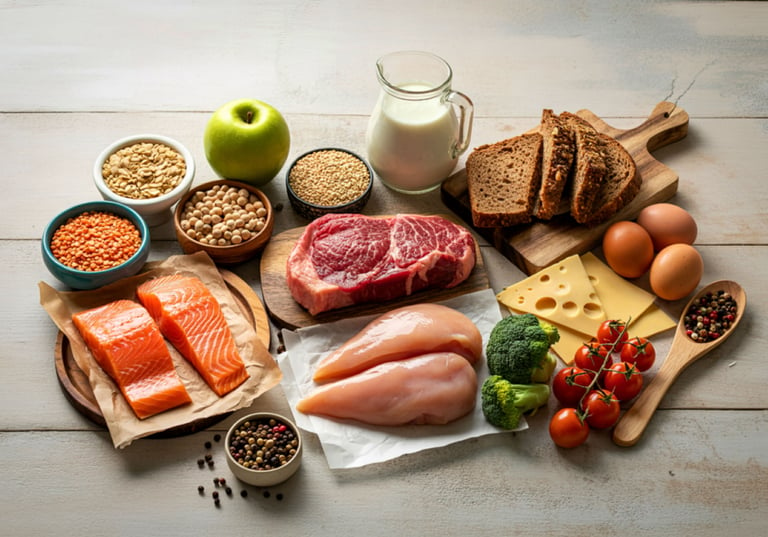
Best Foods After a Workout: What to Eat for Recovery and Muscle Building
By BiteBrightly 29 April 2026: This post might contain affiliate links.
You just finished a workout. Your muscles are tired, your energy stores are depleted, and your body is ready to rebuild — but only if you give it the right materials. What you eat in the hours after exercise might be the most important nutritional decision you make all day, and most people either skip it entirely or get it badly wrong.
Here is the truth about post-workout nutrition: exercise does not actually build muscle. Exercise breaks muscle down. The microscopic tears in your muscle fibers that happen during resistance training are the stimulus for growth — but the actual building happens during recovery, using the protein, carbohydrates, and other nutrients you eat after training. If you do not eat the right things after a workout, your body literally cannot rebuild what it broke down.
This guide covers the 15 best foods to eat after a workout, why each one works, and exactly how to use them — written in plain language so anyone can understand and apply it.
Key Takeaways
Your muscles are most receptive to nutrients in the period immediately after exercise — often called the "anabolic window." While this window is longer than once believed (up to several hours rather than just 30 minutes), eating a proper recovery meal within one to two hours of finishing a workout maximises muscle protein synthesis
Protein is the most important post-workout nutrient — your body needs amino acids to repair and build muscle fibers that were damaged during exercise. Aim for 20–40g of high-quality protein in your post-workout meal
Carbohydrates replenish muscle glycogen — the stored form of energy that your muscles burn during exercise. Without post-workout carbohydrates, glycogen stores remain depleted, leaving you fatigued for your next session
Research published in the Journal of the International Society of Sports Nutrition found that consuming protein and carbohydrates together after resistance training produced significantly greater muscle protein synthesis than either macronutrient alone — the combination is more powerful than either alone
Leucine is the specific amino acid that triggers muscle protein synthesis — it is the "on switch" for muscle building. Foods richest in leucine should anchor your post-workout meal
Inflammation after exercise is normal and necessary — it is part of the repair process. However, chronic excessive inflammation slows recovery. Anti-inflammatory foods including fatty fish, berries, and tart cherries have clinical evidence for improving exercise recovery
What Happens in Your Body During and After Exercise
During Exercise: The Breakdown Phase
When you exercise — whether lifting weights, running, cycling, or doing any other form of physical activity — your body is primarily in a breakdown state called catabolism. Here is what is happening:
Glycogen depletion: Your muscles run primarily on glycogen — glucose stored in the muscle tissue itself. During exercise, this glycogen is burned for fuel. A hard 60-minute resistance training session can deplete 24–40% of muscle glycogen stores. Endurance exercise depletes even more. When glycogen is gone, performance drops — the feeling known as "hitting the wall" or "bonking" is complete glycogen depletion.
Muscle protein breakdown: Exercise — particularly resistance training — creates microscopic damage in muscle fibers. This damage is intentional and necessary — it is the signal your body uses to decide to build more and stronger muscle. But in the moment, it means proteins are being broken down faster than they are being built.
Hormone shifts: Exercise increases cortisol (the stress hormone that promotes energy release and muscle breakdown) and temporarily increases inflammation. Insulin sensitivity — how well your cells respond to insulin — is at its highest in the period immediately after exercise.
After Exercise: The Rebuild Phase
When you stop exercising, your body shifts from breakdown to repair — but only if it has the raw materials to do so. This is where post-workout nutrition becomes critical:
Muscle protein synthesis: Your body begins repairing and rebuilding damaged muscle fibers — but it needs amino acids from dietary protein to do this. Without adequate protein, muscle repair is incomplete. With adequate protein — particularly leucine-rich protein — the muscle protein synthesis rate is maximised.
Glycogen resynthesis: Your body urgently wants to refill depleted glycogen stores. Insulin sensitivity is elevated after exercise, meaning carbohydrates eaten after training are transported into muscle cells more efficiently than at any other time of day. This is the best time to eat carbohydrates.
Inflammation management: The post-exercise inflammatory response triggers the repair process, but needs to resolve within 24–48 hours for recovery to proceed efficiently. Anti-inflammatory nutrients — omega-3 fatty acids, antioxidants from berries and tart cherries, and polyphenols — support this resolution.
The 15 Best Post-Workout Foods
1. Eggs (Whole, Not Just Whites)
Eggs are the most leucine-rich whole food available — and leucine is the specific amino acid that acts as the "on switch" for muscle protein synthesis. Two whole eggs provide approximately 1.8g of leucine — close to the 2–3g threshold that maximally stimulates muscle building after exercise.
Why it works for recovery: The leucine content in eggs triggers mTORC1 — the molecular pathway that initiates muscle protein synthesis. Think of leucine as a light switch: below a certain threshold, the light stays off (minimal muscle building even if you have plenty of total protein). Above the threshold — around 2–3g of leucine — the light switches on fully and muscle building proceeds at maximum rate. Whole eggs also provide choline — a nutrient required for acetylcholine production, which governs muscle contraction and nerve signalling.
Why whole eggs, not just whites: Research comparing whole eggs to egg whites found that whole eggs produced significantly greater muscle protein synthesis after exercise than egg whites with equivalent protein content. The fat and micronutrients in the yolk — particularly vitamin D, zinc, and choline — significantly enhance the muscle-building response beyond what the protein alone provides.
How to eat it post-workout: Scrambled or poached eggs with whole grain toast and avocado — a complete post-workout meal combining leucine-rich protein (eggs), glycogen-replenishing carbohydrates (toast), and anti-inflammatory monounsaturated fat (avocado). Three eggs provide 18g of protein alongside the full leucine threshold.
2. Greek Yogurt
Plain Greek yogurt is one of the most convenient and effective post-workout foods — providing 17–20g of complete protein per cup in a fast-absorbing casein and whey blend, alongside carbohydrates from lactose that begin glycogen replenishment immediately.
Why it works for recovery: Greek yogurt contains both whey (fast-digesting) and casein (slow-digesting) proteins — providing an immediate pulse of amino acids from the whey fraction followed by a sustained release from casein that supports muscle protein synthesis for several hours post-exercise. The whey fraction is particularly rich in leucine (approximately 10–11% leucine by composition), making Greek yogurt one of the best dairy-based post-workout protein sources available.
Probiotics in plain Greek yogurt support gut health and nutrient absorption — and gut health directly affects how efficiently you absorb the protein and micronutrients you eat in your post-workout meal. A healthy gut microbiome improves the bioavailability of leucine and other essential amino acids.
How to eat it post-workout: Greek yogurt with mixed berries, banana, and a tablespoon of honey is one of the best post-workout combinations available — providing complete protein (yogurt), fast-digesting carbohydrates for glycogen replenishment (banana and honey), and anthocyanin antioxidants for inflammation management (berries). This combination is fast to prepare and genuinely satisfying after training.
3. Wild Salmon
Wild salmon is the most complete single post-workout food available — providing omega-3-rich complete protein alongside astaxanthin, vitamin D, and B vitamins that together address every aspect of exercise recovery simultaneously.
Why it works for recovery: Each 3oz serving of wild salmon provides 22g of complete protein with all essential amino acids. The EPA and DHA omega-3 fatty acids in salmon directly reduce the post-exercise inflammatory response — they inhibit the prostaglandin and cytokine production that, when excessive, slows recovery and increases delayed onset muscle soreness (DOMS). Multiple clinical trials have confirmed that omega-3 supplementation significantly reduces muscle soreness and improves recovery speed after intense exercise.
Astaxanthin — the carotenoid that gives wild salmon its vivid pink colour — is one of the most potent antioxidants found in food. It reduces oxidative stress in muscle tissue after exercise, protecting muscle cell membranes from the free radical damage that accumulates during intense training and contributes to DOMS.
Vitamin D from wild salmon supports muscle function and testosterone production — two factors directly relevant to training adaptation and recovery. Vitamin D deficiency is associated with impaired muscle recovery and increased injury risk.
How to eat it post-workout: Baked or grilled salmon alongside roasted sweet potato and leafy greens — a genuinely complete post-workout meal addressing protein, glycogen replenishment, anti-inflammatory compounds, and micronutrient recovery in one plate.
4. Sweet Potato
Sweet potato is the best post-workout carbohydrate source for most people — providing the complex carbohydrates needed to replenish muscle glycogen alongside beta-carotene, vitamin C, potassium, and manganese that support recovery in ways that plain white rice simply does not.
Why it works for recovery: During exercise, your muscles burn glycogen (stored glucose) for fuel. After exercise, your primary carbohydrate goal is to replenish these stores as efficiently as possible — because depleted glycogen leaves your muscles underpowered for your next session. Sweet potato has a glycemic index of approximately 44–63 depending on cooking method — moderate, meaning it replenishes glycogen at a useful rate without causing the extreme blood sugar spike that white sugar would.
Potassium in sweet potato (438mg per medium potato) is critical for post-workout recovery because exercise causes significant potassium loss through sweat. Potassium is required for muscle contraction — low potassium causes muscle cramping and weakness. Sweet potato is one of the best dietary potassium sources available.
Vitamin C from sweet potato (approximately 37mg per medium potato) supports collagen synthesis — the process of repairing the connective tissue (tendons, ligaments, fascia) that is stressed alongside muscles during exercise. Collagen breakdown during exercise is repaired using vitamin C as a cofactor.
How to eat it post-workout: Baked or roasted sweet potato as the carbohydrate base of your post-workout meal — alongside protein from salmon, chicken, eggs, or Greek yogurt. Sweet potato mash with a little coconut milk makes a genuinely satisfying post-workout side. Sweet potato can also be used in post-workout smoothies for natural sweetness and carbohydrate content.
5. Tart Cherries and Tart Cherry Juice
Tart cherries are one of the most evidence-based foods for exercise recovery — with multiple clinical trials confirming their ability to reduce muscle soreness, decrease recovery time, and improve performance in the days following intense training.
Why it works for recovery: Tart cherries — specifically the Montmorency variety — contain the highest anthocyanin concentration of any fruit. These anthocyanins directly inhibit COX-1 and COX-2 enzymes — the same enzymes targeted by ibuprofen and naproxen. This means tart cherry consumption reduces the prostaglandin-mediated inflammation and pain associated with exercise-induced muscle damage through the same pathway as pharmaceutical anti-inflammatories — without the gastrointestinal side effects.
A study published in the British Journal of Sports Medicine found that marathon runners who consumed tart cherry juice for five days before and two days after a marathon had significantly less muscle soreness and faster return to baseline strength compared to the placebo group. Cyclists and strength athletes have shown similar results across multiple trials.
Tart cherries also provide melatonin — a hormone governing sleep. Since the majority of muscle protein synthesis and growth hormone release occurs during deep sleep, the melatonin in tart cherries indirectly supports recovery by improving sleep quality in athletes.
How to eat it post-workout: 240ml of 100% tart cherry juice (unsweetened) consumed within 30 minutes of finishing a workout, or a cup of frozen tart cherries blended into a post-workout smoothie. For maximum COX inhibition during peak post-exercise inflammation: consume both pre-workout (the evening before or the morning of training) and post-workout.
6. Bananas
Bananas are the most practical and most widely used post-workout food in the world — for good reason. They provide fast-digesting carbohydrates for immediate glycogen replenishment, potassium for electrolyte restoration, and vitamin B6 for the amino acid metabolism that supports muscle protein synthesis.
Why it works for recovery: A medium banana provides approximately 27g of carbohydrates — a mix of glucose, fructose, and sucrose — that is rapidly absorbed and directed to muscle glycogen resynthesis in the insulin-sensitised post-exercise environment. The natural sugars in banana are absorbed faster than complex carbohydrates, making banana particularly effective for immediate glycogen replenishment in the first 30–60 minutes after training.
Vitamin B6 from bananas (0.4mg per banana — approximately 25% of daily requirements) is a required cofactor for aminotransferases — the enzymes that metabolise amino acids for use in muscle protein synthesis. After exercise, when amino acid metabolism is at its highest rate, B6 availability directly influences how efficiently dietary protein is converted into new muscle tissue.
The dopamine and serotonin precursors in banana (tryptophan for serotonin, tyrosine for dopamine) support the mood regulation that can be disrupted by intense training — particularly during periods of heavy training load.
How to eat it post-workout: Banana with almond butter (carbohydrates + protein + healthy fat) is one of the most practical immediate post-workout snacks — requiring no preparation and providing all three macronutrients. Also excellent blended into post-workout smoothies with Greek yogurt, protein powder, and berries.
7. Cottage Cheese
Cottage cheese is one of the most underrated post-workout and pre-bed protein sources available — particularly high in casein protein, which digests slowly and provides a sustained supply of amino acids over four to seven hours.
Why it works for recovery: Cottage cheese is composed primarily of casein protein — the slow-digesting dairy protein that, unlike whey, releases amino acids gradually rather than in one rapid burst. This slow-release characteristic makes cottage cheese particularly valuable in two situations: as a post-workout meal when your next training session is more than 12 hours away (the slow amino acid supply supports overnight recovery), and as a pre-bed protein source to support the muscle protein synthesis that peaks during deep sleep.
One cup of plain cottage cheese provides approximately 25g of protein alongside calcium (supports muscle contraction), phosphorus (required for ATP production — the energy currency of every muscle contraction), and selenium (protects muscle cells from oxidative damage). The leucine content of cottage cheese (approximately 2.4g per cup) meets the threshold for maximum muscle protein synthesis stimulation.
How to eat it post-workout: Plain cottage cheese with sliced banana, berries, and a drizzle of honey provides complete protein, fast carbohydrates, and antioxidants in one bowl. As a pre-bed recovery meal, cottage cheese with a small handful of walnuts (for additional omega-3) is one of the most evidence-supported sleep and recovery combinations for athletes.
8. Chicken Breast
Lean chicken breast is the most commonly eaten post-workout protein food globally — and its popularity is well-founded. It provides approximately 26g of lean complete protein per 3oz serving with very low fat content, making it one of the cleanest protein-to-calorie ratios available from whole food.
Why it works for recovery: Chicken breast provides all nine essential amino acids, with a particularly high leucine content (approximately 2.2g per 3oz serving) that approaches the leucine threshold for maximum muscle protein synthesis stimulation. Its low fat content means the protein is digested and absorbed relatively quickly compared to fattier protein sources — producing a faster amino acid pulse useful for immediate post-workout muscle repair.
Chicken is also rich in niacin (vitamin B3) and vitamin B6 — both required for the energy metabolism and amino acid processing that underpin exercise recovery. Niacin is required for NAD+ production, which drives the cellular energy production in mitochondria that supports recovery processes throughout the body.
How to eat it post-workout: Grilled or baked chicken breast with rice and steamed vegetables is the most classic post-workout meal in sports nutrition — the protein-carbohydrate combination covering the two most critical post-exercise nutritional priorities simultaneously. Batch cooking chicken breasts at the start of the week makes it genuinely effortless to prepare a complete post-workout meal on any training day.
9. Lentils and Legumes
Lentils are the best plant-based post-workout food — providing complete essential amino acids (when combined with grains in the meal), exceptional fiber for gut health, and iron alongside B vitamins that specifically support endurance exercise recovery.
Why it works for recovery: One cup of cooked lentils provides 18g of protein alongside 15.6g of fiber and 6.6mg of iron — making lentils particularly valuable for endurance athletes and anyone exercising regularly, for whom iron deficiency is a common and often overlooked issue. Iron is required for haemoglobin — the protein in red blood cells that carries oxygen to working muscles. Iron deficiency reduces exercise capacity and slows recovery by limiting oxygen delivery to tissues.
The carbohydrate content of lentils (approximately 40g per cup) provides meaningful glycogen replenishment alongside the protein — making lentils one of the few single foods that address both major post-workout nutritional priorities. The low glycemic index (GI approximately 32) means the carbohydrates are released steadily rather than in a spike.
Folate from lentils (358mcg per cup — 90% of daily requirements) supports the rapid cell division required for muscle repair and the production of red blood cells that deliver oxygen during recovery.
How to eat it post-workout: Lentil dal with rice provides the complete protein combination from legume and grain amino acid profiles, alongside adequate carbohydrates for glycogen replenishment. Lentil soup with whole grain bread. Chickpea and quinoa bowl with grilled vegetables and tahini — all excellent plant-based complete post-workout meals.
10. Quinoa
Quinoa is the only grain-like food that provides all nine essential amino acids — making it the most valuable plant carbohydrate source for post-workout nutrition, providing both glycogen-replenishing complex carbohydrates and a complete protein contribution in a single food.
Why it works for recovery: One cup of cooked quinoa provides 8g of complete protein alongside 39g of complex carbohydrates and 5g of fiber. The complete amino acid profile — unusual among plant foods — means quinoa contributes directly to muscle protein synthesis, not just glycogen replenishment.
Quinoa is also rich in manganese — a mineral required for the antioxidant enzyme superoxide dismutase (MnSOD), which protects mitochondria from the oxidative damage that accumulates during intense exercise. Adequate manganese supports the mitochondrial function that drives recovery metabolism.
Iron, magnesium, and phosphorus from quinoa support haemoglobin production, muscle relaxation after exercise, and ATP energy metabolism respectively — covering multiple specific recovery-relevant mineral needs in one food.
How to eat it post-workout: Quinoa bowl with black beans, grilled chicken or salmon, roasted vegetables, and avocado — a complete post-workout meal addressing protein (multiple sources), carbohydrates, and anti-inflammatory healthy fat. Quinoa can also be used as a post-workout porridge base with banana, nut butter, and berries for a sweet recovery option.
11. Chocolate Milk
Chocolate milk is one of the most studied and most effective post-workout recovery drinks available — and the evidence for it comes from multiple rigorous clinical trials. It sounds surprising, but the protein-to-carbohydrate ratio and the specific proteins it contains make it genuinely effective.
Why it works for recovery: The ideal post-workout recovery drink ratio is approximately 1g of protein to 3–4g of carbohydrates. Chocolate milk provides exactly this ratio naturally — with casein and whey protein from the milk and carbohydrates from the lactose plus the added cocoa and sweetener.
Research comparing chocolate milk to commercial sports recovery drinks found that chocolate milk produced equivalent or superior results for glycogen replenishment, muscle protein synthesis, and reduced next-session time to exhaustion in endurance and resistance-trained athletes. The whey protein fraction promotes rapid amino acid delivery, the casein fraction provides sustained release, and the carbohydrates from lactose and sugar drive insulin-mediated glycogen resynthesis.
The cocoa flavanols in chocolate milk additionally provide antioxidant protection for muscle cells and support nitric oxide production — improving blood flow to recovering muscles.
How to drink it post-workout: 250–500ml of low-fat chocolate milk within 30–45 minutes of finishing a workout. For athletes focused on muscle building: choose full-fat chocolate milk for additional calories and fat-soluble vitamins. This is most practical for people who already train at home or near a fridge — not ideal for gym-bag portability.
12. Peanut Butter and Nut Butters
Peanut butter is one of the most calorie-dense, protein-rich, and practically convenient post-workout foods available — providing 8g of protein and 16g of healthy fat per two-tablespoon serving alongside niacin, vitamin E, and magnesium.
Why it works for recovery: The combination of protein and healthy fat in nut butter slows gastric emptying — meaning the amino acids from the protein are released more gradually, supporting sustained muscle protein synthesis rather than a rapid burst followed by a drop. This makes nut butter particularly valuable when combined with a fast-digesting carbohydrate source (banana, whole grain bread, rice cakes) that provides the quick glycogen hit while the nut butter provides slower-releasing amino acids and energy.
Vitamin E from peanut butter and almond butter is the primary fat-soluble antioxidant in muscle cell membranes. After exercise, lipid peroxidation — the oxidative damage to membrane fats — is at its highest. Vitamin E specifically protects muscle cell membranes from this damage, supporting recovery at the cellular level.
Magnesium from peanut butter (49mg per two tablespoons) supports muscle relaxation after exercise — magnesium is required for the muscle relaxation phase of every contraction-relaxation cycle. Low magnesium is associated with muscle cramping, which is particularly common during and after intense exercise.
How to eat it post-workout: Peanut or almond butter on whole grain rice cakes with a banana — a supremely practical post-workout snack requiring no refrigeration or preparation. Also excellent blended into post-workout smoothies for additional protein, healthy fat, and satiety.
13. Berries (Blueberries, Strawberries, Mixed Berries)
Berries are the most powerful anti-inflammatory food group available — and managing post-exercise inflammation effectively is one of the most important and most overlooked aspects of recovery nutrition.
Why it works for recovery: Exercise produces reactive oxygen species (free radicals) in working muscles — this is a normal byproduct of the increased metabolic activity during training. In moderate amounts, this oxidative stress is actually a beneficial signal that triggers adaptive responses. But excessive oxidative stress slows recovery and contributes to DOMS.
Blueberry anthocyanins and strawberry ellagic acid — the primary anti-inflammatory compounds in berries — cross the blood-brain barrier and accumulate in muscle tissue, where they neutralise free radicals through direct antioxidant activity and through activating the body's own antioxidant enzyme systems (particularly superoxide dismutase and glutathione peroxidase) through Nrf2 pathway activation.
Research has found that blueberry consumption before and after eccentric exercise (the muscle-damaging kind found in weight training and downhill running) significantly reduced muscle soreness and improved recovery of muscle strength compared to a placebo — with the effect attributable to anthocyanin antioxidant activity in muscle tissue.
The vitamin C in strawberries (90mg per cup) supports collagen synthesis for connective tissue repair — a particularly important recovery nutrient for people doing high-volume training that stresses tendons, ligaments, and joint capsules.
How to eat it post-workout: Mixed berries in a post-workout smoothie with Greek yogurt and banana — combining anti-inflammatory antioxidants with fast carbohydrates and complete protein. Or simply a large bowl of mixed berries with cottage cheese for a simple, practical, complete recovery snack.
14. Oats
Oats are the best post-workout carbohydrate for sustained glycogen replenishment — providing complex carbohydrates with beta-glucan fiber that replenishes muscle glycogen steadily while also supporting the gut health that underpins nutrient absorption throughout the recovery period.
Why it works for recovery: A cup of dry rolled oats provides approximately 54g of complex carbohydrates — more than enough to significantly replenish post-exercise glycogen stores. The beta-glucan fiber slows the absorption of this carbohydrate compared to simple sugars, providing a sustained insulin response that drives steady glycogen resynthesis over several hours rather than a rapid spike-and-crash.
Oats also provide beta-glucan's prebiotic effects — feeding the gut bacteria that produce short-chain fatty acids which support gut barrier integrity and systemic anti-inflammatory activity. Given that intense training temporarily increases intestinal permeability (allowing inflammatory compounds to enter circulation more easily), maintaining gut health through prebiotic foods like oats is an important but often overlooked component of recovery nutrition.
The protein in oats (approximately 6g per half cup dry) contributes to the post-workout protein total — modest, but meaningful when combined with a protein-rich food in the same meal.
How to eat it post-workout: Overnight oats prepared the night before training — ready to eat immediately after finishing a workout with no preparation required. Add banana, mixed berries, Greek yogurt, nut butter, and honey for a complete post-workout meal addressing protein, fast and slow carbohydrates, anti-inflammatory antioxidants, and healthy fat in one bowl. Hot oatmeal with protein powder stirred in and topped with banana and nut butter provides a warm, satisfying post-workout meal.
15. Water and Electrolyte Replenishment
Water is technically not a food — but it is the most important post-workout nutritional priority of all, and it deserves a place on this list because even a 2% reduction in body water through sweat impairs both performance and recovery significantly.
Why it works for recovery: Every metabolic process involved in post-exercise recovery — protein synthesis, glycogen resynthesis, inflammation resolution, nutrient transport — takes place in an aqueous environment. Dehydration slows all of these processes simultaneously. Research has found that a 2% reduction in body water impairs cognitive function, physical performance, and recovery speed.
Beyond water, electrolytes lost through sweat — particularly sodium, potassium, magnesium, and chloride — need to be replaced. Sodium and potassium govern the electrical activity of muscle cells and nerve signalling. Without electrolyte replacement after significant sweat loss, muscle cramping, fatigue, and impaired muscle contraction follow.
Potassium from banana, sweet potato, and leafy greens (in your post-workout meal) addresses one major electrolyte. Sodium is often adequately replaced through normal food salting. For intense sessions lasting more than 60 minutes, or for training in hot conditions, a dedicated electrolyte drink or electrolyte powder in water is more efficient than food alone for electrolyte replacement.
How to hydrate post-workout: Drink 500–750ml of water immediately after finishing your workout. Weigh yourself before and after training — for every kilogram of body weight lost during training, drink 1.5 litres of water to rehydrate fully (the extra 0.5L accounts for continued sweating and urine losses during rehydration). Coconut water provides natural potassium (600mg per cup) alongside sodium and other electrolytes in a pleasant format for post-workout hydration.
The Complete Post-Workout Meal Framework
The Simple Formula
Every effective post-workout meal needs three things:
Protein: 20–40g — to provide the amino acids, particularly leucine, needed for muscle protein synthesis. Prioritise leucine-rich sources: eggs, Greek yogurt, chicken, salmon, cottage cheese, or a protein shake if whole food is not practical.
Carbohydrates: 30–60g — to replenish muscle glycogen and support the insulin-mediated anabolic environment. Prioritise whole food sources: sweet potato, oats, rice, quinoa, fruit, or milk-based recovery drinks.
Anti-inflammatory compounds — to support inflammation resolution and recovery speed. Include berries, tart cherry juice, fatty fish, or leafy greens alongside the protein and carbohydrate components.
Post-Workout Meal Timing
Within 30 minutes: A fast snack if your main meal will be delayed — banana with Greek yogurt, chocolate milk, or a protein shake with fruit. This addresses the most acute glycogen replenishment and amino acid delivery needs.
Within 1–2 hours: Your main post-workout meal — a full plate of protein, carbohydrates, vegetables, and healthy fat. This is where the majority of your recovery nutrition should come from.
Before bed: If you trained in the evening, a small pre-bed protein snack (cottage cheese, Greek yogurt, or casein protein) supports overnight muscle protein synthesis during the sleep period when growth hormone is highest.
Sample Post-Workout Meals
Breakfast workout recovery: Three scrambled eggs with spinach and whole grain toast, plus a cup of mixed berries and a glass of tart cherry juice.
Lunch workout recovery: Grilled salmon with roasted sweet potato and a large leafy green salad with olive oil and lemon dressing.
Evening workout recovery: Grilled chicken breast with quinoa, roasted vegetables, and avocado, plus cottage cheese with berries before bed.
Quick post-workout snack: Banana and almond butter, or chocolate milk, or Greek yogurt with honey and banana — all requiring minimal preparation.
Frequently Asked Questions
How soon after a workout should I eat?
Ideally within one to two hours of finishing your workout — this is when muscle glycogen resynthesis and muscle protein synthesis rates are highest, and when insulin sensitivity is at its peak. If this is not practical, eat as soon as you reasonably can. A fast snack (banana and Greek yogurt, or chocolate milk) within 30 minutes followed by a full meal within two hours is an excellent approach. Waiting three or more hours after training before eating meaningfully impairs recovery — particularly glycogen replenishment.
Do I need protein powder or can I use whole foods?
Whole foods are preferable for most people in most situations. Eggs, Greek yogurt, chicken, salmon, cottage cheese, and legumes all provide complete protein alongside the vitamins, minerals, and other compounds that support recovery in ways protein powder cannot. Protein powder (particularly whey isolate) is useful when whole food is not practical — immediately after training before a meal is ready, while travelling, or during periods when total protein needs are high and appetite is low. But it is a supplement, not a necessity for effective post-workout recovery.
Should I eat fat after a workout?
Yes — moderate amounts of healthy fat are appropriate in a post-workout meal. The old advice to avoid fat after training (because fat slows absorption) was overstated. While extreme fat intake can slow protein digestion significantly, the moderate fat amounts in whole food post-workout meals (avocado, nut butter, salmon, eggs) do not impair recovery and provide important fat-soluble vitamins (A, D, E, K) that support recovery processes. The omega-3 fat in salmon and the monounsaturated fat in avocado and olive oil actively support recovery through anti-inflammatory mechanisms.
What if I train early in the morning before eating?
Fasted training (training without eating first) is practiced by many people and is generally fine for moderate-intensity, shorter sessions. After fasted training, the post-workout meal becomes even more important — your body has been in an overnight fasted state and your glycogen stores and amino acid availability are lower than after a fed training session. Prioritise eating a complete post-workout meal with adequate protein (30–40g) and carbohydrates within 30–60 minutes of finishing your fasted workout.
References and Further Reading
Morton RW et al. — British Journal of Sports Medicine (2018) — A systematic review, meta-analysis and meta-regression of the effect of protein supplementation on resistance training-induced gains in muscle mass and strength Comprehensive meta-analysis of 49 studies confirming that protein supplementation significantly improves resistance training-induced gains in muscle mass and strength, with the optimal protein intake for muscle building established at 1.62g per kilogram of body weight per day — the scientific foundation for post-workout protein recommendations.
Thomas DT et al. — Journal of the Academy of Nutrition and Dietetics (2016) — Position of the Academy of Nutrition and Dietetics, Dietitians of Canada, and the American College of Sports Medicine: Nutrition and Athletic Performance The definitive professional position statement on sports nutrition — establishing the evidence base for post-workout carbohydrate and protein timing, amounts, and food sources for different athletic populations.
Howatson G et al. — British Journal of Sports Medicine (2010) — Influence of tart cherry juice on indices of recovery following marathon running Landmark randomised controlled trial demonstrating that tart cherry juice significantly reduced muscle soreness, muscle damage markers, and inflammatory cytokines following marathon running — establishing tart cherry as one of the most evidence-supported foods for exercise recovery.
Karp JR et al. — International Journal of Sport Nutrition and Exercise Metabolism (2006) — Chocolate milk as a post-exercise recovery aid Clinical trial comparing chocolate milk to commercial sports recovery beverages for post-exercise glycogen resynthesis and performance recovery — finding chocolate milk equivalent or superior to commercial alternatives, establishing it as a practical and effective whole-food recovery option.
About the Author
I'm Judith, a wellness enthusiast and Applied Bio Sciences and Biotechnology graduate behind BiteBrightly. With a deep-rooted belief in the healing power of food, my nutrition journey began with a personal transformation—I improved my eyesight through targeted dietary changes. This life-changing experience sparked my mission to empower others by sharing evidence-based insights into food as medicine.
Drawing on my scientific background, personal experience, and ongoing research into nutrition and health, I focus on breaking down complex health topics into clear, practical, and actionable guidance. My approach combines scientific credibility with real-world application, making everyone the most out of their fitness journey.
Follow me on Pinterest for daily health tips, recipes, and wellness inspiration.
Important Notice: The information in this article is for educational purposes only and is not intended as medical or sports medicine advice. Individual nutritional needs vary based on training intensity, body size, goals, and health status. People with specific health conditions, those taking medications that affect metabolism or blood sugar, and competitive athletes should work with a registered dietitian or sports nutritionist to develop a personalised nutrition plan. These statements have not been evaluated by the FDA.
Connect
Join our newsletter for fresh health tips
© 2026. All rights reserved.