DASH Diet Food List: Lower Blood Pressure in 2 Weeks
DASH diet food list revealed. Potassium, magnesium, calcium work together to lower blood pressure without drugs. 8 food categories, meal plans, first-week guide.
by bitebrightly
3/2/202625 min read
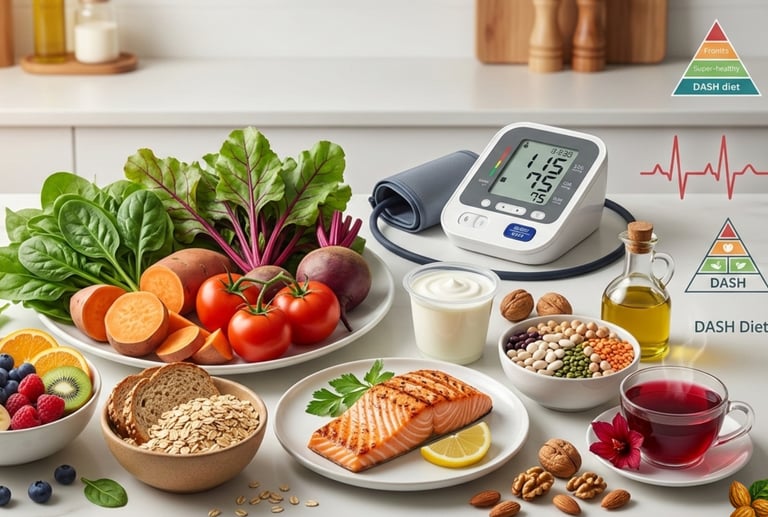
DASH Diet Food List: Lower Blood Pressure in 2 Weeks
By BiteBrightly 2 March 2026: This post might contain affiliate links.
Does your blood pressure reading make your heart sink a little every time you check it? Have you been handed a prescription and a vague instruction to "watch your salt" without anyone explaining what that actually means in a real kitchen? Are you tired of conflicting dietary advice that makes eating feel like navigating a minefield rather than nourishing your body?
High blood pressure is one of the most consequential health conditions of modern life—and one of the most treatable through diet. But treatment requires more than a warning to cut sodium. It requires a complete, coherent dietary framework that replaces the foods working against your cardiovascular system with foods actively working to repair it.
That framework exists. It has been rigorously tested in multiple large clinical trials. It has a name, a clear food list, and decades of research demonstrating exactly how much blood pressure reduction it produces, how quickly, and through what mechanisms. It is endorsed by every major cardiovascular health organization in the world.
It is the DASH diet—Dietary Approaches to Stop Hypertension. And the reason most people know its name but don't follow it is simple: no one ever gave them the complete, practical food list they needed to actually do it.
The DASH diet is not a deprivation diet. It is not primarily about what you cannot eat. It is about systematically rebuilding your diet around the minerals and nutrients—potassium, magnesium, calcium, and fiber—that your cardiovascular system requires to regulate blood pressure naturally. When these nutrients are present in sufficient amounts, the blood pressure–raising effects of sodium are significantly counteracted, arterial walls relax and become more flexible, and the kidneys regain the ability to excrete rather than retain the sodium that raises blood pressure in the first place.
This comprehensive guide provides the complete DASH diet food list, the science of why each food category matters, exactly what the research shows about blood pressure reduction timelines, how to structure your eating across every meal, and the practical strategies that determine whether this dietary pattern becomes a sustainable lifestyle or a failed experiment.
Key Takeaways
The DASH diet reduces systolic blood pressure by 8–14 mmHg in hypertensive individuals—equivalent to a single antihypertensive medication
Blood pressure reductions begin within 2 weeks of consistent DASH diet adherence in most individuals
The DASH diet works primarily through potassium, magnesium, calcium, and fiber—not just sodium restriction
Combining the DASH diet with sodium reduction below 1,500mg daily achieves the greatest blood pressure reductions
The DASH eating pattern includes abundant fruits and vegetables (8–10 servings daily), whole grains, low-fat dairy, legumes, nuts, fish, and lean poultry
Processed foods, red meat, sweets, sugar-sweetened beverages, and excessive sodium are limited
The DASH diet reduces LDL cholesterol, improves insulin sensitivity, and reduces cardiovascular disease risk beyond blood pressure effects alone
Most people can meaningfully implement the DASH diet within a single grocery trip
Understanding the DASH Diet: The Research Behind the Results
Before diving into the food list, understanding what the DASH diet is, where it came from, and exactly what the research demonstrates will help you follow it with the conviction that comes from genuine understanding—rather than the halfhearted compliance that comes from following rules without knowing why.
The DASH Trials: What the Research Actually Shows
The DASH diet was developed and tested through a series of landmark clinical trials funded by the National Heart, Lung, and Blood Institute, beginning in the mid-1990s. The original DASH trial, published in the New England Journal of Medicine in 1997, randomized 459 adults with high-normal blood pressure across three dietary patterns: a typical American control diet, a fruit-and-vegetable–enriched diet, and the full DASH combination diet. Sodium intake was held constant across all groups.
The results were remarkable. The DASH combination diet—even without sodium restriction—reduced systolic blood pressure by 5.5 mmHg and diastolic pressure by 3.0 mmHg compared to the control diet. For participants with established hypertension, the reductions were even larger: 11.4 mmHg systolic and 5.5 mmHg diastolic. These reductions appeared within two weeks and were maintained throughout the eight-week trial period.
A subsequent trial—DASH-Sodium—added sodium restriction to the DASH dietary pattern and demonstrated that combining the DASH diet with sodium below 1,500mg daily produced systolic reductions of up to 11.5 mmHg in normotensive individuals and up to 14 mmHg in hypertensive individuals. These combined reductions approach or equal the effects of a single antihypertensive medication—achieved through dietary change alone.
Subsequent research has confirmed and extended these findings across diverse populations, health conditions, and geographic regions. The DASH diet is now the most clinically validated dietary approach to blood pressure management in existence.
Why the DASH Diet Works: The Mineral Mechanisms
The DASH diet lowers blood pressure through multiple synergistic mechanisms centered on specific minerals that the typical Western diet consistently underdelivers.
Potassium and the natriuretic effect: Potassium is the central mechanism of DASH diet blood pressure reduction. When potassium intake is generous—as it is in a diet built around fruits, vegetables, and legumes—the kidneys excrete more sodium rather than retaining it. This renal sodium excretion reduces blood volume and lowers blood pressure through what is called the natriuretic effect. Potassium also directly relaxes vascular smooth muscle through membrane hyperpolarization, reducing arterial resistance independently of its sodium-clearing effects. The DASH diet targets 4,700mg of potassium daily—nearly twice what most Western diets provide.
Magnesium and vascular relaxation: Magnesium is required for the function of the sodium-potassium ATPase pump that underlies potassium's cardiovascular effects. It also directly promotes vasodilation through calcium channel antagonism in vascular smooth muscle cells—working through a mechanism similar to a class of blood pressure medications called calcium channel blockers. The DASH diet's abundant vegetables, legumes, and nuts reliably provide 400–500mg of magnesium daily—the amount associated with optimal cardiovascular function.
Calcium and vascular tone: Adequate dietary calcium, paradoxically, supports healthy vascular tone and is inversely associated with blood pressure. Calcium regulates the intracellular signaling that controls vascular smooth muscle contraction. The DASH diet's inclusion of two to three servings of low-fat dairy daily ensures this calcium is provided in quantities associated with blood pressure benefit.
Fiber and the microbiome: The DASH diet's abundant fiber—both soluble and insoluble—feeds the gut microbiome in ways that produce cardiovascular benefits. Gut bacteria ferment fiber into short-chain fatty acids that reduce systemic inflammation, improve insulin sensitivity, and may directly modulate blood pressure through the gut-brain axis. The DASH diet provides 27–30 grams of fiber daily—significantly more than the typical Western diet's 10–15 grams.
Reduced inflammatory load: By replacing refined grains, processed foods, and excessive red meat with whole plant foods and lean proteins, the DASH diet significantly reduces dietary sources of inflammation. Lower systemic inflammation improves endothelial function—the health of the arterial lining—which is directly linked to better blood pressure regulation.
What Happens to Your Blood Pressure in the First 2 Weeks
The two-week timeline in the DASH diet research is not arbitrary. The potassium-driven natriuretic effect is relatively rapid—increased potassium intake begins improving renal sodium excretion within days. Within two weeks of consistent DASH eating, most individuals with hypertension experience measurable blood pressure reductions. The magnitude of early reduction depends on baseline blood pressure (higher baseline = greater early reduction), baseline diet quality (greater dietary change = greater early response), and sodium restriction (adding sodium reduction accelerates and amplifies the response).
Week 1 typically produces the most dramatic change as the kidneys shift from sodium retention to sodium excretion. Many people notice reduced ankle swelling, reduced morning facial puffiness, and improved energy in addition to lower blood pressure readings. Week 2 consolidates these changes as vascular smooth muscle adapts to the improved electrolyte environment and as the initial anti-inflammatory effects of increased fruit and vegetable intake begin to emerge.
Maximum blood pressure reduction from the DASH diet develops over 8–12 weeks as the full complement of arterial health improvements—endothelial repair, arterial flexibility restoration, microbiome adaptation—accumulates. But two weeks is enough to confirm that the diet is working and to produce clinically meaningful improvement.
The Complete DASH Diet Food List
The DASH diet is organized around specific food groups with target serving ranges. What follows is not a vague list of "good foods"—it is the complete, evidence-based framework that produced the clinical trial results.
Category 1: Fruits (4–5 Servings Daily)
Fruits are among the most potassium-dense foods available and provide the fruit-based polyphenols that contribute to endothelial health and antioxidant protection. The DASH diet specifies four to five fruit servings daily—an amount that most Americans currently fall dramatically short of.
DASH-approved fruits and their blood pressure benefits:
Bananas provide 422mg of potassium per medium fruit—a convenient and portable DASH staple. The resistant starch in slightly green bananas also feeds beneficial gut bacteria. One medium banana = 1 serving.
Berries (strawberries, blueberries, raspberries, blackberries) provide polyphenols—particularly anthocyanins—that improve endothelial function by enhancing nitric oxide production in blood vessel walls. Research specifically links regular berry consumption to reduced systolic blood pressure, beyond what their mineral content alone explains. 1 cup fresh = 1 serving.
Oranges and citrus fruits provide potassium, vitamin C, and hesperidin—a flavonoid with documented ACE-inhibitory activity (the same mechanism as a major class of blood pressure medications). One medium orange or grapefruit = 1 serving.
Cantaloupe and melons provide concentrated potassium (approximately 430mg per cup) alongside lycopene and beta-carotene. 1 cup cubed = 1 serving.
Kiwi fruits are one of the most researched fruits for blood pressure specifically—a clinical trial demonstrated that eating three kiwis daily reduced systolic blood pressure by 3.6 mmHg compared to eating one apple daily. They provide approximately 215mg of potassium alongside vitamin C and vitamin K. One medium kiwi = 1 serving; count two to meet a full serving.
Dates and dried fruits (apricots, prunes) provide highly concentrated potassium—dried apricots deliver approximately 755mg per half cup. Include in moderation due to concentrated sugar content; a quarter cup = 1 serving.
Avocados are technically a fruit and one of the most cardiovascular-protective in this category—975mg of potassium, monounsaturated fats that reduce LDL cholesterol, and folate that reduces homocysteine. Half a medium avocado = 1 serving.
Practical daily target: Two fruits at breakfast (banana + berries), one mid-morning (orange or kiwi), and fruit-based dessert or snack (berries with yogurt) easily reaches four to five servings.
Category 2: Vegetables (4–5 Servings Daily)
Vegetables are the foundation of the DASH diet's blood pressure benefit—providing potassium, magnesium, nitrates, folate, and fiber in combinations that work synergistically to reduce blood pressure through multiple mechanisms simultaneously. Four to five servings daily is the target—equivalent to a large salad plus two substantial vegetable side dishes.
DASH-approved vegetables and their blood pressure mechanisms:
Dark leafy greens (spinach, kale, beet greens, Swiss chard) are the single most cardiovascular-protective vegetable category. One cup of cooked beet greens provides 1,309mg of potassium—nearly 40% of the DASH daily target. Spinach provides 839mg per cooked cup. These greens also provide dietary nitrates that convert to nitric oxide, directly relaxing arterial smooth muscle in addition to potassium's effects. 2 cups raw or 1 cup cooked = 1 serving.
Beets combine meaningful potassium (519mg per cooked cup) with the highest dietary nitrate content of any commonly available food. Beetroot's nitrate → nitric oxide pathway produces measurable blood pressure reduction within hours of consumption—4–10 mmHg systolic in clinical trials. 1 cup cooked = 1 serving.
Sweet potatoes (with skin) provide 542mg of potassium per medium potato alongside beta-carotene, vitamin B6 (for homocysteine reduction), and fiber. Among the most potassium-efficient vegetables per serving. 1 medium = 1 serving.
Potatoes (with skin) are remarkably potassium-rich at 926mg per medium baked potato—more than twice a banana. The key is preparation: baked or boiled with skin, not fried. 1 medium = 1 serving.
Broccoli and cruciferous vegetables (cauliflower, Brussels sprouts, cabbage) provide sulforaphane and other compounds that improve endothelial function, alongside potassium, magnesium, and vitamin C. 1 cup raw or ½ cup cooked = 1 serving.
Tomatoes and tomato products provide potassium (292mg fresh, 811mg per cup in sauce) and lycopene—an antioxidant specifically associated with reduced arterial stiffness and lower cardiovascular disease risk. Use no-salt-added canned and jarred products. 1 cup fresh or ½ cup cooked = 1 serving.
Bell peppers provide vitamin C (approximately 150% of daily requirements in one red bell pepper), potassium (approximately 314mg), and antioxidant carotenoids. ½ cup = 1 serving.
Celery has a specific blood pressure relevance beyond its mineral content: it contains phthalides—compounds that relax the smooth muscle in arterial walls. Traditional Chinese medicine has used celery for hypertension for centuries, and research supports phthalides' vasodilatory mechanism. 1 cup chopped = 1 serving.
Garlic and onions provide organosulfur compounds including allicin (with ACE-inhibitory and vasodilatory properties) and quercetin (anti-inflammatory, endothelial-protective). Use abundantly in cooking rather than as garnishes.
Practical daily target: Large mixed salad with 2+ cups greens at lunch (1–2 servings), cooked vegetable side at dinner (1 serving), roasted sweet potato or beet preparation (1 serving), and tomatoes or bell peppers added throughout the day (1 serving) = 5 servings without difficulty.
Category 3: Whole Grains (6–8 Servings Daily)
Whole grains provide the fiber, B vitamins, magnesium, and sustained energy that support blood pressure regulation and overall metabolic health. Six to eight servings sounds like a lot—but a serving is a single slice of bread or half a cup of cooked grain, making this target more achievable than it initially appears.
DASH-approved whole grains:
Oats (steel-cut or rolled) are particularly valuable among whole grains for blood pressure because their beta-glucan fiber—a specific soluble fiber type—lowers LDL cholesterol by 5–10% through bile acid sequestration, adding a lipid-lowering dimension to blood pressure benefits. Steel-cut oats provide approximately 57mg of magnesium per cup cooked alongside 4g of soluble fiber. ½ cup dry oats (1 cup cooked) = 1 serving.
Brown rice replaces white rice (which loses 75–80% of its magnesium and most fiber during refining) at equivalent convenience. ½ cup cooked = 1 serving.
Quinoa provides approximately 118mg of magnesium per cup cooked—the highest of any common grain—alongside complete protein (all essential amino acids) and meaningful potassium. ½ cup cooked = 1 serving.
Whole wheat bread and products replace refined white bread, providing three to four times the fiber and meaningfully more magnesium and B vitamins. Check labels carefully: "wheat bread" or "multigrain" without "100% whole wheat" as the first ingredient often contains primarily refined flour. 1 slice = 1 serving.
Barley contains the highest beta-glucan content of any grain, providing cholesterol-lowering and blood-sugar-stabilizing effects that complement direct blood pressure benefits. ½ cup cooked = 1 serving.
Bulgur wheat and farro are ancient whole grains with high fiber and magnesium content that work well in grain bowls, salads, and as rice substitutes. ½ cup cooked = 1 serving.
Whole grain pasta provides significantly more fiber than refined pasta and can be used in any pasta preparation. ½ cup cooked = 1 serving.
What to avoid: White rice, white bread, refined pasta, most crackers (often high in sodium and refined flour), pastries, and breakfast cereals that are not 100% whole grain. Read labels: more than 3g of fiber per serving is a good minimum standard for whole grain products.
Practical daily target: Whole grain toast at breakfast (1–2 servings), ½ cup grain (oats or quinoa) at breakfast or lunch (1 serving), whole grain bread for a sandwich (2 servings), ½ cup brown rice or quinoa at dinner (1 serving) = 6 servings naturally.
Category 4: Low-Fat Dairy (2–3 Servings Daily)
Low-fat dairy is a distinctive component of the DASH diet—unusual in most alternative dietary approaches—because it provides the specific potassium-calcium-magnesium mineral triad shown in DASH trials to produce blood pressure reduction beyond what either mineral alone achieves. One cup of plain low-fat yogurt provides 531mg of potassium, 415mg of calcium, and 40mg of magnesium simultaneously.
DASH-approved dairy choices:
Plain low-fat yogurt is the most nutritionally complete dairy option for DASH purposes. It provides the full mineral triad alongside protein and, in fermented form, probiotics that support the gut microbiome–cardiovascular axis. Choose plain varieties without added sugar; flavor with fresh fruit and a small drizzle of honey if needed. 1 cup = 1 serving.
Kefir provides similar nutrition to yogurt with a more diverse probiotic profile and a drinkable consistency that works well as a breakfast beverage or smoothie base. 1 cup = 1 serving.
Low-fat milk provides approximately 380mg of potassium, 300mg of calcium, and 27mg of magnesium per cup—excellent mineral content at very low caloric cost. 1 cup = 1 serving.
Low-fat cottage cheese has higher potassium content than most dairy (approximately 200mg per half cup) alongside high protein that supports satiety. ½ cup = 1 serving.
Low-fat or part-skim cheese can be included in moderation, but note that most cheese is high in sodium—a meaningful consideration when pursuing sodium reduction alongside DASH. Choose lower-sodium varieties (Swiss, mozzarella) and use in smaller amounts as a flavor accent rather than a primary protein source. 1.5 oz = 1 serving.
For dairy-free adaptations: Fortified plant milks (soy, almond, oat) can provide calcium, and some provide meaningful protein, but most do not replicate dairy's full potassium-magnesium-calcium profile. Soy milk most closely approximates dairy's nutritional value among plant alternatives. If following DASH dairy-free, increase legume and leafy green intake to compensate for the potassium-calcium-magnesium contribution of dairy.
What to avoid: Full-fat dairy in large quantities (higher saturated fat), sweetened yogurts and flavored milks (excessive added sugar), high-sodium cheeses as primary protein sources, ice cream and cream-based products.
Practical daily target: Yogurt at breakfast (1 serving), milk in coffee or oatmeal + with a meal (1 serving), and yogurt-based snack or dressing (1 serving) = 3 servings without effort.
Category 5: Lean Proteins—Poultry and Fish (Up to 6 oz Daily)
The DASH diet limits all meat to six ounces daily—approximately two servings of three ounces each—with a clear preference for fish and poultry over red meat. This limit reflects the saturated fat content of red meat, which impairs endothelial function and raises LDL cholesterol, worsening cardiovascular risk independent of blood pressure.
DASH-approved lean protein choices:
Fatty fish (salmon, mackerel, sardines, herring, tuna) are the most cardiovascular-beneficial proteins in this category. Three ounces of wild-caught salmon provides approximately 414mg of potassium, 1,500–2,000mg of EPA and DHA omega-3s, and approximately 70% of daily vitamin D requirements. Omega-3s reduce triglycerides, improve endothelial function, and have modest independent blood pressure–lowering effects. Include fatty fish two to three times weekly—counting toward the daily six-ounce limit.
Skinless chicken and turkey provide lean protein with meaningful selenium (22–31mcg per three-ounce serving) and moderate potassium. Choose breast meat for lowest saturated fat; thigh meat for higher iron, zinc, and selenium. Prepare by grilling, baking, roasting, or poaching—avoid frying in oils or preparing with sodium-heavy sauces.
Shellfish (shrimp, scallops, oysters, clams) provide very lean protein alongside exceptional mineral content. Oysters are one of the richest zinc and selenium sources available and an excellent DASH-compatible protein choice. Note that shrimp is often sold frozen with added sodium—choose low-sodium varieties.
What to limit: Red meat (beef, pork, lamb) is not strictly prohibited in DASH but is limited to an occasional inclusion. The original DASH trial limited red meat to a maximum of twice weekly. When included, choose lean cuts (sirloin, tenderloin, extra-lean ground beef) and prepare without adding sodium.
What to avoid: Processed meats—bacon, sausage, hot dogs, deli meats, pepperoni—are among the highest-sodium foods in the typical diet and should be essentially eliminated on DASH. A single serving of bacon or deli meat can contain 400–700mg of sodium, consuming a significant portion of even a generous daily sodium budget.
Category 6: Legumes, Nuts, and Seeds (4–5 Servings Weekly)
Legumes, nuts, and seeds are among the most potassium-dense and magnesium-rich foods available—and they serve as the primary protein sources that the DASH diet uses to reduce the red meat consumption that raises cardiovascular risk. At four to five servings weekly, they appear in the diet three to four times on average throughout the week.
DASH-approved legumes:
White beans and cannellini beans top the legume potassium rankings at approximately 1,004mg of potassium per cooked cup—nearly 30% of the DASH daily potassium target in a single serving. Their 18g of soluble fiber per cup independently reduces LDL cholesterol. ½ cup cooked = 1 serving.
Lentils provide 731mg of potassium per cup, 16g of protein, 15g of fiber, and approximately 71mg of magnesium. They cook in 20–30 minutes without soaking, making them the most convenient legume for weeknight cooking. ½ cup cooked = 1 serving.
Kidney beans, black beans, pinto beans, and chickpeas all provide 477–746mg of potassium per cup with substantial magnesium and fiber. Keep canned versions (low-sodium or rinsed) as a pantry staple. ½ cup cooked = 1 serving.
Edamame (green soybeans) provides complete protein alongside 485mg of potassium per cup and approximately 99mg of magnesium. ½ cup = 1 serving.
DASH-approved nuts and seeds:
Walnuts provide plant omega-3s (ALA), magnesium, and arginine—the amino acid precursor to nitric oxide—in a combination that directly supports endothelial health and arterial relaxation. Research specifically links regular walnut consumption to reduced blood pressure. 1.5 oz (small handful) = 1 serving.
Almonds provide 76mg of magnesium per ounce—the highest magnesium density of common nuts—alongside calcium, vitamin E, and some potassium. They also contain direct melatonin and support healthy sleep, which is independently associated with blood pressure regulation. 1 oz (about 23 almonds) = 1 serving.
Pistachios have one of the strongest blood pressure research bases among nuts. A meta-analysis specifically found that pistachio consumption reduced systolic blood pressure by approximately 1.82 mmHg—modest but meaningful given nuts' other benefits. 1 oz (about 49 kernels) = 1 serving.
Sunflower seeds provide selenium alongside magnesium and vitamin E in a convenient snack or salad topping. 1 oz = 1 serving.
Pumpkin seeds are the most magnesium-dense commonly available food—approximately 156mg of magnesium per ounce—alongside zinc and potassium. 1 oz = 1 serving.
What to avoid: Salted nuts and seeds (eliminate a major sodium source), nut butters with added salt and sugar (choose natural, no-salt-added versions), fried or seasoned nut products.
Category 7: Healthy Fats and Oils
The DASH diet is not a low-fat diet. It is a diet that prioritizes heart-healthy fats—primarily unsaturated—while limiting the saturated fats in red meat, full-fat dairy, and processed foods that impair endothelial function and raise LDL cholesterol.
DASH-approved healthy fats:
Olive oil is the primary cooking fat in the DASH diet. Extra-virgin olive oil provides oleocanthal (with anti-inflammatory properties similar to ibuprofen at the molecular level), oleic acid (a monounsaturated fat that reduces LDL and raises HDL), and polyphenols that directly improve endothelial function. Use 1–2 tablespoons daily in cooking, as a salad dressing base, or drizzled over vegetables.
Avocado (counted in the fruit category but noted here for its fat contribution) provides the same oleic acid as olive oil alongside 975mg of potassium. Daily avocado consumption is highly compatible with DASH's fat and potassium goals simultaneously.
Fatty fish oils (from consuming the fish servings above) provide EPA and DHA—the omega-3 fatty acids with independent cardiovascular benefit not achievable from plant sources or olive oil alone.
What to limit: Butter, cream, full-fat dairy, coconut oil (high in saturated fat), and lard should be used sparingly if at all. The DASH diet limits total fat to approximately 27% of calories, with no more than 6% from saturated fat.
What to avoid entirely: Trans fats (partially hydrogenated oils), found in some processed baked goods, crackers, and fast food. These directly impair endothelial function and raise LDL.
Category 8: Beverages
Beverages are frequently overlooked in dietary frameworks but contribute meaningfully to sodium, potassium, and blood pressure outcomes.
DASH-approved beverages:
Water should be the primary beverage—adequate hydration supports kidney function, which is central to potassium-sodium balance and blood pressure regulation. Target eight cups (approximately 2 liters) daily.
Unsweetened herbal teas (hibiscus tea in particular) have specific blood pressure benefits. Multiple randomized controlled trials demonstrate that hibiscus tea reduces systolic blood pressure by 6–10 mmHg in hypertensive individuals. Hibiscus provides anthocyanins that inhibit ACE activity and directly promote vasodilation. Steep two to three teaspoons of dried hibiscus in hot water for 10–15 minutes; drink one to two cups daily.
Green tea provides catechins—polyphenols that improve endothelial function and have mild blood pressure–lowering effects in meta-analyses. One to two cups daily provides benefit without the caffeine excess that can transiently raise blood pressure.
Low-fat milk and plain dairy kefir count toward dairy servings and provide the potassium-calcium-magnesium triad.
Unsweetened coconut water provides approximately 600mg of potassium per cup in a rapidly absorbed ionic form—an excellent addition for potassium supplementation.
What to eliminate: Sugar-sweetened beverages—sodas, fruit juices, sweetened teas, energy drinks, sports drinks—are among the most cardiovascular-damaging dietary components. They provide concentrated fructose that raises uric acid and blood pressure, contribute meaningfully to insulin resistance, and provide no nutrients that support blood pressure regulation. This is the single highest-impact beverage change on DASH.
Alcohol: Limit to no more than one drink daily for women and two for men if consumed at all. Alcohol raises blood pressure through sympathetic nervous system activation and promotes potassium and magnesium excretion—making it directly counter to DASH goals. Evening alcohol particularly undermines nighttime blood pressure regulation.
Caffeine: Moderate coffee and tea consumption (two to three cups daily) appears neutral for blood pressure in habitual drinkers. Excess caffeine—particularly from energy drinks with additional blood pressure–raising ingredients—should be avoided.
What to Limit and Avoid on DASH
The DASH diet's benefits are as much about what you reduce as what you add. These categories require consistent limiting to achieve the clinical trial results.
Sodium: The standard DASH sodium target is below 2,300mg daily. The enhanced DASH-Sodium protocol targets below 1,500mg—achieving significantly greater blood pressure reduction but requiring more careful attention to food labels and cooking practices. The practical reality: eliminating processed foods, restaurant meals (which average 2,000–3,000mg of sodium per meal), and obviously salty snacks achieves most of the sodium reduction needed. Cooking at home with herbs, spices, lemon, vinegar, and garlic rather than salt covers the remainder.
Red and processed meats: Limit red meat (beef, pork, lamb) to no more than twice weekly and processed meats (bacon, sausage, deli meats, hot dogs) as close to zero as possible. Processed meats combine high sodium with nitrates and saturated fat—a triple cardiovascular burden.
Added sugars and sweets: The DASH diet limits sweets to fewer than five servings weekly. Added sugar raises blood pressure through multiple mechanisms: it promotes insulin resistance and hyperinsulinemia (which stimulates sodium retention), activates the sympathetic nervous system, and raises uric acid (which directly impairs nitric oxide production in blood vessel walls). Eliminating sugar-sweetened beverages and limiting desserts, pastries, and sugar-added packaged foods is among the highest-impact DASH changes.
Full-fat dairy in large amounts: As discussed above, occasional full-fat dairy inclusion is not catastrophic, but the DASH evidence is based on low-fat and fat-free dairy providing calcium without excess saturated fat. The calcium and potassium matter; the saturated fat works against the cardiovascular benefit.
Tropical oils high in saturated fat: Coconut oil and palm oil, despite their popularity in some health communities, provide saturated fat that impairs endothelial function. Use olive oil and avocado oil as primary cooking fats.
The DASH Diet Day-by-Day: Practical Meal Structures
Understanding the food list is necessary. Translating it into three meals and snacks across a real day is what determines success. These structures integrate all DASH food categories while meeting the serving targets.
Breakfast Options
Option 1 (Classic DASH): Steel-cut oatmeal (1 cup cooked) with sliced banana, 2 tablespoons of walnuts, and 1 tablespoon of pumpkin seeds. Plain low-fat yogurt (½ cup) on the side. Unsweetened green tea or coffee. Approximate potassium: 900mg.
Option 2 (Egg-based): Two poached eggs on whole grain toast (2 slices) with half an avocado and sliced tomato. One cup of low-fat milk. Approximate potassium: 800mg.
Option 3 (Smoothie): Blended smoothie of 1 cup kefir, 1 medium banana, 1 cup spinach, ½ cup frozen berries, and 1 tablespoon ground flaxseed. Approximate potassium: 900mg.
Lunch Options
Option 1 (Salad-based): Large mixed green salad (3 cups spinach and arugula) with ½ cup white beans, ½ cup cherry tomatoes, ¼ avocado, shredded carrot, sliced bell pepper, and 2 tablespoons olive oil and lemon dressing. Whole grain roll (1 slice). Approximate potassium: 1,400mg.
Option 2 (Grain bowl): ½ cup cooked quinoa base with ½ cup roasted sweet potato, ½ cup chickpeas, generous handful of arugula, ¼ cup cucumber, and tahini-lemon dressing. Approximate potassium: 1,200mg.
Option 3 (Soup-based): Large bowl of lentil vegetable soup (homemade or low-sodium canned) with a side of whole grain bread and a simple spinach salad. Approximate potassium: 1,300mg.
Dinner Options
Option 1 (Fish-centered): Grilled or baked salmon (3–4 oz) with roasted beet greens and garlic (2 cups cooked), baked sweet potato (1 medium), and a green salad with olive oil dressing. Approximate potassium: 1,800mg.
Option 2 (Legume-centered): White bean and kale soup (using no-salt-added canned beans and broth), with whole grain bread and a side of roasted beets. Approximate potassium: 1,600mg.
Option 3 (Poultry-centered): Baked chicken breast (3 oz) with roasted Brussels sprouts and sweet potato, brown rice (½ cup), and a tomato and cucumber salad. Approximate potassium: 1,400mg.
Snacks
Option 1: 1 oz almonds + 1 medium orange. Approximate potassium: 450mg. Option 2: Plain yogurt (½ cup) + ½ cup blueberries. Approximate potassium: 350mg. Option 3: Celery sticks + 2 tablespoons natural almond butter. Approximate potassium: 250mg. Option 4: 1 cup unsweetened coconut water + ¼ cup dried apricots. Approximate potassium: 980mg.
Daily Potassium Total
A day combining the above breakfast, lunch, dinner, and two snacks routinely delivers 4,500–5,200mg of potassium—meeting and exceeding the DASH target of 4,700mg. This is achieved through ordinary, whole foods without any supplements.
Your First Week on DASH: A Practical Getting-Started Guide
Before You Begin: The Grocery List
Stock your kitchen with these DASH essentials on your first shopping trip:
Produce: Bananas, berries (fresh or frozen), oranges, spinach or mixed greens, beet greens or kale, sweet potatoes, tomatoes, beets, broccoli, bell peppers, garlic, onions, celery, avocados.
Proteins: Wild-caught salmon or sardines (canned and/or fresh), skinless chicken breast, eggs.
Grains: Steel-cut oats, whole grain bread (check label: "100% whole wheat" first ingredient), brown rice or quinoa, whole grain pasta.
Legumes: White beans (canned, no-salt-added), lentils, chickpeas (canned, no-salt-added), black beans (canned, no-salt-added).
Dairy: Plain low-fat yogurt, low-fat milk or kefir.
Nuts and seeds: Walnuts, almonds, pumpkin seeds, sunflower seeds (all unsalted).
Oils and condiments: Extra-virgin olive oil, lemon juice, apple cider vinegar, Dijon mustard (low-sodium), fresh herbs (parsley, cilantro, basil), garlic, dried herbs and spices (no-salt seasoning blends).
Pantry: No-salt-added canned tomatoes, low-sodium vegetable broth, dried lentils, whole grain crackers (check sodium: under 100mg per serving).
The Single Biggest First-Week Change
If you make only one immediate change in week one, eliminate sugar-sweetened beverages entirely and replace them with water, unsweetened herbal tea, and plain sparkling water. This single change—before any other dietary modification—can reduce systolic blood pressure by 2–4 mmHg in individuals consuming two or more sugar-sweetened drinks daily, while simultaneously reducing caloric intake, uric acid levels, and fructose-driven insulin resistance.
Managing Sodium Reduction Gradually
If your current diet is very high in sodium (as most Western diets are), abrupt reduction can initially make food taste flat and unsatisfying—leading many people to abandon the plan before taste adaptation occurs. A graduated approach works better for most people:
Week 1: Eliminate processed meats (bacon, sausage, deli meats) and sugar-sweetened beverages entirely. Week 2: Replace canned goods with low-sodium or no-salt-added versions; stop adding salt at the table. Week 3: Begin cooking at home more consistently, using herbs, spices, lemon, vinegar, and garlic for flavor rather than salt. Week 4: Evaluate sodium in restaurant meals and begin reducing restaurant eating or making lower-sodium choices when dining out.
Within three to four weeks of sodium reduction, taste sensitivity to salt resets—foods that now taste bland will taste appropriately seasoned, and previously acceptable salty foods will begin tasting excessively salty. This adaptation is real, consistent, and makes sodium reduction self-sustaining once achieved.
DASH Diet and Medications: Important Considerations
The DASH diet's blood pressure–lowering effect is clinically meaningful—comparable to a single antihypertensive medication in hypertensive individuals. This creates an important consideration for people already taking blood pressure medications: DASH can lower blood pressure enough that existing medication doses may become too strong, potentially causing hypotension (blood pressure that drops too low).
If you are taking blood pressure medications and beginning the DASH diet, inform your healthcare provider before starting and establish a monitoring plan with regular blood pressure checks. Do not stop or reduce medications without medical guidance. Instead, monitor blood pressure weekly and discuss medication adjustment with your doctor as blood pressure improves—which it often does, substantially, within the first month.
This is a positive clinical outcome: diet reducing the medication burden. Manage it with your healthcare team rather than independently.
For those with kidney disease: the DASH diet's high potassium content requires medical review. Impaired kidneys cannot excrete excess potassium efficiently, and a high-potassium diet can cause dangerous hyperkalemia in people with significant kidney disease. Discuss DASH diet implementation specifically with your nephrologist or healthcare provider before beginning.
Frequently Asked Questions
How quickly will I see blood pressure results on the DASH diet?
Clinical trial data consistently shows measurable blood pressure reductions within two weeks of consistent DASH diet adherence in most hypertensive individuals. The potassium-driven natriuretic effect—improved renal sodium excretion—begins within days. Week one typically produces the most noticeable initial change, often including reduced ankle swelling and improved energy alongside lower blood pressure readings. Maximum blood pressure reduction develops over 8–12 weeks as arterial health improvements accumulate.
Do I need to count every serving?
In the beginning, rough daily tracking of food categories—how many fruit servings, how many vegetable servings—helps calibrate what DASH actually looks like in practice. Most people discover they were dramatically underconsuming fruits, vegetables, and legumes and overconsuming grains and animal proteins. After two to four weeks, the DASH framework becomes intuitive and deliberate serving counting is no longer necessary for most people.
Is the DASH diet compatible with vegetarian or vegan eating?
Yes, with planning. The DASH diet is naturally flexible for plant-based eating. Replace the dairy servings with fortified soy milk (nutritionally closest to dairy's mineral profile) and increase legume servings to cover the protein that poultry and fish provide. Ensure adequate calcium, vitamin B12, and zinc through food and supplementation. A plant-based DASH pattern—sometimes called DASH-Plus—achieves blood pressure reductions at least as large as the original DASH diet.
What is the DASH diet's sodium target?
The standard DASH sodium target is below 2,300mg daily. The enhanced DASH-Sodium protocol targets below 1,500mg daily and achieves greater blood pressure reductions—up to 14 mmHg systolic in hypertensive individuals combined with the dietary pattern. The 2,300mg target is achievable for most people by eliminating processed meats, choosing no-salt-added canned goods, and limiting restaurant meals. The 1,500mg target requires more careful food label reading and consistent home cooking.
Can I eat out on the DASH diet?
Restaurant eating is challenging for DASH—restaurant meals average 2,000–3,000mg of sodium per entrée, often exceeding the entire daily sodium budget in a single meal. For occasional restaurant eating, strategies include: requesting sauces and dressings on the side, asking for food prepared with minimal or no salt, choosing fish or chicken over red meat, ordering extra vegetables and requesting potato or rice in place of fries, and avoiding appetizers and processed meat items. More frequent home cooking is the most reliable strategy for DASH sodium control.
Will the DASH diet help me lose weight?
The DASH diet was not designed as a weight-loss diet, but it typically produces modest weight loss of two to four pounds in the first month for people who were previously eating high-sodium, processed food–heavy diets. This occurs because the DASH pattern is naturally higher in fiber and protein (which promote satiety), lower in added sugar (which reduces excess calories), and eliminates many of the most calorie-dense processed foods. The blood pressure benefits of DASH are largely independent of weight loss, though weight loss additionally reduces blood pressure through separate mechanisms.
How does the DASH diet compare to the Mediterranean diet?
The DASH and Mediterranean diets have substantial overlap—both emphasize abundant fruits and vegetables, whole grains, legumes, nuts, olive oil, and fish. The key differences are DASH's specific inclusion of low-fat dairy and explicit sodium targets, while the Mediterranean diet includes moderate red wine and has no specific sodium guidelines. Both diets produce clinically meaningful blood pressure reductions. For blood pressure management specifically, the DASH diet has stronger and more specifically designed clinical trial evidence. For overall cardiovascular and longevity outcomes, the Mediterranean diet has broader evidence. Many clinicians recommend a combined approach that incorporates both patterns.
What happens to blood pressure if I stop the DASH diet?
Blood pressure typically begins returning toward pre-DASH levels within two to four weeks of discontinuing the diet pattern. The DASH diet's benefits require sustained dietary adherence—they are not a "cure" that produces permanent change after a trial period. This is why building the DASH pattern as a permanent lifestyle rather than a temporary protocol is clinically important. Most people who experience meaningful blood pressure improvement on DASH are motivated to continue by the results they observe.
Is hibiscus tea really effective for blood pressure?
Yes—hibiscus tea has among the strongest evidence of any single beverage for blood pressure reduction. A systematic review and meta-analysis of randomized controlled trials found that hibiscus tea consumption reduced systolic blood pressure by an average of 7.58 mmHg and diastolic by 3.53 mmHg. These reductions are significant on their own and complementary to the full DASH diet pattern. Steep three teaspoons of dried hibiscus flowers (or two hibiscus tea bags) in 8 oz of hot water for 10–15 minutes; drink one to two cups daily, either hot or iced.
How much will my LDL cholesterol improve on DASH?
The DASH diet reduces LDL cholesterol by an average of 5–10% through multiple mechanisms: replacement of saturated fat with unsaturated fat, increased soluble fiber from oats, beans, and fruits that binds bile acids and prevents cholesterol reabsorption, increased plant sterols from vegetables and legumes, and reduced dietary cholesterol from limiting full-fat dairy and red meat. This is a meaningful additional cardiovascular benefit beyond blood pressure reduction, contributing to overall risk reduction substantially greater than blood pressure numbers alone reflect.
References and Further Reading
For more information on the DASH diet, blood pressure, and cardiovascular health, consult these authoritative sources:
National Heart, Lung, and Blood Institute — DASH Eating Plan The primary clinical and governmental resource on the DASH diet, including the original trial summaries, complete food lists, sample menus, and patient guides developed by the institution that funded the original DASH research.
American Heart Association — The DASH Diet Practical implementation guidance from the leading cardiovascular health organization, including specific sodium reduction strategies and cardiovascular risk reduction guidance for hypertensive individuals.
Harvard T.H. Chan School of Public Health — DASH Diet Review Evidence-based review of the DASH diet's clinical evidence, practical implementation, and comparison with other dietary approaches to cardiovascular health, from one of the world's leading nutrition research institutions.
About the Author
Judith Tsanga is an Applied Biosciences & Biotechnology graduate with an Advanced Level qualification in Food Science, and the founder of BiteBrightly. Her passion for food as medicine began with her own experience: after making targeted dietary changes, she noticed a meaningful improvement in her eyesight — a personal transformation that inspired her mission to share evidence-based nutrition insights that help others eat well and heal boldly. Content on BiteBrightly is for educational purposes and isn't a substitute for advice from your doctor or dietitian.
Follow on Pinterest for daily health tips, recipes, and wellness inspiration.
Important Notice: The information in this article is for educational purposes only and is not intended as medical advice. I am not a medical doctor, registered dietitian, or licensed healthcare practitioner. Always consult your healthcare provider before making any dietary changes, starting supplements, or implementing health recommendations, especially if you have medical conditions, take medications, are pregnant, or nursing. Individual results vary based on genetics, health status, and lifestyle factors. These statements have not been evaluated by the FDA, and the approaches discussed are not intended to diagnose, treat, cure, or prevent any disease.
Related posts
Connect
Join our newsletter for fresh health tips
© 2026. All rights reserved.