Zinc-Rich Foods for Immune System and Wound Healing
Discover 23 zinc-rich foods for immune system and wound healing. Oysters, beef, pumpkin seeds & more. Combat deficiency naturally. Science-backed guide.
by BiteBrightly
2/4/202619 min read
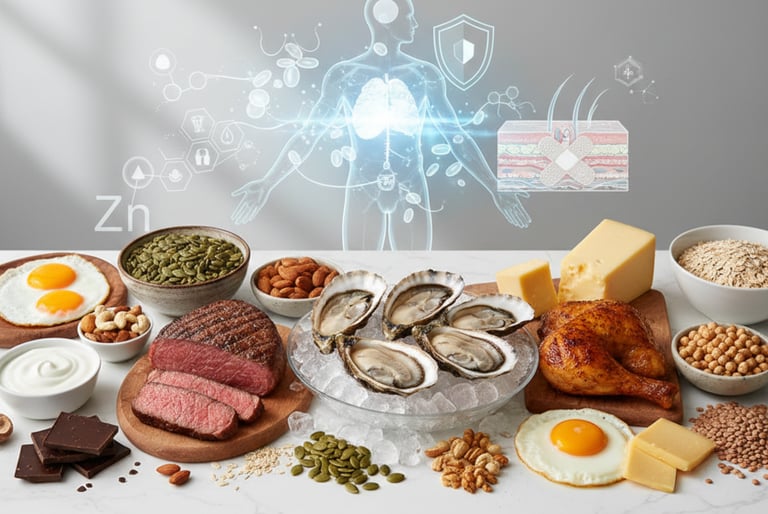
Zinc-Rich Foods for Immune System and Wound Healing
By BiteBrightly 4 February 2026: This post might contain affiliate links.
You've been sick three times in the past two months. Every cold that circulates through your office finds you. That paper cut on your finger from last week still hasn't healed. You're constantly exhausted, your hair is thinning, and food doesn't taste quite right anymore. Your doctor runs bloodwork and finds nothing obviously wrong—your iron is fine, your thyroid is normal, your vitamin D is adequate. "Maybe you're just stressed," they suggest. "Get more rest." But what if the problem is simpler than stress and more fundamental than rest? What if you're zinc deficient—a condition affecting nearly 2 billion people worldwide, yet rarely tested for and frequently dismissed? If you're searching for zinc-rich foods to support your immune system, accelerate wound healing, and restore your body's foundational functions, you're about to discover that this single mineral controls far more aspects of your health than most people—including many doctors—realize.
Zinc is the second most abundant trace mineral in your body after iron, yet it's one of the most commonly deficient nutrients globally. Unlike some nutrients your body can store for months, zinc isn't efficiently stored—you need consistent daily intake to maintain optimal levels. Deficiency develops gradually and subtly. Early symptoms are vague: slightly more frequent colds, slower wound healing, mild taste changes. Most people dismiss these as normal aging or stress. By the time severe deficiency develops—with hair loss, severe immune dysfunction, skin lesions, and cognitive impairment—years of suboptimal zinc status have already compromised health.
The modern diet makes zinc deficiency increasingly common. Processed foods are zinc-depleted. Plant-based diets, while healthy in many ways, provide less bioavailable zinc than animal products due to phytates that inhibit absorption. Soil depletion from industrial agriculture means even zinc-rich foods contain less zinc than they did decades ago. Certain medications (proton pump inhibitors, ACE inhibitors, diuretics) impair zinc absorption or increase excretion. Chronic stress depletes zinc. Aging reduces absorption efficiency. The result: widespread subclinical zinc deficiency flying under the medical radar.
According to research published in Nutrients, zinc deficiency affects approximately 17% of the global population, with much higher rates in developing countries, elderly populations, vegetarians/vegans, pregnant women, and those with digestive disorders. Even in developed nations, marginal zinc deficiency (not severe enough for clinical diagnosis but sufficient to impair function) is surprisingly common.
Why zinc matters so profoundly: zinc is a cofactor for over 300 enzymes in your body, more than any other mineral except magnesium. It's essential for DNA synthesis, cell division, protein synthesis, immune function, wound healing, taste and smell, growth and development, reproductive health, and neurological function. Without adequate zinc, these fundamental processes slow or malfunction. You might not feel dramatically sick, but you're operating at suboptimal capacity across virtually every bodily system.
The immune connection is particularly critical. Zinc is absolutely essential for immune cell development and function. According to research in Frontiers in Immunology, zinc deficiency impairs both innate and adaptive immunity, making you more susceptible to infections, slower to recover from illness, and potentially more vulnerable to autoimmune dysfunction. This is why zinc supplementation during colds (within 24 hours of symptom onset) can reduce duration and severity—zinc directly supports the immune cells fighting the infection.
The wound healing aspect is equally important. Zinc is critical for every phase of wound healing: inflammation, tissue formation, and tissue remodeling. Collagen synthesis requires zinc. Cell proliferation requires zinc. Immune response to prevent infection requires zinc. People with chronic wounds often have zinc deficiency. Surgical patients with adequate zinc status heal faster and experience fewer complications.
This comprehensive guide reveals the most zinc-rich foods and their bioavailability, how much zinc you actually need (varies by age, sex, diet type), signs of deficiency you might be experiencing right now, factors that impair zinc absorption (important to know!), optimal food combinations to maximize absorption, and realistic strategies for maintaining adequate zinc status long-term.
Key Takeaways
Zinc is essential for over 300 enzymatic reactions in the body, including immune function and wound healing
Approximately 17% of the global population is zinc deficient, with higher rates among vegetarians, elderly, and those with digestive issues
Zinc from animal sources (meat, seafood) is more bioavailable than plant sources due to absence of phytates
Oysters are the most zinc-dense food on earth, providing 500%+ of daily needs in one serving
Daily zinc needs: 11mg for men, 8mg for women, higher for pregnant/lactating women
Phytates in grains, legumes, and seeds inhibit zinc absorption; soaking, sprouting, and fermenting reduce phytates
Zinc supplementation during colds (within 24 hours) can reduce duration by 33%
Copper and zinc must be balanced—excessive zinc supplementation can cause copper deficiency
Marginal zinc deficiency often goes undiagnosed but impairs immune function, wound healing, taste, and cognitive function
Understanding Zinc and Its Critical Roles
Before diving into food sources, understanding zinc's functions helps you appreciate why adequate intake matters so profoundly.
What Zinc Does in Your Body
Immune function: Zinc is absolutely essential for development and function of immune cells including neutrophils, natural killer cells, and T-lymphocytes. It's required for proper immune signaling and helps maintain the integrity of skin and mucosal membranes (your body's first line of defense). Even mild zinc deficiency impairs immune response, increasing susceptibility to infections.
Wound healing: Every phase of wound healing requires zinc. During inflammation (phase 1), zinc supports immune cell migration to the wound. During proliferation (phase 2), zinc is essential for fibroblast proliferation and collagen synthesis. During remodeling (phase 3), zinc supports tissue maturation. Chronic wounds (diabetic ulcers, pressure sores, surgical wounds) often heal poorly in zinc-deficient individuals.
Protein synthesis and cell division: Zinc is required for DNA synthesis, RNA transcription, and protein translation—the fundamental processes by which your cells function and replicate. Rapidly dividing cells (immune cells, intestinal lining cells, skin cells) are particularly zinc-dependent.
Taste and smell: Zinc is critical for proper function of taste buds and olfactory receptors. Zinc deficiency causes hypogeusia (reduced taste perception) and hyposmia (reduced smell). Food becomes bland and unappetizing, which ironically can worsen deficiency by reducing food intake.
Growth and development: Children and adolescents require adequate zinc for normal growth and sexual maturation. Zinc deficiency during childhood causes growth retardation and delayed puberty. Pregnant women need extra zinc for fetal development.
Reproductive health: Zinc is essential for male fertility (testosterone production, sperm formation and motility) and female fertility (ovulation, pregnancy maintenance). Deficiency in either sex can impair reproductive function.
Cognitive function: Zinc is involved in neurotransmitter function and neuronal signaling. Deficiency may contribute to cognitive impairment, learning difficulties, and mood disorders.
Antioxidant function: Zinc is a cofactor for superoxide dismutase (SOD), a critical antioxidant enzyme that protects cells from oxidative damage.
Signs and Symptoms of Zinc Deficiency
Zinc deficiency exists on a spectrum from mild to severe:
Mild deficiency (common, often unrecognized):
Increased susceptibility to colds and infections
Slower wound healing
Minor skin issues (dry skin, occasional breakouts)
Reduced taste and smell perception
Decreased appetite
Moderate deficiency:
Frequent infections
Persistent slow wound healing
Hair thinning or loss
White spots on fingernails
Reduced immune function
Digestive issues
Poor concentration
Mood changes
Severe deficiency (rare in developed countries):
Severe immune dysfunction
Chronic diarrhea
Significant hair loss
Skin lesions and rashes
Night blindness
Delayed sexual maturation (in children/adolescents)
Impaired growth (in children)
Severe cognitive impairment
Who's at highest risk:
Vegetarians and vegans (plant zinc less bioavailable)
Elderly (reduced absorption)
Pregnant and lactating women (increased needs)
People with digestive disorders (Crohn's, celiac, IBS)
Alcoholics (increased excretion, poor intake)
People on certain medications (PPIs, diuretics, antibiotics)
Those with chronic kidney disease
People with sickle cell disease
How Much Zinc Do You Need?
Recommended Dietary Allowances (RDA):
Men (19+): 11mg daily
Women (19+): 8mg daily
Pregnant women: 11mg daily
Lactating women: 12mg daily
Children (4-8): 5mg daily
Children (9-13): 8mg daily
Adolescents (14-18): 11mg (boys), 9mg (girls)
Upper tolerable limit: 40mg daily from all sources (food + supplements). Chronic excessive zinc intake can cause copper deficiency, immune dysfunction, and other problems.
Important: Vegetarians and vegans may need 50% more zinc than the RDA due to phytates in plant foods reducing bioavailability.
Zinc-Rich Foods: Complete Guide
Category 1: Shellfish (Highest Bioavailability)
Shellfish provide the most bioavailable, zinc-dense foods available.
1. Oysters
The absolute king of zinc sources.
Why they're supreme: Oysters contain more zinc per serving than any other food—dramatically more. Six medium oysters provide approximately 32-50mg zinc (that's 291-455% of the RDA!). A single oyster can provide 5-8mg. The zinc is highly bioavailable (easily absorbed) because it's from animal sources with no phytates.
How to use: 3-6 oysters weekly provides massive zinc boost. Eat raw (ensure from safe source), grilled, baked, or in stews. If you dislike oysters, even forcing yourself to eat a few monthly provides significant zinc.
Additional benefits: Oysters also provide vitamin B12, selenium, iron, and omega-3 fatty acids.
Caution: Raw oysters carry small risk of foodborne illness. Pregnant women and immunocompromised should eat only cooked oysters.
2. Crab
Delicious and zinc-rich.
Why it works: Alaska king crab provides 6.5mg zinc per 3 oz serving (59% RDA). Blue crab provides ~3mg. Also provides high-quality protein, vitamin B12, and selenium.
How to use: 3-4 oz serving 1-2 times weekly. Fresh, frozen, or canned all work (choose low-sodium canned versions).
3. Lobster
Luxurious zinc source.
Why it works: 3 oz lobster provides 3.4mg zinc (31% RDA). Also provides copper, selenium, and B vitamins.
How to use: 3-4 oz serving weekly or biweekly. Steamed, boiled, or grilled.
Category 2: Red Meat (Highly Bioavailable)
Red meat provides highly absorbable heme zinc.
4. Grass-Fed Beef
Excellent zinc source with additional nutrients.
Why it works: 3 oz serving of beef (particularly chuck roast) provides 7mg zinc (64% RDA). Grass-fed beef has superior omega-3 profile compared to grain-fed. The zinc from meat is highly bioavailable (20-40% absorption rate compared to 5-15% from plants).
How to use: 3-4 oz serving 2-3 times weekly. Choose lean cuts to limit saturated fat. Grass-fed preferred for nutrient density and omega-3 content.
5. Lamb
Rich zinc source popular globally.
Why it works: 3 oz lamb (shoulder) provides 6.7mg zinc (61% RDA). Also provides vitamin B12, iron, and selenium.
How to use: 3-4 oz serving 1-2 times weekly. Grill, roast, or stew.
6. Bison
Lean alternative to beef with excellent zinc.
Why it works: 3 oz bison provides 5.5mg zinc (50% RDA). Leaner than beef with similar nutrient profile and superior omega-3 ratio.
How to use: 3-4 oz serving 1-2 times weekly. Cook like beef (burgers, steaks, roasts).
Category 3: Poultry (Moderate Zinc, High Protein)
Poultry provides moderate zinc with lean protein.
7. Chicken (Dark Meat)
Affordable zinc source.
Why it works: 3 oz dark meat chicken provides 2.4mg zinc (22% RDA). Dark meat contains more zinc and iron than white meat due to myoglobin content. Also provides protein, B vitamins, and selenium.
How to use: 3-6 oz serving 2-3 times weekly. Thighs and drumsticks have more zinc than breast.
8. Turkey (Dark Meat)
Similar profile to chicken.
Why it works: 3 oz dark meat turkey provides 3.8mg zinc (35% RDA). Also provides selenium, B vitamins, and lean protein.
How to use: 3-4 oz serving weekly. Dark meat preferred for zinc content.
Category 4: Legumes (Plant-Based Option with Phytates)
Legumes provide decent zinc but with reduced bioavailability due to phytates.
9. Chickpeas (Garbanzo Beans)
Versatile legume with good zinc content.
Why they work: 1 cup cooked chickpeas provides 2.5mg zinc (23% RDA). Also provides fiber, protein, iron, and folate.
How to maximize absorption: Soak dried chickpeas 12-24 hours before cooking (reduces phytates). Sprouting further improves bioavailability. Pair with vitamin C-rich foods. Fermentation (as in hummus with lemon) enhances absorption.
How to use: 1/2 to 1 cup daily. Make hummus, add to salads, roast for snacks, or use in curries.
10. Lentils
Nutrient-dense legume with multiple minerals.
Why they work: 1 cup cooked lentils provides 2.5mg zinc (23% RDA). Also provides iron, folate, fiber, and protein.
How to maximize absorption: Soak before cooking. Pair with vitamin C sources (tomatoes, bell peppers, lemon). Lentils have lower phytate content than many other legumes.
How to use: 1/2 to 1 cup 4-5 times weekly. Add to soups, salads, or make lentil-based dishes.
11. Black Beans
Hearty legume with good zinc.
Why they work: 1 cup cooked black beans provides 1.9mg zinc (17% RDA). Also provides fiber, protein, iron, and magnesium.
How to maximize absorption: Soak overnight, then cook thoroughly. Rinse canned beans to reduce sodium and some phytates.
How to use: 1/2 to 1 cup 3-4 times weekly. Use in burritos, salads, soups, or as side dish.
Category 5: Nuts and Seeds (Moderate Zinc with Phytates)
Nuts and seeds provide zinc along with healthy fats, but phytates reduce absorption.
12. Pumpkin Seeds (Pepitas)
Among the best plant-based zinc sources.
Why they work: 1 oz (about 2 tablespoons) pumpkin seeds provides 2.2mg zinc (20% RDA). Also provides magnesium, healthy fats, and antioxidants.
How to maximize absorption: Buy raw and soak overnight, then dry roast. This reduces phytates and improves zinc bioavailability.
How to use: 1-2 oz daily. Add to salads, oatmeal, yogurt, or eat as snack.
13. Hemp Seeds
Nutritious seeds with good zinc content.
Why they work: 3 tablespoons hemp seeds provide 3mg zinc (27% RDA). Also provide complete protein, omega-3s, and magnesium.
How to use: 2-3 tablespoons daily. Add to smoothies, oatmeal, salads, or yogurt. No soaking needed (hulled seeds have lower phytates).
14. Cashews
Popular nut with decent zinc.
Why they work: 1 oz cashews provides 1.6mg zinc (15% RDA). Also provides copper, magnesium, and healthy fats.
How to maximize absorption: Soak raw cashews 2-4 hours before eating. Roasting also reduces some phytates.
How to use: 1 oz daily. Eat as snack, make cashew butter, or use in cooking.
15. Almonds
Nutritious nut with moderate zinc.
Why they work: 1 oz almonds provides 0.9mg zinc (8% RDA). Also provides vitamin E, magnesium, fiber, and healthy fats.
How to maximize absorption: Soak overnight. Sprouted almonds have better bioavailability.
How to use: 1 oz daily. Snack, add to meals, or use almond butter.
Category 6: Dairy (Moderate Zinc, High Bioavailability)
Dairy provides moderately bioavailable zinc along with calcium and protein.
16. Cheese (Cheddar, Mozzarella)
Concentrated dairy source.
Why it works: 1 oz cheddar cheese provides 1mg zinc (9% RDA). The zinc in dairy has moderate bioavailability (20-30% absorption). Also provides calcium, protein, and vitamin A.
How to use: 1-2 oz cheese daily. Add to meals or eat as snack. Choose full-fat for better nutrient absorption.
17. Yogurt (Greek Yogurt)
Probiotic-rich zinc source.
Why it works: 1 cup Greek yogurt provides 1.3mg zinc (12% RDA). Also provides probiotics, calcium, and high-quality protein.
How to use: 1 cup daily. Choose plain full-fat Greek yogurt (avoid added sugars). Add berries, nuts, and seeds for enhanced nutrition.
18. Milk
Basic zinc source with multiple nutrients.
Why it works: 1 cup milk provides 1mg zinc (9% RDA). Also provides calcium, vitamin D (if fortified), and protein.
How to use: 1-2 cups daily if tolerated. Full-fat or 2% preferred over skim for nutrient absorption.
Category 7: Whole Grains (Moderate Zinc with Phytates)
Whole grains provide zinc but phytates reduce absorption significantly.
19. Oats
Breakfast staple with decent zinc.
Why they work: 1 cup cooked oats provides 2.3mg zinc (21% RDA). Also provides beta-glucan fiber, iron, and magnesium.
How to maximize absorption: Soak oats overnight in water with acid (yogurt or lemon juice) to reduce phytates. Or buy sprouted oats.
How to use: 1/2 to 1 cup dry oats for breakfast daily. Steel-cut or rolled oats preferred over instant.
20. Quinoa
Pseudo-grain with complete protein.
Why it works: 1 cup cooked quinoa provides 2mg zinc (18% RDA). Also provides all essential amino acids, iron, and magnesium.
How to maximize absorption: Rinse thoroughly before cooking (removes saponins and some phytates). Soaking helps too.
How to use: 1/2 to 1 cup 3-5 times weekly. Use as rice alternative or in salads.
21. Brown Rice
Whole grain with moderate zinc.
Why it works: 1 cup cooked brown rice provides 1.2mg zinc (11% RDA). Also provides fiber, manganese, and B vitamins.
How to maximize absorption: Soak overnight before cooking. Or choose white rice (lower phytates but also lower nutrients overall).
How to use: 1/2 to 1 cup 3-4 times weekly as side dish or base for meals.
Category 8: Eggs (Moderate Zinc)
Eggs provide zinc along with high-quality protein.
22. Eggs
Versatile, affordable zinc source.
Why they work: One large egg provides 0.6mg zinc (5% RDA). While not zinc-dense individually, regular egg consumption contributes meaningfully. Also provides complete protein, choline, B vitamins, and vitamin D.
How to use: 2-3 eggs daily. The zinc is in the yolk. Pasture-raised eggs have superior nutrient profile.
Category 9: Dark Chocolate (Surprising Source)
Dark chocolate provides a surprising amount of zinc.
23. Dark Chocolate (70%+ Cacao)
Delicious zinc bonus.
Why it works: 1 oz dark chocolate (70%+ cacao) provides 1mg zinc (9% RDA). Also provides iron, magnesium, and antioxidants (flavanols).
How to use: 1-2 oz daily. Higher cacao percentage = more zinc and less sugar. Don't rely on this as primary zinc source, but it's a pleasant contributor.
Caution: Still calorie-dense. Account for calories in overall diet.
Factors Affecting Zinc Absorption
Understanding absorption factors helps you maximize zinc from foods.
Enhancers of Zinc Absorption
Animal protein: Meat, poultry, and fish not only provide zinc but also enhance absorption of zinc from plant sources eaten in the same meal. The amino acids in animal protein increase zinc bioavailability.
Vitamin C: Citrus fruits, tomatoes, bell peppers, and other vitamin C sources may enhance zinc absorption when consumed together. Add lemon to chickpeas, tomatoes to lentils, or peppers to beans.
Acidity: Acidic environments (like stomach acid) improve zinc solubility. People on proton pump inhibitors (PPIs) may have reduced zinc absorption.
Smaller, frequent doses: Zinc absorption is saturable—your body can only absorb so much at once. Spreading zinc intake throughout the day improves overall absorption compared to one large dose.
Inhibitors of Zinc Absorption
Phytates (phytic acid): Found in whole grains, legumes, nuts, and seeds. Phytates bind to zinc and reduce absorption. Soaking, sprouting, fermenting, and cooking reduce phytate content.
Calcium: High calcium intake (from dairy or supplements) can interfere with zinc absorption. Don't take zinc and calcium supplements together.
Iron: High-dose iron supplements can inhibit zinc absorption. Food sources of iron don't cause this issue.
Copper: High copper intake can reduce zinc absorption and vice versa. Balance is important.
Fiber: While healthy overall, very high fiber intake can reduce mineral absorption including zinc.
Medications: Proton pump inhibitors (omeprazole, esomeprazole), ACE inhibitors, diuretics, and antibiotics can interfere with zinc absorption or increase excretion.
Maximizing Zinc Bioavailability from Plant Foods
Soaking: Soak grains, legumes, nuts, and seeds in water for 12-24 hours before cooking/eating. This activates phytase enzyme which breaks down phytates.
Sprouting: Germinating seeds, grains, and legumes dramatically reduces phytates. Sprouted lentils, chickpeas, and quinoa have much better zinc bioavailability.
Fermenting: Fermentation (sourdough bread, tempeh, miso) reduces phytates. Sourdough bread has better zinc bioavailability than regular whole wheat bread.
Cooking: Proper cooking reduces phytates. Don't eat raw beans or grains.
Combining with animal foods: Eating small amounts of meat, fish, or dairy with plant-based zinc sources enhances absorption of plant zinc.
Leavening: Yeast-leavened breads have lower phytates than unleavened.
Creating a Zinc-Optimized Diet
Sample High-Zinc Day (Omnivore)
Breakfast:
3 eggs scrambled (1.8mg zinc)
1 cup steel-cut oats (soaked overnight) with almonds and berries (2.3mg + 0.9mg)
Greek yogurt (1 cup) (1.3mg)
Lunch:
Grass-fed beef burger (4 oz) (7mg zinc)
Side of pumpkin seeds (1 oz) (2.2mg)
Mixed greens salad with chickpeas (1/2 cup) (1.25mg)
Snack:
Dark chocolate (1 oz, 70%+) (1mg)
Cashews (1 oz) (1.6mg)
Dinner:
Wild-caught salmon (6 oz) or chicken thigh (6 oz) (1.5mg or 3.6mg)
Quinoa (1 cup cooked, rinsed) (2mg)
Roasted vegetables
Total zinc: ~24-27mg (well above RDA, accounts for absorption variability)
Sample High-Zinc Day (Vegetarian)
Greek yogurt (2 cups) (2.6mg)
Hemp seeds (3 tbsp) (3mg)
Berries and ground flax
Large chickpea salad (1.5 cups chickpeas, soaked/cooked) (3.75mg)
Pumpkin seeds (2 oz) (4.4mg)
Quinoa (1 cup, rinsed) (2mg)
Lemon dressing (enhances absorption)
Almonds (2 oz, soaked) (1.8mg)
Dark chocolate (1 oz) (1mg)
Lentil soup (1.5 cups lentils) (3.75mg)
Whole grain bread (sourdough, 2 slices) (1.2mg)
Cheese (2 oz) (2mg)
Tomatoes (vitamin C enhances absorption)
Evening:
Cashew butter (2 tbsp) (1.5mg)
Total zinc: ~27mg (higher than omnivore due to lower bioavailability; targets effective intake of 12-15mg accounting for phytates)
Weekly Strategy
2-3 times weekly: Shellfish (oysters, crab) or red meat (beef, lamb, bison) 3-4 times weekly: Poultry (dark meat) Daily: Legumes (chickpeas, lentils, beans - soaked/sprouted) Daily: Nuts/seeds (pumpkin seeds, hemp seeds, cashews - soaked when possible) Daily: Whole grains (oats, quinoa, brown rice - soaked/fermented) Daily: Eggs (2-3) Daily: Dairy (yogurt, cheese, milk)
This provides multiple zinc sources daily, ensuring adequate intake even accounting for absorption variability.
Zinc Supplementation: When and How
While food should be primary, supplementation may be appropriate in certain situations.
When to Consider Supplementation
Diagnosed deficiency: If blood tests confirm zinc deficiency, supplementation under medical supervision.
Vegetarian/vegan diets: Plant-based eaters may struggle to get adequate bioavailable zinc from food alone.
Digestive disorders: Crohn's, celiac, IBS, and other conditions impair zinc absorption.
Pregnancy/lactation: Increased needs may be difficult to meet through diet alone.
Elderly: Reduced absorption and often inadequate dietary intake.
Athletes: Intense training increases zinc loss through sweat.
Acute immune support: Zinc lozenges within 24 hours of cold onset can reduce duration and severity.
Forms and Dosing
Forms:
Zinc gluconate (well-absorbed, gentle on stomach)
Zinc picolinate (highly bioavailable)
Zinc citrate (good absorption)
Zinc acetate (used in lozenges for colds)
Avoid zinc oxide (poor absorption)
Dosing:
Maintenance: 15-30mg daily (in addition to dietary zinc)
Deficiency treatment: 25-50mg daily (under medical supervision)
Cold treatment: 13-23mg zinc (from lozenges) every 2 hours while awake for 7 days
Upper limit: 40mg total daily (food + supplements)
Timing:
Take on empty stomach for best absorption (1 hour before or 2 hours after meals)
If causes nausea, take with small amount of food (not calcium-rich)
Don't take with calcium, iron, or copper supplements
Split dose if taking >15mg (e.g., 15mg morning, 15mg evening)
Cautions
Copper balance: Chronic high-dose zinc (>50mg daily for months) can cause copper deficiency (anemia, neurological issues). If supplementing zinc long-term at high doses, also supplement copper (1-2mg copper for every 15mg zinc).
Nausea: High doses on empty stomach cause nausea in some people. Reduce dose or take with food.
Immune suppression: Paradoxically, excessive chronic zinc intake can impair immune function.
Drug interactions: Zinc can interact with antibiotics (tetracyclines, quinolones), penicillamine, and diuretics. Take zinc 2 hours before or 4 hours after antibiotics.
Conclusion
Zinc deficiency is one of the most common yet underdiagnosed nutritional deficiencies globally. The symptoms are often subtle and dismissed—frequent colds, slow wound healing, thinning hair, reduced taste and smell, fatigue. Most people never get tested. Most doctors don't think to check. Yet this single mineral is critical for over 300 enzymatic reactions, immune function, wound healing, protein synthesis, reproductive health, and cognitive function.
The foods in this guide aren't exotic. Oysters, beef, chicken, pumpkin seeds, chickpeas, lentils, oats, yogurt, and eggs are available everywhere. Strategic consumption—emphasizing animal sources (if you eat them) for bioavailability, properly preparing plant sources (soaking, sprouting, fermenting) to reduce phytates, and combining zinc-rich foods with absorption enhancers (vitamin C, animal protein)—ensures adequate zinc status.
Vegetarians and vegans need to be particularly strategic. Plant-based zinc is less bioavailable due to phytates. You may need 50% more zinc than RDA recommendations, achieved through higher intake of zinc-rich plant foods, proper preparation techniques, and potentially supplementation.
The immune benefits alone justify attention to zinc status. Research consistently shows that adequate zinc dramatically improves immune function, reduces infection frequency and severity, and shortens cold duration when supplemented acutely. The wound healing benefits are equally compelling—adequate zinc can mean the difference between a wound healing in one week versus three.
Most people can meet zinc needs through strategic dietary choices without supplementation. Oysters a few times monthly, regular meat or poultry consumption (if omnivorous), daily legumes and nuts (properly prepared), whole grains (soaked or fermented), and dairy provide ample zinc. For those who can't or won't eat animal products, supplementation becomes more important, along with meticulous attention to soaking, sprouting, and fermenting plant foods.
Yes, getting tested is difficult—zinc status testing isn't routine and results can be unreliable. But you don't need a test to improve your zinc intake. Add the foods listed here. Notice if your immune function improves, wounds heal faster, taste becomes more vibrant, hair thickens, energy increases.
The next time you get a cold, try zinc lozenges within the first 24 hours. The difference is often dramatic—what would have been a week-long misery becomes 3-4 days of mild symptoms. That's not placebo; that's zinc directly supporting your immune cells as they fight infection.
Your body is constantly repairing, defending, growing, and adapting. Every single one of these processes requires zinc. Give your body the zinc it needs, and everything works better.
To robust immunity, rapid healing, and optimal health!
References and Further Reading
For more information on zinc and health, consult these authoritative sources:
National Institutes of Health Office of Dietary Supplements - Zinc Fact Sheet
Comprehensive information on zinc, deficiency, dietary sources, and supplementation from the NIH.World Health Organization - Zinc Supplementation
WHO guidelines on zinc for immune function and deficiency prevention globally.Harvard T.H. Chan School of Public Health - The Nutrition Source: Zinc
Evidence-based guidance on zinc nutrition from Harvard experts.
Frequently Asked Questions
How do I know if I'm zinc deficient?
Zinc deficiency is difficult to diagnose because blood tests are unreliable (blood zinc doesn't reflect tissue stores). Common signs include: frequent colds/infections, slow wound healing, hair thinning, white spots on nails, reduced taste/smell, poor appetite, skin issues, and fatigue. If you experience multiple symptoms, especially if you're in a high-risk group (vegetarian, elderly, digestive issues), increasing zinc-rich food intake is reasonable even without testing. If symptoms are severe or persist, ask your doctor for a trial of zinc supplementation.
Can I get enough zinc from a vegan diet?
Yes, but it requires strategic planning. Vegans face two challenges: (1) plant foods contain less zinc than animal foods, and (2) phytates in plants reduce absorption. Solutions: eat zinc-rich plant foods daily (legumes, nuts, seeds, whole grains), soak/sprout/ferment these foods to reduce phytates, consume 50% more than the RDA to account for lower bioavailability (12-16mg instead of 8-11mg), and consider supplementation (15-25mg daily). Many vegans benefit from supplementation to ensure adequacy.
Should I take zinc supplements during cold and flu season?
Zinc lozenges taken within 24 hours of cold symptom onset can reduce duration by about 33% (from ~7 days to ~4-5 days). Use 13-23mg zinc per lozenge, every 2 hours while awake, for up to 7 days. This only works if started early—once a cold is fully established, zinc has minimal benefit. For prevention, focus on maintaining adequate zinc status year-round through diet (and supplements if deficient). There's less evidence for preventive zinc supplementation during cold season, though it may provide modest benefit.
What's the best form of zinc supplement?
Zinc gluconate, zinc picolinate, and zinc citrate are all well-absorbed and effective. Zinc gluconate is most common and affordable. Zinc picolinate may have slightly better bioavailability. Zinc acetate is used in lozenges for colds. Avoid zinc oxide (poor absorption, though used in topical ointments). Take on empty stomach if tolerated; with food if it causes nausea. Don't exceed 40mg daily from all sources (food + supplements) long-term.
Can I take zinc and iron supplements together?
High doses of iron and zinc can interfere with each other's absorption when taken simultaneously. If supplementing both, take them at different times of day (iron in morning, zinc in evening, or vice versa). Food sources of iron and zinc don't cause this issue—eating beef (which contains both) doesn't impair absorption. The concern is only with high-dose supplementation.
How long does it take to correct a zinc deficiency?
If supplementing adequately (25-50mg daily), improvements in immune function and wound healing can be noticeable within 2-4 weeks. Hair growth and skin improvements take 2-3 months. Taste and smell improvements can occur within weeks. Severe deficiency may take 3-6 months to fully correct. Maintaining adequate status long-term requires consistent dietary intake or continued supplementation if absorption is impaired.
Will zinc supplements prevent me from getting sick?
Zinc doesn't prevent illness entirely, but adequate zinc status significantly improves immune function, making you less susceptible to infections and helping you recover faster when you do get sick. Think of zinc as optimizing your immune system's baseline function. People with zinc deficiency who correct it often notice they get sick less frequently. But even with optimal zinc, other factors (sleep, stress, overall diet, pathogen exposure) also matter.
Can too much zinc be harmful?
Yes. Chronic excessive zinc intake (>40mg daily from all sources) can cause: copper deficiency (leading to anemia and neurological problems), immune dysfunction (paradoxically), nausea, reduced HDL cholesterol, and interference with other mineral absorption. Acute overdose (>200mg at once) causes severe nausea, vomiting, and stomach pain. Stick to recommended doses. If supplementing long-term at doses >30mg, consider adding 1-2mg copper to prevent imbalance.
Are oysters really necessary, or can I get enough zinc from other foods?
Oysters aren't necessary—you can absolutely get adequate zinc from beef, poultry, legumes, nuts, seeds, dairy, and whole grains. However, oysters are by far the most zinc-dense food (one serving provides 400-500% of daily needs), so even eating them occasionally (once or twice monthly) provides massive zinc boost. If you dislike oysters or can't access them, simply eat a variety of the other zinc-rich foods regularly.
Do zinc lozenges work for colds, or is it just marketing?
Multiple clinical trials and meta-analyses confirm that zinc lozenges (13-23mg per lozenge) taken within 24 hours of symptom onset and continued every 2 hours while awake reduce cold duration by approximately 33%. The mechanism: zinc ions directly inhibit viral replication in the throat. However, timing is critical—zinc must be started very early. Once the cold is fully established (day 2-3), zinc has minimal benefit. This isn't marketing; it's well-established science.
About Author
Judith Tsanga is an Applied Biosciences & Biotechnology graduate with an Advanced Level qualification in Food Science, and the founder of BiteBrightly. Her passion for food as medicine began with her own experience: after making targeted dietary changes, she noticed a meaningful improvement in her eyesight — a personal transformation that inspired her mission to share evidence-based nutrition insights that help others eat well and heal boldly. Content on BiteBrightly is for educational purposes and isn't a substitute for advice from your doctor or dietitian.
Follow on Pinterest for daily health tips, recipes, and wellness inspiration.
Important Notice: The information in this article is for educational purposes only and is not intended as medical advice or to replace professional medical treatment. Always consult your healthcare provider before making any dietary changes, starting supplements, or implementing health recommendations, especially if you have medical conditions, take medications, are pregnant, or nursing. This information is not intended to replace your prescribed medications or treatment plans. Individual results vary based on genetics, health status, and lifestyle factors.
Related posts
Connect
Join our newsletter for fresh health tips
© 2026. All rights reserved.