Cholesterol-Lowering Breakfast Foods: Start Your Day Right
EGCG inhibits the same enzyme as statins. Soluble fibre binds bile acids pulling LDL from blood. 10 cholesterol-lowering breakfast foods explained simply.
by BiteBrightly
5/15/202615 min read
Cholesterol-Lowering Breakfast Foods: Start Your Day Right
By BiteBrightly 15 May 2026: This post might contain affiliate links.
Breakfast is the meal that sets the tone for everything that follows — your blood sugar, your hunger levels, your energy, and, more than most people realise, your cholesterol. The specific foods you eat in the first meal of the day can either start a cascade of lipid-lowering processes that benefit your cardiovascular health throughout the day, or they can contribute to the LDL burden that accumulates silently in your arteries.
The good news is that the science of dietary cholesterol management is genuinely encouraging. Multiple clinical trials have confirmed that specific foods — oats, nuts, plant sterols, soluble fibre, and omega-3 rich fish — can meaningfully reduce LDL cholesterol through mechanisms that are as well-understood as any pharmaceutical intervention. The difference is that these mechanisms work through food, every morning, with benefits that compound over weeks and months of consistent eating.
This guide covers the best cholesterol-lowering breakfast foods, the specific science behind why each one works, and practical ideas for building a breakfast that actively supports your cardiovascular health.
Key Takeaways
LDL cholesterol (low-density lipoprotein) is the primary cardiovascular risk marker in cholesterol management — it is the form that deposits in arterial walls and contributes to atherosclerosis. The goal of dietary cholesterol management is to reduce LDL while maintaining or raising HDL (the protective form)
Soluble fibre is the single most important dietary tool for LDL reduction — it binds to bile acids in the intestine, forcing the liver to use LDL cholesterol to make more bile acids, directly pulling LDL out of circulation
Research published in the American Journal of Clinical Nutrition confirmed that consuming 3g of oat beta-glucan daily (the amount in one and a half cups of cooked oatmeal) reduced LDL cholesterol by an average of 5–7% — a reduction comparable to beginning low-dose statin therapy
Plant sterols and stanols — found in nuts, seeds, and fortified foods — directly block cholesterol absorption in the intestine, reducing LDL by 10–15% with consistent daily intake
Omega-3 fatty acids from fatty fish and flaxseed specifically reduce VLDL (very low-density lipoprotein) and triglycerides, improving the overall lipid profile beyond what LDL reduction alone achieves
A landmark meta-analysis found that replacing saturated fat with polyunsaturated fat at breakfast and other meals was associated with a significant reduction in cardiovascular events — establishing the quality of fat at breakfast as a major cardiovascular health determinant
Understanding Cholesterol — The Plain Language Guide
Before the food recommendations, a quick look at what cholesterol actually is and how diet affects it — because understanding this makes the food choices obvious.
What Cholesterol Is and Is Not
Cholesterol is not inherently bad. It is an essential molecule that your body uses to build cell membranes, produce hormones (including testosterone, oestrogen, and cortisol), make vitamin D from sunlight, and produce bile acids for fat digestion. Your liver makes approximately 70–80% of your body's cholesterol regardless of diet. The remaining 20–30% comes from food.
The cardiovascular risk does not come from cholesterol itself but from the lipoproteins that carry it through your bloodstream.
LDL (low-density lipoprotein) carries cholesterol from the liver to cells throughout the body. When LDL is in excess, it deposits cholesterol into arterial walls, contributing to the atherosclerotic plaques that narrow arteries and increase heart attack and stroke risk.
HDL (high-density lipoprotein) carries cholesterol from tissues back to the liver for processing and excretion — the "reverse cholesterol transport" that actually clears cholesterol from arteries. Higher HDL is protective.
Triglycerides are a form of fat circulating in the blood — elevated triglycerides alongside high LDL significantly increases cardiovascular risk.
How Diet Affects LDL
The primary dietary mechanisms affecting LDL are:
Soluble fibre → bile acid binding: Soluble fibre dissolves in water and forms a viscous gel in the intestine. This gel binds to bile acids (which are made from cholesterol) and carries them out of the body in stool. Your liver responds to losing bile acids by using LDL cholesterol from your bloodstream to make more — directly pulling LDL out of circulation.
Saturated fat → LDL receptor downregulation: Saturated fat in the diet reduces the expression of LDL receptors on liver cells — the receptors responsible for removing LDL from circulation. Fewer receptors means more LDL stays in the bloodstream. Replacing saturated fat with unsaturated fat restores receptor expression and reduces LDL.
Plant sterols → intestinal cholesterol blockade: Plant sterols and stanols have a structure almost identical to cholesterol and compete with dietary cholesterol for the intestinal absorption sites. They block cholesterol absorption from the gut, reducing the amount entering circulation.
Omega-3 fatty acids → VLDL and triglyceride reduction: EPA and DHA from oily fish reduce the liver's production of VLDL (the precursor to LDL) and accelerate triglyceride clearance, improving the complete lipid profile.
The Best Cholesterol-Lowering Breakfast Foods
1. Oatmeal (The Most Evidence-Supported Cholesterol Food)
Oatmeal — particularly whole rolled oats or steel-cut oats — is the most clinically validated cholesterol-lowering breakfast food available. The mechanism is specific and well-documented: the beta-glucan soluble fibre in oats forms a viscous gel in the intestine that binds bile acids and removes them from circulation, forcing the liver to produce more bile acids from LDL cholesterol.
The clinical evidence: Multiple randomised controlled trials and systematic reviews have confirmed that 3g of oat beta-glucan daily — the amount in approximately 1.5 cups of cooked oatmeal — reduces LDL cholesterol by an average of 5–7%. The FDA authorises a health claim for oats specifically stating that consuming 3g of soluble fibre daily from oats as part of a diet low in saturated fat and cholesterol may reduce the risk of heart disease.
How much is enough: Half a cup of dry rolled oats provides approximately 2g of beta-glucan. A full cup of dry oats provides approximately 4g — above the 3g clinical threshold. For maximum LDL-lowering effect, aim for a generous portion of oats alongside other soluble fibre sources at the same meal.
Cooking method matters: Steel-cut oats retain more beta-glucan gel viscosity than rolled oats, which retain more than instant oats. The thicker and more gel-like the cooked oats, the more viscous the beta-glucan gel formed in the intestine and the more effective the bile acid binding. If convenience requires instant oats, they still provide meaningful beta-glucan — just at slightly reduced potency.
The cholesterol-lowering oatmeal recipe:
½ cup dry rolled oats (or ¼ cup steel-cut oats)
250ml water or unsweetened oat milk (oat milk provides additional beta-glucan)
1 tablespoon ground flaxseed (ALA omega-3 and additional soluble fibre)
1 tablespoon pumpkin seeds (plant sterols and zinc)
½ cup mixed berries (anthocyanins and pectin soluble fibre)
1 tablespoon chopped walnuts (ALA omega-3 and plant sterols)
1 teaspoon raw honey or maple syrup
Optional: ½ teaspoon cinnamon (improves insulin sensitivity and adds flavour)
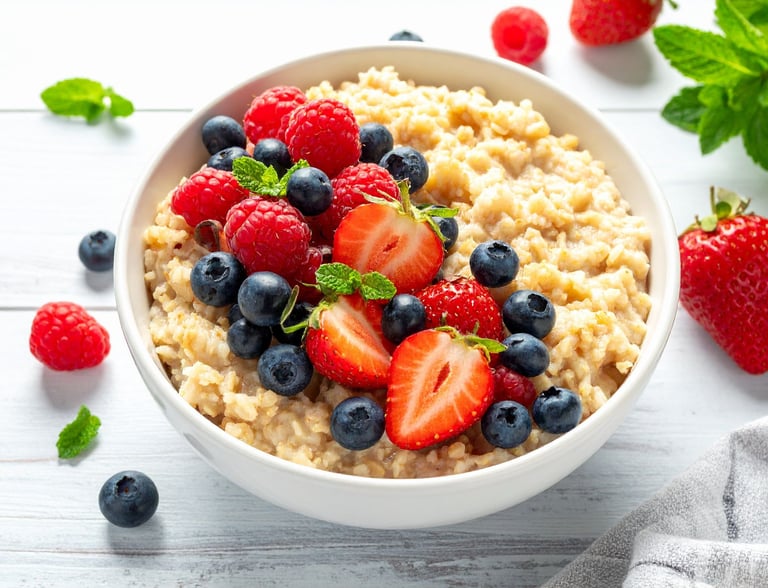
Cook oats in water or oat milk until thick. Stir in ground flaxseed. Top with berries, pumpkin seeds, walnuts, and honey. The combination of beta-glucan from oats, pectin from berries, ALA omega-3 from flaxseed, and plant sterols from pumpkin seeds and walnuts creates a synergistic cholesterol-lowering breakfast that addresses multiple LDL pathways simultaneously.
2. Fatty Fish (Salmon, Sardines, Mackerel)
Including fatty fish at breakfast — as sardines on whole grain toast, smoked salmon with avocado, or leftover salmon in a breakfast bowl — provides EPA and DHA omega-3 fatty acids that specifically target VLDL and triglycerides in the lipid profile.
Why it works: EPA and DHA omega-3 fatty acids from fatty fish work through several mechanisms on the lipid profile. They reduce hepatic (liver) triglyceride synthesis by activating PPAR-alpha receptors that upregulate beta-oxidation (fat burning) in the liver, reducing the triglyceride-rich VLDL that the liver would otherwise release. They reduce the activity of PCSK9 — a protein that reduces LDL receptor expression — meaning more LDL receptors remain active on liver cells, clearing more LDL from circulation. And they increase the production of apolipoprotein A-I, the primary protein in HDL particles, raising HDL levels.
The American Heart Association recommends eating fatty fish at least twice per week. Including one of those servings at breakfast — particularly smoked salmon or canned sardines — is one of the simplest cardiovascular nutrition upgrades available.
Cholesterol-lowering breakfast ideas with fatty fish:
Smoked salmon and avocado toast: Spread half a ripe avocado (mashed with lemon juice) on two slices of whole grain sourdough toast. Top with 60–80g smoked wild salmon, thinly sliced red onion, capers, fresh dill, and black pepper. The avocado provides monounsaturated fat that raises HDL, and the whole grain toast provides soluble fibre for additional LDL bile acid binding alongside the omega-3 from the salmon.
Sardines on whole grain toast: One tin of sardines in olive oil or spring water on two slices of rye toast with a squeeze of lemon and fresh parsley. Sardines are the most affordable, most omega-3-dense, and most sustainable fatty fish available — providing approximately 1.8g of EPA and DHA per 100g serving.
3. Avocado
Avocado is one of the few fruits rich in monounsaturated fat — specifically oleic acid — which has a well-documented effect on the lipid profile: it raises HDL cholesterol while maintaining or reducing LDL, improving the overall LDL:HDL ratio that is the most clinically relevant cardiovascular risk marker.
Why it works: Oleic acid from avocado reduces the expression of inflammatory markers in LDL particles, making the LDL that remains less oxidised and therefore less likely to deposit in arterial walls. Oxidised LDL is significantly more atherogenic (artery-damaging) than non-oxidised LDL — reducing LDL oxidation is as important as reducing LDL quantity. The beta-sitosterol in avocado (76mg per fruit) is a plant sterol that directly competes with dietary cholesterol for intestinal absorption sites, reducing cholesterol absorption similarly to pharmaceutical plant sterol supplements.
Avocado also provides 10g of fibre per fruit — adding to the total soluble fibre intake that drives bile acid binding. The potassium (975mg per avocado) supports healthy blood pressure — a companion cardiovascular risk factor to high cholesterol.
Cholesterol-lowering avocado breakfast ideas:
Avocado on whole grain toast with poached eggs (the choline from eggs supports bile production for cholesterol excretion)
Avocado in a breakfast smoothie with oat milk, banana, and flaxseed for a complete soluble fibre and monounsaturated fat combination
Sliced avocado alongside smoked salmon and whole grain crackers
4. Nuts (Especially Walnuts and Almonds)
A small portion of nuts at breakfast — a tablespoon of chopped walnuts on oatmeal, a tablespoon of almond butter on toast — provides plant sterols, unsaturated fatty acids, and vitamin E that work synergistically to lower LDL and reduce LDL oxidation.
Why they work: Walnuts have the highest ALA omega-3 content of any nut (2.5g per 28g serving) — ALA is converted in the body to EPA and DHA, providing the lipid-improving omega-3 benefits of fatty fish in a plant-based form. Walnuts also provide ellagitannins that gut bacteria convert to urolithin A, which has anti-inflammatory effects on vascular endothelial cells (the cells lining blood vessels where LDL deposits occur).
Almonds provide the highest plant sterol content of any nut (59mg per 28g serving) and are the best-studied nut for LDL reduction. Multiple randomised controlled trials have found that consuming 45g of almonds daily (approximately 3 tablespoons) reduces LDL by 5–10% and reduces the oxidised LDL fraction specifically — the most atherogenic form.
Important: These benefits come from a small, measured daily portion — approximately 25–30g (a small handful) of nuts or one to two tablespoons of nut butter. The same nuts eaten in large amounts mindlessly add significant calories without proportionally greater cholesterol benefit.
5. Ground Flaxseed
Ground flaxseed is the most versatile and most concentrated source of cholesterol-lowering ALA omega-3 available for breakfast — providing 2,400mg of ALA per tablespoon, alongside soluble fibre, lignans with plant sterol-like activity, and mucilage that soothes and protects the intestinal lining.
Why it works: The combination of ALA omega-3 and soluble fibre in ground flaxseed provides dual LDL-lowering mechanisms — the ALA reduces VLDL production and improves the LDL particle profile, while the soluble fibre adds to the total bile acid binding capacity of the meal. The lignans in flaxseed (secoisolariciresinol diglucoside — the highest dietary lignan source available) have plant sterol-like activity, providing an additional cholesterol absorption-reducing mechanism.
Critical: Always use ground flaxseed, not whole flaxseed. Whole flaxseeds pass through the intestine essentially undigested — the hard outer shell prevents the ALA and fibre from being absorbed. Ground flaxseed (freshly ground or pre-ground, stored in the fridge to prevent ALA oxidation) is fully bioavailable.
How to use it: One tablespoon of ground flaxseed stirred into oatmeal, yogurt, or a smoothie is the most practical approach. Two tablespoons provide a clinically meaningful dose of ALA (4,800mg) and fibre without significantly affecting flavour.
6. Berries
Berries — blueberries, strawberries, raspberries, and blackberries — provide pectin soluble fibre for additional bile acid binding alongside anthocyanins that directly protect LDL particles from oxidation, reducing the atherogenic activity of whatever LDL remains in circulation.
Why they work: Pectin from berries adds to the total soluble fibre pool at breakfast — more soluble fibre means more gel formation in the intestine, more bile acid binding, and more LDL used by the liver to make replacement bile acids. The anthocyanins in berries (particularly blueberry cyanidin-3-glucoside and strawberry pelargonidin-3-glucoside) directly inhibit the oxidation of LDL particles by scavenging the free radicals that would otherwise attack the polyunsaturated fatty acids in LDL's outer membrane. Reducing LDL oxidation is as clinically significant as reducing total LDL quantity — oxidised LDL is recognised by macrophages in arterial walls and becomes the "foam cells" that form the core of atherosclerotic plaques.
Strawberries specifically have been found in clinical research to reduce total cholesterol and LDL cholesterol when consumed regularly (approximately one cup daily) — with the effect attributable to pectin fibre alongside the anthocyanin LDL oxidation protection.
7. Psyllium Husk
Psyllium husk is the most concentrated single source of soluble fibre available as a food supplement — providing approximately 5g of soluble fibre per teaspoon and producing one of the largest gel viscosities of any soluble fibre, making it the most effective single dietary tool for bile acid binding and LDL reduction.
The clinical evidence: Multiple meta-analyses have confirmed that consuming 10–12g of psyllium husk daily reduces LDL cholesterol by 7–10% — significantly more than oat beta-glucan alone. The FDA authorises a cardiovascular health claim for psyllium based on this evidence. Adding one teaspoon of psyllium husk to a morning smoothie, oatmeal, or glass of water provides approximately half the clinically effective dose.
How to use it: Mix one teaspoon into a glass of water and drink immediately (psyllium gels quickly and becomes difficult to drink if left to stand). Or blend into a smoothie. Or stir into oatmeal. Always drink additional water when taking psyllium — the expanded gel requires adequate fluid to move comfortably through the intestine.
8. Whole Grain Toast and Rye Bread
Choosing whole grain bread, whole grain sourdough, or rye bread over white bread at breakfast provides the soluble and insoluble fibre that white bread lacks entirely — contributing to the total bile acid binding capacity of the breakfast meal while providing B vitamins, minerals, and the slowly-digesting complex carbohydrates that keep blood sugar stable.
Why whole grain over white: White bread is made from refined flour with the bran and germ removed — the parts of the grain that contain virtually all of the fibre, vitamins, and minerals. The remaining endosperm provides primarily starch that is rapidly digested to glucose. Whole grain bread retains the bran and germ, providing 2–3g of fibre per slice compared to less than 1g in white bread.
Rye bread specifically — particularly dense, seeded rye or sourdough rye — provides betaglucan from rye alongside the resistant starch that ferments to butyrate in the colon, feeding the gut bacteria that help regulate cholesterol metabolism through the gut-liver axis.
9. Soya (Edamame, Tofu, Soya Milk)
Soya protein has one of the most extensively researched cholesterol-lowering effects in nutrition science. The FDA authorises a health claim for soy protein specifically: consuming 25g of soy protein daily as part of a diet low in saturated fat and cholesterol may reduce cardiovascular disease risk.
Why it works: Soy protein contains peptides that activate LDL receptors on liver cells — the same mechanism targeted by statin medications — increasing LDL clearance from the bloodstream. Soy isoflavones (genistein and daidzein) additionally have mild oestrogen-receptor-mediated effects that increase HDL production and reduce LDL oxidation in postmenopausal women specifically. Edamame at breakfast provides both the soy protein and the isoflavones alongside fibre (8g per cup) that adds to bile acid binding capacity.
Breakfast ideas: Soya milk with oatmeal instead of dairy milk (adding soya protein to the beta-glucan fibre). Silken tofu blended into a smoothie for protein without significantly affecting flavour. Edamame as a protein addition to a savoury breakfast bowl.
10. Green Tea
Replacing a morning coffee or adding green tea to your breakfast routine provides EGCG (epigallocatechin-3-gallate) — a catechin that inhibits the intestinal absorption of cholesterol and reduces the hepatic synthesis of cholesterol from the liver.
Why it works: EGCG directly inhibits the activity of HMG-CoA reductase — the same enzyme targeted by statin medications — reducing the liver's own production of cholesterol. EGCG also inhibits ACAT (acyl-coenzyme A:cholesterol acyltransferase), the enzyme responsible for cholesterol ester formation in the intestine that is a prerequisite for cholesterol absorption. A meta-analysis of 14 randomised controlled trials found that green tea consumption was associated with a significant reduction in total cholesterol and LDL cholesterol.
Practical guidance: Two to three cups of green tea daily provides approximately 250–350mg of EGCG — the range associated with meaningful cholesterol effects in clinical research. Brewing at 80°C (not full boiling) preserves more EGCG than boiling water, which destroys some catechins.
Foods to Avoid at Breakfast for Cholesterol Health
Processed breakfast meats (bacon, sausages): High in saturated fat and often sodium — saturated fat reduces LDL receptor expression, increasing circulating LDL. Replacing processed meat with smoked salmon or eggs dramatically improves the breakfast's lipid profile.
Croissants and pastries: Made with butter or hydrogenated vegetable fat — both are high in saturated fat. The combination of saturated fat and refined flour with no soluble fibre actively works against LDL management.
Sweetened cereal: Refined grain with added sugar — minimal fibre, high glycemic impact. Elevated triglycerides (worsened by high refined carbohydrate intake) are an independent cardiovascular risk factor.
Full-fat dairy in large amounts: Butter, cream, full-fat cheese — high saturated fat content reduces LDL receptor expression. Small amounts of full-fat dairy are not catastrophic, but building a breakfast around butter and cream cheese works against cholesterol management.
Commercial granola with added oils and sugar: Many commercial granolas contain palm oil or coconut oil (both high in saturated fat) alongside significant added sugar. Choose plain rolled oats and add your own toppings.
The Cholesterol-Lowering Breakfast Plate
A single breakfast can address multiple cholesterol-lowering pathways simultaneously:
Beta-glucan soluble fibre: Oatmeal — the foundation (3g target from 1.5 cups cooked) Additional soluble fibre: Berries on top of the oatmeal (pectin from blueberries and strawberries) ALA omega-3 and lignans: Ground flaxseed stirred in (1–2 tablespoons) Plant sterols: Chopped walnuts or pumpkin seeds (1 tablespoon) Monounsaturated fat for HDL: A small amount of almond butter alongside, or avocado on toast if having eggs Antioxidant LDL protection: Berries and green tea with the meal
This combination — oatmeal with berries, ground flaxseed, and walnuts, alongside green tea — addresses four separate LDL-lowering mechanisms in a single breakfast and takes under ten minutes to prepare.
Frequently Asked Questions
How quickly can breakfast choices affect cholesterol levels?
Meaningful changes in LDL cholesterol from consistent dietary change are typically measurable within four to eight weeks. The bile acid binding mechanism from soluble fibre begins working with the first meal — but the reduction in LDL that is measurable on a blood test requires consistent daily intake over several weeks to accumulate. Beta-glucan from oats, plant sterols from nuts and seeds, and omega-3 from fatty fish all require consistent daily intake to produce the 5–15% LDL reductions confirmed in clinical research.
Should I avoid eggs because of cholesterol?
No — the scientific consensus on this has shifted significantly. Dietary cholesterol from eggs has a much smaller effect on blood cholesterol than saturated fat in the diet. The liver compensates for dietary cholesterol intake by reducing its own cholesterol production. Multiple large studies have found that egg consumption is not associated with increased cardiovascular risk in healthy adults. One to two eggs daily is considered acceptable by major cardiovascular health organisations including the American Heart Association. The cholesterol concern with eggs was significantly overstated in decades past — the saturated fat in butter used to cook them is more relevant than the egg cholesterol itself.
Is oat milk as good as oatmeal for cholesterol?
Oat milk retains a meaningful amount of the beta-glucan from oats — typically 1–1.5g per 250ml serving — but significantly less than whole oatmeal because the manufacturing process partially breaks down the beta-glucan structure. Oat milk is a useful addition to the daily beta-glucan intake (particularly in smoothies or with cereal) but should not replace whole oatmeal as the primary beta-glucan source. Using oat milk to cook oatmeal provides beta-glucan from both sources simultaneously.
Can I achieve clinically meaningful cholesterol reduction through diet alone?
Yes — for many people, particularly those with mild to moderate LDL elevation, consistent adherence to a cholesterol-lowering dietary pattern (the Portfolio Diet — emphasising oats, nuts, plant sterols, soy protein, and soluble fibre) has been shown in clinical trials to reduce LDL by 20–30%, comparable to low-dose statin therapy. For people with severely elevated LDL or established cardiovascular disease, dietary changes should be implemented alongside appropriate medical management, not instead of it. Always work with your doctor to establish what level of dietary intervention is appropriate for your specific situation.
References and Further Reading
Ripsin CM et al. — Journal of the American Medical Association (1992) — Oat products and lipid lowering: a meta-analysis Landmark meta-analysis confirming that oat beta-glucan significantly reduces total and LDL cholesterol — the foundational research that led to the FDA health claim for oats and cardiovascular disease prevention.
Jenkins DJA et al. — American Journal of Clinical Nutrition (2002) — Soluble fiber intake at a dose approved by the US Food and Drug Administration for a claim of health benefits: serum lipid risk factors for cardiovascular disease assessed in a randomized controlled crossover trial Randomised controlled trial establishing the specific beta-glucan dose (3g daily) required for the clinically significant LDL reduction that supports the FDA health claim for oats.
Ros E — British Journal of Nutrition (2010) — Health benefits of nut consumption Comprehensive review of clinical evidence for nut consumption and cardiovascular health — confirming dose-dependent LDL reductions from walnut and almond consumption alongside the specific mechanisms (plant sterols, unsaturated fatty acids, vitamin E).
Katan MB et al. — Mayo Clinic Proceedings (2003) — Efficacy and safety of plant stanols and sterols in the management of blood cholesterol levels Clinical review confirming that 2–3g of plant sterols and stanols daily reduces LDL cholesterol by 10–15% through intestinal cholesterol absorption blockade — establishing the evidence base for plant sterol-containing nuts, seeds, and fortified foods in cholesterol management.
About the Author
I'm Judith, a wellness enthusiast and Applied Bio Sciences and Biotechnology graduate behind Bite Brightly. With a deep-rooted belief in the healing power of food, my nutrition journey began with a personal transformation — I improved my eyesight through targeted dietary changes. This life-changing experience sparked my mission to empower others by sharing evidence-based insights into food as medicine.
Drawing on my scientific background, personal experience, and ongoing research into nutrition and health, I focus on breaking down complex health topics into clear, practical, and actionable guidance. My approach combines scientific credibility with real-world application, making evidence-based nutrition accessible to everyone.
Follow me on Pinterest for daily health tips, recipes, and wellness inspiration.
Important Notice: The information in this article is for educational purposes only and is not intended as medical advice. I am not a medical doctor or registered dietitian. High cholesterol is a significant cardiovascular risk factor requiring professional diagnosis and medical management. People with diagnosed hypercholesterolaemia, cardiovascular disease, or taking cholesterol-lowering medications (including statins, fibrates, or bile acid sequestrants) should discuss dietary changes with their prescribing doctor — some foods (particularly grapefruit and large amounts of certain plant compounds) can interact with these medications. Do not stop or reduce prescribed cholesterol-lowering medications based on dietary changes without medical supervision. Dietary approaches to cholesterol management should complement, not replace, appropriate medical care. These statements have not been evaluated by the FDA.
Connect
Join our newsletter for fresh health tips
© 2026. All rights reserved.