5 Smoothies That Help With Gut Inflammation: Recipes That Actually Heal
Curcumin + black pepper = 2,000% better absorption. Tart cherry = same as ibuprofen (RCT). 5 gut inflammation smoothie recipes that actually heal.
by BiteBrightly
5/13/202619 min read
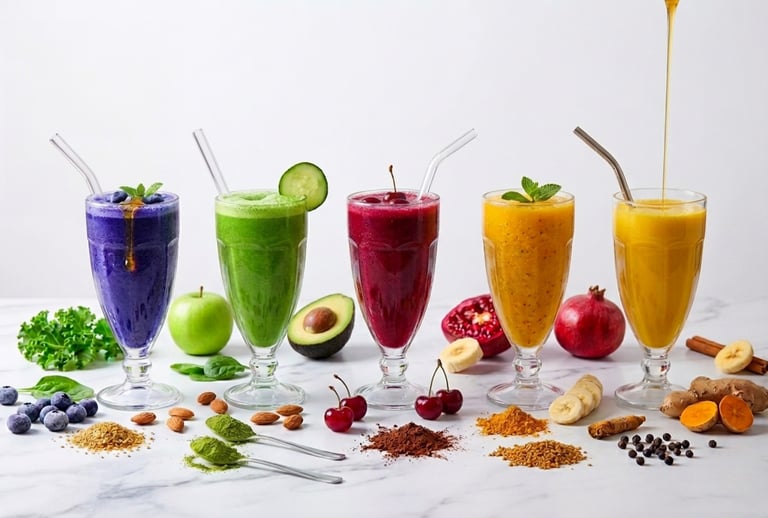
5 Smoothies That Help With Gut Inflammation: Recipes That Actually Heal
By BiteBrightly 13 May 2026: This post might contain affiliate links.
Your gut is not just a digestive tube. It is the foundation of your immune system, your mood regulation, your metabolism, and your body's ability to manage inflammation throughout every organ and tissue. When your gut is inflamed — and for many people it quietly is, without dramatic symptoms — the effects ripple outward into energy levels, skin health, joint pain, brain fog, and a general feeling of not quite being right that is difficult to pin down.
The good news is that food is genuinely one of the most powerful tools for healing gut inflammation. And smoothies are one of the most efficient delivery systems for the specific compounds that do this healing — because blending breaks plant cell walls, releases phytonutrients that would otherwise pass through your gut unabsorbed, and allows you to concentrate a large dose of anti-inflammatory compounds into a single, highly bioavailable drink.
This guide covers five smoothie recipes specifically designed to reduce gut inflammation — with the exact ingredients, step-by-step preparation, and a clear explanation of the science behind why each one works.
Key Takeaways
Gut inflammation is driven by four main factors: dysbiosis (an imbalanced gut microbiome), increased intestinal permeability (often called leaky gut), oxidative stress from reactive oxygen species in the gut lining, and dietary triggers including refined sugar, industrial seed oils, and ultra-processed food
The most potent anti-inflammatory compounds for the gut are available directly from food: curcumin from turmeric, gingerols from ginger, anthocyanins from berries, EGCG from green tea, sulforaphane precursors from leafy greens, and the short-chain fatty acid precursors from dietary fibre
Research published in Cell found that a high-fibre, plant-diverse diet significantly increased gut microbiome diversity and reduced 19 systemic inflammatory markers — including the markers most directly associated with gut inflammation (IL-6, IL-18, and CRP)
Blending is superior to juicing for gut inflammation — the insoluble fibre retained in a blended smoothie is the primary food source for the gut bacteria that produce butyrate, the short-chain fatty acid that directly repairs the intestinal lining and reduces intestinal inflammation
The fat in these smoothies (from coconut milk, avocado, nut butter, and chia seeds) is not optional — curcumin, sulforaphane precursors, and carotenoids are all fat-soluble compounds. Without fat, these anti-inflammatory phytonutrients are largely wasted
Ginger has been confirmed in multiple randomised controlled trials to significantly reduce gut inflammation markers including CRP and the nausea and motility dysfunction associated with gastrointestinal inflammatory conditions — making it one of the most evidence-supported dietary interventions for gut inflammation available
What Is Gut Inflammation — and How Does Food Help?
Understanding Gut Inflammation
Your intestinal lining is remarkable. It is a single layer of cells — called enterocytes — lined up side by side, connected by tight junction proteins that act like zippers between them. This lining has two jobs: to allow nutrients, water, and beneficial compounds to pass through into your bloodstream, and to keep everything else out — bacteria, toxins, undigested food particles, and the inflammatory compounds produced by harmful gut bacteria.
When this lining becomes inflamed, two things happen simultaneously. The tight junction proteins loosen — allowing particles that should stay in the gut to cross into the bloodstream, triggering immune responses and systemic inflammation. And the beneficial bacteria that maintain the lining begin to decline, replaced by gram-negative bacteria whose outer membrane produces LPS endotoxin — a potent inflammatory trigger that, when it enters circulation, activates NF-kB and drives the chronic low-grade systemic inflammation increasingly linked to heart disease, diabetes, Alzheimer's, depression, and autoimmune conditions.
The dietary triggers for gut inflammation are well-established: refined sugar feeds the harmful bacteria and starves the beneficial ones; industrial seed oils (sunflower, corn, soybean oil) provide the omega-6 arachidonic acid precursors that drive inflammatory prostaglandin production; ultra-processed food contains emulsifiers like polysorbate 80 and carboxymethylcellulose that directly disrupt the gut mucosal layer; and insufficient dietary fibre starves the Akkermansia muciniphila and Bifidobacterium species that maintain gut barrier integrity.
The dietary healers are equally well-established — and all five smoothies in this guide are built around them.
How Smoothies Deliver Anti-Inflammatory Compounds
Blending plant foods breaks the cell walls that would otherwise limit phytonutrient release during digestion. The curcumin in a piece of fresh turmeric is more bioavailable blended than swallowed whole. The sulforaphane precursors in kale are released more completely when the plant cells are broken by blending. The anthocyanins in berries are more accessible from blended frozen berries than from whole ones, because freezing and blending together rupture cell walls more completely than chewing alone.
This is why smoothies — when made with the right ingredients — are an efficient anti-inflammatory intervention. You can deliver a clinically meaningful dose of curcumin, gingerols, anthocyanins, and prebiotic fibre in a single drink, in a form that is rapidly absorbed and delivered to the gut lining where healing is needed.
The 5 Anti-Inflammatory Gut Healing Smoothies
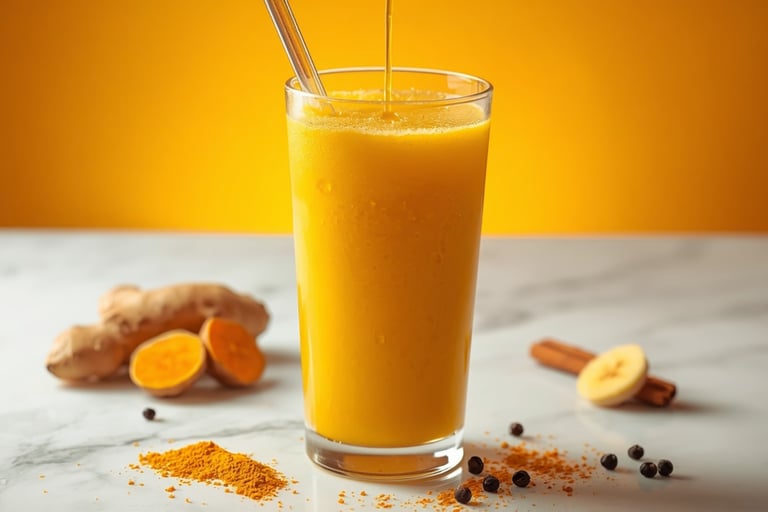
Smoothie 1: The Golden Gut Healer
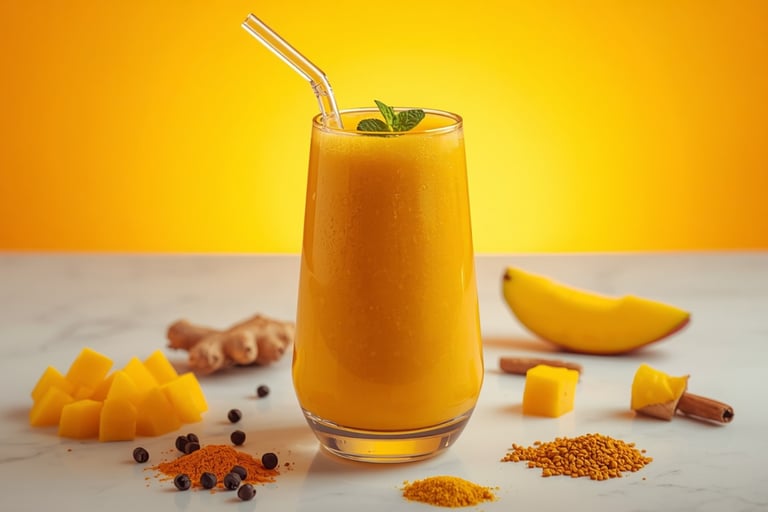
This is the most potent single anti-inflammatory smoothie in the guide — concentrating curcumin, gingerols, black pepper piperine, and coconut MCTs into a warm-coloured drink that looks like sunshine and delivers a clinically meaningful dose of the gut's most powerful healing compounds.
The star ingredients and their mechanisms:
Turmeric (curcumin): Curcumin is the primary active compound in turmeric and one of the most studied natural anti-inflammatory molecules known. In the gut specifically, curcumin directly inhibits NF-kB in intestinal epithelial cells — the master transcription factor that activates hundreds of inflammatory genes when triggered. Curcumin also activates Nrf2 in gut cells — the master antioxidant transcription factor that drives the production of the body's own antioxidant enzymes (superoxide dismutase, catalase, glutathione peroxidase) that protect the intestinal lining from oxidative damage.
The critical bioavailability issue: curcumin is fat-soluble and very poorly absorbed — only 1–2% is absorbed when consumed without fat or piperine. This smoothie contains both coconut milk (fat for micelle formation) and black pepper (piperine which increases curcumin absorption by up to 2,000%).
Fresh ginger (gingerols and shogaols): Gingerols in fresh ginger have direct anti-inflammatory activity in the gut by inhibiting COX-2 enzyme production (the enzyme that produces inflammatory prostaglandins), directly suppressing IL-1β and TNF-alpha cytokine production in intestinal immune cells, and inhibiting the motility dysfunction and nausea associated with inflammatory gut conditions. Shogaols — the more potent compounds formed when ginger is dried or lightly heated — are even more effective NF-kB inhibitors.
Coconut milk: Medium-chain triglycerides (MCTs) from coconut milk are absorbed directly in the small intestine without requiring bile acid emulsification. This rapid absorption means the fat is immediately available for curcumin micelle formation. Additionally, MCTs provide quick energy to the enterocytes (gut lining cells) that are repairing inflammatory damage.
Banana: The pectin and resistant starch in banana feed the Bifidobacterium and Lactobacillus species that produce butyrate — the short-chain fatty acid that is the primary repair fuel for colonocytes (colon lining cells) and a direct inhibitor of intestinal NF-kB. The natural sugars provide energy without spiking blood sugar significantly when combined with the fat and fibre in this smoothie.
Ingredients (serves 1):
1 ripe banana (fresh or frozen — frozen creates a colder, creamier texture)
200ml full-fat coconut milk (the fat is essential for curcumin absorption)
1 teaspoon fresh turmeric, grated — or ½ teaspoon ground turmeric
1 teaspoon fresh ginger, grated — or ½ teaspoon ground ginger
¼ teaspoon black pepper (absolutely essential — do not skip)
1 tablespoon raw honey (optional — adds sweetness and antimicrobial properties)
½ teaspoon cinnamon (anti-inflammatory and blood sugar stabilising)
Pinch of sea salt (enhances flavour and provides trace minerals)
Optional: 1 tablespoon collagen powder for additional gut lining support
How to make it:
If using fresh turmeric and ginger, peel both using the back of a spoon (which preserves more of the phytonutrient-rich outer layer than a peeler) and grate finely using a microplane
Add the banana to the blender first — starting with soft ingredients helps the blender run smoothly
Add coconut milk, then all remaining ingredients
Blend on high for 45–60 seconds until completely smooth and the colour is an even, vivid golden-yellow throughout
Taste — add more honey if too sharp from the ginger, more ginger if you want more warmth
Drink immediately for maximum curcumin availability — curcumin oxidises when exposed to air and light
Nutrition: Approximately 320 calories | 4g protein | 5g fibre | 18g healthy fat
Gut healing tip: Drink this first thing in the morning on an empty stomach, at least 20 minutes before breakfast. The gut lining is most absorptive and most receptive to healing compounds when it has not recently processed a large meal. The curcumin, gingerols, and MCTs will reach the intestinal epithelium with minimal competition from other dietary components.
Storage: This smoothie does not store well — curcumin oxidises within 30–40 minutes of blending. Make fresh and drink immediately.
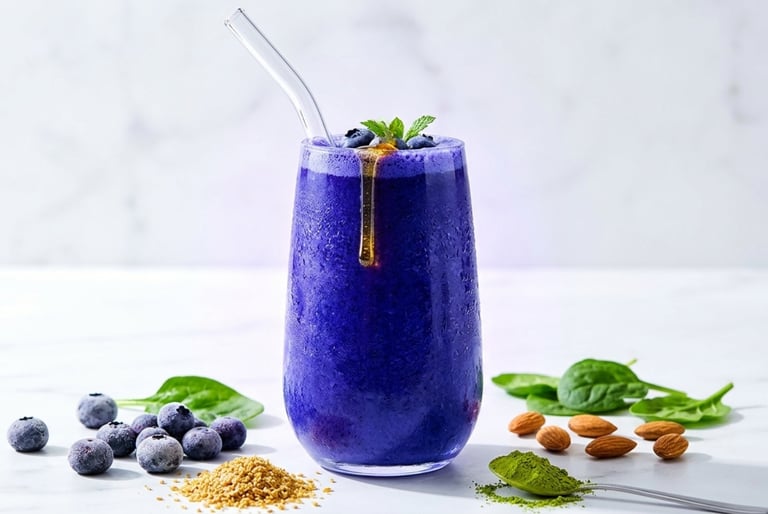
Smoothie 2: The Blueberry and Spinach Gut Shield
This is the most antioxidant-dense smoothie in the guide — packing more gut-protective anthocyanins, sulforaphane precursors, and anti-inflammatory polyphenols into a single drink than most people eat in an entire day. The vivid blue-purple-green colour tells you exactly how much phytonutrient power is inside.
The star ingredients and their mechanisms:
Wild blueberries (anthocyanins): Wild blueberries contain approximately double the anthocyanin concentration of cultivated blueberries because the more challenging growing conditions cause the plant to produce more protective pigments. In the gut specifically, anthocyanins do three things simultaneously: they directly inhibit NF-kB in intestinal epithelial cells, they stimulate the production of mucin proteins that strengthen the gut's mucosal protective layer (the gel-like coating that physically protects enterocytes from pathogens and inflammatory triggers), and they selectively feed Akkermansia muciniphila — the single most important gut bacterium for maintaining intestinal barrier integrity.
Research has found that regular blueberry consumption significantly increases Akkermansia populations in the gut — which in turn reduces intestinal permeability, reduces circulating LPS endotoxin, and drives a measurable reduction in systemic inflammatory markers.
Baby spinach (sulforaphane precursors and nitrates): When spinach cells are broken by blending, glucosinolate compounds are converted by the enzyme myrosinase into active sulforaphane precursors — compounds that activate Nrf2 in gut epithelial cells, driving the upregulation of the antioxidant enzymes that protect the intestinal lining from the oxidative stress driving inflammation. The nitrates in spinach convert to nitric oxide, which improves blood flow to the gut wall and supports the vascular supply needed for mucosal repair.
Kefir: Adding kefir rather than regular milk to this smoothie transforms it from an antioxidant delivery system into a simultaneous probiotic intervention — introducing 30–50 strains of beneficial bacteria directly to the gut at the same time as the prebiotic anthocyanins that will selectively feed and maintain them.
Flaxseed (lignans and ALA): Ground flaxseed provides ALA omega-3 that shifts the intestinal eicosanoid balance toward anti-inflammatory prostaglandins, and lignans that are converted by gut bacteria to enterolignans with direct anti-estrogenic and anti-inflammatory activity. The mucilage (soluble fibre) from flaxseed coats and soothes the intestinal lining — particularly valuable in inflammatory bowel conditions where the lining is irritated and hypersensitive.
Ingredients (serves 1):
1 cup frozen wild blueberries (frozen preferred — freezing ruptures cell walls, releasing more anthocyanins than fresh)
1 large handful baby spinach (approximately 30g)
200ml plain kefir (or plain Greek yogurt if kefir is unavailable)
1 frozen banana
1 tablespoon ground flaxseed
1 tablespoon almond butter (for the fat needed to absorb fat-soluble compounds)
1 teaspoon raw honey
Optional: ½ teaspoon matcha powder (adds EGCG for additional NF-kB inhibition)
How to make it:
Add the kefir or yogurt to the blender first as the liquid base
Add spinach on top of the liquid — blending liquid and greens first ensures the greens are fully broken down before adding harder frozen ingredients
Blend on low-medium for 20 seconds until the greens are fully incorporated into the liquid
Add frozen blueberries, frozen banana, ground flaxseed, almond butter, and honey
Blend on high for 45–60 seconds until completely smooth
The colour should be a deep, vivid blue-purple with no visible green — if green is still showing, blend for another 20–30 seconds
Drink immediately or store for up to 2 hours in a sealed container in the fridge with minimal air space (air oxidises the anthocyanins)
Nutrition: Approximately 380 calories | 15g protein | 12g fibre | 14g healthy fat
Gut healing tip: Use frozen wild blueberries, not fresh cultivated. The combination of wild (higher anthocyanin content) and frozen (cell-wall disruption releasing more phytonutrients) produces a measurably higher anthocyanin dose than fresh cultivated blueberries. This specific choice matters.
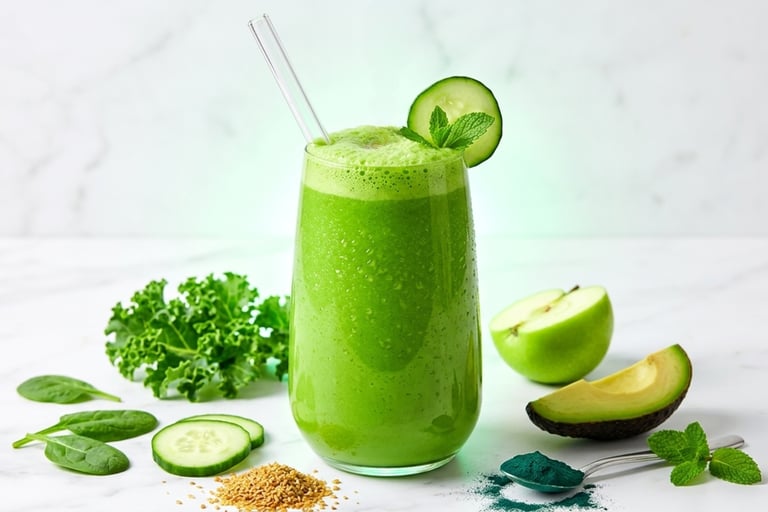
Smoothie 3: The Green Gut Repair Smoothie
This is the most fibre-rich smoothie in the guide — providing a comprehensive prebiotic dose that feeds the full spectrum of beneficial gut bacteria simultaneously, alongside the anti-inflammatory compounds from kale, avocado, and green apple.
The star ingredients and their mechanisms:
Kale (sulforaphane precursors, quercetin, kaempferol): Kale provides glucosinolates that become sulforaphane when the plant cells are broken by blending — activating Nrf2 anti-inflammatory defence in gut cells. Additionally, kale contains quercetin and kaempferol — flavonoids that directly inhibit mast cell activation in the gut (the immune cells that drive the histamine-mediated inflammation associated with food sensitivities and IBS-like symptoms) and that reduce the intestinal permeability markers (zonulin and occludin loss) associated with leaky gut.
Avocado: The monounsaturated oleic acid from avocado provides both the fat needed to absorb the fat-soluble anti-inflammatory compounds and activates OEA (oleoylethanolamide) satiety and anti-inflammatory signalling in gut enterocytes. Avocado is also rich in glutathione — one of the body's primary antioxidants, concentrated in the gut lining where oxidative stress is highest. The beta-sitosterol in avocado has direct anti-inflammatory activity in the intestinal mucosa.
Green apple (pectin): Apple pectin is the most extensively studied prebiotic fibre for gut microbiome diversity. It selectively feeds Bifidobacterium and Lactobacillus species while resisting digestion in the small intestine, arriving intact in the colon as food for the bacteria that produce the butyrate repairing the gut lining. Green apple specifically (rather than red) provides higher quercetin content and more tartaric acid which further supports the beneficial gut pH that favours Bifidobacterium growth.
Cucumber: Cucumber provides silica — the mineral that supports the structural proteins of the intestinal mucosal lining, maintaining the physical integrity of the protective layer between the gut contents and the underlying epithelial cells. Silica is required for the production of collagen and elastin in the gut wall — the connective tissue that gives the intestinal lining its structural strength.
Ingredients (serves 1):
1 large handful kale (stems removed — approximately 25–30g leaves)
1 large handful baby spinach (approximately 20g)
¼ ripe avocado
1 small green apple, cored and roughly chopped (no need to peel)
½ medium cucumber, roughly chopped
1 tablespoon ground flaxseed
1 tablespoon chia seeds
Juice of 1 lemon (the vitamin C also increases the absorption of plant-based iron from the kale)
200ml cold water or coconut water
Optional: 1 teaspoon spirulina powder (provides additional anti-inflammatory phycocyanin)
Optional: small handful of fresh mint (menthol relaxes GI smooth muscle, reducing cramping)
How to make it:
Strip the kale leaves from their stems — the stems are tough and bitter; using just the leaves makes this smoothie genuinely pleasant to drink
Add coconut water or water to the blender as the liquid base
Add kale and spinach first — blend on low for 15–20 seconds with just the liquid until fully broken down. This is the most important step for a smooth result with kale
Add the remaining ingredients: avocado, apple, cucumber, flaxseed, chia seeds, and lemon juice
Blend on high for 60 seconds
If the texture is too thick (chia seeds absorb liquid quickly), add a splash more water
Taste — add more lemon for brightness or a teaspoon of honey if you find it too bitter from the kale
Drink within 20 minutes — the chia seeds will begin to gel and thicken the smoothie significantly if left to stand
Nutrition: Approximately 280 calories | 8g protein | 14g fibre | 16g healthy fat
Gut healing tip: The fibre content of this smoothie (14g) means it should be introduced gradually if you are not currently eating a high-fibre diet. Start with half a portion for the first three to four days to allow your gut microbiome time to adjust — introducing too much fibre too quickly can cause temporary bloating and gas as your gut bacteria populations shift toward the beneficial species that process this type of fibre. This is a normal and healthy transition, but it is more comfortable when managed gradually.
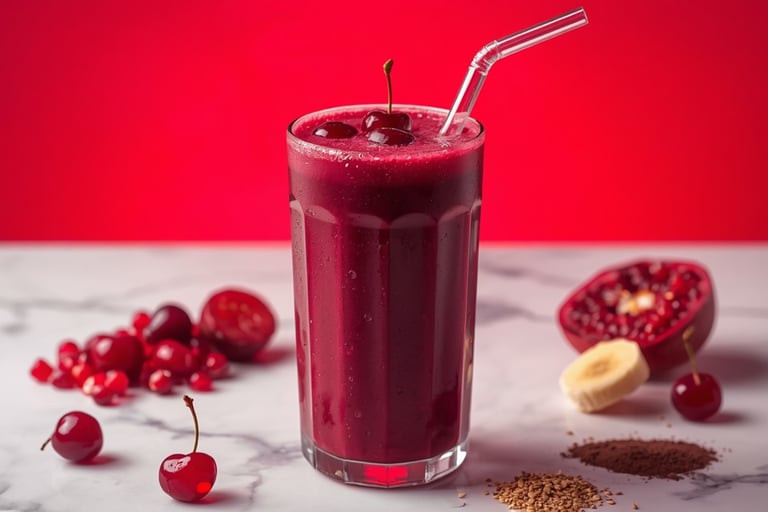
Smoothie 4: The Tart Cherry and Beetroot Recovery Smoothie
This is the most evidence-supported smoothie in the guide for people dealing with gut inflammation alongside exercise recovery or joint inflammation — combining the COX-1/2 inhibitory anthocyanins of tart cherry with the nitrate-driven vascular support and anti-inflammatory betalains of beetroot.
The star ingredients and their mechanisms:
Tart cherry (cyanidin-3-glucoside): Tart cherries contain the highest concentration of cyanidin-3-glucoside and cyanidin-3-rutinoside of any commonly eaten fruit — anthocyanins that directly inhibit COX-1 and COX-2 enzymes through the same mechanism as ibuprofen. In the gut specifically, these COX-inhibiting anthocyanins reduce the prostaglandin-driven inflammation in the intestinal lining that creates the cramping, urgency, and pain associated with inflammatory gut conditions. Multiple randomised controlled trials have confirmed that tart cherry reduces circulating CRP, IL-6, and other markers of systemic inflammation, and its specific action on COX-2 in gut epithelial cells makes it particularly relevant for intestinal inflammation.
Beetroot (betalains and nitrates): Beetroot provides two distinct anti-inflammatory mechanisms. Betalains — the vivid red-purple pigments responsible for beetroot's colour — are potent antioxidants with direct NF-kB inhibitory activity in intestinal cells and documented anti-inflammatory effects in the gut mucosa. Beetroot nitrates convert to nitric oxide in the body, improving blood flow through the mesenteric blood vessels that supply the gut wall — essential for delivering the oxygen and nutrients needed for mucosal repair.
Pomegranate (urolithin A precursors): Pomegranate seeds and juice provide ellagitannins that are converted by gut bacteria to urolithin A — one of the most studied postbiotic compounds in gut health research. Urolithin A activates SIRT1 (the longevity protein associated with cellular repair and autophagy), directly reduces NF-kB activation in intestinal cells, and promotes the mitophagy that clears the dysfunctional mitochondria generating the oxidative stress driving chronic gut inflammation.
Ingredients (serves 1):
150ml 100% tart cherry juice (unsweetened — Montmorency variety for highest cyanidin content)
1 small raw beetroot, peeled and roughly chopped (approximately 80g) — or 80ml of 100% beetroot juice
½ cup pomegranate seeds (or 50ml pomegranate juice)
1 frozen banana (for sweetness and pectin prebiotic fibre)
1 tablespoon ground flaxseed (omega-3 for eicosanoid balance)
100ml cold water
Optional: 1 teaspoon raw cacao powder (flavanols for additional NF-kB inhibition and BDNF)
Optional: small handful of frozen cherries alongside the juice
How to make it:
If using raw beetroot, blend it with the water and tart cherry juice first — raw beetroot is hard and dense; blending it with liquid first prevents it from remaining in chunks
Blend the beetroot, water, and tart cherry juice for 30–40 seconds until completely smooth with no beetroot pieces remaining
Add the banana, pomegranate seeds, ground flaxseed, and cacao if using
Blend on high for 45–60 seconds until fully combined
The colour should be a stunning deep red-purple — one of the most vivid, beautiful smoothie colours possible
Taste — this smoothie is naturally tart from the cherry juice and slightly earthy from the beetroot; the banana provides most of the sweetness. Add a teaspoon of honey if you prefer it sweeter
Drink immediately — betalains oxidise and lose colour and potency within 1–2 hours
Nutrition: Approximately 290 calories | 5g protein | 9g fibre | 4g healthy fat
Gut healing tip: The deep red-purple colour of this smoothie will temporarily affect the colour of your urine and stool (a phenomenon called beeturia) — this is completely harmless and simply indicates that the betalain pigments from the beetroot have been absorbed and are being excreted. It is nothing to be concerned about and will resolve within 24–48 hours of stopping beetroot consumption.
Smoothie 5: The Probiotic Mango and Ginger Gut Restorer
This is the most probiotic-rich smoothie in the guide — built around kefir (30–50 probiotic strains versus 2–5 in most yogurts) alongside the prebiotic fibres and anti-inflammatory compounds that will selectively feed and protect the beneficial bacteria being introduced. It is also the most tropical, most immediately delicious smoothie in the guide — the one most likely to become a daily habit.
The star ingredients and their mechanisms:
Kefir: Kefir is produced by fermentation with kefir grains — complex communities of 30–50 different bacterial and yeast species. This diversity is fundamentally different from commercial yogurt, which typically contains 2–5 specific strains selected for flavour and texture. In the gut, this diverse probiotic community provides comprehensive competitive exclusion of pathogenic bacteria (occupying the adhesion sites that pathogens need to colonise the gut), produces a broader spectrum of bacteriocins (natural antimicrobial compounds), and provides more complete coverage of the intestinal surface for competitive protection. Research has found that kefir specifically reduces markers of gut inflammation including IL-6 and NF-kB activation in intestinal cells — beyond the effect of simpler probiotic products.
Mango (mangiferin and prebiotic fibre): Mango provides mangiferin — a xanthone compound with documented NF-kB inhibitory activity in intestinal cells and particularly strong antioxidant activity in the gut mucosa. Mango fibre (including pectin and galacturonic acid residues) functions as a prebiotic for Bifidobacterium species, providing the food source that sustains the probiotic bacteria being introduced by the kefir. Mango additionally provides vitamins A and C — both required for the production of secretory IgA, the antibody that coats the gut mucosal surface and forms the adaptive immune defence of the intestinal lining.
Fresh ginger: This smoothie uses a larger amount of fresh ginger than the others (2 teaspoons rather than 1) to specifically target the gut motility dysfunction associated with inflammatory gut conditions. Gingerols at this dose have clinically confirmed pro-kinetic activity in the gut — normalising the delayed gastric emptying and intestinal hypomotility that often accompany gut inflammation, reducing bloating and the uncomfortable fullness that results from impaired gut movement.
Pineapple (bromelain): Fresh pineapple provides bromelain — a mixture of protease enzymes with direct anti-inflammatory activity. Bromelain specifically reduces the production of inflammatory cytokines by intestinal macrophages, directly breaks down the fibrin deposits associated with intestinal inflammation, and has documented efficacy in reducing inflammation in inflammatory bowel conditions in multiple clinical studies.
Important: Use fresh pineapple, not canned — the high heat of canning destroys bromelain activity completely.
Ingredients (serves 1):
200ml plain full-fat kefir
1 cup frozen mango chunks
½ cup fresh pineapple chunks (fresh essential — not canned)
2 teaspoons fresh ginger, grated
1 tablespoon ground flaxseed
½ teaspoon ground turmeric
¼ teaspoon black pepper (for curcumin absorption)
1 tablespoon raw honey
Optional: 1 tablespoon hemp seeds (complete protein and omega-3)
How to make it:
Add kefir to the blender as the liquid base
Grate fresh ginger directly into the blender — do not skip fresh ginger for this smoothie; the pro-kinetic activity is significantly stronger from fresh than from dried ginger
Add frozen mango, fresh pineapple, flaxseed, turmeric, black pepper, and honey
Blend on high for 45–60 seconds until completely smooth
The colour should be a vivid, warm golden-orange — the mango and turmeric combining into a beautiful tropical yellow
Taste — this smoothie should be bright, tropical, and warming. If too sharp from the ginger, add a little more mango or a teaspoon of honey
Drink within 30 minutes for maximum probiotic viability — the kefir bacteria begin to lose potency as the smoothie warms and the acid from the pineapple begins to reduce further
Nutrition: Approximately 350 calories | 14g protein | 8g fibre | 10g healthy fat
Gut healing tip: This smoothie is best consumed after a meal rather than on a completely empty stomach if you are in an active flare of gut inflammation. The kefir probiotics and the bromelain from pineapple are both more effective at a slightly raised gastric pH — which is what you have after eating. On an empty stomach, the strongly acidic gastric environment can reduce the viability of the probiotic bacteria before they reach the small intestine. After a meal, gastric pH is gentler and probiotic survival through the stomach is higher.
Building Your Gut Healing Smoothie Routine
When to Drink Them
On an empty stomach (morning): Smoothies 1 and 2 — the Golden Gut Healer and the Blueberry Spinach Gut Shield. The curcumin in Smoothie 1 and the anthocyanins and sulforaphane in Smoothie 2 are most bioavailable when the gut is clear and absorption is highest. The MCT fat in Smoothie 1 provides the fat needed for curcumin absorption without requiring a separate meal.
After a meal: Smoothie 5 (the Probiotic Mango Ginger Restorer) specifically benefits from being consumed after food — the post-meal gastric pH environment improves probiotic survival through the stomach.
Any time: Smoothies 3 and 4 work well at any time of day.
How Long Before You Notice a Difference?
Gut microbiome changes begin within 24–72 hours of significant dietary change — but the measurable shifts in gut diversity and inflammatory markers typically take 4–8 weeks of consistent intake to become established. Symptoms that may improve faster include bloating, gut motility issues, and nausea (gingerols work within hours). For deeper changes — intestinal permeability reduction, Akkermansia population increases, measurable CRP reduction — allow 6–8 weeks of daily or near-daily consumption.
Rotate All Five
The most important principle of gut-healing nutrition is dietary diversity — different anti-inflammatory compounds work through different pathways, and the different prebiotic fibres in each smoothie feed different beneficial gut bacteria. Rotating through all five smoothies over the course of a week provides overlapping, comprehensive anti-inflammatory coverage that no single smoothie can deliver alone.
Frequently Asked Questions
Can these smoothies help with IBS?
Many of the compounds in these smoothies have specific relevance for IBS symptoms. Ginger has clinical trial evidence for reducing IBS-related nausea and motility dysfunction. Peppermint (which can be added to Smoothie 3) has the most consistent clinical evidence for reducing IBS abdominal pain through smooth muscle relaxation. The prebiotic fibres in Smoothies 2, 3, and 4 support the Bifidobacterium populations that research has linked to better IBS outcomes. However, some people with IBS are sensitive to certain high-FODMAP ingredients — particularly apple (Smoothie 3), mango and pineapple (Smoothie 5), and some types of kefir. If you have diagnosed IBS, introduce each smoothie one at a time and monitor your response individually before adding another.
Should I replace meals with these smoothies?
These smoothies are designed as additions to your existing diet — a morning anti-inflammatory ritual, a daily gut-healing practice — rather than meal replacements. At 280–380 calories each, they do not provide the complete nutrition of a full meal. Drink them alongside regular balanced meals for maximum benefit. If you want to use one as a breakfast replacement, add a source of protein (an extra tablespoon of almond butter, a scoop of plant protein powder, or a tablespoon of hemp seeds) to bring the protein content up to 15–20g for a more complete meal.
Can I make these smoothies in advance?
Most of these smoothies do not store well beyond 2–4 hours because the key anti-inflammatory compounds oxidise rapidly once blended and exposed to air. The exceptions: Smoothie 3 (the Green Gut Repair) can be stored for up to 4 hours in a sealed container filled to the top (minimising air contact) in the fridge. For all others, make fresh and drink immediately. The only advance preparation that genuinely helps: freeze banana chunks and portion out other frozen ingredients into individual zip-lock bags the night before — so the morning assembly takes under 2 minutes with no chopping or measuring required.
What if I do not like the taste of kale or spinach?
The leafy greens in Smoothies 2 and 3 are genuinely undetectable in taste when balanced correctly against the stronger flavours of frozen blueberries, banana, and lemon juice. If you are new to green smoothies, start with baby spinach rather than kale — spinach has a much milder flavour that truly disappears into the fruit. Once you are comfortable with the spinach smoothies, add a small amount of kale (two to three leaves, stems removed) alongside the spinach and gradually increase over several weeks as your palate adjusts.
References and Further Reading
Wastyk HC et al. — Cell (2021) — Gut-microbiota-targeted diets modulate human immune status Stanford study confirming that a high-fibre, plant-diverse diet significantly increased gut microbiome diversity and reduced 19 inflammatory markers — establishing the scientific foundation for fibre-rich smoothies as a gut inflammation intervention.
Haniadka R et al. — Food and Function (2013) — A review of the gastroprotective effects of ginger (Zingiber officinale Roscoe) Comprehensive review confirming ginger's anti-inflammatory, anti-nausea, and gastroprotective effects in the gut — including NF-kB inhibition in intestinal cells, COX-2 blockade, and pro-kinetic activity in gut motility dysfunction.
Howatson G et al. — British Journal of Sports Medicine (2010) — Influence of tart cherry juice on indices of recovery following marathon running Randomised controlled trial confirming tart cherry's COX-1/2 inhibitory anthocyanins significantly reduce inflammatory markers — the evidence base for tart cherry in Smoothie 4.
Aggarwal BB and Harikumar KB — International Journal of Biochemistry and Cell Biology (2009) — Potential therapeutic effects of curcumin, the anti-inflammatory agent, against neurodegenerative, cardiovascular, pulmonary, metabolic, autoimmune and neoplastic diseases Comprehensive review of curcumin's NF-kB inhibitory, Nrf2 activating, and anti-inflammatory mechanisms — establishing the scientific basis for the bioavailability-optimised turmeric-black pepper-fat combination in Smoothie 1.
About the Author
I'm Judith, a wellness enthusiast and Applied Bio Sciences and Biotechnology graduate behind BiteBrightly. With a deep-rooted belief in the healing power of food, my nutrition journey began with a personal transformation—I improved my eyesight through targeted dietary changes. This life-changing experience sparked my mission to empower others by sharing evidence-based insights into food as medicine.
Drawing on my scientific background, personal experience, and ongoing research into nutrition and health, I focus on breaking down complex health topics into clear, practical, and actionable guidance. My approach combines scientific credibility with real-world application, making evidence-based nutrition accessible to everyone.
Follow me on Pinterest for daily health tips, recipes, and wellness inspiration.
Important Notice: The information in this article is for educational purposes only and is not intended as medical advice. Gut inflammation can be a symptom of serious conditions including Crohn's disease, ulcerative colitis, coeliac disease, and other conditions requiring professional diagnosis and medical management. If you are experiencing persistent gut symptoms — ongoing abdominal pain, blood in stool, unexplained weight loss, or significant changes in bowel habits — please consult a qualified healthcare provider before making dietary changes. The smoothies in this guide are supportive nutritional additions for general gut health and are not a replacement for appropriate medical care.
Related Posts
Connect
Join our newsletter for fresh health tips
© 2026. All rights reserved.