10 Best Muscle-Building Foods for Women: A Complete Science-Based Guide
Women lose 3–8% muscle per decade. Estrogen has anabolic effects. The 1.6–2.2g/kg protein target most women don't hit. 10 foods + daily framework for muscle gain.
by BiteBrightly
3/30/202624 min read
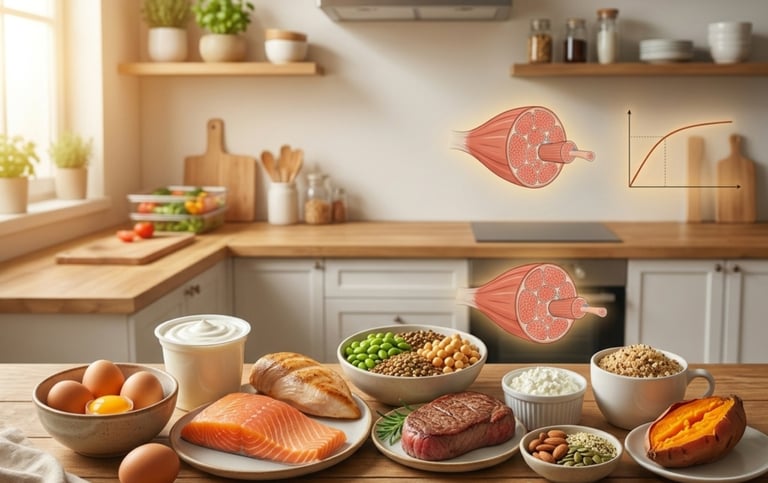
10 Best Muscle-Building Foods for Women: A Complete Science-Based Guide
By BiteBrightly 30 March 2026: This post might contain affiliate links.
There is a persistent and damaging myth in women's fitness culture: that building muscle is a male pursuit, that protein is something men worry about, and that women who "eat for muscle" will end up bulky, unfeminine, or looking like something they don't want to look like. This myth has kept generations of women underfeeding their training, undermining their results, and missing the most health-protective body composition change available to them at any age.
The truth is that muscle-building nutrition is not only for women who train for aesthetics. It is for every woman who wants to age well. Skeletal muscle is the body's primary site of glucose metabolism — muscle mass is the most important predictor of insulin sensitivity and type 2 diabetes resistance. It is the largest reservoir of amino acids in the body, providing the substrate for immune function, tissue repair, and metabolic flexibility. Muscle is the primary determinant of resting metabolic rate — the rate at which you burn calories at rest, which declines with age almost entirely because of muscle loss. And in later life, muscle mass and strength are the most powerful predictors of longevity, fall prevention, and functional independence.
Women lose muscle from their late 20s onward at approximately 3–8% per decade without deliberate intervention. The rate accelerates dramatically after menopause, when estrogen — which has anabolic (muscle-building) properties through estrogen receptor signaling in muscle cells — declines sharply. The dietary and training strategies that build and preserve muscle are therefore not an optional aesthetic pursuit. They are among the most impactful preventive health choices a woman can make across her lifespan.
Building muscle requires two things working together: an adequate training stimulus (resistance training that creates the mechanical tension and metabolic stress that signal muscle fibers to adapt and grow) and nutritional support for that adaptation process. The nutritional requirements for muscle protein synthesis are specific — the right amino acids in adequate amounts, delivered at the right times relative to training, alongside the supporting micronutrients that are the cofactors for every step of protein synthesis and muscle repair.
This guide covers the science of muscle building as it specifically applies to women, the ten most evidence-supported foods for muscle growth and recovery, the specific mechanisms that make each food uniquely effective, and the practical dietary framework that translates the science into daily eating.
Key Takeaways
Women require the same relative protein intake as men for muscle protein synthesis — approximately 1.6–2.2g of protein per kilogram of body weight daily for those actively training to build muscle, significantly higher than the 0.8g/kg RDA designed to prevent deficiency rather than support muscle growth
Leucine — a branched-chain amino acid (BCAA) found in highest concentrations in animal proteins — is the direct molecular trigger for mTORC1 activation, the master anabolic signaling complex that initiates muscle protein synthesis. The leucine threshold for maximal muscle protein synthesis stimulation is approximately 2–3g per meal, achievable from 25–40g of high-quality protein
Women are metabolically more fat-dependent and less glucose-dependent than men during exercise — which means women may need slightly more total calories and dietary fat relative to training volume to support muscle synthesis without triggering the metabolic stress of energy deficiency
Relative energy deficiency in sport (RED-S) — formerly the female athlete triad — is the most common and most damaging nutritional issue in active women: insufficient caloric intake relative to exercise energy expenditure impairs hormone production, suppresses muscle protein synthesis, and increases injury risk regardless of protein intake sufficiency
Creatine from red meat and supplementation is one of the most consistently evidence-supported performance and muscle-building supplements available — and women specifically show greater relative performance improvements from creatine supplementation than men, likely because women have lower baseline muscle creatine stores
Post-workout nutrition timing matters: consuming 20–40g of high-quality protein within 2 hours of resistance training maximizes the exercise-induced anabolic window for muscle protein synthesis, particularly important for women over 40 where post-exercise muscle protein synthesis responses are blunted without optimal nutritional support
The Science of Muscle Building in Women
How Muscle Grows: Muscle Protein Synthesis
Muscle tissue is in continuous turnover — existing muscle protein is constantly being broken down (muscle protein breakdown, MPB) and replaced with newly synthesized protein (muscle protein synthesis, MPS). Net muscle growth occurs when MPS exceeds MPB over a sustained period.
Resistance training acutely increases both MPS and MPB, but increases MPS to a greater extent — creating a net positive protein balance in trained muscle. This anabolic response is mediated by mechanical tension and metabolic stress in muscle fibers, which activates downstream signaling through satellite cells (the muscle stem cells responsible for muscle fiber repair and growth) and through the mTORC1 signaling complex.
mTORC1 (mechanistic target of rapamycin complex 1) is the master regulator of muscle protein synthesis. It is activated by two primary inputs: mechanical loading (from resistance exercise) and amino acid availability — particularly leucine, which acts as a direct allosteric activator of mTORC1 by promoting its translocation to the lysosomal membrane where it can interact with the Ragulator complex. Without adequate leucine, mTORC1 activation is impaired and the training stimulus cannot be fully translated into muscle growth.
The practical implication: dietary protein provides the structural substrate (amino acids) for new muscle tissue AND the signaling molecule (leucine) that activates the synthesis machinery. Both are rate-limiting for muscle growth, making dietary protein the most important nutritional variable for muscle building in both men and women.
How Women's Muscle Biology Differs
Women's muscle biology has several specific characteristics that influence optimal nutrition strategy:
Estrogen and muscle: Estrogen has direct anabolic effects on muscle tissue through estrogen receptor alpha (ERα) signaling in satellite cells — promoting satellite cell proliferation and differentiation into new muscle fibers. Estrogen also reduces muscle protein breakdown through anti-catabolic effects on muscle proteolysis. This means that premenopausal women have a hormonal muscle-protective advantage, while postmenopausal women lose this protection and require more deliberate nutritional and training support to maintain muscle mass.
Muscle fiber composition: Women tend to have a higher proportion of Type I (slow-twitch, fatigue-resistant) muscle fibers than men. Type I fibers are more oxidative and more fat-dependent than Type II (fast-twitch) fibers — explaining why women oxidize more fat and less glycogen at equivalent exercise intensities. This affects recovery nutrition: women may not need as much post-workout carbohydrate replenishment as men for equivalent glycogen restoration, but do require the same (or slightly higher per lean body mass) protein intake.
Anabolic sensitivity: Women show robust muscle protein synthesis responses to resistance training and protein intake — the response magnitude per unit of stimulus is comparable between sexes when adjusted for lean body mass, despite the lower absolute testosterone levels. The key variable is total protein intake and distribution, not hormonal differences per se.
The hormone cycle consideration: Muscle protein synthesis varies across the menstrual cycle — emerging research suggests that the follicular phase (first ~14 days) may support slightly higher MPS responses to training, while the luteal phase may benefit from higher protein intake to compensate for mildly increased protein oxidation. While this research is still developing, it underscores the importance of consistent high-quality protein intake throughout the cycle rather than cyclic restriction.
The 10 Best Muscle-Building Foods for Women
1. Eggs (Whole, Pasture-Raised)
Eggs are the gold standard of dietary protein for muscle building — providing the most complete and bioavailable amino acid profile of any whole food, alongside the specific micronutrient package (vitamin D, choline, healthy fats) that supports the hormonal and cellular environment required for optimal muscle protein synthesis.
How it works: Two large eggs provide approximately 12g of high-quality protein with a PDCAAS (protein digestibility-corrected amino acid score) of 1.0 — the maximum possible score, indicating that the protein provides all essential amino acids in proportions that match human requirements with complete digestibility. Each egg provides approximately 600mg of leucine — meaning two eggs deliver the full leucine dose (1.2g, covering half of the 2–3g threshold for mTORC1 activation) as part of a mixed protein meal.
The choline in egg yolks (approximately 125mg per yolk) is a required precursor for acetylcholine — the primary neuromuscular junction neurotransmitter that drives voluntary muscle contraction. Choline deficiency impairs neuromuscular function and is associated with muscle damage in exercise settings. Adequate choline intake from eggs supports the neural drive to muscle that determines training quality and therefore the anabolic training stimulus.
Vitamin D from pasture-raised eggs (80–120 IU per yolk — significantly higher than conventional eggs due to outdoor sunlight exposure) is directly relevant to muscle because vitamin D receptors (VDR) are expressed in skeletal muscle cells and regulate muscle fiber differentiation, muscle protein synthesis gene expression, and mitochondrial oxidative capacity in muscle tissue. Vitamin D deficiency — affecting approximately 40% of adults — is independently associated with reduced muscle strength, higher rates of muscle atrophy, and impaired recovery from resistance exercise.
The healthy fat in egg yolks — cholesterol, oleic acid, and polyunsaturated fatty acids — provides the steroid hormone precursors that support estrogen and testosterone synthesis in women, contributing to the hormonal milieu that supports muscle maintenance and growth. Eating only egg whites eliminates these benefits while reducing the total protein yield to approximately 3.6g per white.
How to use it: Three to four whole eggs daily — scrambled with spinach, garlic, and olive oil for a protein + iron + healthy fat muscle-building breakfast; hard-boiled as a portable post-workout protein source; in frittatas and omelets with vegetables; or combined with other protein sources to reach the 25–40g per meal threshold for maximal MPS.
2. Greek Yogurt (Full-Fat, Plain, Strained)
Greek yogurt is the highest-protein dairy food available in a ready-to-eat format — providing both fast-digesting whey protein (for acute post-workout MPS stimulation) and slow-digesting casein protein (for sustained overnight amino acid delivery) in a natural whole-food matrix with probiotics that support the gut health underpinning nutrient absorption.
How it works: One cup of full-fat plain Greek yogurt provides approximately 17–20g of protein — a clinically meaningful dose for muscle protein synthesis stimulation. Greek yogurt's protein is approximately 80% casein and 20% whey — a ratio that provides the initial leucine spike from whey (stimulating mTORC1 rapidly) alongside the sustained anti-catabolic amino acid release from casein that prevents MPB during the hours following consumption.
Research comparing protein sources for muscle protein synthesis has consistently shown that dairy proteins produce superior muscle protein synthesis responses compared to equivalent protein doses from soy or other plant proteins — primarily because of dairy's superior leucine content (both whey and casein are among the highest leucine-containing dietary proteins) and the rapid digestibility of whey fractions.
Calcium from Greek yogurt (200–300mg per cup) has specific muscle function relevance — calcium is the intracellular signaling molecule that triggers muscle contraction (calcium release from the sarcoplasmic reticulum activates troponin → myosin-actin cross-bridge formation → muscle fiber shortening). Adequate dietary calcium supports the calcium cycling that underlies both muscle contraction quality and post-exercise calcium-mediated signaling for MPS.
The probiotic cultures in Greek yogurt (Lactobacillus bulgaricus, Streptococcus thermophilus, and in specific brands, additional Bifidobacterium strains) support intestinal barrier integrity and gut microbiome diversity — directly relevant to protein absorption efficiency. Intestinal permeability and gut microbiome composition affect the proportion of dietary protein that is absorbed across the intestinal wall versus fermented or excreted — maintaining gut health is a genuine component of maximizing nutritional protein availability for muscle building.
How to use it: One to two cups of full-fat plain Greek yogurt daily — as a post-workout recovery snack with berries and a tablespoon of honey (protein + fast carbohydrate for insulin-mediated amino acid uptake); in smoothies with frozen fruit and ground flaxseed (protein + omega-3 + fiber); as a sauce base (strained yogurt with garlic, lemon, and herbs) alongside grilled chicken or fish; or in overnight preparations with oats and seeds for a slow-release protein breakfast.
3. Salmon and Fatty Fish (Sardines, Trout, Mackerel)
Fatty fish is the most nutritionally comprehensive single food for women's muscle building — providing complete high-quality protein, EPA and DHA omega-3 fatty acids that directly amplify muscle protein synthesis, vitamin D at the highest levels of any whole food, and creatine at meaningful dietary concentrations.
How it works: A 3-ounce serving of wild salmon provides approximately 22g of complete protein with exceptional BCAA content — approximately 1,800mg of leucine per 3-ounce serving, contributing significantly toward the leucine threshold for mTORC1 activation. The protein digestibility of fish is among the highest of any food source.
EPA and DHA omega-3s from fatty fish directly amplify muscle protein synthesis through multiple mechanisms: they are incorporated into skeletal muscle cell membranes where they improve membrane fluidity and insulin receptor sensitivity, enhancing the insulin-stimulated glucose and amino acid uptake that supports post-exercise muscle recovery; they activate mTORC1 signaling independently of leucine through PI3K/Akt pathways; and they reduce the post-exercise muscle inflammation that, when excessive, impairs rather than supports muscle repair (by modulating the prostaglandin balance in muscle tissue away from excessive pro-inflammatory PGE2 toward the pro-resolving lipoxins and resolvins that support orderly muscle repair).
A randomized controlled trial published in the American Journal of Clinical Nutrition found that omega-3 fatty acid supplementation significantly increased the muscle protein synthesis response to both amino acid infusion and insulin administration — establishing that omega-3 status directly determines the magnitude of the anabolic response to protein intake. This makes fatty fish a food that both provides protein AND amplifies the body's anabolic response to all the protein consumed at the same meal and in subsequent meals.
Creatine from fish (approximately 450mg per 100g of salmon) — though lower than meat sources — contributes to the total dietary creatine pool that replenishes muscle phosphocreatine stores, supporting the rapid ATP regeneration during high-intensity resistance training that determines training performance and therefore the training stimulus for muscle growth.
How to use it: Two to three servings of fatty fish weekly as primary protein sources — baked salmon with sweet potato and leafy greens; sardines on rye crispbread with avocado and lemon; mackerel in grain bowls with quinoa and roasted vegetables; or canned salmon in salads. Combined with resistance training, the omega-3 amplification of MPS makes this the highest-leverage protein food for muscle building per gram of protein consumed.
4. Chicken Breast and Lean Poultry
Chicken breast is the most practical, versatile, and consistently effective everyday protein source for muscle building — providing the highest protein density per calorie of any whole food, with the leucine content and digestibility characteristics required for maximal muscle protein synthesis stimulation at every meal.
How it works: A 3-ounce serving of chicken breast provides 26g of protein at only 140 calories — the highest protein-to-calorie ratio of any commonly consumed whole food. The protein is complete (all essential amino acids in adequate proportions), highly digestible (approximately 90% digestibility), and rich in leucine (approximately 1,900mg per 3-ounce serving) — making chicken breast one of the most reliable triggers of maximal mTORC1 activation per serving consumed.
The high tryptophan content of chicken (approximately 250mg per 3oz serving) supports the serotonin synthesis that regulates mood and sleep quality — both of which are directly relevant to muscle building. Serotonin is a precursor for melatonin, which regulates circadian growth hormone release; adequate sleep quality is the primary determinant of overnight muscle repair and the anabolic growth hormone pulses that support muscle hypertrophy.
Chicken breast additionally provides niacin (vitamin B3), vitamin B6, and phosphorus — all cofactors for protein metabolism and ATP synthesis in the mitochondrial energy production that powers resistance training and muscle protein synthesis itself.
Turkey, another lean poultry option, provides comparable protein with the additional advantage of being one of the richest tryptophan sources per gram among animal proteins — making turkey specifically valuable for the sleep quality that directly supports overnight muscle recovery and the overnight growth hormone-driven muscle protein synthesis that occurs during slow-wave sleep.
How to use it: Chicken breast 4–5 times weekly as the primary lunch or dinner protein — grilled with herbs and olive oil alongside a diverse vegetable preparation; shredded in grain bowls with quinoa and roasted vegetables; baked in batch preparation for the week to ensure consistent protein intake without daily cooking effort; or in stir-fries with a variety of vegetables and a nutrient-dense sauce.
5. Legumes (Lentils, Black Beans, Edamame, Chickpeas)
Legumes are the most important plant-based protein source for women's muscle building — providing substantial protein alongside the resistant starch and fiber that support the gut microbiome, insulin sensitivity, and body composition that create the optimal metabolic environment for muscle growth alongside fat reduction.
How it works: One cup of cooked lentils provides 18g of protein — a meaningful contribution toward daily protein targets — alongside 15.6g of fiber, iron, folate, and magnesium. The protein quality of legumes is lower than animal sources (lysine is the limiting amino acid in most legumes; rice and other grains are limiting in other essential amino acids that legumes provide abundantly — the combination of legumes with grains produces a complete amino acid profile) but fully adequate when combined with other protein sources throughout the day. Edamame (green soybeans) is the exception: edamame provides complete protein with an amino acid profile comparable to animal sources, making it the most muscle-relevant single plant protein source available.
The resistant starch and prebiotic fiber in legumes feed butyrate-producing gut bacteria — improving insulin sensitivity through butyrate's GPR43 receptor signaling and through reduced systemic inflammatory endotoxin. Improved insulin sensitivity is directly relevant to muscle building: insulin is a primary anabolic hormone that drives amino acid uptake into muscle cells (through GLUT4 and large neutral amino acid transporters), reduces muscle protein breakdown through PI3K/Akt/mTOR signaling, and supports glycogen replenishment in muscle after exercise.
Iron from legumes is particularly important for women — iron deficiency (the most common nutritional deficiency in women of reproductive age) directly impairs oxygen delivery to working muscle through reduced hemoglobin, reducing the training performance that generates the anabolic stimulus for muscle growth. The non-heme iron in legumes is enhanced by vitamin C co-consumption — always pair legume-based meals with a vitamin C source.
How to use it: One to two cups of cooked legumes daily as part of total protein intake — lentil soup with spinach and lemon (iron + vitamin C for iron absorption); black bean and quinoa bowls with avocado (complete protein combination + healthy fat + fiber); edamame as a post-workout snack (complete plant protein); chickpea curry with tomatoes and coconut milk; or hummus as a protein-rich condiment alongside lean protein sources.
6. Beef (Lean Cuts, Grass-Fed)
Lean beef is the highest dietary creatine source available — providing creatine alongside the most iron-dense complete protein of any commonly consumed food, zinc at concentrations critical for testosterone and IGF-1 production, and the most concentrated leucine of any whole food protein source.
How it works: A 3-ounce serving of lean beef provides approximately 500mg of creatine — significantly more than any other dietary source. Creatine is stored in muscle as phosphocreatine, which donates its phosphate group to ADP to rapidly regenerate ATP during the first 10–30 seconds of maximal effort exercise — the exact energy system dominating heavy resistance training sets. Higher muscle phosphocreatine stores allow maintenance of training intensity through more repetitions and heavier loads, generating a greater mechanical training stimulus for muscle hypertrophy.
Research consistently shows that women who supplement with creatine show greater relative strength and muscle mass improvements than men at the same absolute creatine dose — likely because women have lower baseline muscle creatine stores than men (reflecting lower habitual meat intake on average) and therefore have more room for performance-enhancing creatine elevation. Dietary creatine from beef provides meaningful daily creatine supplementation through food.
Zinc from beef (5.3mg per 3oz — 48% of women's daily requirement) supports IGF-1 (insulin-like growth factor 1) production and signaling, which is one of the primary endocrine drivers of muscle protein synthesis. IGF-1 activates mTORC1 through PI3K/Akt signaling, complementing the leucine-mediated mTORC1 activation from dietary protein. Zinc deficiency — more common in women with restricted red meat intake — is independently associated with reduced IGF-1 levels and impaired muscle growth responses to training.
Heme iron from beef (the most bioavailable iron form, absorbed at 15–35% efficiency regardless of other dietary factors) is critical for women who lose 15–20mg of iron monthly through menstruation — iron deficiency impairs aerobic energy production in muscle mitochondria, reducing training capacity and recovery. Regular lean beef consumption is the most effective single dietary strategy for maintaining iron status in premenopausal women who train.
How to use it: Lean cuts of grass-fed beef (sirloin, eye of round, flank steak) two to three times weekly — in stir-fries with vegetables (maximum iron absorption from heme iron + vitamin C from vegetables); as a burger on a whole grain bun with lettuce, tomato, and avocado; in slow-cooker preparations that tenderize leaner cuts; or as sliced steak alongside roasted sweet potato and dark leafy greens for a comprehensive muscle-building meal stacking protein, iron, creatine, carbohydrate, and micronutrients.
7. Cottage Cheese and Ricotta
Cottage cheese is the highest casein protein food available in a ready-to-eat format — making it specifically valuable as a pre-bed protein source for overnight muscle protein synthesis, a function supported by robust clinical evidence and mechanistically unique among common food options.
How it works: One cup of low-fat cottage cheese provides approximately 25g of protein — almost entirely as casein, the slow-digesting protein that forms a gel in the stomach and releases amino acids gradually over 5–7 hours. The slow release of amino acids from casein matches the extended duration of overnight fasting that represents the longest protein-free window in most people's daily schedule.
A landmark study published in Medicine and Science in Sports and Exercise (the Res et al. study) demonstrated that consuming 40g of casein protein before sleep significantly increased overnight muscle protein synthesis and resulted in greater muscle mass and strength gains over 12 weeks of resistance training compared to a placebo — establishing pre-sleep protein consumption as a genuine muscle-building strategy with clinical evidence.
The mechanism: during overnight fasting, muscle protein breakdown gradually exceeds muscle protein synthesis as amino acid availability decreases. Casein's slow-release amino acid profile extends the positive protein balance period, maintaining muscle protein synthesis at rates above muscle protein breakdown through more of the overnight period. Each gram of additional overnight muscle protein synthesis represents real muscle tissue accreted over days, weeks, and months of consistent pre-sleep protein consumption.
Ricotta provides a similar casein-dominant profile in a different culinary format — slightly lower protein density (approximately 14g per half cup) but with a richer fat profile that slows gastric emptying even further, extending the amino acid release window beyond pure casein's already-extended profile.
How to use it: Half to one cup of cottage cheese as a pre-bed snack — mixed with a tablespoon of nut butter (healthy fat for testosterone precursor + flavor), a small amount of fruit (minimal glycemic impact overnight while providing palatability), and a sprinkle of ground cinnamon (blood glucose stability during overnight fast). Alternatively, cottage cheese pancakes (cottage cheese + eggs + oats blended) provide a high-protein breakfast preparation. Ricotta in savory preparations — stuffed vegetables, pasta sauces, on whole grain toast with herbs — provides the same pre-bed protein if consumed later in the evening.
8. Quinoa
Quinoa is the only grain (technically a seed) that provides complete protein — all essential amino acids including lysine, which is the limiting amino acid in virtually every other grain — making it the most muscle-relevant plant carbohydrate source available and the ideal carbohydrate companion to animal and plant proteins in muscle-building meal planning.
How it works: One cup of cooked quinoa provides 8g of complete protein alongside 39g of complex carbohydrate, 5g of fiber, and meaningful amounts of iron, magnesium, and zinc. The complete amino acid profile makes quinoa a genuine protein contributor rather than simply a carbohydrate source — when combined with legumes, eggs, or other animal proteins, quinoa rounds out the amino acid profile and adds to the leucine pool that triggers mTORC1 activation.
The carbohydrate in quinoa performs a critical function in muscle building that is often underappreciated in women's nutrition: carbohydrate consumed post-workout stimulates insulin secretion, which activates GLUT4 translocation in muscle cells (increasing glucose uptake for glycogen replenishment) and simultaneously drives amino acid uptake in muscle through insulin-stimulated large neutral amino acid transport. The combination of protein + carbohydrate post-workout produces greater muscle protein synthesis and glycogen replenishment than protein alone, making the carbohydrate contribution of quinoa a genuine muscle-building nutrient when consumed around training.
Magnesium from quinoa (39mg per cup cooked — approximately 10% of the daily requirement) supports the ATP production that powers muscle contraction (ATP is magnesium-complexed in its biologically active form — Mg-ATP) and modulates the voltage-gated calcium channels in muscle that regulate calcium-triggered contraction signaling. Magnesium deficiency — common in women — is associated with reduced strength, increased exercise-induced muscle cramps, and impaired recovery.
How to use it: Quinoa as the primary carbohydrate base at lunch and dinner training days — quinoa bowls with salmon and roasted vegetables (complete protein stack with omega-3 amplification of MPS); quinoa porridge with berries and Greek yogurt for a high-protein breakfast; quinoa stuffed peppers with black beans and ground turkey (plant + animal protein combination maximizing leucine delivery); or quinoa salad with chickpeas, lemon, herbs, and olive oil.
9. Almonds, Pumpkin Seeds, and Hemp Seeds
Nuts and seeds provide the magnesium, zinc, healthy fats, and plant protein that complete the micronutrient profile required for optimal muscle synthesis — filling the gaps in the mineral profile that even high-quality protein diets often leave unfilled.
How it works: One ounce of almonds provides 6g of protein, 77mg of magnesium (18% of the daily target), 8.6mg of vitamin E (the most vitamin E-dense food available), and the monounsaturated oleic acid that supports testosterone and IGF-1 production through cholesterol precursor availability. Vitamin E specifically protects muscle cell membranes from the lipid peroxidation that occurs during intense exercise — reducing exercise-induced oxidative muscle damage that would otherwise require extended recovery periods between training sessions.
Pumpkin seeds provide the most zinc and magnesium-dense seed combination: two tablespoons of pumpkin seeds provide 95mg of magnesium and 2.2mg of zinc alongside 164mg of tryptophan — the serotonin → melatonin precursor that supports the sleep quality driving overnight GH release and muscle repair. Zinc's role in IGF-1 signaling and testosterone production, described in the beef section, makes pumpkin seeds the most important plant-based zinc source for women who limit or avoid red meat.
Hemp seeds are nutritionally distinctive among seeds: three tablespoons provide 10g of complete protein (all essential amino acids) alongside an ideal omega-6:omega-3 ratio of 3:1 that supports the anti-inflammatory environment required for muscle repair. Hemp seeds are one of the few plant sources of complete protein with a BCAA profile approaching animal protein quality, making them particularly valuable for plant-forward muscle-building diets.
How to use it: One ounce of almonds as a daily snack alongside a protein source (combined with Greek yogurt or cottage cheese for a protein-amplified snack); two tablespoons of pumpkin seeds on overnight oats or salads; three tablespoons of hemp seeds stirred into smoothies, oatmeal, or yogurt. A daily seed blend (pumpkin + hemp + ground flaxseed) provides magnesium, zinc, complete plant protein, omega-3s, and lignans in a preparation that adds to virtually any breakfast or snack without affecting flavor.
10. Sweet Potatoes and Starchy Vegetables
Sweet potatoes are the most nutrient-dense starchy carbohydrate source for active women — providing the glycogen-replenishing carbohydrate that fuels resistance training, the potassium that supports muscular function and prevents exercise-induced cramping, and the beta-carotene (vitamin A precursor) that supports satellite cell activation and muscle regeneration following exercise.
How it works: One medium sweet potato (with skin) provides approximately 26g of complex carbohydrate, 4g of fiber, 542mg of potassium, and 4,120mcg of beta-carotene. During and after resistance training, muscle glycogen — the stored form of glucose in muscle tissue — is depleted in proportion to training volume and intensity. Glycogen replenishment is required for both the energy demands of subsequent training sessions and for the mTOR-independent cellular recovery processes in muscle that require intracellular glucose availability.
Potassium from sweet potato is the primary intracellular cation regulating the membrane potential of muscle cells. During high-intensity exercise, potassium efflux from muscle cells contributes to the fatigue that limits training volume — adequate dietary potassium helps maintain the intracellular potassium concentration that supports optimal neuromuscular function through training sessions and reduces the risk of exercise-induced cramping that limits training quality.
Vitamin A (from beta-carotene in sweet potato) directly regulates satellite cell activation — the muscle stem cells responsible for the repair and growth of muscle fibers following training-induced damage. Retinoic acid receptor signaling in satellite cells promotes their activation from quiescence and their differentiation into new muscle fiber nuclei (myonuclei), which are the cellular mechanism through which resistance training produces lasting muscle hypertrophy. Adequate vitamin A status from dietary beta-carotene supports this satellite cell function.
How to use it: Sweet potato as the primary post-workout carbohydrate source — baked with the skin on alongside lean protein (chicken, fish, or legumes) for a complete post-workout meal; sweet potato in breakfast preparations (cubed and roasted, added to egg scrambles); sweet potato puree in smoothies (adds volume, fiber, and beta-carotene without significantly affecting flavor); or mashed sweet potato as a nutrient-dense replacement for white potato in any preparation.
The Muscle-Building Nutrition Framework for Women
Daily Protein Target
The most important single nutritional variable for muscle building: total daily protein intake. The evidence-supported target for women actively training for muscle growth is 1.6–2.2g of protein per kilogram of body weight daily — significantly above the 0.8g/kg RDA, which is designed to prevent deficiency rather than support muscle synthesis.
For a 65kg (143lb) woman: 104–143g of protein daily. This sounds like a lot because it is significantly more than average Western women consume (approximately 65–75g daily). The path to this target: 25–40g of protein at each of three main meals (breakfast, lunch, dinner) plus protein-containing snacks where needed to reach the daily target.
Protein Distribution: Spreading Across the Day
Total daily protein matters, but protein distribution across meals also matters. Each eating occasion activates mTORC1 if it provides sufficient leucine (approximately 2–3g, from 25–40g of high-quality protein). Multiple daily protein doses each stimulating mTORC1 produces greater total daily MPS than the same total protein concentrated in one or two large meals.
Practically: three main meals each containing 25–40g of protein, plus a pre-bed protein snack of 20–40g of casein-rich protein (cottage cheese, Greek yogurt, or casein powder) represents the optimal protein distribution for maximizing daily muscle protein synthesis.
Caloric Sufficiency: The Non-Negotiable Foundation
Muscle cannot be built in a significant caloric deficit. Muscle protein synthesis is energetically expensive — the body will not divert amino acids to muscle construction if caloric intake is insufficient to cover basal metabolic needs, exercise energy expenditure, and the additional energy cost of muscle synthesis.
Women often undereat relative to their training volume — driven by the cultural equation of less food with better body composition, by the caloric estimates that don't account for the metabolic cost of muscle-building training, and by the suppressed appetite that sometimes accompanies high-volume resistance training. This energy deficiency is the most common reason women fail to build muscle despite training consistently and eating adequate protein.
For most women training for muscle gain: a slight caloric surplus of 200–300 calories above total daily energy expenditure produces the most muscle growth with the least fat accumulation. "Bulking" in the sense of eating in a large surplus accelerates fat accumulation more than muscle growth and is generally counterproductive for women's body composition goals.
The Post-Workout Nutrition Window
The 2-hour post-workout period represents an enhanced state of muscle protein synthesis sensitivity — training-induced mTOR activation, increased blood flow to muscle, and elevated satellite cell activity all create a window where protein and carbohydrate consumed produces greater muscle protein synthesis per gram than the same nutrients consumed outside this window.
Ideal post-workout meal: 25–40g of high-quality protein (from eggs, Greek yogurt, chicken, or salmon) alongside 30–50g of complex carbohydrate (from sweet potato, quinoa, or oats) and minimal fat (fat slows gastric emptying, delaying amino acid delivery to muscle during the window when rapid delivery matters most).
Frequently Asked Questions
Will eating more protein and lifting weights make women look "bulky"?
No — and this fear has held back more women from the most health-protective physical practice available to them than almost any other fitness myth. Women's substantially lower testosterone levels relative to men (approximately 15–20 times lower) fundamentally limit the absolute rate of muscle protein accretion. Women cannot build the muscle mass associated with male bodybuilder physiques without pharmaceutical intervention — and even male bodybuilders require years of intensive training, extreme caloric surplus, and often anabolic steroids to achieve that appearance. Women who follow the dietary framework in this guide and train consistently with progressive resistance training will build lean muscle mass that produces a stronger, more defined physique — not a bulky one. The actual result most women experience: reduced body fat percentage combined with increased muscle density, producing a leaner, more defined appearance even without changes in scale weight.
How important is protein timing around workouts?
Post-workout protein intake within 2 hours of training meaningfully enhances muscle protein synthesis relative to the same protein consumed much later. However, the anabolic window is wider than often portrayed — the research showing benefits from immediate post-workout protein was largely conducted in fasted trainees. For women who eat a protein-containing meal 1–2 hours before training, the urgency of immediate post-workout protein is reduced. The most important variable is total daily protein intake distributed across three to four meals; post-workout timing optimization is a second-order consideration that matters more when total daily protein intake is already optimal.
Can women build significant muscle after menopause?
Yes — though it requires more deliberate nutritional and training support than in premenopausal women. The loss of estrogen's anabolic and anti-catabolic effects at menopause accelerates muscle loss, but the muscle-building response to resistance training and protein intake remains intact throughout life. Postmenopausal women show robust muscle protein synthesis responses to resistance training when protein intake is adequate — and may benefit from slightly higher protein targets (up to 2.2g/kg) and from creatine supplementation, which shows particularly strong evidence for preserving muscle mass and function in older women. Research consistently shows that postmenopausal women who train with weights and eat adequate protein can add meaningful muscle mass and strength — making this one of the most impactful health interventions available in later life.
Do women need creatine supplementation for muscle building?
Creatine monohydrate (3–5g daily) is the most consistently evidence-supported performance and muscle-building supplement available, with extensive safety data. Women specifically benefit from creatine supplementation because of lower baseline muscle creatine stores (reflecting lower habitual dietary creatine from meat) — meaning women typically see larger relative performance improvements from creatine supplementation than men. Beyond muscle performance and hypertrophy, emerging research suggests creatine supplementation specifically benefits cognitive function, mood, and bone density in women — areas of particular relevance across the lifespan. Creatine is not a stimulant, not a hormone, and does not cause bulking in women — the initial weight gain of 1–3kg from creatine supplementation reflects intramuscular water retention (creatine is stored with water in muscle cells), not fat or disproportionate muscle mass.
What is the most common nutritional mistake women make when trying to build muscle?
Undereating. The cultural conditioning to restrict calories and "eat less" is profoundly counterproductive for muscle building. Muscle protein synthesis is energetically expensive — it requires adequate calories to proceed at rates that produce meaningful muscle accrual. Women who eat in a significant caloric deficit while training may improve body composition modestly through fat loss, but will not build meaningful muscle because the anabolic pathway requires caloric sufficiency. The second most common mistake: insufficient total protein intake. Eating 0.8g/kg of protein (the RDA) while training for muscle growth provides approximately half the protein required for maximal muscle protein synthesis — the remaining protein target represents the difference between building muscle and merely maintaining it.
References and Further Reading
Morton RW et al. — British Journal of Sports Medicine (2018) — A systematic review, meta-analysis and meta-regression of the effect of protein supplementation on resistance training-induced gains in muscle mass and strength Systematic review and meta-analysis of 49 randomized controlled trials confirming that protein supplementation significantly augments resistance training-induced gains in muscle mass and strength — with the protein dose-response relationship establishing the 1.62g/kg/day threshold for maximal gains and the ceiling effect above which additional protein provides no further muscle benefit.
Smith GI et al. — American Journal of Clinical Nutrition (2011) — Dietary omega-3 fatty acid supplementation increases the rate of muscle protein synthesis in older adults: a randomized controlled trial Randomized controlled trial demonstrating that omega-3 fatty acid supplementation significantly increased muscle protein synthesis responses to amino acid and insulin infusion — establishing that omega-3 status directly determines the anabolic response magnitude to protein intake, with the mTOR/p70S6K signaling pathway identified as the mechanism of omega-3-mediated MPS amplification.
Res PT et al. — Medicine and Science in Sports and Exercise (2012) — Protein ingestion before sleep improves postexercise overnight recovery Landmark study demonstrating that pre-sleep casein protein (40g) significantly increased overnight muscle protein synthesis and was effectively digested and absorbed during sleep — establishing the pre-sleep protein strategy as a genuine muscle-building tool with clinical evidence for increased overnight MPS and greater long-term muscle mass gains versus placebo.
Stokes T et al. — Nutrients (2018) — Recent Perspectives Regarding the Role of Dietary Protein for the Promotion of Muscle Hypertrophy with Resistance Exercise Training Comprehensive review of the current evidence on dietary protein and muscle hypertrophy — covering leucine threshold for mTORC1 activation, protein source comparison (animal vs. plant proteins), protein distribution across meals, post-workout timing, and the specific protein requirements across different population groups including women and older adults.
About the Author
Judith Tsanga is an Applied Biosciences & Biotechnology graduate with an Advanced Level qualification in Food Science, and the founder of BiteBrightly. Her passion for food as medicine began with her own experience: after making targeted dietary changes, she noticed a meaningful improvement in her eyesight — a personal transformation that inspired her mission to share evidence-based nutrition insights that help others eat well and heal boldly. Content on BiteBrightly is for educational purposes and isn't a substitute for advice from your doctor or dietitian.
Follow on Pinterest for daily health tips, recipes, and wellness inspiration.
Important Notice: The information in this article is for educational purposes only and is not intended as medical advice. I am not a medical doctor, registered dietitian, or sports nutritionist. Individual protein and caloric requirements vary based on body weight, activity level, training goals, age, menopausal status, and health conditions. Women with specific medical conditions including kidney disease, eating disorders, or metabolic conditions should consult a registered dietitian or qualified healthcare provider before significantly changing their dietary protein intake. Creatine supplementation and other supplements should be discussed with a healthcare provider, particularly during pregnancy or breastfeeding. These statements have not been evaluated by the FDA.
Related posts
Connect
Join our newsletter for fresh health tips
© 2026. All rights reserved.