15 Foods That Lower Cortisol Naturally: Science-Backed Nutrition for Stress Relief
Discover 15 science-backed foods that naturally lower cortisol and reduce stress. Learn how diet can regulate your stress hormones and improve your health starting today.
by BiteBrightly
1/15/202626 min read
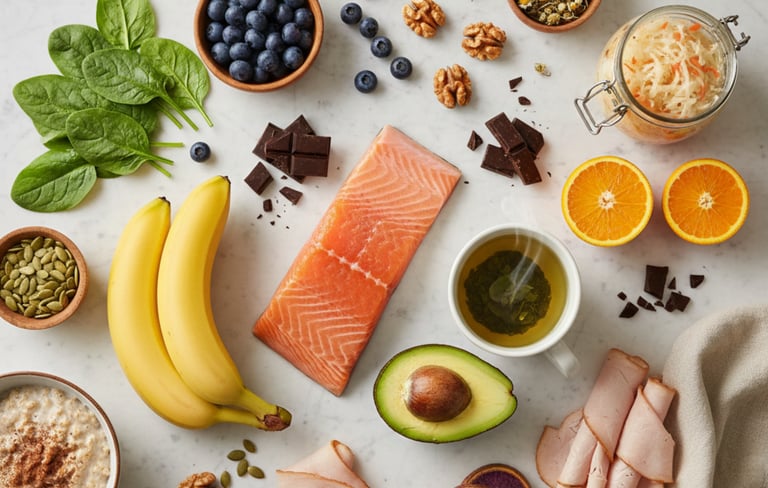
15 Foods That Lower Cortisol Naturally: Science-Backed Nutrition for Stress Relief
By BiteBrightly 15 January 2026: This post might contain affiliate links.
Do you feel constantly stressed, anxious, and on edge? Can't seem to lose that stubborn belly fat no matter what you try? Struggle with sleep despite feeling exhausted? You might be dealing with chronically elevated cortisol—your body's primary stress hormone.
High cortisol isn't just about feeling stressed. Chronic cortisol elevation contributes to weight gain (especially around the midsection), disrupted sleep, impaired immune function, accelerated aging, increased blood pressure, blood sugar imbalances, anxiety, depression, and cognitive decline. When cortisol remains elevated day after day, every system in your body suffers.
The modern lifestyle creates perfect conditions for cortisol dysregulation: chronic work stress, poor sleep, inflammatory diets, constant digital stimulation, and minimal time in nature. Your body's stress response system, designed for acute threats, becomes chronically activated, flooding your system with cortisol around the clock.
Most people turn to medications or expensive supplements to manage stress and its effects. But your diet provides one of the most powerful and accessible tools for naturally regulating cortisol levels. Specific foods contain compounds that directly reduce cortisol production, support your body's stress response system, and provide the nutrients essential for healthy hormonal balance.
This comprehensive guide reveals fifteen science-backed foods that naturally lower cortisol levels. From nutrient-dense whole foods to specific herbs and teas, these dietary additions work through multiple mechanisms to restore healthy cortisol patterns and protect your body from the damaging effects of chronic stress.
Key Takeaways
Cortisol follows a natural daily rhythm that becomes disrupted under chronic stress
Certain foods contain compounds that directly reduce cortisol production and support stress resilience
Nutrient deficiencies impair your body's ability to regulate cortisol effectively
Anti-inflammatory foods reduce the inflammatory stress that drives cortisol elevation
Regular consumption of cortisol-lowering foods creates lasting improvements in stress response
Combining dietary changes with lifestyle factors produces the most dramatic cortisol reduction
Understanding Cortisol: The Stress Hormone You Need to Control
Before you can effectively lower cortisol through diet, you need to understand what cortisol does, why it becomes elevated, and how chronic elevation damages your health.
Cortisol is your body's primary stress hormone, produced by your adrenal glands in response to any perceived threat or challenge. In acute situations, cortisol serves crucial protective functions—it increases blood sugar for quick energy, sharpens focus, boosts cardiovascular function, and temporarily suppresses non-essential systems like digestion and reproduction.
The Natural Cortisol Rhythm
In a healthy state, cortisol follows a predictable daily pattern called the diurnal rhythm. Levels peak within 30-45 minutes of waking (the cortisol awakening response), providing the energy and alertness to start your day. Throughout the day, cortisol gradually declines, reaching its lowest point in the evening and during sleep.
This pattern ensures you have energy when you need it while allowing your body to rest, repair, and restore during nighttime hours. Deep sleep depends on low cortisol—when cortisol remains elevated at night, sleep quality suffers dramatically.
What Disrupts Cortisol Balance
Modern life bombards your stress response system with constant activation signals, disrupting this natural rhythm and causing chronically elevated cortisol levels.
Chronic psychological stress: Unlike our ancestors who faced acute, short-term threats, modern stress is continuous—work pressure, financial concerns, relationship issues, and information overload activate your stress response all day, every day. Your body can't distinguish between a genuine threat and a stressful email, releasing cortisol regardless.
Poor sleep: Sleep deprivation and poor sleep quality are both causes and consequences of high cortisol. Inadequate sleep elevates cortisol the following day, while elevated nighttime cortisol prevents deep, restorative sleep. This creates a vicious cycle of sleep disruption and cortisol dysregulation.
Blood sugar imbalance: Large blood sugar swings from high-carbohydrate, high-sugar diets trigger cortisol release. When blood sugar drops rapidly, your body releases cortisol to raise it back up, creating repeated stress responses throughout the day.
Inflammatory diet: Diets high in processed foods, refined oils, sugar, and artificial ingredients create systemic inflammation. Your body perceives inflammation as a threat, triggering cortisol release as part of the stress response.
Over-exercise: While moderate exercise reduces cortisol, excessive high-intensity exercise without adequate recovery elevates cortisol chronically. Your body experiences intense workouts as physical stress, releasing cortisol accordingly.
Caffeine excess: Caffeine stimulates cortisol production, especially in people who consume large amounts or drink coffee throughout the day. This artificial cortisol elevation depletes your adrenal system over time.
The Consequences of Chronic Cortisol Elevation
When cortisol remains elevated for weeks, months, or years, it causes widespread damage throughout your body.
Weight gain and metabolic dysfunction: Elevated cortisol increases appetite, particularly for high-calorie comfort foods. It promotes fat storage, especially visceral fat around your organs. Cortisol also increases insulin resistance, making weight loss extremely difficult and raising diabetes risk.
Immune suppression: While short-term cortisol boosts certain immune functions, chronic elevation suppresses your immune system, making you more susceptible to infections, slowing wound healing, and potentially increasing cancer risk.
Cognitive impairment: High cortisol damages the hippocampus—the brain region crucial for memory and learning. This manifests as difficulty concentrating, memory problems, and reduced cognitive performance.
Mood and mental health issues: Chronic cortisol elevation is strongly linked to anxiety and depression. It depletes neurotransmitters like serotonin and dopamine while promoting persistent feelings of worry, irritability, and low mood.
Accelerated aging: Cortisol accelerates cellular aging by shortening telomeres—the protective caps on your chromosomes. This biological aging manifests as premature wrinkles, reduced vitality, and increased disease risk.
Bone loss and muscle breakdown: Elevated cortisol breaks down bone tissue and muscle protein to provide energy and amino acids. Over time, this causes osteoporosis and muscle wasting despite adequate protein intake.
How Food Influences Cortisol Levels
Your diet influences cortisol through multiple powerful mechanisms. Understanding how food affects cortisol helps you make strategic choices that support healthy stress hormone balance.
Direct Cortisol Reduction
Certain foods contain specific compounds that directly interfere with cortisol production or accelerate cortisol breakdown. Vitamin C, for instance, reduces cortisol synthesis in your adrenal glands. Omega-3 fatty acids blunt cortisol response to stress. Adaptogens—compounds found in specific herbs—help your body adapt to stress and normalize cortisol production.
Blood Sugar Stabilization
Foods that maintain stable blood sugar prevent the cortisol spikes triggered by blood sugar crashes. Protein, healthy fats, and fiber slow glucose absorption, preventing the dramatic swings that necessitate cortisol release. Complex carbohydrates provide steady glucose without overwhelming your system.
Anti-Inflammatory Effects
Since inflammation triggers cortisol release, anti-inflammatory foods reduce this stress signal. Foods rich in omega-3s, antioxidants, and polyphenols combat inflammation at the cellular level, removing one major driver of cortisol elevation.
Nutrient Repletion
Producing and regulating hormones requires specific nutrients. B vitamins, magnesium, zinc, and vitamin C are essential for healthy cortisol patterns. When these nutrients are deficient, your body can't properly regulate cortisol production or respond appropriately to stress.
Gut-Brain Connection
Your gut microbiome profoundly influences stress hormone production through the gut-brain axis. Probiotic-rich fermented foods support beneficial bacteria that communicate with your brain, influencing cortisol production and stress resilience.
The 15 Cortisol-Lowering Foods
1. Dark Chocolate (85%+ Cacao)
Dark chocolate isn't just a delicious treat—it's a powerful cortisol-lowering food backed by solid research. Studies show that consuming dark chocolate reduces cortisol levels while improving mood and reducing feelings of stress.
How it works: Dark chocolate contains flavonoids—particularly epicatechin and catechin—that reduce cortisol production and blunt the cortisol response to stress. It also provides magnesium, which supports healthy stress response, and increases serotonin and endorphins that improve mood.
The higher the cacao percentage, the more beneficial compounds and the less sugar. Choose chocolate with at least 85% cacao for maximum cortisol-lowering benefits. The bitter taste indicates high flavonoid content.
How to use it: Enjoy 1-2 ounces (about 1-2 squares) of 85-90% dark chocolate daily, preferably in the afternoon when cortisol should naturally decline. Let it melt slowly in your mouth to fully experience the flavor and maximize absorption. Pair with a handful of nuts for a balanced, satisfying snack.
Avoid milk chocolate or lower cacao percentages, as the high sugar content will spike blood sugar and trigger cortisol release, negating the benefits.
2. Fatty Fish (Salmon, Mackerel, Sardines)
Fatty fish consistently ranks among the most powerful foods for cortisol regulation. Multiple studies demonstrate that regular fatty fish consumption significantly reduces cortisol levels and improves stress resilience.
How it works: Fatty fish provides abundant omega-3 fatty acids—EPA and DHA—that directly reduce cortisol production and blunt the cortisol response to psychological stress. Omega-3s also combat inflammation throughout your body, removing one major trigger for cortisol elevation. Additionally, fatty fish provides high-quality protein and vitamin D, both essential for healthy hormonal balance.
The omega-3 content varies significantly among fish. Wild salmon, mackerel, sardines, anchovies, and herring provide the highest amounts. Farmed salmon contains less omega-3 and often more inflammatory omega-6 fatty acids.
How to use it: Consume fatty fish 2-3 times weekly, with each serving providing 3-4 ounces. Wild-caught Alaskan salmon, Atlantic mackerel, and Pacific sardines are excellent choices both for omega-3 content and sustainability. Grill, bake, or pan-sear with minimal oil to preserve the omega-3s.
For convenience, canned sardines and mackerel packed in water or olive oil provide equivalent benefits at lower cost. Add them to salads, whole grain crackers, or eat them straight from the can.
3. Green Tea
Green tea serves as both a beverage and medicine, with substantial research supporting its cortisol-regulating effects. Regular green tea consumption reduces cortisol levels, improves stress response, and provides numerous other health benefits.
How it works: Green tea contains L-theanine—an amino acid that promotes relaxation without sedation while directly reducing cortisol production. L-theanine increases calming brain chemicals like GABA and serotonin while reducing excitatory neurotransmitters. Green tea also provides catechins—powerful antioxidants that reduce inflammation and oxidative stress, both of which trigger cortisol elevation.
The combination of L-theanine with green tea's modest caffeine creates a state of calm alertness—focused but relaxed—that's ideal for stress management. The L-theanine moderates caffeine's stimulating effects, preventing the jittery anxiety and cortisol spike that coffee often produces.
How to use it: Drink 2-3 cups of green tea daily, spacing consumption throughout the day. Brew with water just below boiling (around 170-180°F) for 2-3 minutes to extract beneficial compounds without excessive bitterness. Avoid adding sugar, which would spike blood sugar and cortisol.
For maximum L-theanine content, choose high-quality Japanese green teas like sencha or gyokuro. Matcha—powdered whole green tea leaves—provides especially high levels of both L-theanine and catechins since you consume the entire leaf.
4. Blueberries
These small berries pack an outsized punch for cortisol regulation. Research shows that regular blueberry consumption reduces cortisol levels, improves cognitive function under stress, and protects against stress-related damage.
How it works: Blueberries contain some of the highest levels of antioxidants among all fruits, particularly anthocyanins that give them their deep blue color. These compounds combat oxidative stress and inflammation—two major triggers of cortisol elevation. Blueberries also provide vitamin C, which directly reduces cortisol synthesis in your adrenal glands.
Studies specifically show that blueberry consumption blunts the cortisol response to stress while improving mood and cognitive performance. The antioxidants protect your brain and body from cortisol's damaging effects.
How to use it: Eat 1/2 to 1 cup of fresh or frozen blueberries daily. Fresh and frozen blueberries provide equivalent benefits—the freezing process doesn't significantly reduce antioxidant content. Add blueberries to morning smoothies, yogurt, oatmeal, or eat them as a convenient snack.
Wild blueberries contain even higher antioxidant levels than cultivated varieties. If available, choose wild blueberries for maximum benefits. Other berries like blackberries, raspberries, and strawberries also provide cortisol-lowering benefits, though blueberries show the strongest effects in research.
5. Probiotic-Rich Fermented Foods
Your gut microbiome profoundly influences stress hormone production through the gut-brain axis. Probiotic-rich fermented foods support beneficial gut bacteria that help regulate cortisol levels and improve stress resilience.
How it works: Beneficial bacteria in your gut produce neurotransmitters and communicate directly with your brain through the vagus nerve and other pathways. These bacteria influence cortisol production and help regulate your stress response. Research shows that consuming probiotic foods reduces cortisol levels, decreases anxiety, and improves mood.
Different fermented foods provide different bacterial strains, each offering unique benefits. Diversity matters—consuming various fermented foods supports a more diverse, resilient microbiome.
How to use it: Include 1-2 servings of fermented foods daily. Excellent options include:
Yogurt: Choose plain, unsweetened yogurt with live active cultures. Greek yogurt provides additional protein. Look for labels listing multiple bacterial strains.
Kefir: This fermented milk drink contains more bacterial diversity than yogurt. Start with small amounts if you're not accustomed to fermented foods.
Sauerkraut: Fermented cabbage provides probiotics plus vitamin C. Choose raw, unpasteurized versions from the refrigerated section, as pasteurization kills beneficial bacteria.
Kimchi: Korean fermented vegetables offer probiotics, vitamin C, and anti-inflammatory compounds. The spiciness comes from pepper, which provides additional metabolism benefits.
Kombucha: This fermented tea provides probiotics plus the cortisol-lowering benefits of tea. Choose varieties with minimal added sugar (under 5g per serving).
Start with small servings and gradually increase, as some people experience temporary digestive adjustment when introducing fermented foods.
6. Bananas
This convenient, affordable fruit provides specific nutrients that support healthy cortisol regulation while satisfying your sweet tooth naturally.
How it works: Bananas provide a unique combination of benefits for cortisol management. They contain tryptophan—the amino acid precursor to serotonin—which helps counteract cortisol's effects on mood. Bananas also provide vitamin B6, essential for neurotransmitter production and cortisol regulation, plus potassium, which helps buffer cortisol's effects on blood pressure.
The natural sugars in bananas come packaged with fiber that slows absorption, preventing the blood sugar spike and subsequent cortisol release that refined sugars cause. Bananas also provide resistant starch (especially when slightly green) that feeds beneficial gut bacteria supporting stress resilience.
How to use it: Eat 1-2 bananas daily as a snack, preferably paired with protein or healthy fat for better blood sugar stability. Excellent combinations include banana with nut butter, banana in a protein smoothie, or banana with a handful of nuts.
Slightly green bananas contain more resistant starch, while fully ripe bananas provide more readily available energy. Choose ripeness based on your needs—less ripe for blood sugar stability, fully ripe for quick energy and easier digestion.
7. Avocados
These nutrient-dense fruits provide healthy fats and numerous compounds that support optimal cortisol balance and stress resilience.
How it works: Avocados provide abundant monounsaturated fats that support healthy hormone production and reduce inflammation. They're exceptionally rich in B vitamins—particularly B5 (pantothenic acid) and B6—which are essential for adrenal function and cortisol regulation. Avocados also provide magnesium, potassium, and vitamin E, all supporting healthy stress response.
The healthy fats in avocados increase satiety and stabilize blood sugar, preventing the glucose swings that trigger cortisol release. They also support absorption of fat-soluble nutrients from other foods you eat with them.
How to use it: Consume 1/2 to 1 whole avocado daily. Add avocado to salads, use as a spread instead of butter or mayo, blend into smoothies for creaminess, or simply eat with a sprinkle of sea salt. Guacamole made with fresh ingredients provides the same benefits.
Choose avocados at various ripeness stages and store them appropriately to ensure you always have one ready to eat. Firm avocados ripen at room temperature over several days, while refrigeration slows ripening of already-ripe fruits.
8. Pumpkin Seeds
These small seeds pack extraordinary nutritional density specifically supporting cortisol regulation and stress management.
How it works: Pumpkin seeds provide exceptionally high magnesium content—one of the most important minerals for cortisol regulation. Magnesium deficiency increases cortisol production and sensitivity to stress, while adequate magnesium helps normalize cortisol patterns. Pumpkin seeds also provide zinc, which supports immune function often suppressed by high cortisol, and tryptophan, the precursor to mood-regulating serotonin.
The combination of protein, healthy fats, and minerals in pumpkin seeds stabilizes blood sugar while providing raw materials for healthy hormone production.
How to use it: Eat 1/4 cup (about 1 ounce) of raw or lightly roasted pumpkin seeds daily. Raw seeds provide maximum nutrient content, though light roasting improves flavor and crunch. Avoid heavily salted or sugar-coated versions.
Add pumpkin seeds to salads, oatmeal, or yogurt, blend into smoothies, or eat as a convenient snack. Pumpkin seed butter provides similar benefits and works well spread on whole grain crackers or apple slices.
9. Oranges and Citrus Fruits
Citrus fruits provide one of the most direct pathways to lower cortisol through their exceptional vitamin C content.
How it works: Vitamin C directly reduces cortisol production in your adrenal glands while blunting the cortisol response to stress. Your adrenal glands contain some of the highest concentrations of vitamin C in your body, and stress rapidly depletes these stores. Research consistently shows that vitamin C supplementation reduces cortisol levels, particularly during and after stressful events.
Beyond vitamin C, citrus fruits provide flavonoids that reduce inflammation and support healthy stress response. The fiber content also moderates the natural fruit sugars, preventing blood sugar spikes.
How to use it: Consume 1-2 citrus fruits daily, or about 1 cup of fresh-squeezed juice. Oranges, grapefruits, tangerines, and clementines all provide excellent vitamin C. Whole fruits offer more fiber than juice, making them the better choice for blood sugar management.
Time citrus consumption strategically—eating an orange before or during stressful situations can help blunt the cortisol response. The vitamin C works most effectively when consumed regularly rather than only during acute stress.
10. Chamomile Tea
This traditional calming tea offers more than just pleasant flavor—it provides scientifically-validated cortisol-lowering effects.
How it works: Chamomile contains apigenin—a flavonoid that binds to brain receptors producing calming effects while reducing cortisol production. Studies show that regular chamomile consumption significantly reduces cortisol levels and improves symptoms of anxiety and depression. Chamomile also contains other compounds that reduce inflammation and support healthy sleep, both crucial for cortisol regulation.
The ritual of preparing and sipping warm tea itself promotes relaxation and stress reduction, enhancing the physiological benefits.
How to use it: Drink 1-2 cups of chamomile tea daily, particularly in the evening as part of a wind-down routine. Steep 1-2 teaspoons of dried chamomile (or 1 tea bag) in just-boiled water for 5 minutes, covered to preserve volatile oils.
For maximum benefits, choose high-quality loose chamomile flowers rather than low-grade tea bags. German chamomile (Matricaria recutita) shows stronger effects in research compared to Roman chamomile.
Chamomile is very safe for most people, though those with ragweed allergies should introduce it cautiously as cross-reactions occasionally occur.
11. Walnuts
These brain-shaped nuts appropriately provide numerous compounds supporting brain health and stress hormone regulation.
How it works: Walnuts are the richest nut source of omega-3 fatty acids (in the form of ALA), which reduce cortisol production and inflammation. They also provide magnesium, B vitamins, and antioxidants that support healthy stress response. Research shows that regular walnut consumption reduces cortisol reactivity to stress—meaning your cortisol doesn't spike as high when you encounter stressors.
The combination of protein, healthy fats, and fiber makes walnuts excellent for blood sugar stability, preventing the glucose swings that trigger cortisol release.
How to use it: Eat 1/4 cup (about 1 ounce or 14 walnut halves) daily. Raw or lightly toasted walnuts both provide benefits, though raw preserves maximum omega-3 content. Avoid candied or heavily salted versions.
Add walnuts to salads, oatmeal, or yogurt, use in homemade trail mix, or eat as a convenient snack. Walnut butter provides similar benefits and works well for variety.
Store walnuts in the refrigerator or freezer to prevent the omega-3 fats from going rancid, which can occur at room temperature.
12. Spinach and Leafy Greens
Dark leafy greens provide concentrated nutrition specifically supporting healthy cortisol balance and stress resilience.
How it works: Spinach and other leafy greens provide exceptional magnesium content—critical for cortisol regulation. They also offer folate (vitamin B9), which supports neurotransmitter production and has been shown to reduce cortisol levels and improve mood. Leafy greens provide antioxidants and anti-inflammatory compounds that reduce inflammation-driven cortisol elevation.
The high nutrient density relative to calories makes leafy greens ideal for providing essential nutrients without excess energy that could be stored as stress-induced belly fat.
How to use it: Consume 2-3 cups of raw or 1-2 cups of cooked leafy greens daily. Spinach, kale, Swiss chard, collard greens, and arugula all provide benefits. Vary your choices to obtain different nutrient profiles.
Add leafy greens to smoothies (you won't taste them), use as salad base, sauté as a side dish, add to soups and stews, or blend into sauces. Cooking spinach increases the bioavailability of certain nutrients while reducing oxalates that can interfere with mineral absorption.
Combining leafy greens with vitamin C-rich foods (like citrus or tomatoes) significantly increases iron absorption from the greens.
13. Oatmeal
This breakfast staple provides more than just sustained energy—it offers specific benefits for cortisol regulation and stress management.
How it works: Oatmeal triggers serotonin production—a calming brain chemical that counteracts cortisol's effects. The complex carbohydrates in oats provide steady glucose release without blood sugar spikes, preventing stress-induced cortisol release. Oats also contain beta-glucan fiber that supports healthy gut bacteria and reduces inflammation.
Research shows that consuming complex carbohydrates like oatmeal reduces cortisol response to stress and improves mood under stressful conditions. The warm, comforting nature of oatmeal also provides psychological stress relief.
How to use it: Start your day with 1/2 to 1 cup (dry measure) of oatmeal prepared with your choice of liquid. Steel-cut oats and rolled oats provide the most benefits—instant oatmeal often contains added sugars and less fiber.
Enhance cortisol-lowering effects by adding other beneficial foods: top with blueberries, walnuts, and a sprinkle of pumpkin seeds, or stir in a spoonful of almond butter and sliced banana. Avoid adding excessive sugar or sweet toppings that would spike blood sugar.
Savory oatmeal preparations also work well—cook oats in broth and top with vegetables, an egg, and avocado for a blood-sugar-balancing, cortisol-managing meal.
14. Sweet Potatoes
These vibrant root vegetables provide nutrition specifically supporting healthy cortisol patterns and stress resilience.
How it works: Sweet potatoes offer complex carbohydrates that support serotonin production and provide steady energy without blood sugar spikes. They're exceptionally rich in vitamin C, which directly reduces cortisol synthesis, and provide significant amounts of potassium that helps buffer cortisol's effects on blood pressure. Sweet potatoes also contain beta-carotene and other antioxidants that reduce oxidative stress and inflammation.
The fiber content slows digestion and glucose release, preventing the blood sugar swings that trigger cortisol release. The natural sweetness satisfies cravings for comfort foods without the negative effects of refined sugars.
How to use it: Include sweet potatoes 3-4 times weekly as part of meals. Bake, roast, or steam them—avoid frying or adding excessive butter or sugar. The skin contains significant fiber and nutrients, so eat it when possible.
Sweet potatoes work as a side dish, form the base of grain-free meals, or even serve as a healthy dessert when baked and topped with a small amount of nut butter and cinnamon.
Purple sweet potatoes contain even higher antioxidant levels than orange varieties. Japanese sweet potatoes and jewel yams (actually sweet potatoes, despite the name) also provide excellent benefits.
15. Turkey
This lean protein provides specific amino acids and nutrients that support healthy cortisol balance and stress management.
How it works: Turkey is famously rich in tryptophan—the amino acid precursor to serotonin, your body's natural stress-buffer. While all foods containing complete protein provide tryptophan, turkey contains particularly high amounts. Adequate tryptophan intake ensures your body can produce sufficient serotonin to counteract cortisol's effects on mood and stress perception.
Turkey also provides high-quality protein that stabilizes blood sugar, preventing the glucose swings that trigger cortisol release. It offers B vitamins essential for stress response and hormone regulation, plus zinc that supports immune function often suppressed by high cortisol.
How to use it: Include 3-4 ounces of turkey 2-3 times weekly as part of balanced meals. Ground turkey works for versatile preparations—burgers, meatballs, stir-fries, or chili. Sliced deli turkey provides convenient protein for quick meals, though choose low-sodium, minimally processed versions without added nitrates.
Combine turkey with complex carbohydrates to enhance tryptophan's effects—the carbohydrates trigger insulin release that helps tryptophan cross the blood-brain barrier where it's converted to serotonin. This explains why turkey with stuffing or sandwiches make you feel particularly relaxed.
Chicken and eggs provide similar benefits, though turkey shows slightly higher tryptophan content.
Creating a Cortisol-Lowering Eating Pattern
While individual foods provide specific cortisol-lowering benefits, the overall pattern of your eating matters even more than any single food. These principles help you create an eating approach that comprehensively supports healthy cortisol regulation.
Prioritize Blood Sugar Stability
Blood sugar swings are among the most common triggers of unnecessary cortisol elevation. Every time blood sugar crashes, your body releases cortisol to raise it back up—creating repeated stress responses throughout the day.
Build meals and snacks around the following principles:
Combine macronutrients: Every eating occasion should include protein, healthy fats, and fiber. This combination slows digestion and glucose absorption, preventing spikes and crashes. Never eat carbohydrates alone—always pair them with protein or fat.
Choose complex over refined: Swap refined grains and sugars for whole grains, legumes, and starchy vegetables that provide sustained energy without dramatic glucose elevation.
Time strategically: Eating at consistent times supports your circadian cortisol rhythm. Avoid late-night eating, which can disrupt nighttime cortisol decline and impair sleep.
Don't skip meals: Going too long without eating triggers stress response and cortisol release. Aim to eat every 3-4 hours during waking hours, with balanced meals and appropriate snacks.
Emphasize Anti-Inflammatory Foods
Since inflammation triggers cortisol release, building your diet around anti-inflammatory foods removes one major driver of cortisol elevation.
Focus on whole foods: Unprocessed foods naturally contain anti-inflammatory compounds while avoiding the inflammatory additives in processed foods.
Prioritize omega-3s: Make fatty fish, walnuts, flaxseeds, and chia seeds dietary staples. These provide omega-3 fatty acids that powerfully combat inflammation.
Eat the rainbow: Colorful fruits and vegetables provide diverse antioxidants and polyphenols that reduce inflammation through multiple pathways.
Use anti-inflammatory spices: Turmeric, ginger, cinnamon, and garlic all possess potent anti-inflammatory properties. Use them generously in cooking.
Eliminate inflammatory foods: Minimize or eliminate refined oils (especially soybean, corn, and cottonseed), trans fats, refined sugars, and highly processed foods containing artificial ingredients.
Ensure Adequate Nutrient Intake
Your body requires specific nutrients to produce, regulate, and respond appropriately to cortisol. Deficiencies in these nutrients impair cortisol regulation regardless of other factors.
Vitamin C: Aim for 200-500mg daily through citrus fruits, berries, bell peppers, broccoli, and leafy greens.
B vitamins: Ensure adequate intake of all B vitamins through varied whole foods including animal proteins, eggs, leafy greens, legumes, and whole grains.
Magnesium: Most people need 400-500mg daily. Prioritize magnesium-rich foods like leafy greens, pumpkin seeds, almonds, avocados, and dark chocolate. Many people benefit from magnesium supplementation as well.
Omega-3 fatty acids: Consume fatty fish 2-3 times weekly or consider algae-based omega-3 supplements if vegetarian.
Zinc: Include zinc-rich foods like oysters, beef, pumpkin seeds, and lentils regularly.
Support Your Circadian Rhythm
Your cortisol follows a natural daily rhythm that aligns with your circadian clock. Eating patterns that support this rhythm help normalize cortisol patterns.
Eat breakfast within 1-2 hours of waking: Morning food intake supports the natural morning cortisol peak while preventing excessive elevation later.
Front-load calories: Eating more earlier in the day and less in the evening supports natural cortisol decline at night.
Finish eating 2-3 hours before bed: Late eating can interfere with nighttime cortisol decline and impair sleep quality.
Maintain consistency: Eating at roughly the same times daily strengthens your circadian rhythm and supports predictable cortisol patterns.
Foods and Substances That Raise Cortisol
Just as important as knowing what to eat is avoiding foods and substances that unnecessarily elevate cortisol levels.
Refined Sugar and High-Glycemic Carbohydrates
Sugar and refined carbohydrates cause rapid blood glucose spikes followed by crashes. When blood sugar drops, your body releases cortisol to raise it back up. This creates repeated stress responses throughout the day.
Avoid or strictly limit: candy, soda, fruit juice, white bread, pastries, most crackers and chips, sweetened cereals, and desserts. Even "healthy" sweeteners like honey and maple syrup can spike blood sugar when consumed in significant amounts.
Excessive Caffeine
While moderate caffeine intake (1-2 cups of coffee daily) typically doesn't cause problems, excessive caffeine or caffeine consumption later in the day significantly elevates cortisol. Caffeine triggers cortisol release even without other stressors present.
If you consume more than 2 cups of coffee daily, struggle with anxiety, or have sleep problems, reduce caffeine intake. Eliminate caffeine after noon to prevent interference with nighttime cortisol decline.
Green tea provides a better option than coffee—its L-theanine content moderates caffeine's stimulating effects while providing additional cortisol-lowering benefits.
Alcohol
While alcohol initially makes you feel relaxed, it significantly disrupts cortisol regulation. Alcohol causes cortisol elevation several hours after consumption, often during sleep, which disrupts sleep quality and creates next-day cortisol dysregulation.
If you drink alcohol, limit consumption to occasional moderate use (no more than 3-4 drinks weekly), consume earlier in the evening (finish at least 3-4 hours before bed), and always accompany alcohol with food.
Trans Fats and Highly Processed Oils
Trans fats (found in margarine, shortening, and many processed foods) and refined vegetable oils high in omega-6 fatty acids (soybean, corn, cottonseed oils) promote inflammation throughout your body. This inflammatory stress triggers chronic cortisol elevation.
Avoid products listing "partially hydrogenated oils" in ingredients. Minimize consumption of fried foods from restaurants and processed snack foods. Choose olive oil, avocado oil, or coconut oil for cooking instead of refined vegetable oils.
Artificial Ingredients
Artificial colors, flavors, preservatives, and sweeteners create inflammatory stress in many people, potentially triggering cortisol elevation. While research is still emerging on these compounds' effects on cortisol specifically, avoiding them supports overall health and reduces total inflammatory burden.
Focus on whole, minimally processed foods to naturally avoid most artificial ingredients.
Lifestyle Factors That Enhance Diet's Cortisol-Lowering Effects
While diet powerfully influences cortisol levels, combining dietary changes with key lifestyle modifications produces the most dramatic improvements.
Sleep Optimization
Poor sleep elevates cortisol the following day, while high nighttime cortisol prevents quality sleep. Prioritizing sleep creates a positive cycle of cortisol normalization.
Aim for 7-9 hours nightly, maintain consistent sleep-wake times, create a completely dark sleep environment, keep bedroom temperature cool (60-67°F), and avoid screens for 1-2 hours before bed. Many of the foods discussed—especially chamomile tea, tart cherries, and magnesium-rich foods—also support better sleep.
Stress Management Practices
Active stress management prevents the repeated cortisol spikes that lead to chronic elevation. Daily practices compound over time, building resilience to stress.
Effective approaches include meditation (even 10 minutes daily provides benefits), deep breathing exercises (particularly before potentially stressful situations), time in nature, enjoyable physical activity, meaningful social connection, and engaging hobbies that fully absorb your attention.
Strategic Exercise
Exercise provides a paradox—it temporarily raises cortisol during the activity but improves cortisol regulation long-term. The key is finding the right amount and type for your current stress load.
Moderate-intensity aerobic exercise (walking, easy jogging, swimming, cycling) for 30-45 minutes most days provides the best cortisol benefits. Include 2-3 strength training sessions weekly. Avoid excessive high-intensity exercise if you're already stressed—this adds more stress to an overloaded system.
Gentle practices like yoga, tai chi, and qigong reduce cortisol while providing physical activity benefits. Consider these if high-stress or if intense exercise makes you feel exhausted rather than energized.
Light Exposure Optimization
Your cortisol rhythm is closely linked to your circadian clock, which responds primarily to light. Strategic light exposure strengthens your circadian rhythm and normalizes cortisol patterns.
Get bright light exposure (ideally sunlight) within 30-60 minutes of waking to set your circadian clock. Spend time outdoors during the day when possible. Dim lights 2-3 hours before bed and minimize screen exposure in the evening. These light patterns support the natural cortisol peak in morning and decline in evening.
Social Connection and Support
Strong relationships and social support buffer against stress and reduce cortisol reactivity. People with good social connections show smaller cortisol spikes when facing stressors.
Prioritize time with supportive friends and family. Engage in meaningful conversations. Physical affection (hugging, hand-holding) particularly reduces cortisol. Even connection with pets provides cortisol-lowering benefits.
Supplements for Additional Cortisol Support
When diet and lifestyle optimization need additional support, certain supplements provide evidence-backed cortisol reduction.
Adaptogenic Herbs
Adaptogens help your body adapt to stress and normalize cortisol production. Unlike stimulants or sedatives that push your body in one direction, adaptogens support appropriate responses to different situations.
Ashwagandha: The most researched adaptogen for cortisol reduction. Studies show 300-600mg of standardized extract daily significantly reduces cortisol levels and improves stress resilience. Take in the evening, as it can promote relaxation and sleep.
Rhodiola rosea: Reduces cortisol while improving energy and mental performance under stress. Use 200-600mg daily, taken in the morning or early afternoon (it can be energizing for some people).
Holy basil (Tulsi): Normalizes cortisol patterns while reducing anxiety. Consume as tea (2-3 cups daily) or take 300-600mg of extract daily.
Phosphatidylserine
This phospholipid blunts cortisol response to stress, particularly exercise-induced cortisol elevation. Research shows 400-800mg daily reduces cortisol levels and improves stress adaptation.
Vitamin C Supplementation
While dietary vitamin C provides benefits, supplementing with 500-1000mg during high-stress periods provides additional cortisol reduction. Divide doses throughout the day for best results.
Fish Oil
If you don't regularly consume fatty fish, fish oil supplements provide omega-3 fatty acids that reduce cortisol and inflammation. Choose high-quality supplements providing at least 1000mg combined EPA+DHA daily.
Putting It All Together: Your Cortisol-Lowering Action Plan
Implementing all fifteen cortisol-lowering foods immediately might feel overwhelming. Start with these strategic steps to progressively build a cortisol-optimizing eating pattern.
Week 1-2: Foundation Building
Begin with the most accessible changes that provide broad benefits:
Add 1-2 cups of green tea daily (replace one coffee if needed)
Include fatty fish twice weekly
Start each day with oatmeal topped with blueberries and walnuts
Keep dark chocolate (85%+) available for afternoon stress relief
These four additions provide multiple cortisol-lowering compounds while being easy to implement consistently.
Week 3-4: Expanding Variety
Add more cortisol-lowering foods while addressing problematic foods:
Include leafy greens daily (add to smoothies, salads, or as side dishes)
Snack on pumpkin seeds or walnuts mid-afternoon
Add 1-2 servings of fermented foods daily
Reduce refined sugars and processed carbohydrates
Your body begins experiencing more consistent cortisol regulation as you provide steady nutrient support while removing inflammatory triggers.
Week 5-6: Optimization
Round out your approach with remaining beneficial foods:
Include citrus fruits or other vitamin C-rich foods daily
Use avocados regularly (add to meals or eat as snacks)
Add chamomile tea to evening wind-down routine
Include sweet potatoes or bananas for healthy comfort foods
Use turkey in meal rotations
Ongoing: Consistency and Refinement
Continue eating these cortisol-lowering foods most days while paying attention to your body's responses. Notice improvements in energy, mood, sleep quality, stress resilience, and body composition. These improvements typically become noticeable within 2-4 weeks and continue building over several months.
Adjust based on your individual responses—you might find certain foods particularly beneficial for you or discover specific triggers that elevate your cortisol. The goal isn't perfection but rather consistent inclusion of beneficial foods while minimizing triggers.
Conclusion
Chronic stress and elevated cortisol have become modern epidemics, contributing to widespread health problems from weight gain and poor sleep to accelerated aging and mood disorders. While you can't eliminate stress entirely, you possess powerful tools for managing your body's response to stress—and your diet ranks among the most potent.
The fifteen foods in this guide work through multiple mechanisms to reduce cortisol production, support healthy stress response, combat inflammation, and provide nutrients essential for hormonal balance. From the direct cortisol reduction of vitamin C-rich citrus fruits to the stress-buffering effects of omega-3s in fatty fish, each food offers specific benefits.
More importantly, these aren't exotic superfoods requiring expensive specialty stores. They're accessible, affordable whole foods you can find in any grocery store and incorporate into regular meals. Dark chocolate, oatmeal, blueberries, leafy greens, sweet potatoes, turkey—these are familiar foods that become powerful medicine when consumed regularly and strategically.
Start where you are. You don't need to implement everything immediately or eat these foods exclusively. Begin with 3-4 of these foods, focus on consistency, and gradually expand from there. Even modest dietary changes, maintained over time, create meaningful improvements in cortisol patterns and stress resilience.
Remember that diet works synergistically with other factors—sleep, exercise, stress management, and social connection all influence cortisol. Address multiple aspects simultaneously for the most dramatic improvements. But among all factors you can control, what you put on your plate three times a day provides one of the most consistent, powerful influences on your stress hormone balance.
Your body wants to maintain healthy cortisol patterns—it's biologically programmed to do so. These foods simply provide the support, nutrients, and compounds your body needs to regulate cortisol effectively despite modern stressors. With patience and consistency, the chronic stress that feels unmanageable today can transform into resilient, healthy stress response that supports your wellbeing rather than undermining it.
FAQ
How long does it take to lower cortisol through diet?
Most people notice some improvement in stress levels, energy, and sleep within 1-2 weeks of consistently eating cortisol-lowering foods. Measurable reductions in cortisol levels typically appear within 2-4 weeks, with maximum benefits emerging after 2-3 months of sustained dietary changes. However, individual response varies based on your starting cortisol levels, overall stress load, and consistency with dietary changes.
Can I eat too much of these cortisol-lowering foods?
While these foods are generally healthy, balance still matters. Excessive amounts of any food can cause problems—too much fatty fish might lead to mercury exposure, excessive dark chocolate adds significant calories, and eating only these fifteen foods would create nutritional imbalances. Include these foods as part of a varied, whole-foods diet. The quantities suggested for each food represent beneficial amounts that shouldn't cause problems for most people.
Will these foods work if I'm extremely stressed?
Diet provides powerful support for cortisol regulation, but extreme stress may require a multi-faceted approach. If you're experiencing severe chronic stress, implement these dietary changes while also addressing other factors like sleep, exercise, and stress management practices. Consider working with a healthcare provider who can assess whether additional interventions (therapy, supplements, or temporary medication) might be necessary alongside dietary optimization.
Should I eat these foods at specific times of day?
Some strategic timing can enhance benefits. Foods that promote relaxation (chamomile tea, dark chocolate, bananas) work well in the evening. Foods providing sustained energy (oatmeal, sweet potatoes) suit morning or midday meals. Fatty fish and most other foods provide benefits whenever consumed, though eating the bulk of your food earlier in the day supports natural cortisol decline in the evening. Consistency matters more than perfect timing.
Can supplements replace eating these foods?
Supplements provide some benefits but can't replicate the comprehensive advantages of whole foods. Foods provide combinations of compounds, fiber, and nutrients that work synergistically in ways isolated supplements can't match. Use supplements to enhance dietary approaches, not replace them. If you legitimately can't eat certain beneficial foods (allergies, access issues, strong dislikes), strategic supplementation can partially compensate, but whole foods remain the foundation.
What if I have food allergies or restrictions?
Every category of cortisol-lowering foods offers multiple options. If you can't eat fish, emphasize walnuts, flaxseeds, and consider algae-based omega-3 supplements. If dairy-based fermented foods are problematic, use sauerkraut, kimchi, or kombucha instead. For nut allergies, rely more heavily on seeds like pumpkin seeds. Vegetarians can emphasize plant-based proteins, while vegans should ensure adequate B12 intake. Work within your restrictions to include as many beneficial foods as possible.
Will losing weight lower my cortisol or does lowering cortisol help me lose weight?
The relationship works both directions—elevated cortisol promotes weight gain (especially belly fat), while excess weight (particularly visceral fat) can elevate cortisol. Lowering cortisol through diet makes weight loss significantly easier by reducing stress-driven cravings, improving insulin sensitivity, and normalizing fat storage patterns. Many people find that when they address cortisol through diet and lifestyle, weight loss becomes much more achievable without excessive calorie restriction.
How can I tell if my cortisol levels are actually high?
Common signs include difficulty losing weight despite diet and exercise, storing fat primarily around the midsection, sleep problems (especially waking between 2-4am), feeling tired but wired, frequent illness, mood issues, sugar cravings, and difficulty managing stress. Healthcare providers can test cortisol levels through blood, saliva (most accurate), or urine tests. Salivary cortisol testing at four times throughout the day provides the best picture of your cortisol rhythm.
Do I need to avoid all carbohydrates to lower cortisol?
No—quality carbohydrates actually support healthy cortisol regulation by promoting serotonin production and providing steady energy. The key is choosing complex carbohydrates (whole grains, legumes, starchy vegetables) and pairing them with protein and fat rather than eating refined carbohydrates alone. Very low-carbohydrate diets can actually increase cortisol in some people by creating additional physiological stress. Moderate complex carbohydrate intake as part of balanced meals supports optimal cortisol patterns for most people.
Can stress and high cortisol be completely eliminated?
Some stress and cortisol elevation is normal and even beneficial—cortisol provides energy to meet challenges and follows a healthy daily rhythm. The goal isn't eliminating cortisol but rather normalizing its patterns and preventing chronic elevation. You'll still experience cortisol spikes when facing real challenges, but healthy regulation means cortisol returns to baseline relatively quickly rather than remaining chronically elevated. These foods support appropriate cortisol responses rather than blunting all cortisol activity.
Connect
Join our newsletter for fresh health tips
© 2025. All rights reserved.