The Gut-Skin Connection: 5 Salads That Work From the Inside Out
Vitamin C without fat = wasted collagen synthesis. Sauerkraut added last preserves live cultures. 5 salads built around the gut-skin axis science. Full recipes.
by BiteBrightly
7/22/202612 min read
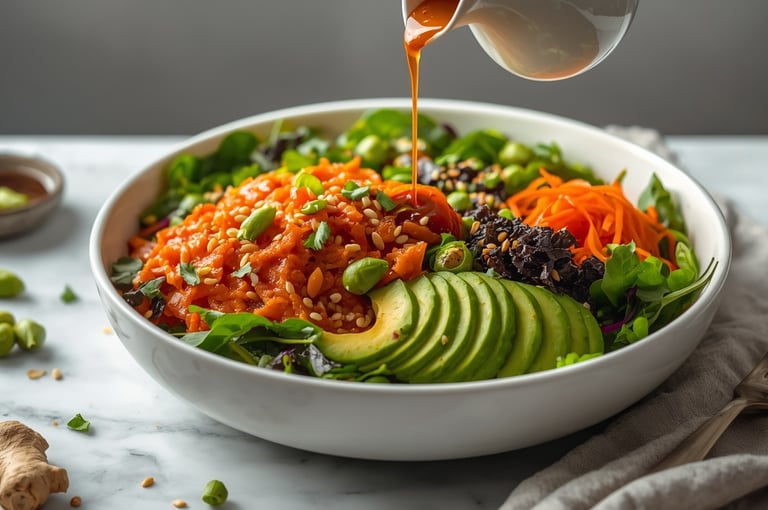
The Gut-Skin Connection: 5 Salads That Work From the Inside Out
By BiteBrightly 22 July 2026: This post might contain affiliate links.
The connection between gut health and skin appearance is not a wellness trend — it is a well-researched biological relationship now referred to in scientific literature as the gut-skin axis. A 2025 review published in Gut Microbes confirmed that the gut-skin axis describes a bidirectional signalling relationship between the gastrointestinal tract and the skin, with gut microbiota influencing skin health through immune, inflammatory, and metabolic pathways — and skin conditions including rosacea, psoriasis, atopic dermatitis, and acne vulgaris all linked to gut dysbiosis.
What this means practically: a diet that supports a diverse, balanced gut microbiome — high in fibre, fermented foods, polyphenols, and anti-inflammatory fats — creates a systemic environment that benefits the skin through reduced inflammation, improved gut barrier integrity, and healthier immune regulation. The five salads in this guide are built around exactly this combination of ingredients, each designed to address the gut-skin axis through multiple nutritional pathways simultaneously.
These are genuinely delicious salads, not medicinal plates of raw vegetation. Every recipe is built around flavour and satisfaction alongside the nutritional rationale.
Key Takeaways
The three dietary pillars that most directly support both gut and skin health simultaneously are: prebiotic fibre (feeding beneficial gut bacteria that produce skin-supportive metabolites), anti-inflammatory polyphenols (reducing the systemic inflammation that drives both gut dysbiosis and skin conditions), and healthy fats (supporting skin barrier function through ceramide and fatty acid supply while reducing inflammation)
Vitamin C from colourful vegetables is required as a cofactor for collagen synthesis — without adequate daily vitamin C, the body cannot build stable collagen regardless of protein intake; every salad in this guide includes a significant vitamin C source
Fermented ingredients — kimchi, sauerkraut, and live-culture dairy dressings — add probiotic bacteria directly to these meals, addressing the gut microbiome through both prebiotic fibre and live cultures simultaneously
Consistency matters more than any individual meal — the gut microbiome changes over days to weeks of consistent dietary patterns; eating these salads once produces minimal microbiome benefit; eating them regularly, as part of an overall diet rich in diverse plant foods, produces the cumulative effect the research supports
The Gut-Skin Axis — What It Means for Your Diet
The gut-skin axis operates through four primary pathways that diet directly influences:
Gut barrier integrity: The single layer of cells lining the gut separates the gut microbiome from the bloodstream. When gut dysbiosis compromises this barrier — allowing bacterial endotoxins (LPS) to leak into circulation — it drives systemic inflammation that manifests in skin as increased reactivity, redness, and impaired barrier function. Dietary fibre and fermented foods support the beneficial bacteria that maintain this lining.
Inflammatory metabolites: Gut bacteria produce short-chain fatty acids (particularly butyrate) from fermentation of dietary fibre. These SCFAs have direct anti-inflammatory effects systemically, including on skin-relevant inflammatory pathways. A fibre-rich diet maximises SCFA production; a fibre-poor, processed food diet dramatically reduces it.
Immune regulation: Approximately 70–80% of immune cells reside in or around the gut. The composition of the gut microbiome directly influences immune cell behaviour — including the T-helper cell balance that is disrupted in inflammatory skin conditions like atopic dermatitis and psoriasis.
Skin nutrients from food: Collagen synthesis requires vitamin C, zinc, and amino acids. Skin hydration and barrier function depend on essential fatty acids, vitamin E, and ceramide precursors. Skin antioxidant protection comes from vitamins A (beta-carotene), C, and E. All five salads in this guide are built around ingredients that specifically address these skin-nutrient pathways.
Salad 1: Probiotic Power Salad With Kimchi, Avocado, and Edamame
Gut-skin focus: Gut microbiome diversity + skin inflammation reduction Prep time: 10 minutes | No cooking required
This salad leads with kimchi — one of the most potent dietary sources of Lactobacillus plantarum and other lactic acid bacteria directly relevant to gut microbiome diversity. Paired with avocado's monounsaturated fat (supporting skin barrier ceramide synthesis), edamame's prebiotic fibre and plant protein, and a sesame-miso dressing with additional probiotic benefit from the miso.
Why this combination works for gut and skin: Kimchi provides live probiotic bacteria alongside prebiotic fibre from the fermented cabbage. Avocado provides oleic acid — the monounsaturated fat that maintains skin barrier lipid composition — alongside magnesium and vitamin E. Edamame provides isoflavones (with modest oestrogen-modulating effects relevant to skin hydration, particularly in perimenopausal women) and prebiotic fibre. Miso in the dressing adds additional probiotic cultures alongside glutamate for flavour.
Ingredients (serves 2):
4 cups mixed salad greens (spinach, rocket, watercress)
80g unpasteurised kimchi (the probiotic source — must be raw, not pasteurised)
1 ripe avocado, sliced
150g frozen edamame, thawed
1 medium carrot, julienned or grated
2 spring onions, thinly sliced
2 tablespoons sesame seeds (toasted)
1 tablespoon nori flakes (optional — adds iodine for thyroid support)
Miso-sesame dressing:
1 tablespoon white miso paste
1 tablespoon rice wine vinegar
1 tablespoon sesame oil
1 teaspoon honey or maple syrup
1 teaspoon fresh ginger, grated
2–3 tablespoons warm water to thin
How to make it:
Whisk all dressing ingredients together until smooth — the warm water helps dissolve the miso
Arrange salad greens on two plates or in one large bowl
Top with kimchi, avocado, edamame, carrot, and spring onions
Drizzle dressing over
Finish with sesame seeds and nori flakes
Gut-skin nutritional highlights: Probiotic bacteria (kimchi + miso), prebiotic fibre (edamame + carrot), vitamin E and oleic acid (avocado), vitamin C (rocket + watercress), iodine (nori — supports thyroid which regulates skin turnover).
Salad 2: The Skin-Glow Salad With Roasted Sweet Potato, Kale, and Tahini
Gut-skin focus: Collagen support + anti-inflammatory skin protection Prep time: 35 minutes (including roasting)
Built around beta-carotene from sweet potato (the precursor to vitamin A — essential for skin cell turnover and sebum regulation), massaged kale (vitamin C for collagen synthesis), and a tahini dressing providing zinc, healthy fat, and skin-supportive sesame lignans.
Why this combination works for gut and skin: Sweet potato provides beta-carotene — the plant-based precursor to vitamin A, which regulates skin cell turnover, maintains sebaceous gland function, and is the nutrient deficiency most visibly associated with dry, rough, keratinised skin. Kale provides vitamin C (the essential cofactor for collagen synthesis), vitamin K (relevant to skin healing), and sulforaphane precursors with anti-inflammatory activity. Tahini provides zinc — one of the most important minerals for skin health, supporting collagen synthesis, wound healing, and sebum regulation — alongside healthy fat for fat-soluble vitamin absorption.
Ingredients (serves 2):
1 large sweet potato, diced into 2cm cubes
4 cups curly kale, stems removed and leaves torn
100g tinned chickpeas, drained (or roasted alongside sweet potato)
30g pumpkin seeds
50g dried cranberries or pomegranate seeds (adds antioxidant polyphenols)
2 tablespoons olive oil
Tahini-lemon dressing:
2 tablespoons tahini
Juice of 1 lemon (the vitamin C for collagen synthesis AND for the dressing)
1 garlic clove, grated
1 teaspoon apple cider vinegar
2–3 tablespoons water to thin
Salt, pepper, pinch of cumin
How to make it:
Preheat oven to 200°C. Toss sweet potato with olive oil, salt, and pepper. Roast 25 minutes until golden and caramelised. Add chickpeas to the tray for the last 10 minutes if roasting.
While sweet potato roasts, massage kale: place in a large bowl, add a pinch of salt and a drizzle of olive oil, and massage firmly with your hands for 2–3 minutes until the leaves soften and darken slightly. Massaging breaks down the tough cell structure and makes the kale more digestible and more palatable.
Whisk all dressing ingredients until smooth — the lemon juice helps thin the tahini.
Combine massaged kale with warm roasted sweet potato and chickpeas.
Add pumpkin seeds and cranberries.
Drizzle tahini dressing and toss gently.
Gut-skin nutritional highlights: Beta-carotene (sweet potato — vitamin A for skin cell turnover), vitamin C (kale + lemon — collagen synthesis cofactor), zinc (tahini + pumpkin seeds), prebiotic fibre (chickpeas + sweet potato), sulforaphane precursors (kale).
Salad 3: Gut-Healing Salmon and Fermented Slaw
Gut-skin focus: Omega-3 skin barrier support + fermented gut diversity Prep time: 20 minutes
Wild salmon provides EPA and DHA omega-3 fatty acids — the most directly skin-relevant nutrients available — which are incorporated into skin cell membranes and reduce the inflammatory signalling that drives acne, psoriasis, and eczema flares. Paired with a fermented cabbage slaw providing Lactobacillus cultures and prebiotic fibre, and a dill-yogurt dressing providing additional live probiotic cultures.
Why this combination works for gut and skin: EPA and DHA omega-3 from wild salmon directly incorporate into skin cell membrane phospholipids, reducing the production of pro-inflammatory arachidonic acid metabolites. Research specifically links omega-3 supplementation and dietary intake to improvements in inflammatory skin conditions including acne, psoriasis, and atopic dermatitis. The fermented cabbage slaw provides both prebiotic fibre and Lactobacillus strains. The yogurt dressing — using live-culture Greek yogurt — provides Bifidobacterium and Lactobacillus species while also providing skin-supportive protein and zinc.
Ingredients (serves 2):
2 wild salmon fillets (approximately 150g each), pan-fried or baked
200g white or red cabbage, finely shredded
1 large carrot, grated
1 apple, julienned (prebiotic pectin for gut bacteria)
3 tablespoons unpasteurised sauerkraut (the probiotic element — raw, refrigerated)
2 tablespoons fresh dill
1 tablespoon capers
Yogurt dressing:
4 tablespoons plain live-culture Greek yogurt
Juice of 1 lemon
1 teaspoon Dijon mustard
1 garlic clove, grated
Fresh dill, salt, pepper
How to make it:
Season salmon with salt, pepper, and a drizzle of olive oil. Pan-fry over medium-high heat, skin side down, for 4–5 minutes. Flip and cook 2–3 more minutes until just cooked through. Alternatively bake at 200°C for 12 minutes.
Combine shredded cabbage, grated carrot, and julienned apple in a large bowl.
Whisk all dressing ingredients together.
Toss the cabbage slaw with the yogurt dressing.
Plate the slaw, top with salmon, then add sauerkraut alongside (not mixed in — adding sauerkraut at serving preserves the live cultures), capers, and fresh dill.
Gut-skin nutritional highlights: EPA and DHA omega-3 (salmon — skin membrane phospholipids, anti-inflammatory), probiotic bacteria (sauerkraut + yogurt dressing), prebiotic fibre (cabbage + apple pectin), vitamin D (wild salmon), vitamin C (apple + lemon — collagen synthesis).
Salad 4: Antioxidant Rainbow Salad With Roasted Beetroot, Walnuts, and Goat's Cheese
Gut-skin focus: Polyphenol skin protection + microbiome diversity from colour variety Prep time: 50 minutes (including beetroot roasting) or 15 minutes with pre-cooked beetroot
The most visually striking salad in this guide — vivid purple beetroot, deep green rocket, orange clementine segments, pale walnuts, and white goat's cheese. Each colour represents a different class of polyphenols and antioxidants that both support beneficial gut bacteria and protect skin from oxidative stress and UV-related damage.
Why this combination works for gut and skin: Beetroot provides betalains — purple-red pigments with significant antioxidant activity — alongside nitrates that support circulation (relevant to skin oxygen delivery) and folate. The variety of plant colours across the whole salad provides different polyphenol classes that selectively feed different beneficial gut bacteria. Research has specifically found that polyphenol-rich diets increase Akkermansia muciniphila — the gut-lining strengthening bacterium associated with both gut and skin health. Walnuts provide ALA omega-3 and ellagitannins that convert to urolithins with documented anti-inflammatory activity. Goat's cheese provides live cultures alongside protein and calcium.
Ingredients (serves 2):
3 medium beetroots, roasted and sliced (or pre-cooked vacuum-packed)
4 cups rocket (high vitamin C and glucosinolates)
2 clementines or 1 orange, segmented (vitamin C for collagen synthesis)
40g walnuts, roughly broken
80g soft goat's cheese, crumbled
50g cooked Puy lentils (prebiotic fibre + iron)
1 tablespoon fresh thyme leaves
Walnut-balsamic dressing:
2 tablespoons extra-virgin olive oil
1 tablespoon balsamic vinegar
1 teaspoon honey
1 teaspoon Dijon mustard
Salt and pepper
How to make it:
To roast beetroot: wrap in foil with olive oil and salt, roast at 200°C for 40–45 minutes until tender. Cool, peel (the skin slides off easily once cooked), and slice. Alternatively use pre-cooked vacuum-packed beetroot for a 15-minute salad.
Whisk dressing ingredients together.
Arrange rocket on two plates.
Top with sliced beetroot, clementine segments, walnuts, lentils, and crumbled goat's cheese.
Drizzle dressing over and finish with fresh thyme.
Gut-skin nutritional highlights: Betalain antioxidants and nitrates (beetroot), polyphenol diversity from five different plant colours, ellagitannins → urolithins (walnuts), vitamin C (rocket + clementines — collagen synthesis), prebiotic fibre (lentils + beetroot), live cultures (goat's cheese), olive oil polyphenols (oleocanthal, anti-inflammatory).
Salad 5: The Gut Reset Salad With Sauerkraut, Quinoa, and Turmeric Dressing
Gut-skin focus: Maximum prebiotic fibre + probiotic bacteria + anti-inflammatory turmeric Prep time: 20 minutes (plus quinoa cooking time)
The most nutritionally comprehensive salad in the guide — designed to address every pathway of the gut-skin axis simultaneously. Quinoa provides complete protein and prebiotic fibre. Sauerkraut provides Lactobacillus plantarum. Turmeric dressing provides curcumin for NF-kB inhibition. Cucumber and avocado provide skin hydration support. Pumpkin seeds provide zinc for collagen synthesis.
Why this combination works for gut and skin: Quinoa is a complete protein (providing all nine essential amino acids including the proline and lysine specifically required for collagen synthesis) alongside a meaningful prebiotic fibre content. The turmeric-black pepper dressing directly inhibits NF-kB — the master inflammatory transcription factor driving both gut inflammation and inflammatory skin conditions. Black pepper increases curcumin absorption by up to 2,000%, making the pairing non-negotiable for meaningful curcumin activity. Cucumber provides silica — a trace mineral with a structural role in collagen and connective tissue — alongside high water content for skin hydration. Avocado provides vitamin E (the fat-soluble skin antioxidant) and monounsaturated fat for skin barrier support.
Ingredients (serves 2):
150g quinoa, cooked (approximately 80g dry)
4 cups mixed salad greens or spinach
3 tablespoons unpasteurised sauerkraut (the probiotic centrepiece)
1 ripe avocado, diced
1 cucumber, sliced or diced
80g cherry tomatoes, halved (lycopene — skin UV protection)
30g pumpkin seeds (zinc for collagen synthesis + sebum regulation)
A handful of fresh parsley and coriander (vitamin C + chlorophyll)
Turmeric-black pepper dressing:
3 tablespoons extra-virgin olive oil
Juice of 1 lemon
1 teaspoon ground turmeric
¼ teaspoon black pepper (essential for curcumin absorption)
1 teaspoon honey
1 garlic clove, grated
Salt
How to make it:
Cook quinoa according to packet instructions. Allow to cool slightly — this increases the resistant starch content, which acts as prebiotic fibre for gut bacteria.
Whisk all dressing ingredients together until emulsified.
Combine cooled quinoa, salad greens, cucumber, cherry tomatoes, and avocado in a large bowl.
Drizzle dressing and toss gently.
Plate, then top with sauerkraut (always added at the end — heat and acid in the dressing reduces the live culture count).
Finish with pumpkin seeds and fresh herbs.
Gut-skin nutritional highlights: Complete protein and prebiotic resistant starch (quinoa), probiotic bacteria (sauerkraut — raw, refrigerated), curcumin + piperine anti-inflammatory pathway (turmeric + black pepper), vitamin E and skin barrier fat (avocado), zinc (pumpkin seeds — collagen synthesis), lycopene (tomatoes — UV skin protection), vitamin C (lemon + parsley — collagen cofactor), silica (cucumber).
Dressings as Gut-Skin Medicine
Every dressing in this guide is built around extra-virgin olive oil — providing oleocanthal (which inhibits the same COX enzymes as NSAIDs) and oleic acid (which maintains skin barrier lipid composition). The general principle: the dressing is not an afterthought in a gut-skin salad — it is the fat that enables absorption of fat-soluble vitamins A, D, E, and K from the salad vegetables. A salad without fat-containing dressing absorbs far less beta-carotene, vitamin E, and vitamin K than the same salad with olive oil.
The practical rule: Always include a fat in every salad dressing — olive oil, tahini, avocado, nuts, or live-culture yogurt. Without fat, the fat-soluble nutrients in the salad vegetables are largely wasted.
Building a Weekly Gut-Skin Salad Routine
For the gut microbiome changes that benefit skin to accumulate meaningfully, consistency over weeks is what matters — not a single impressive meal. A practical weekly routine:
Monday: Probiotic Power Salad (kimchi + miso) — the highest probiotic bacterial count of the five salads. Tuesday: Add sauerkraut to whatever salad or meal is being eaten — maintaining the probiotic habit without full recipe effort. Wednesday: Gut-Healing Salmon and Fermented Slaw — omega-3 for skin membrane phospholipids. Thursday: The Skin-Glow Salad (sweet potato + kale + tahini) — beta-carotene and vitamin C for skin cell turnover and collagen. Friday: Gut Reset Salad with turmeric dressing — the most anti-inflammatory option; ideal for ending the week. Weekend: Antioxidant Rainbow Salad — the polyphenol diversity option; make ahead as a larger batch.
Frequently Asked Questions
How long before dietary changes affect skin appearance?
The gut microbiome begins shifting in composition within 3–4 days of significant dietary change, but meaningful, stable microbiome changes take weeks to months of consistent eating. Skin cell turnover takes approximately 28–40 days (longer as we age), meaning new skin cells produced under improved nutritional conditions take 4–6 weeks to reach the surface. Most people notice skin improvements 4–8 weeks after consistent dietary changes — consistent with both the microbiome timeline and the skin cell turnover cycle.
Can these salads help with acne?
Acne has multiple causes including hormonal, bacterial, and inflammatory factors. Diet is one modifiable factor. Research has linked high-glycaemic diets, dairy consumption in some individuals, and gut dysbiosis to acne development. The salads in this guide are low-glycaemic, rich in anti-inflammatory compounds, and specifically supportive of gut microbiome diversity — all relevant to the dietary factors associated with acne. Individual responses vary, and anyone with persistent or severe acne should see a dermatologist rather than relying on dietary change alone.
Are these salads suitable for people with IBS?
Several ingredients in these salads — particularly raw onion, garlic, legumes, and some fermented foods — are high in FODMAPs that may trigger IBS symptoms in some people. The fermented cabbage (sauerkraut and kimchi) specifically may need to be introduced gradually for people whose gut bacteria are not yet accustomed to fermented foods. Anyone with IBS should discuss dietary changes with a registered dietitian familiar with the low-FODMAP approach before significantly increasing fermented food intake.
References and Further Reading
Gut Microbes (March 2025) — The gut-skin axis: a bi-directional, microbiota-driven relationship with therapeutic potential Confirming the gut-skin axis as a bidirectional signalling relationship modulated through innate immune, vitamin D receptor, and aryl hydrocarbon receptor pathways.
International Journal of Molecular Sciences (2025) — From Gut Dysbiosis to Skin Inflammation in Atopic Dermatitis Confirming that dysbiosis compromises intestinal barrier integrity and triggers systemic inflammation with direct repercussions on skin homeostasis.
Frontiers in Microbiology (June 2024) — The gut-skin axis: interaction of gut microbiome and skin diseases Editorial review confirming gut microbiome modulation of skin conditions including psoriasis, atopic dermatitis, rosacea, and acne.
About the Author
I'm Judith, a wellness enthusiast and Applied Bio Sciences and Biotechnology graduate behind BiteBrightly. With a deep-rooted belief in the healing power of food, my nutrition journey began with a personal transformation — I improved my eyesight through targeted dietary changes. This life-changing experience sparked my mission to empower others by sharing evidence-based insights into food as medicine.
Follow me on Pinterest for daily health tips, recipes, and wellness inspiration.
Important Notice: The information and recipes in this article are for educational purposes only and are not intended as medical advice. I am not a medical doctor or registered dietitian. Skin conditions including acne, psoriasis, atopic dermatitis, and rosacea are medical conditions that require appropriate diagnosis and treatment from a qualified healthcare provider. Diet is one modifiable factor that may support skin health — it does not replace medical or dermatological care. Individual responses to dietary changes vary. These statements have not been evaluated by the FDA.
Related posts
Connect
Join our newsletter for fresh health tips
© 2026. All rights reserved.