Omega-3 Foods for Inflammation: Better Than Fish Oil?
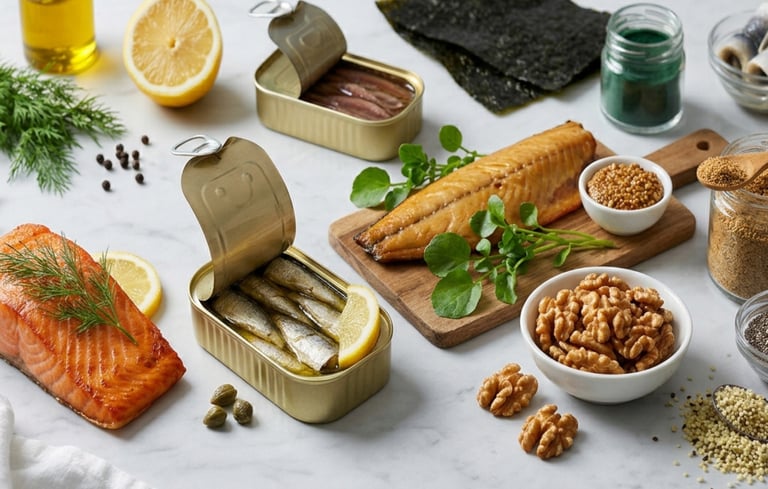
Fish oil only gives you EPA and DHA. Wild salmon also gives astaxanthin, vitamin D, selenium. 10 omega-3 foods for inflammation — are they better than supplements?
by BiteBrightly
5/19/202615 min read
Omega-3 Foods for Inflammation: Better Than Fish Oil?
By BiteBrightly 19 May 2026: This post might contain affiliate links.
Walk into any pharmacy or health food store and you will find an entire shelf dedicated to fish oil capsules — omega-3 supplements marketed for heart health, joint pain, brain function, and inflammation. The global fish oil supplement market is worth billions of dollars annually. And yet, the research tells a nuanced and often surprising story: for many people, the right omega-3-rich foods may deliver more comprehensive anti-inflammatory benefits than a fish oil capsule — not despite containing omega-3, but because of everything they contain alongside it.
This is not an argument against fish oil supplements, which have genuine clinical evidence behind them. It is an argument for understanding where omega-3 actually comes from, how it works in your body, why food sources often deliver it in a superior biological context, and which specific foods provide the most anti-inflammatory omega-3 available.
Key Takeaways
Omega-3 fatty acids exist in three forms: ALA (alpha-linolenic acid) from plant sources, and EPA (eicosapentaenoic acid) and DHA (docosahexaenoic acid) from marine sources. EPA and DHA are the forms most directly active in reducing inflammation — ALA must be converted to EPA and DHA by the body, and this conversion is inefficient (approximately 5–10% for EPA, less than 1% for DHA)
The anti-inflammatory mechanism of EPA and DHA is well understood: they compete with arachidonic acid (omega-6) for the COX and LOX enzymes that produce inflammatory eicosanoids, shifting production toward less inflammatory prostaglandins and producing specialised pro-resolving mediators (SPMs) including resolvins, protectins, and maresins
Research published in the New England Journal of Medicine found that omega-3 supplementation from food sources alongside a Mediterranean dietary pattern produced significantly greater reductions in cardiovascular inflammatory markers than supplementation alone — suggesting that food context matters for anti-inflammatory outcomes
Wild-caught salmon provides not only EPA and DHA but astaxanthin (one of the most potent antioxidants known), vitamin D, selenium, and vitamin B12 — compounds that synergistically enhance omega-3's anti-inflammatory activity in ways that isolated fish oil cannot replicate
Sardines are the most cost-effective, most sustainable, and most nutritionally complete omega-3 food available — providing 1.8g of EPA and DHA per 100g alongside calcium from bones, vitamin D, and B12
A landmark meta-analysis confirmed that consuming omega-3 from whole food sources was associated with significantly lower all-cause mortality and cardiovascular mortality than matched populations not consuming omega-3 foods — establishing whole food omega-3 as one of the most evidence-supported dietary interventions available
Understanding Omega-3 and Inflammation
The Eicosanoid Balance
Inflammation is not inherently bad. Acute inflammation — the redness, heat, and swelling after an injury or infection — is your immune system working exactly as designed. The problem is chronic, low-grade inflammation that persists without a specific trigger and slowly damages tissues, disrupts insulin signalling, promotes atherosclerosis, and is increasingly recognised as an underlying driver of heart disease, type 2 diabetes, Alzheimer's disease, and several cancers.
At the molecular centre of this distinction is the balance between two types of fatty acids:
Omega-6 fatty acids (particularly arachidonic acid from animal foods, and linoleic acid from industrial seed oils) are precursors to pro-inflammatory eicosanoids — prostaglandins, leukotrienes, and thromboxanes that promote inflammation, pain, blood clotting, and immune activation.
Omega-3 fatty acids (particularly EPA and DHA) compete with omega-6 for the exact same enzymes (COX-1, COX-2, and LOX) that produce eicosanoids. When EPA and DHA occupy these enzymes instead of arachidonic acid, they produce a different set of eicosanoids — ones with dramatically lower inflammatory potency. EPA and DHA also directly produce specialised pro-resolving mediators (SPMs) — a newly discovered class of signalling molecules (resolvins E1 and E2, protectins, maresins) that actively resolve inflammation rather than simply reducing it.
This is fundamentally different from how anti-inflammatory drugs work. NSAIDs like ibuprofen block COX enzymes entirely, shutting down both pro-inflammatory and pro-resolving eicosanoid production. Omega-3 from food works by shifting the balance of eicosanoid production toward less inflammatory and more pro-resolving compounds — working with your body's inflammatory regulation rather than suppressing it.
The Omega-6 to Omega-3 Ratio Problem
The ratio of omega-6 to omega-3 in the modern Western diet is estimated at approximately 15:1 to 20:1. Archaeological and anthropological evidence suggests the ratio in our evolutionary dietary history was approximately 4:1 or lower. This shift — driven primarily by the industrial introduction of vegetable oils (soybean, corn, sunflower, canola) rich in omega-6 linoleic acid — has fundamentally changed the eicosanoid balance toward chronic pro-inflammatory signalling.
Increasing omega-3 intake from food is the most effective way to shift this ratio in the anti-inflammatory direction. Every meal containing EPA and DHA from fatty fish, or every snack containing ALA from walnuts and flaxseed, moves the ratio slightly. Over hundreds of daily meals and snacks, this cumulative shift produces a measurable change in the inflammatory tone of your entire body.
Why Food May Outperform Isolated Supplements
Fish oil capsules provide concentrated EPA and DHA — this is genuinely valuable, particularly for people who cannot or do not eat fatty fish. But food sources of omega-3 provide EPA and DHA in a biological context that includes:
Astaxanthin (in wild salmon): protects the omega-3 fatty acids from oxidation both in the fish and in your body, and has its own potent anti-inflammatory activity through NF-kB inhibition
Vitamin D (in salmon and sardines): synergises with omega-3 in regulating the immune response that drives chronic inflammation
Selenium (in salmon and tuna): required for glutathione peroxidase — the primary antioxidant enzyme that prevents omega-3 from being oxidised before it can exert its anti-inflammatory effects
Protein (in all fish and meat sources): provides the amino acid building blocks for the resolution-phase proteins your immune system uses to end inflammatory responses
The food matrix: the phospholipid form of omega-3 in fish (as opposed to the triglyceride form in most fish oil capsules) may be absorbed more efficiently, particularly for DHA delivery to the brain
This does not make fish oil supplements useless — they have clinical evidence, convenience, and an important role for people with specific health conditions or who cannot eat fish. It means that for people who can eat the foods in this guide, doing so provides the complete biological context for omega-3's anti-inflammatory activity, not just the isolated fatty acid.
The Best Omega-3 Foods for Inflammation
1. Wild-Caught Salmon
Wild-caught salmon is the gold standard of anti-inflammatory omega-3 foods — providing 1.5–2.2g of EPA and DHA per 85g serving alongside astaxanthin, vitamin D (447 IU per serving — a meaningful contribution to the daily requirement), selenium, and B vitamins in a combination that no supplement can replicate.
The wild versus farmed distinction matters: Wild-caught salmon contains significantly more omega-3 per gram than farmed salmon, because wild salmon eat krill and smaller fish that are themselves rich in omega-3 and astaxanthin. Farmed salmon's omega-3 content depends on what it is fed — and as fish meal has become more expensive, many farmed salmon operations have increased the proportion of plant-based feed, reducing both omega-3 content and astaxanthin levels.
The astaxanthin advantage: Astaxanthin — the carotenoid pigment that gives wild salmon its vivid pink-orange colour — is not just a marker of nutritional quality. It is one of the most potent natural antioxidants identified, approximately 6,000 times more powerful than vitamin C as a free radical scavenger. In the context of omega-3 and inflammation, astaxanthin directly inhibits NF-kB (the master inflammatory transcription factor), reduces the oxidation of EPA and DHA that occurs both during digestion and in tissues, and has its own independent anti-inflammatory mechanism through AP-1 and COX-2 inhibition.
How to use it: Two to three servings of wild-caught salmon per week — baked, poached, or grilled with olive oil and herbs — provides the foundational omega-3 intake recommended by the American Heart Association. Canned wild-caught salmon is a convenient and cost-effective alternative that retains the full omega-3, astaxanthin, and vitamin D content of fresh.
2. Sardines
Sardines are arguably the most underrated anti-inflammatory food available — small, affordable, sustainable, and providing one of the highest EPA and DHA concentrations of any fish alongside a unique complete nutritional profile that makes them superior to many more glamorous options.
The nutritional case for sardines: One tin of sardines (approximately 100g) provides approximately 1.8g of EPA and DHA — comparable to a serving of salmon. It also provides 351mg of calcium from the soft, edible bones (35% of the daily requirement — making sardines one of the few non-dairy calcium sources), vitamin D (272 IU), B12 (8.2mcg — 342% of the daily requirement), selenium, and a full complement of B vitamins. No single-ingredient supplement provides this breadth of anti-inflammatory-supporting nutrients simultaneously.
The sustainability advantage: Sardines are among the most sustainably harvested fish in the world — small, fast-reproducing, and low on the food chain. They do not accumulate the mercury and other heavy metals that can be a concern with larger, longer-lived predatory fish like tuna and swordfish. This makes sardines the fish that can be eaten most frequently and most safely, without the mercury considerations that limit larger fish consumption.
How to use them: Sardines on whole grain toast with lemon and mustard. Sardines in a salad with olives, tomatoes, and capers. Sardines mashed with avocado on crackers. The strong flavour of sardines in olive oil is naturally mitigated by acidic companions — lemon juice, vinegar, capers — making them genuinely delicious in a well-constructed dish rather than the challenging food many people expect from canned fish.
3. Mackerel
Mackerel provides the highest EPA and DHA content of any commonly eaten fish — approximately 2.5g per 100g serving — alongside the complete B-vitamin complex, coenzyme Q10 (important for mitochondrial energy production and cardiovascular health), and selenium.
Why mackerel's omega-3 content is so high: Mackerel is a cold-water pelagic fish that accumulates omega-3 from its diet of plankton and smaller fish at a rate that exceeds most other commonly eaten species. The cold ocean environment means mackerel needs high concentrations of omega-3 to maintain membrane fluidity at low temperatures — the same evolutionary pressure that makes all cold-water fish rich in EPA and DHA.
The CoQ10 bonus: Coenzyme Q10 is a fat-soluble compound produced by every cell in the body and used in mitochondrial energy production. It also functions as a lipid-soluble antioxidant that specifically protects cell membranes — including the membranes where omega-3 fatty acids are incorporated — from oxidative damage. The CoQ10 in mackerel provides additional protection for the omega-3's anti-inflammatory activity.
How to use it: Fresh mackerel is best grilled with lemon, garlic, and herbs. Smoked mackerel is a convenient option that retains full omega-3 content and works beautifully in salads, on toast with cream cheese, or flaked into pasta. Tinned mackerel provides excellent omega-3 at a very affordable price point.
4. Anchovies
Anchovies are a concentrated omega-3 source — providing approximately 2.1g of EPA and DHA per 100g — in a form that is used in small amounts as a flavour enhancer rather than eaten as a main protein. This means anchovies contribute meaningful omega-3 to many dishes without being the primary ingredient.
The umami delivery mechanism: The glutamates in anchovies produce the umami flavour that enhances the depth of tomato sauces, dressings, stews, and marinades. When anchovies are cooked into a sauce, they dissolve completely — leaving no fishy taste, only umami depth — while delivering their omega-3 into the dish. A Caesar dressing with anchovy paste, a tomato sauce with two anchovy fillets, a salad Niçoise with whole anchovy fillets — all provide meaningful omega-3 to people who do not consider themselves fish eaters.
How to use them: Melt 2–3 anchovy fillets in olive oil at the start of cooking any tomato-based sauce. Add anchovy paste to salad dressings. Use whole anchovy fillets in a Niçoise salad. Include on pizza alongside olives for a complete anti-inflammatory Mediterranean combination.
5. Herring
Herring is one of the most omega-3-rich and most affordable fish available — 1.7g of EPA and DHA per 85g serving — and is consumed extensively across Northern European cuisines in forms (pickled, smoked, marinated) that preserve its full omega-3 content while providing genuinely distinctive flavours.
The pickling and smoking advantage: Unlike some preparation methods that can reduce omega-3 content through high-heat oxidation, pickling and cold-smoking preserve EPA and DHA almost completely. Pickled herring (rollmops or gravlax-style preparations) and cold-smoked kippers provide the full omega-3 content of fresh herring alongside fermentation-related compounds that support gut health.
How to use it: Pickled herring on rye bread with mustard and dill. Smoked kippers with poached eggs for an omega-3-rich breakfast. Herring fillets in a Scandinavian-style salad with apple, cucumber, and dill.
6. Walnuts
Walnuts are the richest plant-based source of ALA omega-3 — providing 2.5g per 28g serving (a small handful). While ALA converts to EPA and DHA at low efficiency, walnuts provide additional anti-inflammatory compounds that complement the omega-3's activity.
The ellagitannin advantage: Walnuts contain ellagitannins — polyphenols that gut bacteria convert to urolithin A. Urolithin A activates SIRT1 (a longevity-associated protein that deactivates NF-kB inflammatory signalling) and promotes mitophagy (cellular cleanup that removes dysfunctional mitochondria generating inflammatory oxidative stress). The combination of ALA omega-3 and ellagitannin-derived urolithin A provides anti-inflammatory activity through two completely separate pathways — the fatty acid eicosanoid pathway and the SIRT1 transcription pathway.
Walnuts additionally contain melatonin (the only commonly eaten food to contain physiologically meaningful melatonin), which has its own anti-inflammatory activity through AMPK activation and NF-kB suppression, and BDNF-stimulating polyphenols that support neurological anti-inflammatory pathways.
How to use them: A small handful (approximately 28g — about 7 walnut halves) daily on oatmeal, yogurt, or salads. Walnut butter as an alternative to almond or peanut butter. Walnuts in baked goods, grain bowls, and savoury dishes.
7. Flaxseed (Ground)
Ground flaxseed is the most concentrated plant source of ALA omega-3 — providing 2,400mg per tablespoon — alongside lignans with plant sterol-like activity, soluble fibre for gut microbiome support, and mucilage that soothes and protects the intestinal lining.
The critical ground versus whole distinction: Whole flaxseeds have a hard outer shell that prevents digestive enzymes from accessing the ALA inside — they pass through the intestine essentially undigested. Ground flaxseed (freshly ground or pre-ground, stored in the fridge to prevent ALA oxidation) is fully bioavailable. This is one of the most practically important food preparation distinctions in this entire guide — buying whole flaxseed and eating it whole provides almost none of the omega-3 benefit.
The lignan anti-inflammatory mechanism: Flaxseed lignans (secoisolariciresinol diglucoside — the richest dietary lignan source available) are converted by gut bacteria to enterolignans with anti-estrogenic and anti-inflammatory activity. They directly inhibit NF-kB and have demonstrated anti-inflammatory effects in the gut lining specifically, making ground flaxseed particularly valuable for people with gut-related inflammatory conditions.
How to use it: One to two tablespoons stirred into oatmeal, yogurt, or smoothies daily. Blended into energy balls or baked goods. Mixed into salad dressings or stirred into soups after cooking (heat can slightly reduce ALA potency). Store ground flaxseed in a sealed container in the fridge — ALA oxidises readily when exposed to air and light.
8. Chia Seeds
Chia seeds provide 4.9g of ALA per two-tablespoon serving — more ALA per gram than any other food — alongside the hydrogel properties that make them uniquely valuable for sustained nutrient delivery and the anti-inflammatory quercetin and kaempferol flavonoids that complement their omega-3 activity.
The hydrogel-omega-3 combination: Chia seeds absorb approximately 10–12 times their weight in water, forming a hydrogel that releases nutrients (including ALA) gradually as it moves through the digestive system. This sustained release means ALA from chia seeds is absorbed more gradually and consistently than from flaxseed or most other sources — potentially improving the efficiency of conversion to EPA and DHA by maintaining a steady substrate supply.
How to use them: Chia pudding soaked overnight in plant milk. Added to smoothies. Sprinkled on salads, oatmeal, and yogurt. In baked goods. Unlike flaxseed, chia seeds can be consumed whole — the outer shell is permeable to water and does not prevent absorption.
9. Hemp Seeds
Hemp seeds provide a complete omega-3 profile — ALA alongside a small amount of GLA (gamma-linolenic acid) — in addition to providing the only plant food with all nine essential amino acids in a near-ideal ratio for human nutrition. Three tablespoons provide 10g of complete protein alongside approximately 3g of omega-3 ALA.
The GLA addition: GLA is an omega-6 fatty acid, but an unusual one — it is converted in the body to DGLA rather than the inflammatory arachidonic acid that most omega-6 fatty acids produce. DGLA competes with arachidonic acid for COX enzymes and produces significantly less inflammatory prostaglandins. Hemp seeds thus provide both anti-inflammatory omega-3 and an unusual anti-inflammatory omega-6, making their fatty acid profile uniquely balanced.
How to use them: Three tablespoons on any salad, in any smoothie, or stirred into oatmeal provides 10g of complete protein alongside meaningful ALA omega-3. Hemp seeds have a mild, slightly nutty flavour that works in both sweet and savoury contexts.
10. Seaweed and Algae (Nori, Spirulina, Chlorella)
Marine algae are the original source of EPA and DHA in the food chain — fish are rich in omega-3 because they eat algae or eat smaller creatures that eat algae. Algae thus provide the EPA and DHA that fish oil provides, in a plant-based form that is appropriate for vegetarians and vegans.
The original source advantage: Algae-derived omega-3 supplements (algal oil) are increasingly recognised as equivalent to fish oil for EPA and DHA delivery — without the sustainability concerns and mercury risks associated with fish and fish oil. Nori (the seaweed used to wrap sushi) provides small but meaningful EPA. Spirulina and chlorella provide ALA alongside the blue pigment phycocyanin, which has documented NF-kB inhibitory anti-inflammatory activity.
How to use them: Nori sheets as a snack or sushi wrapper. Spirulina powder in smoothies (1 teaspoon provides a meaningful dose of phycocyanin anti-inflammatory pigment). Chlorella tablets as a supplement. Algal oil supplements for people who do not eat fish but want EPA and DHA at therapeutic doses.
So — Are Omega-3 Foods Better Than Fish Oil?
The honest answer is nuanced.
Omega-3 foods are superior when:
You eat fatty fish two to three times per week and genuinely enjoy them — the synergistic nutrients (astaxanthin, vitamin D, selenium, B12) in whole fish provide anti-inflammatory context that isolated EPA and DHA cannot
You are managing general inflammatory risk rather than a specific diagnosed condition
You want the sustainability, food enjoyment, and complete nutritional benefit of whole food eating
You are a healthy adult without significantly elevated inflammatory markers or cardiovascular risk
Fish oil supplements are valuable when:
You cannot or will not eat fatty fish consistently
You have a diagnosed condition (rheumatoid arthritis, high triglycerides, elevated cardiovascular risk) where specific clinical doses of EPA and DHA have been prescribed or recommended by your doctor
You need consistent, measured doses that food sources cannot reliably provide
You are pregnant or breastfeeding and need supplemental DHA for foetal brain development alongside dietary sources
The ideal approach for most people: Eat fatty fish two to three times per week, consume plant-based omega-3 (walnuts, flaxseed, chia seeds) daily, and consider an algal oil supplement if you are plant-based or if your fish intake is consistently below the recommended amount.
The Anti-Inflammatory Omega-3 Day
Breakfast: Overnight oats with 1 tablespoon ground flaxseed, 1 tablespoon chia seeds, walnuts, and berries
Lunch: Large leafy green salad with sardines (or smoked mackerel), avocado, cherry tomatoes, olives, and a lemon-olive oil dressing with anchovy paste
Dinner: Baked wild salmon with roasted vegetables and a small portion of brown rice
Snacks: A small handful of walnuts, a nori snack sheet, a smoothie with hemp seeds and spirulina
This day provides approximately 3–4g of EPA and DHA from the fish alongside 6–8g of ALA from plant sources — a genuinely anti-inflammatory dietary pattern backed by the same evidence as the Mediterranean diet that has produced the most consistent cardiovascular benefit in clinical trials.
Frequently Asked Questions
How much EPA and DHA do I actually need?
The American Heart Association recommends eating fatty fish at least twice weekly — providing approximately 500mg of EPA and DHA per day from food. For people with diagnosed heart disease, up to 1g of EPA and DHA daily (from food or supplements) is commonly recommended. For specific conditions like hypertriglyceridaemia, clinically prescribed doses of 2–4g daily are used under medical supervision. Most healthy adults eating fatty fish twice weekly alongside daily plant-based omega-3 sources will meet the general population recommendation from food alone.
Does cooking destroy omega-3?
High heat can oxidise omega-3 fatty acids, reducing their anti-inflammatory potency. For maximum omega-3 preservation: bake or grill fish at moderate temperatures (180–200°C) rather than deep-frying, avoid very high heat and prolonged cooking, and add heat-sensitive omega-3 foods (ground flaxseed, chia seeds) after cooking rather than during. Canned fish (sardines, salmon, mackerel, tuna) retains its omega-3 content extremely well — the canning process does not significantly reduce EPA and DHA levels.
Is there a mercury concern with eating fish frequently?
Mercury accumulates in fish through a process called biomagnification — larger, longer-lived predatory fish accumulate more mercury than smaller, shorter-lived fish. The highest mercury fish (shark, swordfish, king mackerel, tilefish) should be limited particularly by pregnant women and young children. The fish most recommended for regular omega-3 intake — sardines, salmon, mackerel (Atlantic, not king), herring, and anchovies — are all low in mercury and safe to eat multiple times per week. Canned light tuna is also low in mercury; canned albacore (white) tuna is moderately higher and should be consumed in moderation.
Can I get enough omega-3 from plant sources alone?
For people following vegetarian or vegan diets, plant-based ALA from walnuts, flaxseed, and chia seeds provides a meaningful substrate for EPA and DHA conversion — but the conversion efficiency is low (approximately 5–10% of ALA converts to EPA; less than 1% to DHA). For this reason, vegetarians and vegans who want to ensure adequate EPA and DHA intake — particularly DHA, which is critical for brain structure and function — are best served by algal oil supplements that provide EPA and DHA directly, without the conversion inefficiency of ALA. This is what fish eat to become omega-3 rich — and it is nutritionally equivalent to fish oil.
References and Further Reading
Estruch R et al. — New England Journal of Medicine (2013) — Primary Prevention of Cardiovascular Disease with a Mediterranean Diet The landmark PREDIMED trial establishing that a Mediterranean diet rich in olive oil and nuts — both containing anti-inflammatory fatty acids alongside a full food matrix — significantly reduced major cardiovascular events compared to a low-fat diet, supporting the food-context superiority of anti-inflammatory fatty acids from whole food sources.
Calder PC — Biochemical Society Transactions (2020) — Omega-3 polyunsaturated fatty acids and inflammatory processes Comprehensive review of omega-3 anti-inflammatory mechanisms — including eicosanoid competition, specialised pro-resolving mediator production, and NF-kB inhibition — establishing the mechanistic basis for omega-3's anti-inflammatory clinical effects.
Mozaffarian D and Rimm EB — Journal of the American Medical Association (2006) — Fish intake, contaminants, and human health: evaluating the risks and the benefits Landmark analysis of the benefits and risks of fish consumption — confirming that the cardiovascular and anti-inflammatory benefits of eating fatty fish substantially outweigh the mercury risks for most population groups, and establishing the evidence base for fish as the preferred omega-3 source.
Calder PC — Nutrients (2017) — Omega-3 fatty acids and inflammatory processes: from molecules to man Review establishing the specific anti-inflammatory mechanisms of EPA and DHA including specialised pro-resolving mediator production — the most current mechanistic understanding of how omega-3 foods and supplements reduce inflammation at the molecular level.
About the Author
I'm Judith, a wellness enthusiast and Applied Bio Sciences and Biotechnology graduate behind BiteBrightly. With a deep-rooted belief in the healing power of food, my nutrition journey began with a personal transformation — I improved my eyesight through targeted dietary changes. This life-changing experience sparked my mission to empower others by sharing evidence-based insights into food as medicine.
Drawing on my scientific background, personal experience, and ongoing research into nutrition and health, I focus on breaking down complex health topics into clear, practical, and actionable guidance. My approach combines scientific credibility with real-world application, making evidence-based nutrition accessible to everyone.
Follow me on Pinterest for daily health tips, recipes, and wellness inspiration.
Important Notice: The information in this article is for educational purposes only and is not intended as medical advice. I am not a medical doctor, registered dietitian, or licensed healthcare practitioner. Omega-3 supplementation at therapeutic doses — particularly for people with cardiovascular disease, inflammatory conditions, or those taking blood-thinning medications — should be discussed with a qualified healthcare provider, as high-dose omega-3 can interact with anticoagulant medications and affect bleeding risk. Do not stop or reduce prescribed medications based on dietary changes without medical supervision. Pregnant and breastfeeding women should discuss omega-3 intake with their healthcare provider. These statements have not been evaluated by the FDA.
Connect
Join our newsletter for fresh health tips
© 2026. All rights reserved.