Foods That Boost Testosterone Naturally (For Men)
Vitamin D deficiency is associated with lower testosterone in research. Excess sugar drives aromatase. 15 testosterone-supporting foods + what lowers it.
by BiteBrightly
7/12/202612 min read
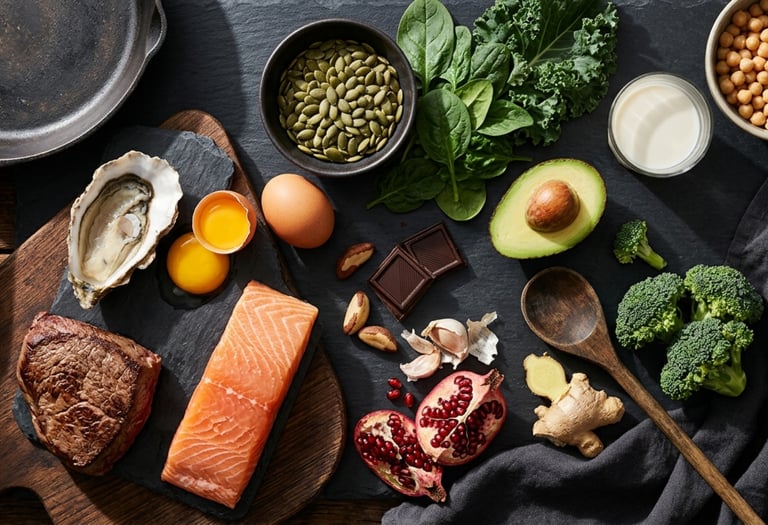
Foods That Boost Testosterone Naturally (For Men)
By BiteBrightly 12 July 2026: This post might contain affiliate links.
Testosterone is the primary male sex hormone — responsible for muscle mass and strength, bone density, libido, sperm production, energy levels, mood, and cognitive function. It peaks in early adulthood and naturally declines by approximately 1–2% per year after the age of 30, a gradual process that is normal but that becomes more noticeable over decades.
Before getting into food, one thing needs to be stated clearly: food cannot dramatically "boost" testosterone in men whose levels are already in a healthy range. What the research actually shows — and what this guide is genuinely about — is that specific nutritional deficiencies are associated with lower testosterone levels, and correcting those deficiencies through diet can restore levels toward their natural healthy baseline. This is a meaningful and clinically relevant distinction. For men with adequate nutrition, adding more of these foods is unlikely to push testosterone beyond what is appropriate for their age and health. For men with suboptimal levels partly driven by nutritional gaps — and given that zinc, magnesium, and vitamin D deficiencies are common among men — the dietary changes in this guide are genuinely worth making.
Clinically low testosterone (hypogonadism) is a medical condition that requires diagnosis and management by a doctor. This guide addresses nutritional support for men who want to maintain healthy testosterone levels naturally — not a treatment for diagnosed deficiency.
Key Takeaways
Approximately 48% of US men consume less than the recommended daily amount of magnesium (400–420 mg/day), and magnesium participates directly in testosterone biosynthesis alongside sleep regulation and cortisol control — two additional pathways that influence testosterone levels
Testosterone production depends on dietary cholesterol and specific micronutrient cofactors — zinc, magnesium, and vitamin D — that support Leydig cell function in the testes; dietary fat is not the enemy of testosterone, it is a required substrate
Foods that lower testosterone include alcohol (reduces Leydig cell function), processed foods high in trans fats, excess sugar driving insulin resistance, and potentially very high soy isoflavone intake — though the soy evidence is more nuanced than commonly claimed
Resistance exercise is the most consistently evidenced lifestyle intervention for maintaining testosterone levels — food and exercise work together, and neither fully compensates for the absence of the other
How Testosterone Is Produced — The Basics
Testosterone is produced primarily in the Leydig cells of the testes, with a smaller amount produced in the adrenal glands. The production process follows a hormonal cascade: the hypothalamus releases gonadotropin-releasing hormone (GnRH), which signals the pituitary gland to release luteinising hormone (LH), which in turn signals the Leydig cells to produce testosterone.
The raw material for testosterone synthesis is cholesterol — making dietary fat not only non-harmful but genuinely necessary for testosterone production. Chronically low-fat diets have been associated with lower testosterone levels in research.
Three nutrients are most directly involved in supporting the enzymatic machinery of testosterone production:
Zinc is required at multiple steps in testosterone synthesis and is also a natural inhibitor of aromatase — the enzyme that converts testosterone to oestrogen. Low zinc allows more testosterone to be converted to oestrogen. The testes themselves have very high zinc concentrations, reflecting their zinc dependency.
Magnesium participates directly in testosterone biosynthesis and also influences testosterone through two secondary pathways: it supports sleep quality (deep sleep is when the majority of the day's testosterone is produced via pulsatile LH release), and it helps regulate cortisol — with chronically elevated cortisol being one of the most consistent suppressors of testosterone production.
Vitamin D is not strictly a vitamin but a steroid hormone precursor, and vitamin D receptors are present in Leydig cells, suggesting a direct pathway between vitamin D status and testosterone production. Research consistently shows that men with low vitamin D have lower testosterone, and that correcting vitamin D deficiency in deficient men is associated with improved testosterone levels.
The Key Nutrients for Natural Testosterone Support
Zinc — The Testosterone Mineral
Zinc's connection to testosterone is one of the better-evidenced nutrient-hormone relationships available. Zinc deficiency consistently produces reductions in testosterone, and the mechanism is not mysterious — zinc is a required cofactor in the enzymatic steps of testosterone synthesis, is required for LH receptor function in Leydig cells, and inhibits aromatase.
Daily requirement: 11mg for adult men (RDA) Upper tolerable limit: 40mg/day — excess zinc inhibits copper absorption
Best food sources:
Oysters: 74mg per 100g — by far the most zinc-dense food available
Beef (particularly liver and lean cuts): 4–12mg per 100g
Crab and lobster: 3–7mg per 100g
Pumpkin seeds: 2.2mg per 28g
Chicken (dark meat): approximately 2.4mg per 100g
Legumes (chickpeas, lentils): 1–2mg per cooked cup
Hemp seeds: 3mg per 28g
Cashews and nuts: 1.6mg per 28g
Magnesium — The Sleep and Stress Regulator
Approximately 48% of men consume less than the magnesium RDA — making it one of the most commonly insufficient nutrients in men's diets. Magnesium's direct role in testosterone biosynthesis is supported by research showing significant positive correlation between magnesium levels and testosterone in men. Equally importantly, magnesium's role in sleep quality and cortisol regulation means its testosterone effect operates through multiple pathways.
Daily requirement: 400–420mg for adult men Note: Absorption is more efficient from food than supplements; of supplement forms, glycinate and citrate are better absorbed than oxide
Best food sources:
Pumpkin seeds: 156mg per 28g (one of the highest-magnesium foods per gram available)
Dark chocolate 70%+: 64mg per 28g
Spinach (cooked): 157mg per cooked cup
Black beans: 120mg per cooked cup
Avocado: 58mg per medium avocado
Almonds: 80mg per 28g
Quinoa: 118mg per cooked cup
Whole wheat and brown rice: 84mg and 84mg per cooked cup respectively
Banana: 37mg per medium banana
Vitamin D — The Steroid Hormone Precursor
Vitamin D's role in testosterone support is one of the more consistently evidenced relationships in men's nutritional health — with large observational studies and intervention trials consistently associating low vitamin D with lower testosterone, and with supplementation studies showing beneficial effects in deficient men. The mechanism involves direct action on Leydig cell function through vitamin D receptors present in testicular tissue.
Daily requirement: 600–800 IU (standard RDA), though many researchers and clinicians recommend 1,000–2,000 IU, particularly in winter and northern latitudes Best assessed through: Blood test (25-OH vitamin D)
Best food sources:
Wild salmon: 400–600 IU per 100g
Tinned sardines: ~270 IU per 100g
Egg yolks: ~37 IU per yolk
Fortified milk and plant milks: ~100–120 IU per cup
The honest note: Meeting adequate vitamin D from food alone is very difficult — sunlight and supplementation are often necessary, particularly in winter at northern latitudes.
Dietary Fat and Cholesterol — The Raw Material
Testosterone is synthesised from cholesterol. Men following chronically low-fat diets have been found to have lower testosterone levels in several studies. This does not mean high saturated fat intake is advisable — it means that dietary fat is genuinely necessary for testosterone production, and very low-fat diets are not conducive to healthy testosterone levels.
Healthy fat sources particularly relevant to testosterone:
Olive oil (oleic acid, anti-inflammatory)
Avocado (monounsaturated fat)
Eggs (dietary cholesterol — the testosterone raw material alongside complete protein and zinc)
Oily fish (omega-3, anti-inflammatory — reducing the chronic inflammation that suppresses testosterone)
Nuts and seeds (mixed healthy fats + zinc + magnesium)
15 Foods That Support Natural Testosterone Levels
1. Oysters
The single most zinc-concentrated food available — 74mg of zinc per 100g, far exceeding the 11mg daily RDA in a single serving. Oysters also provide B12, iron, and selenium. Their association with male sexual health through history is not entirely coincidental — the zinc-testosterone connection is real and oysters are the most concentrated source of it.
2. Eggs
One of the most testosterone-supportive complete foods available. Egg yolks provide dietary cholesterol (the raw material for testosterone synthesis), vitamin D, zinc, and selenium. Research showing that whole eggs are superior to egg whites for hormonal support reflects the fact that the relevant nutrients are almost entirely in the yolk. Eggs also provide complete protein for muscle support alongside the hormonal benefits.
3. Wild Salmon and Oily Fish
Provides vitamin D alongside omega-3 fatty acids (EPA and DHA) that reduce chronic inflammation — relevant because elevated inflammatory markers (particularly IL-6 and TNF-alpha) are associated with lower testosterone. The vitamin D content addresses what is often the most prevalent nutritional gap for testosterone in northern-region men.
4. Lean Beef (Grass-Fed)
Provides zinc (approximately 6–8mg per 100g in lean cuts), complete protein, B12, creatine, and iron. Grass-fed beef provides a more favourable omega-6:omega-3 ratio than grain-fed beef. Red meat's zinc and protein content makes it one of the most directly testosterone-relevant animal foods — though moderation alongside plant-based zinc and protein sources is the balanced approach.
5. Pumpkin Seeds
One of the most nutritionally comprehensive foods for testosterone support from the plant kingdom — providing zinc (2.2mg per 28g), magnesium (156mg per 28g — one of the richest sources per gram), selenium, and healthy fats. A daily small handful addresses two of the three most critical testosterone-supporting minerals simultaneously.
6. Spinach and Dark Leafy Greens
Magnesium from spinach and Swiss chard alongside nitrates (which improve blood flow relevant to sexual function), folate, and iron. A cooked cup of spinach provides 157mg of magnesium — approximately 37% of the daily RDA for men in a single serving.
7. Avocado
Provides monounsaturated fat (a healthy fat substrate for hormone production), magnesium (58mg per medium avocado), vitamin E (relevant to testosterone synthesis and sperm health), and potassium. Also contains boron, a trace mineral with some emerging research connecting it to testosterone — with boron supplementation studies showing modest positive effects on free testosterone levels.
8. Dark Chocolate (70%+ Cacao)
One of the richest dietary magnesium sources (64mg per 28g) alongside zinc and cacao flavanols with antioxidant activity. A daily one to two squares of 70%+ dark chocolate provides a consistent contribution to magnesium intake — the most prevalent dietary deficiency in men specifically affecting testosterone.
9. Brazil Nuts
One to two Brazil nuts daily covers the full daily selenium requirement. Selenium's role in testosterone involves its requirement for the enzymatic systems in Leydig cells and for sperm production — testosterone and male reproductive function are both selenium-dependent. One to two nuts only — the selenium toxicity ceiling (400 mcg/day) is reachable with excessive Brazil nut consumption.
10. Garlic
Raw or freshly crushed garlic provides allicin, which research has associated with reductions in cortisol alongside testosterone support — the cortisol-testosterone relationship being inverse (high cortisol suppresses testosterone). Garlic's anti-inflammatory allicin compounds also reduce the chronic low-grade inflammation that is associated with testosterone suppression.
11. Pomegranate
A 2012 pilot study found that drinking pomegranate juice daily for two weeks was associated with a 24% increase in salivary testosterone in participants. While a single pilot study requires significant replication before being taken as established, pomegranate's anthocyanins and punicalagins have broader anti-inflammatory and antioxidant research behind them, and the anti-inflammatory pathway to testosterone support is well-evidenced.
12. Ginger
Research has found associations between ginger consumption and testosterone levels, with one study in rodents and some smaller human research suggesting ginger's anti-inflammatory and antioxidant properties may support Leydig cell function. The mechanisms are not fully established in human research, but ginger's general anti-inflammatory properties are well-evidenced and inflammation suppresses testosterone.
13. Cruciferous Vegetables (Broccoli, Cauliflower, Brussels Sprouts, Kale)
Provide indole-3-carbinol and diindolylmethane (DIM), compounds that support healthy oestrogen metabolism — helping the body clear excess oestrogen that, in elevated amounts in men, is associated with reduced testosterone. This oestrogen-clearance mechanism makes cruciferous vegetables indirectly but genuinely relevant to testosterone balance in men.
14. Fortified Plant Milks and Oat Milk
Provide vitamin D fortification alongside the carbohydrate and general nutritional context that supports consistent dietary intake. In the context of addressing vitamin D deficiency — which is directly associated with lower testosterone — consistent daily use of fortified drinks alongside other vitamin D sources is a practical habit.
15. Legumes (Chickpeas, Lentils, Black Beans)
Provide plant-based zinc, magnesium, and protein. While legume zinc absorbs less efficiently than meat-based zinc (due to phytate content), pairing legumes with vitamin C improves zinc absorption. Their magnesium content, B vitamins, and fibre contribute to the overall dietary pattern associated with healthy hormone levels.
Foods That Lower Testosterone — What the Research Shows
Alcohol
One of the most clearly evidenced testosterone suppressors in men. Alcohol directly reduces Leydig cell function, reduces LH pulsatility from the pituitary, and increases the conversion of testosterone to oestrogen. Heavy chronic alcohol use causes significant testosterone reduction; even moderate regular drinking shows negative associations with testosterone levels in large epidemiological research.
Ultra-Processed Foods and Trans Fats
Trans fats specifically have been associated with lower testosterone levels in research. The broader pattern of ultra-processed food consumption drives insulin resistance, systemic inflammation, and excess body fat — all of which suppress testosterone through multiple independent pathways.
Excess Sugar and High-Glycaemic Carbohydrates
Chronically elevated insulin from a high-sugar, high-refined-carbohydrate diet drives visceral fat accumulation, and visceral fat converts testosterone to oestrogen through aromatase enzyme activity. This creates a downward spiral — more visceral fat means more aromatisation of testosterone, which means lower testosterone, which makes visceral fat accumulation easier.
Soy — The Nuanced Picture
The concern that soy dramatically lowers testosterone in men through its phytoestrogens (isoflavones) has been overstated by the evidence. Most research on moderate soy food consumption (tofu, edamame, tempeh) does not show clinically meaningful testosterone reductions. Very high isoflavone intake from concentrated soy supplements is a different matter, and the evidence there is less clear. Normal dietary amounts of whole soy foods do not appear to meaningfully suppress testosterone in most men.
Chronic Sleep Deprivation
Not a food — but intimately connected to nutrition. The majority of the day's testosterone is produced during deep sleep through pulsatile LH release. Research has found that men sleeping 5 hours per night had 10–15% lower testosterone levels than those sleeping 7–9 hours. Magnesium's role in sleep quality makes dietary magnesium genuinely relevant to this pathway.
The Exercise Connection — Why Food and Movement Work Together
Resistance exercise is the most consistently evidenced lifestyle intervention for maintaining and supporting testosterone levels — specifically compound movements that recruit large muscle groups (squats, deadlifts, bench press, rows). The acute testosterone response to heavy resistance training is well-documented, and the longer-term adaptations include improved testosterone sensitivity in addition to acute responses.
Diet and exercise work synergistically for testosterone — adequate zinc, magnesium, vitamin D, and protein support the hormonal environment that exercise then optimises. Neither fully compensates for the absence of the other. The combination of a diet that addresses the most common nutritional gaps (zinc, magnesium, vitamin D) alongside consistent resistance training is more effective than either alone.
Testosterone and Age — What to Expect
Testosterone naturally declines at approximately 1–2% per year after age 30. By age 70, most men have testosterone levels approximately 30–50% lower than they did at 25. This is a normal physiological process — not a disease — though the symptoms (reduced muscle mass and strength, reduced bone density, lower energy, changes in mood and libido) are real and can meaningfully affect quality of life.
Nutritional strategies for testosterone support become proportionally more important with age because:
Zinc absorption efficiency declines with age
Vitamin D synthesis through skin becomes less efficient with age
Sleep quality typically declines with age, reducing the nocturnal testosterone production window
Magnesium deficiency becomes more common
For men over 40 experiencing symptoms of low testosterone that go beyond what seems consistent with normal ageing, a blood test to assess total and free testosterone (alongside SHBG, LH, FSH, and vitamin D levels) provides an accurate picture. This is a conversation to have with a doctor rather than a matter to address through nutrition alone.
Frequently Asked Questions
How quickly would dietary changes affect testosterone levels?
Correcting a nutritional deficiency (zinc, magnesium, or vitamin D) through diet takes weeks to months for the body's systems to respond. Vitamin D, in particular, has a relatively long half-life and takes several weeks of consistent dietary change or supplementation to shift blood levels meaningfully. This is not a "quick fix" — it is a sustainable long-term dietary pattern that maintains the nutritional environment for healthy testosterone production over time.
Should I take testosterone supplements or boosters?
Over-the-counter "testosterone boosters" vary enormously in their evidence base — many contain ingredients with limited human research at effective doses. The nutritional strategies in this guide (food-first approach to zinc, magnesium, and vitamin D) have more consistent evidence behind them than most supplement products. If you suspect clinically low testosterone (hypogonadism), the appropriate step is a blood test and a conversation with your doctor — not a supplement.
Is soy safe for men concerned about testosterone?
As covered above — normal dietary amounts of whole soy foods (tofu, edamame, tempeh) do not appear to meaningfully suppress testosterone in most men based on available research. Concerns about soy and testosterone have been substantially overstated. The dietary patterns most clearly associated with lower testosterone are high in alcohol, ultra-processed foods, excess sugar, and trans fats — not moderate whole soy consumption.
Does the Mediterranean diet support testosterone?
Yes — the Mediterranean diet's combination of healthy fats (olive oil, oily fish), zinc-providing seafood and legumes, magnesium-providing leafy greens and nuts, and anti-inflammatory polyphenols addresses multiple testosterone-supportive nutritional pathways simultaneously. It is also the dietary pattern with the strongest overall evidence for cardiovascular and metabolic health — and since cardiovascular and metabolic health are intimately connected to testosterone levels, this alignment is not coincidental.
References and Further Reading
Cureus (January 2026) — Integrative Natural Approaches for Age-Related Testosterone Decline: A Synergistic Framework Combining Exercise, Nutrition, and Bioactive Compounds Systematic review confirming vitamin D deficiency associated with reduced testosterone production, with supplementation studies showing beneficial effects in deficient individuals.
Journal of Trace Elements in Medicine and Biology (2023) — Correlation between serum zinc and testosterone: a systematic review Systematic review confirming positive correlation between serum zinc and testosterone levels and zinc's role in inhibiting aromatase.
PMC / Nutrients (2020) — Effects of dietary or supplementary micronutrients on sex hormones and IGF-1 in middle and older age: a systematic review and meta-analysis Meta-analysis confirming magnesium's positive associations with testosterone levels in men.
About the Author
I'm Judith, a wellness enthusiast and Applied Bio Sciences and Biotechnology graduate behind BiteBrightly. With a deep-rooted belief in the healing power of food, my nutrition journey began with a personal transformation — I improved my eyesight through targeted dietary changes. This life-changing experience sparked my mission to empower others by sharing evidence-based insights into food as medicine.
Follow me on Pinterest for daily health tips, recipes, and wellness inspiration.
Important Notice: The information in this article is for educational purposes only and is not intended as medical advice. I am not a medical doctor, endocrinologist, or registered dietitian. Clinically low testosterone (hypogonadism) is a medical condition requiring diagnosis and management by a qualified healthcare provider. Symptoms that may suggest clinically low testosterone — persistent fatigue, significantly reduced libido, loss of muscle mass, depression, or reduced bone density — should be investigated with a blood test and a conversation with a doctor, not addressed through dietary change alone. These statements have not been evaluated by the FDA.
Related posts
Connect
Join our newsletter for fresh health tips
© 2026. All rights reserved.