Anti-Inflammatory Snacks: 15 Recipes That Fight Inflammation While You Snack
PREDIMED trial: Mediterranean snacks reduced cardiovascular events significantly. Tart cherry matches ibuprofen for inflammation (RCT). 15 recipes that fight inflammation.
by BiteBrigthly
5/7/202624 min read
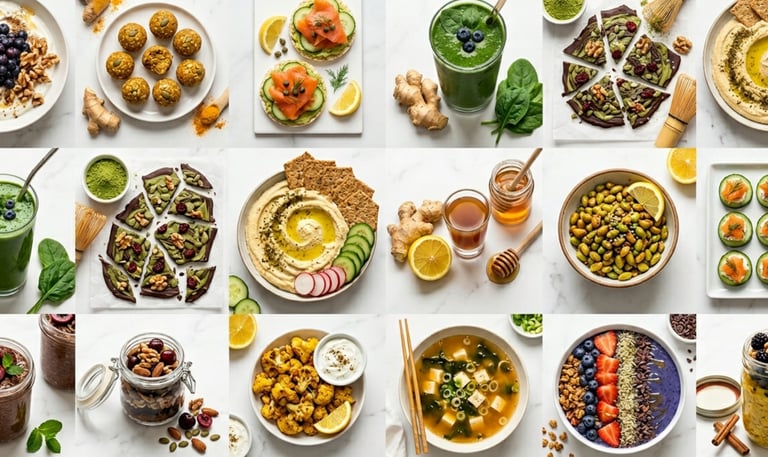
Anti-Inflammatory Snacks: 15 Recipes That Fight Inflammation While You Snack
By BiteBrightly 7 May 2026: This post might contain affiliate links.
Most people think of snacks as something to just get through the day — a quick fix between meals to stop the hunger from getting too bad. But snacks are actually one of the most underused opportunities to work on your health. You eat snacks two to three times per day, every day. That adds up to hundreds of snacking occasions every year. If those occasions are consistently anti-inflammatory, they become one of the most powerful dietary habits you have.
Chronic inflammation is the underlying driver of most of the major health conditions that affect people in the modern world — heart disease, type 2 diabetes, arthritis, Alzheimer's, certain cancers, and even depression. It is not the acute inflammation of a sprained ankle or a sore throat, which is healthy and necessary. It is the quiet, persistent, low-grade inflammation that burns in the background for months and years, slowly damaging blood vessels, disrupting insulin signalling, accelerating cellular aging, and promoting disease.
The foods you eat either feed this inflammation or fight it. Every snack you eat is a vote for one side or the other. This guide gives you 15 delicious, easy anti-inflammatory snack recipes — along with the specific science explaining why each one works — so that every snacking occasion becomes a genuine contribution to your long-term health.
Key Takeaways
Chronic inflammation is driven by four dietary patterns: excess omega-6 fatty acids from industrial seed oils, refined carbohydrates and sugar causing repeated insulin spikes, ultra-processed foods feeding gut dysbiosis, and inadequate antioxidant intake allowing oxidative stress to accumulate
The most potent anti-inflammatory dietary compounds — anthocyanins, curcumin, EGCG, omega-3, gingerols, sulforaphane, and resveratrol — are all available from delicious whole foods that make excellent snacks
The landmark PREDIMED trial found that a Mediterranean-style diet rich in olive oil, nuts, berries, and oily fish reduced inflammatory markers and major cardiovascular events significantly compared to a low-fat control diet — the dietary pattern of anti-inflammatory snacking is the same one with the strongest clinical evidence for disease prevention
NF-kB is the master transcription factor controlling over 400 inflammatory genes. The anthocyanins in blueberries, the curcumin in turmeric, and the EGCG in green tea all directly inhibit NF-kB — essentially turning down the volume on your entire inflammatory gene expression
Anti-inflammatory snacking is not about eating perfectly all the time. It is about consistently choosing snacks that reduce rather than promote inflammation — so that the cumulative effect over weeks and months shifts your baseline inflammatory state in the right direction
Research published in Cell found that increasing dietary diversity — eating a wider variety of plant foods — is the single strongest predictor of gut microbiome diversity, and gut microbiome diversity is directly linked to lower systemic inflammation and better immune regulation
How Anti-Inflammatory Snacks Work
Before the recipes, it helps to understand what inflammation actually is at the molecular level — because this makes the connection between specific foods and specific health outcomes genuinely clear.
The Inflammatory Signalling Cascade
When your body detects a threat — an injury, an infection, a toxin — immune cells release chemical messengers called cytokines: interleukin-6 (IL-6), tumour necrosis factor-alpha (TNF-alpha), and others. These cytokines trigger a chain of events that produces the classical signs of inflammation: redness, heat, swelling, pain.
At the centre of this cascade is a protein called NF-kB (nuclear factor kappa B). Think of NF-kB as the master on-switch for inflammation — it sits inside cells waiting for a trigger signal, and when it receives one, it travels to the cell's nucleus and activates hundreds of inflammatory genes simultaneously.
Anti-inflammatory foods work primarily by inhibiting NF-kB. Blueberry anthocyanins block the proteins that activate NF-kB. Turmeric curcumin directly inhibits NF-kB nuclear translocation. EGCG from green tea suppresses NF-kB signalling through multiple pathways. When these compounds are present from consistent dietary intake, the baseline level of NF-kB activation — and therefore the baseline level of inflammatory gene expression — is lower throughout the day.
The Omega-6 to Omega-3 Ratio
The modern Western diet contains a dramatically skewed ratio of omega-6 to omega-3 fatty acids — estimated at approximately 15:1 to 20:1, compared to the estimated 4:1 or lower ratio of our evolutionary dietary history. This matters because omega-6 fatty acids (abundant in industrial seed oils: sunflower, corn, soybean, canola) are precursors to pro-inflammatory eicosanoids, while omega-3 fatty acids (from fatty fish, walnuts, flaxseed, chia seeds) are precursors to anti-inflammatory eicosanoids.
Every time you choose a snack made with olive oil, walnuts, or salmon instead of one made with sunflower oil or refined seed oil, you are shifting this ratio in the anti-inflammatory direction. Over hundreds of snacking occasions, this cumulative shift produces a meaningful reduction in baseline systemic inflammation.
The Gut Microbiome Connection
The gut microbiome — the trillions of bacteria living in your digestive system — is directly involved in regulating systemic inflammation. A healthy, diverse microbiome produces short-chain fatty acids (SCFAs) from dietary fibre, particularly butyrate, which reduces gut barrier permeability and suppresses the production of inflammatory cytokines. When the gut microbiome is disrupted — by processed food, sugar, and lack of dietary fibre — harmful gram-negative bacteria produce endotoxins called LPS that leak through the gut wall into circulation, triggering a systemic inflammatory response.
Anti-inflammatory snacks that are high in prebiotic fibre (legumes, oats, vegetables) and contain live cultures (yogurt, kefir) directly support the gut microbiome that keeps this LPS-driven inflammation in check.
The 15 Best Anti-Inflammatory Snack Recipes
1. Wild Blueberry and Walnut Yogurt Bowl
This is the most comprehensively anti-inflammatory snack in the guide — combining the NF-kB inhibiting anthocyanins of wild blueberries, the SIRT1-activating polyphenols of walnuts, and the probiotic gut microbiome support of kefir in one genuinely beautiful bowl.
Why it works: Wild blueberries contain the highest anthocyanin concentration of any commonly eaten fruit — approximately double that of cultivated blueberries, because the more stressful growing conditions cause the plant to produce more protective pigments. These anthocyanins cross the blood-brain barrier and accumulate in the hippocampus and prefrontal cortex, where they activate BDNF and directly inhibit the NF-kB inflammatory pathway. Walnuts provide ALA omega-3 alongside ellagitannins that gut bacteria convert to urolithin A — a compound that activates SIRT1 (the longevity protein that deactivates NF-kB and drives cellular repair). Kefir's 30–50 probiotic strains reinforce the gut microbiome that keeps systemic inflammation in check.
Ingredients (serves 1):
¾ cup plain full-fat kefir or Greek yogurt
½ cup wild blueberries (fresh or frozen — frozen is fine and often more affordable year-round)
1 tablespoon raw walnuts, roughly chopped
1 teaspoon raw honey
1 teaspoon ground flaxseed
Optional: a few fresh mint leaves
How to make it:
Pour kefir or Greek yogurt into a wide bowl
Top with wild blueberries — frozen blueberries can go in straight from the freezer and will soften within 5 minutes while cooling the kefir
Scatter chopped walnuts and flaxseed over the top
Drizzle honey in a thin stream
Add fresh mint if using
Eat immediately or refrigerate for up to 30 minutes
Nutrition: Approximately 280 calories | 14g protein | 6g fibre | 14g healthy fat
Anti-inflammatory tip: Wild blueberries specifically — not regular cultivated blueberries — have significantly higher anthocyanin content. Frozen wild blueberries are widely available in supermarkets and are just as nutritionally valuable as fresh.
2. Golden Turmeric and Ginger Energy Bites
These no-bake energy bites concentrate the two most potent anti-inflammatory kitchen spices — turmeric and ginger — alongside the prebiotic fibre of oats and the healthy fat of coconut oil that is required to absorb curcumin efficiently.
Why it works: Curcumin — the active compound in turmeric — is one of the most studied natural anti-inflammatory compounds known. It directly inhibits NF-kB, blocks the COX-2 enzyme that produces inflammatory prostaglandins, and activates Nrf2 (the master antioxidant transcription factor). The critical caveat: curcumin has poor bioavailability on its own — only 1–2% is absorbed when consumed without fat or black pepper. Piperine from black pepper increases curcumin absorption by up to 2,000%, and fat from coconut oil enables micelle formation for fat-soluble compound absorption. Both are in this recipe. Gingerols from ground ginger inhibit the same COX enzymes as ibuprofen and directly disrupt bacterial adhesion to gut walls.
Ingredients (makes approximately 14 bites):
1 cup rolled oats
½ cup natural almond butter or cashew butter
3 tablespoons raw honey
2 tablespoons desiccated coconut (or coconut oil — 1 tablespoon)
1 teaspoon ground turmeric
½ teaspoon ground ginger (or 1 teaspoon freshly grated ginger for more potency)
¼ teaspoon black pepper (essential for curcumin absorption)
¼ teaspoon cinnamon
Pinch of sea salt
Optional: 1 tablespoon pumpkin seeds pressed into the outside
How to make them:
Combine all ingredients in a large bowl and mix thoroughly — the mixture should hold together when pressed between your fingers. If it is too dry, add a teaspoon of honey. If too wet, add a tablespoon of oats
Refrigerate the mixture for 20 minutes — it becomes much easier to roll when chilled
With slightly damp hands, roll into balls approximately 3cm in diameter
Place on a lined tray and press a few pumpkin seeds into the outside of each ball if using
Refrigerate for at least 1 hour before eating to firm up
Store in a sealed container in the fridge for up to 7 days
Nutrition (per 2 bites): Approximately 210 calories | 6g protein | 4g fibre | 11g healthy fat
Anti-inflammatory tip: Do not skip the black pepper. The curcumin in turmeric is essentially wasted without piperine — even a small pinch (¼ teaspoon) dramatically increases how much your body actually absorbs.
3. Salmon and Avocado Rice Cakes
This elegant snack delivers the two most powerfully anti-inflammatory whole foods available — wild salmon with its EPA and DHA omega-3 fatty acids, and avocado with its oleocanthal (which inhibits COX enzymes with potency comparable to ibuprofen) — on a base that keeps the snack light and digestible.
Why it works: EPA and DHA from wild salmon reduce the production of prostaglandins and leukotrienes — the lipid-based inflammatory compounds that drive tissue inflammation and pain. Multiple clinical trials have confirmed that omega-3 supplementation significantly reduces circulating CRP (C-reactive protein), IL-6, and TNF-alpha — the primary clinical markers of systemic inflammation. Oleocanthal in avocado (and in high-quality extra-virgin olive oil) inhibits COX-1 and COX-2 with the same mechanism as ibuprofen — the compound was actually identified when a researcher noticed that fresh olive oil produced the same distinctive throat irritation as ibuprofen, and subsequently found it shared the same anti-inflammatory target.
Ingredients (serves 1):
2 plain rice cakes (thicker, puffed variety hold toppings better)
50g smoked wild salmon or fresh cooked salmon, flaked
¼ ripe avocado, mashed with a fork
Juice of ¼ lemon
Pinch of sea salt and black pepper
Optional: thin cucumber slices, fresh dill, capers, or a few drops of extra-virgin olive oil
Optional: pinch of chilli flakes (capsaicin enhances anti-inflammatory effects)
How to make it:
Mash the avocado with lemon juice, salt, and a little black pepper until smooth but with some texture
Spread avocado generously on each rice cake
Top with sliced or flaked salmon
Add cucumber slices, fresh dill, and capers if using
Drizzle with a few drops of high-quality extra-virgin olive oil for additional oleocanthal
Add chilli flakes if desired
Eat immediately — rice cakes absorb moisture quickly
Nutrition: Approximately 230 calories | 16g protein | 3g fibre | 12g healthy fat
Anti-inflammatory tip: Choose wild-caught salmon specifically — farmed salmon has a higher omega-6 content and significantly lower anti-inflammatory potency than wild-caught. Canned wild salmon is an affordable everyday alternative that provides the same EPA and DHA omega-3.
4. Anti-Inflammatory Green Smoothie
This smoothie is built around the specific anti-inflammatory compounds in dark leafy greens, ginger, and berries — combined with the prebiotic fibre of banana and the fat required to absorb fat-soluble phytonutrients effectively.
Why it works: Spinach and kale provide sulforaphane precursors — compounds that become sulforaphane (one of the most potent Nrf2 activators known) when the plant cells are broken by blending. Nrf2 activation drives the body's own antioxidant enzyme production, providing sustained anti-inflammatory protection well beyond the initial intake. The nitrates in leafy greens convert to nitric oxide, improving blood flow and reducing the vascular inflammation associated with cardiovascular disease. Ginger gingerols directly inhibit COX enzymes and reduce the inflammatory cytokines IL-1β and TNF-alpha.
Ingredients (serves 1):
1 large handful of baby spinach (approximately 30g)
½ cup frozen blueberries or mixed berries
1 frozen banana (broken into chunks before freezing)
1 teaspoon fresh ginger, grated (or ½ teaspoon ground ginger)
½ teaspoon ground turmeric
Pinch of black pepper
1 tablespoon ground flaxseed (omega-3 ALA and lignans)
200ml unsweetened almond milk or coconut water
Optional: 1 tablespoon almond butter for additional healthy fat and protein
How to make it:
Add spinach and liquid to the blender first — blending the greens with liquid first ensures they are fully broken down before adding harder ingredients
Add the remaining ingredients on top of the blended greens
Blend on high for 45–60 seconds until completely smooth
Taste — if too tart, add a teaspoon of honey; if too thick, add more liquid
Drink immediately for maximum phytonutrient viability — some compounds oxidise within minutes of blending
Nutrition: Approximately 220 calories | 5g protein | 9g fibre | 6g healthy fat
Anti-inflammatory tip: Do not strain out the fibre. The prebiotic fibre in the whole ingredients is what feeds the gut bacteria that produce anti-inflammatory short-chain fatty acids. The whole blended smoothie — not filtered juice — is what provides the gut microbiome benefit.
5. Matcha and Dark Chocolate Bark
This is the most indulgent anti-inflammatory snack in the guide — combining the NF-kB inhibiting EGCG of matcha with the BDNF-activating flavanols of dark chocolate in a genuinely delicious bark that satisfies the sweet and slightly bitter cravings associated with a mature palate.
Why it works: EGCG (epigallocatechin-3-gallate) from matcha is one of the most potent single anti-inflammatory compounds from food. It directly inhibits NF-kB through multiple pathways, activates AMPK (the cellular energy sensor that reduces inflammatory signalling when activated), and inhibits the mTOR pathway that drives the pro-inflammatory signalling associated with excessive cellular growth. Matcha provides 10–20 times more EGCG than brewed green tea because you consume the whole leaf ground to a powder. Dark chocolate flavanols (from 70%+ cacao) activate BDNF, reduce neuroinflammation, improve blood flow to inflamed tissues, and provide direct antioxidant protection to vascular endothelial cells.
Ingredients (makes approximately 8 pieces):
150g dark chocolate (70–85% cacao), broken into pieces
1.5 teaspoons matcha powder (ceremonial grade for best flavour and EGCG content)
2 tablespoons mixed toppings: pumpkin seeds, dried cranberries, roughly chopped walnuts, dried rose petals (optional but beautiful)
Pinch of sea salt
How to make it:
Melt the chocolate: place in a heatproof bowl over a saucepan of gently simmering water (do not let the water touch the bowl). Stir frequently until completely melted and smooth. Alternatively, microwave in 30-second bursts, stirring between each
Sift the matcha powder over the melted chocolate and stir thoroughly until completely combined — sifting prevents lumps of matcha
Pour the matcha chocolate onto a baking tray lined with baking paper, spreading to approximately 5mm thickness with a spatula
Immediately scatter toppings over the surface while the chocolate is still liquid
Sprinkle with a pinch of sea salt
Refrigerate for minimum 1 hour until completely set
Break into irregular pieces by hand or cut into squares with a sharp knife
Storage: Keep in a sealed container in the fridge for up to 2 weeks, or at room temperature (below 20°C) for up to 5 days.
Nutrition (per 2 pieces, approximately 40g): Approximately 200 calories | 4g protein | 4g fibre | 14g healthy fat
Anti-inflammatory tip: The quality of the matcha matters significantly — ceremonial-grade matcha from Japan has dramatically higher EGCG content than culinary-grade. The flavour is also significantly better, making the bark taste genuinely premium.
6. Hummus With Olive Oil and Za'atar on Whole Grain Crackers
This Mediterranean classic is one of the most anti-inflammatory snack combinations available — chickpea fibre feeding the gut microbiome that regulates inflammation, olive oil oleocanthal providing COX inhibition, and za'atar herbs delivering thymol, carvacrol, and rosmarinic acid with documented antimicrobial and anti-inflammatory properties.
Why it works: Chickpeas provide galactooligosaccharide and resistant starch fibres that specifically feed Akkermansia muciniphila — the gut bacterium most consistently associated with lower body weight, better insulin sensitivity, and reduced systemic inflammation. Akkermansia is a keystone species that reinforces the gut mucosal layer and reduces the LPS endotoxemia that drives systemic inflammation. Extra-virgin olive oil contributes oleocanthal (COX inhibition) and oleic acid which improves the function of adipose tissue macrophages, reducing the inflammatory cytokine production that visceral fat otherwise drives. Za'atar (a blend of dried thyme, sesame, sumac, and oregano) provides polyphenols with direct NF-kB inhibitory activity.
Ingredients (serves 2):
For the hummus (or use 3 tablespoons of good-quality shop-bought):
1 can (400g) chickpeas, drained (reserve liquid)
3 tablespoons tahini
2 tablespoons extra-virgin olive oil
Juice of 1 lemon
1 small garlic clove
½ teaspoon sea salt
Ice water if needed for consistency
For serving:
2 tablespoons extra-virgin olive oil (for drizzling on top)
1–2 teaspoons za'atar
6–8 whole grain crackers or rye crispbreads
Optional: sliced cucumber and radishes alongside
How to make the hummus:
Blend chickpeas, tahini, olive oil, lemon juice, garlic, and salt in a food processor for 2 minutes
Scrape down the sides and blend for 1 minute more — the longer you blend, the smoother the texture
Add reserved chickpea liquid (or cold water) a tablespoon at a time until you reach a silky, creamy consistency
Taste and adjust — more lemon for brightness, more tahini for richness
To serve:
Spread hummus generously in a wide, shallow bowl
Create a well in the centre with the back of a spoon
Pour olive oil into the well
Sprinkle za'atar generously over the surface
Serve with crackers and vegetables alongside
Nutrition (per serving with crackers): Approximately 290 calories | 9g protein | 8g fibre | 16g healthy fat
7. Ginger, Lemon, and Berry Immunity Shot
This concentrated shot is not a snack in the conventional sense — it is a daily anti-inflammatory ritual that takes 30 seconds to drink and delivers a concentrated dose of gingerols, vitamin C, and raw honey antimicrobials that directly address the inflammatory and immune pathways most relevant to daily health maintenance.
Why it works: The combination of fresh ginger gingerols (COX-1/2 inhibition, direct pathogen adhesion inhibition), lemon vitamin C (required for collagen synthesis and immune cell function, directly reduces CRP in clinical studies), and raw honey (hydrogen peroxide, methylglyoxal antimicrobial activity, prebiotic oligosaccharides) creates a multi-pathway anti-inflammatory and immune-supportive shot that has been used across Asian and Mediterranean traditional medicine for centuries — and is now validated by modern research on each individual compound.
Ingredients (makes 6 shots — prepare batch in advance):
100g fresh ginger root
Juice of 2 large lemons (approximately 80ml)
2 tablespoons raw honey (Manuka or local raw honey preferred)
Pinch of cayenne pepper
200ml cold water
Pinch of sea salt
How to make it:
Peel ginger with the back of a spoon (preserves more of the gingerol-rich outer layer than a peeler)
Grate finely or blend to a paste with a splash of water
Press through a fine mesh sieve or muslin cloth to extract the juice — discard the fibrous pulp (or add it to cooking)
Combine ginger juice, lemon juice, honey, cayenne, water, and salt
Stir until honey dissolves
Store in a sealed glass jar in the fridge for up to 5 days — shake before each use as the ingredients separate
To serve: 40–50ml per shot. Drink at room temperature or over a small amount of ice. Best taken daily before a meal for consistent anti-inflammatory benefit.
Nutrition (per shot): Approximately 35 calories | 0g protein | 0g fibre | 0g fat
Anti-inflammatory tip: Make a double batch at the start of each week and store in the fridge. Having it ready removes the barrier to the daily ritual. Many people find the taste genuinely addictive after a few days of regular consumption.
8. Roasted Edamame With Sesame and Chilli
Edamame provides isoflavones — phytoestrogenic compounds with direct NF-kB and AP-1 transcription factor inhibition — alongside complete protein and a GI of 18. Roasting transforms them from a soft bean snack into a crunchy, satisfying alternative to crisps with dramatically superior nutritional value.
Why it works: Soy isoflavones (genistein and daidzein) from edamame inhibit NF-kB and AP-1 — two of the primary transcription factors that drive inflammatory gene expression. Genistein additionally activates PPARγ (the insulin sensitivity receptor), reducing the metabolic inflammation associated with insulin resistance. Sesame seeds provide sesamin and sesamolin — lignans that activate PPARα and inhibit the NF-kB pathway, with specific anti-inflammatory effects on the vascular endothelium (the blood vessel lining where cardiovascular inflammation initiates). Chilli capsaicin activates TRPV1 receptors that, at modest doses, actually reduce inflammation by downregulating inflammatory neuropeptides.
Ingredients (serves 2):
1.5 cups frozen shelled edamame, defrosted and thoroughly dried
1 tablespoon sesame oil
1 tablespoon soy sauce or tamari
1 teaspoon sesame seeds (white or black, or both)
½ teaspoon chilli flakes
Optional: ½ teaspoon garlic powder
How to make them:
Preheat oven to 200°C (400°F)
The most important step: dry the edamame completely by spreading on a clean tea towel and patting thoroughly. Excess moisture prevents crisping
Toss defrosted edamame with sesame oil, soy sauce, chilli flakes, and garlic powder if using
Spread in a single layer on a lined baking tray
Roast for 20 minutes, toss, then roast for a further 10–15 minutes until golden and starting to crisp at the edges
Remove from oven and immediately toss with sesame seeds while still hot
Allow to cool for 5 minutes — they continue crisping as they cool
Nutrition (per serving): Approximately 185 calories | 14g protein | 5g fibre | 9g healthy fat
Anti-inflammatory tip: These can also be prepared in an air fryer at 190°C for 15–18 minutes for even better crunch with less oil. The sesame seeds are added after roasting because they burn easily.
9. Cucumber Rounds With Smoked Salmon and Cream Cheese
This elegant, minimal snack delivers anti-inflammatory omega-3 in the lightest, freshest possible format — cucumber's silica for gut mucosal integrity alongside salmon's EPA and DHA for prostaglandin reduction, in a preparation that takes under five minutes and looks genuinely impressive.
Why it works: The silica in cucumber supports the structural proteins of the intestinal mucosal lining — the physical barrier that prevents the LPS endotoxin from gut bacteria from entering circulation and triggering systemic inflammation. When the mucosal lining is healthy and intact, gut-derived inflammation is contained within the gut rather than becoming systemic. Wild salmon's EPA and DHA shift the eicosanoid balance toward anti-inflammatory prostaglandins (PGE3) and away from the pro-inflammatory prostaglandins (PGE2) that drive tissue inflammation throughout the body.
Ingredients (serves 1):
½ medium cucumber, cut into 1cm rounds (approximately 12 rounds)
50g wild smoked salmon
2 tablespoons cream cheese or labneh (strained yogurt cheese — higher in protein and probiotics)
Juice of ¼ lemon
Fresh dill
Capers (optional)
Black pepper
How to make it:
Cut cucumber into thick, even rounds — thicker than you think you need, as they need to support the topping without bending
Mix cream cheese or labneh with a little lemon juice and black pepper
Place a small amount of cream cheese on each round using the back of a teaspoon
Tear or fold salmon and place on top of the cream cheese
Add a small piece of fresh dill and a caper on each round
Squeeze remaining lemon juice over the top
Nutrition: Approximately 200 calories | 18g protein | 2g fibre | 11g healthy fat
10. Dark Cherry and Cacao Chia Pudding
Tart cherry is the most studied food for exercise-recovery inflammation, with COX-1/2 inhibitory anthocyanins that rival pharmaceutical anti-inflammatories. Combined with cacao's flavanol BDNF activation and chia's omega-3 ALA, this pudding provides a genuinely powerful overnight anti-inflammatory preparation.
Why it works: Tart cherry cyanidin-3-glucoside directly inhibits COX-1 and COX-2 — the same enzymes targeted by ibuprofen. Multiple randomised controlled trials have confirmed that tart cherry significantly reduces CRP, IL-6, and muscle damage markers after intense physical activity and during general inflammatory states. Cacao (raw, unprocessed) flavanols activate BDNF in the brain's hippocampus, reduce neuroinflammation, and improve endothelial function in blood vessels. Chia seeds provide omega-3 ALA and form a viscous anti-inflammatory gel that slows gastric emptying and feeds Bifidobacterium for short-chain fatty acid production.
Ingredients (makes 2 jars — prepare the night before):
4 tablespoons chia seeds
300ml unsweetened almond milk or coconut milk (full-fat coconut milk makes a richer pudding)
1 tablespoon raw cacao powder (not regular cocoa powder — raw cacao preserves more flavanols)
1 tablespoon pure tart cherry juice (100% unsweetened) or 2 tablespoons frozen tart cherries, blended
1 tablespoon maple syrup or raw honey
½ teaspoon vanilla extract
Pinch of sea salt
Pinch of cinnamon
Toppings:
¼ cup frozen tart cherries, defrosted
1 tablespoon dark chocolate shavings or cacao nibs
Optional: a few fresh mint leaves
How to make it:
Whisk chia seeds, almond milk, cacao powder, tart cherry juice, sweetener, vanilla, salt, and cinnamon together until the cacao is fully dissolved — no lumps
Let it sit for 5 minutes, then stir again vigorously — this second stir is essential to prevent all the chia seeds from sinking to the bottom
Stir once more after another 5 minutes
Cover and refrigerate overnight (or minimum 4 hours)
In the morning, the pudding should be thick and set — if too thick, add a splash of milk and stir
Top with defrosted tart cherries, cacao nibs, and fresh mint
Nutrition (per jar, before toppings): Approximately 195 calories | 7g protein | 12g fibre | 9g healthy fat
11. Walnuts and Dark Chocolate Trail Mix
This trail mix combines the four most anti-inflammatory nuts and seeds with the flavanol power of dark chocolate in a portable, pre-portionable snack that delivers a comprehensive anti-inflammatory polyphenol and omega-3 package.
Why it works: Walnuts have the highest anti-inflammatory polyphenol content of any tree nut — their ellagitannins are converted by gut bacteria to urolithin A, which activates SIRT1 and mitophagy (cellular cleanup that reduces the dysfunctional mitochondria generating oxidative stress and inflammatory signalling). ALA omega-3 from walnuts is the most abundant omega-3 in any nut. Pecans provide ellagic acid. Brazil nuts provide selenium for glutathione peroxidase (the primary cellular antioxidant enzyme). Pumpkin seeds provide zinc for immune regulation and the anti-inflammatory NMDA receptor modulation described in the gut health guides.
Ingredients (makes 4 portions — pre-portion immediately):
60g raw walnuts
40g raw almonds
30g raw pecans or cashews
20g pumpkin seeds
20g sunflower seeds
60g dark chocolate (70%+ cacao), broken into small pieces
30g dried cherries or cranberries (unsweetened where possible)
Optional: 1 tablespoon cacao nibs for extra flavanol intensity
How to make it:
Simply combine all ingredients in a bowl
Divide into 4 equal portions — approximately 60g each (4 tablespoons)
Store each portion in a small zip-lock bag or small glass jar
Keep at room temperature for up to 2 weeks or refrigerate for up to a month
Nutrition (per portion): Approximately 260 calories | 8g protein | 5g fibre | 18g healthy fat
Anti-inflammatory tip: Portioning is essential — trail mix eaten directly from a large container is one of the easiest snacks to significantly overeat. Pre-measuring four tablespoons into individual bags before you need them removes this risk entirely.
12. Turmeric and Black Pepper Roasted Cauliflower Bites
Roasted cauliflower bites are one of the most satisfying hot anti-inflammatory snacks available — the caramelisation from roasting creates intense, nutty, slightly bitter flavours that are deeply satisfying, while the turmeric and black pepper combination provides the most bioavailable curcumin delivery available from a whole food preparation.
Why it works: Cauliflower belongs to the cruciferous vegetable family and contains glucosinolates — compounds that convert to sulforaphane and indole-3-carbinol when the vegetable is chopped or eaten, activating Nrf2 anti-inflammatory defence pathways and supporting phase II liver detoxification enzymes. The turmeric provides curcumin, the black pepper provides piperine (which increases curcumin absorption by up to 2,000%), and the olive oil provides the fat needed for curcumin micelle formation. The combination of all three in one dish produces the most bioavailable anti-inflammatory curcumin delivery possible from food.
Ingredients (serves 2):
1 medium cauliflower head, cut into small florets (approximately 3–4cm)
2 tablespoons extra-virgin olive oil
1 teaspoon ground turmeric
½ teaspoon black pepper (freshly ground is best — releases more piperine)
½ teaspoon smoked paprika
½ teaspoon garlic powder
½ teaspoon sea salt
Optional: a squeeze of lemon over the top after roasting
Dipping sauce (optional):
3 tablespoons Greek yogurt
1 teaspoon tahini
½ teaspoon lemon juice
Pinch of cumin
How to make them:
Preheat oven to 220°C (425°F) — a very hot oven is essential for the caramelisation that makes these genuinely delicious rather than just healthy
Toss cauliflower florets with olive oil, turmeric, black pepper, paprika, garlic powder, and salt — coat every piece thoroughly
Spread in a single layer on a large lined baking tray — do not crowd the pan or the cauliflower will steam rather than roast
Roast for 20 minutes without stirring — this allows the bottoms to caramelise
Flip each piece and roast for another 10–15 minutes until deep golden-brown and crispy at the edges
If using dipping sauce: mix all ingredients and refrigerate while cauliflower roasts
Serve immediately with lemon squeezed over the top
Nutrition (per serving without dipping sauce): Approximately 160 calories | 4g protein | 5g fibre | 14g healthy fat
13. Miso Soup With Tofu and Seaweed
Miso soup is the most anti-inflammatory warm snack available — providing the postbiotic compounds of fermented soybean miso, the complete protein of tofu, and the iodine and fucoidan of seaweed, all in a warming, genuinely satisfying bowl that takes under five minutes to prepare.
Why it works: Miso's fermentation with Aspergillus oryzae produces bioactive peptides with ACE inhibitor activity (reducing vascular inflammation), isoflavones with NF-kB inhibition, and vitamin K2 for directing calcium away from arterial walls. Crucially, miso's anti-inflammatory postbiotic compounds remain active after the gentle warming used in soup preparation — the probiotics are reduced by heat, but the isoflavones, bioactive peptides, and vitamins are heat-stable. Seaweed (wakame, nori) provides fucoidan — a sulphated polysaccharide with direct anti-inflammatory and anti-coagulant properties, alongside iodine for thyroid hormone metabolism that regulates systemic inflammation through the HPA axis.
Ingredients (serves 1):
1 tablespoon white miso paste (shiro miso — mildest and most approachable)
250ml just-boiled water (80–85°C — not full boiling temperature, which degrades miso compounds)
50g firm tofu, cut into small cubes
1 tablespoon dried wakame seaweed (rehydrates in 2 minutes in warm water)
1 spring onion, thinly sliced
Optional: a few drops of sesame oil
Optional: 1 teaspoon white sesame seeds
How to make it:
Rehydrate wakame in a small bowl of warm water for 2 minutes while you prepare the rest
Bring water to a boil, then let it cool for 1 minute — miso should never be added to fully boiling water as high heat damages its beneficial compounds
Place miso paste in your bowl and add 2–3 tablespoons of the hot water — whisk with a fork until the miso is completely dissolved and smooth
Add the remaining hot water and stir
Add tofu cubes and the drained, rehydrated wakame
Top with spring onion, a few drops of sesame oil, and sesame seeds if using
Drink or eat immediately
Nutrition: Approximately 90 calories | 8g protein | 2g fibre | 3g healthy fat
Anti-inflammatory tip: This is one of the lightest snacks in the guide — at 90 calories it is ideal as a warm afternoon snack that satisfies without significantly adding to daily caloric intake. The warmth of the soup provides a sensory satisfaction that cold snacks cannot, making it particularly valuable in colder months.
14. Berry and Spinach Antioxidant Smoothie Bowl
This smoothie bowl packs more anti-inflammatory anthocyanins, vitamin C, and leafy green phytonutrients into one snack than most people eat in an entire day — in a format that feels genuinely indulgent through its thick, creamy, ice cream-like texture.
Why it works: The anthocyanins in mixed berries (from blueberries, blackberries, strawberries, and raspberries) inhibit NF-kB through direct IKK inhibition — preventing the upstream activation step that allows NF-kB to switch on inflammatory gene expression. Strawberry fisetin is one of the most potent dietary senolytics identified — it selectively clears senescent "zombie" cells whose SASP (senescence-associated secretory phenotype) drives chronic tissue inflammation. Spinach sulforaphane activates Nrf2, driving the body's own antioxidant enzyme production. The combination provides three different anti-inflammatory mechanisms operating simultaneously.
Ingredients (serves 1):
For the base:
1 frozen banana
½ cup frozen mixed berries (blueberries, blackberries, strawberries)
1 large handful of baby spinach (approximately 30g)
100ml unsweetened almond milk
For the toppings:
Fresh blueberries and sliced strawberries
1 tablespoon granola (choose one with minimal added sugar)
1 tablespoon hemp seeds
½ teaspoon cacao nibs
A drizzle of raw honey
How to make it:
Blend frozen banana, frozen berries, spinach, and almond milk until completely smooth — the texture should be very thick, like soft-serve ice cream, not liquid
If the blender struggles, add the almond milk in stages and use a tamper if available
Pour into a wide, shallow bowl immediately
Work quickly with toppings — the smoothie base melts fast
Arrange toppings in neat rows or sections across the surface
Eat immediately with a spoon
Nutrition: Approximately 290 calories | 7g protein | 10g fibre | 6g healthy fat
15. Overnight Anti-Inflammatory Oats
This is the most complete anti-inflammatory snack-meal in the guide — combining the beta-glucan of oats (blood sugar stability), the anthocyanins of mixed berries (NF-kB inhibition), the omega-3 of chia and flaxseed (eicosanoid balance), the curcumin of turmeric, and the probiotic support of kefir in one jar that is prepared the night before and requires zero morning effort.
Why it works: Oat beta-glucan forms a viscous gel that slows glucose absorption from the entire meal, preventing the insulin spikes that drive inflammatory signalling. When oats are cooled after cooking (or soaked without cooking, as in overnight oats), resistant starch content increases significantly — this resistant starch is fermented by gut bacteria to butyrate, the short-chain fatty acid that directly reduces intestinal inflammation and maintains gut barrier integrity. The combination of turmeric and black pepper in the spice layer provides the most bioavailable curcumin delivery in a food format, and the fat from chia seeds enables the fat-soluble curcumin to be absorbed efficiently.
Ingredients (makes 1 jar — prepare night before):
½ cup rolled oats (not instant)
¾ cup plain kefir or unsweetened almond milk
1 tablespoon chia seeds
1 tablespoon ground flaxseed
½ teaspoon ground turmeric
¼ teaspoon cinnamon
Pinch of black pepper
1 tablespoon honey or maple syrup
½ teaspoon vanilla extract
Morning toppings:
½ cup mixed berries (blueberries, raspberries)
1 tablespoon raw walnuts or almonds
1 teaspoon cacao nibs or dark chocolate shavings
Optional: 1 tablespoon almond butter
How to make it:
Combine oats, kefir or almond milk, chia seeds, flaxseed, turmeric, cinnamon, black pepper, honey, and vanilla in a mason jar or sealed container
Stir thoroughly — the turmeric will turn everything a vivid golden colour, which is normal and beautiful
Seal and refrigerate overnight (or minimum 4 hours)
In the morning, check consistency — add a splash of milk if too thick
Top with berries, nuts, cacao nibs, and almond butter just before eating
Nutrition (before toppings): Approximately 310 calories | 14g protein | 10g fibre | 8g healthy fat
The Anti-Inflammatory Snacking Pattern
Variety Is as Important as Any Single Food
The research consistently shows that dietary diversity — eating a wide range of different plant foods — is more important for reducing inflammation than maximising any single anti-inflammatory compound. Different anti-inflammatory foods inhibit inflammation through different pathways: berries work through anthocyanin NF-kB inhibition; turmeric through curcumin COX inhibition and Nrf2 activation; fatty fish through omega-3 eicosanoid balance; fermented foods through gut microbiome diversity. Eating across these categories consistently provides overlapping, comprehensive anti-inflammatory coverage.
Aim to rotate through the 15 snacks in this guide rather than eating the same two or three repeatedly. Each snack brings different phytochemicals, different beneficial bacteria, and different anti-inflammatory mechanisms to your daily diet.
What to Avoid in Snacks
The most pro-inflammatory snack ingredients to consistently minimise:
Industrial seed oils (sunflower, corn, soybean oil) in commercial crisps and crackers
Refined sugar and high-fructose corn syrup in commercial cereal bars and flavoured yogurts
Trans fats in commercially baked goods and processed snacks
Artificial additives and preservatives that can disrupt gut microbiome diversity
Timing and Consistency
Anti-inflammatory eating is a cumulative practice rather than an acute intervention. No single snack will measurably change your CRP level. But consistently choosing anti-inflammatory snacks over weeks and months shifts the baseline of your inflammatory state in the same way that regular exercise shifts your cardiovascular fitness. The effect builds gradually and becomes self-reinforcing as gut microbiome diversity improves and inflammatory pathways are consistently less activated.
Frequently Asked Questions
How quickly can anti-inflammatory eating reduce inflammation?
Measurable changes in inflammatory markers like CRP and IL-6 typically appear within four to eight weeks of consistent dietary change. However, the gut microbiome shifts that underpin long-term anti-inflammatory benefit take four to eight weeks of consistent prebiotic and probiotic food intake to meaningfully change. Some acute anti-inflammatory effects — like ginger's COX inhibition or turmeric's NF-kB blockade — occur within hours of consumption, but their sustained benefit requires consistent daily intake.
Can anti-inflammatory snacks help with joint pain?
There is meaningful evidence that dietary anti-inflammatory approaches can reduce the pain and inflammation of arthritis. Tart cherry juice has clinical trial evidence specifically for reducing gout attacks and post-exercise joint inflammation. Omega-3 from fatty fish has consistent evidence for reducing joint inflammation and morning stiffness in rheumatoid arthritis. Curcumin from turmeric has multiple clinical trials showing reduction in arthritis pain scores comparable to non-steroidal anti-inflammatory drugs at doses achievable through consistent dietary supplementation. However, arthritis requires professional management — dietary approaches should complement, not replace, appropriate medical care.
Are these snacks suitable for people with autoimmune conditions?
The anti-inflammatory dietary principles in this guide are generally supportive for autoimmune conditions — reduced dietary omega-6, increased dietary omega-3, gut microbiome diversity, and reduced refined sugar intake are all consistent with evidence-based dietary management of autoimmune conditions. However, specific autoimmune conditions (lupus, IBD, rheumatoid arthritis, multiple sclerosis) have individual dietary considerations and potential food sensitivities that require personalised guidance from a rheumatologist or registered dietitian specialising in autoimmune conditions.
Is it possible to eat too many anti-inflammatory foods?
The whole food anti-inflammatory foods in this guide — berries, oily fish, nuts, vegetables, fermented foods — cannot be consumed in excessive quantities in any practically realistic dietary pattern. The only meaningful caveat: very high intake of turmeric supplements (not from food) can occasionally cause gastrointestinal discomfort. Brazil nuts (in the trail mix) should be kept to two to three per day because of selenium toxicity risk at very high intakes. These are supplemental concerns, not whole food ones.
References and Further Reading
Estruch R et al. — New England Journal of Medicine (2013) — Primary Prevention of Cardiovascular Disease with a Mediterranean Diet The landmark PREDIMED trial demonstrating that a Mediterranean diet supplemented with extra-virgin olive oil or nuts significantly reduced major cardiovascular events and inflammatory markers compared to a low-fat control diet — establishing the anti-inflammatory Mediterranean dietary pattern as the most evidence-supported approach to inflammation-driven disease prevention.
Sonnenburg JL et al. — Cell (2021) — Gut-microbiota-targeted diets modulate human immune status The Stanford Cell study confirming that dietary diversity directly increases gut microbiome diversity and reduces 19 systemic inflammatory markers — establishing the gut microbiome as the primary mechanism through which diverse plant-food consumption reduces systemic inflammation.
Aggarwal BB et al. — Biochemical Pharmacology (2009) — Curcumin: An orally bioavailable blocker of TNF and other pro-inflammatory biomarkers Comprehensive review of curcumin's anti-inflammatory mechanisms — establishing its NF-kB inhibition, COX-2 blockade, and TNF-alpha reduction at physiologically relevant concentrations, with the importance of piperine for bioavailability enhancement.
Howatson G et al. — British Journal of Sports Medicine (2010) — Influence of tart cherry juice on indices of recovery following marathon running Randomised controlled trial confirming tart cherry juice's COX-1/2 inhibitory anthocyanins significantly reduce post-exercise inflammatory markers — establishing tart cherry as one of the most evidence-supported anti-inflammatory foods for activity-driven and chronic inflammation.
About the Author
I'm Judith, a wellness enthusiast and Applied Bio Sciences and Biotechnology graduate behind BiteBrightly. With a deep-rooted belief in the healing power of food, my nutrition journey began with a personal transformation—I improved my eyesight through targeted dietary changes. This life-changing experience sparked my mission to empower others by sharing evidence-based insights into food as medicine.
Drawing on my scientific background, personal experience, and ongoing research into nutrition and health, I focus on breaking down complex health topics into clear, practical, and actionable guidance. My approach combines scientific credibility with real-world application, making evidence-based nutrition accessible to everyone.
Follow me on Pinterest for daily health tips, recipes, and wellness inspiration.
Important Notice: The information in this article is for educational purposes only and is not intended as medical advice. I am not a medical doctor, registered dietitian, or licensed healthcare practitioner. Inflammatory conditions including arthritis, autoimmune conditions, cardiovascular disease, and inflammatory bowel disease require professional medical diagnosis and management. The dietary strategies described in this guide are supportive approaches that complement — and do not replace — appropriate medical care. People taking anti-inflammatory medications, blood thinners, or immunosuppressants should discuss significant dietary changes with their healthcare provider. These statements have not been evaluated by the FDA.
Connect
Join our newsletter for fresh health tips
© 2026. All rights reserved.