Adaptogens in Food: Stress-Fighting Foods for Modern Life
Chronic stress keeps cortisol elevated and damages your brain. Adaptogens modulate the HPA axis response. 8 stress-fighting foods with the clinical evidence.
by BiteBrightly
5/23/202615 min read
Adaptogens in Food: Stress-Fighting Foods for Modern Life
By BiteBrightly 23 May 2026: This post might contain affiliate links.
Modern life produces a particular kind of stress that the human body was not designed to manage indefinitely. Not the short, sharp stress of physical danger — which the body handles brilliantly through the cortisol and adrenaline cascade of the fight-or-flight response — but the low-grade, relentless, never-quite-resolved stress of deadlines, notifications, financial pressure, relationship complexity, and the sheer volume of decisions that contemporary life requires.
The body's stress response was designed to be temporary. Cortisol rises, handles the threat, then drops back to baseline. When stress is chronic — when cortisol stays elevated week after week, month after month — it begins to damage the very systems it was designed to protect. The immune system becomes dysregulated. The gut microbiome shifts toward dysbiosis. Sleep quality deteriorates. Inflammatory signalling rises. And the brain itself begins to show measurable changes in regions involved in memory, emotional regulation, and decision-making.
Adaptogens are a specific category of plants and fungi that research suggests can help the body respond to stress more effectively — not by eliminating stress (nothing does that), but by modulating the HPA (hypothalamic-pituitary-adrenal) axis that governs the stress response, reducing the damaging downstream effects of chronic cortisol elevation, and supporting the resilience of the body's stress regulation system.
This guide covers the best evidence-based adaptogenic foods and ingredients available, explains the specific science behind how each one works, and gives you practical ways to include them in your daily life.
An Important Note on Adaptogens and Evidence
The word "adaptogen" was coined by Soviet pharmacologist Nikolai Lazarev in 1947 and has specific criteria: an adaptogen must increase non-specific resistance to stress without producing significant side effects at normal doses, and must help normalise physiological processes regardless of the direction of dysregulation (so an adaptogen that raises energy when depleted should also calm when overactivated — a bidirectional normalising effect).
The evidence base for different adaptogens varies significantly. Some — ashwagandha, rhodiola, and reishi mushroom — have multiple randomised controlled trials in humans confirming specific physiological effects. Others have strong traditional use records and promising animal or in vitro research but limited large-scale human trials. This guide distinguishes carefully between these evidence levels throughout.
Adaptogens are not pharmaceuticals. They work gradually and cumulatively, typically requiring several weeks of consistent use before their effects become noticeable. They are supportive dietary additions for stress resilience — not treatments for clinical anxiety, depression, or stress disorders, which deserve professional medical support.
Key Takeaways
Chronic stress elevates cortisol continuously, which over time damages the immune system, gut microbiome, cardiovascular system, sleep quality, and brain structure — adaptogens work by modulating the HPA axis that governs this response
Research published in the Journal of the American Botanical Council confirmed that ashwagandha root extract significantly reduced cortisol levels and perceived stress scores in double-blind, placebo-controlled clinical trials — making it the most clinically validated adaptogen available
Rhodiola rosea's active compounds (rosavins and salidroside) inhibit the enzyme COMT that breaks down dopamine and norepinephrine in the prefrontal cortex — directly supporting the neurotransmitter balance that underlies focus, mood stability, and cognitive performance under stress
Reishi mushroom provides triterpenes that directly inhibit NF-kB inflammatory signalling alongside beta-glucans that modulate the immune dysregulation caused by chronic stress
Lion's mane mushroom stimulates NGF (nerve growth factor) production through hericenones and erinacines — promoting neuroplasticity and supporting the brain's structural resilience to chronic stress damage
How Chronic Stress Damages the Body — and Why Adaptogens Help
The HPA Axis and Cortisol Dysregulation
The stress response begins in the hypothalamus, which signals the pituitary gland, which signals the adrenal glands to release cortisol. This HPA (hypothalamic-pituitary-adrenal) axis cascade is beautifully designed for short-term stress — cortisol mobilises glucose, suppresses non-essential functions, sharpens focus, and prepares the body for action.
The problem with chronic stress is that the HPA axis cannot distinguish between a physical threat that will resolve in minutes and a workplace situation that will persist for months. It produces cortisol continuously. And continuously elevated cortisol:
Suppresses immune function (cortisol is itself an immunosuppressant — useful briefly, damaging chronically)
Disrupts the gut microbiome by altering gut motility, gut secretions, and creating conditions that favour dysbiotic bacteria over beneficial ones
Damages the hippocampus — the brain region most involved in memory, learning, and stress regulation — through glucocorticoid toxicity
Dysregulates blood sugar through cortisol's glucose-mobilising effects, contributing to insulin resistance over time
Reduces the production of DHEA (dehydroepiandrosterone) — the adrenal hormone that counterbalances cortisol's effects and declines with chronic stress
How Adaptogens Modulate This
Most adaptogens work through one or more of these mechanisms:
HPA axis modulation: Ashwagandha's withanolides directly modulate the HPA axis at the hypothalamic and pituitary level, reducing the magnitude of the cortisol stress response without blocking it entirely — a normalising rather than suppressing effect.
COMT inhibition: Rhodiola's rosavins inhibit COMT (catechol-O-methyltransferase) — the enzyme that breaks down dopamine and norepinephrine in the prefrontal cortex. This preserves the neurotransmitter levels needed for focus and emotional regulation under stress, without stimulant-like effects.
NF-kB inhibition: Reishi mushroom triterpenes directly inhibit NF-kB — the master inflammatory transcription factor that is chronically activated by stress. Reducing stress-induced inflammation supports the immune dysregulation that chronic cortisol produces.
NGF stimulation: Lion's mane's hericenones stimulate the production of nerve growth factor — the protein that promotes the growth, maintenance, and survival of neurons — directly counteracting the structural brain damage that chronic stress causes.
Nrf2 activation: Several adaptogens (schisandra, holy basil) activate Nrf2 — the master antioxidant transcription factor — reducing the oxidative stress that chronic cortisol elevation generates.
The Best Adaptogenic Foods and Ingredients
1. Ashwagandha (Withania somnifera)
Ashwagandha is the most clinically validated adaptogen available — with multiple randomised, double-blind, placebo-controlled human trials confirming its effects on cortisol, stress, and anxiety markers. It is the adaptogen most deserving of the clinical evidence standard.
The active compounds: Withanolides — steroidal lactones found primarily in the root — are the primary bioactive compounds. Withaferin A and withanolide D are the most studied, with direct effects on the HPA axis, NF-kB inflammatory signalling, and glucocorticoid receptor function.
The clinical evidence: A double-blind, randomised, placebo-controlled trial in the Journal of Clinical Psychiatry found that 300mg of ashwagandha root extract twice daily for 60 days produced a 27.9% reduction in serum cortisol levels alongside significant improvements in all measures of stress, anxiety, and wellbeing compared to placebo. The effect size was clinically meaningful.
A systematic review of 12 randomised controlled trials confirmed that ashwagandha supplementation was associated with significantly reduced anxiety, stress, and cortisol across studies — with a consistent, reproducible effect that is among the most robust in the adaptogen literature.
The safety profile: Ashwagandha is well-tolerated at normal supplemental doses (300–600mg of root extract daily) in most adults. It should be avoided during pregnancy and in people with autoimmune conditions. People taking thyroid medication should consult their doctor as ashwagandha may increase thyroid hormone levels. Rare cases of liver injury have been reported at very high doses.
How to use it: Ashwagandha has a distinctly earthy, slightly bitter flavour that works well in:
Golden milk (warm milk with ashwagandha powder, turmeric, black pepper, honey, and cinnamon)
Smoothies blended with banana, nut butter, and cacao — the stronger flavours mask the earthiness
Overnight oats with honey and cinnamon
Capsule or tablet form (standardised root extract) for consistent dosing
The traditional Ayurvedic preparation — ashwagandha with warm whole milk and honey — has genuine research support and enhances the absorption of the fat-soluble withanolides.
2. Rhodiola Rosea
Rhodiola rosea — the golden root or rose root — is the most evidence-supported adaptogen specifically for cognitive performance and fatigue under stress. If ashwagandha is the best-evidenced adaptogen for reducing the physiological stress response, rhodiola is the best-evidenced for maintaining mental performance during it.
The active compounds: Rosavins (rosavin, rosin, rosarin) and salidroside are the primary bioactive compounds, standardised to 3% rosavins and 1% salidroside in quality supplements.
The mechanisms:
COMT inhibition: preserves prefrontal cortex dopamine and norepinephrine levels during stress
MAO-A and MAO-B inhibition: reduces the breakdown of serotonin and dopamine
Beta-endorphin stimulation: activates opioid receptors involved in stress resilience
AMPK activation: improves cellular energy production and reduces the metabolic consequences of chronic stress
The clinical evidence: A randomised controlled trial found that rhodiola significantly reduced burnout symptoms in healthcare workers, improving fatigue, concentration, and stress tolerance after four weeks. Multiple other trials have confirmed improvements in cognitive performance, reaction time, and physical performance under conditions of stress and sleep deprivation.
How to use it: Rhodiola has a slightly astringent, mild flavour. It is most commonly taken as:
Standardised extract in capsule or tablet form (200–400mg daily, taken in the morning — it has mild stimulating properties that can disrupt sleep if taken later in the day)
Rhodiola tea (dried root steeped in hot water — milder potency than standardised extract)
Added to adaptogen blends and powders
Important timing note: Rhodiola is best taken in the morning or early afternoon. Its mild stimulating mechanism means evening use can interfere with sleep onset — counterproductive when sleep quality is already a stress casualty.
3. Reishi Mushroom (Ganoderma lucidum)
Reishi has been used in Traditional Chinese Medicine for over 2,000 years — its Chinese name "lingzhi" means "herb of spiritual potency" — and modern research has confirmed specific mechanisms that make it genuinely valuable for stress resilience and immune regulation.
The active compounds: Triterpenes (ganoderic acids), beta-glucan polysaccharides, and adenosine are the primary bioactives, each acting through distinct mechanisms.
The mechanisms:
Triterpenes directly inhibit NF-kB and AP-1 inflammatory transcription factors — reducing the chronic inflammation driven by stress
Beta-glucans modulate the immune system through TLR2 and Dectin-1 receptor activation — normalising the immune dysregulation caused by chronic cortisol elevation
Adenosine and its precursors support GABA receptor activity — promoting the GABAergic calming that stress depletes
Reishi supports the circadian rhythm regulation that chronic stress disrupts — several studies have found improvements in sleep quality markers with regular reishi use
The evidence: Human trials on reishi are less numerous than on ashwagandha or rhodiola, but multiple double-blind trials have confirmed significant improvements in fatigue, wellbeing, and immune markers. A well-designed trial in cancer patients found that reishi extract significantly improved fatigue and quality of life scores compared to placebo — a particularly demanding stress context where the effect size was clinically meaningful.
How to use it: Reishi has a distinctly bitter, woody flavour — palatable in small amounts as a powder but challenging in larger doses. Best used as:
Hot water extract powder in coffee or dark cacao — the bitterness blends naturally
Added to mushroom coffee blends (which are widely available and mask the reishi bitterness well)
Tincture (alcohol or dual water-alcohol extract) under the tongue or added to drinks
Capsule form for consistent, taste-independent dosing
4. Lion's Mane Mushroom (Hericium erinaceus)
Lion's mane is the most cognitively relevant adaptogenic mushroom — its unique ability to stimulate NGF (nerve growth factor) and BDNF (brain-derived neurotrophic factor) production makes it directly relevant to one of the most insidious effects of chronic stress: the structural damage to the hippocampus and prefrontal cortex.
The active compounds: Hericenones (found in the fruiting body) and erinacines (found in the mycelium) are the compounds that stimulate NGF and BDNF production. These are small enough to cross the blood-brain barrier, where they act directly on neurons to promote growth, maintenance, and repair.
Why NGF and BDNF matter for stressed brains: Chronic stress exposure measurably reduces hippocampal volume — the brain region most critical for memory, learning, and stress regulation. This occurs through glucocorticoid-induced reduction in BDNF and NGF, which are required for the maintenance and growth of hippocampal neurons. Lion's mane directly stimulates the production of these neurotrophic factors, providing the biological signal for neuronal growth and maintenance that chronic stress suppresses.
Multiple randomised controlled trials in adults have found that lion's mane supplementation improved cognitive function, reduced mild depression and anxiety symptoms, and improved sleep quality — effects consistent with NGF and BDNF-mediated neuroplasticity improvement.
How to use it: Lion's mane has a mild, slightly seafood-like flavour that works well in:
Sautéed in butter as a culinary mushroom — genuinely delicious and one of the most enjoyable ways to consume it
Powder added to coffee, oatmeal, or smoothies
Capsule form (dual extract recommended to access both hericenones from the fruiting body and erinacines from the mycelium)
Important note on extraction: Lion's mane bioactives have different solubility properties — hericenones are fat-soluble and extracted in alcohol, while erinacines are water-soluble. A quality lion's mane supplement should specify "dual extract" to ensure both compound classes are present.
5. Holy Basil (Tulsi — Ocimum tenuiflorum)
Holy basil — tulsi in Ayurvedic tradition — is a culinary and medicinal herb with a remarkable breadth of adaptogenic activity. Unlike some adaptogens that work primarily through a single mechanism, tulsi works through at least four distinct anti-stress pathways simultaneously.
The active compounds: Eugenol, rosmarinic acid, ursolic acid, and flavonoids (orientin, vicenin) are the primary bioactives.
The mechanisms:
COX-2 inhibition from eugenol: directly anti-inflammatory through prostaglandin pathway modulation
Nrf2 activation from rosmarinic acid: upregulates the body's own antioxidant enzyme production (superoxide dismutase, catalase, glutathione peroxidase) — addressing the oxidative stress generated by chronic cortisol elevation
Cortisol modulation: multiple animal studies have found that tulsi normalises cortisol and corticosterone levels — though large human RCTs are less available than for ashwagandha
MAO inhibition: mild monoamine oxidase inhibitory activity preserves serotonin, dopamine, and norepinephrine levels
The clinical evidence: Human trials on holy basil are fewer and smaller than for ashwagandha or rhodiola, but consistent in showing reductions in stress, anxiety, and cognitive dysfunction scores. A randomised trial found that 300mg of standardised holy basil extract daily significantly improved cognitive function, reduced stress, and improved mood over 30 days.
How to use it: Holy basil has a distinctive clove-like, slightly peppery, aromatic flavour:
Tulsi tea — widely available, genuinely delicious, the most accessible and enjoyable form
Fresh tulsi leaves in cooking (Southeast Asian cuisines use it abundantly)
Tulsi powder in golden milk or adaptogen lattes
Combined with ashwagandha in adaptogen blends — the two complement each other's mechanisms
6. Schisandra Berry (Schisandra chinensis)
Schisandra — the "five flavour fruit" in Traditional Chinese Medicine, named for possessing all five tastes simultaneously (sweet, sour, salty, bitter, pungent) — is one of the most extensively studied adaptogens in Russian and Chinese research for physical endurance and liver protective stress resilience.
The active compounds: Schisandrins (schisandrin A, B, C) and gomisins are the primary lignans with adaptogenic activity.
The mechanisms:
Nrf2 activation: schisandra is among the most potent Nrf2 activators in food research — driving the production of phase II detoxification enzymes and antioxidant proteins that protect against oxidative stress
Liver protection: schisandrins specifically protect hepatocytes (liver cells) from stress-induced damage — the liver is significantly affected by chronic stress through cortisol's effects on hepatic glucose production and fat metabolism
AMPK activation: improves cellular energy efficiency, reducing the metabolic fatigue associated with chronic stress
Cortisol modulation: animal studies consistently show normalisation of HPA axis activity and cortisol patterns with schisandra use
How to use it: Schisandra berries have a genuinely extraordinary flavour — acidic, sweet, salty, bitter, and slightly spicy simultaneously. This makes them more of a culinary curiosity than a daily cooking ingredient, but:
Schisandra tea (dried berries steeped in hot water) — pleasantly tart and warming
Schisandra powder in smoothies or adaptogen lattes
Schisandra tincture added to drinks
Schisandra and goji berry tea combination — traditional and genuinely delicious
7. Maca Root (Lepidium meyenii)
Maca — the Peruvian root vegetable grown at altitude in the Andes — is among the most accessible and most food-like of the adaptogens, with a naturally sweet, malty flavour that works beautifully in smoothies, energy balls, and baked goods.
The active compounds: Macamides and macaridine are the unique bioactive compounds found only in maca. It also provides glucosinolates, polyphenols, and an unusually complete amino acid profile for a root vegetable.
The mechanisms: Maca's adaptogenic mechanisms are less precisely characterised than those of ashwagandha or rhodiola, but human trials have found consistent effects on:
Energy and fatigue: multiple RCTs have confirmed improvements in self-reported energy levels and reduction in fatigue symptoms
Mood and wellbeing: particularly in peri- and postmenopausal women, maca has shown consistent improvements in mood, anxiety, and depression scores — possibly through oestrogen receptor activity and normalisation of the hypothalamic-pituitary-gonadal axis that interacts with the stress response
Libido and sexual function: probably the most robustly evidenced specific effect of maca — multiple trials have confirmed improvements in sexual desire and function in both men and women, possibly through the normalisation of the hormonal dysregulation that chronic stress causes
How to use it: Maca powder has a naturally sweet, malty, caramel-like flavour:
Smoothies with banana, nut butter, and cacao — the most popular and most palatable preparation
Overnight oats with honey and cinnamon
Energy balls with oats, dates, and dark chocolate
Warm maca latte with oat milk and honey
Added to baked goods as a flour replacement (up to one tablespoon per serving)
8. Medicinal Mushrooms as a Category — Chaga and Turkey Tail
Beyond reishi and lion's mane, the broader category of medicinal mushrooms provides adaptogenic support through immune modulation and NF-kB inhibition.
Chaga (Inonotus obliquus): Chaga — a fungus that grows on birch trees in cold climates — provides betulinic acid (with direct NF-kB inhibitory activity), melanin pigments with powerful antioxidant capacity, and superoxide dismutase (SOD) — one of the body's primary antioxidant enzymes. Chaga has the highest ORAC (oxygen radical absorbance capacity) value of any food or supplement measured. Its specific relevance to stress: it directly reduces the oxidative stress that chronic cortisol elevation generates.
Chaga has a naturally earthy, slightly vanilla-like flavour that makes it the most palatable medicinal mushroom for daily use. Chaga tea or chaga coffee are genuine pleasures.
Turkey tail (Trametes versicolor): Turkey tail provides PSK (polysaccharide K) and PSP (polysaccharopeptide) — beta-glucan compounds with the most robust immune-modulating evidence of any medicinal mushroom. Its primary adaptogenic relevance is immune support during stress — chronic stress significantly impairs immune function through cortisol's immunosuppressive effects, and turkey tail's beta-glucans help normalise this immune dysregulation.
Building an Adaptogen Daily Practice
The Morning Adaptogen Stack
Rhodiola rosea (200mg standardised extract) + lion's mane powder (500–1000mg dual extract) taken in the morning with food supports cognitive function and neuroplasticity through the day. Both work best taken consistently rather than occasionally.
Coffee or cacao with lion's mane powder and reishi powder — the "mushroom coffee" approach — provides these adaptogens in a format that is genuinely enjoyable and naturally integrates into an existing morning routine.
The Evening Adaptogen Stack
Ashwagandha (300–600mg standardised root extract) + holy basil tea in the evening supports HPA axis normalisation and sleep quality without stimulating effects. Ashwagandha taken with warm milk and honey in the evening has the strongest research support and the most enjoyable preparation format.
Adaptogen-Rich Foods for Daily Use
Rather than thinking only in terms of supplements, many adaptogens are available as foods or culinary ingredients that can be included daily:
Tulsi tea as a daily tea habit — deeply relaxing, genuinely anti-stress through multiple mechanisms, and a pleasure to drink
Maca powder in morning smoothies — genuinely delicious in the right combination
Culinary lion's mane mushroom — sautéed and served as a meat alternative or side dish, widely available in Asian grocery stores
Chaga tea as a coffee alternative or companion
Reishi mushroom tincture added to evening drinks
Adaptogens and Food — A Day of Stress-Resilient Eating
Breakfast: Overnight oats with 1 teaspoon maca powder, 1 teaspoon ashwagandha powder, honey, cinnamon, banana, and walnuts. Or a smoothie with banana, nut butter, cacao, maca powder, and lion's mane powder in oat milk.
Mid-morning: Tulsi tea (holy basil tea) — warm, aromatic, and deeply calming. Available in supermarkets and health food stores widely.
Lunch: A meal with culinary adaptogenic mushrooms — lion's mane sautéed in butter with garlic, or a mushroom broth with reishi powder dissolved in. Add a glass of schisandra or goji berry tea.
Afternoon: Mushroom coffee or chaga tea — providing reishi and lion's mane alongside the caffeine in a format that reduces the cortisol-spiking anxiety that plain coffee can produce in stressed people.
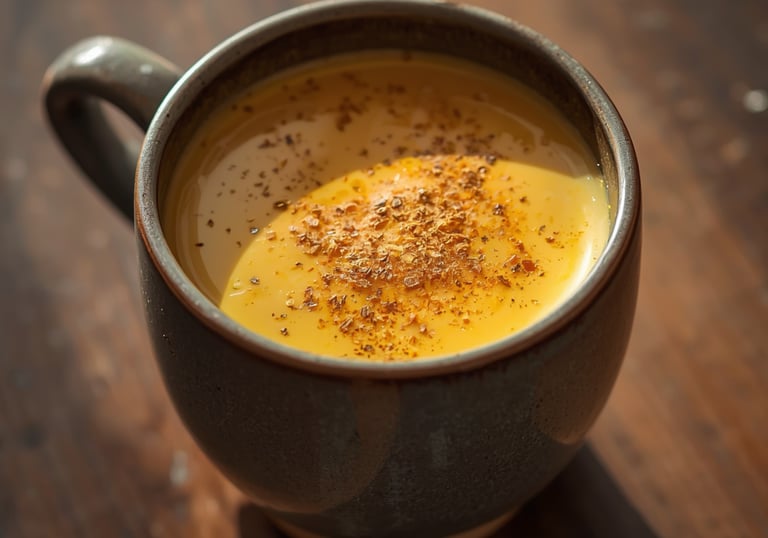
Evening: Ashwagandha golden milk: warm oat milk or dairy milk with ashwagandha powder (½ teaspoon), turmeric (¼ teaspoon), cinnamon, black pepper, and honey. One of the most genuinely relaxing evening drinks available — combining ashwagandha's HPA modulation with turmeric's NF-kB inhibition and cinnamon's blood sugar stabilising effects.
Frequently Asked Questions
How long do adaptogens take to work?
Adaptogens work gradually and cumulatively — they are not fast-acting like caffeine or pharmaceutical anxiolytics. Most clinical trials showing significant effects used a minimum of 4–8 weeks of consistent daily use. For subjective stress relief and sleep improvement (often among the first effects noticed), 2–3 weeks is typical. For measurable cortisol changes and cognitive improvements, 4–8 weeks of consistent use is more realistic. This gradual timeline is not a weakness of adaptogens — it reflects their mechanism of normalising the HPA axis over time rather than producing an acute pharmacological effect.
Can I take multiple adaptogens together?
Generally yes — most adaptogens work through different mechanisms and are complementary rather than competing. Traditional Ayurvedic and Traditional Chinese Medicine formulations typically combine multiple adaptogens for synergistic effects. The ashwagandha and holy basil evening combination, and the rhodiola and lion's mane morning combination, are both well-established and have complementary mechanisms. That said: if you are new to adaptogens, introducing one at a time over 2–3 weeks allows you to identify which ones produce noticeable personal benefit before adding others.
Are adaptogens safe for everyone?
Most adaptogens are well-tolerated at normal food or supplemental doses. Specific precautions: ashwagandha should be avoided during pregnancy and used cautiously with thyroid medication. Rhodiola is mildly stimulating and should not be taken by people with bipolar disorder or severe anxiety without medical guidance. Any adaptogen supplement should be discussed with your doctor if you are pregnant, breastfeeding, or taking prescription medications. Quality matters significantly — adaptogen supplements are not regulated as pharmaceuticals in most countries, so choosing products that specify standardised extract percentages and third-party testing is important.
Do adaptogenic foods work as well as supplements?
Culinary preparations of adaptogenic herbs and mushrooms — tulsi tea, chaga tea, culinary lion's mane mushroom, maca in smoothies — provide meaningful doses of bioactive compounds, particularly with consistent daily use. However, the clinical trials showing the strongest effects typically used standardised extracts with measured doses of specific bioactive compounds (e.g. 5% withanolides in ashwagandha, 3% rosavins in rhodiola). For general stress resilience support, consistent daily use of food forms is valuable and enjoyable. For people with significant stress-related health concerns or who want the effect sizes confirmed in clinical trials, standardised supplements provide more reliable dosing.
References and Further Reading
Chandrasekhar K et al. — Indian Journal of Psychological Medicine (2012) — A prospective, randomized double-blind, placebo-controlled study of safety and efficacy of a high-concentration full-spectrum extract of ashwagandha root Double-blind, placebo-controlled RCT confirming 27.9% reduction in serum cortisol and significant improvements in all stress and anxiety measures with ashwagandha root extract — the foundational human trial establishing ashwagandha as the most clinically validated adaptogen.
Panossian A et al. — Phytomedicine (2010) — Rosenroot: a phytomedicinal overview of clinical evidence Comprehensive review of rhodiola rosea clinical evidence — confirming significant improvements in cognitive performance, fatigue reduction, and stress biomarkers across multiple well-designed human trials.
Mori K et al. — Biomedical Research (2009) — Nerve Growth Factor-Inducing Activity of Hericium erinaceus in 1321N1 Human Astrocytoma Cells Foundational research confirming that lion's mane hericenones and erinacines stimulate NGF production in human cells — establishing the neuroplasticity mechanism that makes lion's mane the most cognitively relevant adaptogenic mushroom.
Panossian A and Wikman G — Pharmaceuticals (2010) — Effects of Adaptogens on the Central Nervous System and the Molecular Mechanisms Associated with Their Stress-Protective Activity Systematic review of adaptogen mechanisms across multiple compounds — confirming that adaptogens as a class produce stress-protective effects through HPA axis modulation, COMT inhibition, and Nrf2 activation, and providing the molecular mechanistic framework that supports the clinical findings.
About the Author
I'm Judith, a wellness enthusiast and Applied Bio Sciences and Biotechnology graduate behind BiteBrightly. With a deep-rooted belief in the healing power of food, my nutrition journey began with a personal transformation — I improved my eyesight through targeted dietary changes. This life-changing experience sparked my mission to empower others by sharing evidence-based insights into food as medicine.
Drawing on my scientific background, personal experience, and ongoing research into nutrition and health, I focus on breaking down complex health topics into clear, practical, and actionable guidance. My approach combines scientific credibility with real-world application, making evidence-based nutrition accessible to everyone.
Follow me on Pinterest for daily health tips, recipes, and wellness inspiration.
Important Notice: The information in this article is for educational purposes only and is not intended as medical advice. I am not a medical doctor, pharmacist, or licensed healthcare practitioner. Adaptogens are not treatments for clinical anxiety, depression, burnout, or other mental health conditions — these deserve professional medical evaluation and care. People taking prescription medications (particularly thyroid medications, immunosuppressants, sedatives, or antidepressants) should consult their healthcare provider before using adaptogen supplements, as interactions are possible. Pregnant and breastfeeding women should avoid most adaptogen supplements unless specifically cleared by their healthcare provider. The quality of adaptogen supplements varies widely — choose products with standardised extract percentages and third-party testing. These statements have not been evaluated by the FDA.21
Connect
Join our newsletter for fresh health tips
© 2026. All rights reserved.