5 Healthy Dinner Recipes You Should Try Tonight
5 healthy dinner recipes ready in 30–45 minutes. Salmon traybake, lentil dal, stir-fry, stuffed peppers, Greek chicken. Full recipes with nutrition counts.
by BiteBrightly
5/21/202613 min read
5 Healthy Dinner Recipes You Should Try Tonight
By BiteBrightly 21 May 2026: This post might contain affiliate links.
Healthy eating does not have to mean bland food, complicated techniques, or spending an hour in the kitchen after a long day. The five dinner recipes in this guide prove exactly the opposite — they are genuinely delicious, take 30–45 minutes to prepare, and are built around the ingredients and nutritional principles that research consistently identifies as most supportive of long-term health.
Each recipe is designed around a simple framework: a quality protein to keep you satisfied through the evening, a generous portion of vegetables for fibre, vitamins, and anti-inflammatory phytonutrients, a moderate portion of complex carbohydrates or healthy fat for sustained energy, and a flavour profile bold enough that you will genuinely want to eat it again next week.
These are not diet recipes. They are simply good food that happens to be excellent for you.
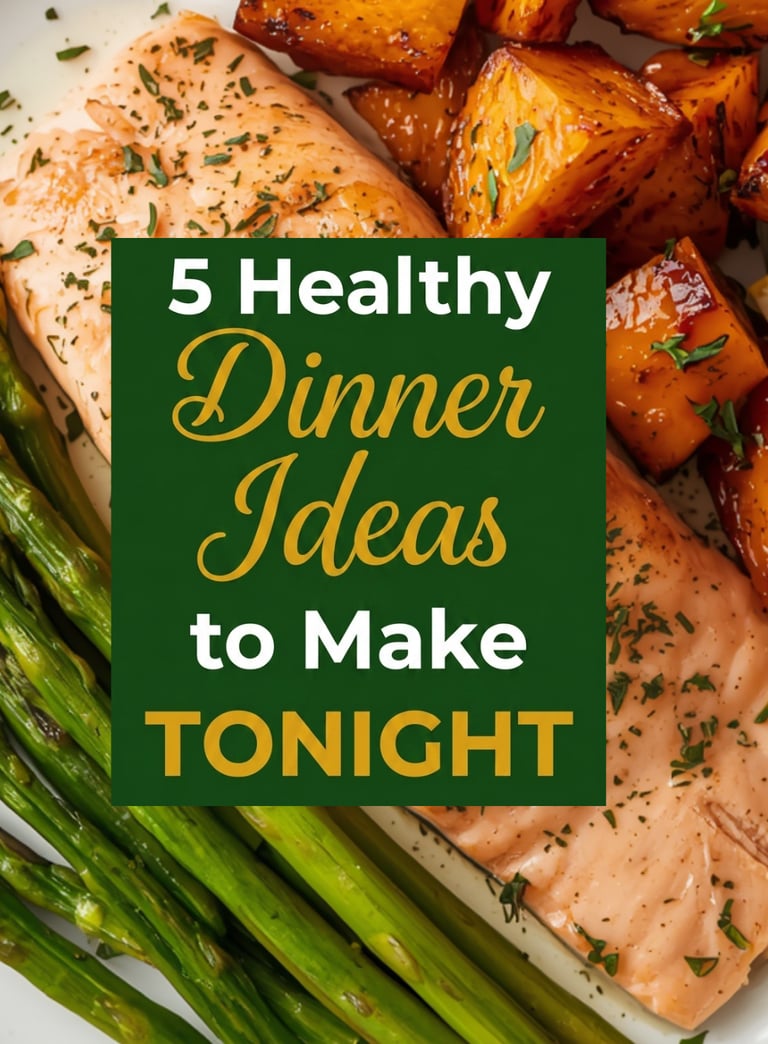
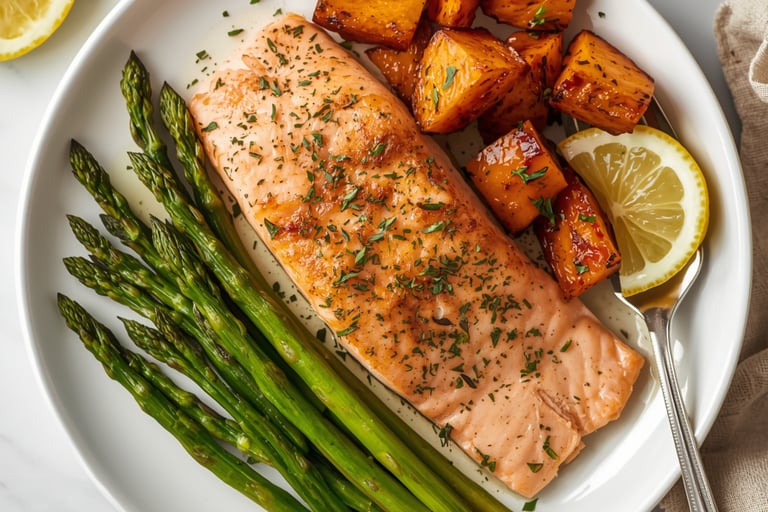
Recipe 1: Lemon Herb Baked Salmon With Roasted Sweet Potato and Asparagus
This is the most nutritionally complete dinner in the guide — wild salmon providing EPA and DHA omega-3 alongside astaxanthin and vitamin D, sweet potato providing slow-release complex carbohydrates and beta-carotene, and asparagus providing folate, vitamin K, and the prebiotic inulin that feeds beneficial gut bacteria.
Why this meal supports your health: Wild salmon's omega-3 EPA and DHA shift the body's eicosanoid production toward less inflammatory prostaglandins, directly reducing chronic low-grade inflammation. Sweet potato's moderate glycemic index (approximately 44–63 depending on cooking method) provides sustained energy without the blood sugar spike and crash of refined carbohydrates. Asparagus is one of the richest dietary sources of inulin — the prebiotic fibre that specifically feeds Bifidobacterium, the gut bacteria most associated with immune regulation and lower systemic inflammation. The lemon in the herb dressing provides vitamin C that supports collagen synthesis and increases the iron absorption from the asparagus.
Ingredients (serves 2):
2 salmon fillets (approximately 150g each), preferably wild-caught
2 medium sweet potatoes, scrubbed and cut into cubes
1 bunch of asparagus, woody ends snapped off
3 tablespoons extra-virgin olive oil
Juice of 1 lemon + zest of ½ lemon
2 garlic cloves, minced
1 tablespoon fresh dill, chopped (or 1 teaspoon dried)
1 tablespoon fresh parsley, chopped
½ teaspoon sea salt
¼ teaspoon black pepper
Optional: 1 tablespoon capers
How to make it:
Preheat your oven to 200°C (400°F / Gas mark 6)
Toss sweet potato cubes with 1.5 tablespoons of olive oil, a pinch of salt, and black pepper. Spread in a single layer on a large lined baking tray. Roast for 20 minutes
While sweet potatoes roast, mix the remaining olive oil with lemon juice, lemon zest, minced garlic, dill, and parsley in a small bowl
After 20 minutes, push sweet potatoes to one side of the tray and add asparagus spears alongside them. Lay the salmon fillets on the tray, skin-side down
Spoon the lemon herb mixture generously over both the salmon and the asparagus. Season everything lightly with salt and pepper
Return to the oven for 12–15 minutes — the salmon is done when it flakes easily with a fork and has lost its translucency in the centre. Thicker fillets may need 2–3 minutes more
Scatter capers over the salmon if using and serve immediately directly from the tray
Preparation time: 10 minutes active | 32–35 minutes total including roasting Nutrition per serving: Approximately 520 calories | 36g protein | 8g fibre | 28g healthy fat
Tip: If sweet potatoes are very large, cut into smaller chunks so they cook through in the same time as the salmon. The sweet potato cubes should be fork-tender before adding the salmon — if not, give them an extra 5 minutes first.
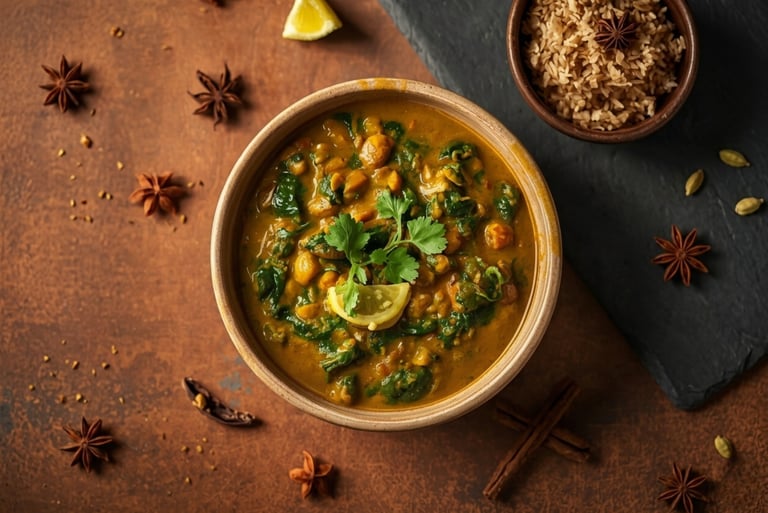
Recipe 2: Lentil and Spinach Dal With Brown Rice
Dal — the lentil-based dish eaten across South Asia — is one of the most nutritionally powerful weeknight dinners available anywhere in the world. Simple, affordable, deeply satisfying, and built around lentils that provide more protein, fibre, and iron per calorie than almost any other food.
Why this meal supports your health: One cup of cooked lentils provides 18g of protein, 15.6g of fibre, and a glycemic index of approximately 32 — one of the lowest of any carbohydrate food. The combination of protein and fibre activates GLP-1, PYY, and CCK satiety hormones simultaneously, keeping you satisfied for 3–4 hours after eating. Spinach adds iron (important alongside the lentils' iron content), folate, and magnesium — the mineral required for over 300 enzymatic reactions including the GABA receptor activity that supports calm and sleep. The turmeric provides curcumin for NF-kB inflammatory inhibition. The black pepper in this recipe is not optional — piperine from black pepper increases curcumin absorption by up to 2,000%.
Ingredients (serves 3–4):
1.5 cups red lentils, rinsed well
4 cups vegetable stock or water
1 can (400g) chopped tomatoes
3 large handfuls of baby spinach (approximately 100g)
1 medium onion, finely diced
4 garlic cloves, minced
1 tablespoon fresh ginger, grated
2 tablespoons extra-virgin olive oil or coconut oil
1 teaspoon ground turmeric
1 teaspoon ground cumin
1 teaspoon ground coriander
½ teaspoon smoked paprika
¼ teaspoon black pepper (essential for curcumin absorption)
½ teaspoon sea salt (adjust to taste)
Juice of ½ lemon
Fresh coriander to serve
Brown rice to serve (½ cup dry per person)
How to make it:
Start your brown rice first — it takes approximately 35–40 minutes. Follow packet instructions
Heat oil in a large, deep pan over medium heat. Add onion and cook, stirring occasionally, for 6–7 minutes until soft and translucent
Add garlic and ginger — cook for 1 minute, stirring constantly, until fragrant. Do not let the garlic burn
Add turmeric, cumin, coriander, paprika, and black pepper. Stir the spices into the oil and cook for 30 seconds — this "blooming" the spices in oil significantly intensifies their flavour and also improves the fat-soluble absorption of curcumin
Add rinsed lentils and stir to coat in the spiced oil
Pour in vegetable stock and tinned tomatoes. Bring to a boil, then reduce heat and simmer uncovered for 20–25 minutes, stirring occasionally, until the lentils have completely broken down and the dal has a thick, porridge-like consistency
Stir in baby spinach — it wilts within 1–2 minutes
Add lemon juice and adjust salt and seasoning to taste
Serve over brown rice, topped with fresh coriander
Preparation time: 10 minutes active | 40 minutes total Nutrition per serving (with rice): Approximately 480 calories | 22g protein | 16g fibre | 8g healthy fat
Make ahead: Dal tastes better the next day as the spices develop. Make a large batch and refrigerate for up to 4 days or freeze in portions for up to 3 months. The rice is best made fresh each time.
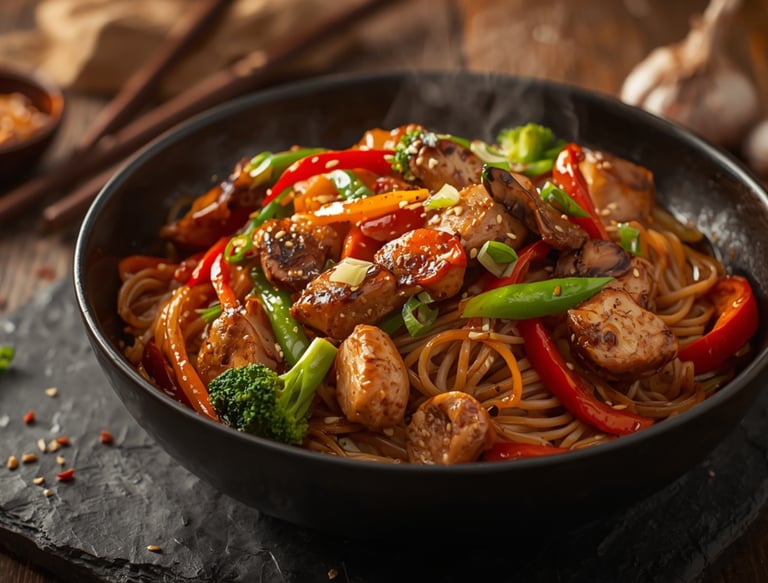
Recipe 3: Chicken and Vegetable Stir-Fry With Ginger, Garlic, and Brown Rice Noodles
A stir-fry done properly — with very high heat, a generous variety of vegetables, and a sauce that is genuinely flavourful rather than sweet and gloopy — is one of the most nutritious and most satisfying fast dinners available. This version is built around anti-inflammatory ginger and garlic alongside a rainbow of vegetables that together provide a broad spectrum of phytonutrients.
Why this meal supports your health: Chicken breast provides 26g of lean complete protein per 3oz serving — activating satiety hormones and providing the amino acids for tissue repair and neurotransmitter production. The vegetable rainbow (red pepper, broccoli, carrot, snap peas, mushrooms) means multiple carotenoids, glucosinolates, B vitamins, and vitamin C in a single meal. Broccoli's glucosinolates become sulforaphane when the broccoli is chopped and briefly cooked — activating Nrf2 anti-inflammatory defence pathways. Ginger's gingerols directly inhibit COX-2 inflammatory enzyme production. The sesame oil provides sesamin and sesamolin lignans with PPARα anti-inflammatory activity.
Ingredients (serves 2):
2 chicken breasts (approximately 300g), thinly sliced against the grain
200g brown rice noodles
1 red bell pepper, thinly sliced
1 cup broccoli florets, cut small
1 medium carrot, julienned or thinly sliced on the diagonal
1 cup snap peas or mangetout
1 cup mushrooms, sliced
3 garlic cloves, minced
1 tablespoon fresh ginger, grated
2 tablespoons soy sauce or tamari (use tamari for gluten-free)
1 tablespoon oyster sauce or hoisin sauce
1 tablespoon sesame oil
1 tablespoon neutral oil (avocado or light olive oil) for cooking
1 teaspoon cornflour mixed with 2 tablespoons water (for the sauce)
2 spring onions, sliced
1 tablespoon sesame seeds
Optional: 1 teaspoon chilli paste or chilli flakes for heat
How to make it:
Cook brown rice noodles according to packet instructions. Drain, toss with a teaspoon of sesame oil to prevent sticking, and set aside
Mix the sauce: soy sauce, oyster sauce, and the cornflour-water mixture. Set aside
Heat a wok or large frying pan over the highest heat your cooker can produce. Add neutral oil. When smoking hot, add chicken in a single layer — do not stir for 90 seconds to allow browning. Then stir-fry for 3–4 minutes until cooked through. Remove to a plate
In the same hot wok, add broccoli and carrot first (they take longest) — stir-fry for 2 minutes
Add red pepper, snap peas, and mushrooms — stir-fry for 2 minutes more
Push vegetables to the side. Add garlic and ginger to the centre of the wok — cook for 30 seconds, then mix into the vegetables
Return chicken to the wok
Pour sauce over everything and toss to coat — cook for 1 minute until the sauce thickens and glazes everything
Add cooked noodles and toss everything together
Serve topped with spring onions and sesame seeds
Preparation time: 15 minutes active | 25 minutes total Nutrition per serving: Approximately 540 calories | 40g protein | 7g fibre | 14g healthy fat
The most important stir-fry rule: Very high heat. A lukewarm wok produces steamed, soggy vegetables. A properly hot wok — where a drop of water vaporises immediately on contact — produces the slightly caramelised, deeply flavoured vegetables that make stir-fry genuinely exciting rather than just virtuous.
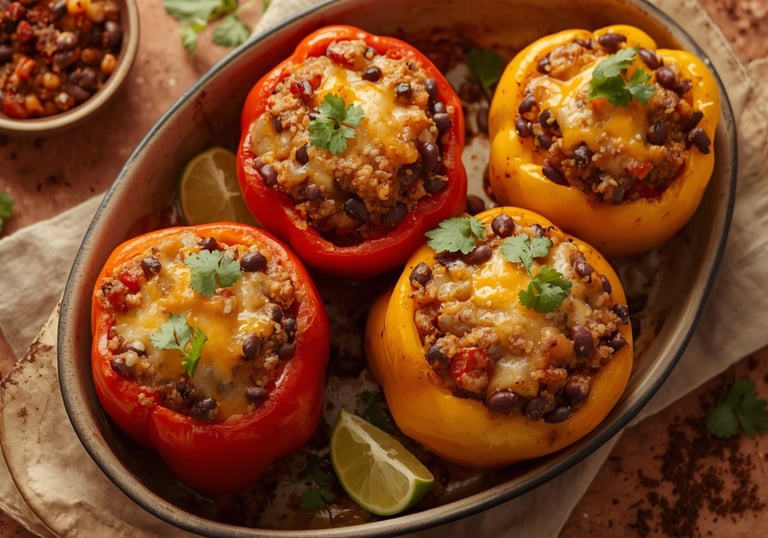
Recipe 4: Black Bean and Vegetable Stuffed Bell Peppers
Stuffed bell peppers are one of the most satisfying vegetarian dinners available — visually impressive, genuinely filling, and providing the complete protein combination of black beans and quinoa alongside the lycopene and vitamin C of red bell peppers.
Why this meal supports your health: Black beans have a glycemic index of approximately 30 and provide 15g of fibre per cup — the resistant starch ferments in the large intestine to produce butyrate, the short-chain fatty acid that directly repairs the intestinal lining and reduces intestinal inflammation. The anthocyanins that give black beans their dark colour directly inhibit PPARγ2 adipogenesis — the formation of new fat cells. Quinoa is the only grain with complete protein (all nine essential amino acids), making this a fully protein-complete plant-based meal without any need for careful protein combining. Red bell peppers provide more vitamin C than oranges (190mg per large pepper — 211% of the daily requirement) alongside lycopene for anti-inflammatory activity in blood vessel walls.
Ingredients (serves 2):
4 large red, orange, or yellow bell peppers (choose peppers with flat bottoms that will stand upright)
1 can (400g) black beans, drained and rinsed
½ cup quinoa, rinsed
1 cup vegetable stock (for cooking the quinoa)
1 can (400g) chopped tomatoes
1 medium red onion, finely diced
3 garlic cloves, minced
1 teaspoon ground cumin
1 teaspoon smoked paprika
½ teaspoon dried oregano
½ teaspoon chilli flakes (adjust to taste)
1 tablespoon olive oil
½ cup grated cheddar or mozzarella (optional — omit for vegan)
Juice of ½ lime
Fresh coriander to serve
Salt and pepper to taste
How to make it:
Preheat oven to 190°C (375°F / Gas mark 5)
Cook quinoa in vegetable stock according to packet instructions (typically 15 minutes). Fluff with a fork and set aside
Slice the tops off the bell peppers and carefully remove the seeds and white membranes inside. If a pepper does not stand upright, slice a very thin sliver off the bottom to create a flat base — carefully, without cutting through
Heat olive oil in a pan over medium heat. Cook red onion for 5 minutes until soft. Add garlic and cook 1 minute. Add cumin, paprika, oregano, and chilli flakes — cook 30 seconds
Add chopped tomatoes and cook for 5 minutes until slightly thickened
Stir in black beans and cooked quinoa. Add lime juice, salt, and pepper. Taste and adjust seasoning generously — the filling should be boldly flavoured as the pepper will mute it slightly
Stand the peppers upright in a baking dish. Spoon the filling generously into each pepper, pressing down slightly. Mound it up if there is extra filling
If using cheese, scatter over the top of each pepper
Cover the dish with foil and bake for 25 minutes. Remove foil and bake for a further 10 minutes until the peppers are tender and any cheese is golden
Serve with fresh coriander and lime wedges
Preparation time: 20 minutes active | 45 minutes total Nutrition per serving (2 peppers, without cheese): Approximately 450 calories | 20g protein | 18g fibre | 8g healthy fat
Tip: Make extra filling — it keeps for 3 days in the fridge and works brilliantly in tacos, on rice, or as a lunch the next day.
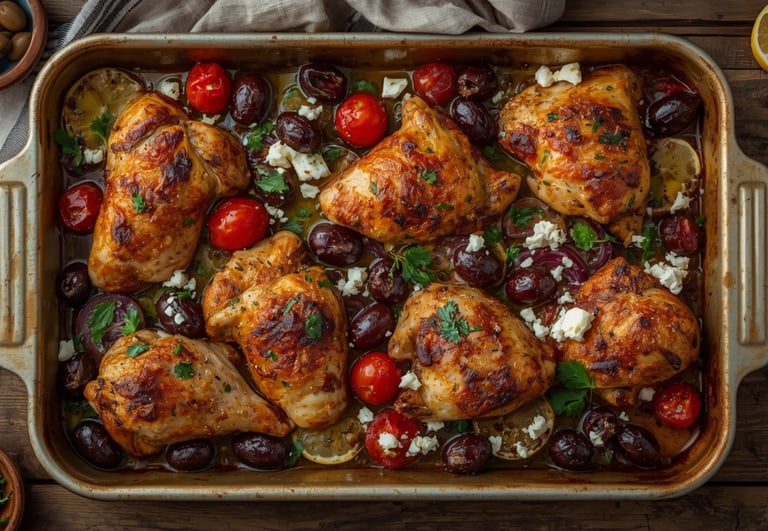
Recipe 5: Greek Chicken Traybake With Olives, Tomatoes, and Feta
A traybake is the easiest genuinely impressive dinner format available — everything goes in one tray, the oven does the work, and the result is deeply flavoured and visually beautiful. This Greek-inspired version is built around the anti-inflammatory Mediterranean combination of olive oil, tomatoes, olives, and garlic alongside the lean protein of chicken thighs.
Why this meal supports your health: Chicken thighs provide slightly more fat than breast, but the oleic acid in olive oil used for cooking provides the monounsaturated fat that research consistently associates with improved cholesterol profiles and reduced cardiovascular inflammation. The olives provide oleocanthal — a compound that inhibits COX-1 and COX-2 with potency comparable to a low dose of ibuprofen. The tomatoes provide lycopene, which is more bioavailable cooked than raw — roasting concentrates the lycopene and the olive oil in the tray provides the fat needed for fat-soluble lycopene absorption. Feta provides calcium alongside the probiotic benefit of traditionally fermented cheese. The lemon and herb combination provides vitamin C and the antimicrobial thymol from oregano.
Ingredients (serves 4):
4–6 bone-in, skin-on chicken thighs (approximately 800g)
2 cups cherry tomatoes
1 cup Kalamata olives, pitted
150g feta cheese, crumbled or cut into large pieces
1 medium red onion, cut into wedges
4 garlic cloves, lightly crushed (leave skin on if preferred)
3 tablespoons extra-virgin olive oil
Juice of 1 lemon + zest of ½ lemon
1 teaspoon dried oregano
½ teaspoon dried thyme
½ teaspoon smoked paprika
½ teaspoon sea salt
¼ teaspoon black pepper
Fresh parsley or basil to serve
Crusty whole grain bread or roasted potatoes alongside (optional)
How to make it:
Preheat oven to 200°C (400°F / Gas mark 6)
Pat the chicken thighs completely dry with kitchen paper — this is the most important step for crispy skin. Moisture on the surface creates steam rather than browning
In a large bowl or directly in your baking tray, combine olive oil, lemon juice, lemon zest, oregano, thyme, smoked paprika, salt, and pepper
Add chicken thighs and turn to coat in the marinade. If time allows, let them marinate for 30 minutes or up to overnight in the fridge — even 20 minutes makes a noticeable difference to flavour
Arrange chicken thighs skin-side up in a large, deep baking tray (they need room around them — crowding causes steaming rather than roasting)
Scatter cherry tomatoes, olives, and red onion wedges around the chicken. Tuck garlic cloves in between
Roast for 35 minutes until the chicken skin is deep golden-brown and crispy
Remove from oven and scatter feta generously over everything
Return to the oven for 8–10 minutes until feta is warm and beginning to soften and brown at the edges
Squeeze a little extra lemon over, scatter fresh parsley or basil, and serve directly from the tray
Preparation time: 10 minutes active (plus optional marinating) | 45–55 minutes total Nutrition per serving: Approximately 490 calories | 38g protein | 4g fibre | 32g healthy fat
The golden rule of traybakes: Do not overcrowd the tray. Everything needs space for hot air to circulate. If your tray is too small, use two trays rather than one crowded one — the difference between properly roasted and steamed is dramatic.
Building Healthy Dinners Every Night
These five recipes share a framework that applies to any healthy dinner:
Half the plate — vegetables: The most important shift in any dinner. Leafy greens, roasted vegetables, raw salad, or steamed vegetables should fill at least half the plate at every dinner. They provide fibre for gut health, vitamins and minerals for metabolic function, and phytonutrients for anti-inflammatory protection.
A quarter of the plate — quality protein: Fish, chicken, legumes, eggs, tofu, or tempeh. Aim for 25–35g of protein at dinner to activate satiety hormones, support muscle maintenance, and ensure the amino acids needed for overnight repair processes are available.
A quarter of the plate — complex carbohydrate or healthy fat: Brown rice, sweet potato, quinoa, whole grain bread, or roasted potato. Or, if you prefer lower carbohydrate dinners, replace with a generous source of healthy fat — avocado, extra olive oil, or nuts alongside.
Always include: An acidic element (lemon juice, lime, vinegar in the dressing) that reduces the glycemic impact of any carbohydrates in the meal and adds brightness to the flavour. A fresh herb or aromatic (garlic, ginger, fresh herbs) that adds anti-inflammatory compounds alongside flavour.
Frequently Asked Questions
How do I meal prep these recipes for a busy week?
The lentil dal (Recipe 2) and the stuffed pepper filling (Recipe 4) both freeze beautifully — make double batches of either on a weekend and freeze in individual portions for instant weeknight dinners. The Greek chicken traybake (Recipe 5) can be prepped the night before — marinate the chicken overnight in the fridge and the entire dish goes in the oven in 5 minutes when you get home. The stir-fry sauce (Recipe 3) can be made in advance and refrigerated for up to a week.
Can I swap proteins in these recipes?
Yes — all five recipes are flexible. Replace salmon in Recipe 1 with trout, mackerel, or cod. Replace chicken in Recipes 3 and 5 with tofu, tempeh, or prawns. The lentil dal (Recipe 2) and stuffed peppers (Recipe 4) are already vegetarian and can be made vegan by omitting the feta. The key is keeping the overall balance of protein, vegetables, and flavour — the specific protein choice matters less than maintaining the structure.
What makes these dinners healthier than typical takeaways or ready meals?
Three things: the quality and quantity of vegetables, the absence of refined oils and added sugar, and the fibre content. A typical takeaway portion of fried rice or chicken tikka masala will provide comparable calories but a fraction of the fibre (typically 1–2g versus 7–18g in these recipes), minimal phytonutrients, and significantly more omega-6 seed oils. The same calorie count in these recipes produces better satiety, better gut microbiome feeding, and meaningfully more nutritional value per mouthful.
About the Author
I'm Judith, a wellness enthusiast and Applied Bio Sciences and Biotechnology graduate behind BiteBrightly. With a deep-rooted belief in the healing power of food, my nutrition journey began with a personal transformation — I improved my eyesight through targeted dietary changes. This life-changing experience sparked my mission to empower others by sharing evidence-based insights into food as medicine.
Drawing on my scientific background, personal experience, and ongoing research into nutrition and health, I focus on breaking down complex health topics into clear, practical, and actionable guidance. My approach combines scientific credibility with real-world application, making evidence-based nutrition accessible to everyone.
Follow me on Pinterest for daily health tips, recipes, and wellness inspiration.
Connect
Join our newsletter for fresh health tips
© 2026. All rights reserved.