20 Anti-Inflammatory Foods That May Help Support Endometriosis Symptoms
Endometriosis is inflammation-driven. These 20 foods may help support symptoms alongside medical care — what the research shows, and what it doesn't. Full guide.
by BiteBrightly
6/18/20268 min read
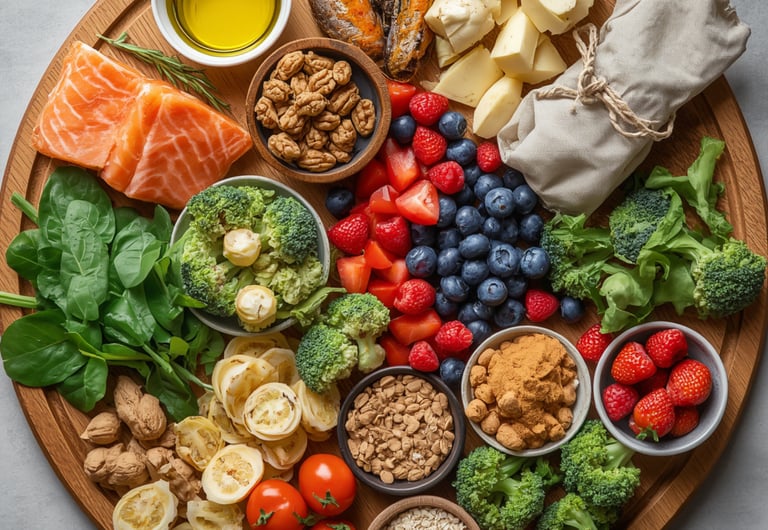
20 Anti-Inflammatory Foods That May Help Support Endometriosis Symptoms
By BiteBrightly 18 June 2026: This post might contain affiliate links.
Endometriosis affects an estimated 1 in 10 women of reproductive age, and yet it remains one of the most under-researched and frequently dismissed conditions in women's health. The condition — where tissue similar to the uterine lining grows outside the uterus — is fundamentally driven by chronic inflammation. Immune cells, cytokines, and prostaglandins accumulate around the misplaced tissue, producing the pelvic pain, heavy bleeding, fatigue, and digestive symptoms that define the lived experience of endometriosis for millions of women.
This is the first thing to be honest about: food cannot cure endometriosis. It cannot shrink existing lesions, reverse the structural changes the condition causes, or replace the surgical and hormonal treatments that remain the foundation of medical management. Anyone telling you otherwise is overselling what nutrition science can currently support.
What the research does show — including several studies published in 2025 — is more measured but still genuinely meaningful: dietary patterns rich in anti-inflammatory foods are associated with improved quality of life, reduced inflammatory markers, and in some studies, reduced pain severity in women with endometriosis, when used alongside appropriate medical care. This guide covers the foods with the most supportive evidence, the mechanisms behind why they may help, and the honest limits of what diet can offer.
What the Research Actually Says
Before the food list, it is worth understanding where the science currently stands — because the honest picture is more useful than an oversimplified one.
A 2025 umbrella review confirmed that nutrients with anti-inflammatory properties may help reduce pain symptoms associated with endometriosis, and that reducing dietary fat while increasing dietary fibre can lower circulating oestrogen levels — relevant because endometriosis is an oestrogen-driven condition, and oestrogen exposure influences the growth of endometrial-like tissue.
A 2025 Iranian case-control study found that closer adherence to a Mediterranean dietary pattern was associated with meaningfully lower odds of an endometriosis diagnosis, adding to the growing evidence connecting whole-food dietary patterns to this condition.
A 2025 cohort study found that a structured anti-inflammatory dietary intervention significantly improved vitamin D levels, metabolic markers, and inflammatory diet scores in women with endometriosis — and notably, these improvements occurred regardless of whether participants were also using hormonal therapy, suggesting diet may work as a genuine complement to medical treatment rather than a competing approach.
A large 2024 prospective cohort study of nearly 82,000 women found a 27% higher risk of an endometriosis diagnosis among those following a Western dietary pattern — characterised by higher red and processed meat, refined grains, and sweets — compared to those who did not.
The honest caveat, stated directly in a 2025 review published in Advances in Physiology Education: retrospective studies suggest anti-inflammatory diets may improve endometriosis symptoms and quality of life, but high-quality randomised controlled trials remain scarce, and rigorous trials are still needed before specific dietary recommendations can be made with full confidence. A randomised controlled trial specifically testing an anti-inflammatory diet before IVF in women with endometriosis is currently underway, with results expected in the coming years.
This is the right level of confidence to hold: genuinely promising, biologically plausible, increasingly supported by emerging research — but not yet proven to the standard of a medical treatment, and never a substitute for one.
How Inflammation Connects to Endometriosis
Endometriosis involves chronic activation of immune cells — cytokines, neutrophils, mast cells, macrophages, and T cells — around the displaced endometrial-like tissue, producing ongoing inflammatory signalling and elevated prostaglandins (the same compounds responsible for menstrual cramping, but persisting beyond the menstrual cycle in endometriosis). Oxidative stress, a consistent feature of this chronic inflammation, further damages tissue and perpetuates the inflammatory cycle.
This is why anti-inflammatory and antioxidant-rich foods are the specific category of nutrition research most relevant to endometriosis — not because they treat the structural lesions, but because they may help moderate the inflammatory and oxidative processes that drive pain and other symptoms.
Diet also intersects with endometriosis through oestrogen metabolism. Endometriosis is an oestrogen-dependent condition — the misplaced tissue responds to and is partly sustained by oestrogen. Dietary fibre supports the gut microbiome's role in processing and clearing excess oestrogen, while dietary fat (particularly saturated and trans fats) is associated with higher circulating oestrogen levels.
20 Anti-Inflammatory Foods to Consider
1. Oily Fish (Salmon, Mackerel, Sardines)
Oily fish provides EPA and DHA omega-3 fatty acids, which directly compete with the omega-6 arachidonic acid that produces inflammatory prostaglandins. A 2024 review specifically highlighted omega-3 polyunsaturated fatty acids among the dietary components with the strongest evidence for anti-inflammatory effects relevant to endometriosis. Aim for 2–3 servings weekly.
2. Walnuts and Flaxseeds
The plant-based omega-3 sources for those who do not eat fish. Flaxseeds also contain lignans, which may influence oestrogen metabolism, though this area needs more endometriosis-specific research.
3. Extra-Virgin Olive Oil
Rich in oleocanthal, a compound that inhibits the same COX enzymes targeted by NSAIDs, and a foundational component of the Mediterranean dietary pattern associated with lower endometriosis risk in multiple studies.
4. Turmeric
Curcumin, turmeric's active compound, has been specifically studied for endometriosis. A 2024 review identified curcumin among the polyphenols showing anti-inflammatory effects and inhibition of endometrial cell proliferation in laboratory research. Always pair with black pepper — piperine increases curcumin absorption substantially.
5. Dark Leafy Greens (Spinach, Kale, Swiss Chard)
Provide magnesium, iron (important given the heavy bleeding many women with endometriosis experience), folate, and fibre that supports oestrogen clearance through the gut microbiome.
6. Berries (Blueberries, Raspberries, Strawberries)
Rich in anthocyanins with documented anti-inflammatory and antioxidant activity — directly relevant given that oxidative stress is a hallmark of the chronic inflammation in endometriosis.
7. Cruciferous Vegetables (Broccoli, Cauliflower, Brussels Sprouts)
Provide indole-3-carbinol and sulforaphane, compounds studied for their role in supporting healthy oestrogen metabolism pathways in the liver.
8. Ginger
Gingerols inhibit COX-2 and have well-documented effects on menstrual pain specifically, with clinical trial evidence showing effectiveness comparable to ibuprofen for period pain — relevant for the dysmenorrhoea that frequently accompanies endometriosis.
9. Legumes (Lentils, Chickpeas, Black Beans)
High in fibre, which supports oestrogen clearance, alongside plant protein and micronutrients including folate and iron.
10. Whole Grains (Oats, Quinoa, Brown Rice)
Replacing the refined grains associated with higher endometriosis risk in the 2024 large cohort study with whole grain alternatives that provide fibre and a more moderate blood glucose response.
11. Tomatoes
Provide lycopene, an antioxidant carotenoid with documented anti-inflammatory activity; cooking tomatoes (in dishes with olive oil) significantly increases lycopene bioavailability.
12. Pumpkin Seeds
Provide magnesium and zinc — zinc supports immune regulation, and magnesium may help with the muscle tension and cramping that accompanies endometriosis-related pain.
13. Citrus Fruits
High in vitamin C, an antioxidant vitamin, and flavonoids with anti-inflammatory activity.
14. Garlic
Allicin, garlic's active compound (formed when garlic is crushed and rested for 10 minutes before cooking), has documented anti-inflammatory and antimicrobial activity.
15. Green Tea
Provides EGCG, a catechin with antioxidant and anti-inflammatory activity studied across multiple inflammatory conditions, including preliminary endometriosis-specific laboratory research on its anti-proliferative effects.
16. Avocado
Provides monounsaturated fat and fibre, and is a useful whole-food fat source within a dietary pattern that otherwise reduces saturated and trans fat intake.
17. Beetroot
Provides betalains and nitrates, with anti-inflammatory and circulation-supporting properties.
18. Fermented Foods (Plain Kefir, Sauerkraut, Plain Yogurt)
Support gut microbiome diversity — relevant both for general inflammatory regulation and for the gut's role in oestrogen metabolism. Many women with endometriosis also experience IBS-type digestive symptoms, and some research has explored low-FODMAP approaches specifically for this overlap; this is a separate and more individualised dietary consideration best discussed with a dietitian.
19. Vitamin D-Rich Foods (Egg Yolks, Fortified Foods, Oily Fish)
Vitamin D has documented anti-inflammatory effects and influences angiogenesis (new blood vessel formation, relevant to how endometrial lesions establish blood supply). The 2025 cohort study found that a structured dietary intervention significantly improved vitamin D levels in women with endometriosis. Many women are deficient; blood testing can confirm individual status.
20. Water (and Adequate Hydration Generally)
Not a "food" in the traditional sense, but adequate hydration supports every metabolic process involved in managing inflammation and is consistently underemphasised in nutrition guidance.
Foods and Substances Associated With Higher Inflammation in Endometriosis Research
The same body of research that identifies helpful foods also identifies a consistent pattern of foods associated with higher endometriosis risk or worse inflammatory profiles: red and processed meats, foods high in saturated and trans fats, refined grains and added sugars, excessive alcohol, and excessive caffeine. These were specifically named in the 2025 comprehensive review as correlating with increased systemic inflammation and hormonal dysregulation. This does not mean these foods must be eliminated entirely — it means moderating them is a reasonable, evidence-informed goal.
What Diet Cannot Do
This section matters as much as the food list. Diet has not been shown to shrink existing endometriosis lesions, eliminate the need for surgical or hormonal treatment, or reliably prevent disease progression. The randomised controlled trial evidence specifically testing dietary intervention for endometriosis remains limited — most current evidence comes from observational and cohort studies, which can show associations but cannot prove that diet alone causes the improvements observed. A large randomised controlled trial testing an anti-inflammatory diet before IVF in women with endometriosis is currently in progress, and results from trials like this will meaningfully improve the quality of evidence available in the coming years.
If you have endometriosis or suspect you do, the appropriate first step is diagnosis and treatment from a gynaecologist, ideally one with specific endometriosis experience. Nutritional changes are a reasonable complementary strategy to discuss alongside your medical care — not a replacement for it.
Frequently Asked Questions
How long would it take to notice a difference from dietary changes?
The research in this area mostly examines outcomes over months (the Italian Mediterranean diet study referenced above ran for 6 months), not days or weeks. This is consistent with how anti-inflammatory dietary changes work generally — gradual and cumulative rather than immediate. Patience and consistency matter more than any single meal.
Should I try a low-FODMAP or elimination diet?
Some women with endometriosis also have overlapping IBS-type symptoms, and low-FODMAP approaches have been studied in this overlapping population with some promising results. However, elimination diets are restrictive and are best undertaken with guidance from a registered dietitian, particularly because endometriosis already carries risks of nutritional deficiency from heavy bleeding and digestive symptoms.
Can diet help with endometriosis-related infertility?
This is an active area of research — the ongoing randomised controlled trial mentioned above is specifically examining anti-inflammatory diet before IVF in women with endometriosis. Results are not yet available. If fertility is a concern, please discuss this directly with a fertility specialist alongside any dietary changes you are considering.
References and Further Reading
PMC/MDPI Nutrients (2025) — Diet and Endometriosis: An Umbrella Review Confirms that anti-inflammatory nutrients may help reduce endometriosis pain symptoms and that dietary fibre and reduced dietary fat are linked to lower circulating oestrogen.
Scientific Reports (2025) — Mediterranean diet adherence and endometriosis odds Case-control study finding that greater Mediterranean diet adherence was associated with lower odds of endometriosis diagnosis.
BMJ Open (2025) — Effectiveness of an anti-inflammatory diet before IVF in women with endometriosis: RCT protocol Describes the ongoing randomised controlled trial designed to provide higher-quality evidence on anti-inflammatory diet and endometriosis-related fertility outcomes.
Advances in Physiology Education (2025) — Endometriosis: pathophysiology and the potential role of diet Reviews anti-inflammatory and elimination diets for endometriosis while emphasising that high-quality randomised controlled trials remain scarce.
About the Author
I'm Judith, a wellness enthusiast and Applied Bio Sciences and Biotechnology graduate behind BiteBrightly. With a deep-rooted belief in the healing power of food, my nutrition journey began with a personal transformation — I improved my eyesight through targeted dietary changes. This life-changing experience sparked my mission to empower others by sharing evidence-based insights into food as medicine.
Follow me on Pinterest for daily health tips, recipes, and wellness inspiration.
Important Notice: This article is for educational purposes only and is not intended as medical advice. I am not a medical doctor, gynaecologist, or registered dietitian. Endometriosis is a complex medical condition that requires diagnosis and management by a qualified healthcare provider, ideally a gynaecologist with endometriosis expertise. Dietary changes may complement but should never replace medical or surgical treatment. If you suspect you have endometriosis or are experiencing pelvic pain, heavy bleeding, or related symptoms, please consult a doctor. These statements have not been evaluated by the FDA.
Related Post
Connect
Join our newsletter for fresh health tips
© 2026. All rights reserved.