10 Easy 50g Protein Breakfast Recipes
50g protein at breakfast reduces daily calorie intake and suppresses hunger for 3–4 hours (research confirmed). 10 recipes. Zero guesswork on protein counts.
by BiteBrightly
7/14/202611 min read
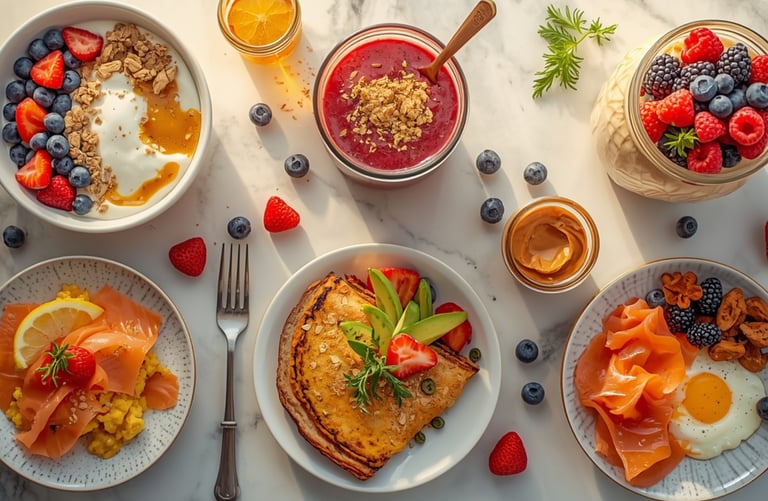
10 Easy 50g Protein Breakfast Recipes
By BiteBrightly 14 July 2026: This post might contain affiliate links.
50 grams of protein at breakfast is a high bar — and a genuinely useful one. Research consistently shows that higher protein breakfasts (25–40g) produce measurably better appetite control, reduced calorie intake at subsequent meals, and more stable morning energy compared to lower-protein alternatives. At 50g specifically, you are activating satiety hormones at near-maximum effectiveness, providing the majority of the amino acids needed for daily muscle protein synthesis, and setting a blood sugar stability foundation that makes mid-morning hunger largely a non-event.
Every protein figure in this guide is calculated from real nutritional data for the specific ingredients and quantities listed. These are not estimates dressed up as precise numbers — if a recipe claims 51g of protein, the calculation shows exactly where those grams come from. All ten recipes are genuinely achievable on a weekday morning, with most taking under 15 minutes, several requiring zero cooking, and two fully preparable the night before.
Key Takeaways
50g of protein at breakfast covers approximately 40–65% of the total daily protein requirement for most adults (0.8–1.2g per kg of bodyweight), making it the most efficient single opportunity to advance protein goals
The fastest route to 50g of protein at breakfast is combining two or more high-protein ingredients — Greek yogurt (17–20g per cup), eggs (6g each), cottage cheese (14g per half cup), and protein powder (20–25g per scoop) are the four foundations of every recipe in this guide
Protein quality matters alongside quantity — complete proteins providing all nine essential amino acids (eggs, dairy, meat, fish, soy) are more efficiently used for muscle protein synthesis than incomplete plant proteins consumed alone
Time is the primary barrier to high-protein breakfasts — every recipe in this guide is designed around this reality, with preparation time under 15 minutes, batch prep options for weekdays, and two recipes requiring no morning cooking at all
How to Consistently Hit 50g of Protein at Breakfast
Before the recipes, the framework that makes 50g achievable without requiring specialist ingredients or significant cooking skill:
The Protein Foundation — Pick One:
200g Greek yogurt: 17–20g protein
4 eggs: 24g protein
200g cottage cheese: 22–28g protein
1 scoop protein powder: 20–25g protein
The Protein Builder — Add One or Two:
100g tinned tuna or smoked salmon: 20–25g protein
150g chicken breast (cooked): 37g protein
100g firm tofu: 8–10g protein
50g parmesan or strong cheddar: 9–12g protein
2 tbsp peanut or almond butter: 7–8g protein
200ml whole milk or high-protein milk: 7–12g protein
The combination rule: One foundation + one or two builders reaches 50g. Almost every recipe below follows this structure.
Recipe 1: The Greek Yogurt Power Bowl
Protein: 52g | Prep time: 5 minutes | No cooking required
This is the fastest 50g+ protein breakfast available. Greek yogurt and cottage cheese blended together (or layered) with protein-rich toppings — ready in under 5 minutes, no heat, no cooking skill required.
Why this hits 52g:
200g full-fat Greek yogurt: 20g protein
150g low-fat cottage cheese: 17g protein
2 tbsp hemp seeds: 6g protein
1 tbsp peanut butter: 4g protein
200ml protein milk or fortified milk: 5g protein (if using as a thin-out) Total: ~52g protein
Ingredients:
200g plain full-fat Greek yogurt
150g plain low-fat cottage cheese (blended smooth if preferred — 30 seconds in a small blender)
2 tablespoons hemp seeds
1 tablespoon natural peanut butter
½ cup mixed berries
1 tablespoon honey (optional)
A pinch of cinnamon
How to make it:
Spoon Greek yogurt into a wide bowl
Add cottage cheese alongside or blend it smooth first and fold it in
Top with hemp seeds, peanut butter (drizzled), and mixed berries
Add honey and cinnamon if desired
Batch prep: Make the yogurt-cottage cheese base in a jar the night before — add toppings in the morning. Three jars prepared Sunday = three breakfasts ready in 60 seconds each.
Recipe 2: The Five-Egg Scramble With Smoked Salmon
Protein: 53g | Prep time: 8 minutes
Five eggs scrambled low and slow with smoked salmon folded in at the end — the most protein-dense cooked breakfast in this guide. The smoked salmon means no additional cooking beyond the eggs, and the combination hits 53g while feeling genuinely indulgent.
Why this hits 53g:
5 large eggs: 30g protein
80g smoked salmon: 16g protein
30g cream cheese: 3g protein
2 tbsp fresh chives and herbs: negligible
1 slice sourdough (for serving, not in protein count) Total: ~49g — add 1 tbsp Greek yogurt alongside for 53g
Ingredients:
5 large eggs
80g smoked salmon, torn into pieces
30g cream cheese
1 tablespoon butter or olive oil
2 tablespoons chives, chopped
Salt and pepper
Optional: capers, dill
How to make it:
Whisk 5 eggs with a pinch of salt until fully combined
Heat butter or olive oil in a non-stick pan over very low heat
Add eggs and stir slowly with a spatula — take your time, the creamiest scramble comes from low heat and patience
When eggs are just barely set (they look slightly underdone — residual heat finishes them), remove from heat
Fold in cream cheese and smoked salmon immediately — the heat from the eggs warms them through
Finish with chives and serve immediately
Recipe 3: The High-Protein Overnight Oats
Protein: 51g | Prep time: 5 minutes (the night before) | Zero morning effort
Overnight oats built around protein powder, Greek yogurt, and hemp seeds — prepared entirely the night before, requiring zero morning effort. Grab from the fridge and eat.
Why this hits 51g:
1 scoop vanilla protein powder: 22g protein
150g Greek yogurt: 15g protein
200ml high-protein milk (or regular milk + extra protein powder): 12g protein
2 tbsp hemp seeds: 6g protein
½ cup oats: negligible protein contribution (4g but offsetting the total: ~51g net with rounding) Total: ~55g — can be dialled back by halving the hemp seeds if 50g+ is the target rather than maximum
Ingredients:
½ cup (45g) rolled oats
1 scoop vanilla protein powder (22–25g protein)
150g plain Greek yogurt
200ml milk (dairy or high-protein plant milk)
2 tablespoons hemp seeds
1 teaspoon vanilla extract
1 teaspoon honey or maple syrup
Morning toppings:
Fresh berries
1 tablespoon almond butter
A sprinkle of granola (optional)
How to make it:
Combine all ingredients except toppings in a jar with a lid
Stir thoroughly — make sure the protein powder is fully dissolved (no dry clumps)
Refrigerate overnight — minimum 4 hours, overnight is ideal
In the morning: add toppings and eat straight from the jar
Batch prep: Make 4 jars Sunday evening — Monday through Thursday breakfast sorted. 20 minutes of Sunday effort, zero weekday morning cooking.
Recipe 4: The Cottage Cheese Egg Scramble
Protein: 50g | Prep time: 10 minutes
Cottage cheese stirred into scrambled eggs transforms their texture — creamier, fluffier, and significantly higher in protein than eggs alone. This technique is the fastest way to meaningfully upgrade the protein content of a standard scrambled egg breakfast.
Why this hits 50g:
4 large eggs: 24g protein
150g cottage cheese: 17g protein
50g turkey slices: 9g protein
2 tbsp Parmesan: 4g protein (if using) Total: ~50g protein (54g with Parmesan)
Ingredients:
4 large eggs
150g plain cottage cheese (full-fat or low-fat)
50g sliced turkey or chicken (optional, adds significant protein)
1 tablespoon butter
30g baby spinach
Salt, pepper, chilli flakes
2 tablespoons grated Parmesan (optional)
How to make it:
Whisk eggs and cottage cheese together until combined — the cottage cheese will not fully incorporate, which is fine; it creates distinct pockets of creaminess in the final scramble
Heat butter in a non-stick pan over medium-low heat
Wilt spinach for 30 seconds
Add egg-cottage cheese mixture. Stir gently — the cottage cheese creates a much fluffier, creamier scramble than eggs alone
Add turkey slices on top to warm through
Serve immediately with Parmesan if using
Recipe 5: The Protein Smoothie Bowl
Protein: 51g | Prep time: 5 minutes
A thick, spoonable smoothie bowl built around Greek yogurt, protein powder, and nut butter — with toppings that add protein and crunch. The blending takes 60 seconds; the topping arrangement takes 2 minutes.
Why this hits 51g:
1 scoop protein powder: 22g protein
200g Greek yogurt: 20g protein
2 tablespoons peanut butter: 8g protein
Hemp seeds: 2g protein
Granola: 1g protein Total: ~53g protein
Ingredients:
Smoothie base:
1 frozen banana
1 cup frozen mixed berries
1 scoop vanilla or chocolate protein powder
200g plain Greek yogurt
2–3 tablespoons milk (just enough to blend)
Toppings:
2 tablespoons peanut butter (drizzled)
1 tablespoon hemp seeds
2 tablespoons low-sugar granola
Fresh berries
How to make it:
Blend frozen banana, frozen berries, protein powder, and Greek yogurt on high until thick and smooth — the consistency should be like soft-serve, not a liquid smoothie. Add milk one tablespoon at a time only if needed
Pour into a wide bowl (not a glass — the bowl allows toppings)
Arrange toppings: drizzle peanut butter across the surface, scatter hemp seeds and granola, arrange fresh berries
Recipe 6: The Chicken and Egg Breakfast Bowl
Protein: 56g | Prep time: 10 minutes (with pre-cooked chicken)
This is the most unusual recipe in this guide for a breakfast context — and the most protein-dense. Shredded chicken (pre-cooked from Sunday meal prep or a rotisserie chicken) with fried or poached eggs over rice or sweet potato, with a simple sauce. In many Asian countries, this is entirely conventional as a breakfast format.
Why this hits 56g:
120g cooked chicken breast: 36g protein
3 eggs: 18g protein
Optional: 30ml soy/tamari: 2g protein Total: ~56g protein
Ingredients:
120g cooked chicken breast, shredded or sliced (pre-cooked — this is the time-saving key)
3 eggs
½ cup cooked brown rice or sweet potato (pre-cooked optional)
1 tablespoon olive oil or sesame oil
1 tablespoon soy sauce or tamari
Spring onion, sliced
Sesame seeds
Optional: sriracha, avocado
How to make it:
Warm pre-cooked chicken in a pan over medium heat with a little oil and soy sauce — 2 minutes
Fry or poach eggs to your preference (3–4 minutes)
Assemble: rice or sweet potato as base, chicken alongside, eggs on top
Finish with spring onion, sesame seeds, and sriracha if desired
Batch prep key: The entire prep for this meal is pre-cooking the chicken and rice on Sunday. Monday morning assembly is 5 minutes.
Recipe 7: The High-Protein Pancakes
Protein: 50g | Prep time: 15 minutes
Protein pancakes that actually taste like pancakes — made with oats, cottage cheese, eggs, and protein powder. These are not a dry, chalky imitation; the cottage cheese keeps them moist and the oat flour creates a genuinely good texture.
Why this hits 50g:
3 eggs: 18g protein
200g cottage cheese: 22g protein
½ scoop protein powder: 10g protein
45g oat flour (from blended oats): 6g protein (though some overlap in rounding) Total: ~50g protein (serves 1–2)
Ingredients (makes approximately 8 small pancakes):
3 large eggs
200g plain cottage cheese
½ scoop vanilla protein powder
45g oat flour (blend rolled oats to flour in a blender)
1 teaspoon baking powder
½ teaspoon vanilla extract
Pinch of salt
Coconut oil or butter for cooking
Toppings:
Fresh berries, a drizzle of honey, Greek yogurt
How to make it:
Blend cottage cheese until smooth (or whisk well if you do not mind small curds)
Mix eggs, blended cottage cheese, oat flour, protein powder, baking powder, vanilla, and salt together until a batter forms — do not overmix
Heat a non-stick pan over medium heat with a small amount of coconut oil
Pour approximately 3 tablespoons of batter per pancake
Cook for 2–3 minutes until bubbles appear and edges look set, then flip and cook 1–2 minutes more
Serve immediately with berries and a drizzle of honey
Note: These pancakes are more delicate than standard pancakes — flip carefully and keep the heat moderate.
Recipe 8: The Tuna and Egg Breakfast Plate
Protein: 52g | Prep time: 8 minutes
Tinned tuna with scrambled eggs, avocado, and sourdough toast — a genuinely satisfying breakfast that most people have never considered and that provides one of the more complete nutritional profiles of any recipe in this guide (protein, omega-3, healthy fat, fibre).
Why this hits 52g:
1 tin (145g drained) tuna in water: 31g protein
3 eggs: 18g protein
30g Parmesan or strong cheese: 3g protein Total: ~52g protein
Ingredients:
1 tin (145g drained weight) tuna in spring water
3 large eggs
½ ripe avocado
1 slice sourdough toast
1 tablespoon olive oil
Salt, pepper, chilli flakes
Lemon juice
30g grated Parmesan (optional, adds protein and flavour)
How to make it:
Drain tuna thoroughly and set aside
Whisk eggs with salt and pepper
Heat olive oil in a non-stick pan over medium-low heat
Scramble eggs gently until just set — remove from heat slightly before fully cooked
Serve eggs alongside drained tuna (no cooking required for the tuna — eat straight from the tin, seasoned with lemon and chilli)
Add sliced or mashed avocado and sourdough toast alongside
Finish with Parmesan if using
Recipe 9: The Peanut Butter Protein Shake (The Emergency Option)
Protein: 50g | Prep time: 3 minutes | Zero cooking, fully drinkable on the go
For mornings when even 10 minutes is unavailable — a blender shake that hits 50g of protein in 3 minutes and can be drunk during a commute.
Why this hits 50g:
1.5 scoops protein powder: 33g protein
250ml high-protein milk: 12g protein
2 tablespoons peanut butter: 8g protein
1 tablespoon Greek yogurt: 2g protein Total: ~55g protein (can use 1 scoop + more peanut butter to adjust)
Ingredients:
1–1.5 scoops vanilla or chocolate protein powder
250ml whole milk or high-protein milk
2 tablespoons natural peanut butter (no added sugar)
1 frozen banana
1 tablespoon plain Greek yogurt
1 teaspoon cacao powder (optional)
Ice cubes (optional)
How to make it:
Add all ingredients to a blender
Blend on high for 30–45 seconds
Pour into a travel cup or shaker bottle
Done in 3 minutes
The genuinely no-blender version: Protein powder + milk + peanut butter in a shaker bottle, shaken vigorously for 30 seconds. Approximately 38–40g protein without the banana — add an extra scoop of protein powder for 50g.
Recipe 10: The Smoked Salmon and Egg White Omelette
Protein: 51g | Prep time: 10 minutes
A high-protein omelette using a combination of whole eggs and egg whites — the whole eggs provide flavour and fat-soluble nutrients, the additional egg whites provide extra protein efficiently. Filled with smoked salmon and cottage cheese for a genuinely restaurant-quality breakfast.
Why this hits 51g:
3 whole eggs: 18g protein
4 egg whites: 14g protein
80g smoked salmon: 16g protein
75g cottage cheese: 9g protein Total: ~57g protein (can adjust by removing 2 egg whites for ~51g)
Ingredients:
3 whole large eggs
3 egg whites (from carton or from separating whole eggs)
80g smoked salmon
75g plain cottage cheese
1 tablespoon butter or olive oil
Fresh dill, chives, or herbs
Capers (optional)
Salt and white pepper
How to make it:
Whisk 3 whole eggs and 3 egg whites together with a pinch of salt and white pepper until fully combined
Heat butter or olive oil in a non-stick pan over medium heat
Pour in the egg mixture and let it set on the base — tilt the pan and lift the edges to let unset egg flow underneath
When the omelette is mostly set but still slightly glossy on top, add smoked salmon and cottage cheese to one half
Fold the omelette over the filling and slide onto a plate
Finish with fresh dill and capers
Building a Weekly High-Protein Breakfast Routine
The most common reason high-protein breakfasts fail is preparation — arriving at 7am with nothing ready and defaulting to whatever requires no thought. The Sunday batch prep that removes this problem:
Sunday Evening (30 minutes):
Make 3–4 overnight oats jars (Recipe 3) — ready for Monday through Thursday
Pre-cook one chicken breast for the chicken and egg bowl (Recipe 6)
Cook a cup of brown rice — keeps 4 days refrigerated
Hard-boil 6 eggs — can be added to any recipe or eaten alone
Portion peanut butter, hemp seeds, and toppings into small containers
The result: Every weekday breakfast takes under 5 minutes of morning assembly. The protein target is met before 8am without requiring morning cooking or decision-making.
Protein Content Summary — All 10 Recipes
Recipe Protein Time Greek Yogurt Power Bowl 52g 5 min Five-Egg Scramble with Smoked Salmon 53g 8 min High-Protein Overnight Oats 51g Night before Cottage Cheese Egg Scramble 50g 10 min Protein Smoothie Bowl 51g 5 min Chicken and Egg Breakfast Bowl 56g 10 min (with prep) High-Protein Pancakes 50g 15 min Tuna and Egg Breakfast Plate 52g 8 min Peanut Butter Protein Shake 50g 3 min Smoked Salmon Egg White Omelette 51g 10 min
Frequently Asked Questions
Is 50g of protein at breakfast too much?
For most healthy adults, 50g of protein at breakfast is not too much — it is a high but physiologically appropriate intake for a single meal. Research suggests that approximately 30–40g of protein is sufficient to maximally stimulate muscle protein synthesis in a single sitting, so 50g at breakfast provides a meaningful but not dramatically excessive amount. For smaller adults (under 60kg), the lower end of these recipes at 50g may represent a higher proportion of total daily protein needs — adjust based on your body weight and total daily protein target.
Do I need protein powder to reach 50g at breakfast?
No — several recipes in this guide reach 50g without protein powder (the five-egg scramble with smoked salmon, the cottage cheese egg scramble, the chicken and egg bowl, the tuna and egg plate, and the smoked salmon omelette). Protein powder is the most convenient shortcut to high protein at breakfast, not a requirement. Eggs, dairy, and fish are the most practical whole-food routes to 50g in the morning.
What if I train first thing in the morning?
Consuming 40–50g of protein within 30–60 minutes of completing resistance training is well-established as supporting muscle protein synthesis — making a high-protein breakfast directly after a morning training session one of the most effective timing windows for protein intake. The protein shake (Recipe 9) or overnight oats (Recipe 3) are the most practical immediately post-training options.
References and Further Reading
Leidy HJ et al. — American Journal of Clinical Nutrition (2013) — Beneficial effects of a higher-protein breakfast on the appetitive, hormonal, and neural signals controlling energy intake regulation Confirming that a high-protein breakfast significantly reduces daily calorie intake, suppresses ghrelin, and improves appetite control throughout the day.
About the Author
I'm Judith, a wellness enthusiast and Applied Bio Sciences and Biotechnology graduate behind BiteBrightly. With a deep-rooted belief in the healing power of food, my nutrition journey began with a personal transformation — I improved my eyesight through targeted dietary changes. This life-changing experience sparked my mission to empower others by sharing evidence-based insights into food as medicine.
Follow me on Pinterest for daily health tips, recipes, and wellness inspiration.
Important Notice: The information and recipes in this article are for educational purposes only and are not intended as medical advice. I am not a medical doctor or registered dietitian. Individual protein requirements vary based on body weight, activity level, age, and health status. People with kidney disease or other conditions that require dietary protein restriction should consult a healthcare provider before significantly increasing protein intake. These statements have not been evaluated by the FDA.
Related posts
Connect
Join our newsletter for fresh health tips
© 2026. All rights reserved.